Curisfera Newsroom
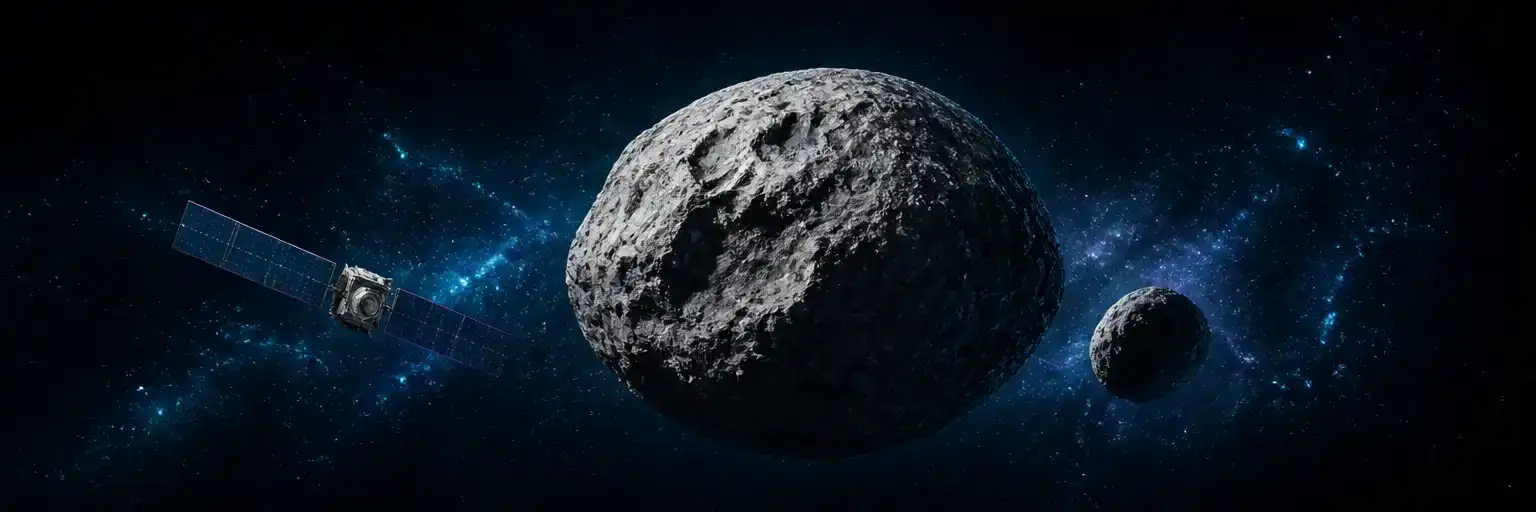
Hera's real test for planetary defense isn't the crater. It's the why
DART moved an asteroid more than scientists expected. Hera's close-up of Dimorphos will show whether that was a repeatable physical rule or a lucky shot.
DART moved an asteroid more than scientists expected. Hera's close-up of Dimorphos will show whether that was a repeatable physical rule or a lucky shot.
Reaching one light-day is a nice number, but the real story is a plutonium-powered probe shedding instruments to stay alive, and the question of what comes next.
A rocket punched holes in the ionosphere and may have skewed GPS by meters. With more launches coming, we should measure that effect, not file it under trivia.
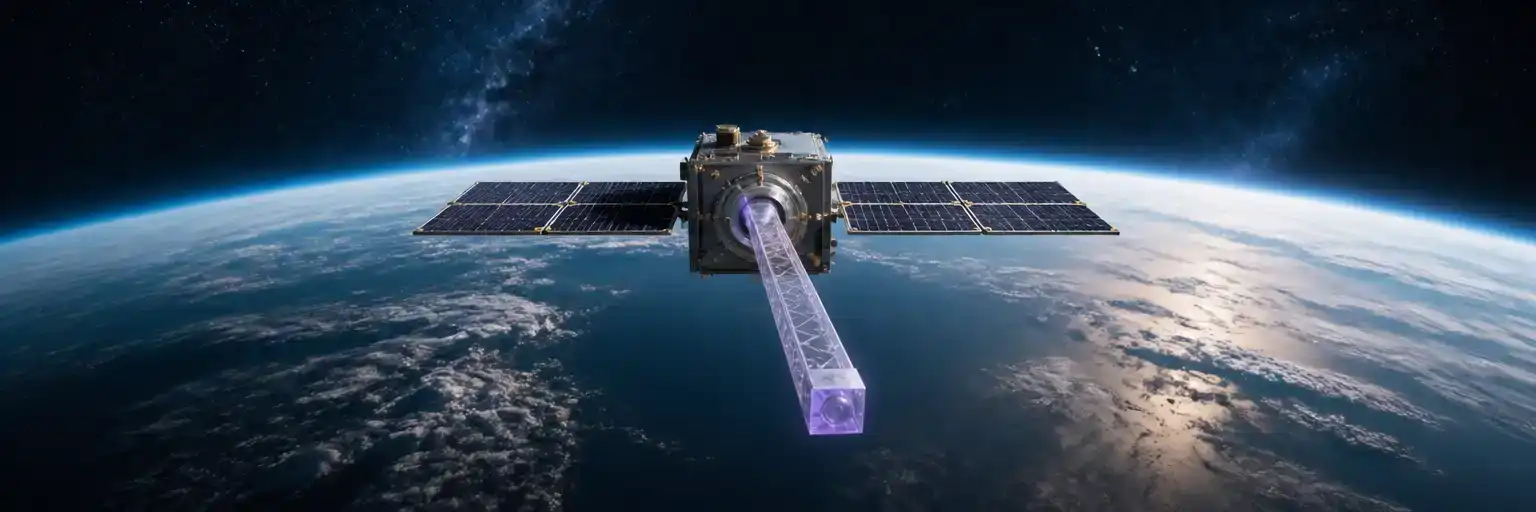
Orbital Matter's printed beam is small, plastic and unglamorous. But if in-orbit manufacturing survives its next demos, it could matter more than any single rocket.
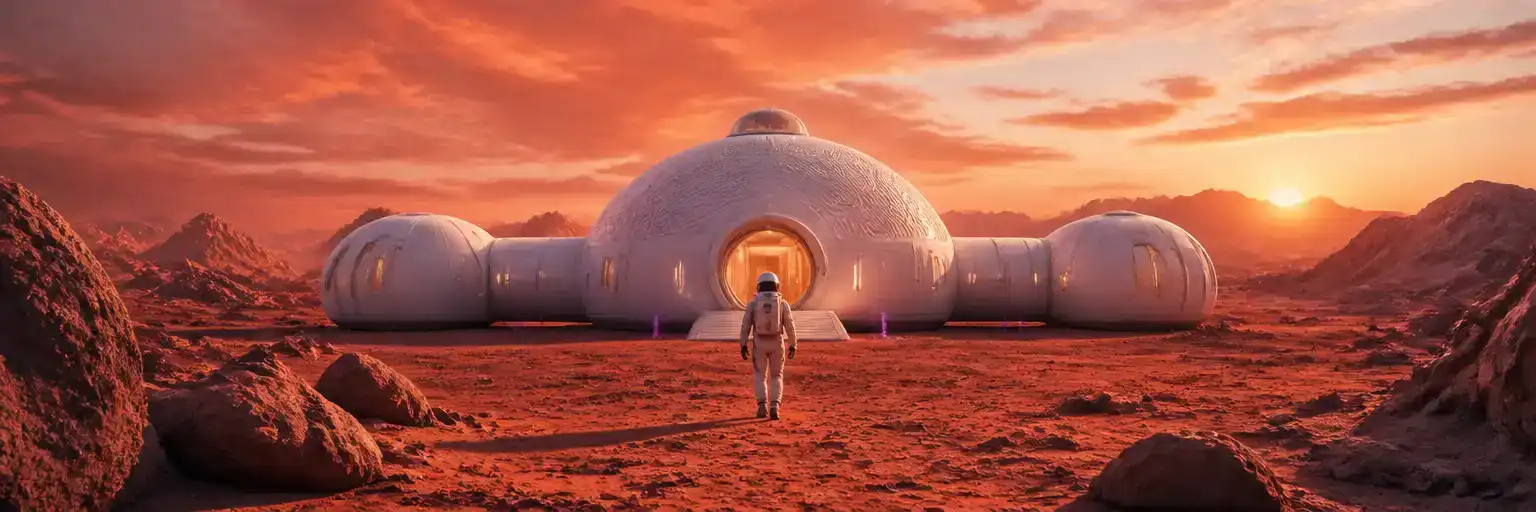
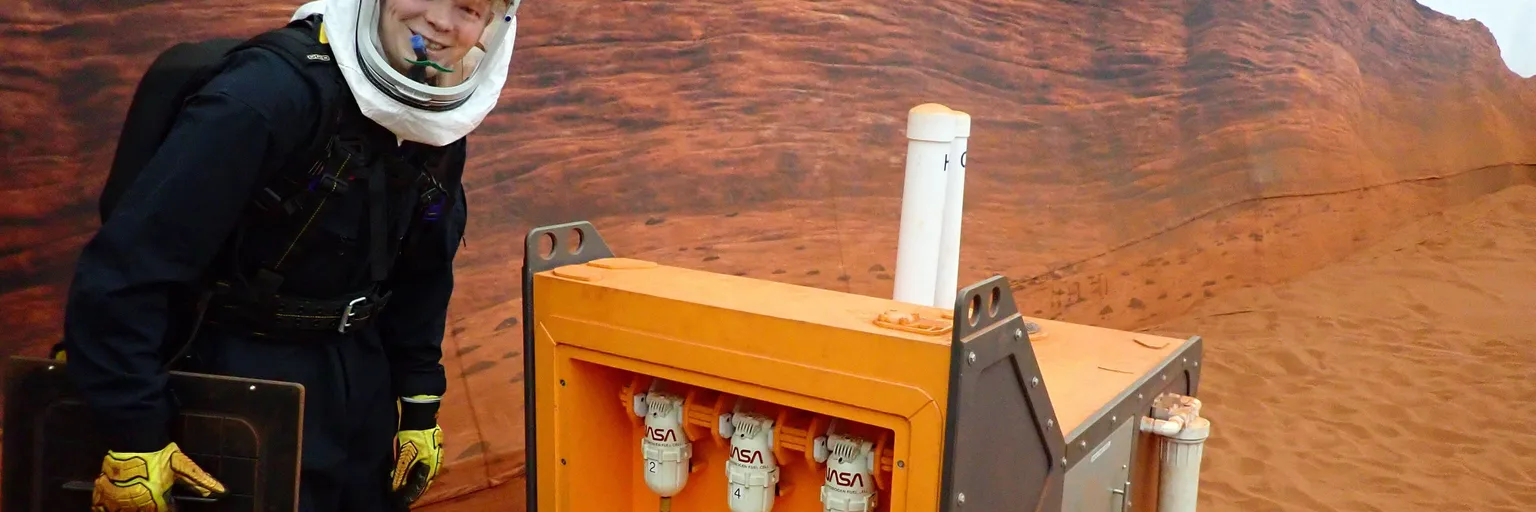
NASA's second year-long Mars simulation tests endurance, isolation and rationing well. It cannot test radiation, real danger or the impossibility of coming home.
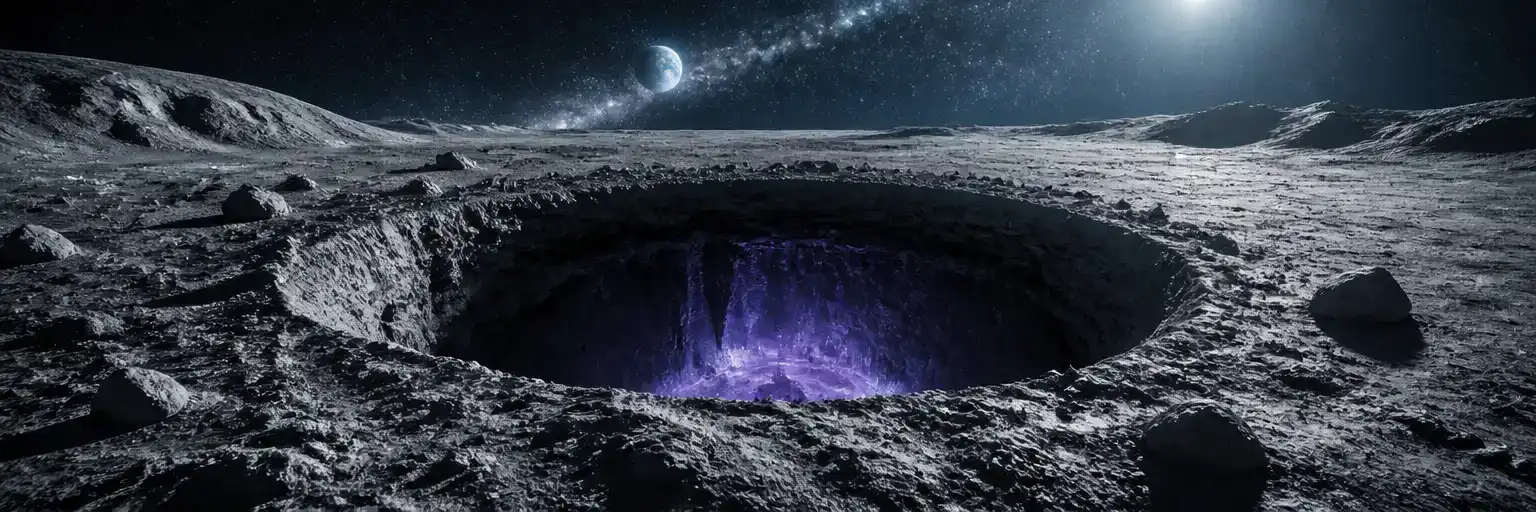
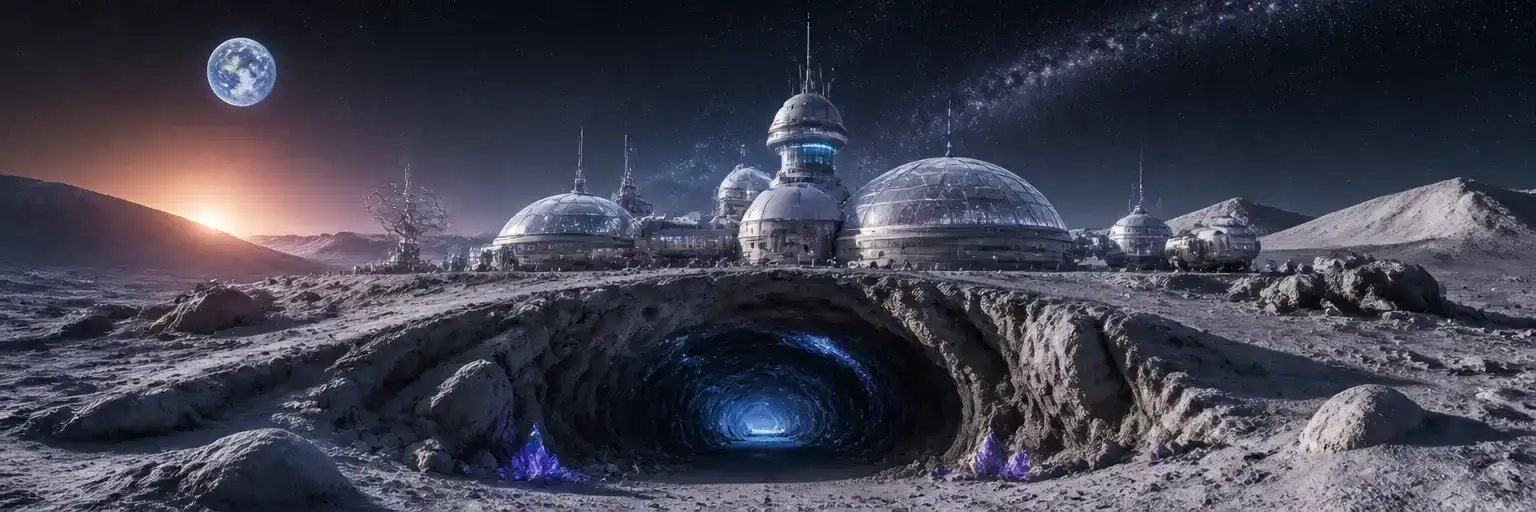
NASA wants to probe the Moon's caves before building its first outpost. It's the right order of operations, but one detail in the plan worries us.
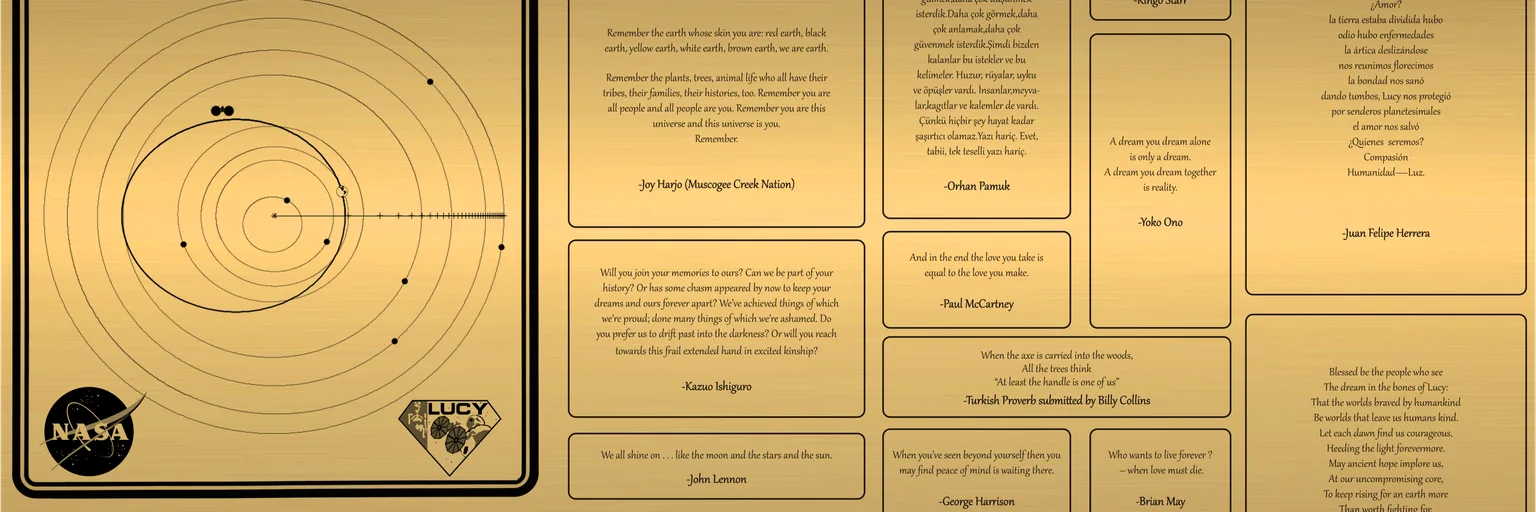
Five years and 2.2 billion miles to reach Jupiter's Trojans: Lucy's patient, flyby-only approach is a smart way to study primitive bodies that may explain how the planets formed.
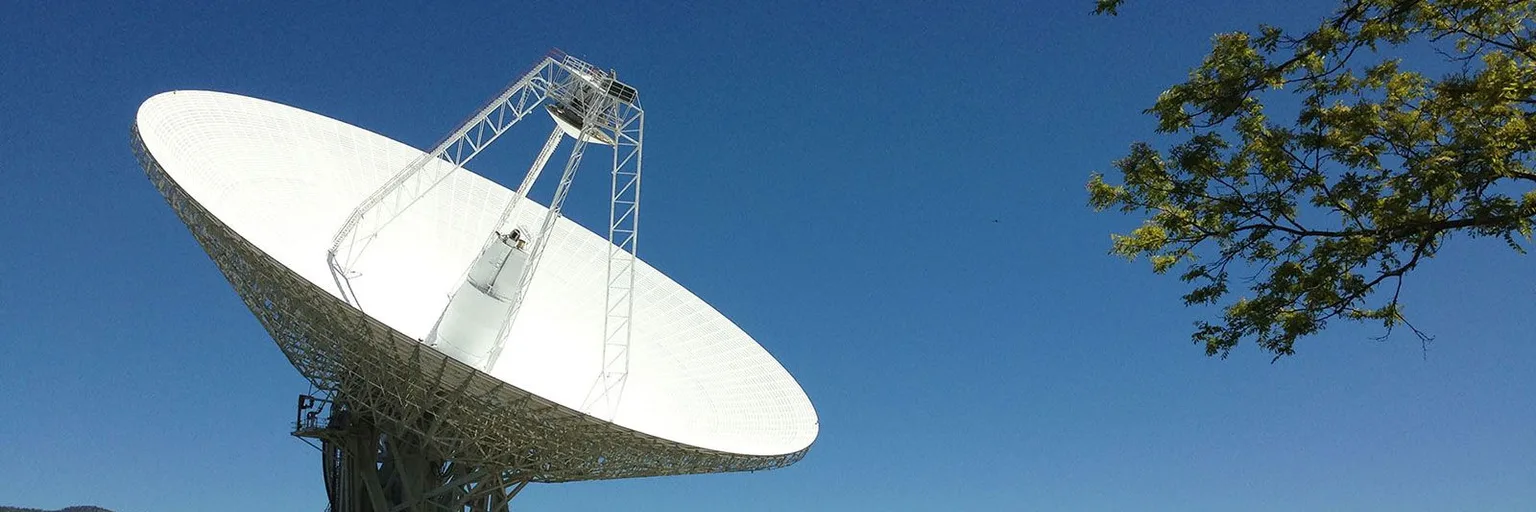
A decades-old probe went unheard in two scheduled contacts and then came back on its own. The real lesson is about the Earth-side antennas and engineers who keep listening.
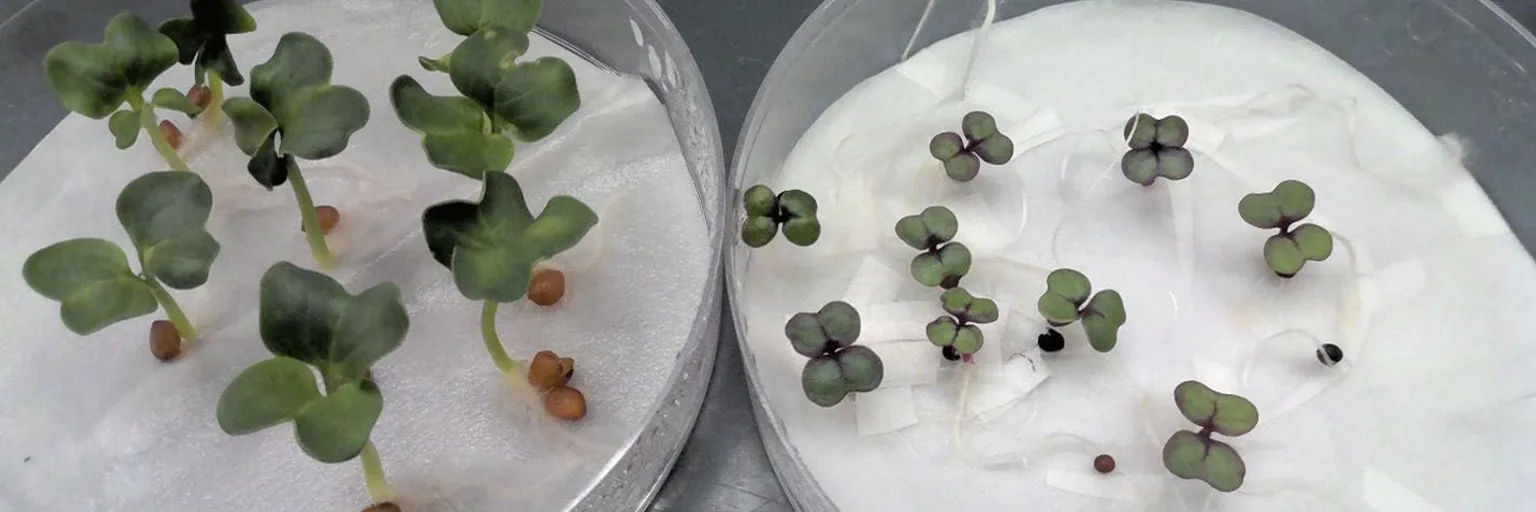
A black mold grew in every sample around the Moon, while a yeast likely expired before launch. The lesson isn't that fungi are tough; it's that deep-space biology lives or dies on controls.
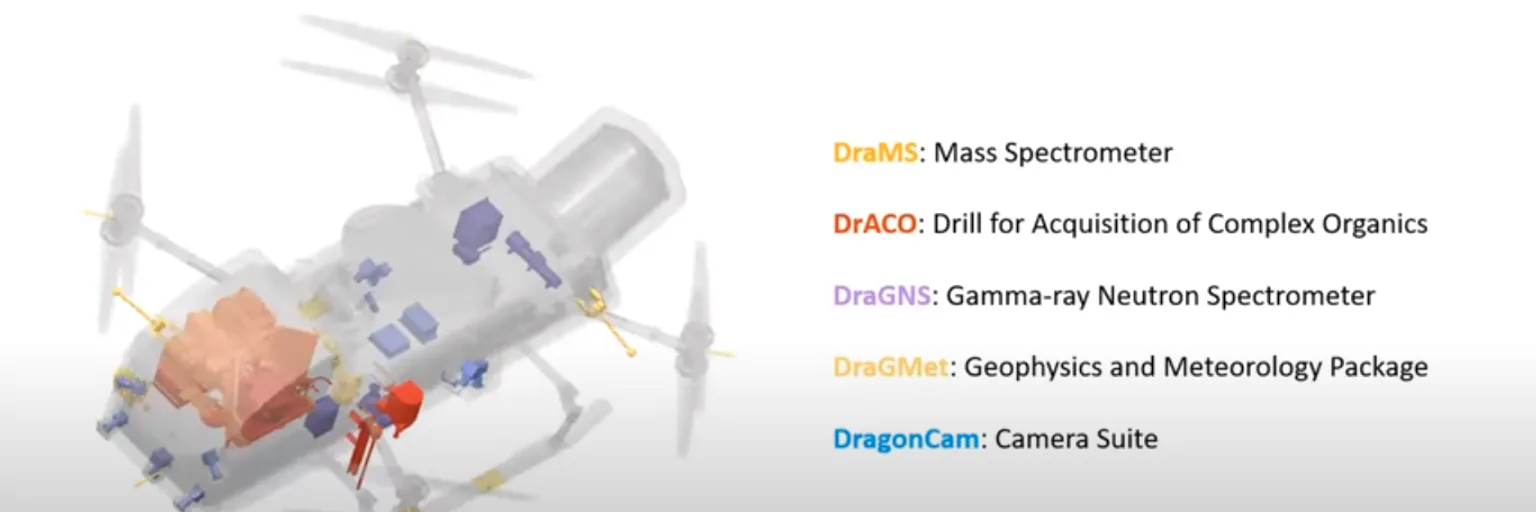
Titan's thick air and weak gravity make flight easier on paper, but a rotorcraft that must decide alone lives or dies by how rigorously its software is rehearsed on Earth.
Competition Model 2.0 trims selection from 35 to about 19.5 months. That helps only if budgets and review rigor survive the shortcut, and nothing in the plan guarantees it.
Stardust, outer-Solar-System ice and room-temperature water in 120 grams of rock: Bennu shows that bringing dirt home beats any flight milestone at changing what we know.
NASA's Psyche is thrusting almost nonstop toward a metal-rich asteroid. The quiet triumph is solar-electric propulsion, and the prize is understanding how planetary cores form.
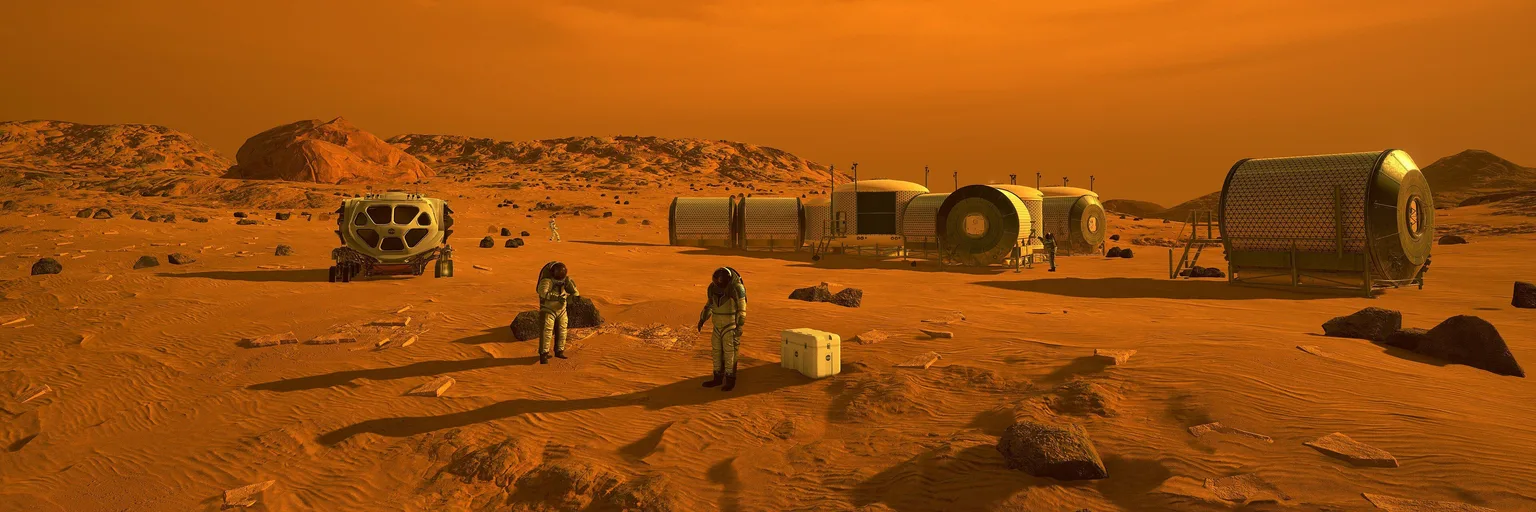
A year inside NASA's CHAPEA Mars habitat suggests the real bottleneck is food, minds and decisions made far from help, not launch vehicles.
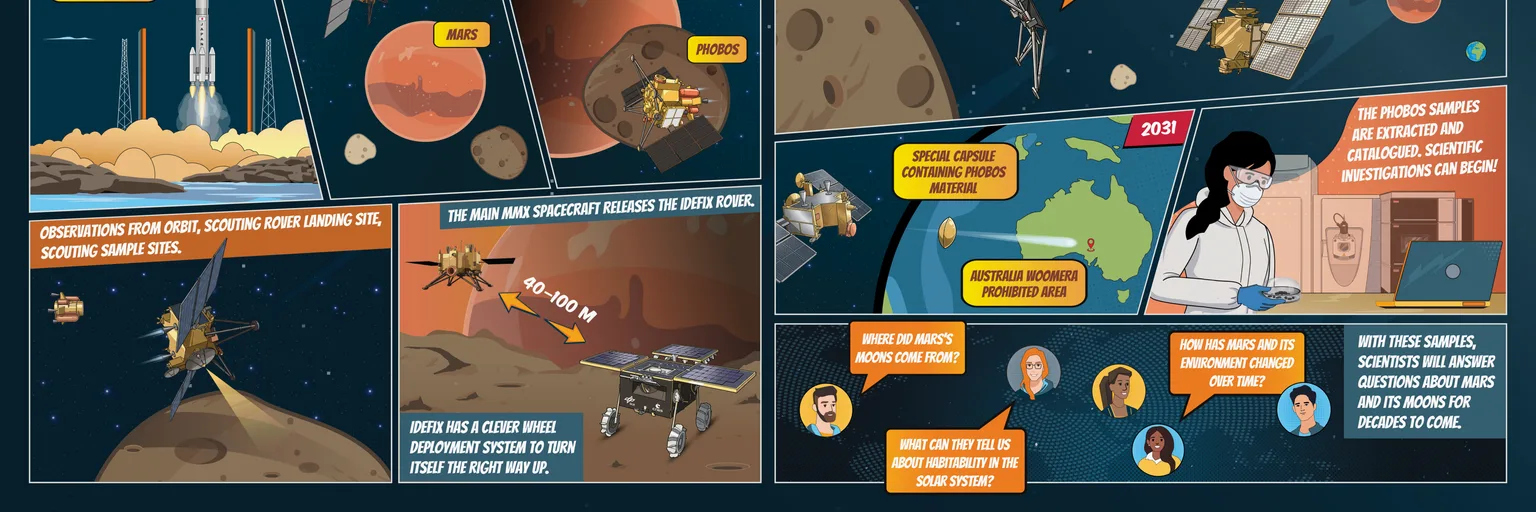
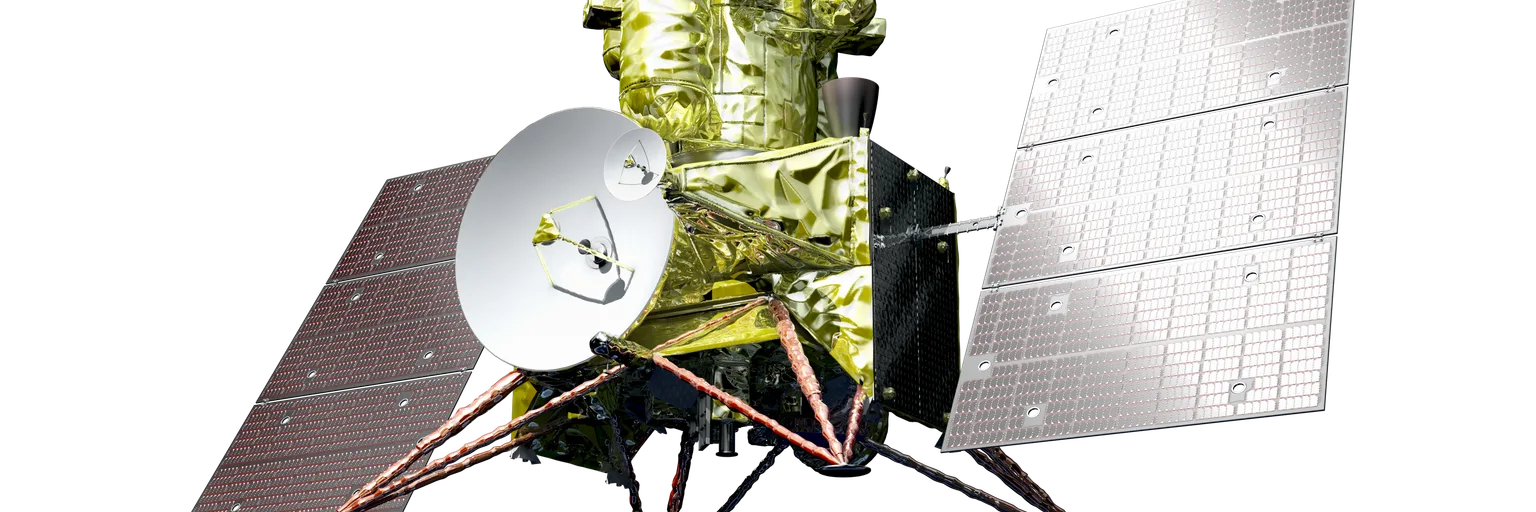
Japan chose Phobos because Mars itself is hard to land on and leave. That makes MMX a pragmatic bet, though it answers a different question from bringing home Mars rock.
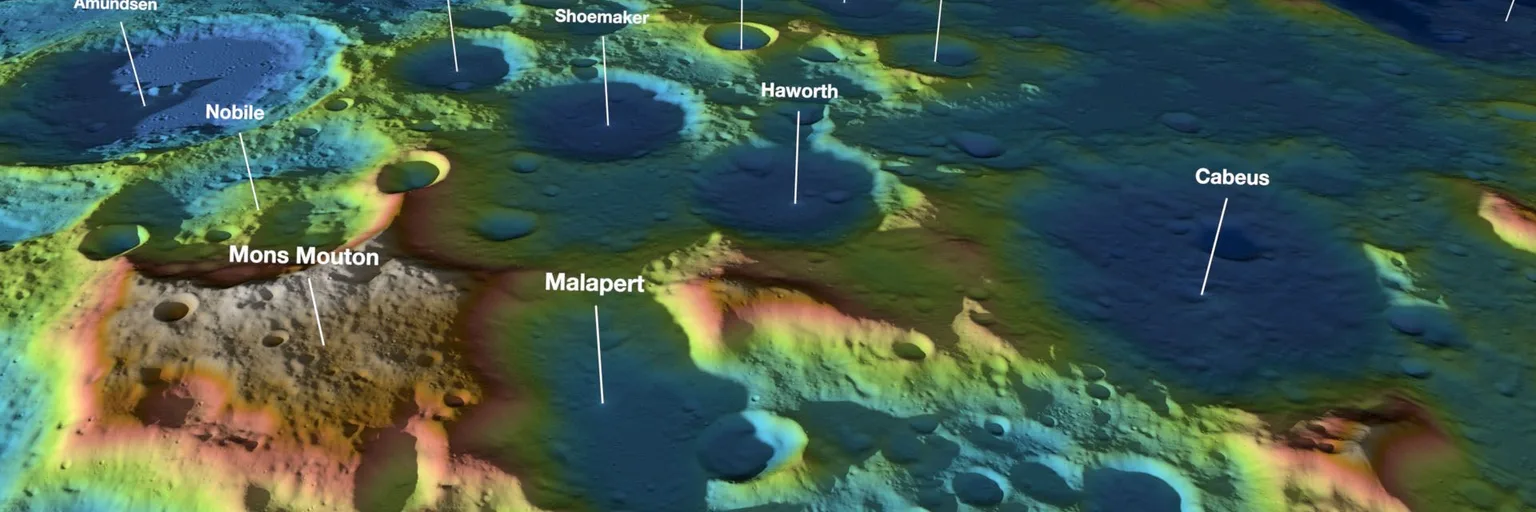
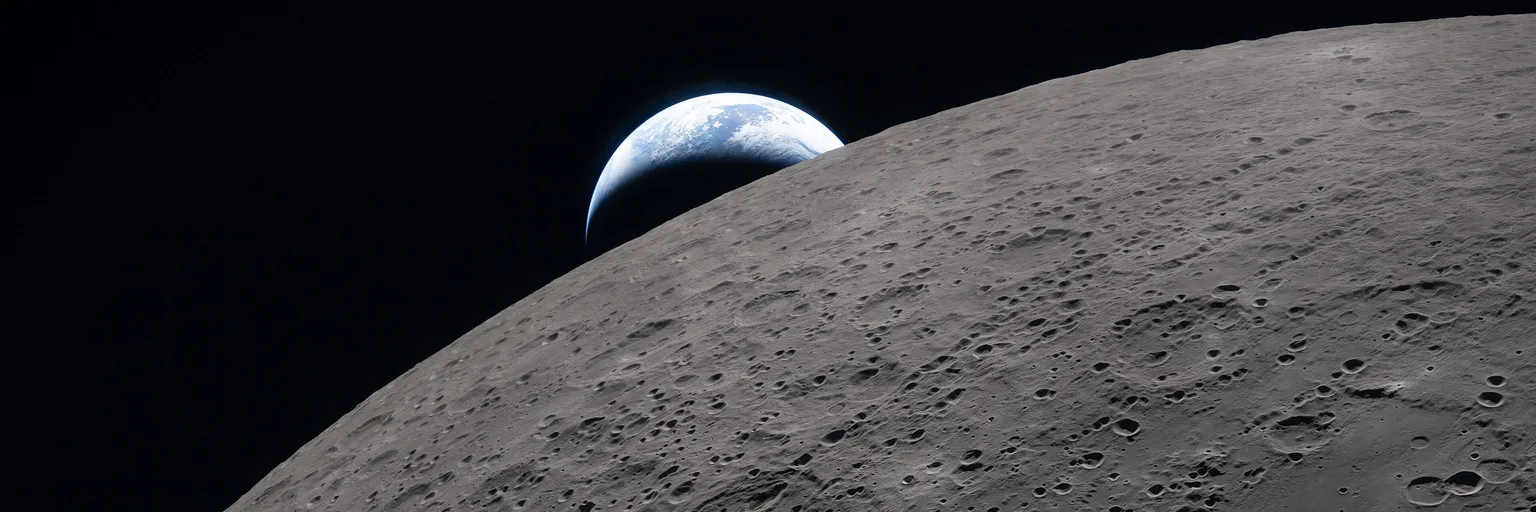
The Moon’s cooling interior is still reshaping its crust, turning faults, moonquakes and landslides into an operational risk Artemis should design around—not discover too late.
NASA’s year-long Mars simulation shows that survival will depend not only on hardware, but on food, communication, autonomy and the psychology of isolation.
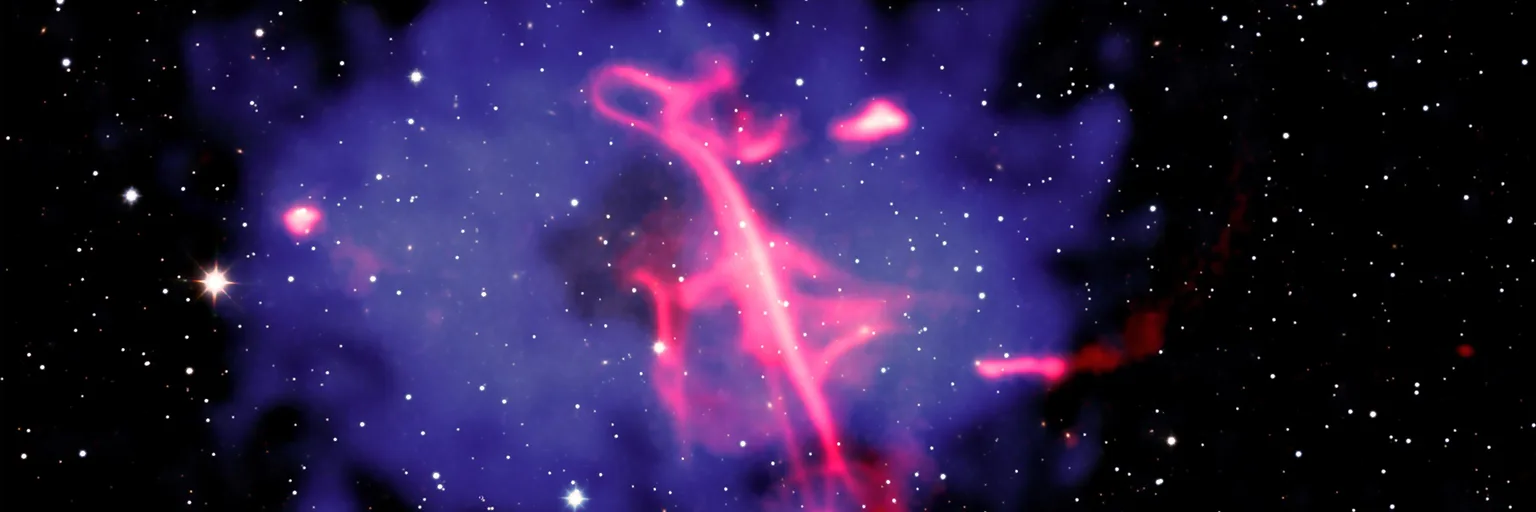
A vast radio structure resembles a musical symbol, but its real value is showing how familiar patterns can open a door to violent, complex astrophysics.
A groundbreaking study suggests that moons orbiting starless rogue planets could harbor liquid water for billions of years, radically expanding our search for extraterrestrial life.
A two-week Mars simulation on a city square in Germany, blending art and science, offers a uniquely accessible and thought-provoking approach to future space exploration.
The latest SpaceX rideshare mission, featuring the Starfall reentry capsule, exemplifies the expanding sophistication and practical applications of commercial space programs and reusable technology for a diverse array of scientific and commercial payloads.
The high-stakes competition between NASA and China to bring Martian samples to Earth is reshaping space exploration, accelerating our quest to understand the Red Planet's secrets.
The James Webb Space Telescope has detected an intense, unexplained infrared signal from a region of space long considered barren, forcing a profound reevaluation of cosmic emptiness and the limits of our observation.
Mysterious geometric patterns on the Martian surface are far more than aesthetic oddities; they are critical indicators of subsurface ice, offering a roadmap for human exploration and a deeper understanding of Mars' climatic evolution.
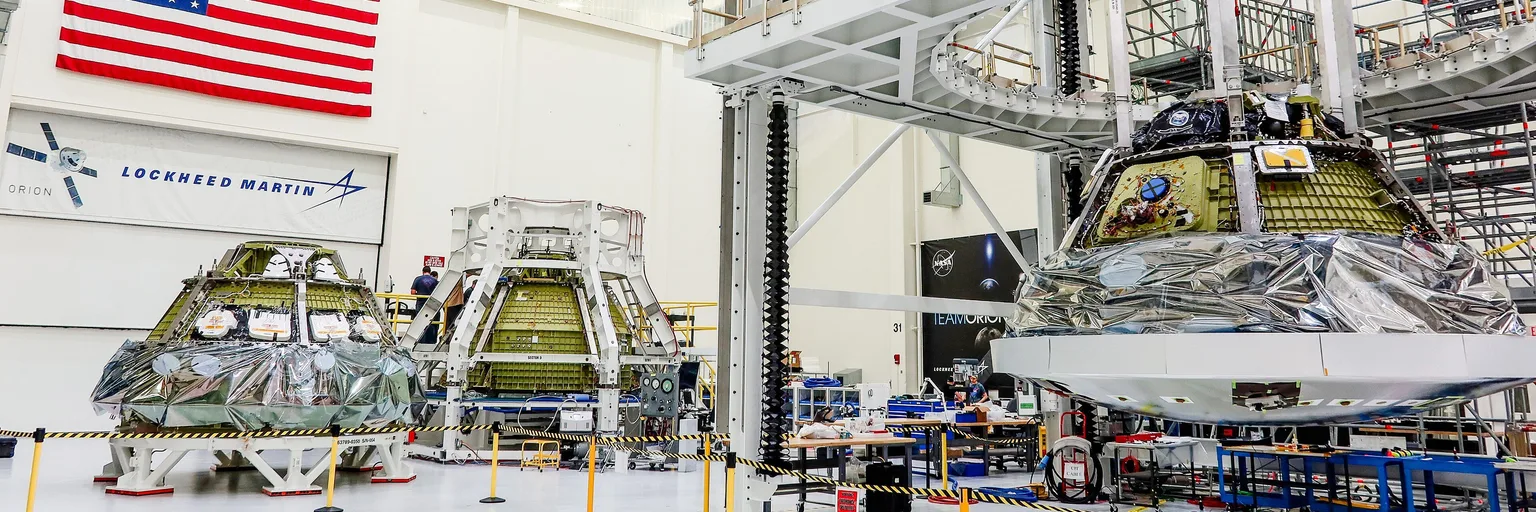
After the Artemis II mission confirmed the Orion heat shield's robust performance and astronaut training intensified, NASA's deliberate, iterative strategy is clearly building a solid foundation for sustained lunar presence and deep-space exploration.
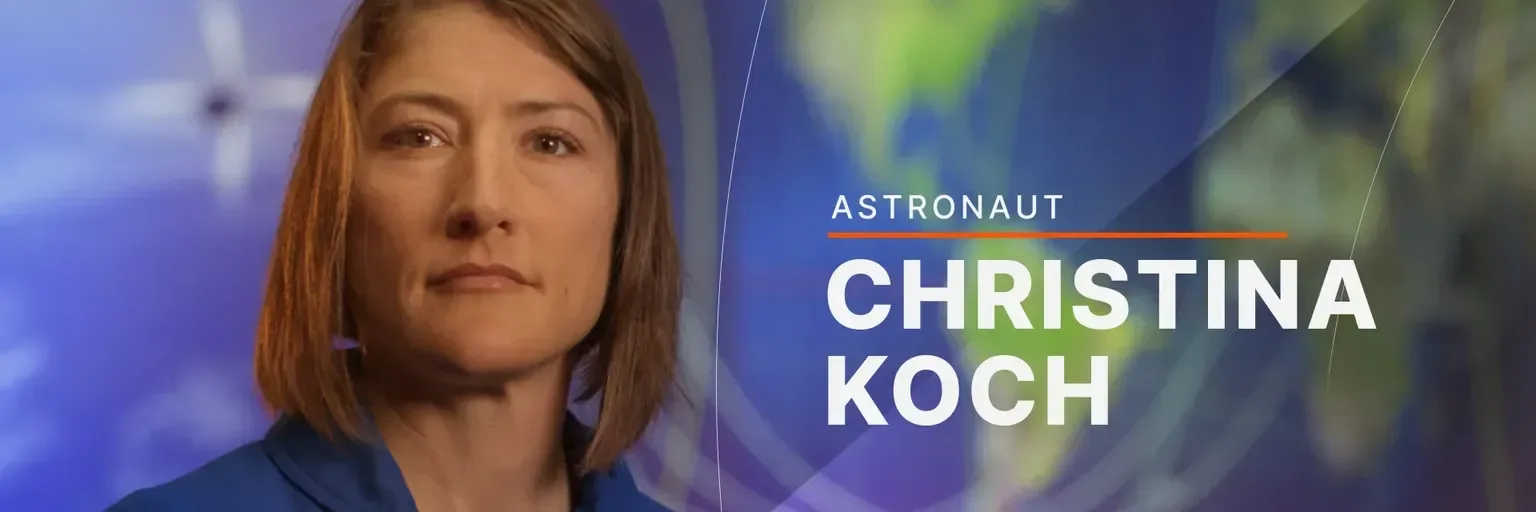
NASA's decision to move Artemis II astronaut Christina Koch into a key engineering leadership position signals a deliberate pivot towards foundational technical oversight and long-term mission architecture over an accelerated lunar landing timeline.
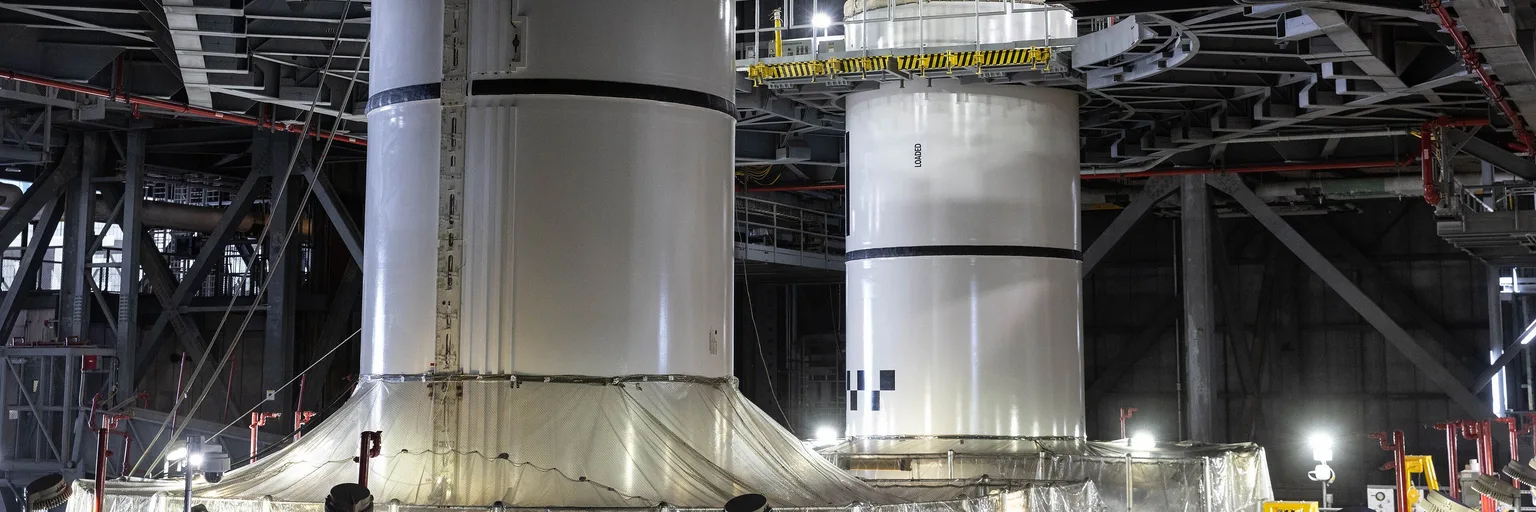
NASA's completion of Artemis III booster stacking marks a significant engineering milestone, signaling steady progress in the complex preparatory missions essential for future human lunar landings.
A leading French astronaut’s frank assessment of humanity's physiological and technological readiness for Mars reveals a sobering gap between our grand ambitions and current capabilities.
The discovery of a vast subsurface ice deposit near Mars' equator fundamentally reshapes our understanding of the planet's water distribution and unlocks new possibilities for its past climate and future human missions.
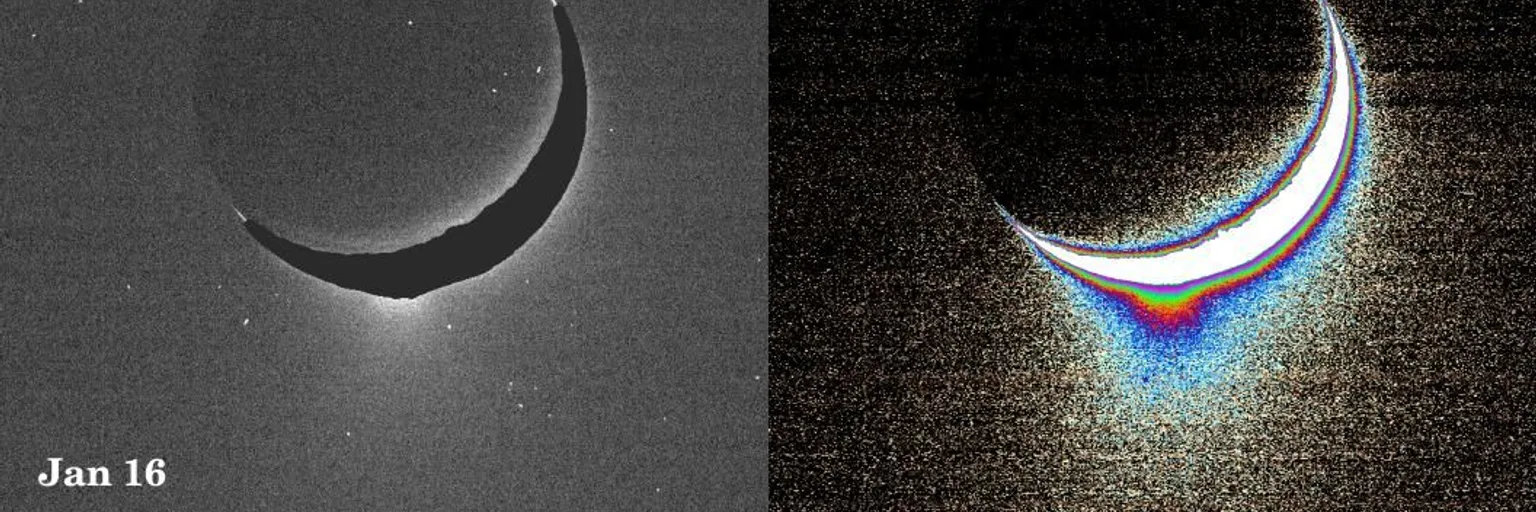
New research shows Saturn’s moon Enceladus is not just habitable, but actively aids in the search for life by 'preparing' samples for us.
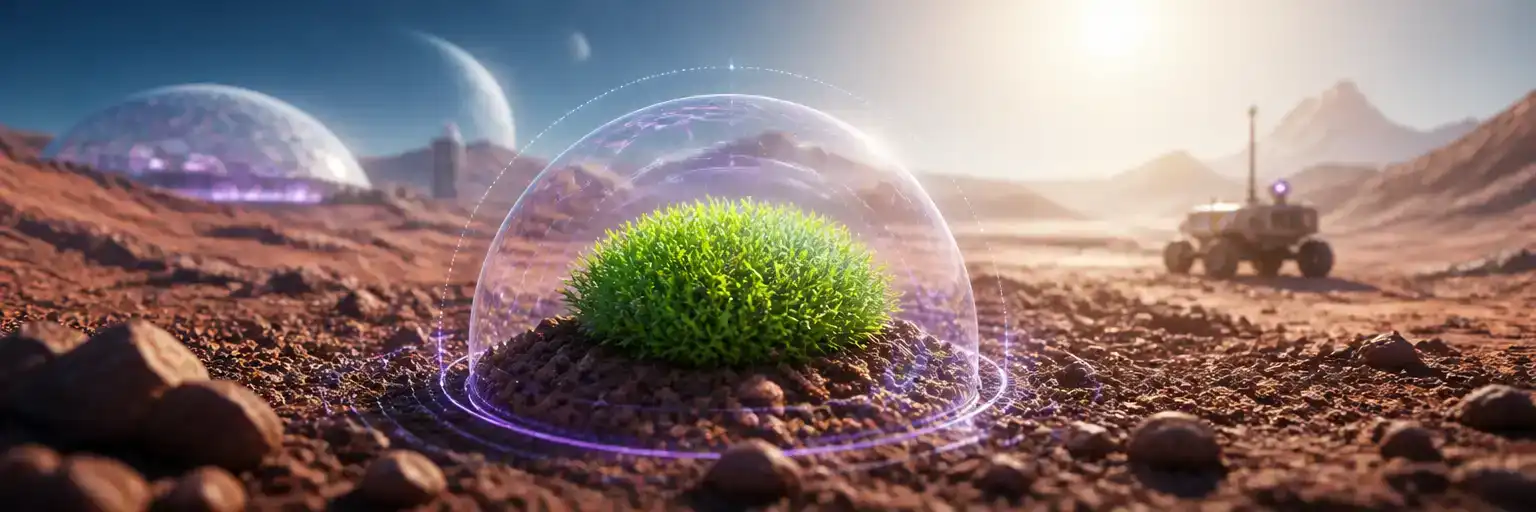
A newly identified desert moss from China's Xinjiang region, demonstrating unprecedented resilience, offers a groundbreaking pathway for sustainable space agriculture and crucial solutions for terrestrial food security in extreme environments.
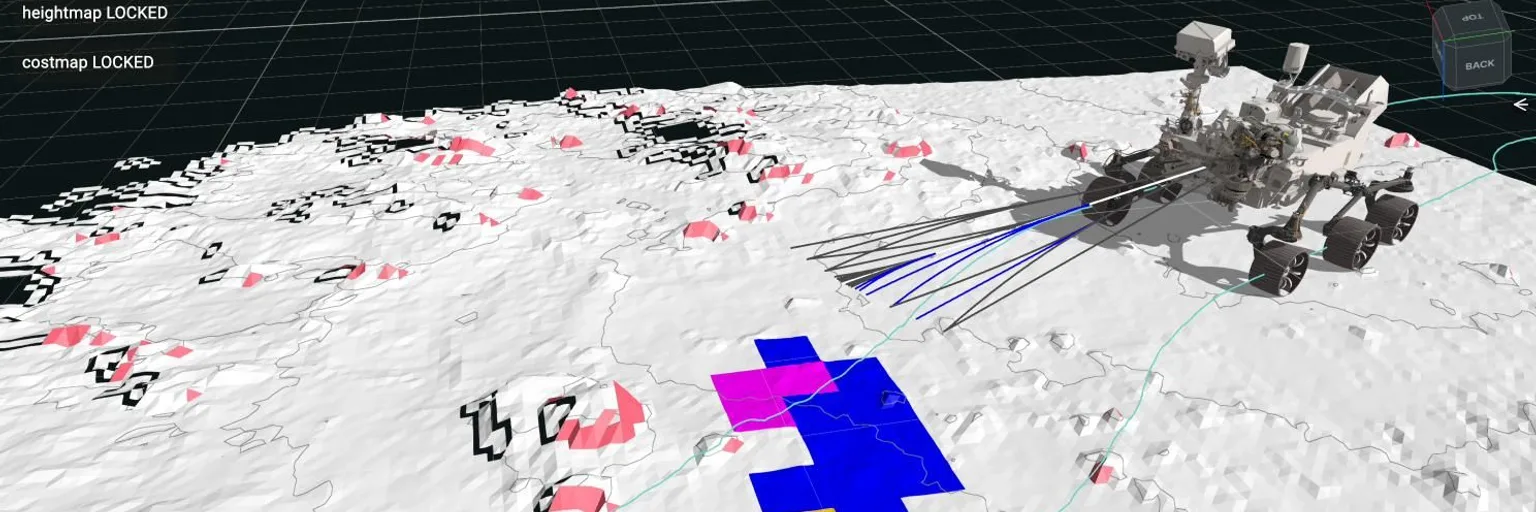
The Perseverance rover's record-breaking journey on Mars, driven by advanced autonomous navigation, reshapes our approach to extraterrestrial exploration and future human missions.
More than just a technological marvel, Sputnik 1's iconic signal didn't merely open the Space Age; it made the boundary between Earth and space a tangible, contested frontier.
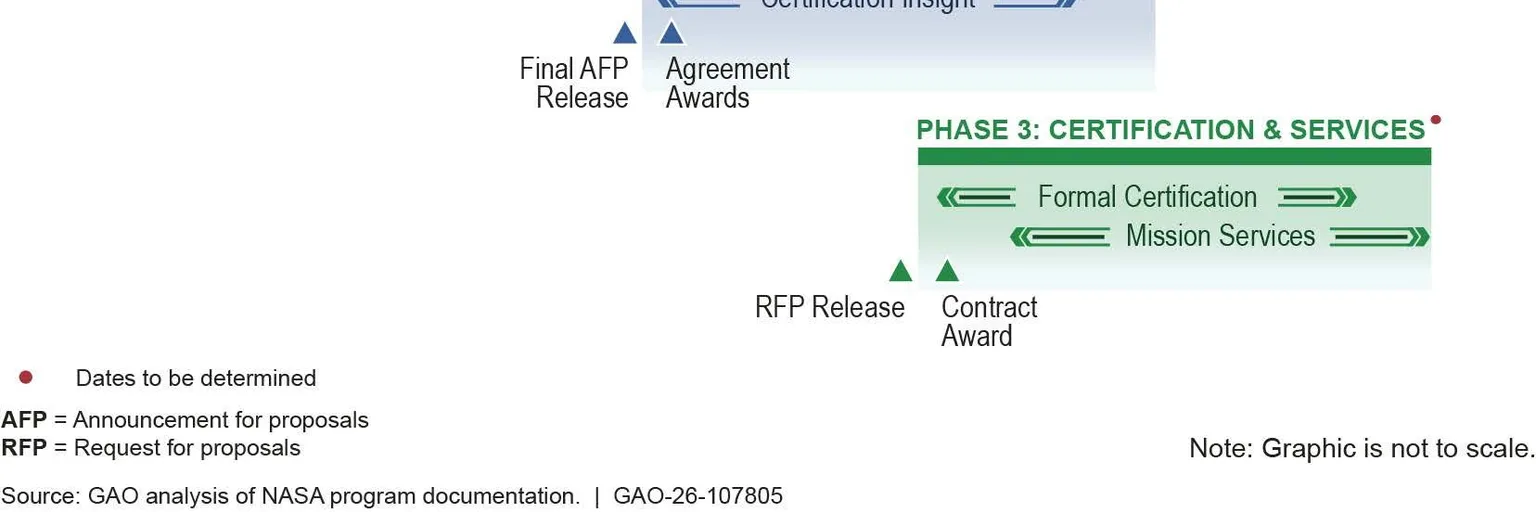
NASA's latest Request for Proposals for commercial space stations signals a pivotal shift toward private-sector leadership, offering both immense innovation and critical questions about the government's evolving role in orbit.
The upcoming MMX mission, a collaboration between Japan, France, and other nations, is poised to solve the enduring mystery of Mars' moons and offer unprecedented insights into our solar system's tumultuous early days.
NASA's dual push for advanced nuclear propulsion and the discovery of lunar lava tubes signals a profound strategic pivot towards enabling long-term, self-sustaining human outposts on the Moon and Mars.
NASA's Artemis II mission delivered a treasure trove of data, but it's the astronauts' unique observations of lunar impacts and strange colors that underscore humanity's indispensable role in space science.
The successful 237-day mission of NASA's Crew-12 underscores that true space exploration is less about the spectacle and more about the quiet, sustained dedication to scientific advancement in orbit.
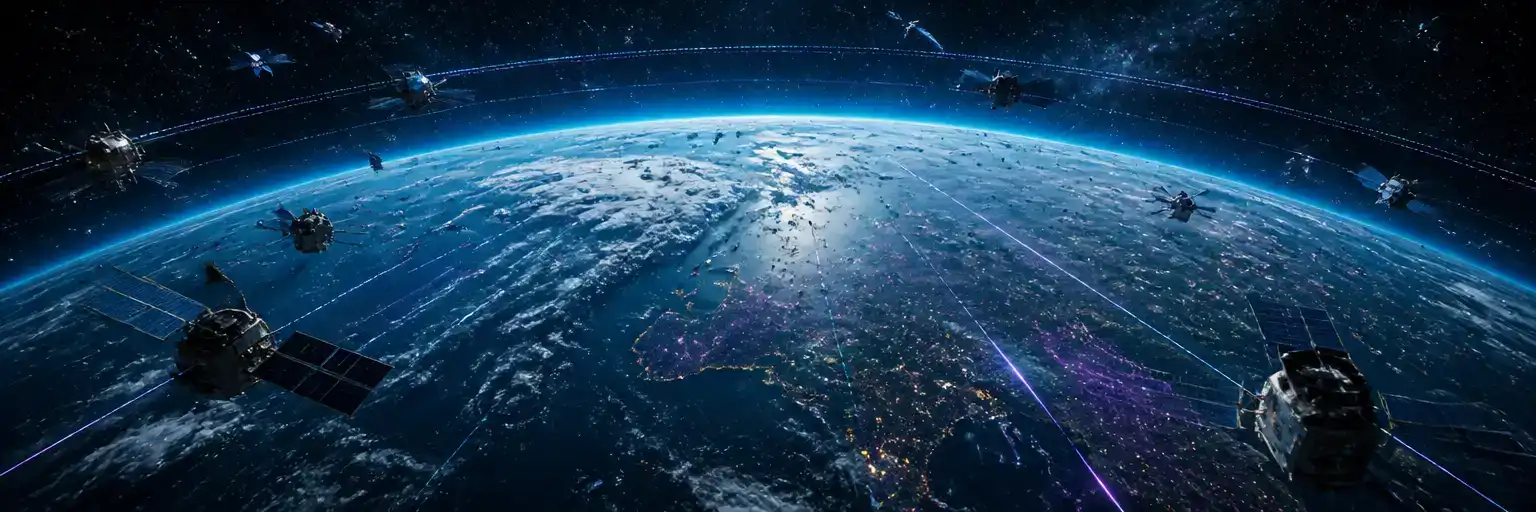
The surge in commercial spaceflight, celebrated during World Space Week, highlights an urgent need for global cooperation on orbital debris and long-term sustainability.
A re-evaluation by the University of Washington has drastically cut the estimated dust in Mars' northern polar ice cap to about 3%, fundamentally altering our view of the planet's past climate and water history.