Curisfera Newsroom
NASA's 20-kilowatt Moon reactor is a downgrade that may be the smart bet
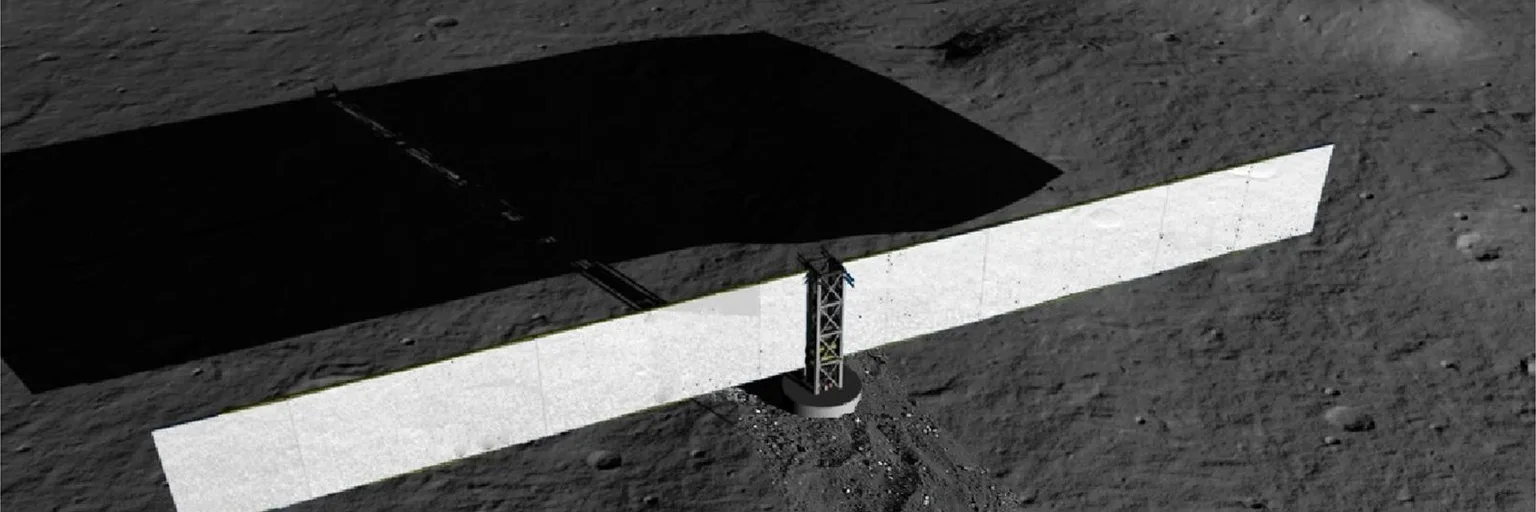
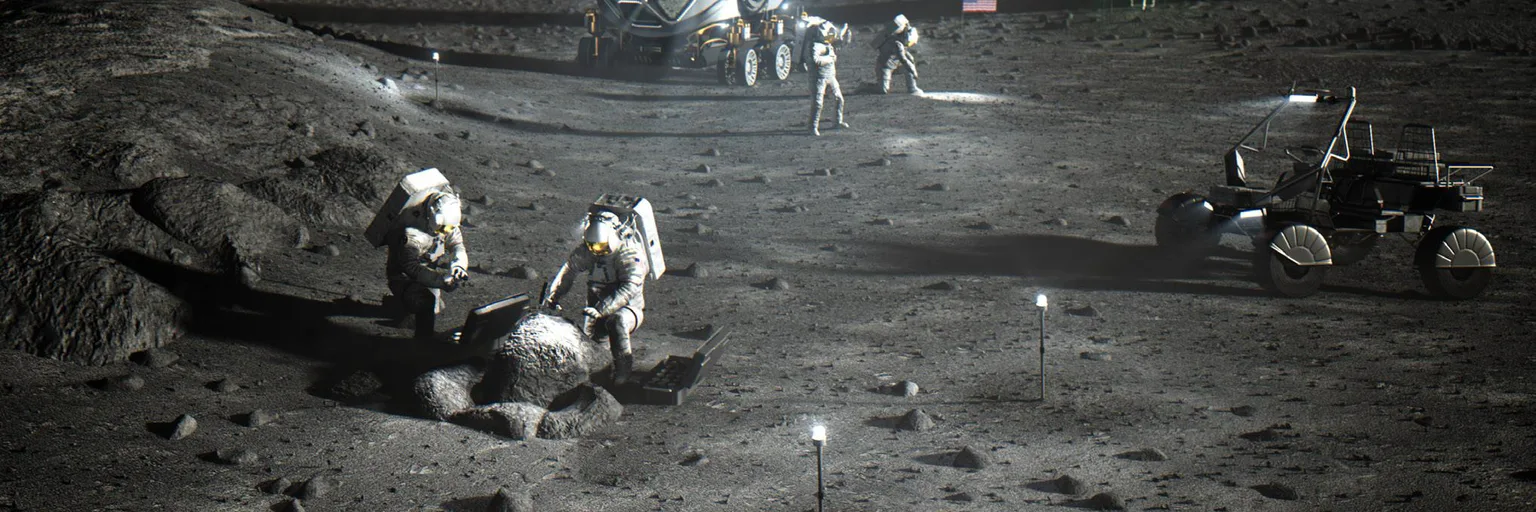
Cutting the lunar reactor from 100 kW to 20 kW looks like a retreat, but a small reactor that actually flies beats a big one on paper.
Reports of a Russian nuclear anti-satellite weapon rest on unverified intelligence, but our dependence on satellites is what makes the threat credible.
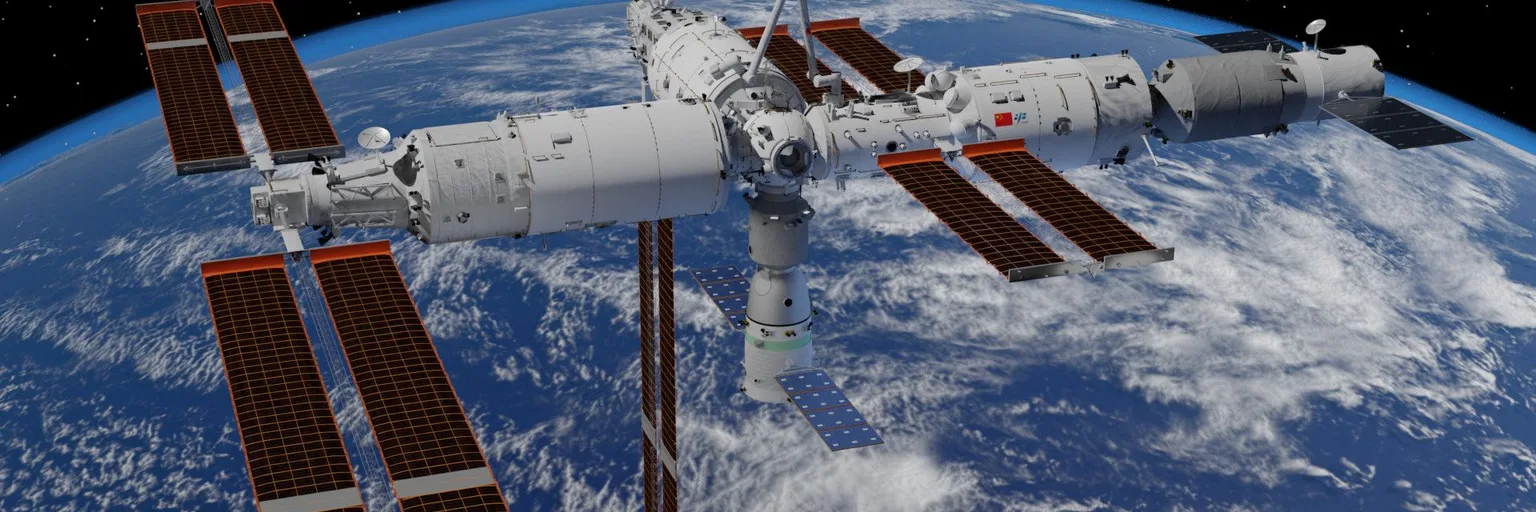
A Pakistani payload specialist on Tiangong shows China courting partners as the ISS ages, and whether it becomes a platform or a photo op depends on what happens in orbit.
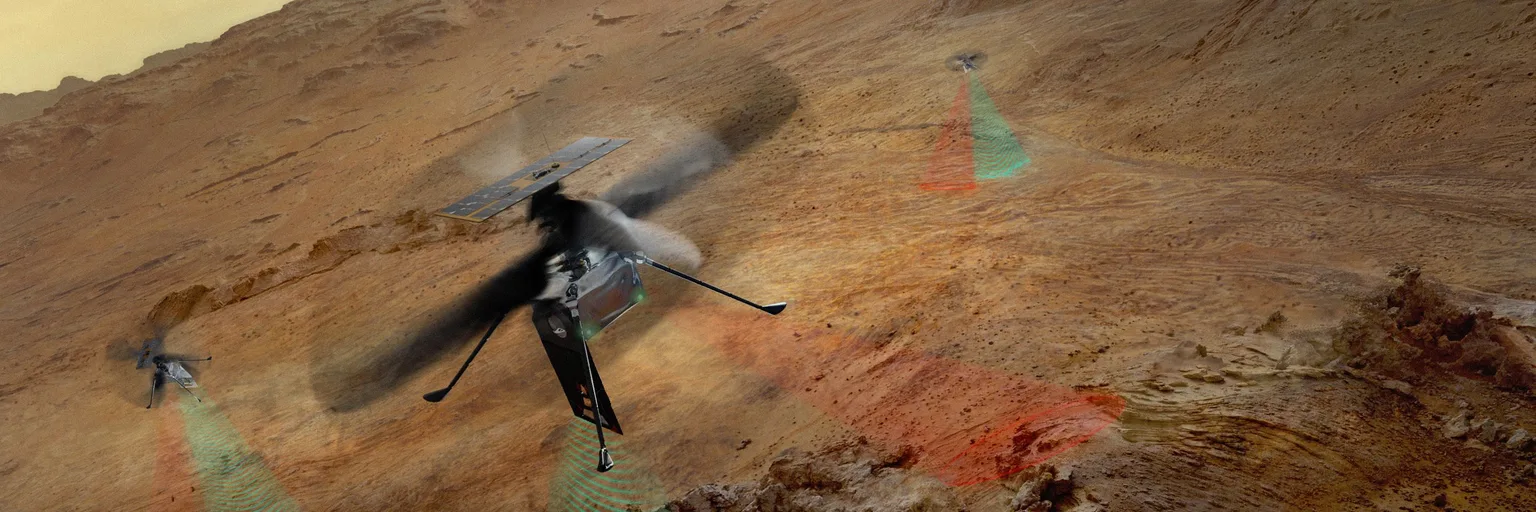
NASA wants its first nuclear-powered interplanetary craft to also deliver three Mars helicopters. In our view, that bundles two risky bets into one launch window.
Vulcan's failure cost Amazon 40 Leo satellites. The bigger loss is the spare capacity that a thin market of rockets can no longer provide.
NASA is recruiting again, and the pitch is about people who can live and work on the Moon, so the next class will show whether the plans are serious.
China has published a staged plan to land astronauts "before 2030." NASA's 2028 date now hinges on landers that haven't flown, and a pure sprint is the wrong way to run this.
A telescope that outlived its two-year mission more than tenfold fell after its rescuer failed. Servicing has to be designed in before a satellite is dying.
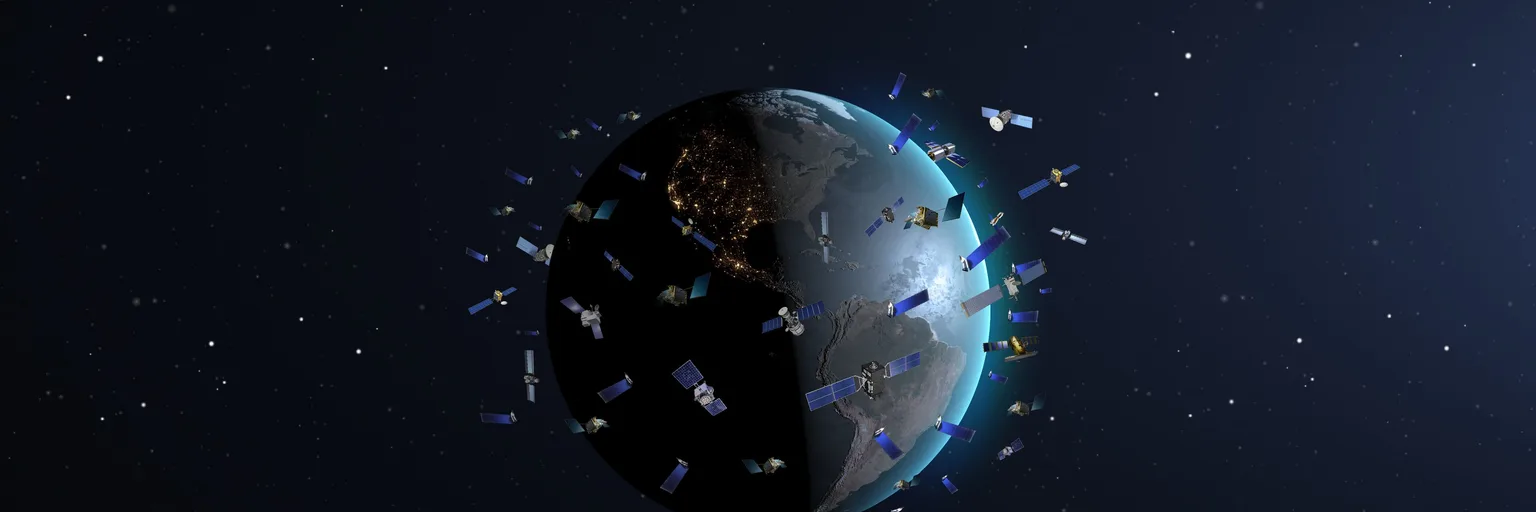
The Pentagon's report on a Russian nuclear satellite matters less as a treaty scandal than as a stress test of how much of daily life hangs on fragile orbital hardware.
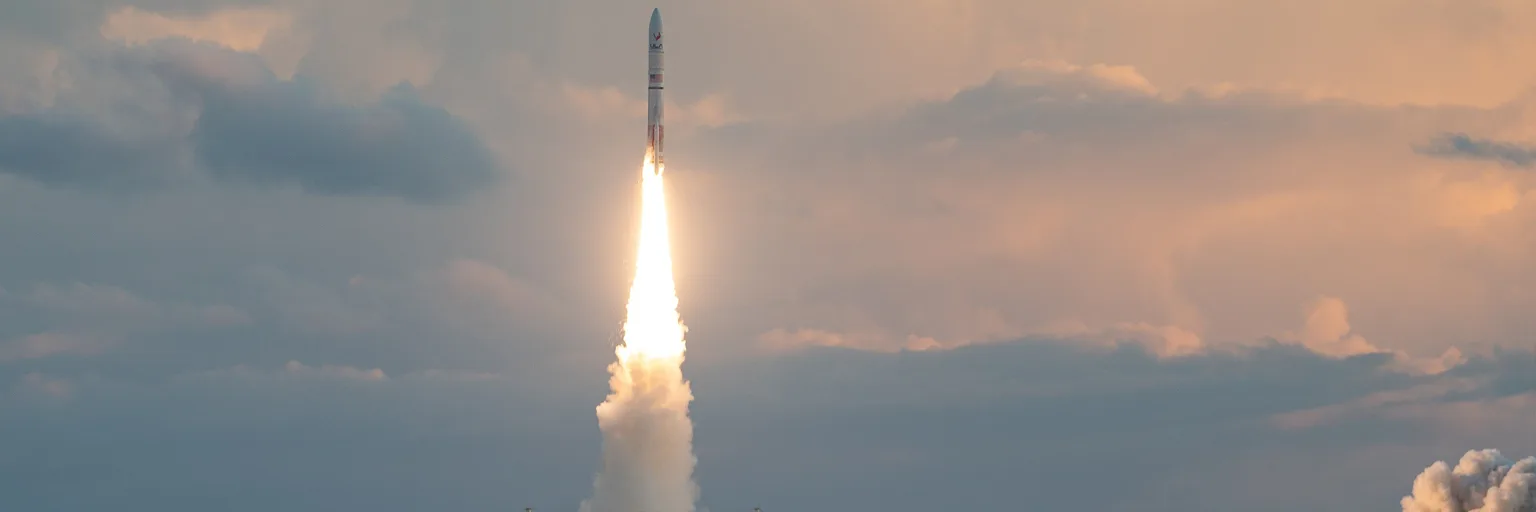
A private company changing its product line should not be able to scramble the Space Force, and the Falcon 9 retirement shows why governments need leverage and real alternatives.
NASA's request for ideas to boost, service or retire Hubble is cheap and sensible, but it exposes a harder question: how much to pay to keep an old telescope alive.
NASA is asking industry whether Hubble can be boosted, serviced or brought down in a controlled reentry, and the answer will show if we maintain great observatories or just use them up.
A 22-year-old NASA observatory is coming down with no thrusters to steer it. The reentry risk is tiny, but the real lesson is that science missions must be designed for their own funeral.
NASA's 2031 ultraviolet telescope is good news, but its slipped date and doubled price tag show how fragile a capability we rarely notice until it's gone.
Competition Model 2.0 trims selection from 35 to about 19.5 months. That helps only if budgets and review rigor survive the shortcut, and nothing in the plan guarantees it.
NASA did try to reboost Swift, and the attempt failed. The real lesson isn't about skipped maintenance but about telescopes designed without a repair option.
The strongest argument for sample return is already in the labs: Bennu's grains keep answering questions no telescope or probe could, and the funding should follow.
The 2027 target for Artemis III matters less than what the mission now tests: whether two commercial landers and their rockets are ready, and whether NASA will tolerate a realistic schedule.
NASA's stated goal is to avoid a gap in crew-capable platforms in orbit. But the plan to replace the ISS has changed course too often to be the only plan.
The asteroid 2025 SC79 is not an imminent threat. Its real lesson is more useful: planetary defense still has a blind spot where the Sun makes dangerous objects hardest to find.
The UK's ambitious mission to deploy a refuelable robot claw for active debris removal is not merely about clearing orbital trash, but strategically building a sustainable space economy.
The persistent debate over whether space begins at 80 or 100 kilometers above Earth underscores that this 'scientific' boundary is deeply entangled with legal, commercial, and geopolitical interests.
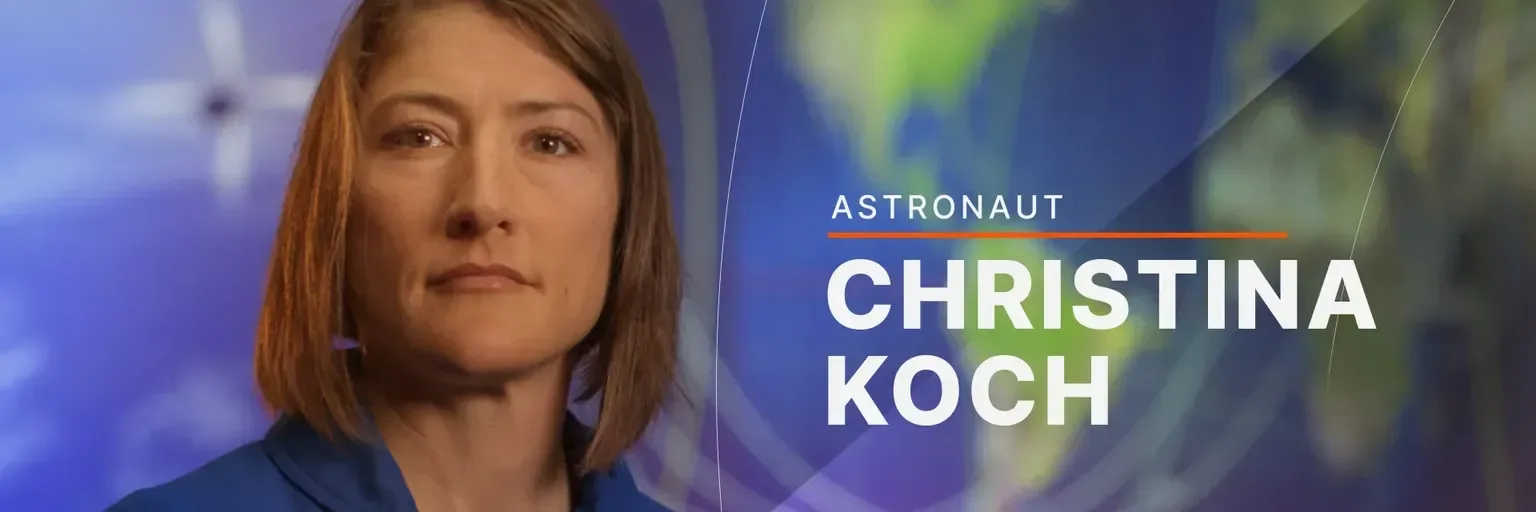
NASA's decision to move Artemis II astronaut Christina Koch into a key engineering leadership position signals a deliberate pivot towards foundational technical oversight and long-term mission architecture over an accelerated lunar landing timeline.
More than just a technological marvel, Sputnik 1's iconic signal didn't merely open the Space Age; it made the boundary between Earth and space a tangible, contested frontier.
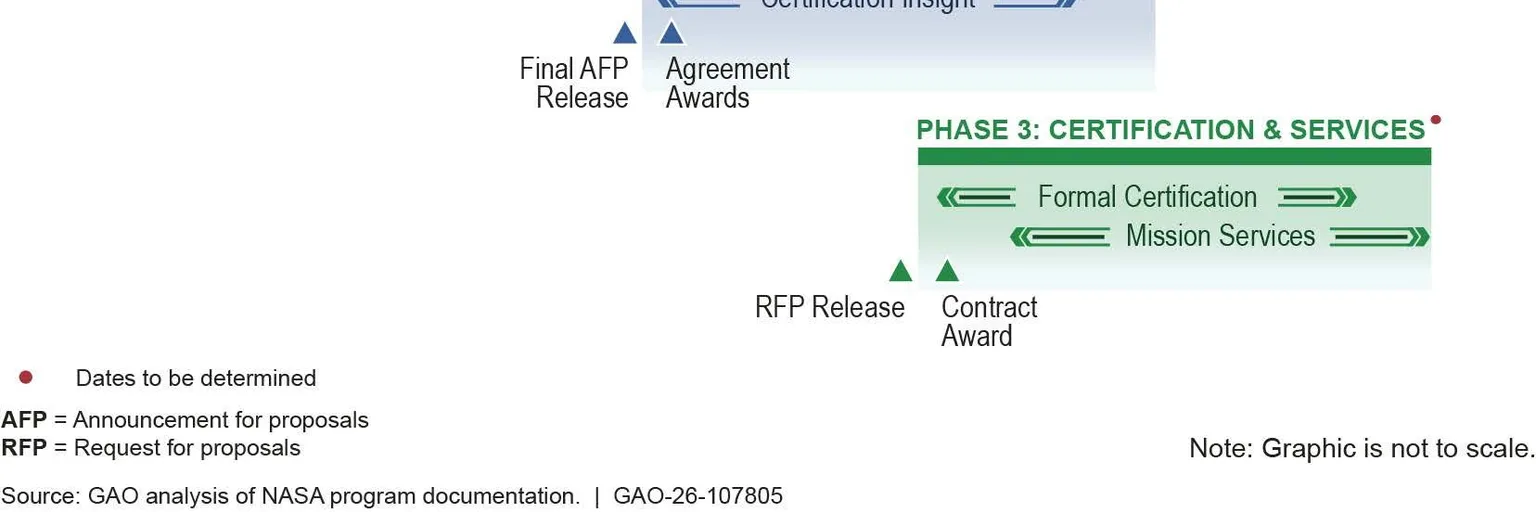
NASA's latest Request for Proposals for commercial space stations signals a pivotal shift toward private-sector leadership, offering both immense innovation and critical questions about the government's evolving role in orbit.
The surge in commercial spaceflight, celebrated during World Space Week, highlights an urgent need for global cooperation on orbital debris and long-term sustainability.