Curisfera Newsroom
Two Mars faults at once expose how thin NASA's safety net is
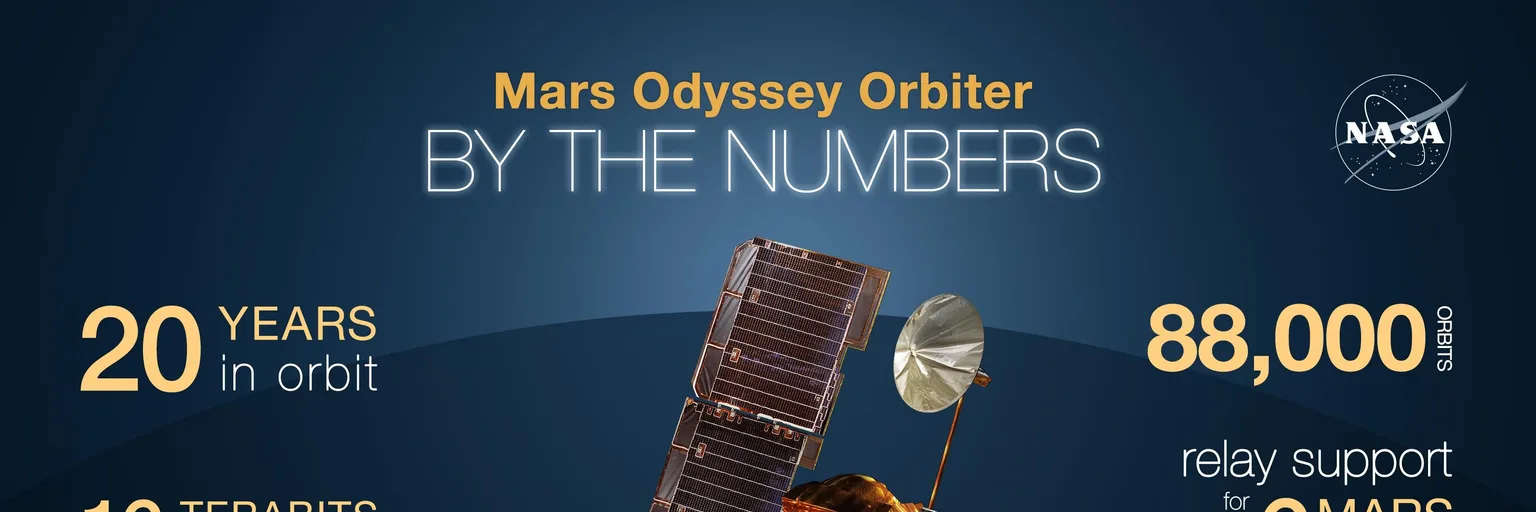
Perseverance and Odyssey going quiet within days of each other looks like a coincidence. The real story is how much Mars science leans on aging relays.
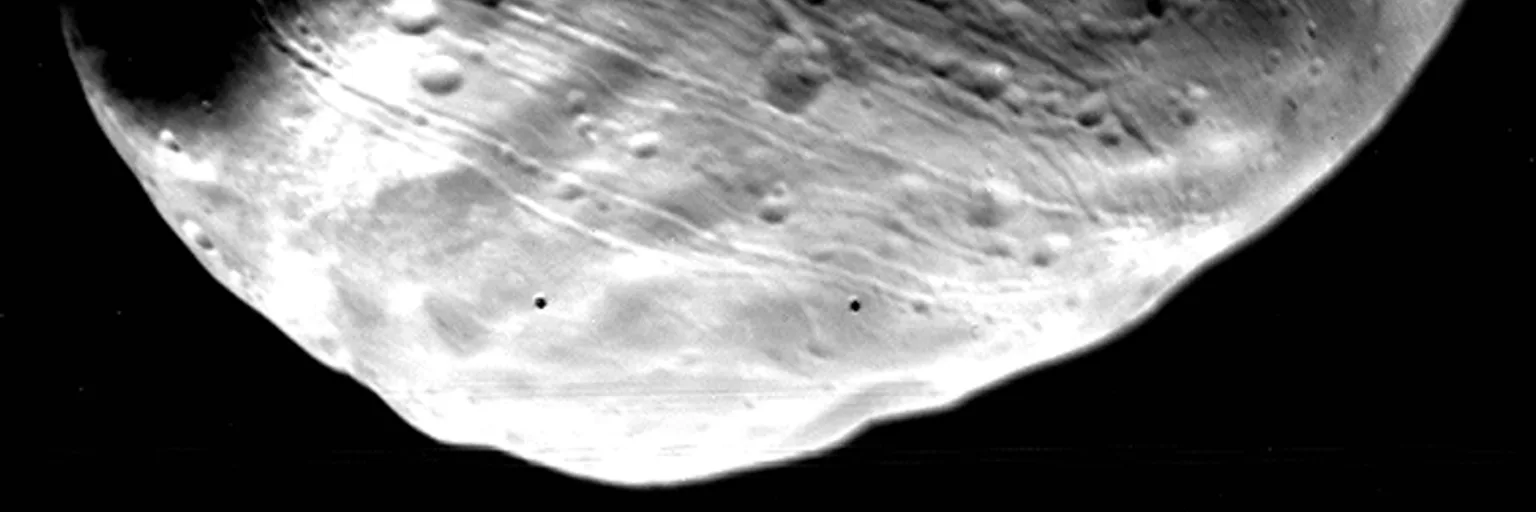
A lost Soviet probe, a few final frames and a long silence: the perfect recipe for myth. Re-analysis, not UFO lore, is the right answer to Phobos 2.
Perseverance's radio trouble and Odyssey's balky reaction wheel are two small glitches. Together, they show how much Mars science depends on aging relay infrastructure.
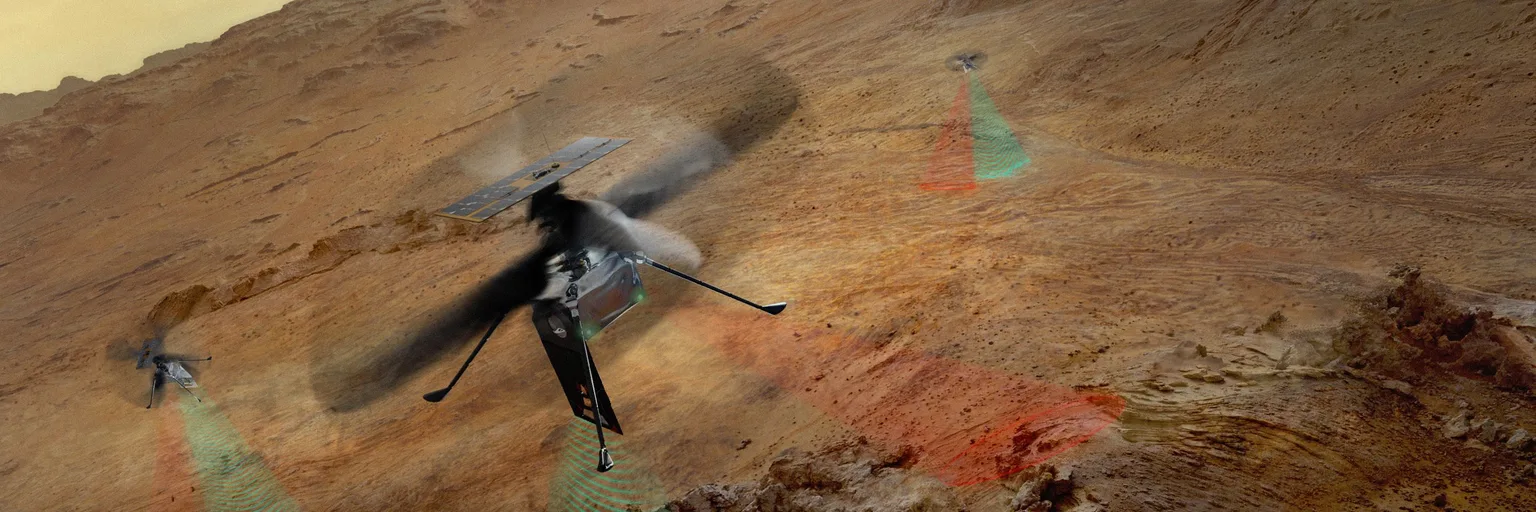
NASA wants its first nuclear-powered interplanetary craft to also deliver three Mars helicopters. In our view, that bundles two risky bets into one launch window.
Curiosity's detection of usable nitrogen strengthens the case that ancient Mars was habitable, but a pantry stocked with chemistry tells us nothing about whether anyone cooked.
Hydrogen chloride over Alba Mons suggests Mars still has a working interior. That is a reason to rethink where we look for life, not to announce it.
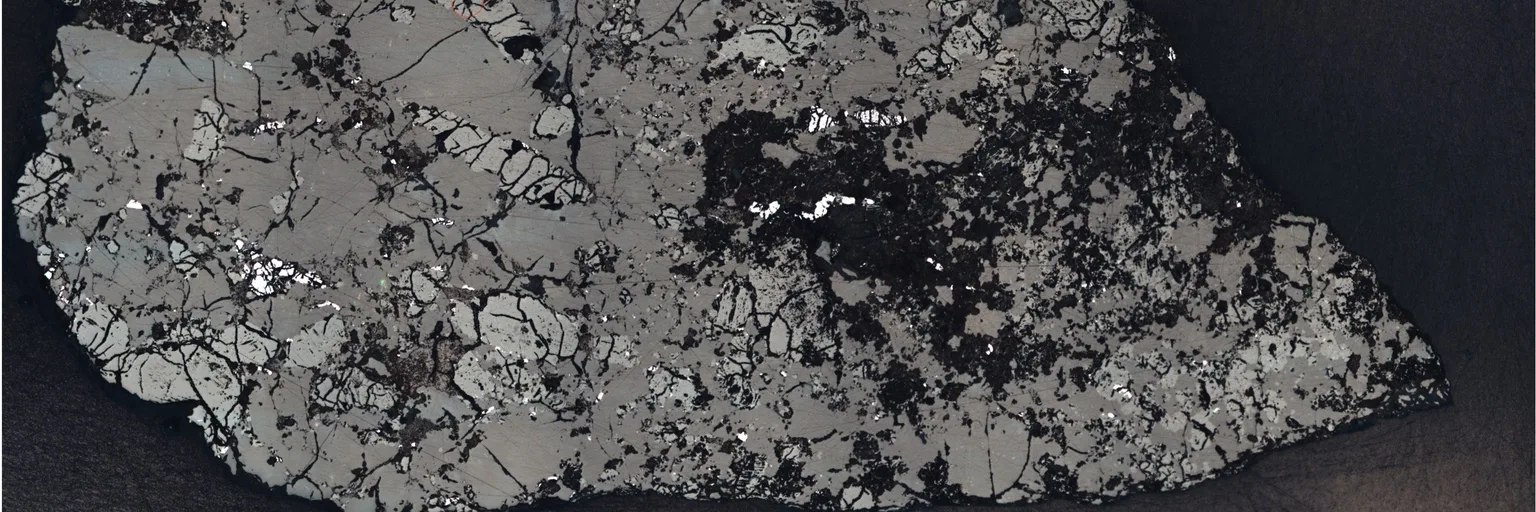
A 4.1-billion-year-old meteorite with 13 candidate source sites shows how little a rock's age tells us without its geological setting, and why Mars sample return still matters.
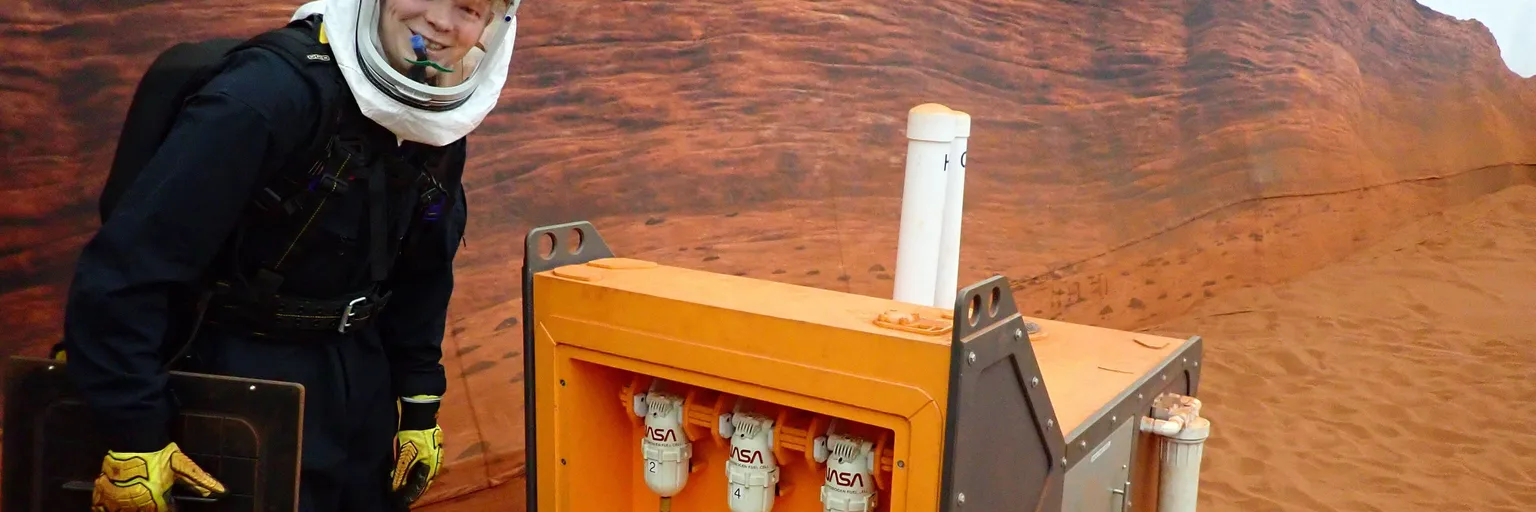
NASA's second year-long Mars simulation tests endurance, isolation and rationing well. It cannot test radiation, real danger or the impossibility of coming home.
Perseverance measured dust grains of about 100 nanometers over 1,645 sols. Protecting astronauts' lungs is a design problem as serious as the rocket, and it needs money today.
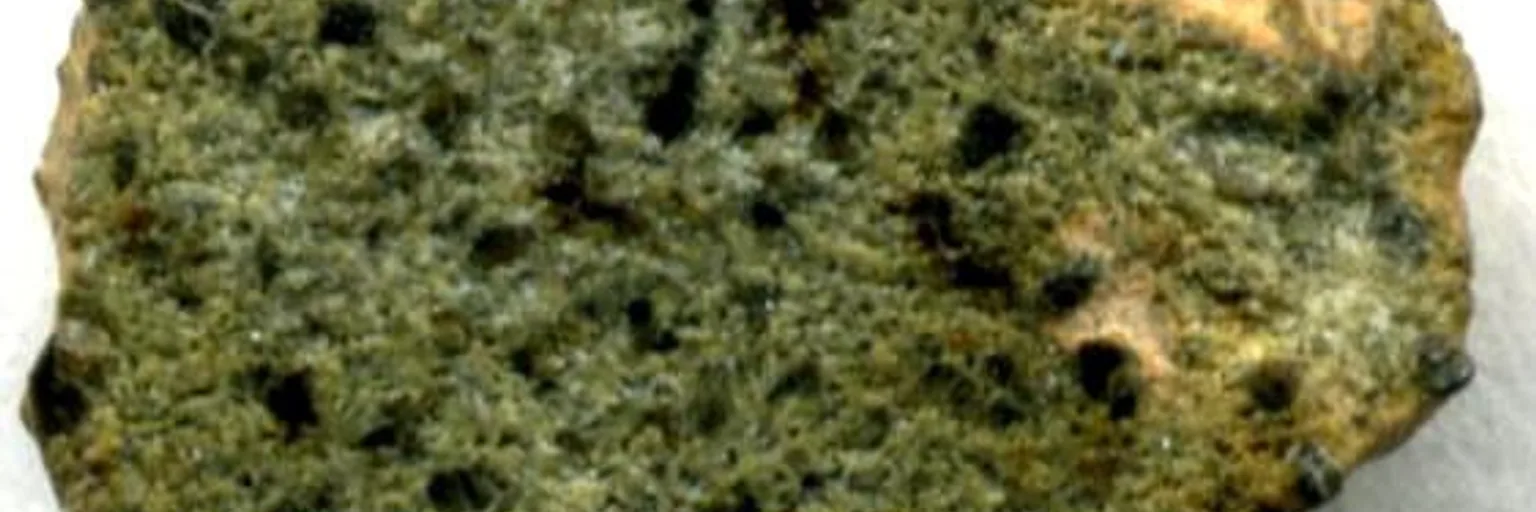
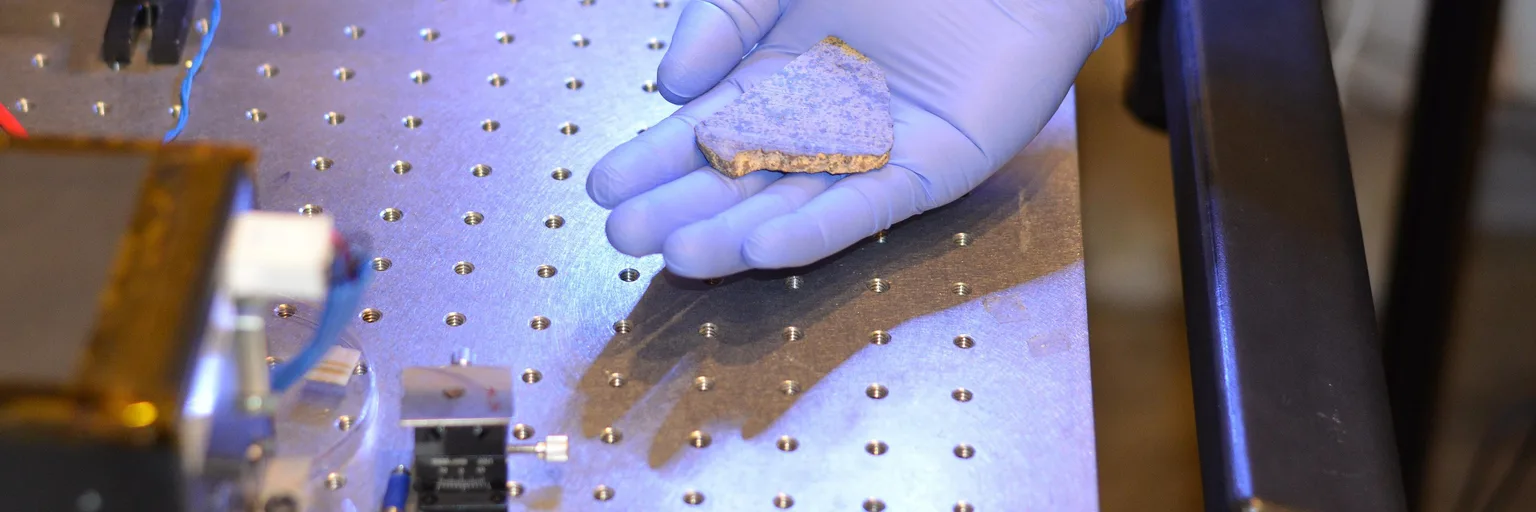
Teghaza 001, a meteorite at least 4.1 billion years old, hints at a wetter early Mars. It also shows why a lucky find from the desert needs careful, modest reading.
A 4.1-billion-year-old rock from the Sahara shows how much meteorites can teach us about early Mars, and why that is an argument for sample return, not against it.
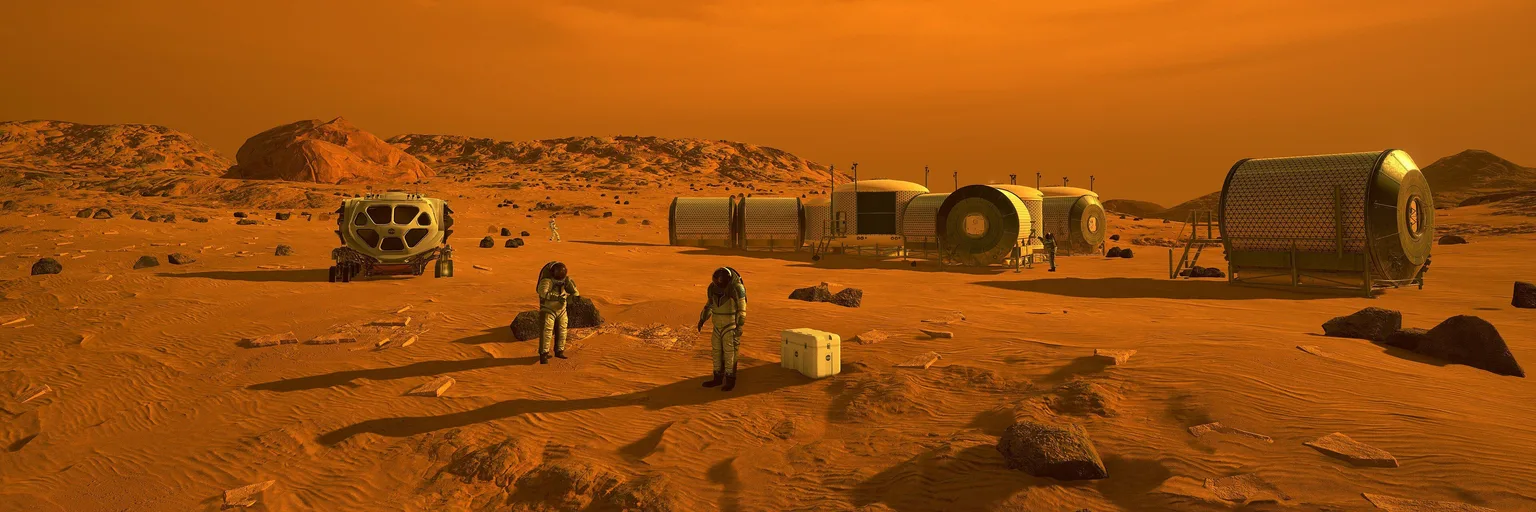
A year inside NASA's CHAPEA Mars habitat suggests the real bottleneck is food, minds and decisions made far from help, not launch vehicles.
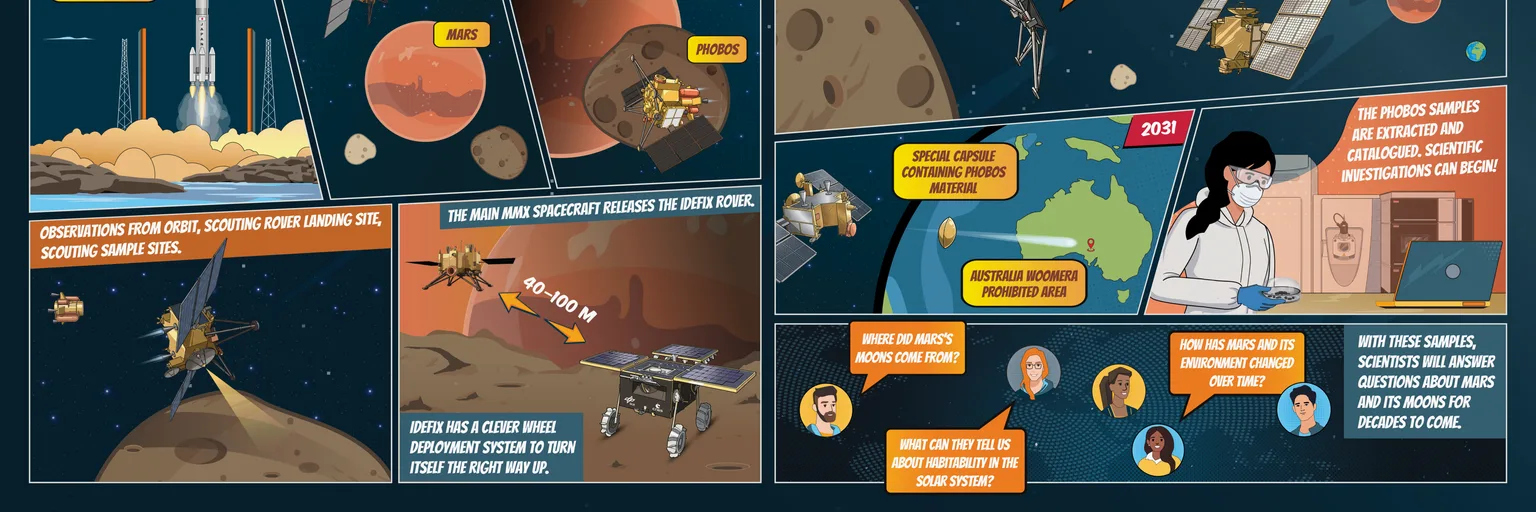
Japan chose Phobos because Mars itself is hard to land on and leave. That makes MMX a pragmatic bet, though it answers a different question from bringing home Mars rock.
NASA’s year-long Mars simulation shows that survival will depend not only on hardware, but on food, communication, autonomy and the psychology of isolation.
A two-week Mars simulation on a city square in Germany, blending art and science, offers a uniquely accessible and thought-provoking approach to future space exploration.
The high-stakes competition between NASA and China to bring Martian samples to Earth is reshaping space exploration, accelerating our quest to understand the Red Planet's secrets.
Mysterious geometric patterns on the Martian surface are far more than aesthetic oddities; they are critical indicators of subsurface ice, offering a roadmap for human exploration and a deeper understanding of Mars' climatic evolution.
A leading French astronaut’s frank assessment of humanity's physiological and technological readiness for Mars reveals a sobering gap between our grand ambitions and current capabilities.
The discovery of a vast subsurface ice deposit near Mars' equator fundamentally reshapes our understanding of the planet's water distribution and unlocks new possibilities for its past climate and future human missions.
A newly identified desert moss from China's Xinjiang region, demonstrating unprecedented resilience, offers a groundbreaking pathway for sustainable space agriculture and crucial solutions for terrestrial food security in extreme environments.
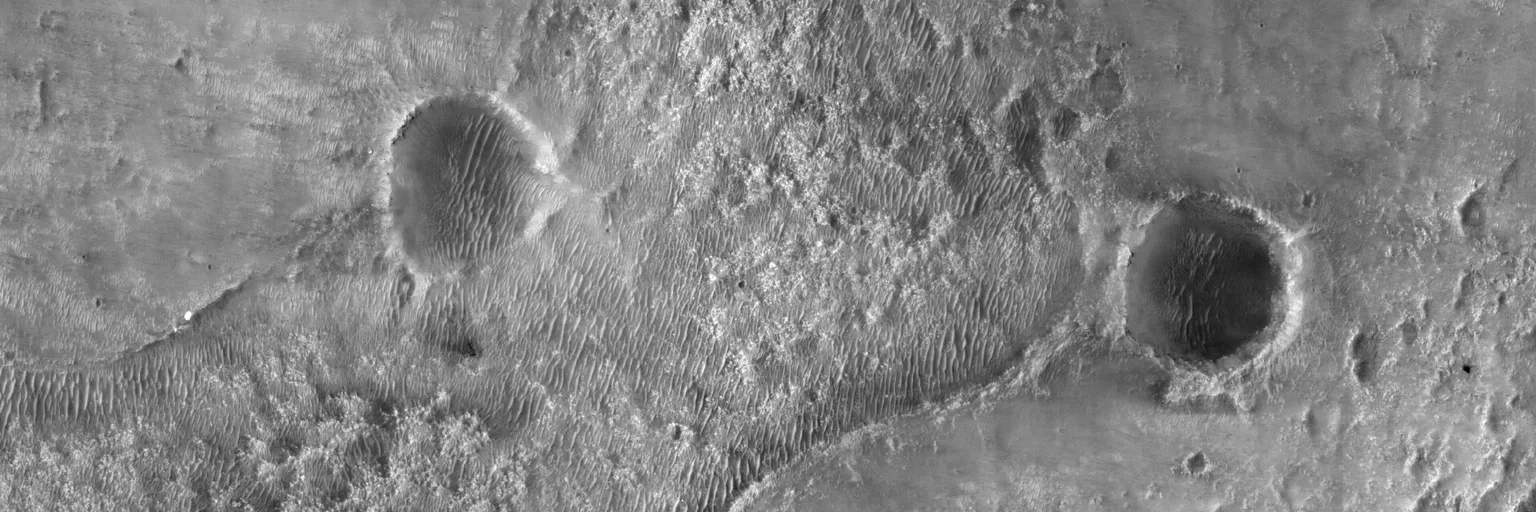
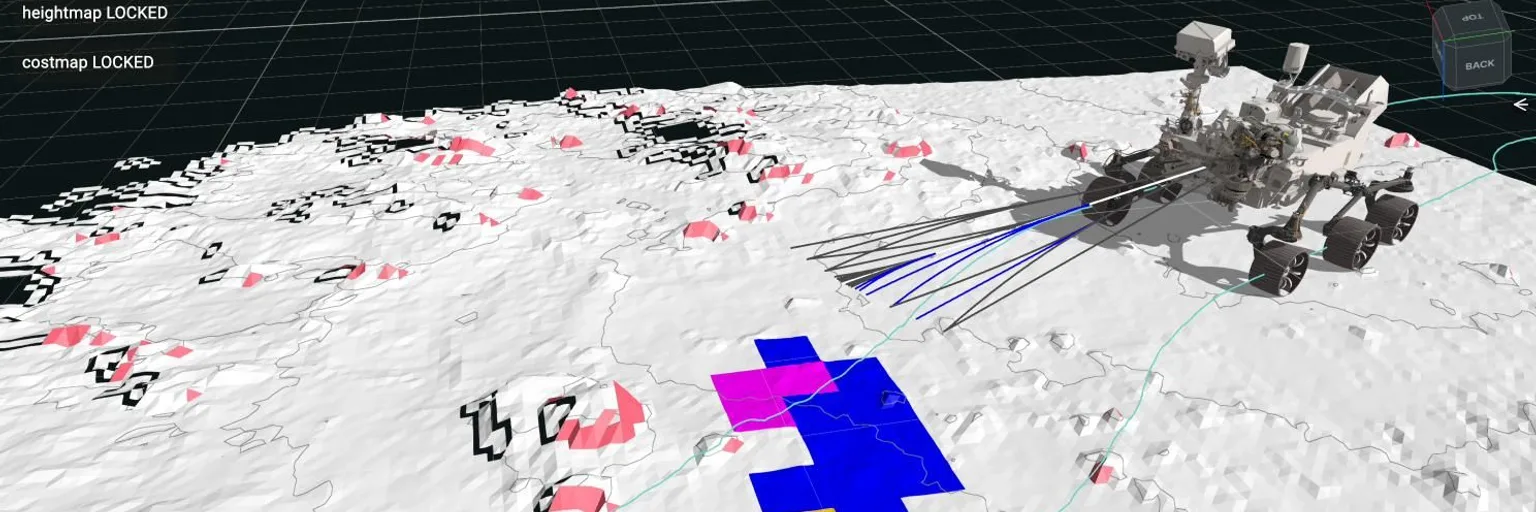
The Perseverance rover's record-breaking journey on Mars, driven by advanced autonomous navigation, reshapes our approach to extraterrestrial exploration and future human missions.