The Desert Moss That Promises a Greener Future, Even on Mars
A newly identified desert moss from China's Xinjiang region, demonstrating unprecedented resilience, offers a groundbreaking pathway for sustainable space agriculture and crucial solutions for terrestrial food security in extreme environments.
AI-generated image
Could the key to colonizing Mars and feeding a growing population on Earth lie hidden in the most desolate corners of our planet? A recent scientific expedition in China suggests exactly that, with the discovery of a desert moss so resilient it's being hailed as a potential game-changer for both space agriculture and food security in extreme terrestrial environments.
This remarkable organism, Syntrichia caninervis, was unearthed in the Gurbantunggut Desert of northwest China's Xinjiang Uygur Autonomous Region during the ongoing Third Xinjiang Scientific Expedition, an initiative launched in 2021 by the Ministry of Science and Technology. Scientists have described it as "the most resilient desert plant found to date", a claim borne out by its astonishing ability to withstand severe dehydration of over 98% of its cells, rapid freezing at minus 196 degrees Celsius, and intense gamma radiation. Its potential was dramatically demonstrated in March of this year when dried samples of the moss, carried aboard China's test cargo spacecraft Qingzhou, successfully revived and regenerated in low Earth orbit, even changing from a gray-black to a vibrant yellow-green with just a tiny amount of water, making it the first complete plant to successfully restart life in orbit, as researcher Li Xiaoshuang noted.
The Unprecedented Resilience of Syntrichia caninervis
The true marvel of Syntrichia caninervis lies in its extreme tolerance. While other mosses, such as Physcomitrium patens, have shown some resilience to space conditions, with spores surviving months in orbit source 12, this Xinjiang moss represents a qualitative leap. Its capacity to endure conditions akin to a Martian environment, including regeneration after exposure to 5,000 Gy of gamma radiation, sets it apart. The scientific team, led by Li Xiaoshuang, further pinpointed the genetic underpinnings of this robustness, identifying a wealth of stress-related genes in its high-quality chromosome-level genetic information. This unraveling of its molecular code is not just a fascinating biological discovery; it provides a blueprint for understanding and potentially replicating such resilience in other organisms.
Beyond Orbit: Why This Moss Matters for Deep Space Exploration
The successful revival and regeneration of Syntrichia caninervis in low Earth orbit is more than just a scientific curiosity; it is a critical step towards making deep-space exploration and extraterrestrial settlements a tangible reality. As NASA research consistently highlights, sustainable food sources are crucial for long-duration missions, offering both nutritional sustenance and psychological benefits for astronauts. The challenges of growing plants in space — microgravity, cosmic radiation, and the lack of fertile soil — are immense. This moss, identified as an "ideal material for deep-space life science research" and a "promising pioneer plant for colonizing extraterrestrial environments", could fundamentally alter our approach to bio-regenerative life support systems. It suggests a future where even the most barren alien landscapes could be coaxed into supporting rudimentary life, creating the foundational biomass for more complex ecosystems.
A Terrestrial Savior? Boosting Food Security and Battling Desertification
The implications of Syntrichia caninervis extend far beyond the cosmos, offering tangible hope for challenges here on Earth. With desertification intensifying globally and climate change creating ever more extreme agricultural conditions, the ability to improve crop resilience is paramount for global food security. Li Xiaoshuang and his team believe that the genetic material from this moss can be utilized for "improving crops and restoring desertified land". Imagine a future where staple crops are engineered to withstand prolonged droughts, extreme temperatures, or saline soils, expanding arable land and ensuring harvests in regions currently struggling. This moss, therefore, isn't just a candidate for Martian terraforming; it's a living genetic library for climate adaptation on our home planet, offering solutions to make our agricultural practices more robust and sustainable.
In our view, the discovery and subsequent space experiment involving Syntrichia caninervis represent a profound moment in biological and space science. It underscores the incredible adaptability of life and offers a powerful reminder that some of the most innovative solutions can be found in the harshest environments. While the journey from a desert moss to widespread application in space agriculture or terrestrial crop improvement is long, the initial findings suggest that the future of sustaining life in extreme conditions, whether on Earth or beyond, just got a lot greener. The potential of this tiny plant to revolutionize how we think about survival and sustenance is truly immense.
No topics yet: start the first one.
More stories
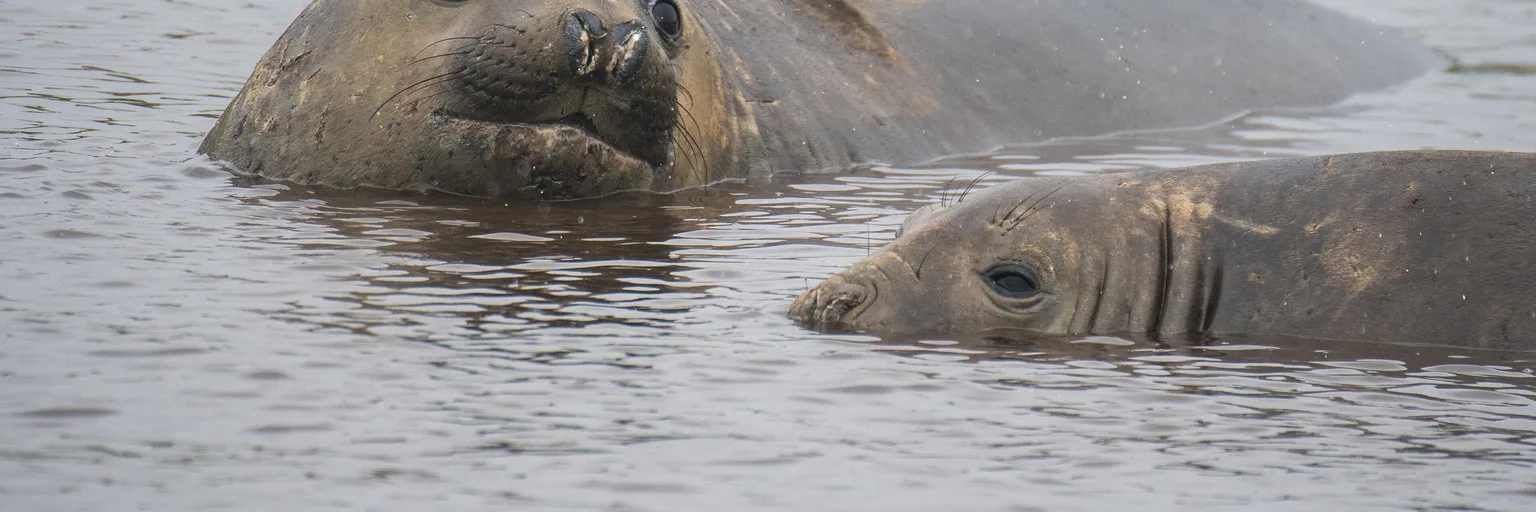
Elephant Seals: The Unsung Heroes Unveiling Ocean's Deepest Secrets
A remarkable discovery of new deep ocean currents in the Kerguelen Islands, facilitated by an unlikely team of elephant seals, is revolutionizing our understanding of marine ecosystems and climate dynamics.
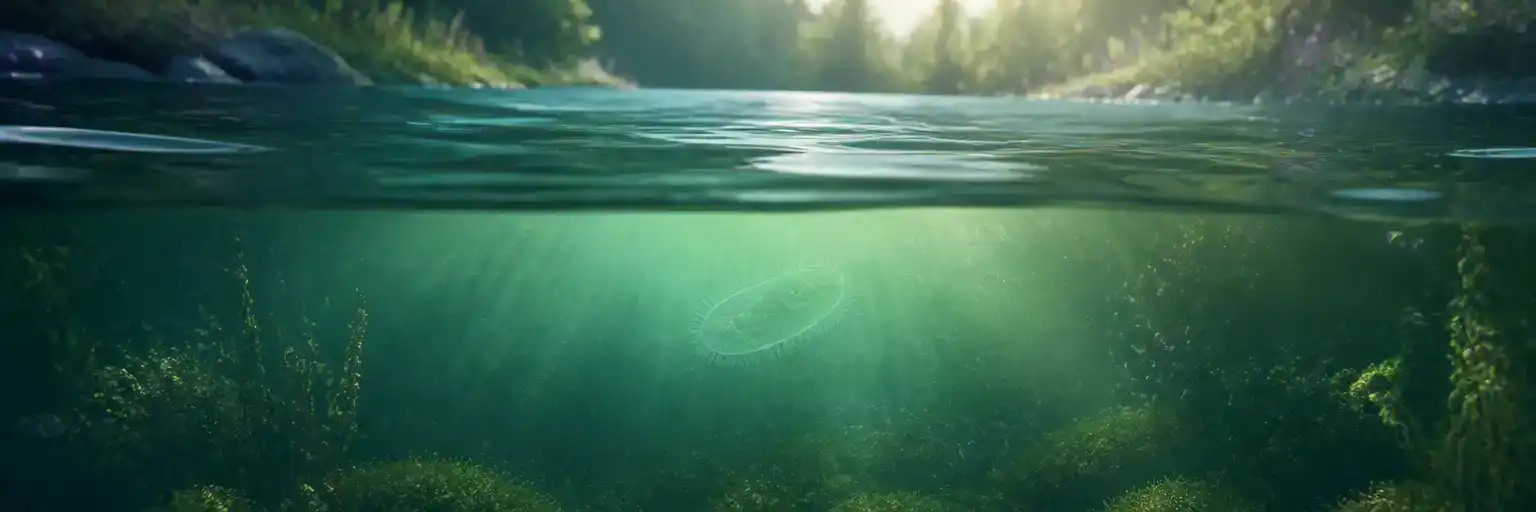
An Oxford Pond Microbe Shatters Biology's 'Universal' Code
A tiny ciliate discovered in a mundane university pond has rewritten fundamental genetic rules, proving that life's instructions are far more flexible than textbooks ever suggested.
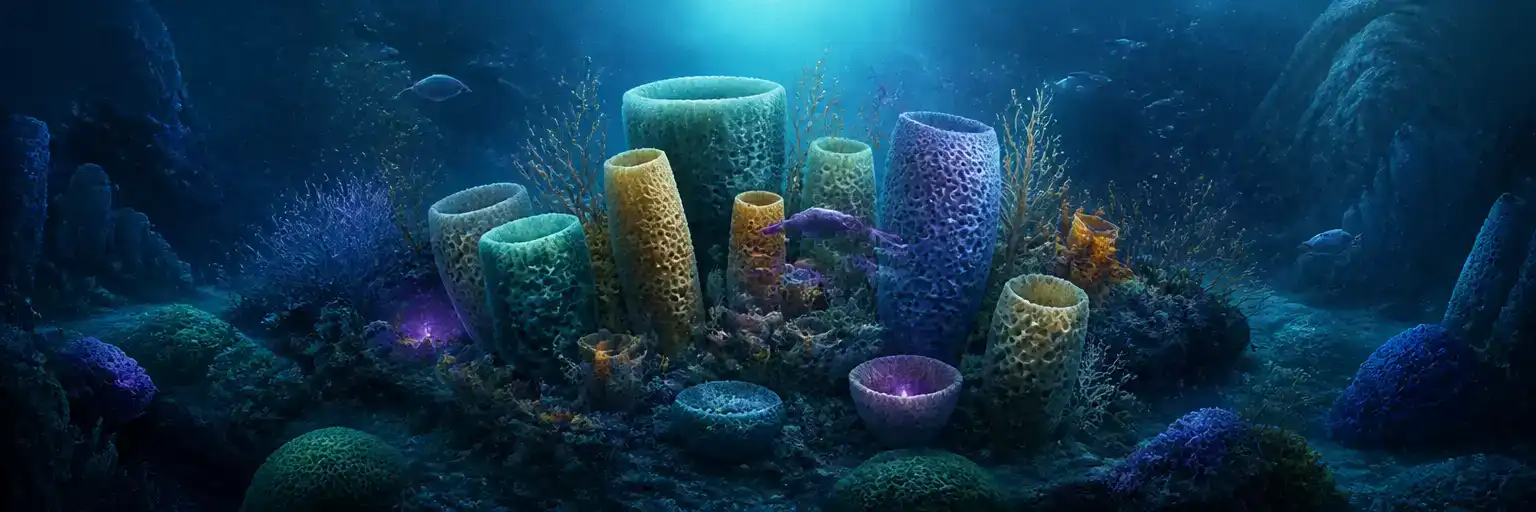
Alaska's Sponges Unmask a Deeper Trawling Problem
The recent discovery of nine new sea sponge species in Alaska not only reveals vast hidden biodiversity but also intensifies the critical debate over destructive bottom-trawling practices.
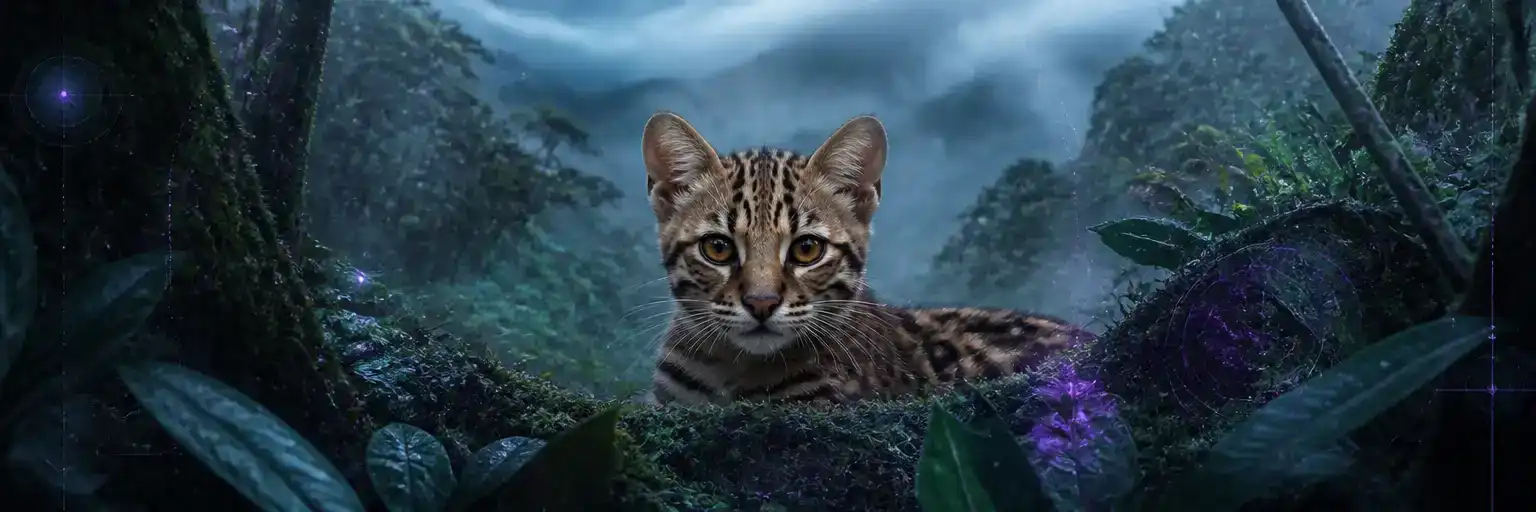
Bolivia's New Cat: More Than a Discovery, a Conservation Imperative
The identification of *Leopardus tilcayo* in Bolivia, the first new wild cat in over a century, underscores the vibrant hidden biodiversity in remote ecosystems and the indispensable role of local communities in safeguarding these natural treasures.