SpaceX's Bandwagon-5 and Starfall: A New Era for Commercial Space Access
The latest SpaceX rideshare mission, featuring the Starfall reentry capsule, exemplifies the expanding sophistication and practical applications of commercial space programs and reusable technology for a diverse array of scientific and commercial payloads.
AI-generated image
When a Falcon 9 rocket streaks across the pre-dawn sky, it's more than just another launch; it's a testament to the evolving landscape of space access. The recent Bandwagon-5 mission, carrying SpaceX's Starfall reentry capsule alongside 31 customer payloads, clearly demonstrates how commercial rideshare programs and reusable space technology are not just maturing, but actively reshaping the future of scientific and commercial endeavors in orbit. This isn't merely about putting more objects into space; it's about making space more accessible, more versatile, and, crucially, more economically viable for a burgeoning range of players.
SpaceX targeted Monday, October 19, 2026, for the Bandwagon-5 mission, lifting off from Space Launch Complex 40 in Florida. This particular flight was notable not only for its extensive manifest of 32 payloads, but for carrying the Starfall capsule, an uncrewed reentry vehicle designed to return up to 1,000 kilograms of experiments and other valuable cargo from orbit. This marks Starfall's second demonstration mission, building on its debut in June 2026, and underscoring a commitment to not just deliver to space, but to reliably bring things back.
The Democratization of Orbital Access
The rideshare model, spearheaded by SpaceX, has fundamentally lowered the barrier to entry for space. By allowing multiple customers to share a single Falcon 9 rocket, the cost of reaching orbit has plummeted, with prices as low as $6,000 per kilogram of payload, a figure that dramatically undercuts traditional dedicated launches. This shift has not only boosted the small satellite industry but has created opportunities for a broader spectrum of organizations, from nascent startups to established research institutions. The Bandwagon program itself, which serves inclined Low-Earth Orbits, is a strategic diversification from the Sun-Synchronous Orbits targeted by the Transporter missions, opening up even more orbital pathways for these diverse payloads.
The Bandwagon-5 manifest illustrates this perfectly. Among the 31 customer payloads—20 of which were arranged by Exolaunch—we find everything from radio-frequency monitoring satellites for HawkEye 360 to communication satellites for Iceye, navigation satellites for Xona Space Systems, and even Varda Space Industries' W-Series 7 spacecraft. This mix of applications, serving critical infrastructure, global monitoring, and in-space manufacturing, highlights the practical utility that affordable, frequent launches unlock. It's a clear signal that space is no longer solely the domain of national agencies but a thriving, multifaceted commercial ecosystem.
Reusability and the Return Journey
While the sight of a Falcon 9 first stage landing is now almost routine, its economic impact remains profound. Reusability is central to making rideshare programs financially feasible for SpaceX, even if the rideshare revenue stream itself is secondary to the company's overall operations, generating an estimated $50 million to $80 million in 2023 from Transporter missions. More than direct profit, rideshare missions allow SpaceX to maintain a high launch rate, which is essential for the economics of its reusable Falcon 9 system, and to build relationships with nearly all commercial constellation operators in the West, securing future launch demand. We believe this long-term strategic play is far more significant than the immediate revenue figures.
The Starfall capsule takes this reusability a step further, addressing the critical need for routine, affordable return from orbit. The ability to bring experiments, manufactured goods, or even data back to Earth efficiently is a game-changer for many scientific and commercial applications. Starfall's design for mass-producibility suggests a future where returning payloads from space is as commonplace as launching them, enabling iterative research and production cycles that were previously prohibitively expensive or complex. This capability could unlock entirely new markets and accelerate scientific discovery in microgravity environments.
A Shifting Landscape, With or Without Starship
Some industry voices have expressed concern about the future of SpaceX's rideshare program, with reports suggesting Falcon 9 is booked out until 2028. While this points to immense demand, it also underscores the near-monopolistic position SpaceX holds in the smallsat rideshare market in the West. This dominance, while beneficial for customers seeking low prices, does put pressure on emerging launch providers who struggle to compete. However, the Bandwagon-5 mission demonstrates that far from stopping rideshares, SpaceX continues to expand its offerings with new orbital destinations and critical return capabilities like Starfall.
Looking ahead, the eventual operational readiness of Starship is poised to redefine the entire space launch market, including rideshare, with its unprecedented capacity. While Starship's initial priorities will be immense undertakings like NASA's Human Landing System and the second generation of Starlink, its long-term potential for economical, large-scale deployment and return of payloads is undeniable. For now, however, it is the continued sophistication of Falcon 9 missions like Bandwagon-5, coupled with the emerging utility of capsules like Starfall, that truly highlights the vibrant and increasingly accessible future of space exploration and commerce. This mission is not just a launch; it's a clear step towards a more dynamic and capable orbital economy.
No topics yet: start the first one.
More stories
The Universe Has No Borders: A Star Discovery's Lesson for Science
Dr. Barkha Yakub Bale's journey from Mumbai to Vilnius, culminating in a pivotal discovery about magnetically active stars, showcases the indispensable international collaboration driving astrophysics forward.

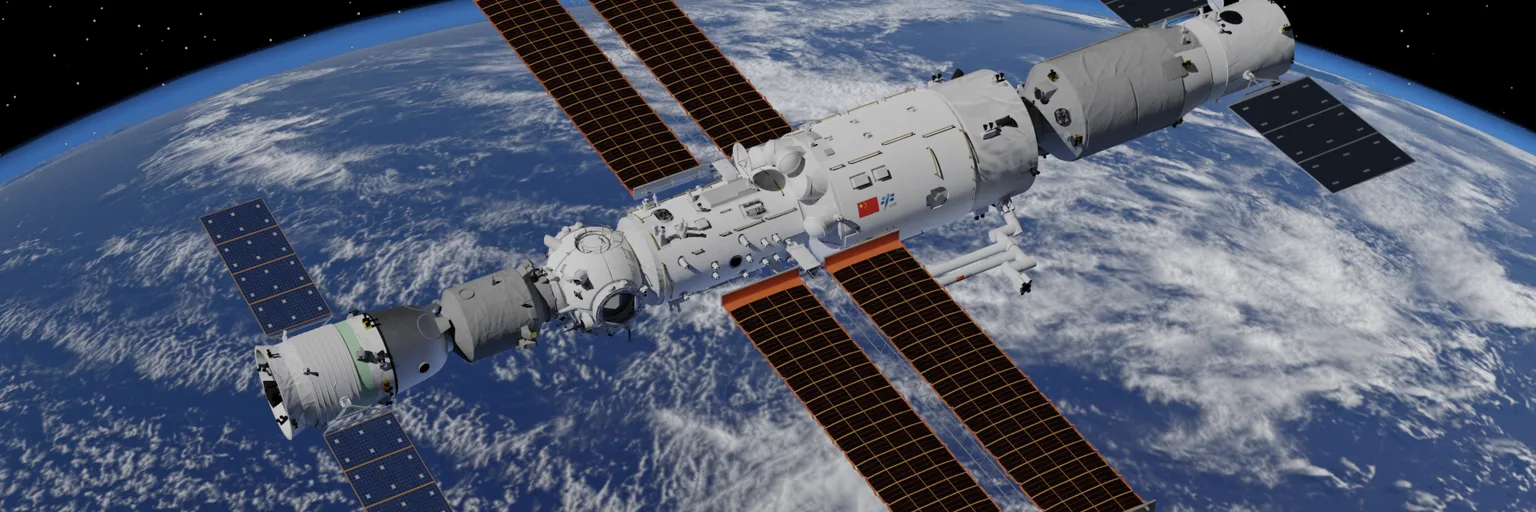
Tiangong's Rice Harvest: A Blueprint for Sustainable Space Farming
The successful cultivation and harvest of a first generation of rice, and the sowing of seeds for a second generation in orbit, is more than a botanical achievement; it's a blueprint for humanity's sustained presence beyond Earth.
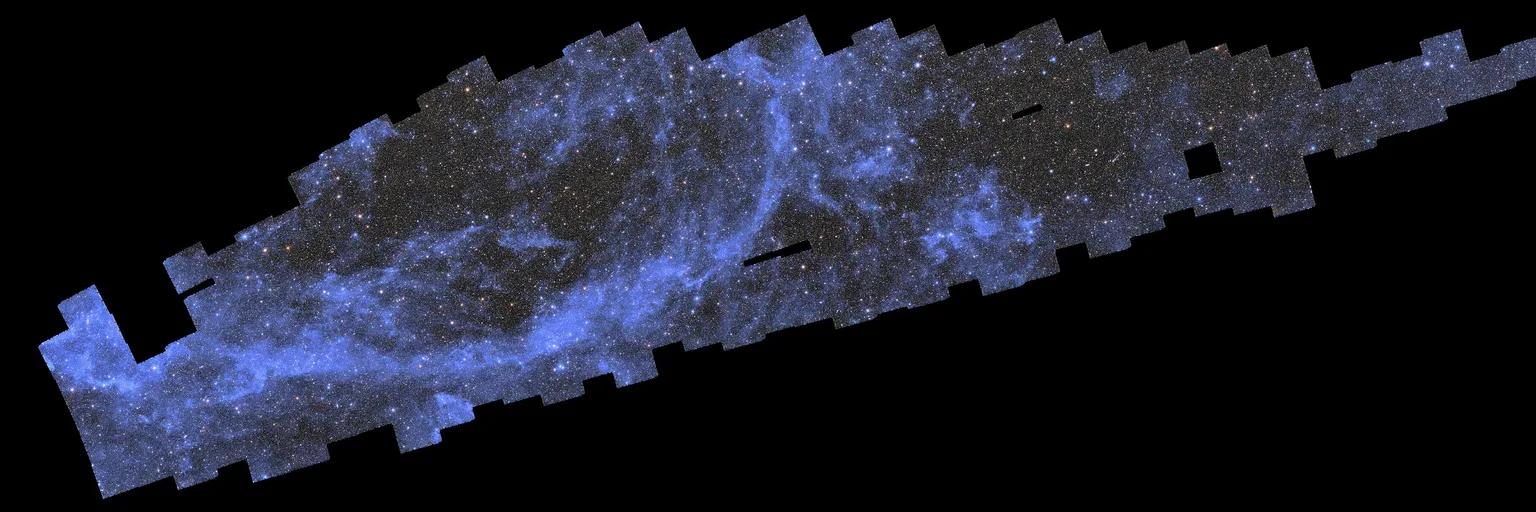
Euclid's Dark Universe Map: Unveiling the Cosmos's Greatest Mysteries
The ESA's Euclid mission is charting billions of galaxies, providing an unprecedented view of dark matter and dark energy that promises to fundamentally reshape our understanding of the universe.
The UK's Robot Claw Mission: More Than Just Cleaning Up Space Junk
The UK's ambitious mission to deploy a refuelable robot claw for active debris removal is not merely about clearing orbital trash, but strategically building a sustainable space economy.