Curisfera Newsroom
Forty lost satellites show why launch diversity is a safety net
Vulcan's failure cost Amazon 40 Leo satellites. The bigger loss is the spare capacity that a thin market of rockets can no longer provide.
Vulcan's failure cost Amazon 40 Leo satellites. The bigger loss is the spare capacity that a thin market of rockets can no longer provide.
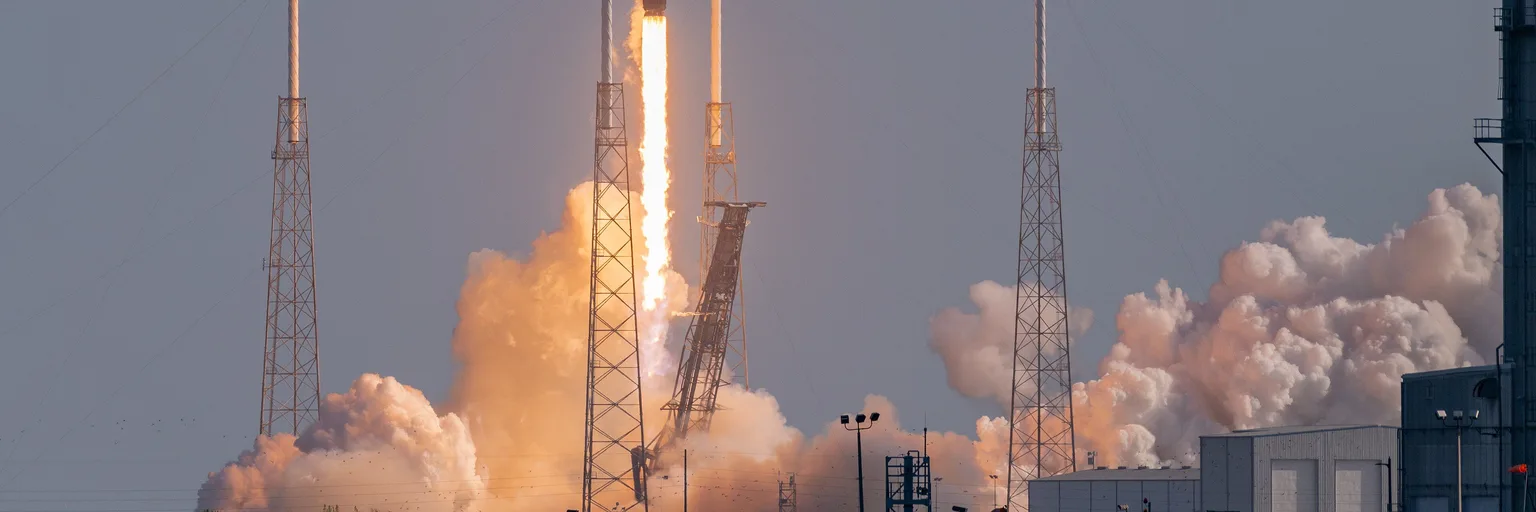
Catching the upper stage after 14 orbits is the hardest reuse step yet. The lost booster is a reminder that a repeatable routine matters more than a one-off spectacle.
Snagging both Starship stages with tower arms would be thrilling to watch, but the real prize is shorter turnaround and lower cost per flight, and that is slower to prove.
A private company changing its product line should not be able to scramble the Space Force, and the Falcon 9 retirement shows why governments need leverage and real alternatives.
The 2027 target for Artemis III matters less than what the mission now tests: whether two commercial landers and their rockets are ready, and whether NASA will tolerate a realistic schedule.
The agency keeps saying 2028. The date will mean something only when a lander docks with Orion, a suit gets tested and Blue Origin's damaged launch pad is flying again.
NASA's stated goal is to avoid a gap in crew-capable platforms in orbit. But the plan to replace the ISS has changed course too often to be the only plan.
The latest SpaceX rideshare mission, featuring the Starfall reentry capsule, exemplifies the expanding sophistication and practical applications of commercial space programs and reusable technology for a diverse array of scientific and commercial payloads.
A Brazilian neuroscientist's ambitious plan to send human mini-brains into orbit aboard the Haven-1 commercial space station could dramatically accelerate Alzheimer's research, leveraging the unique conditions of space.
The BioGravity-1 mission, launching the first biological samples from the Middle East into space, is a strategic move positioning Saudi Arabia at the forefront of understanding and treating neurodegenerative diseases.
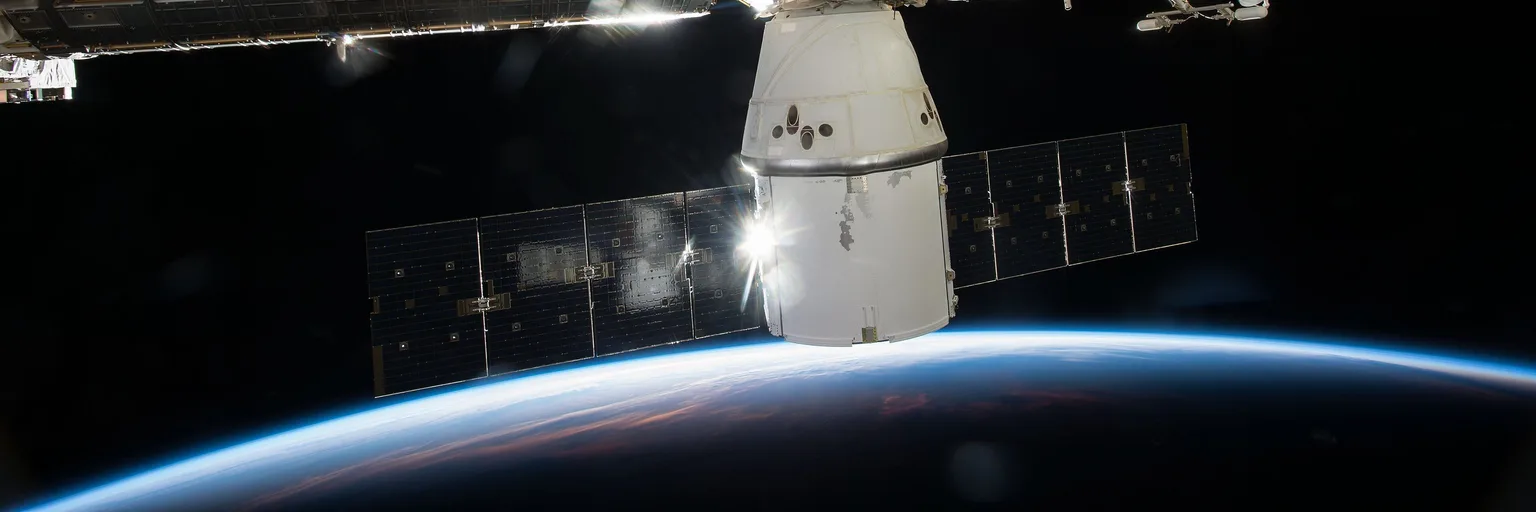
The latest Dragon resupply mission, delivering critical research on human health and plant growth, underscores how private enterprise is reshaping the landscape of orbital scientific discovery.
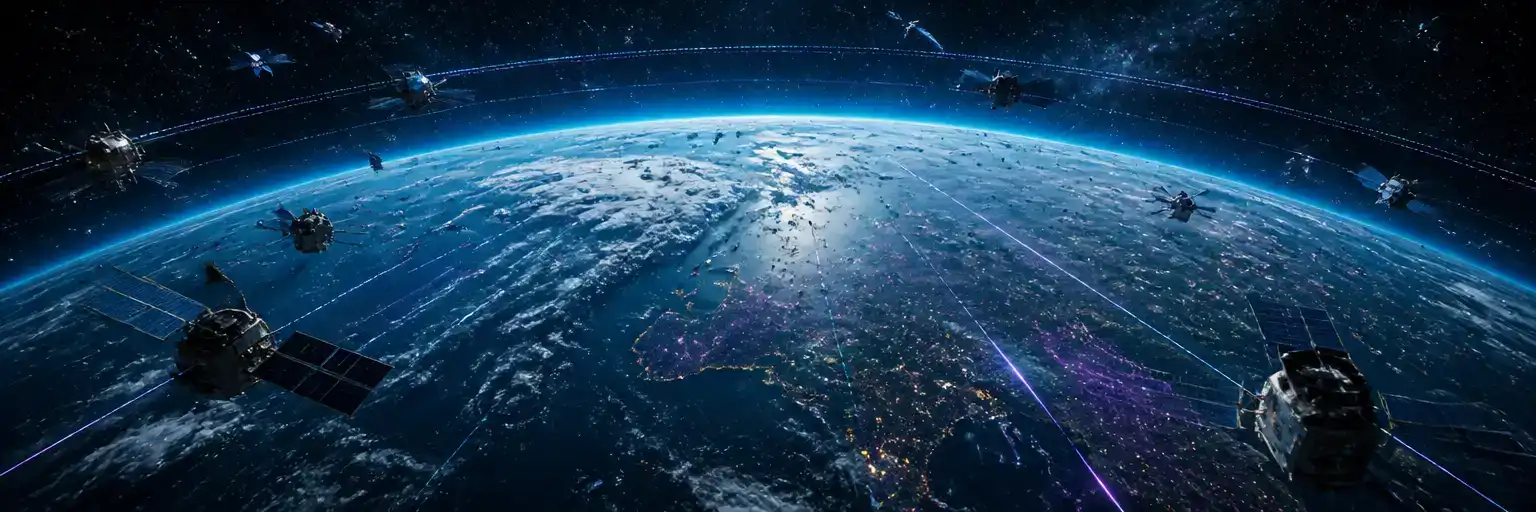
The FCC's approval for SpaceX's 15,000 direct-to-device satellites heralds a new era for connectivity, yet market reactions and industry complexities suggest a nuanced future for the space and telecom sectors.
Despite advanced capabilities, Europe and Italy grapple with a critical choice: forge true strategic autonomy in space or risk being sidelined in a rapidly militarized and commercialized cosmic arena.
The Crew-13 mission’s lightning-fast journey to the ISS isn't just a speed record; it heralds a new, more efficient era of space travel, challenging the legacy of the costly Space Shuttle.
The successful 237-day mission of NASA's Crew-12 underscores that true space exploration is less about the spectacle and more about the quiet, sustained dedication to scientific advancement in orbit.
The surge in commercial spaceflight, celebrated during World Space Week, highlights an urgent need for global cooperation on orbital debris and long-term sustainability.
NASA's latest achievements, spanning Curiosity's Martian vistas, successful ISS crew returns, and significant Artemis III progress, reveal its unparalleled ability to drive scientific discovery and human deep-space exploration.
Despite advanced technology and reusable rockets, the Crew-12 mission's multiple launch delays and ongoing departure monitoring reveal how Earth's unpredictable weather remains a dominant force in space operations.