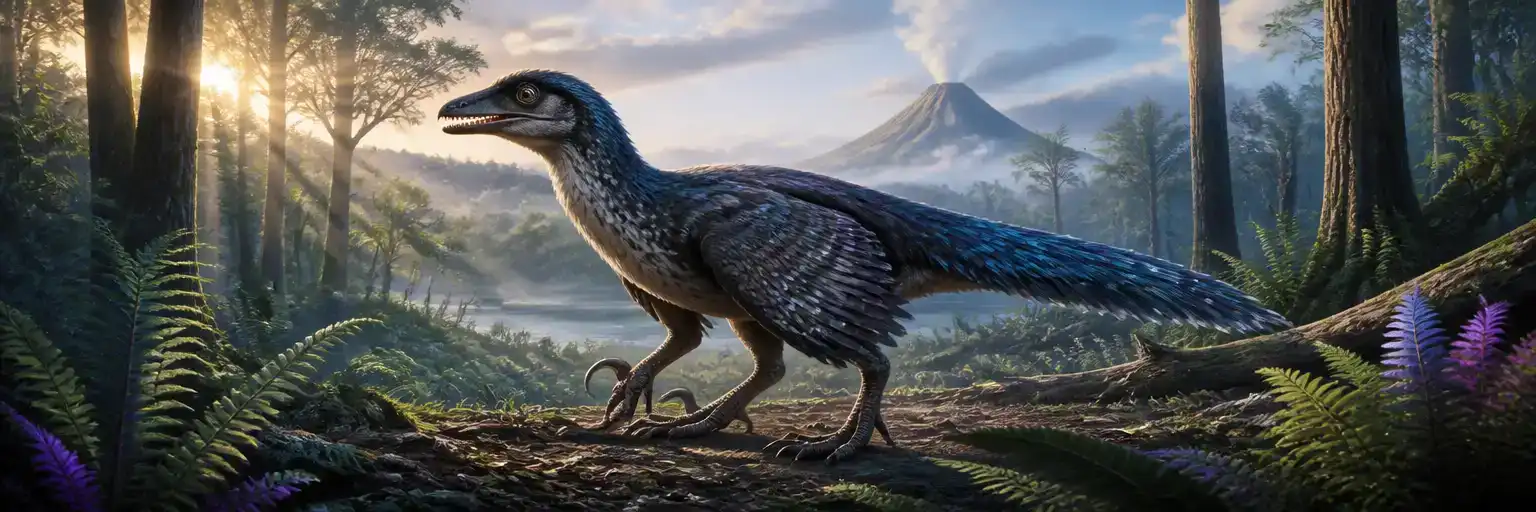
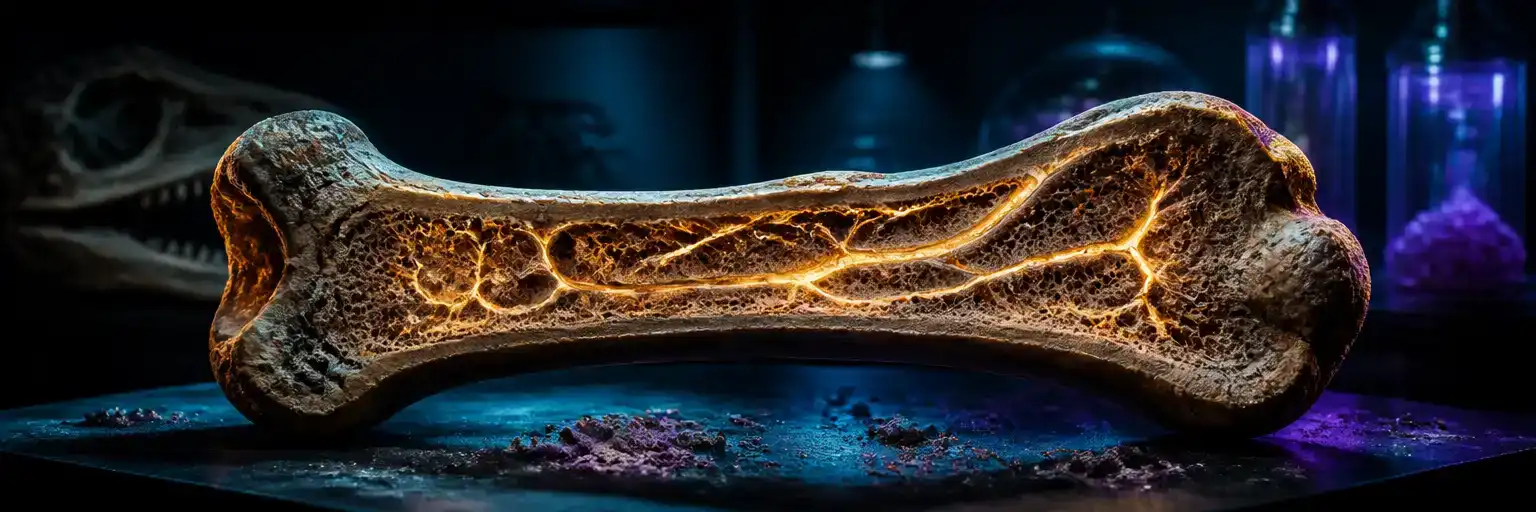
Dinosaur blood cells are a thrilling claim, not yet a rewrite
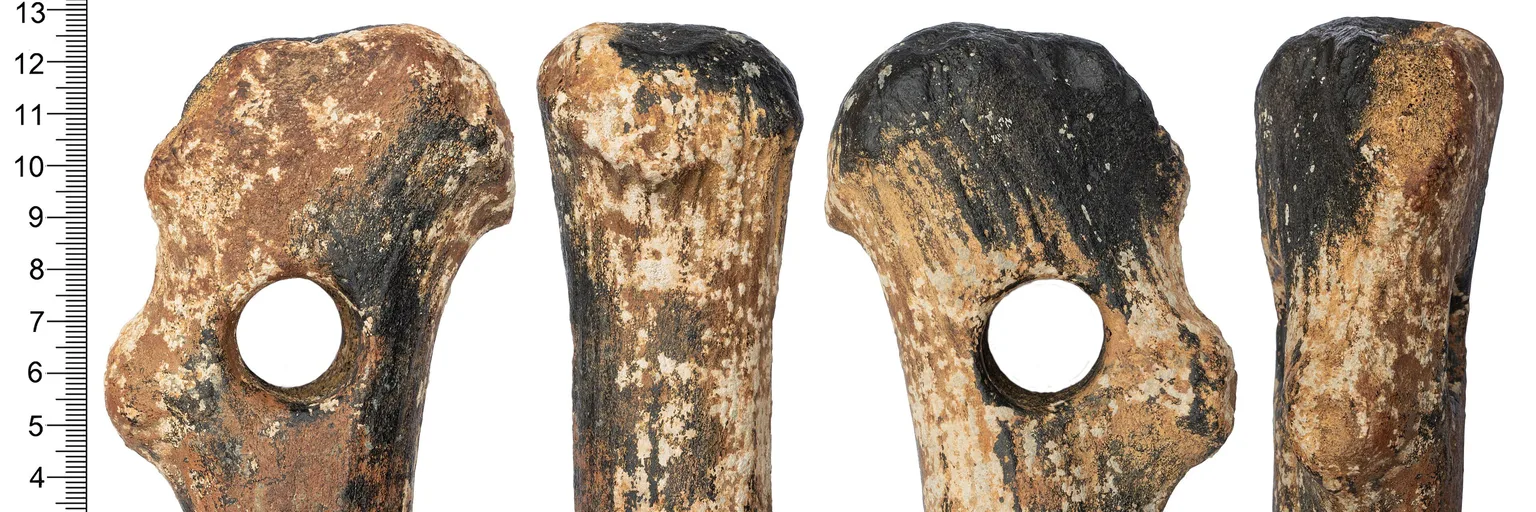
A 115-million-year-old bone from Brazil may hold red blood cells and heme. The result is strong, but the real test starts now, with replication and contamination checks.
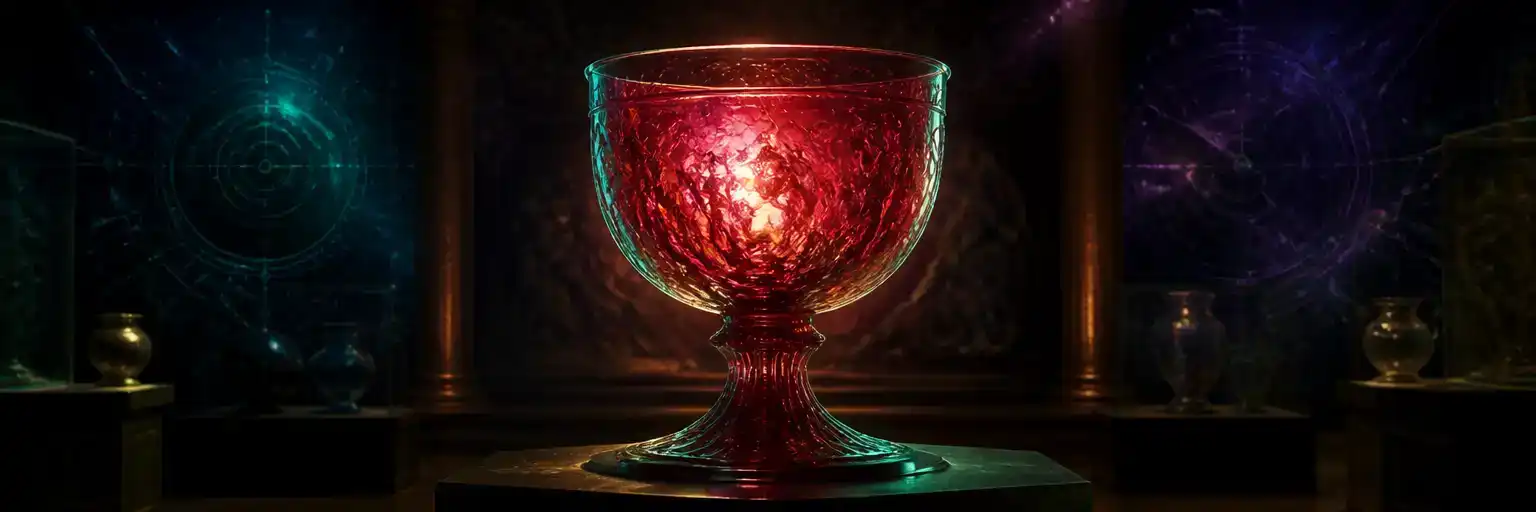
A Sheffield team has reproduced the Lycurgus Cup's color-shifting glass. The real lesson isn't that Romans were secret nanoscientists, but that craft knowledge can outrun theory.
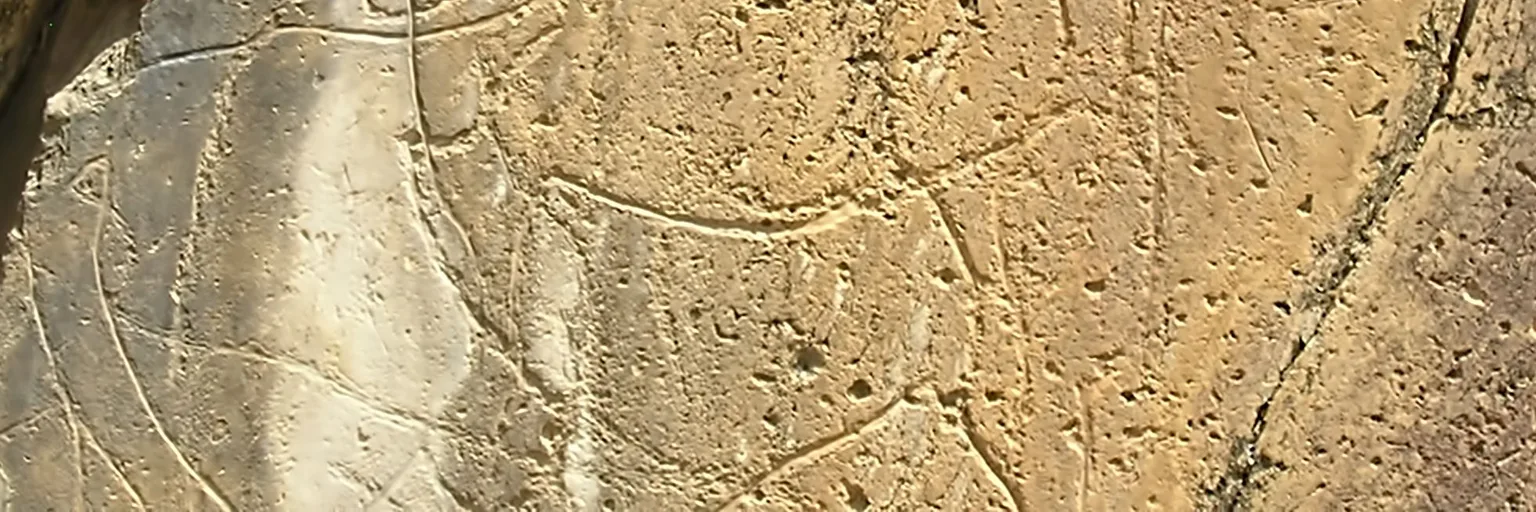
New pigment fragments at Penascosa push human presence past 27,000 years and hint that the engraved rocks were once painted. Open-air art demands humility.
A 2,700-year-old Chinese eclipse now fits modern science after a small location correction. It's a fine win for treating old texts as data, and a poor basis for trusting every ancient date.
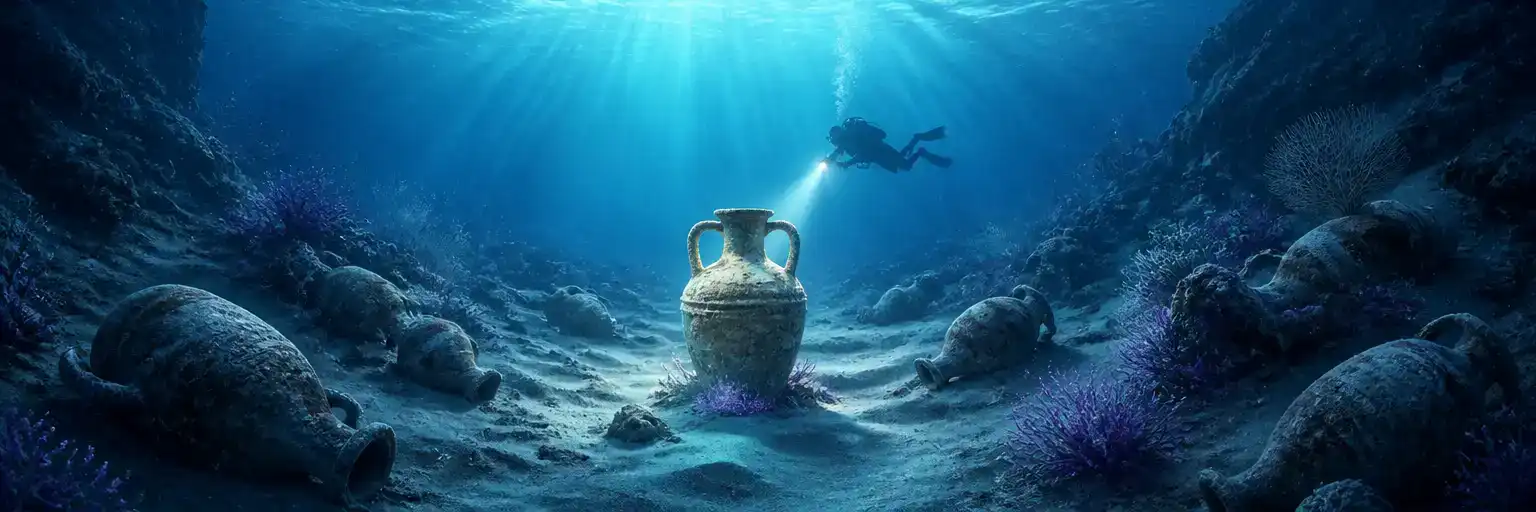
The Kekova wreck off Turkey may take the "world's oldest" crown, but the residue left in its amphorae could tell us far more about Bronze Age trade than any record.
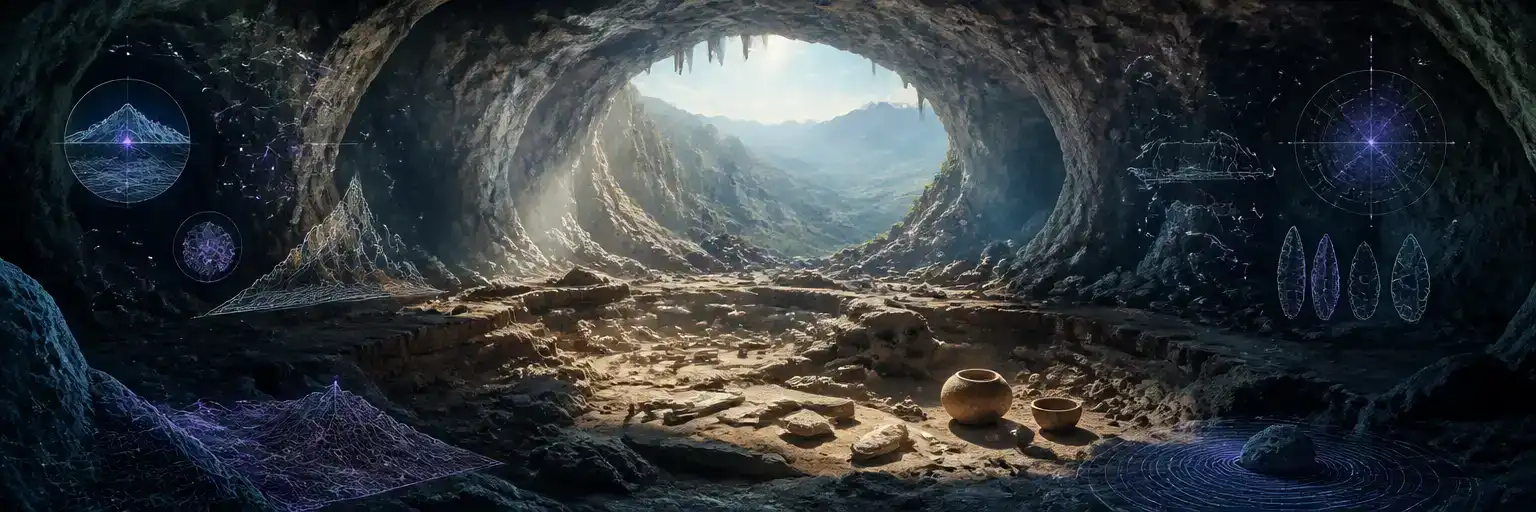
A rockfall froze a Magdalenian dwelling with 4,614 objects in place. The real prize is the undisturbed context, and it should change how we dig and protect caves.
A new simulation study ties the painting's sky to a real Provence dawn. It's a lovely result, and a good reason not to announce the death of Van Gogh's imagination.
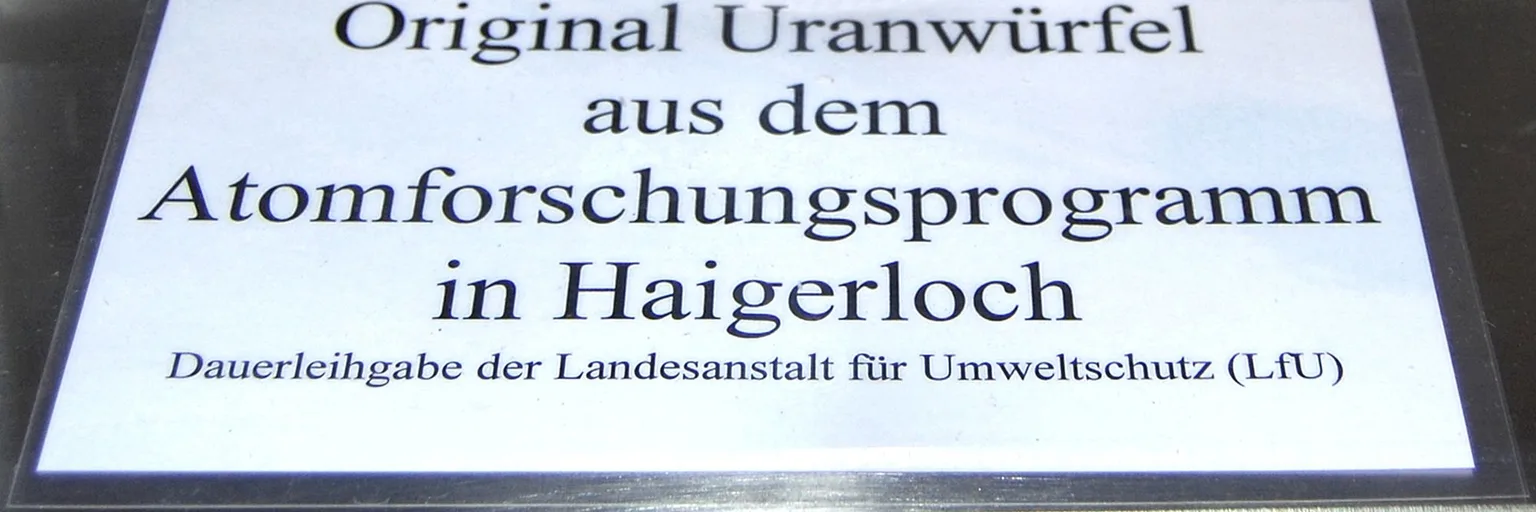
A simulation built on two surviving uranium cubes shows Heisenberg's near-miss story was off by a factor of about two, and the myth outlived the physics.
An antler tool preserved with its history of reuse shows why stone-heavy archaeology may reflect survival conditions more than the full range of prehistoric innovation.
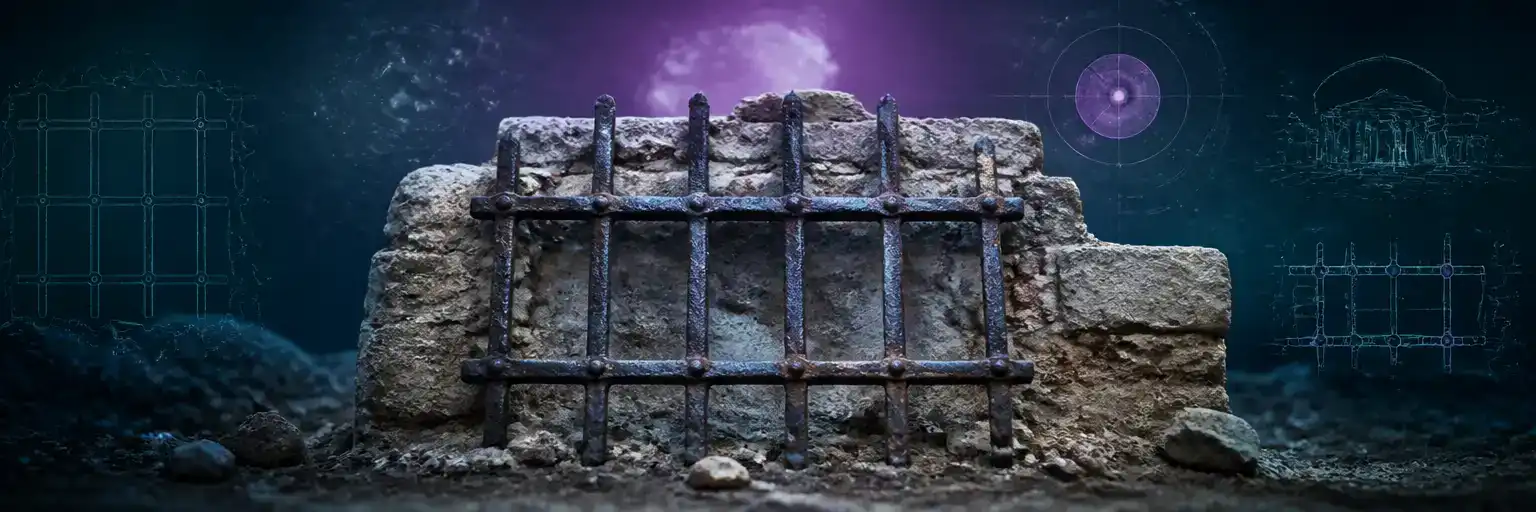
A battered iron grille from Augusta Raurica offers something monuments rarely can: a close look at security, construction and the routines of everyday Roman life.
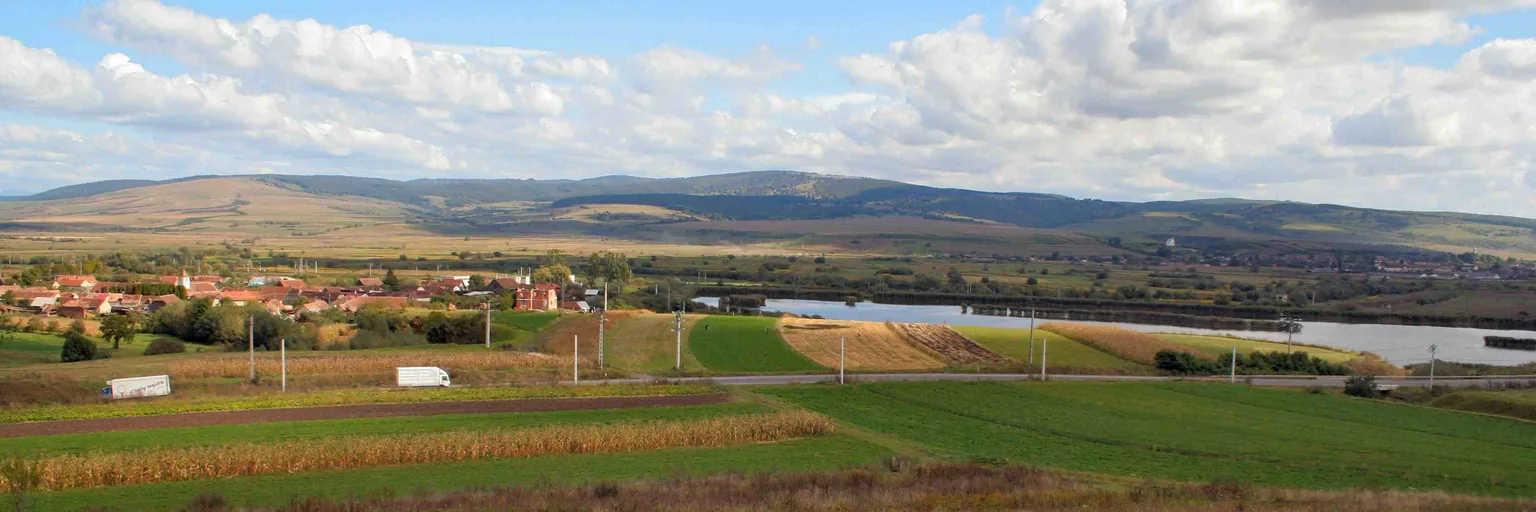
A 6,500-year-old female clay figurine from Transylvania is a valuable discovery, but its meaning remains open until archaeologists document more of its context.
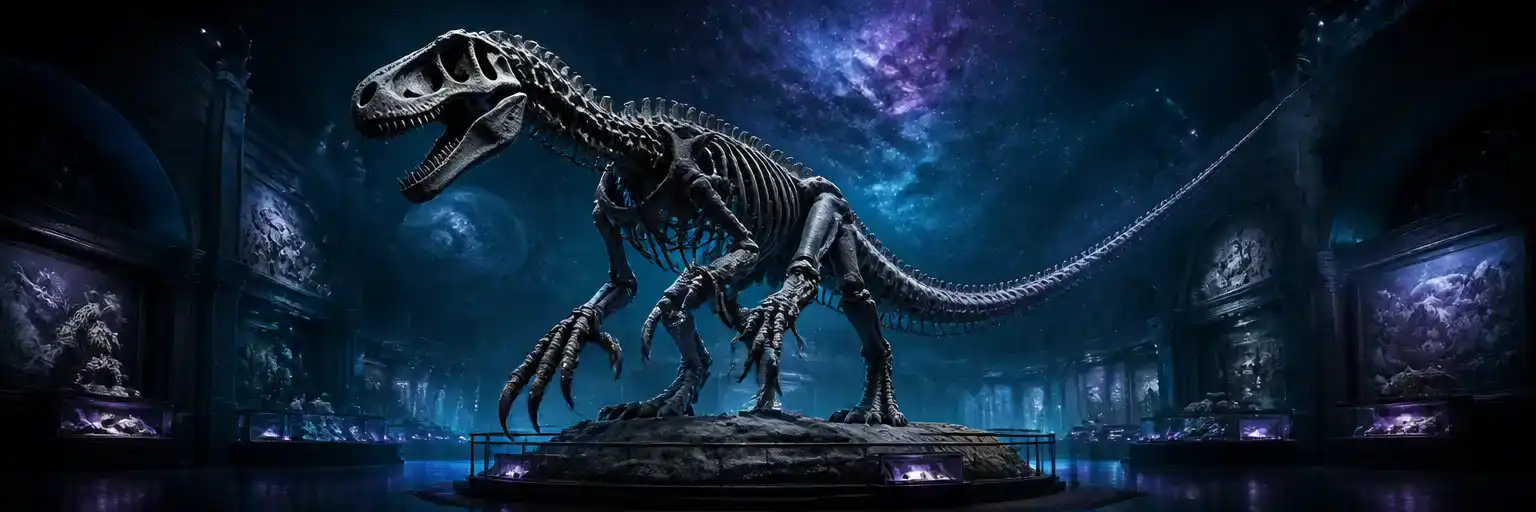
A skull fragment, overlooked for a century in London's Natural History Museum, unveils *Invictibellatrix amberina*, Europe's first known Megaraptor, profoundly reshaping our understanding of Cretaceous predators and the enduring value of museum collections.
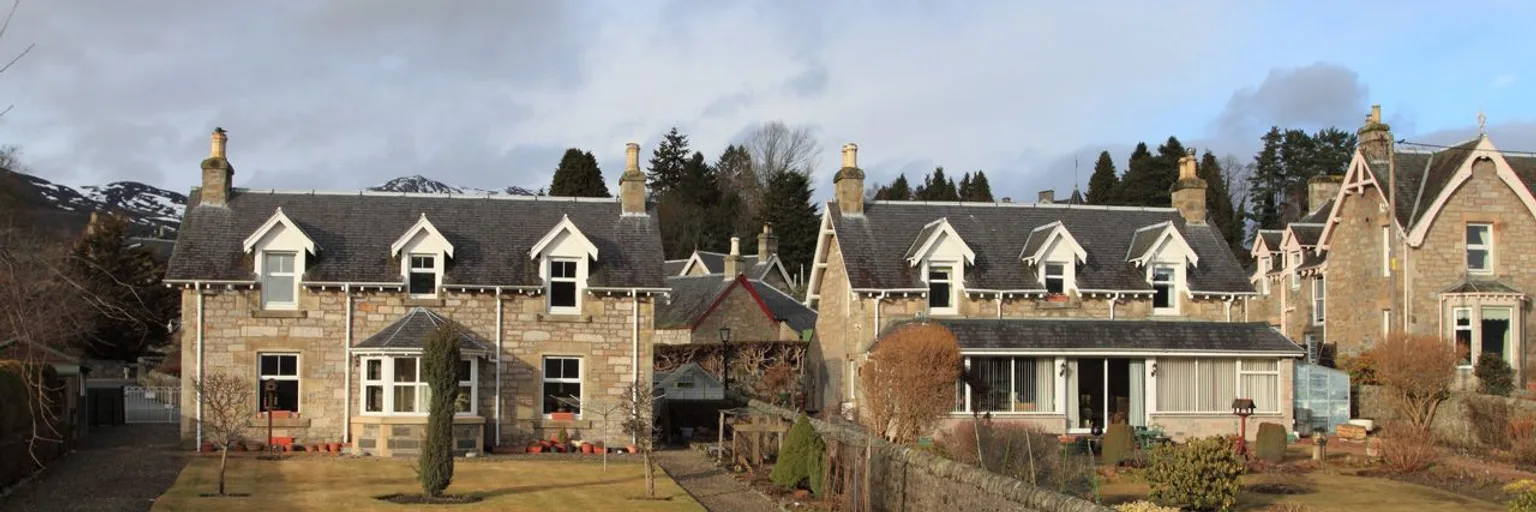
For one couple, a strange letter from a former resident transformed their purchase of a 130-year-old Victorian home into an architectural treasure hunt, revealing hidden rooms and a palpable link to its past inhabitants.
A recently unearthed toolkit from a Stone Age hunter-gatherer in the Czech Republic offers an unprecedented, intimate window into the sophisticated planning and resourcefulness of our ancient ancestors.
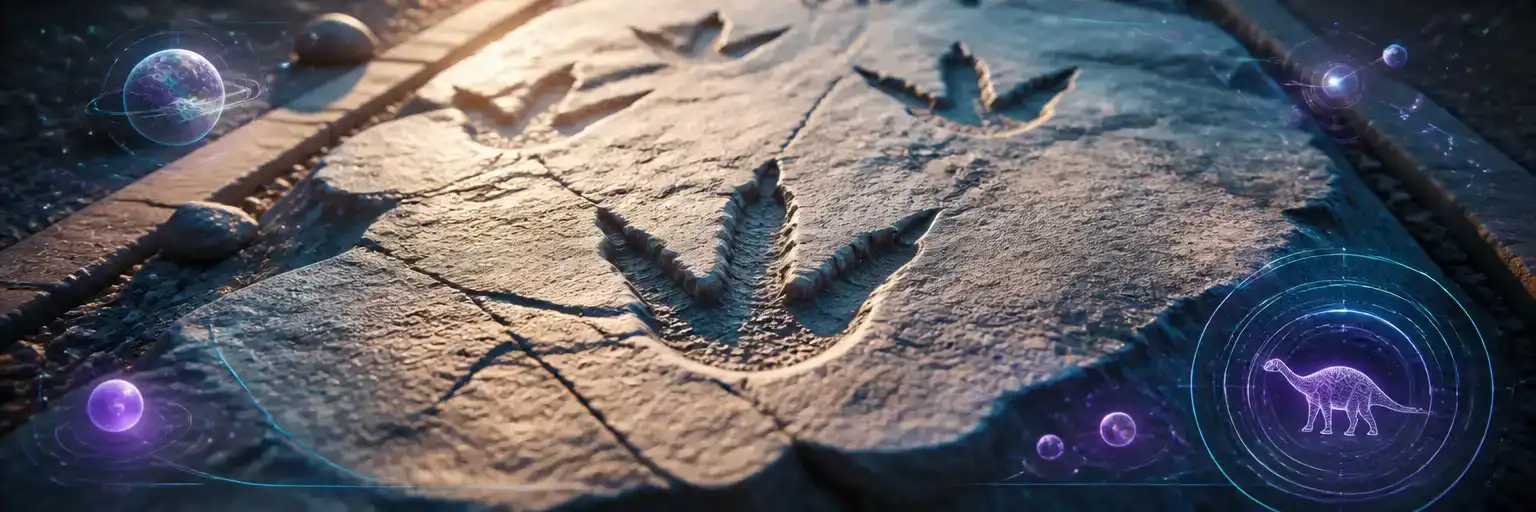
Recent discoveries beneath the streets of Araraquara are not just about ancient reptiles; they reshape our understanding of Brazil's prehistoric desert ecosystems and the surprisingly diverse creatures that once roamed them.
Analyzing a 75,000-year-old Neanderthal scapula from Shanidar Cave, pierced by a spear, suggests a deliberate, lethal attack, challenging our understanding of prehistoric societies' complex balance of violence and compassion.
The rare Greek Kore from Etruscan Vulci, a finalist for the International Archaeological Discovery Award Palmyra, challenges established notions of ancient art by revealing profound cultural exchange and artistic ties between Greece and pre-Roman Italy.
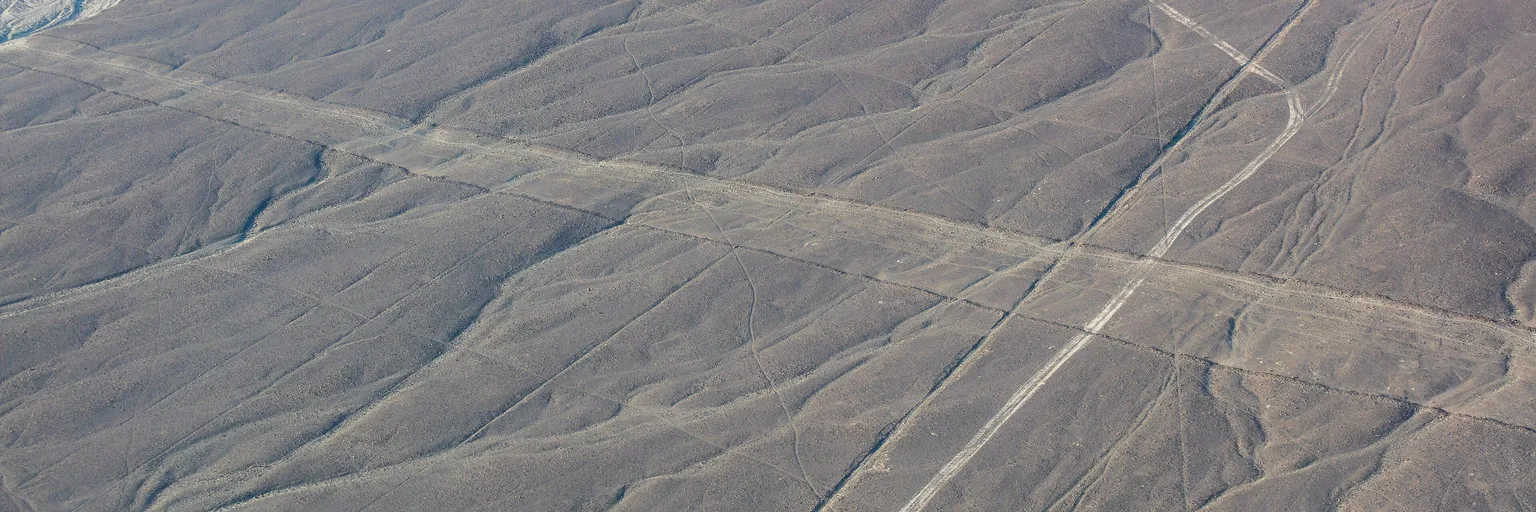
The dramatic expansion of the Nazca Lines catalog, driven by artificial intelligence, reveals not only more ancient geoglyphs but also a profound shift in how we discover and interpret the past.
The remarkable preservation of glass vessels in newly discovered Roman tombs near Troyes offers a rare window into the intimate and economic lives of ancient Gauls, challenging our assumptions about their social hierarchies.
The discovery of a 150-million-year-old flightless bird fossil in China is compelling scientists to rethink the foundational drivers of avian evolution.