Christina Koch's New Role: A Strategic Shift, Not a Setback, for Artemis
NASA's decision to move Artemis II astronaut Christina Koch into a key engineering leadership position signals a deliberate pivot towards foundational technical oversight and long-term mission architecture over an accelerated lunar landing timeline.
Photo: Uploaded by Patricia Moore / Wikimedia Commons (Public domain)
Is NASA subtly signaling a recalibration of its ambitious lunar timelines? The recent announcement that decorated astronaut Christina Koch, fresh off the historic Artemis II mission, will step away from active spaceflight to become the agency's acting Deputy Chief Engineer, effective November 1, 2026, certainly suggests a deliberate shift in priorities. While the public eagerly anticipates boots on the Moon, this move, along with similar transitions for her Artemis II crewmates, points to NASA focusing intently on the complex 'how' rather than just the 'when' of deep space exploration.
Koch, who made history just six months ago as the first woman to fly near the Moon during the Artemis II mission in April, will trade her spacesuit for a pivotal leadership role. Her appointment means she is no longer eligible for future spaceflight assignments, a significant departure for an astronaut whose career already boasts records like the longest single spaceflight by an American woman at 328 days, and participating in the first all-female spacewalk. This organizational change follows the retirement of Katherine Van Hooser, who served in the role for 35 years, highlighting a continuity in a critical technical position.
Christina Koch's journey to this leadership position is rooted in a distinguished career. Selected as an astronaut in 2013, she previously served as an electrical engineer at NASA’s Goddard Space Flight Center, developing scientific instruments for space missions. Her experience also includes scientific field engineering in extreme environments like Antarctica and the Arctic, complementing her academic background with degrees in electrical engineering and physics from North Carolina State University.
Prioritizing Foundational Engineering Over Expedited Landings
The most telling aspect of Koch's appointment is its focus: her role will involve leading NASA’s engineering community, supporting technical oversight, mission readiness, and engineering excellence across the agency’s programs and projects NASA. This emphasis on the core engineering and technical readiness points to a foundational strengthening of the Artemis program, rather than merely rushing towards a lunar landing. As NASA Administrator Jared Isaacman noted, Koch brings an "extraordinary combination of technical expertise, operational experience, and judgment to this role." The Artemis II mission itself, which involved Koch along with Reid Wiseman, Victor Glover, and Jeremy Hansen, was a 10-day journey around the Moon that marked the first crewed flight around the Moon in over 50 years, traveling a historic 252,756 miles from Earth aboard the Orion spacecraft atop the Space Launch System rocket Florida Today. This record-setting distance from Earth and the observation of the Moon's far side were crucial steps, but without a lunar landing, they underscore the need for robust foundational engineering before further crewed missions proceed.
The strategic value of placing someone with Koch's direct operational experience at the helm of engineering oversight is clear. It suggests a proactive approach to ensuring the reliability and safety of future Artemis missions, which aim to return Americans to the lunar surface, build a Moon Base, and ultimately prepare for human missions to Mars. This commitment to long-term capability development, even if it means adjusting immediate timelines for crewed landings, appears to be a calculated move by NASA to ensure the program's ultimate success and sustainability.
No topics yet: start the first one.
More stories
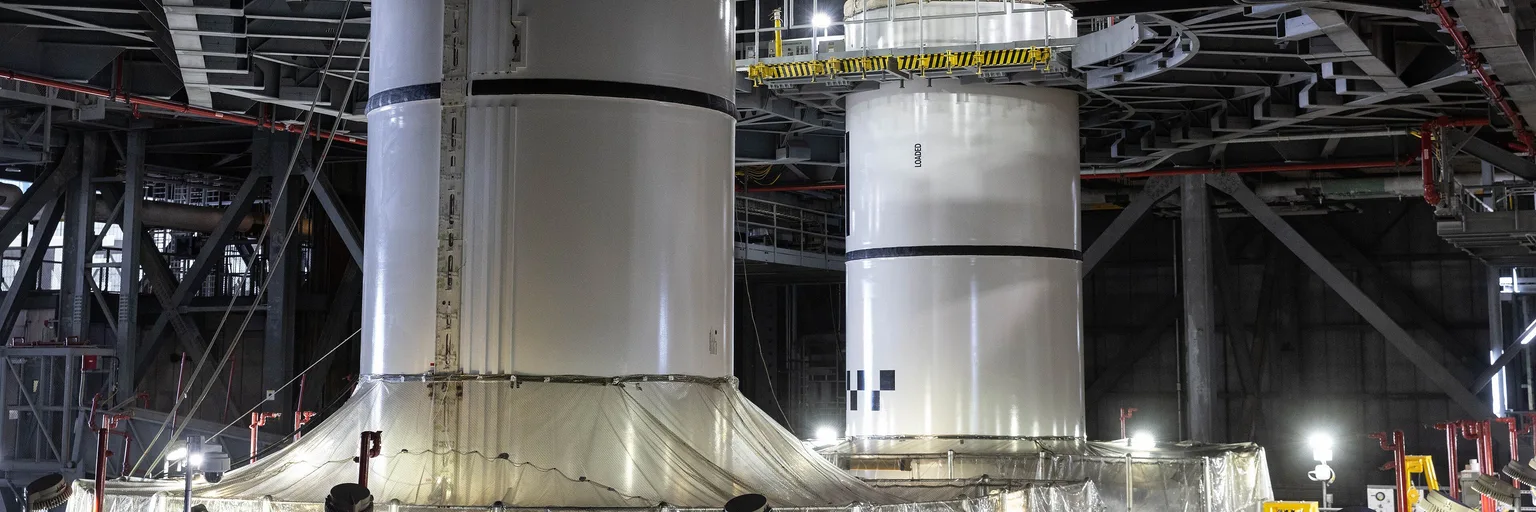
Artemis III's Stacking Milestone: A Crucial Preparatory Step, Not the Final Leap
NASA's completion of Artemis III booster stacking marks a significant engineering milestone, signaling steady progress in the complex preparatory missions essential for future human lunar landings.
A Cosmic Phoenix: Rethinking Planetary Rebirth Around Dead Stars
A newly discovered exoplanet, formed from the ashes of its host star, challenges our most fundamental assumptions about how and where planets can emerge, opening new chapters in stellar archaeology.

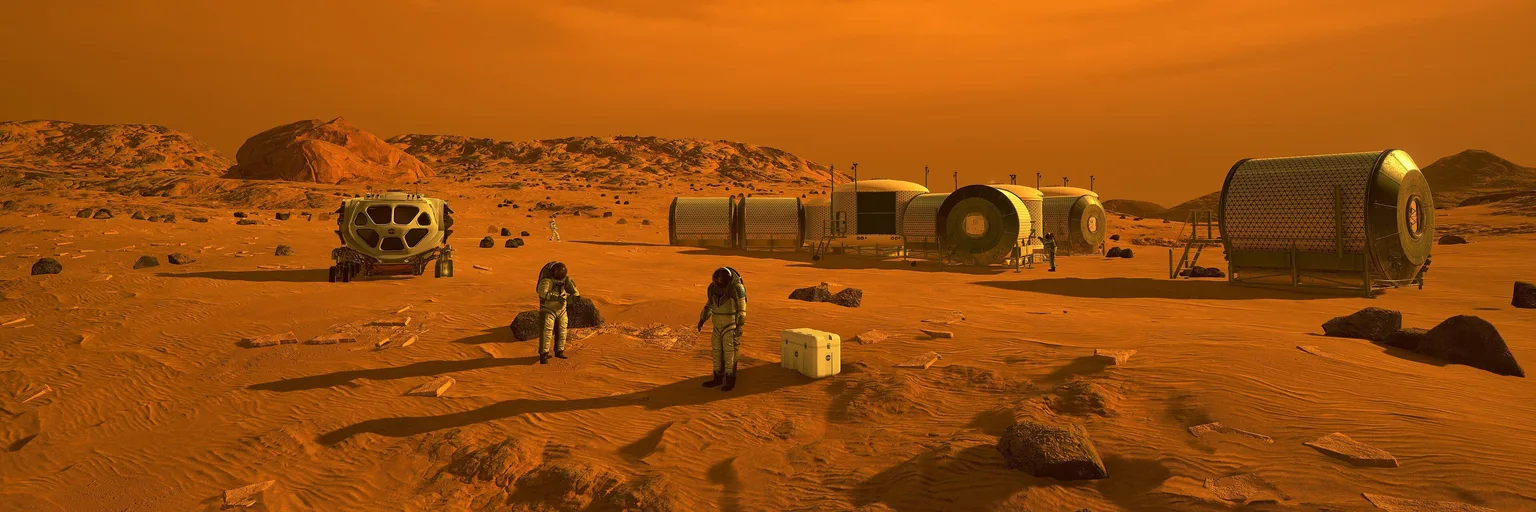
The Brutal Truth: Why We're Still Not Ready for Mars
A leading French astronaut’s frank assessment of humanity's physiological and technological readiness for Mars reveals a sobering gap between our grand ambitions and current capabilities.
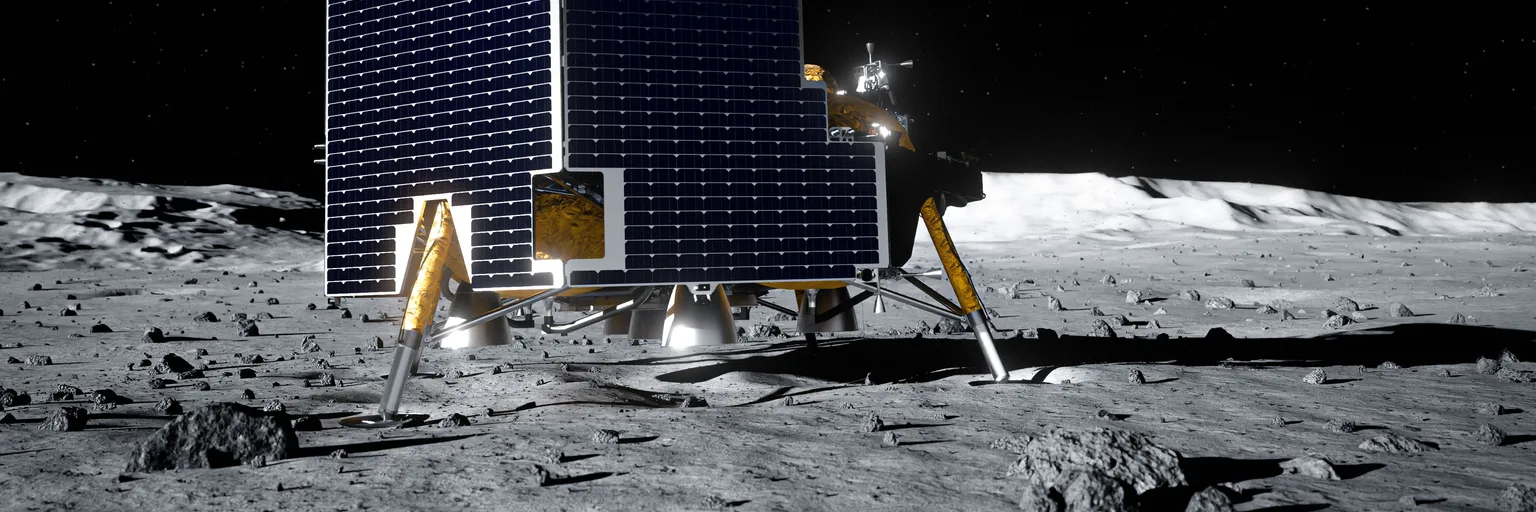
Griffin-1: A Bold Gamble for Humanity's Lunar Future
The Griffin-1 lander's successful tests mark a critical step towards a Moon Base, but its commercial nature and the history of CLPS missions suggest a high-stakes, yet necessary, gamble for lunar permanence.