Lunar caves are a smarter bet for a Moon base than another flag
NASA wants to probe the Moon's caves before building its first outpost. It's the right order of operations, but one detail in the plan worries us.
AI-generated image
What if the best real estate on the Moon is the part you can't see from orbit? Underneath the dusty plains there may be hollow tunnels left by ancient lava, and NASA now treats finding them as homework before anyone moves in. We think that is a rare case of space policy putting the survey before the ribbon-cutting.
The agency's Moon Base page describes the project as humanity's first lunar outpost, a place where astronauts will live, work and explore near the Moon's South Pole. As ScienceDaily summarizes, NASA has picked three investigations that will hunt for underground shelters, uncover hidden ice and track dangerous conditions on the surface. One of the payloads, GIMLI, is meant to land near Marius Hills Pit and look for a subsurface lava tube, according to EarthSky.
Mapping first is the unglamorous, correct move
A lava tube forms when the surface of a lava flow cools and hardens while molten rock keeps channeling underneath. When the flow fades, the tube can drain and leave a hollow void. That is the textbook picture, and it is what makes these places tempting.
The pitch for living in them is intuitive. A roof of rock overhead is a natural shield, and we'd expect it to blunt radiation and soften the temperature swings of the surface. We should be honest that this is a reasoned expectation: nothing in the material we reviewed measures it. That gap is precisely why a survey comes first.
Cave hunting is also a sound bet on what the Moon needs. Building a habitat from scratch means hauling or fabricating every wall. A ready-made cavity could, in principle, shrink that burden. We stress "in principle": nobody has yet confirmed a large, intact lunar tube from the inside.
The evidence is still orbital, and orbit can mislead
What we have so far is indirect. EarthSky reports that an international team said it found the first evidence of an ancient lunar lava tube in Mare Tranquillitatis, using data from a NASA moon orbiter. NASA's own science site speaks of "mounting findings" hinting at a network of caves. Hints are not habitats.
The GIMLI mission exists because researchers believe a large cave lies beneath a pit opening on the near side, and they want to confirm it. The operative word is "believe." A pit tells you there is a hole. It doesn't tell you how wide the void is, whether the ceiling is stable, or whether the floor is clear enough to walk on. Those are the questions that decide whether a cave is a home or a hazard, and orbit alone can't answer them.
The mismatch we'd watch: near side caves, polar outpost
Here is the detail that makes us uneasy. Moon Base is planned near the South Pole, while the cave candidate GIMLI targets sits on the near side. Proving that a tube exists at Marius Hills would be a real scientific win. It wouldn't prove that the south polar region has anything similar, or that a tube there would sit near the ice and sunlight a base needs.
To be fair, NASA is bundling this with ice and surface-hazard investigations, which suggests the agency sees the whole picture rather than caves in isolation. But we'd argue the cave work should be judged as a method test: can a lander find, confirm and characterize a void? If yes, the next step is aiming it where people will actually live. If NASA presents one near-side success as a green light for polar habitats, that would be overreach.
Our verdict
Skip the triumphalism and read this as risk reduction. Probing caves before planning to live in them is smarter than another flag-planting, and we think it is cheap compared with discovering a flaw after astronauts arrive. Our advice to readers is to follow GIMLI's results rather than renders of glowing underground cities. If the instruments confirm a stable tube, lunar shelter stops being a pretty idea and becomes an engineering option. If they don't, we'll have learned that for far less than a failed outpost would have cost.
No topics yet: start the first one.
More stories
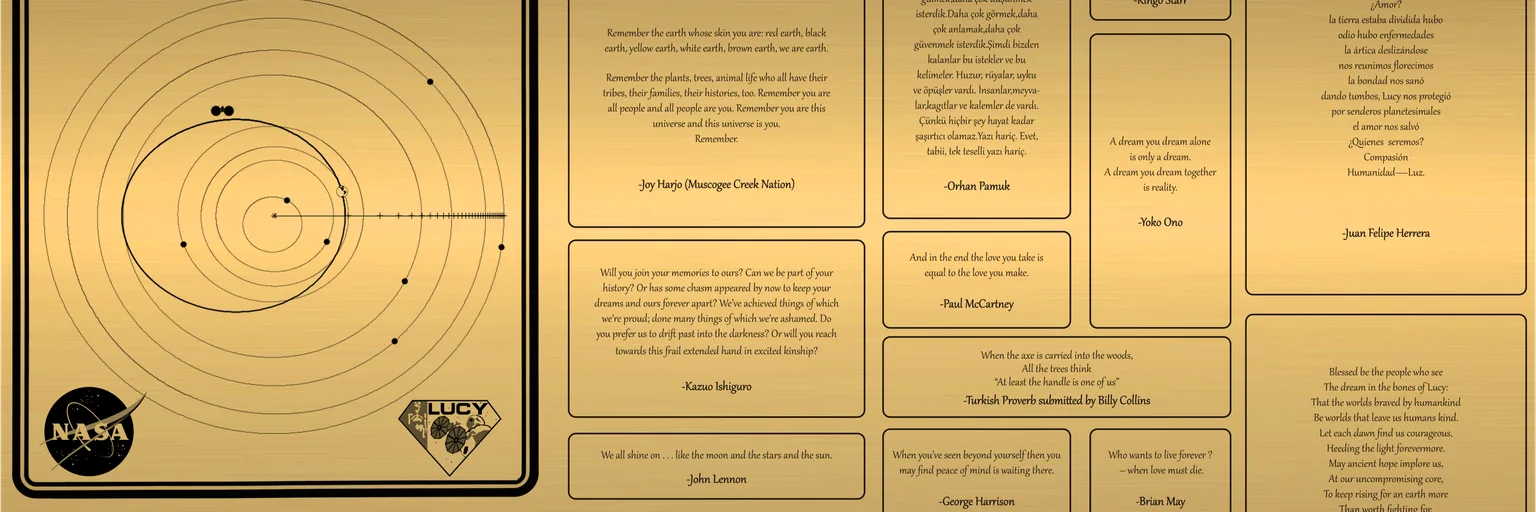
Lucy shows why slow, flyby-driven science is worth the wait
Five years and 2.2 billion miles to reach Jupiter's Trojans: Lucy's patient, flyby-only approach is a smart way to study primitive bodies that may explain how the planets formed.
The calm between the stars was a myth, and a new 3D map shows why
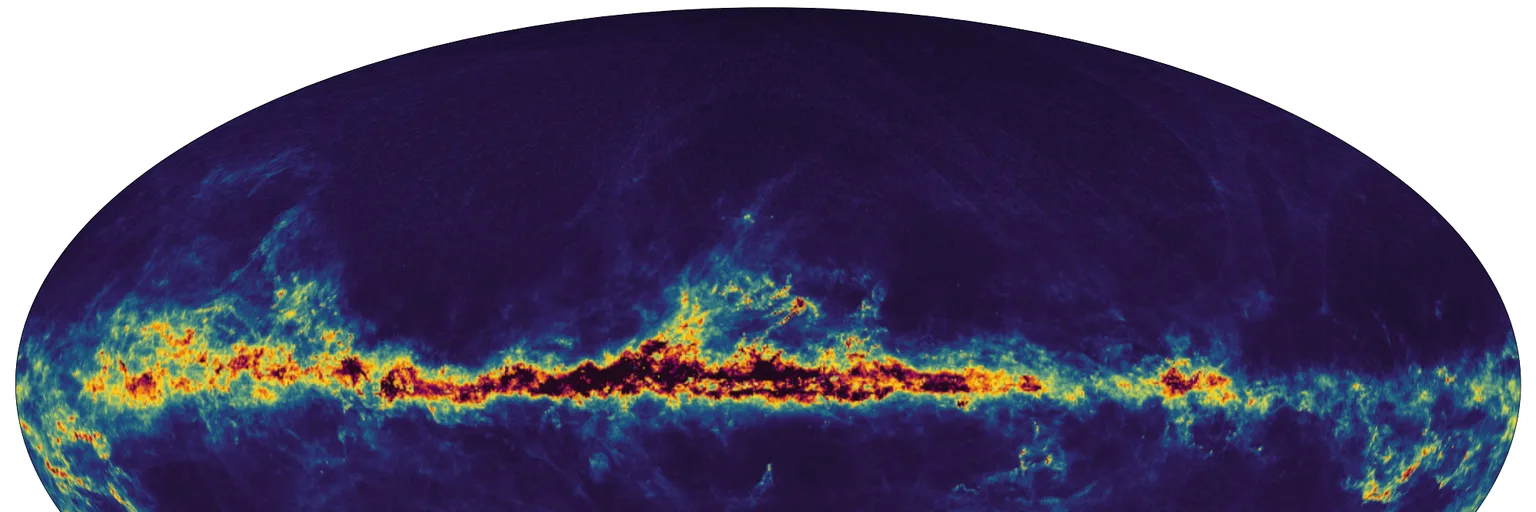
A new 3D map finds roughly 41% of nearby interstellar gas in an unstable state. The "empty" space between stars is where new stars get their raw material.
The 2027 eclipse deserves a lab plan, not a selfie stick
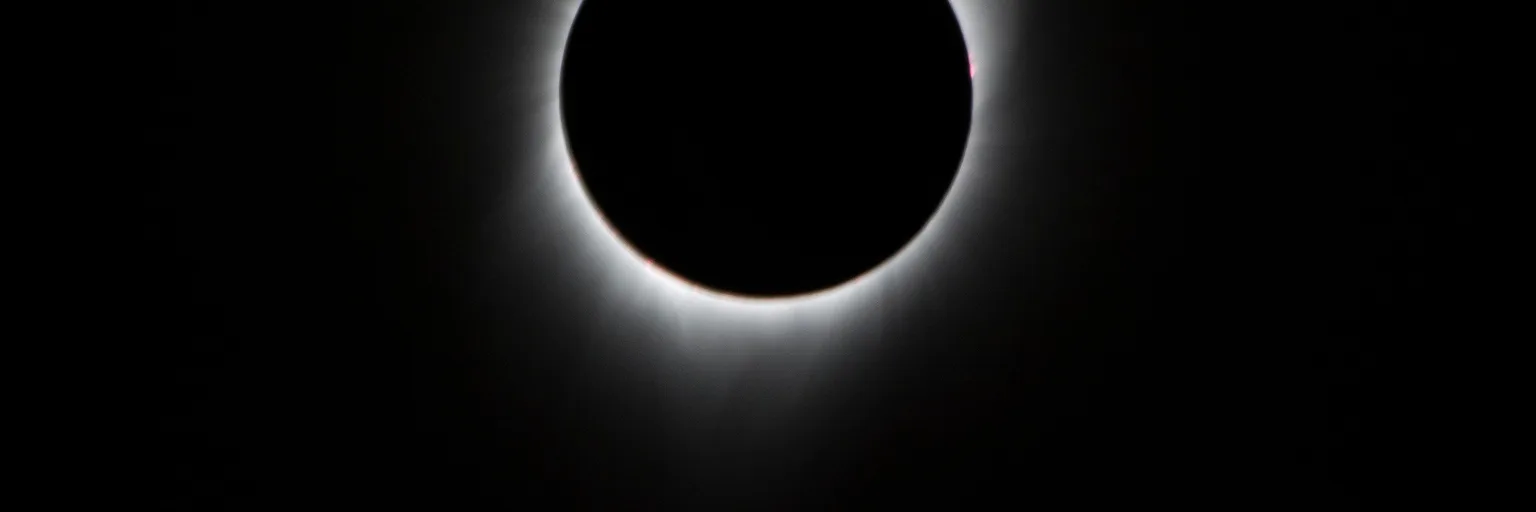
Six-plus minutes of totality over Egypt on August 2, 2027 is a rare block of observing time. Treating it as a photo op would waste it.
Saving Hubble is the easy part; deciding what for is not
NASA's request for ideas to boost, service or retire Hubble is cheap and sensible, but it exposes a harder question: how much to pay to keep an old telescope alive.