The UN's endocrine warning is credible, but shopping smarter won't fix it
A new UN and WHO report calls the evidence on endocrine disruptors clear, and the right response is regulating whole chemical classes, not asking shoppers to dodge products.


The US reportedly lost its measles-free status after 26 years. The label matters less than what it reveals: herd immunity is upkeep, and it decays faster than we like to admit.
Perseverance measured dust grains of about 100 nanometers over 1,645 sols. Protecting astronauts' lungs is a design problem as serious as the rocket, and it needs money today.
With a dog confirmed in Arizona and a cat in New Mexico, the New World screwworm is no longer just a cattle story. Beating it takes surveillance and sterile flies, not slogans.
Nearly 3 million heat deaths since 2016 show why climate policy should be scored in lives and hours of dangerous heat, not only in fractions of a degree.
A virus long labeled non-transmissible to humans has now turned up in a patient who died in Lyon. The lesson is less about fear than about how little we watch "harmless" livestock pathogens.
A new antibody signal could make preterm birth more measurable, but turning an association into a safe prenatal test or treatment will take far more evidence.
New research links coffee, including decaf, with distinctive gut microbes, but association is not proof that everyone should drink more for better health.
A New England Journal of Medicine trial strengthens immune-targeted treatment, but the hard part is turning fewer toxic drugs into an accessible standard of care.
Myalgic Encephalomyelitis/Chronic Fatigue Syndrome is a severe, multi-systemic illness that profoundly limits daily life, yet it remains critically underdiagnosed and in need of scientific breakthroughs.
A new class of effective antibiotic molecules, powered by innovative AI, signals a pivotal moment in our urgent battle against drug-resistant bacteria, offering a potential paradigm shift in life-saving drug development.
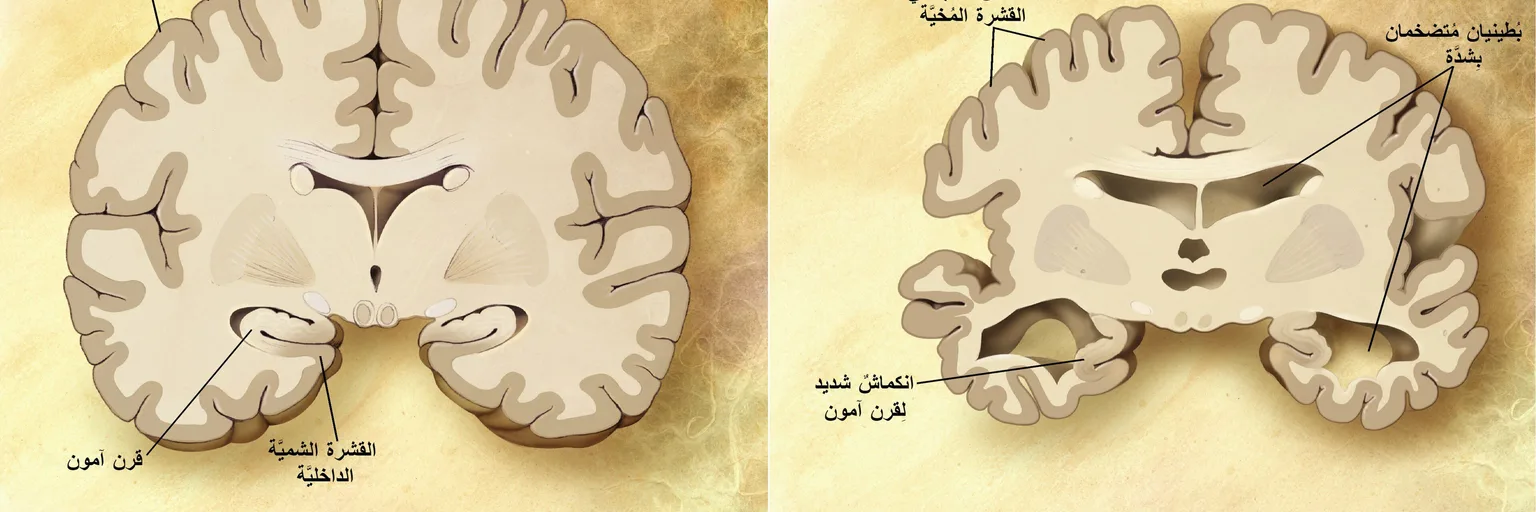
Mounting evidence strongly links common herpesviruses to Alzheimer's disease, reshaping our understanding, yet clinical trials show the path to treatment remains complex.
New research from the Université libre de Bruxelles and University of Cambridge reveals fundamental sex-specific differences in how skin renews, challenging traditional dermatological approaches and promising tailored treatments.
While *Naegleria fowleri* infections are exceptionally rare, recent lake closures in Mexico highlight the critical need for proactive public health strategies amidst evolving environmental conditions.
The horrifying case of a Guatemalan teen mistakenly declared dead and waking in her coffin exposes critical flaws in diagnostic protocols, urging an immediate global reevaluation of medical verification, especially in underserved communities.
New research challenges our assumptions about cardiovascular care, suggesting that a simple hot bath might offer a significant, immediate blood pressure reduction, comparable to moderate exercise, for those who struggle with physical activity.
The recent discovery of a unique ultrasonic vocalization in rats enjoying chocolate offers an unprecedented, real-time window into animal pleasure, fundamentally reshaping our understanding of reward states and emotional expression.
The suspicious death of a researcher in an anti-plague laboratory in Irkutsk, coupled with conflicting official reports, underscores the critical need for absolute transparency and rigorous safety protocols in pathogen research globally.