Curisfera Newsroom
Two new howler monkeys prove we haven't finished counting
Two new howler monkey species in the Amazon, found through genetic analysis, show how much life we undercount, and why naming a species is a duty rather than a trophy.
Two new howler monkey species in the Amazon, found through genetic analysis, show how much life we undercount, and why naming a species is a duty rather than a trophy.
Australia's slow crash into Asia helped fill Southeast Asia's forests with species, but new amber fossils suggest the story starts much earlier and is messier than a collision.
Headlines on solar parks and birds point in opposite directions. Rather than pick a slogan, we should demand that habitat be part of how solar farms are planned.
A study doubles the count of species in the wildlife trade to 107,356, and the global target covers only 2–3% of them. Rules written for famous animals miss the real market.
Erhaia dijiang did not become strange for its own sake: in darkness, isolation and scarcity, sight became expendable—and its tiny habitat became precious.
NASA’s satellite maps show El Niño draining green from the equatorial Pacific, revealing how a shift in deep-water nutrients can ripple through marine life.
A study of Turnip mosaic virus shows how it hijacks plant lipid droplets, revealing a vulnerable part of infection without promising an instant agricultural cure.
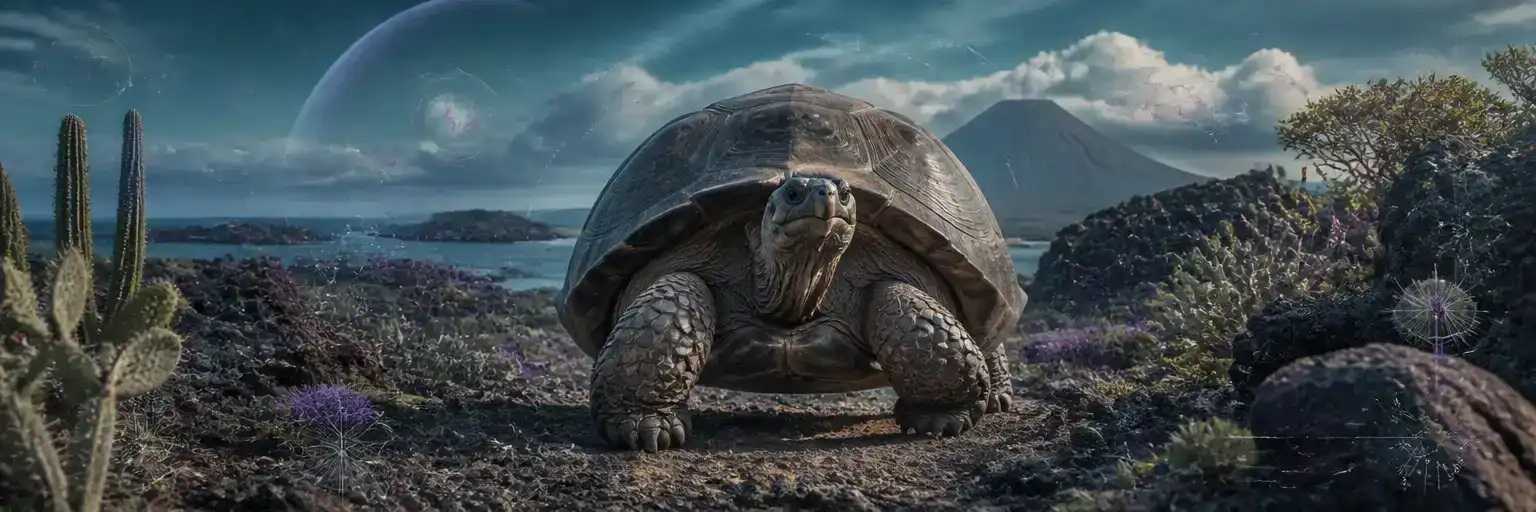
The rediscovery of the Fernandina giant tortoise, long thought extinct, is a powerful reminder of nature's resilience and the critical importance of persistent conservation efforts in unexpected places.
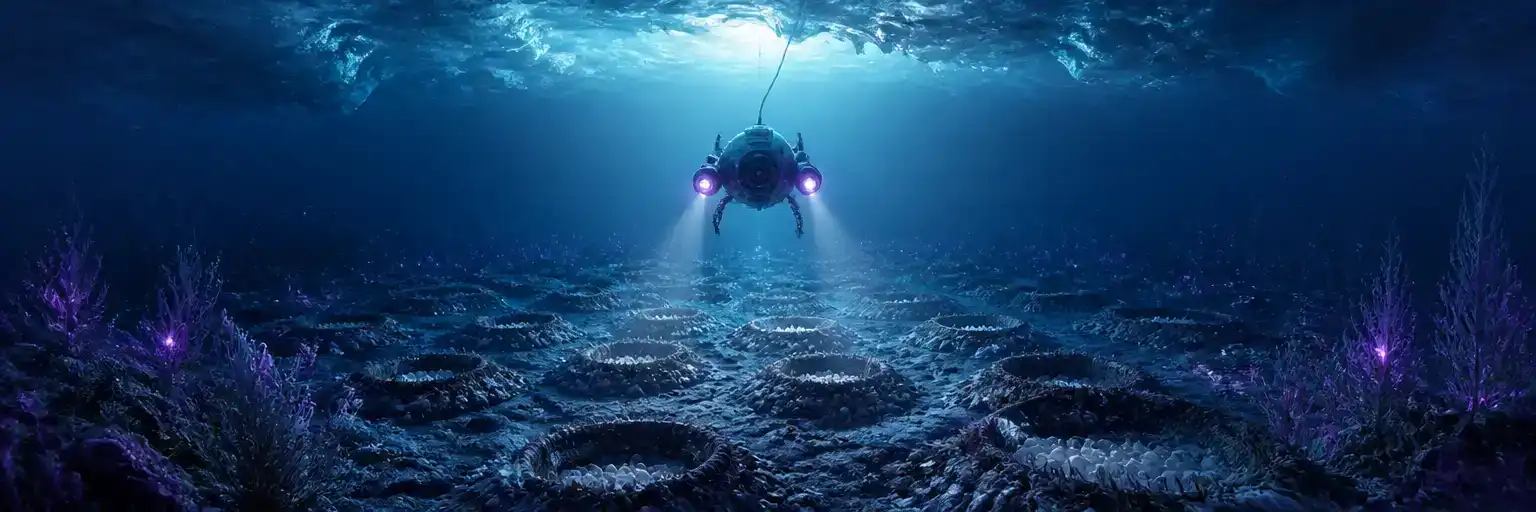
The recent discovery of over a thousand meticulously organized fish nests beneath the Antarctic ice, revealed by a massive iceberg and a nimble underwater robot, highlights not just the resilience of life in extreme environments, but also the transformative power of technology in unveiling our planet's deepest secrets.
The discovery of precisely 42,458 similar seabed holes in the North Sea, once attributed to gas leaks, now reveals surprising biological activity fundamentally altering our view of seafloor dynamics and marine life's impact.
The dramatic escalation of orcas hunting great white sharks, once a rare sight, is now a documented pattern, reflecting how climate change is subtly yet profoundly reshaping marine ecosystems.
A recent discovery of fungal communities thriving deep beneath Michigan's surface, extracting energy from ancient rocks, forces us to rethink the very boundaries of life on Earth and its impact on global carbon cycles.
Recent discoveries of fish and a glass frog in Brazil's less-explored biomes highlight the nation's profound, often overlooked, biodiversity and the critical need for expanded protective measures.
The discovery of a colossal 65-million-year-old fungus in China, named Dianjunus rex, not only redefines our understanding of fungal scale but also offers a profound glimpse into Earth's post-dinosaur ecosystems.
The surprising repurposing of an offshore oil vessel into a state-of-the-art research ship is not just about discovering new species; it signals a profound shift in how we might approach industrial decommissioning and unlock the ocean's remaining mysteries.
Recent discoveries of freshwater mussels and new fish species in the Americas highlight how much biodiversity remains unknown, underscoring the critical urgency of conservation efforts before these species vanish.
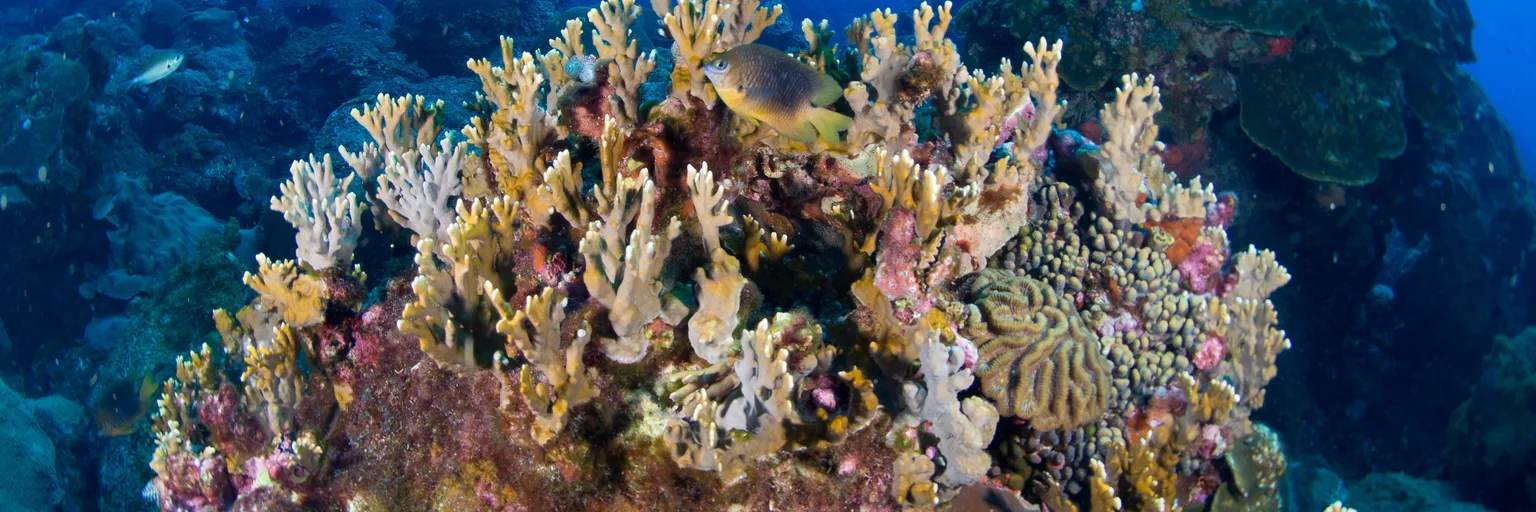
Discussions are emerging around the possibility that robust coral reefs might actively assist struggling counterparts in resisting ocean warming, suggesting a shift in conservation thinking.
A groundbreaking discovery reveals that rising temperatures intensify resource competition, causing species populations to collapse far below their thermal tolerance limits, demanding a radical shift in conservation.
A newly identified desert moss from China's Xinjiang region, demonstrating unprecedented resilience, offers a groundbreaking pathway for sustainable space agriculture and crucial solutions for terrestrial food security in extreme environments.
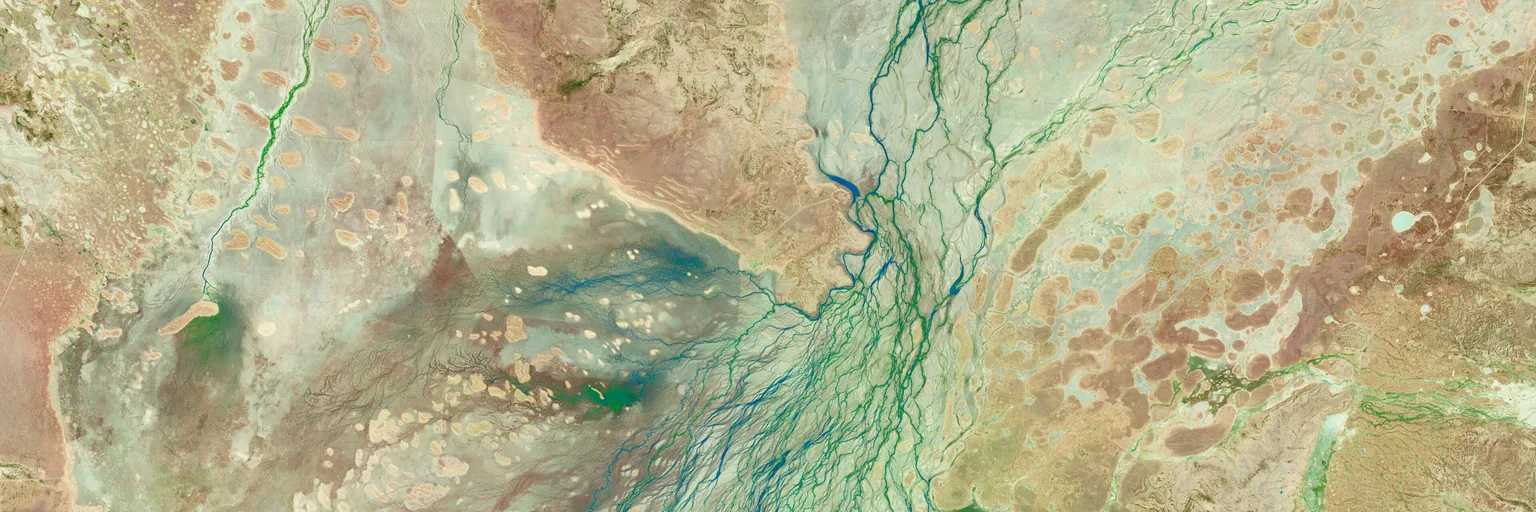
NASA's breathtaking images of a verdant Australian outback offer a visually stunning, yet deeply concerning, indicator of accelerating climate shifts and their extreme unpredictability, challenging notions of environmental recovery.
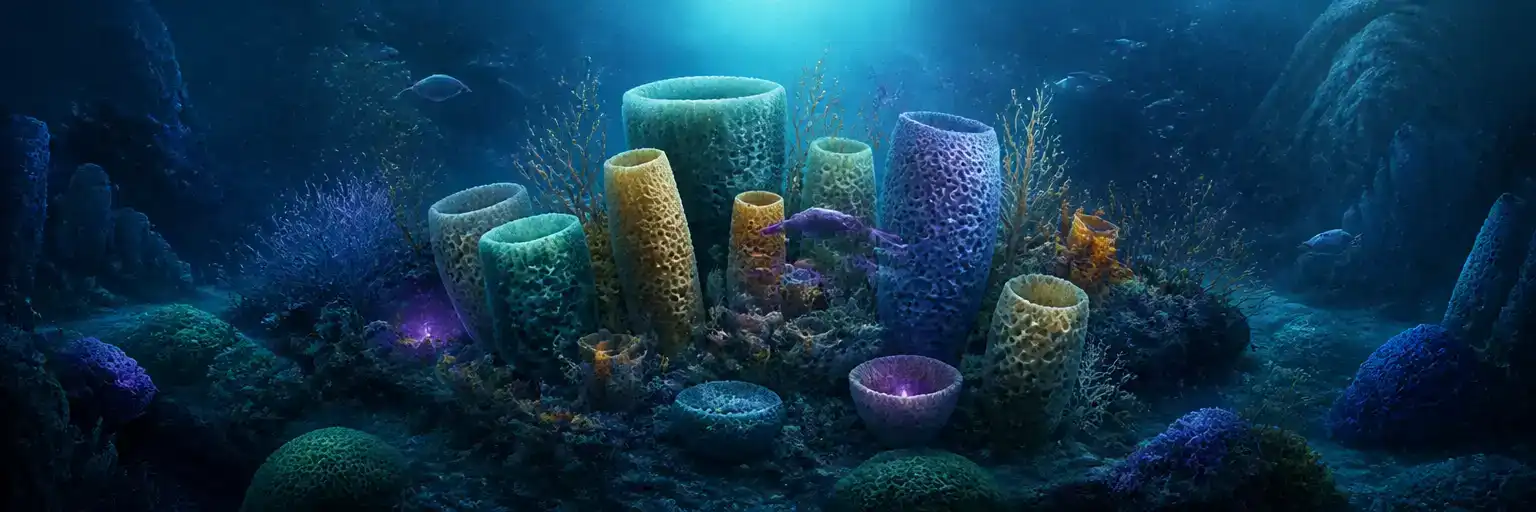
The recent discovery of nine new sea sponge species in Alaska not only reveals vast hidden biodiversity but also intensifies the critical debate over destructive bottom-trawling practices.
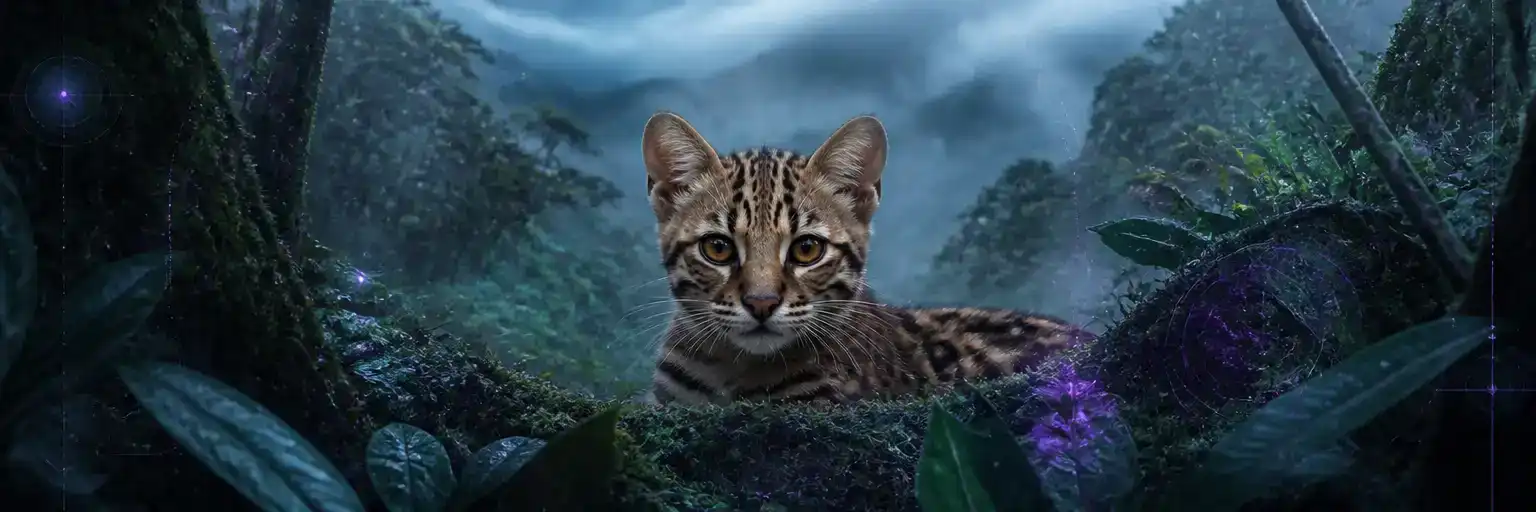
The identification of *Leopardus tilcayo* in Bolivia, the first new wild cat in over a century, underscores the vibrant hidden biodiversity in remote ecosystems and the indispensable role of local communities in safeguarding these natural treasures.
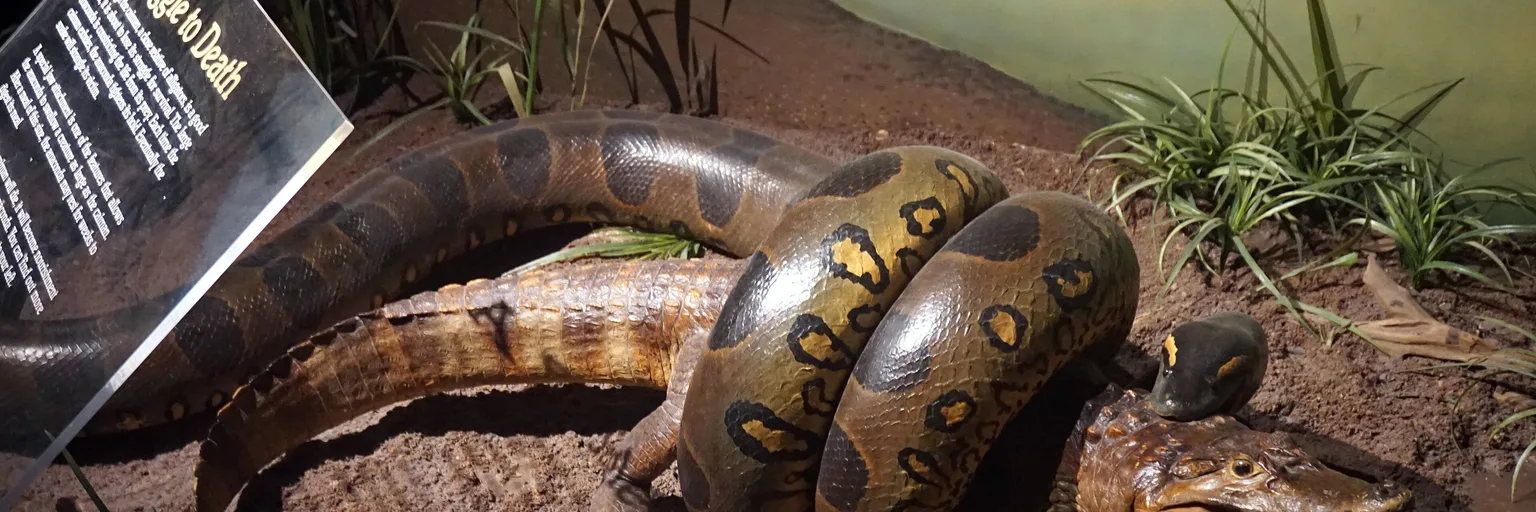
The discovery of a new giant anaconda species during a Will Smith documentary underscores how unexpected collaborations can elevate scientific findings, prompting reflection on research visibility.
The tale of a critically endangered giant water lily discovered via Instagram underscores how public engagement and unconventional platforms are reshaping biological exploration and conservation.
Recent findings from Chilean scientists in Patagonian wild yeast challenge conventional views on adaptation, suggesting evolution is more complex and dynamic than previously thought.
The scientific recognition of Siphonops maria not only celebrates a hidden amphibian but also shines a crucial light on the enslaved individuals who pioneered one of the world's greatest rewilding efforts.
The discovery of 57 new deep-sea species in Argentina's Mar del Plata canyon dramatically underscores the urgent need for continued marine exploration and robust conservation efforts.