Measles elimination was never a trophy: the US just learned it's a habit
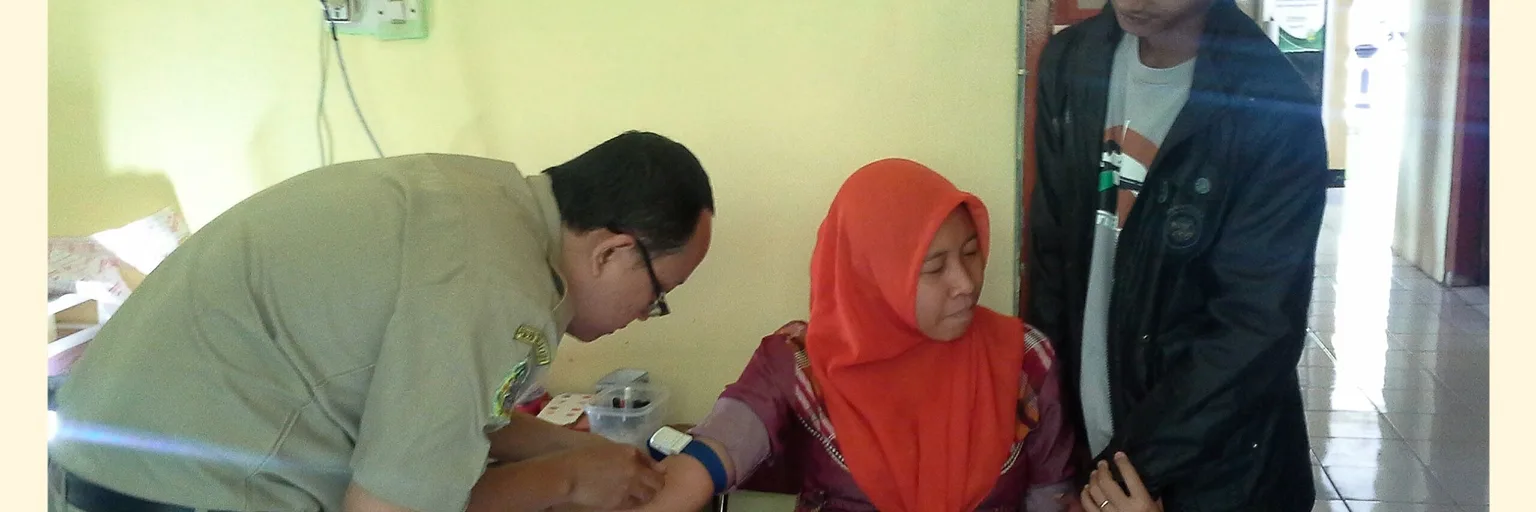
The US reportedly lost its measles-free status after 26 years. The label matters less than what it reveals: herd immunity is upkeep, and it decays faster than we like to admit.

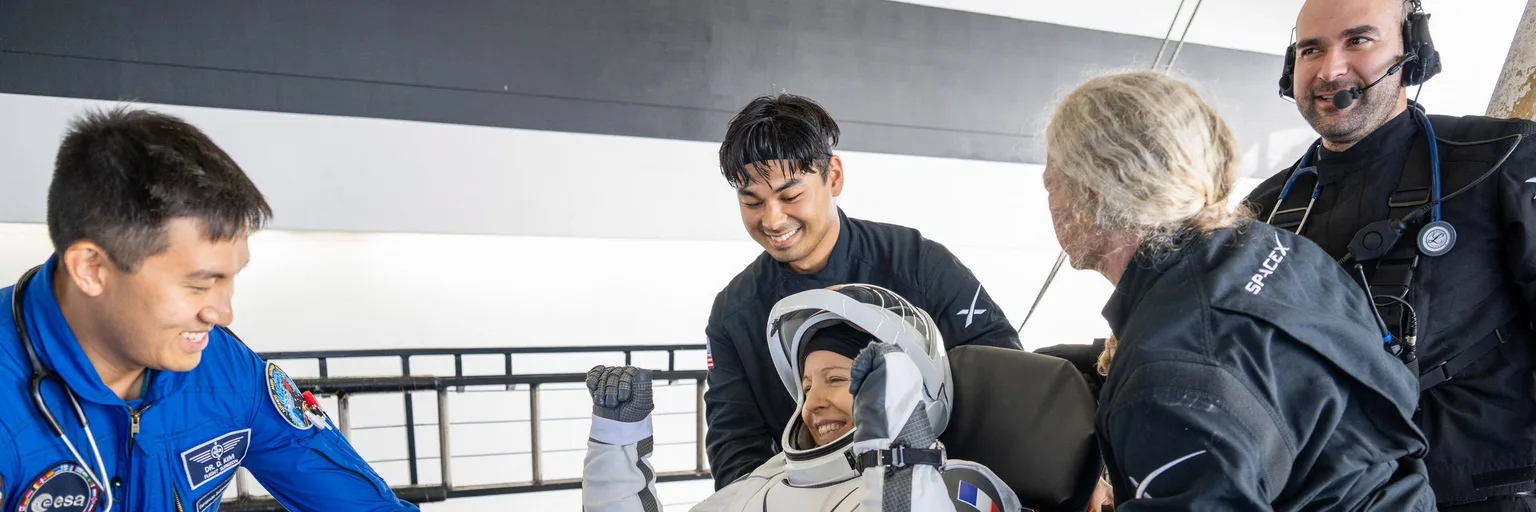
Saying a long mission ages astronauts by a decade is a catchy line, but it blurs reversible adaptation with true aging. The real stakes are Mars planning, not fear.
Aggressive cells hiding in pediatric tumors labeled lower-risk show how incomplete our cancer maps are. It's a real research step, but not yet a change in treatment.
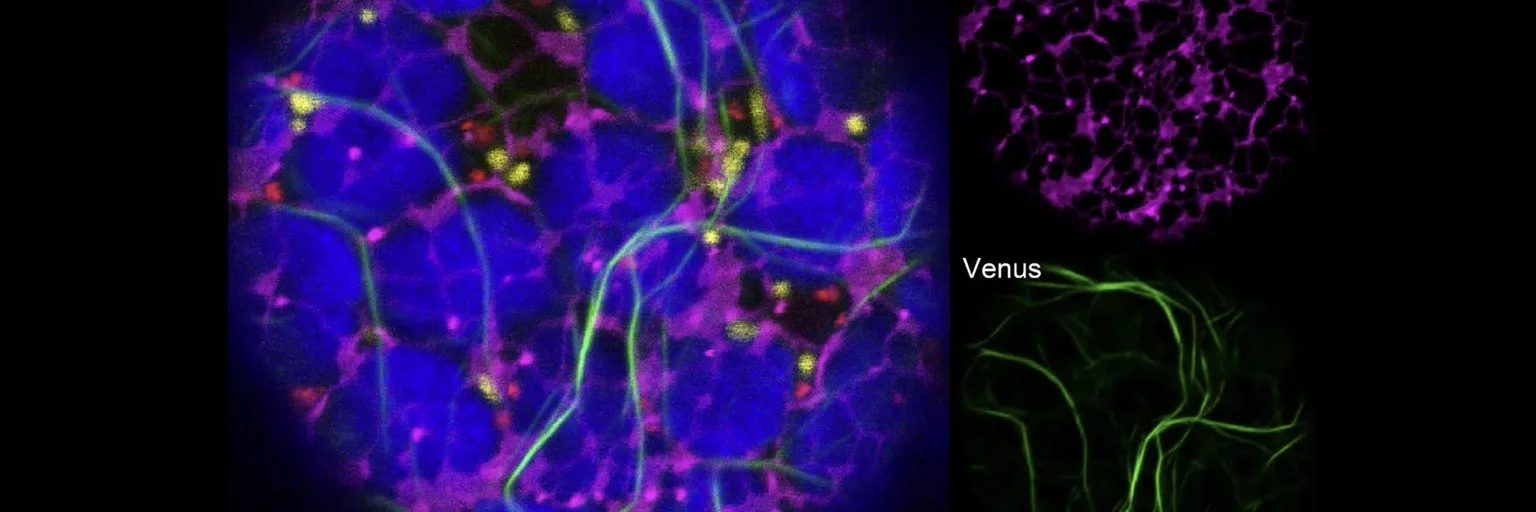
Filming the inside of a living cell in 3D turns biology from a photo album into cinema, as long as we can prove the camera doesn't change the plot.
A Johns Hopkins study on how sharp vision is built before birth reminds us how much we still don't know about the eye, and why it shouldn't be sold as a pill.
NASA and the NIH want quantum sensors to read organ-on-a-chip models without animals. It's a smart bet, but only if the readings are checked against real physiology.
German researchers kept mouse brain tissue functional after vitrification. That is a genuine preservation advance, and cryonics hype should not borrow its credibility.
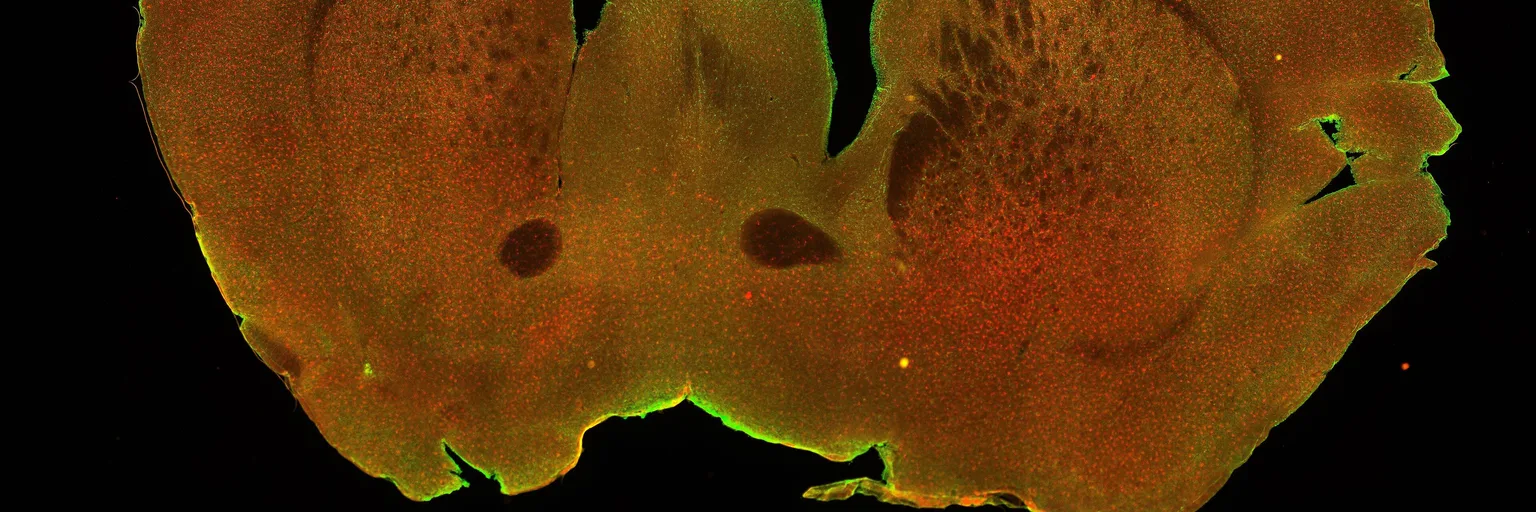
A mouse study suggests herpes simplex reprograms the brain's immune cells. It is a useful mechanistic hint for the Alzheimer's debate, but it doesn't show cold sores harm your brain.
Treating women as small men was a methodological failure, not an oversight. A special issue won't fix it; changes to trials, dosing and funding rules might.
A virus long labeled non-transmissible to humans has now turned up in a patient who died in Lyon. The lesson is less about fear than about how little we watch "harmless" livestock pathogens.
A new antibody signal could make preterm birth more measurable, but turning an association into a safe prenatal test or treatment will take far more evidence.
Animal research links moderate cold with slower age-related decline, but that evidence does not justify cold plunges or prove a human longevity benefit.
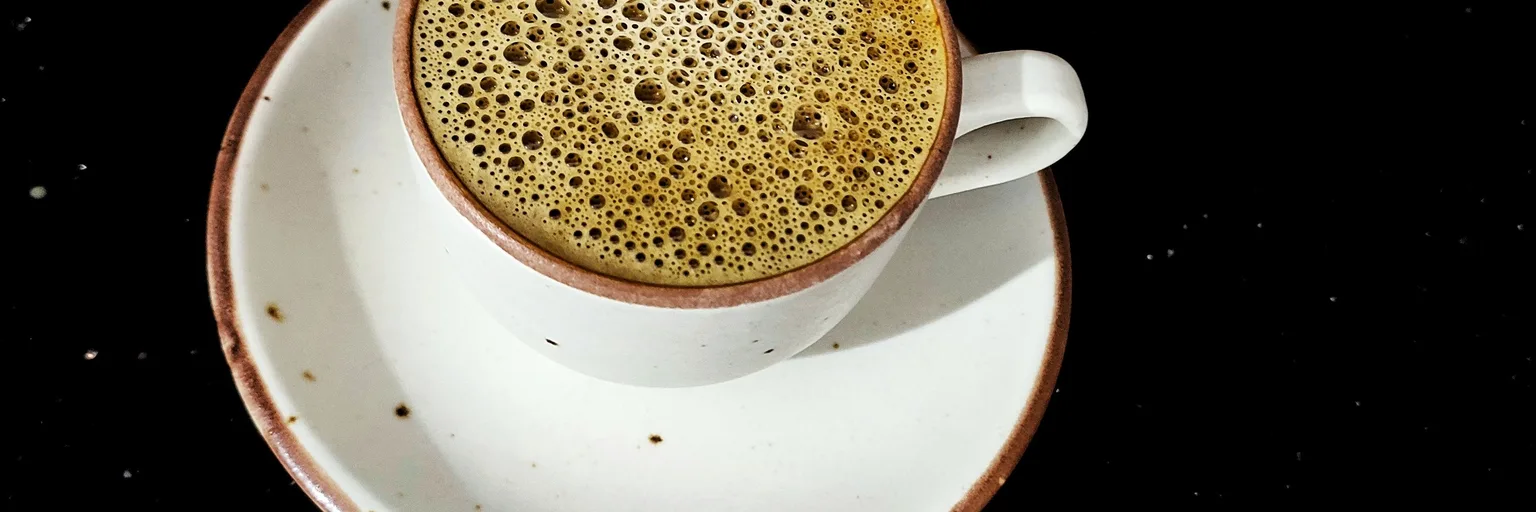
New research links coffee, including decaf, with distinctive gut microbes, but association is not proof that everyone should drink more for better health.
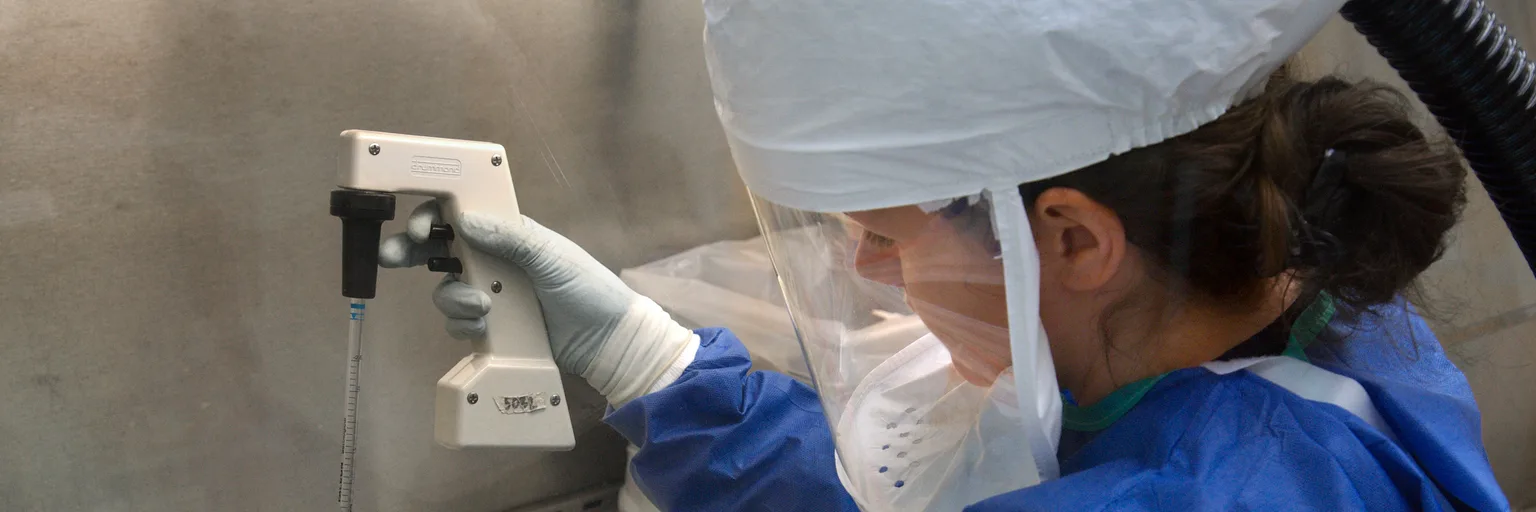
A molecule from researchers in Turin and Pisa appears active against influenza, coronaviruses and RSV in vitro, but laboratory breadth is only the first hurdle.
A New England Journal of Medicine trial strengthens immune-targeted treatment, but the hard part is turning fewer toxic drugs into an accessible standard of care.
A novel injectable drug that eliminates fat cells rather than merely shrinking them promises a targeted approach to reducing dangerous visceral fat, potentially revolutionizing long-term obesity treatment.
New research upends the long-held belief that ovaries become dormant after menopause, revealing their continued, dynamic activity could reshape our understanding of women's health and aging.
Professor Michele Carbone's Szent-Györgyi Prize for his mesothelioma discoveries underscores the profound impact of genetics and the indispensable role of cross-cultural scientific collaboration in transforming public health.
Myalgic Encephalomyelitis/Chronic Fatigue Syndrome is a severe, multi-systemic illness that profoundly limits daily life, yet it remains critically underdiagnosed and in need of scientific breakthroughs.
A new class of effective antibiotic molecules, powered by innovative AI, signals a pivotal moment in our urgent battle against drug-resistant bacteria, offering a potential paradigm shift in life-saving drug development.