Sputnik's Beep: How a Simple Satellite Redefined Humanity's Cosmic Edge
More than just a technological marvel, Sputnik 1's iconic signal didn't merely open the Space Age; it made the boundary between Earth and space a tangible, contested frontier.
Photo: Tim Evanson from Cleveland Heights, Ohio, USA / Wikimedia Commons (CC BY-SA 2.0)
When the Soviet Union launched Sputnik 1 on October 4, 1957, the world heard not just a "beep-beep-beep" but the unmistakable sound of a new era dawning. This simple, polished sphere, roughly the size of a beach ball (58 cm in diameter) and weighing 83.6 kg, didn't carry complex scientific instruments to unravel cosmic mysteries. Instead, its most profound contribution was arguably to fundamentally shift our collective perception of where Earth ends and space begins, transforming an abstract scientific concept into an immediate, accessible, and deeply political frontier.
The launch was part of the International Geophysical Year (IGY), a global scientific project from July 1, 1957, to December 31, 1958, during which both the U.S. and the Soviet Union had pledged to launch satellites. The Soviets' initial plan for a sophisticated scientific satellite, known as "Object D," proved too complex and heavy (around 1000 kg) to be ready in time for the IGY given the available rocket technology (Source 7, 3). Fearing the U.S. would launch first, Soviet scientists swiftly developed the simpler, lighter "Object PS," or Sputnik 1, weighing only 83.6 kg (Source 7, 3). Its primary mission was less about scientific discovery and more about proving the feasibility of orbital flight and demonstrating Soviet capabilities to the world (Source 7, 4).
More Than Just a Beep: A Declaration in Orbit
Sputnik 1's "beep-beep-beep" was no accident. The satellite was designed to broadcast signals at frequencies easily detectable by amateur radio operators worldwide (Source 4, 6). This intentional accessibility turned the satellite into a global, undeniable declaration of Soviet technological achievement. Weighing 183 pounds (83.6 kg) and resembling a basketball with antennas, Sputnik 1 circled the Earth every 98 minutes (Source 6), its signal a constant, unnerving reminder for many in the West. It wasn't just a satellite; it was a demonstration that the USSR had mastered the rocket technology capable of putting objects into orbit, a capability the public quickly understood could also be used to launch ballistic missiles (Source 1, 4).
Crucially, Sputnik 1's design was tailored for impact. More than half its weight was dedicated to the batteries powering its transmitters, and its polished metal shell was made to reflect sunlight, making it visually trackable from Earth (Source 4). This combination of audible and visual presence ensured that its message—that the Soviet Union was first in space—was received loud and clear across the globe (Source 4).
Reshaping Geopolitics and the Definition of Space
The launch of Sputnik 1, followed by Sputnik 2 (carrying the dog Laika) less than a month later (Source 1, 7), triggered what became known as the "Sputnik Crisis" in the United States. Experts and citizens alike were shocked, as they had widely believed the U.S. would achieve this scientific advancement first (Source 2, 6). This fueled fears of a "missile gap" and a perception that the U.S. military had fallen behind in developing new technology (Source 2, 6). President Dwight D. Eisenhower initially downplayed its significance but responded by pouring additional funds into the U.S. space program (Source 2, 6).
The American response was fraught with early setbacks, most notably the highly visible explosion of the Vanguard launch vehicle in December 1957 (Source 2, 4). The U.S. finally succeeded in launching its first satellite, Explorer 1, on January 31, 1958 (Source 1, 2). However, Sputnik's perceived lead directly spurred the creation of NASA in July 1958, transforming the National Advisory Committee for Aeronautics (NACA) into a new agency dedicated to space exploration (Source 1, 7).
Sputnik's legacy extends beyond the immediate Space Race. It forced a global reconsideration of humanity's cosmic boundary. While there's still no single, internationally agreed-upon definition of where Earth's atmosphere ends and outer space begins (Source 8, 9), Sputnik's flight made the abstract concept of space a concrete and contested frontier. It highlighted that venturing beyond the atmosphere had profound political, military, and scientific implications, fundamentally changing how nations perceived and navigated this newly accessible domain.
No topics yet: start the first one.
More stories
NASA's Private Station Leap: A Bold Bet on Commercial Space
NASA's latest Request for Proposals for commercial space stations signals a pivotal shift toward private-sector leadership, offering both immense innovation and critical questions about the government's evolving role in orbit.

SpaceX's New Record Shows Spaceflight Finally Escaped Its Shuttle Past
The Crew-13 mission’s lightning-fast journey to the ISS isn't just a speed record; it heralds a new, more efficient era of space travel, challenging the legacy of the costly Space Shuttle.
Mars' Moons Hold Solar System's Secrets: MMX Mission Ready to Deliver
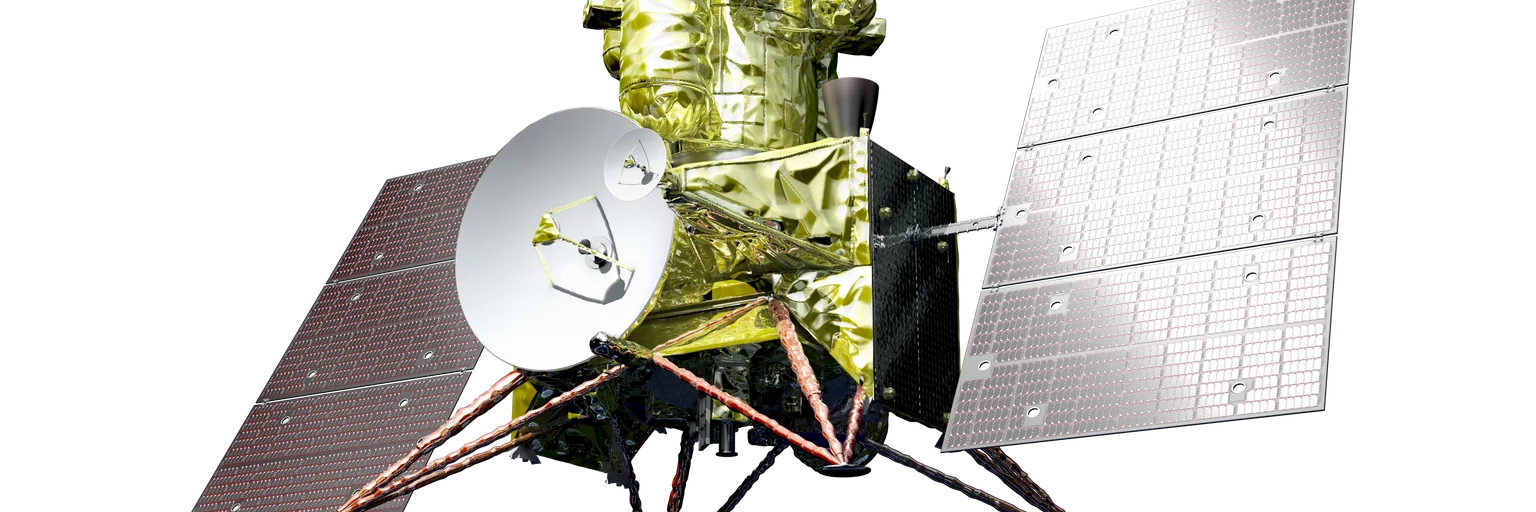
The upcoming MMX mission, a collaboration between Japan, France, and other nations, is poised to solve the enduring mystery of Mars' moons and offer unprecedented insights into our solar system's tumultuous early days.
The Universe’s Oldest Fast Radio Burst Challenges Its Origins
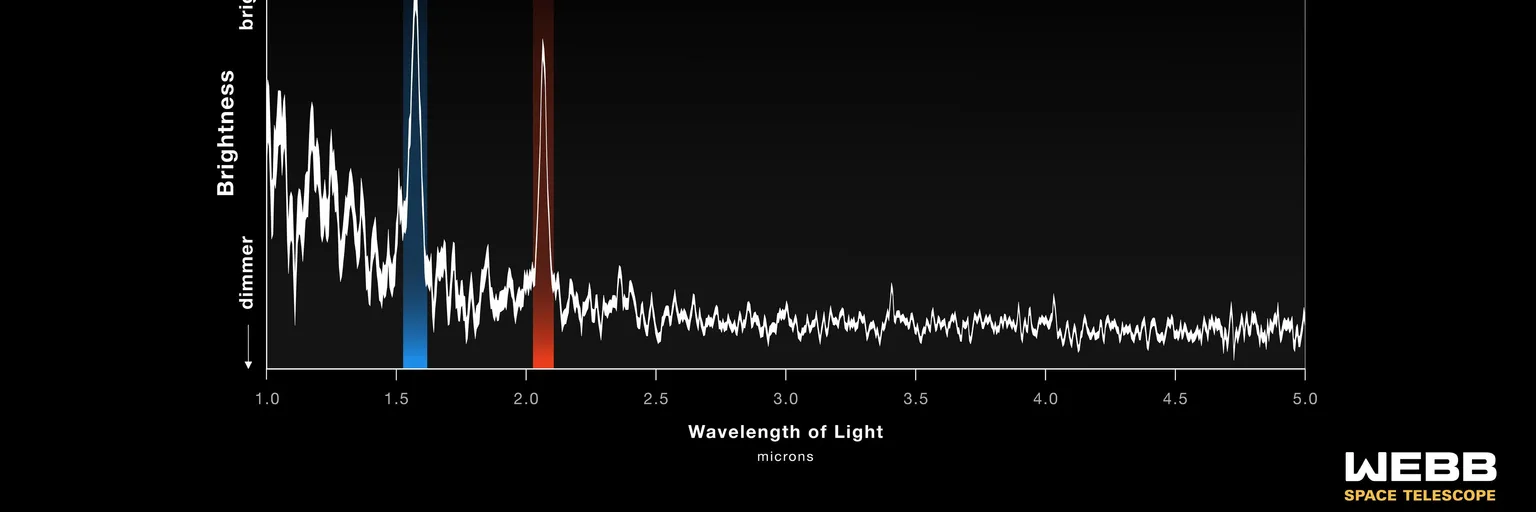
The discovery of the most distant Fast Radio Burst, detected by MeerKAT and pinpointed by the James Webb Space Telescope, provides unprecedented insights, forcing us to rethink how these enigmatic signals originate in the early universe.