Curisfera Newsroom
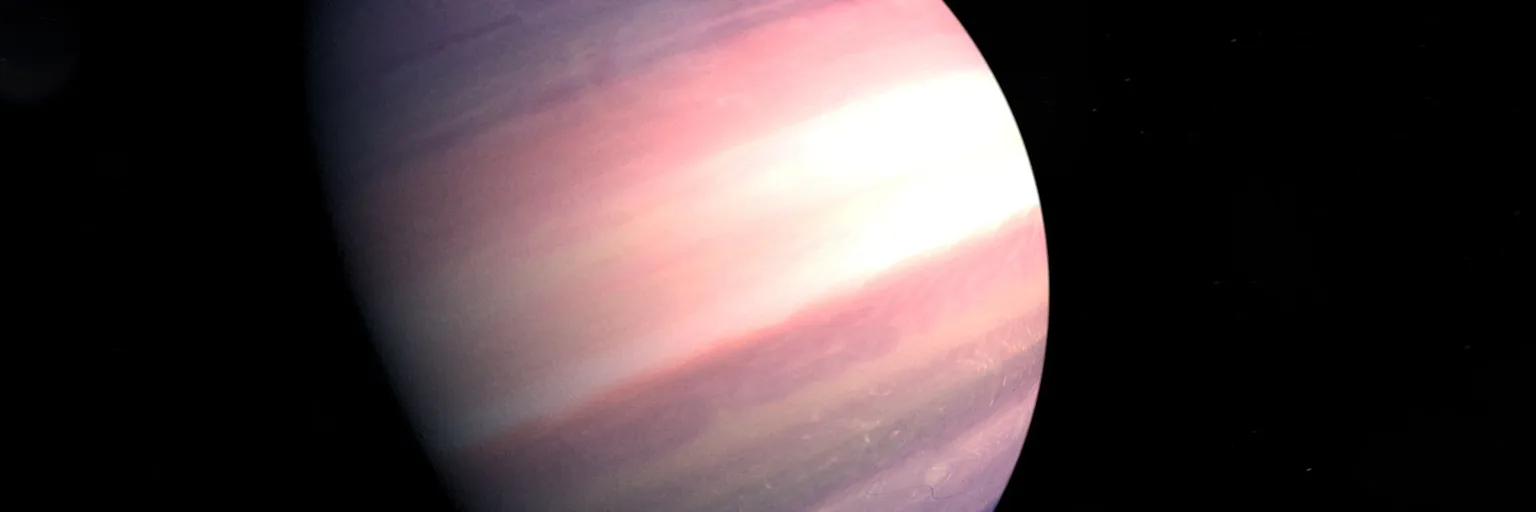
The teen who found a two-sun planet proves archives need eyes
A 17-year-old intern spotted TOI 1338 b in telescope data. The lesson isn't genius: it's that archives hold more than algorithms can see, and interns are cheap eyes.
A 17-year-old intern spotted TOI 1338 b in telescope data. The lesson isn't genius: it's that archives hold more than algorithms can see, and interns are cheap eyes.
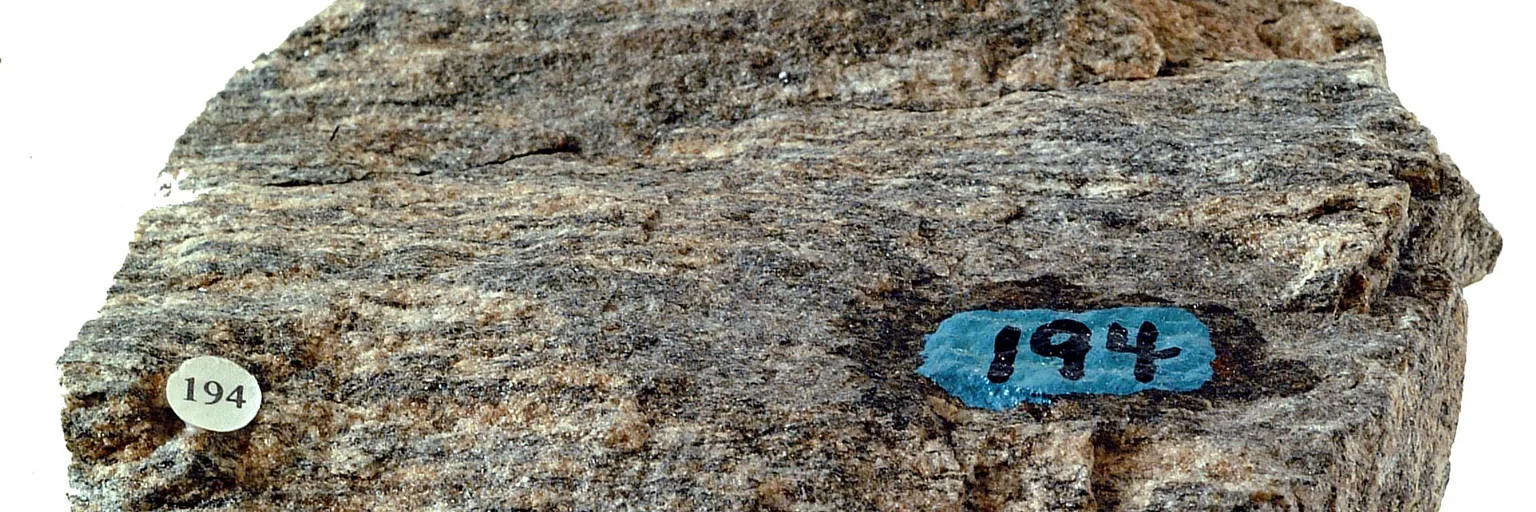
A rock carried more than 90 kilometers underground preserves a rare thermal history—but one anomalous sample is evidence to investigate, not permission to discard every model.
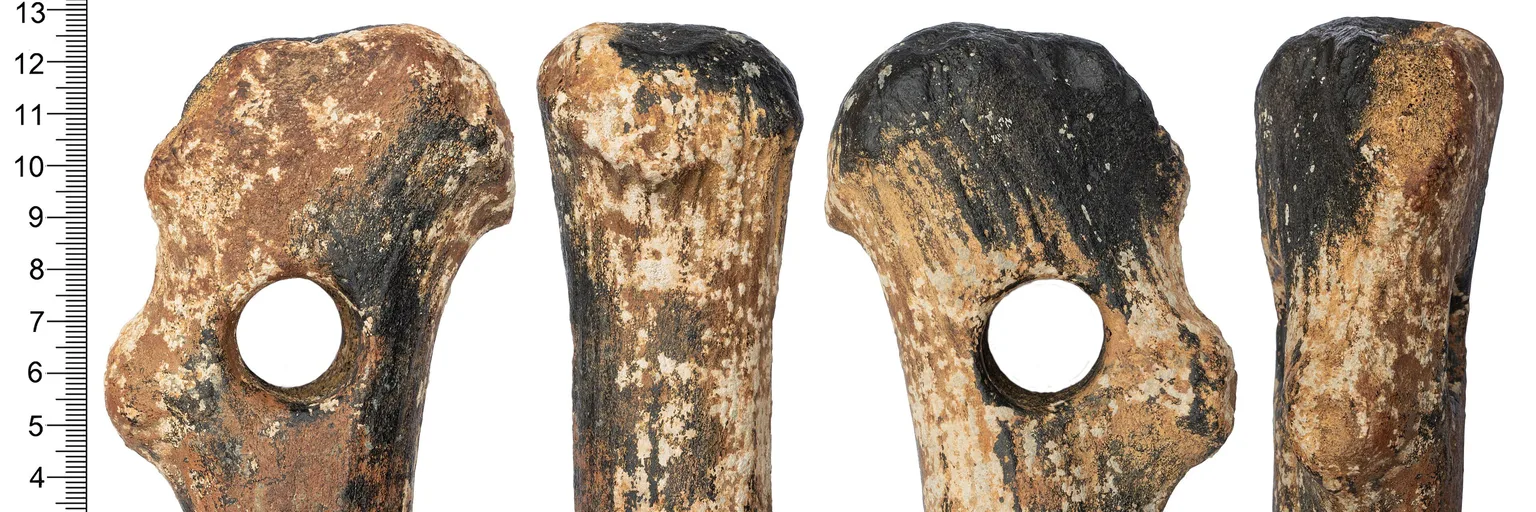
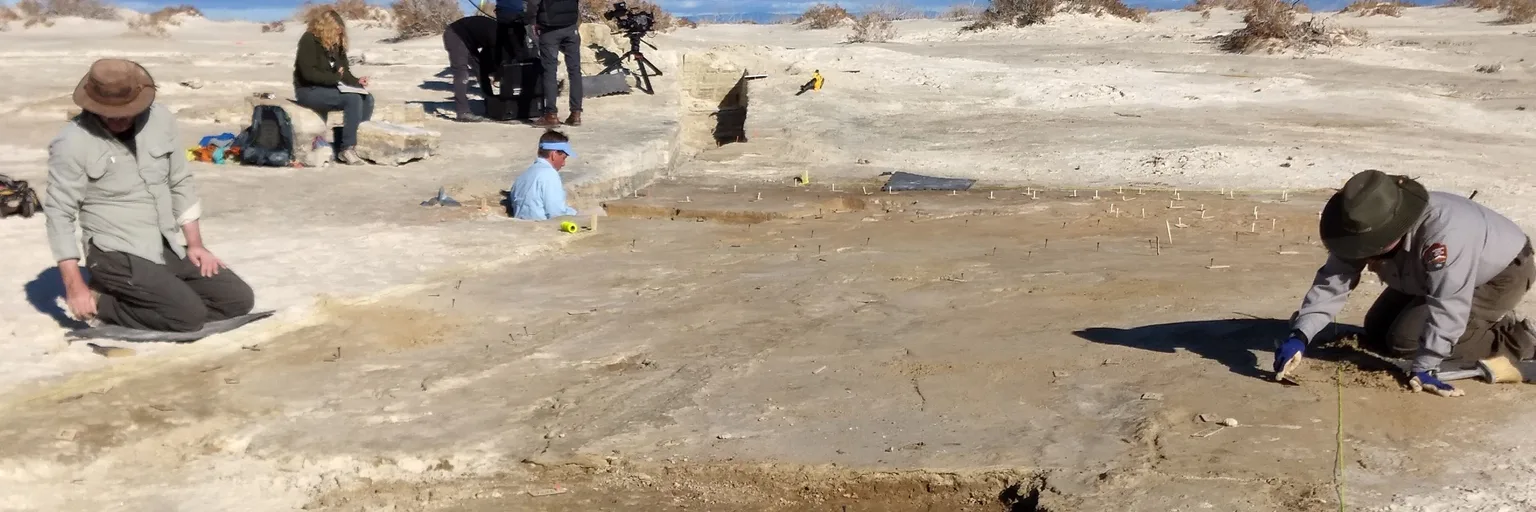
An antler tool preserved with its history of reuse shows why stone-heavy archaeology may reflect survival conditions more than the full range of prehistoric innovation.
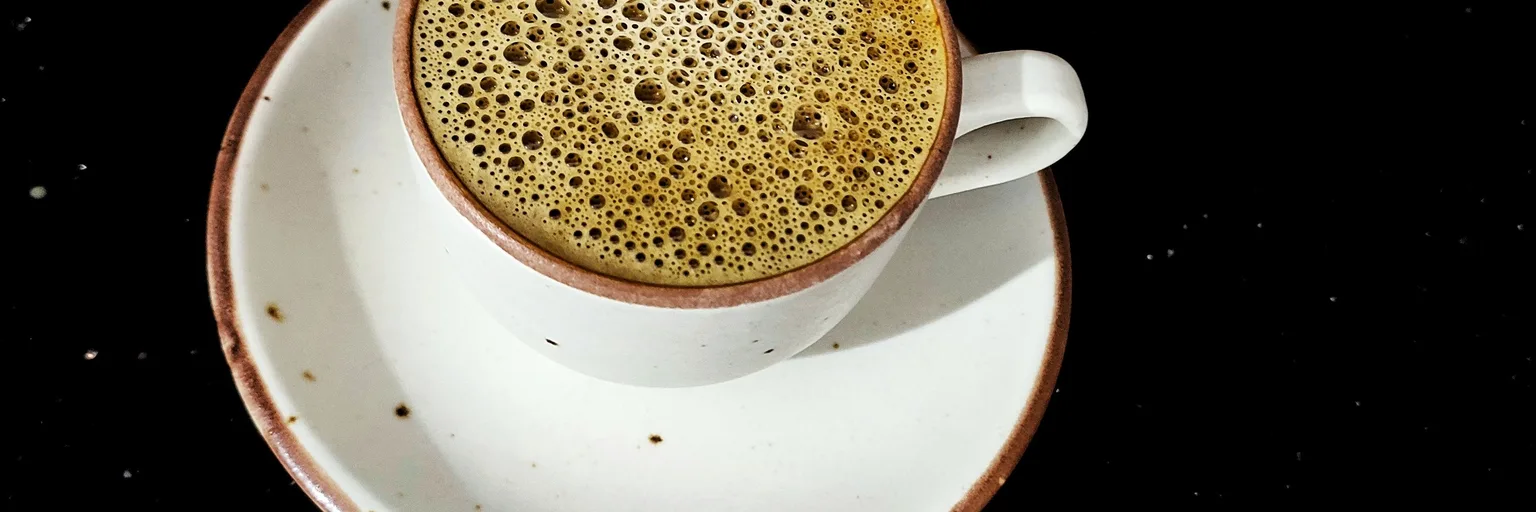
New research links coffee, including decaf, with distinctive gut microbes, but association is not proof that everyone should drink more for better health.
Erhaia dijiang did not become strange for its own sake: in darkness, isolation and scarcity, sight became expendable—and its tiny habitat became precious.
Engineered bacteria can turn PET-derived chemicals into L-DOPA, but the breakthrough still has to prove its cost, safety and scale before it becomes circular manufacturing.
Citizen scientists could turn archival telescope data into a discovery engine, but the real breakthrough will come from validating signals—not merely spotting unusual curves.
A study of Turnip mosaic virus shows how it hijacks plant lipid droplets, revealing a vulnerable part of infection without promising an instant agricultural cure.
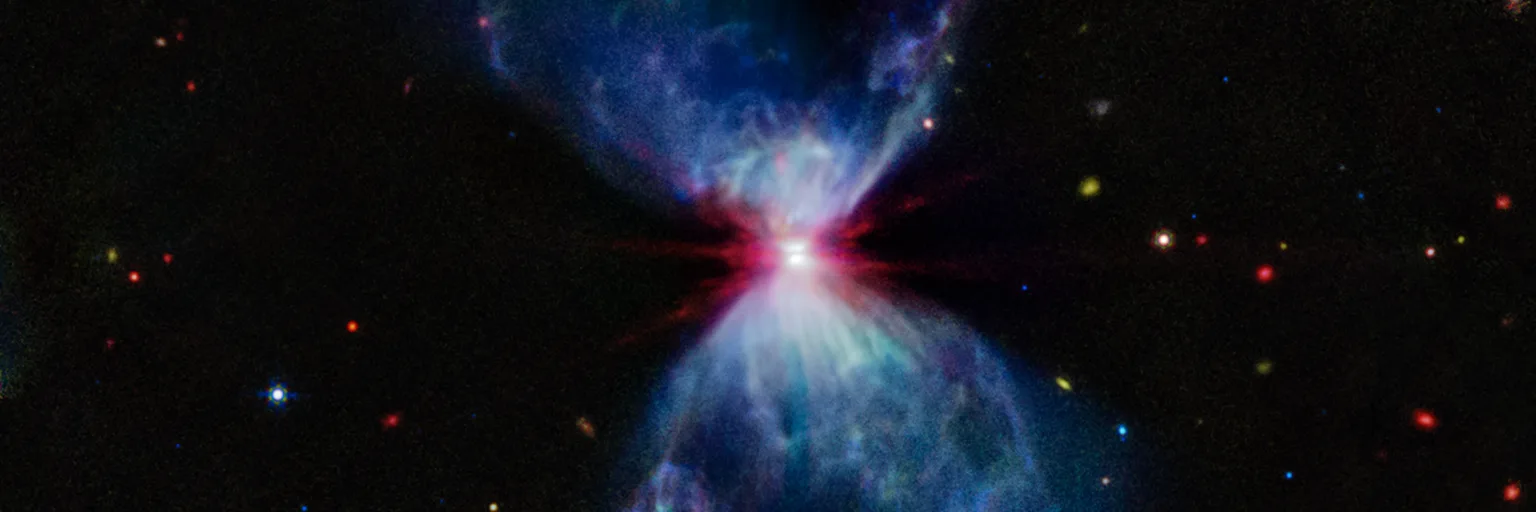
A research team has detected fully deuterated methanol in space, an 'alcohol' whose surprising abundance around a protostar defies current chemical models and offers new clues to stellar evolution.
A groundbreaking study suggests that moons orbiting starless rogue planets could harbor liquid water for billions of years, radically expanding our search for extraterrestrial life.
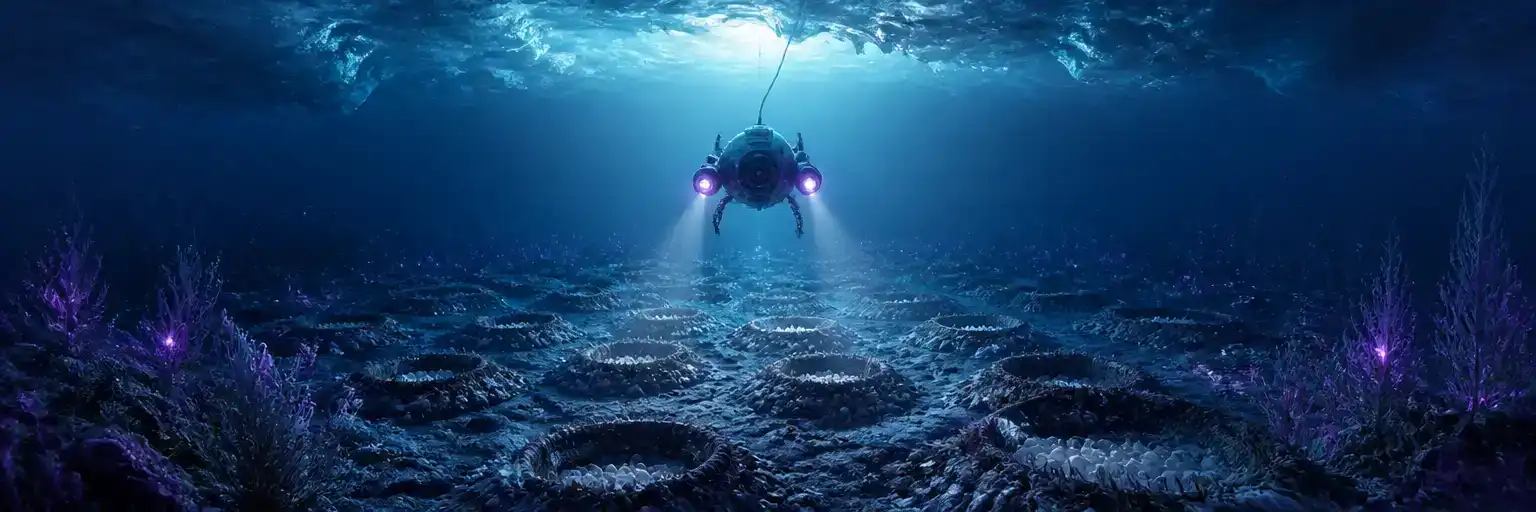
The recent discovery of over a thousand meticulously organized fish nests beneath the Antarctic ice, revealed by a massive iceberg and a nimble underwater robot, highlights not just the resilience of life in extreme environments, but also the transformative power of technology in unveiling our planet's deepest secrets.
The discovery of precisely 42,458 similar seabed holes in the North Sea, once attributed to gas leaks, now reveals surprising biological activity fundamentally altering our view of seafloor dynamics and marine life's impact.
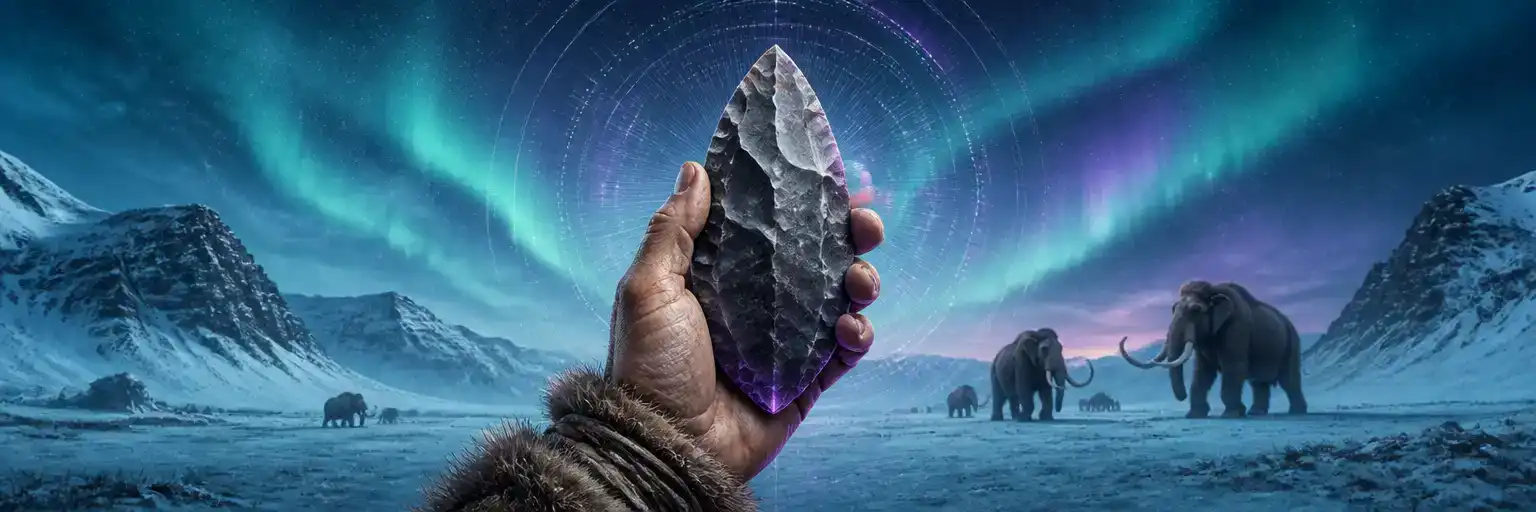
A recently unearthed toolkit from a Stone Age hunter-gatherer in the Czech Republic offers an unprecedented, intimate window into the sophisticated planning and resourcefulness of our ancient ancestors.
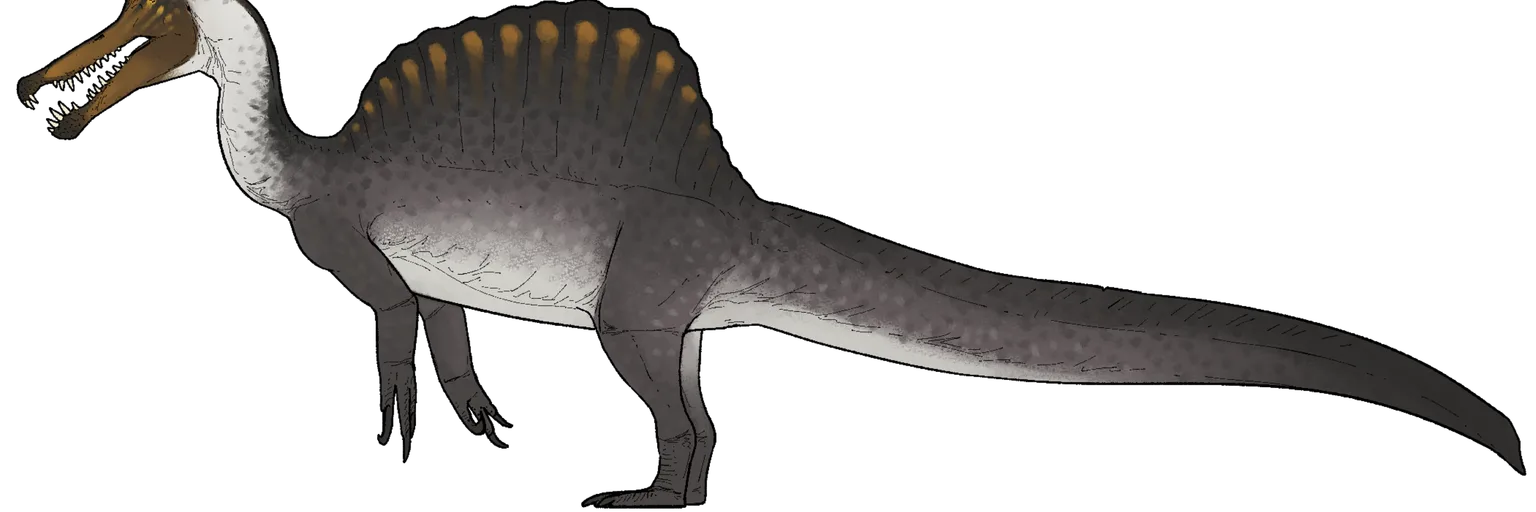
The discovery of *Spinosaurus mirabilis* in the Sahara not only unveils a stunning new predator but profoundly reshapes our understanding of ancient ecosystems and the life of spinosaurids.
Recent discoveries beneath the streets of Araraquara are not just about ancient reptiles; they reshape our understanding of Brazil's prehistoric desert ecosystems and the surprisingly diverse creatures that once roamed them.
New research from the Université libre de Bruxelles and University of Cambridge reveals fundamental sex-specific differences in how skin renews, challenging traditional dermatological approaches and promising tailored treatments.
The James Webb Space Telescope has detected an intense, unexplained infrared signal from a region of space long considered barren, forcing a profound reevaluation of cosmic emptiness and the limits of our observation.
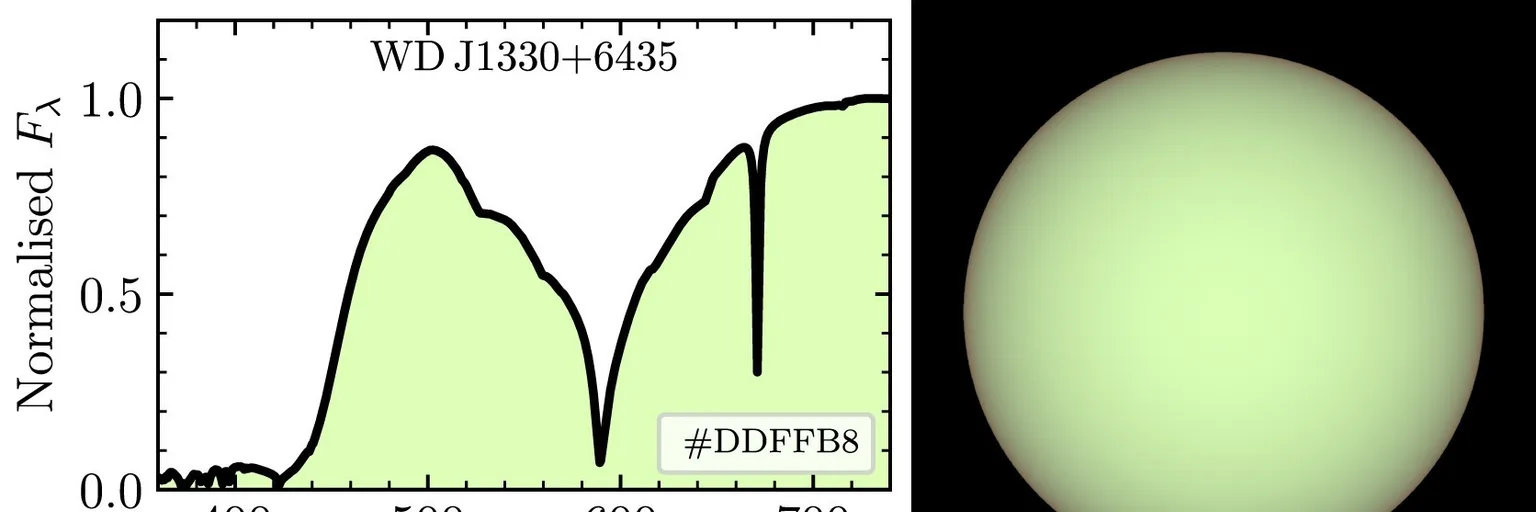
Astronomers have discovered the first star that would appear green to human eyes, challenging long-held assumptions about stellar colors and revealing a universe far more vibrant than we previously imagined.
A recent discovery of fungal communities thriving deep beneath Michigan's surface, extracting energy from ancient rocks, forces us to rethink the very boundaries of life on Earth and its impact on global carbon cycles.
Recent discoveries of fish and a glass frog in Brazil's less-explored biomes highlight the nation's profound, often overlooked, biodiversity and the critical need for expanded protective measures.
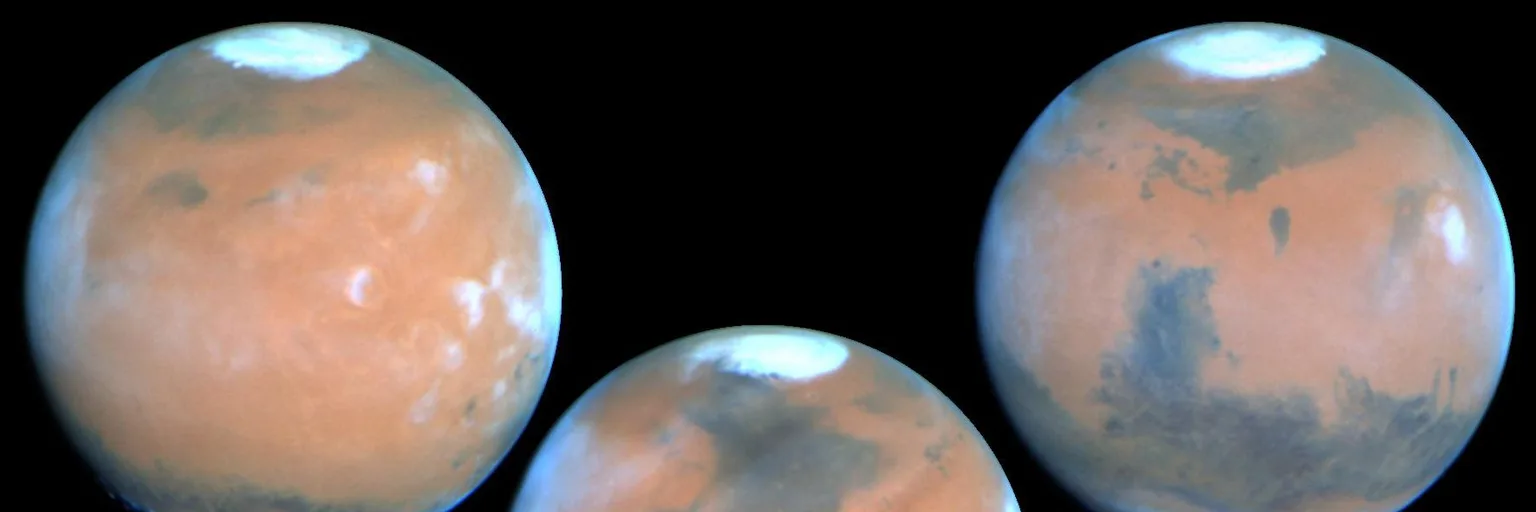
Mysterious geometric patterns on the Martian surface are far more than aesthetic oddities; they are critical indicators of subsurface ice, offering a roadmap for human exploration and a deeper understanding of Mars' climatic evolution.
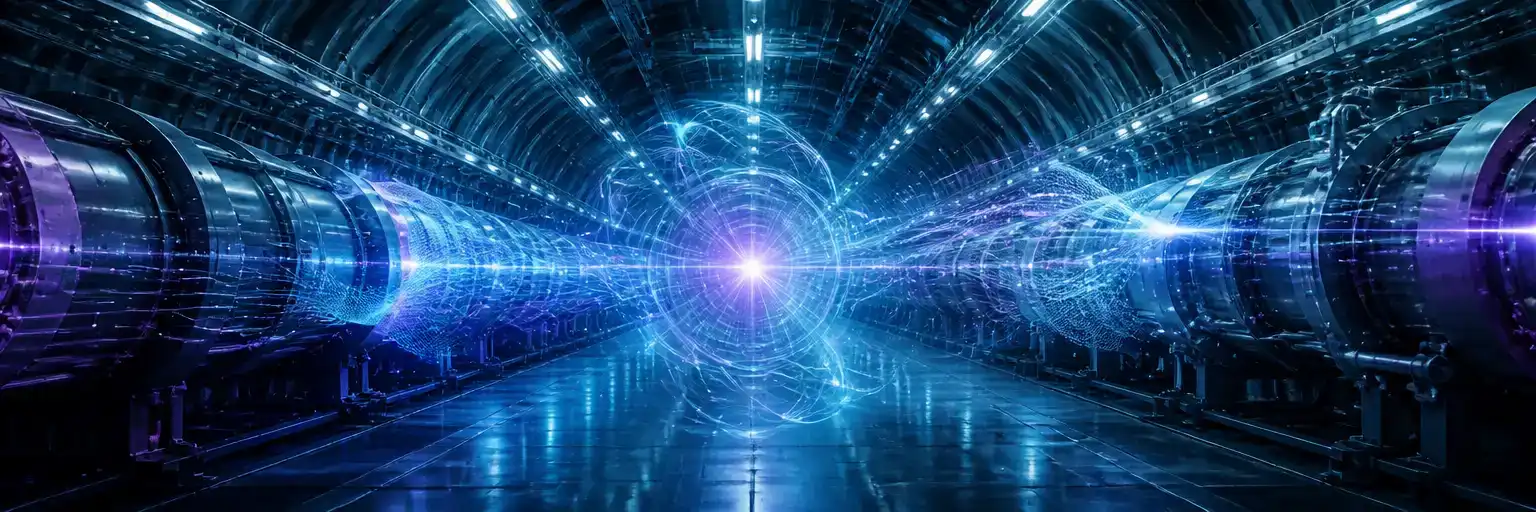
A landmark collaboration between CERN and Mistral AI signals a future where advanced foundation models are indispensable allies in unraveling the universe's most profound mysteries, not mere tools.
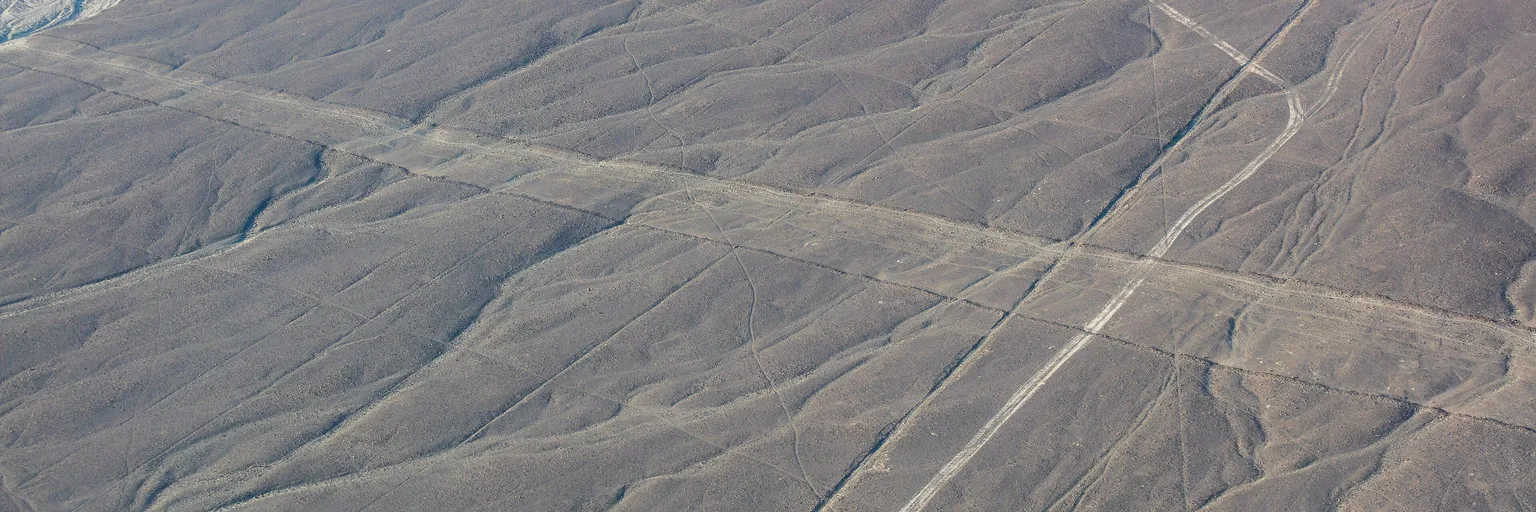
The dramatic expansion of the Nazca Lines catalog, driven by artificial intelligence, reveals not only more ancient geoglyphs but also a profound shift in how we discover and interpret the past.
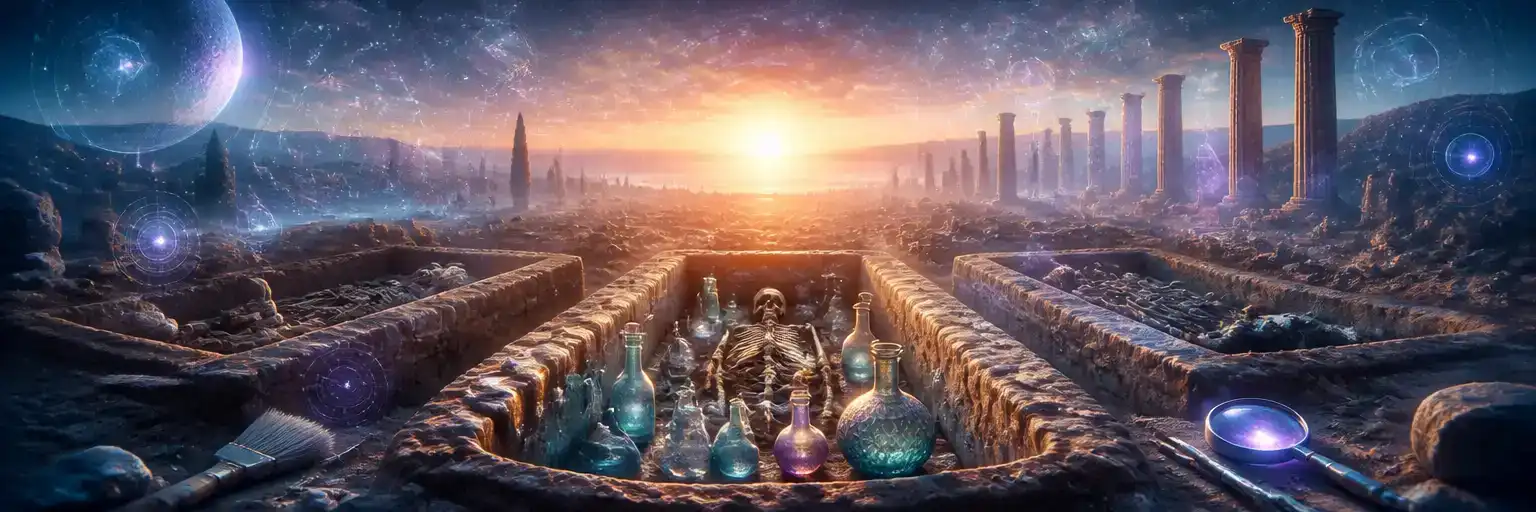
The remarkable preservation of glass vessels in newly discovered Roman tombs near Troyes offers a rare window into the intimate and economic lives of ancient Gauls, challenging our assumptions about their social hierarchies.
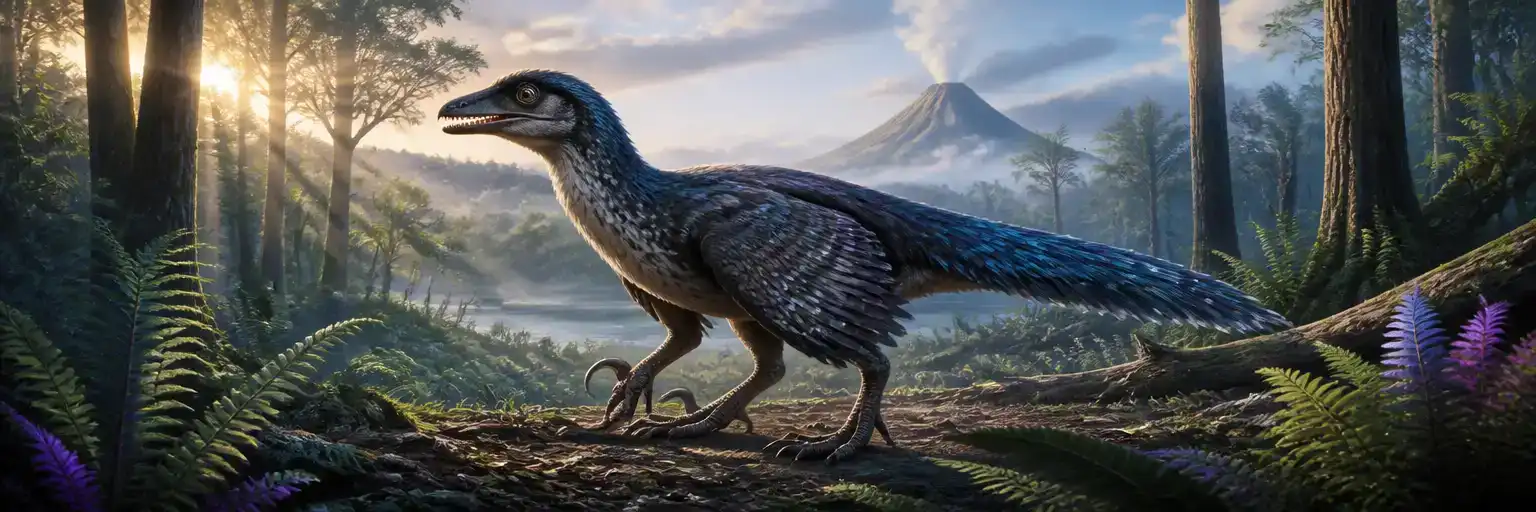
The discovery of a 150-million-year-old flightless bird fossil in China is compelling scientists to rethink the foundational drivers of avian evolution.
The discovery of the world's oldest shipwreck off Turkey's coast is a monumental find, offering an unprecedented, if incomplete, window into early Bronze Age trade and interconnectedness.
The discovery of a colossal 65-million-year-old fungus in China, named Dianjunus rex, not only redefines our understanding of fungal scale but also offers a profound glimpse into Earth's post-dinosaur ecosystems.
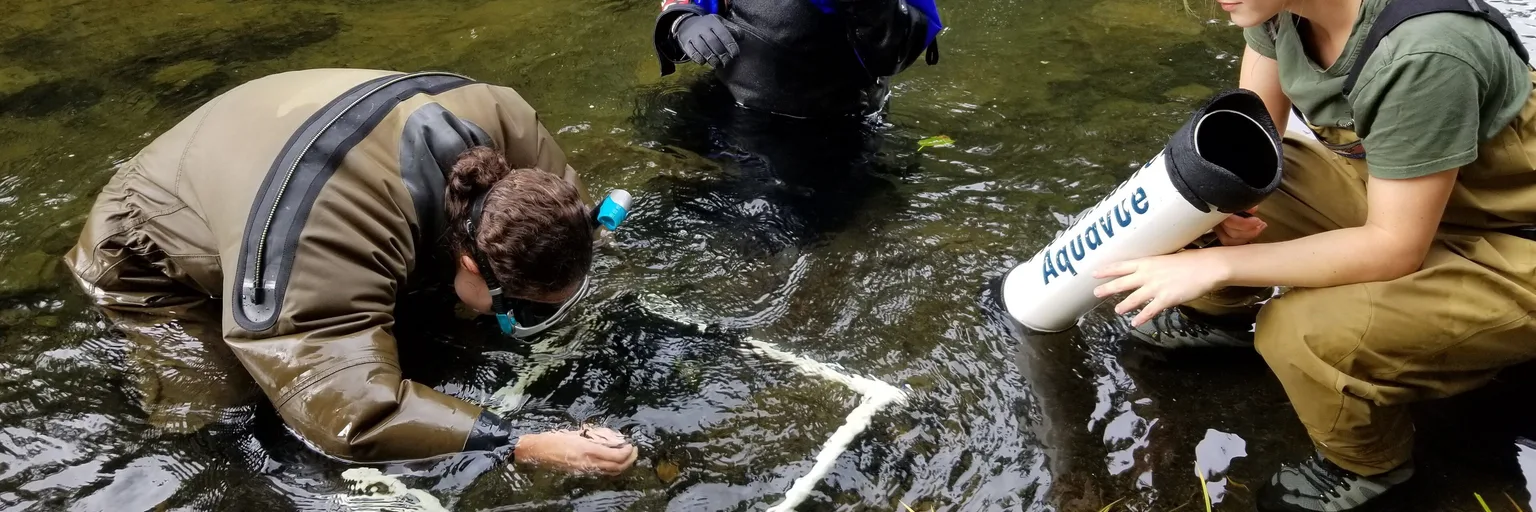
Recent discoveries of freshwater mussels and new fish species in the Americas highlight how much biodiversity remains unknown, underscoring the critical urgency of conservation efforts before these species vanish.
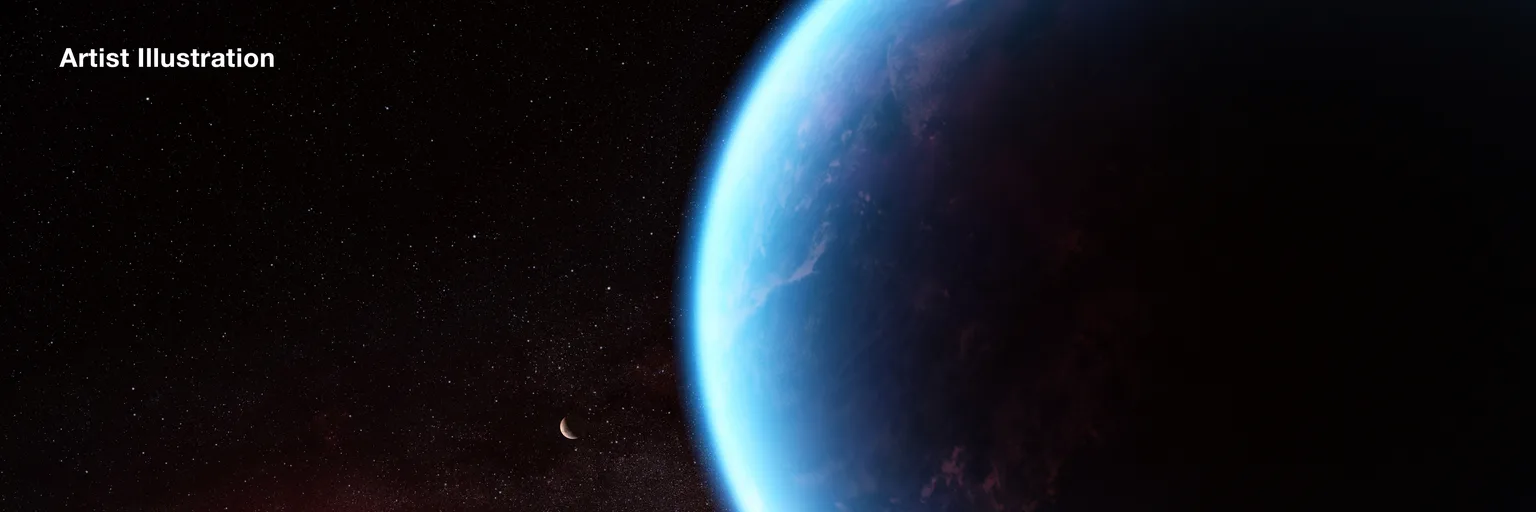
A newly discovered exoplanet, formed from the ashes of its host star, challenges our most fundamental assumptions about how and where planets can emerge, opening new chapters in stellar archaeology.
A groundbreaking discovery reveals that rising temperatures intensify resource competition, causing species populations to collapse far below their thermal tolerance limits, demanding a radical shift in conservation.
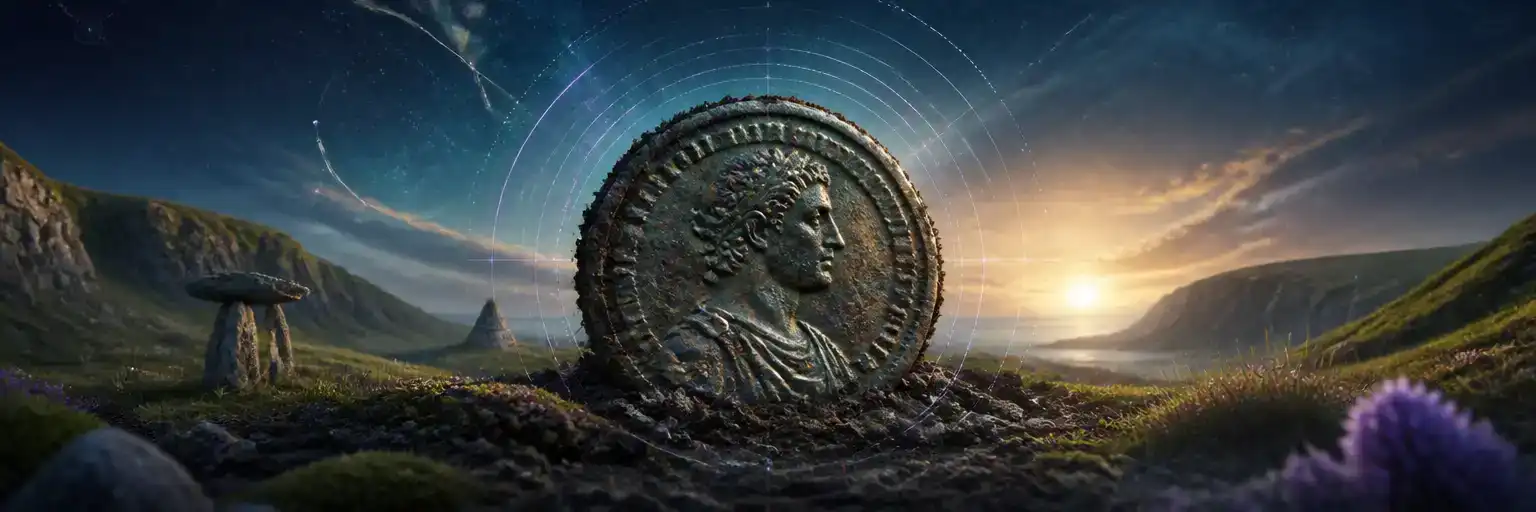
A recent archaeological discovery of 4th-century Roman coins in Wales lends credence to local folklore about Emperor Magnus Maximus, suggesting historical roots for the ancient tales.
New research from Mongolia challenges a long-held assumption, suggesting animal life may have emerged 200 million years earlier, demanding a fundamental rethink of evolutionary timelines.
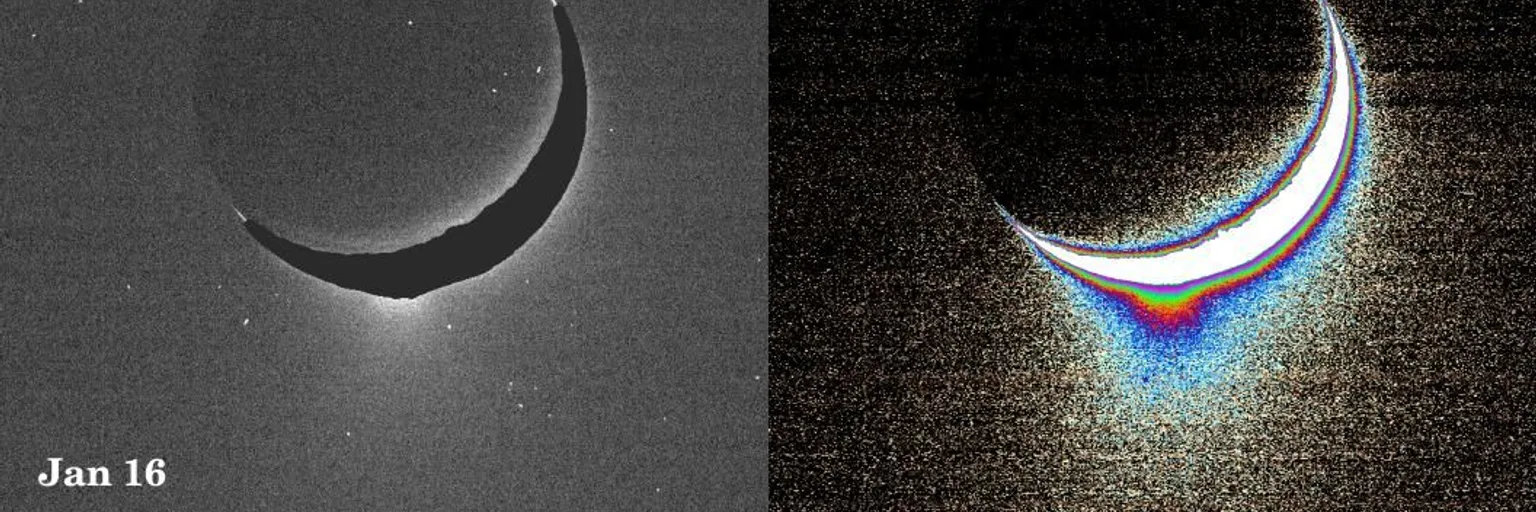
New research shows Saturn’s moon Enceladus is not just habitable, but actively aids in the search for life by 'preparing' samples for us.
A 2,300-year-old pre-Roman aqueduct carved into solid rock challenges the long-held belief that hydraulic mastery began with Rome, pushing the timeline of sophisticated water management much further back.
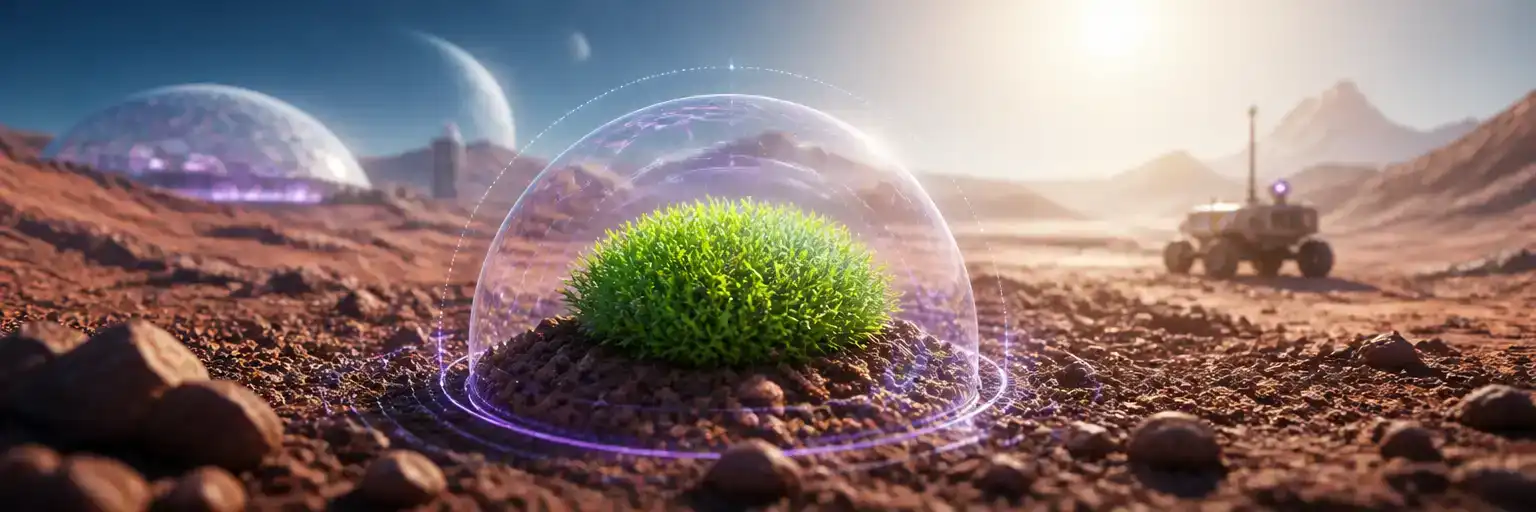
A newly identified desert moss from China's Xinjiang region, demonstrating unprecedented resilience, offers a groundbreaking pathway for sustainable space agriculture and crucial solutions for terrestrial food security in extreme environments.
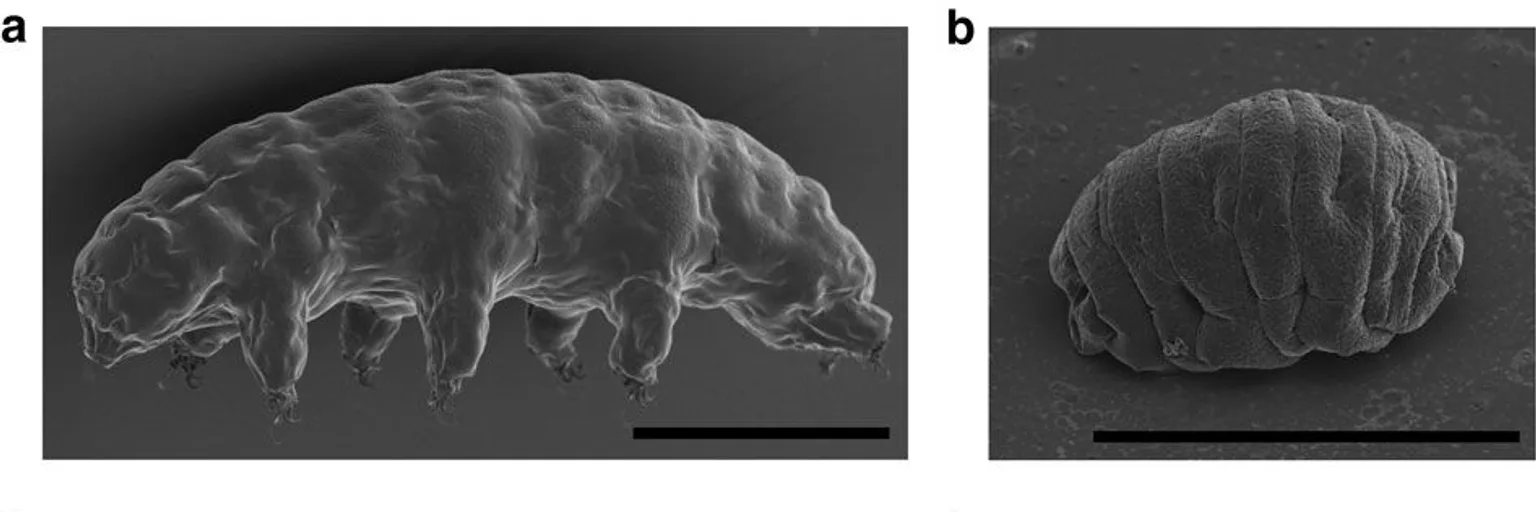
The remarkable resilience of tardigrades is no longer just a biological curiosity; its proteins could soon protect human cells, signaling a revolutionary shift in medicine.
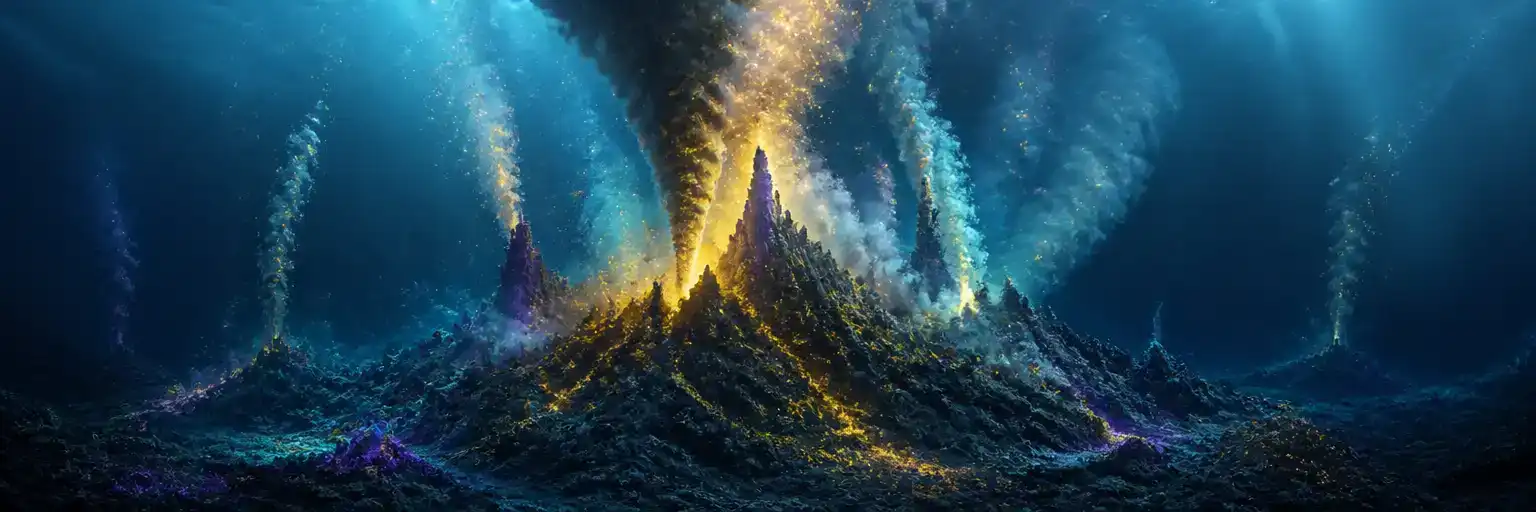
The groundbreaking discovery of gold particles in hot fluids from deep-sea volcanic vents, alongside similar findings from Antarctica's Mount Erebus, is fundamentally reshaping our understanding of Earth's precious metal formation.
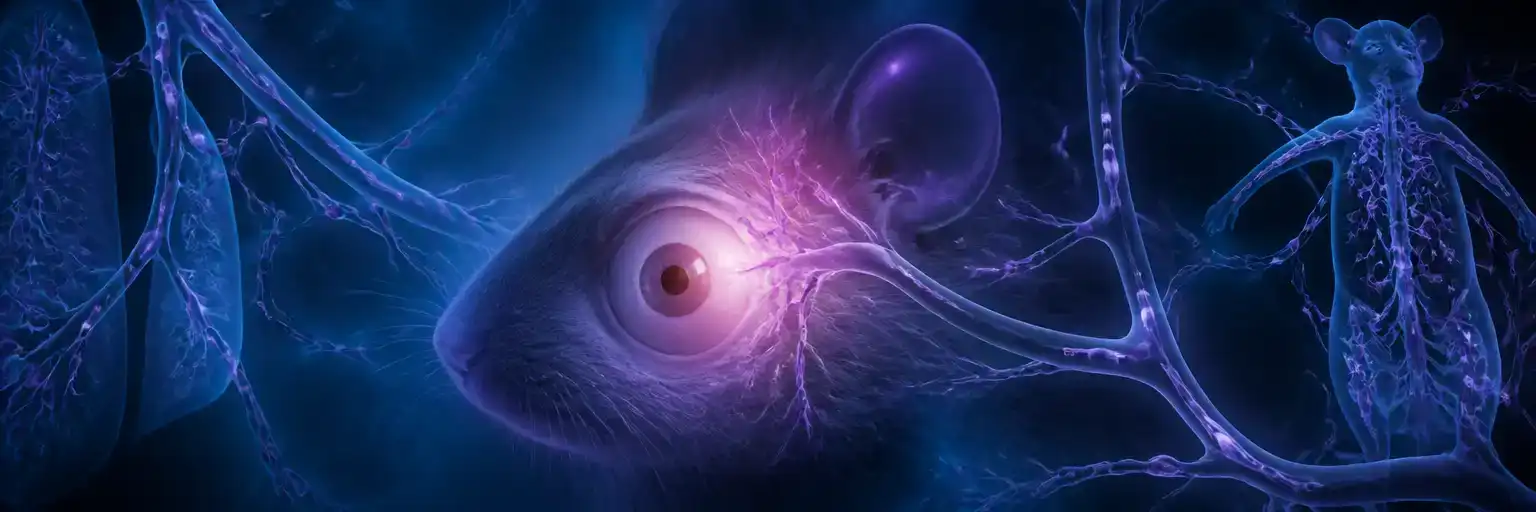
A groundbreaking discovery of a previously unknown lymphatic drainage system in the mouse eye challenges a century of scientific belief and offers promising new avenues for treating human vision loss.
The discovery of CD-35 2722, a Jupiter-sized object orbiting a brown dwarf, which then orbits a star, profoundly challenges the International Astronomical Union's definitions of planets and moons.
The recent discovery of an adult Tyrannosaurus rex trackway in North Dakota provides an unprecedented and rare window into the locomotion and sheer scale of this iconic dinosaur.