The Mars Sample Return Race: A New Era of Space Competition
The high-stakes competition between NASA and China to bring Martian samples to Earth is reshaping space exploration, accelerating our quest to understand the Red Planet's secrets.
AI-generated image
For decades, the idea of holding a piece of Mars in our hands, untainted by Earth's journey, has been a scientific lodestar. Now, as the race to bring Martian samples back to Earth intensifies, it is China, not the United States, that appears poised to achieve this monumental feat first, signaling a pivotal shift in global space leadership.
The Mars Sample Return (MSR) mission, a collaborative effort between NASA and the European Space Agency (ESA), has long been heralded as a cornerstone of planetary science. The Perseverance rover has been diligently collecting and caching rock and regolith samples in Jezero Crater since 2021, preparing them for a highly anticipated journey home. However, this ambitious program has faced significant headwinds. Escalating costs, reaching estimates of up to $11 billion, coupled with projected delays pushing the return date as far as 2039, led to a de facto cancellation by NASA in early 2025. This move has left the future of these precious samples uncertain, at least for now.
Simultaneously, China has been steadily advancing its own plans. Its Tianwen-3 mission is slated for launch in 2028, with an ambitious goal of returning samples to Earth around 2031. This timeline could see China become the first nation to achieve this milestone, building on its recent success with the Chang'e-6 mission, which brought back samples from the far side of the Moon.
The Indispensable Value of Martian Samples
To the casual observer, the idea of returning samples from Mars might seem redundant when Earth already hosts approximately 400 confirmed Martian meteorites. However, as we understand it, these samples are not merely exotic souvenirs; they are crucial keys to unlocking Mars's deepest secrets. Meteorites suffer eons of cosmic radiation, violent atmospheric entry, and terrestrial contamination. Samples brought directly from Mars, however, offer pristine material that could finally answer one of humanity's most profound questions: did life ever exist beyond Earth?
Both NASA's original MSR and China's Tianwen-3 share the primary scientific objective of analyzing these samples for organic substances and biosignatures — direct evidence of past microbial life. Such discoveries would revolutionize our understanding of planetary habitability and potentially reframe our place in the universe. The ability to apply Earth's most advanced laboratory techniques to these untouched samples far surpasses what any rover, no matter how sophisticated, can achieve on the Martian surface. It is this unparalleled analytical capability that makes the MSR endeavor so scientifically compelling and, in our view, indispensable for advancing astrobiology.
Geopolitical Tides and Shifting Collaborations
The current trajectory suggests a significant symbolic victory for China, echoing its recent achievements in lunar exploration.
No topics yet: start the first one.
More stories
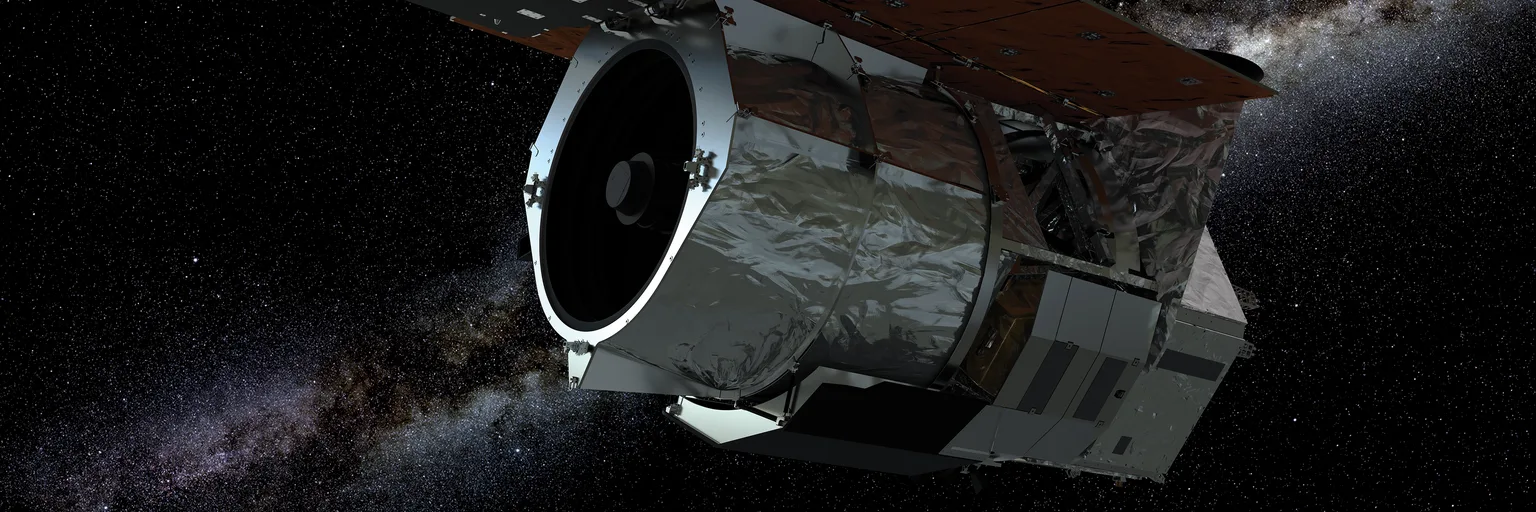
Roman telescope is set to rewrite our cosmic understanding
NASA's Nancy Grace Roman Space Telescope, with its wide-field infrared vision and powerful instruments, promises profound insights into dark energy, exoplanets, and the universe's structure.
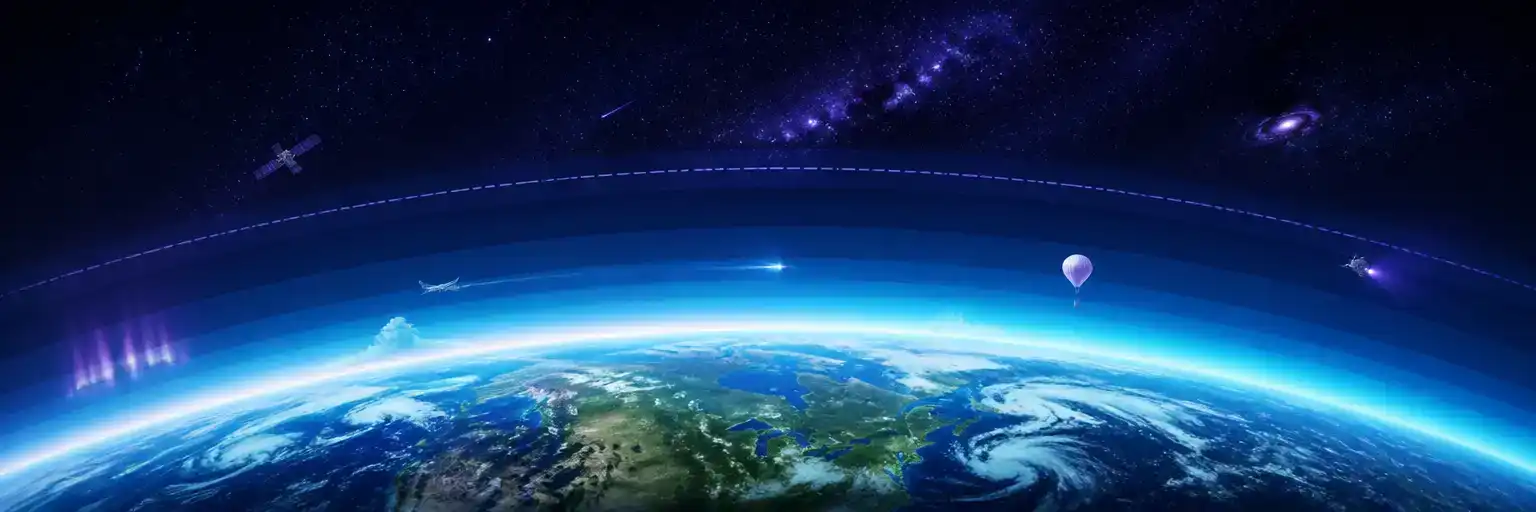
The Kármán Line: A Political Boundary for a Physical Frontier
The persistent debate over whether space begins at 80 or 100 kilometers above Earth underscores that this 'scientific' boundary is deeply entangled with legal, commercial, and geopolitical interests.
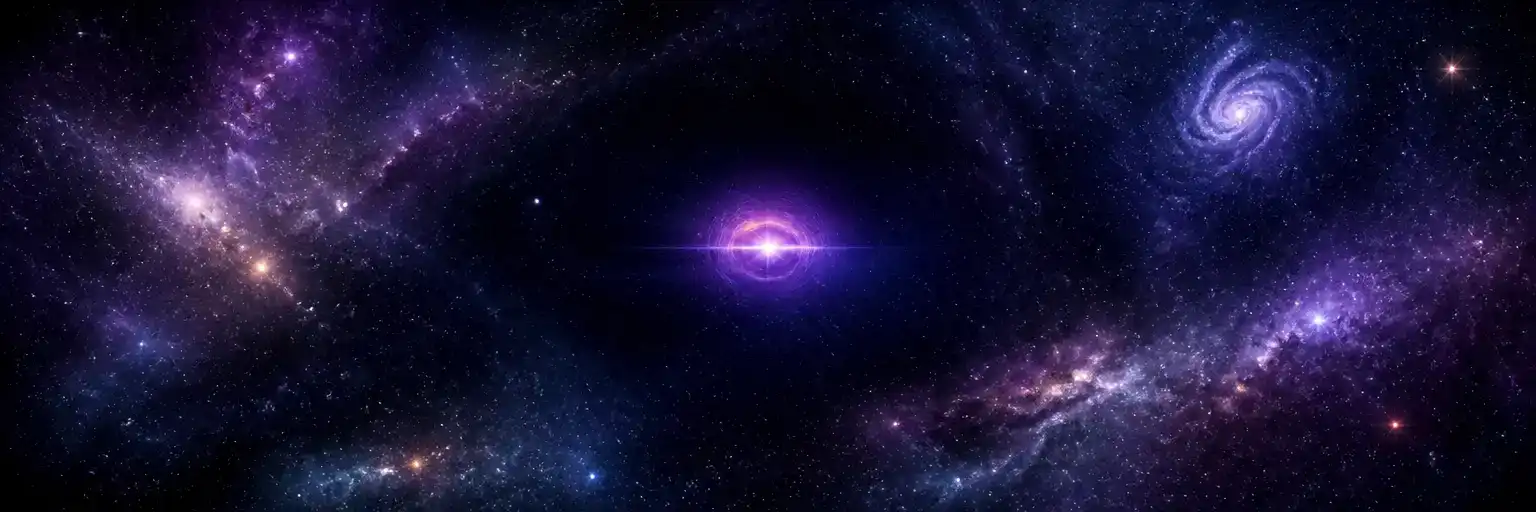
James Webb's 'Empty' Signal: The Universe is Stranger Than We Thought
The James Webb Space Telescope has detected an intense, unexplained infrared signal from a region of space long considered barren, forcing a profound reevaluation of cosmic emptiness and the limits of our observation.
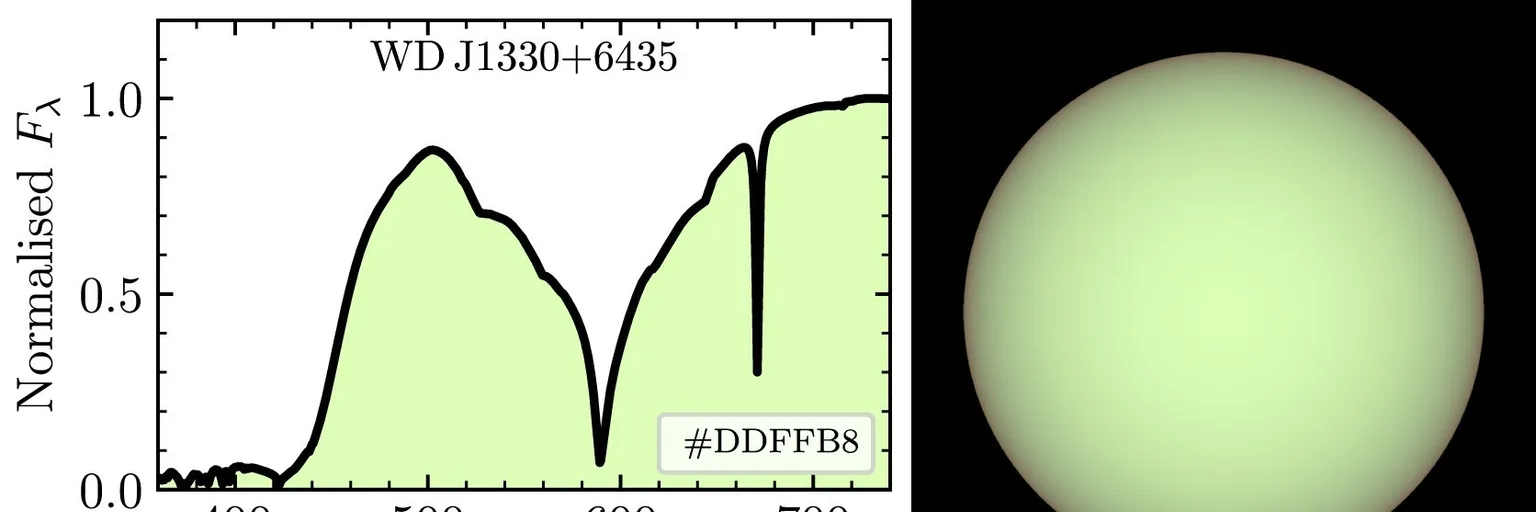
The First Green Star: Why Stellar Hues Are More Than Just Temperature
Astronomers have discovered the first star that would appear green to human eyes, challenging long-held assumptions about stellar colors and revealing a universe far more vibrant than we previously imagined.