Two brains in one skull? Treat it as a story about origins
A Stanford-led study says the brain grows from two distinct cell lineages. It's a fascinating hypothesis about evolution, not a reason to tear up how we understand the brain.
A preprint says the brain alternates between conscious and suppressed signals about 15 times a second. Fascinating, yes, but it doesn't mean you are half-unconscious.
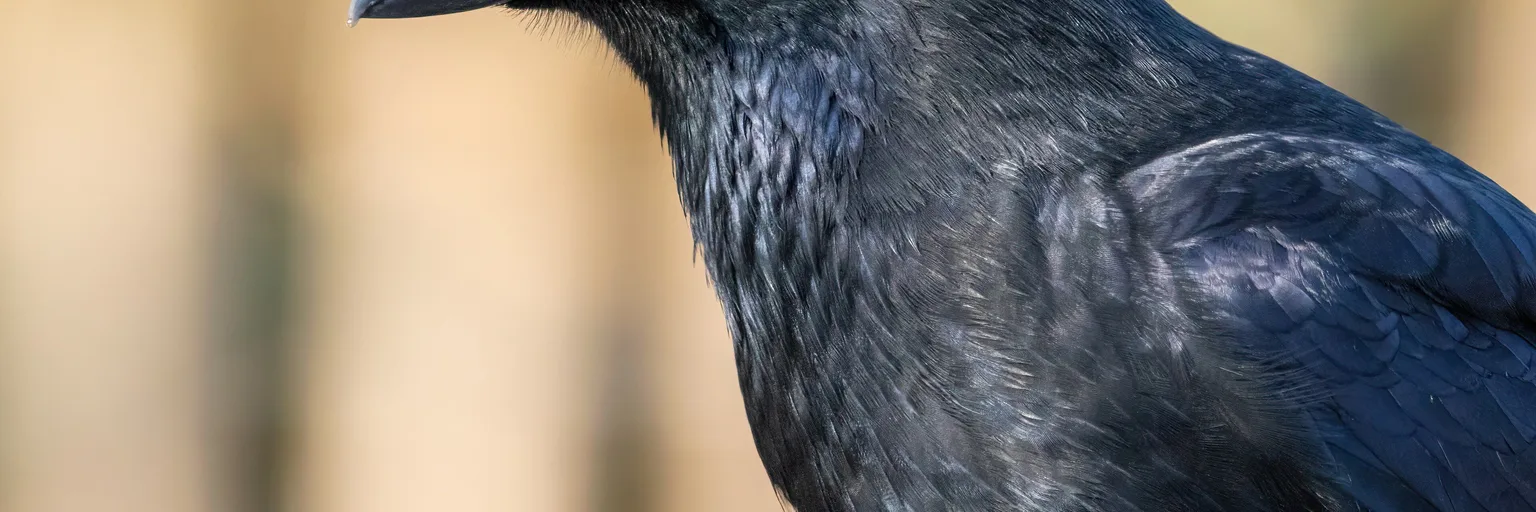
Crows decided twice as fast as humans and monkeys in a lab test. That says less about who is smarter than about how many ways evolution can build a thinking brain.
A beam of light that isn't there, reported since 1937, has been rebuilt in virtual reality, and we think it shows perception is a best guess that we can now test.
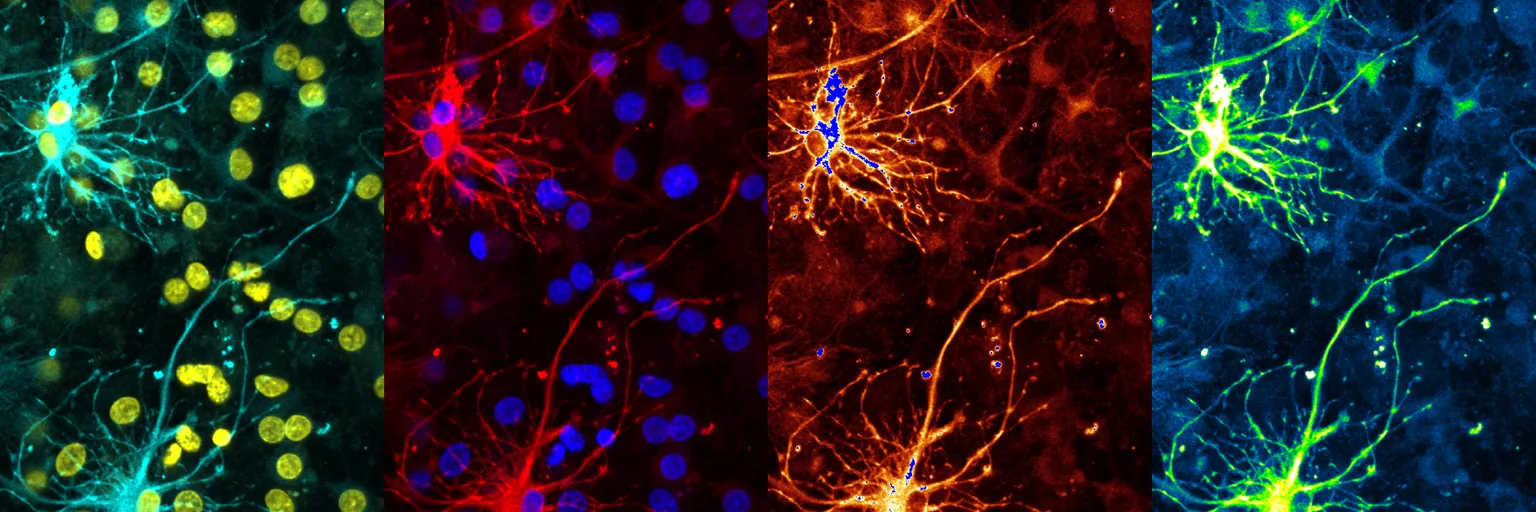
A Chinese Science study says single neurons can compare rules with sensory input. The real lesson is about biology's textbook model, not about brain-like machines.
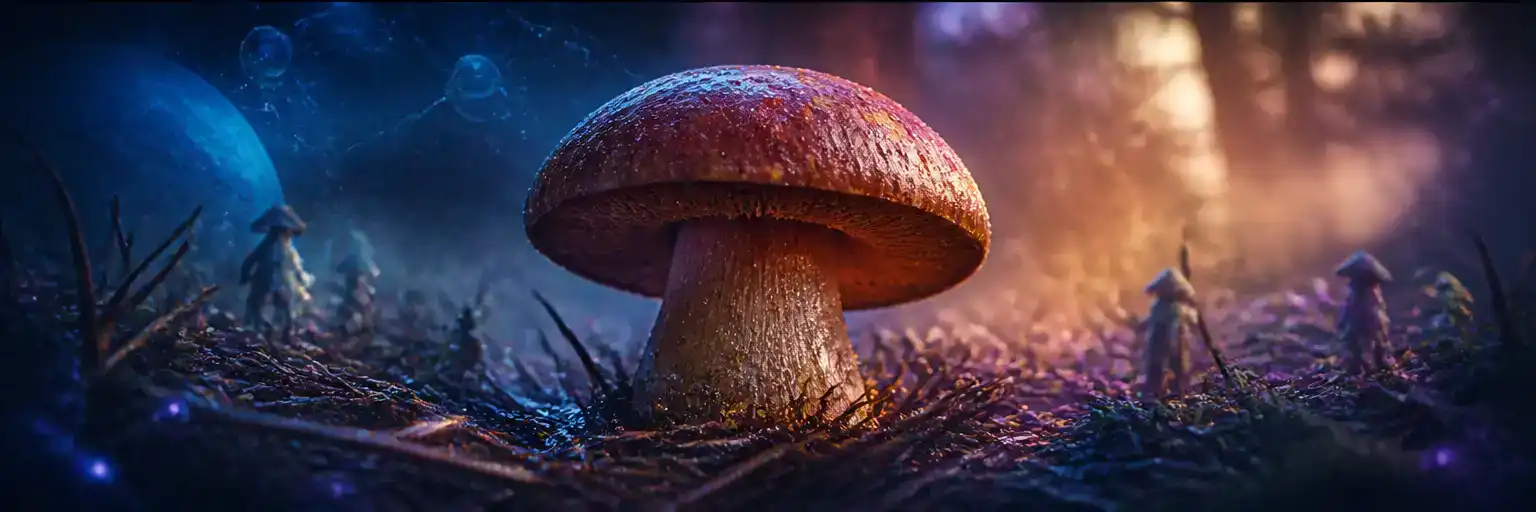
A bolete that makes diners see tiny, law-abiding elves is more than a folk curiosity: it is a rare tool for studying how the brain builds scale and presence.
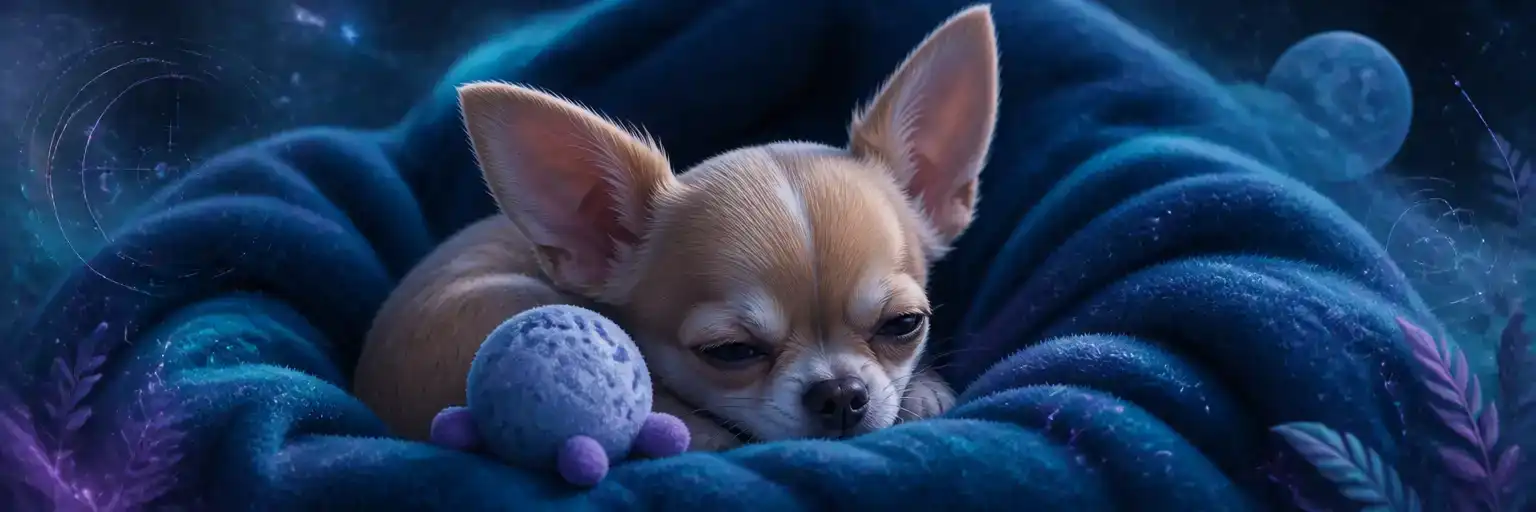
The surprising role of narcoleptic dogs, particularly one named Watson, has been pivotal in unraveling the genetic and neurological mechanisms of narcolepsy, paving the way for groundbreaking human treatments.
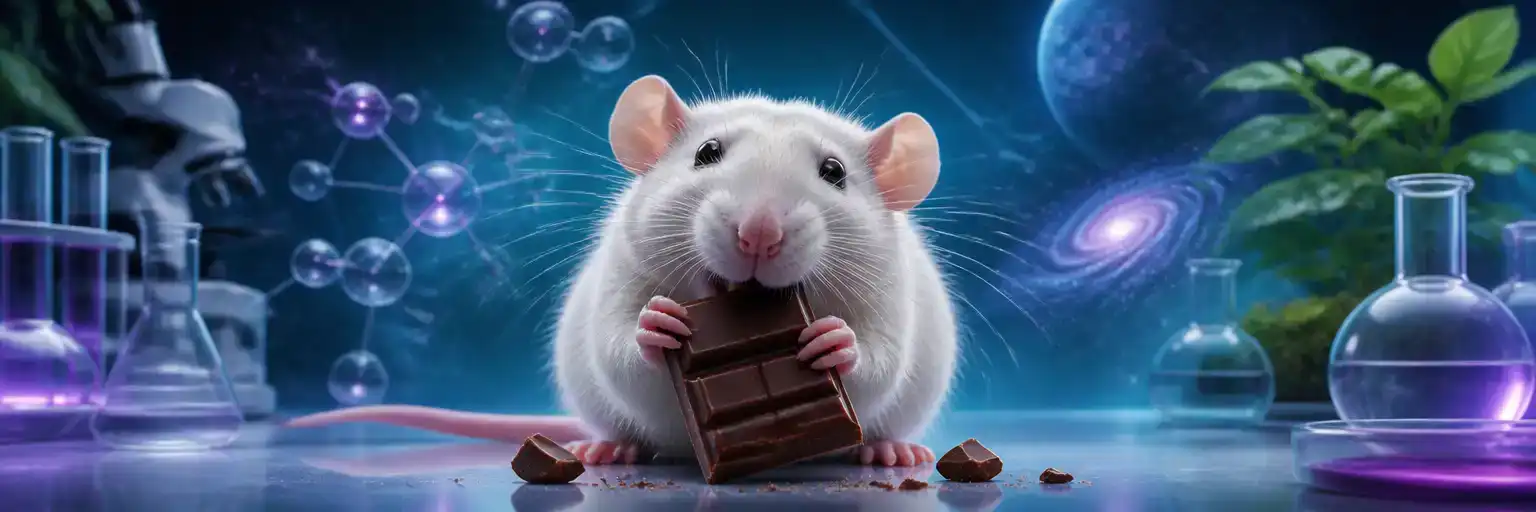
The recent discovery of a unique ultrasonic vocalization in rats enjoying chocolate offers an unprecedented, real-time window into animal pleasure, fundamentally reshaping our understanding of reward states and emotional expression.
The 2026 Nobel Prize in Physiology or Medicine for optogenetics marks a pivotal moment, recognizing a revolutionary method that allows us to actively control brain activity with light, transforming our understanding of the mind.
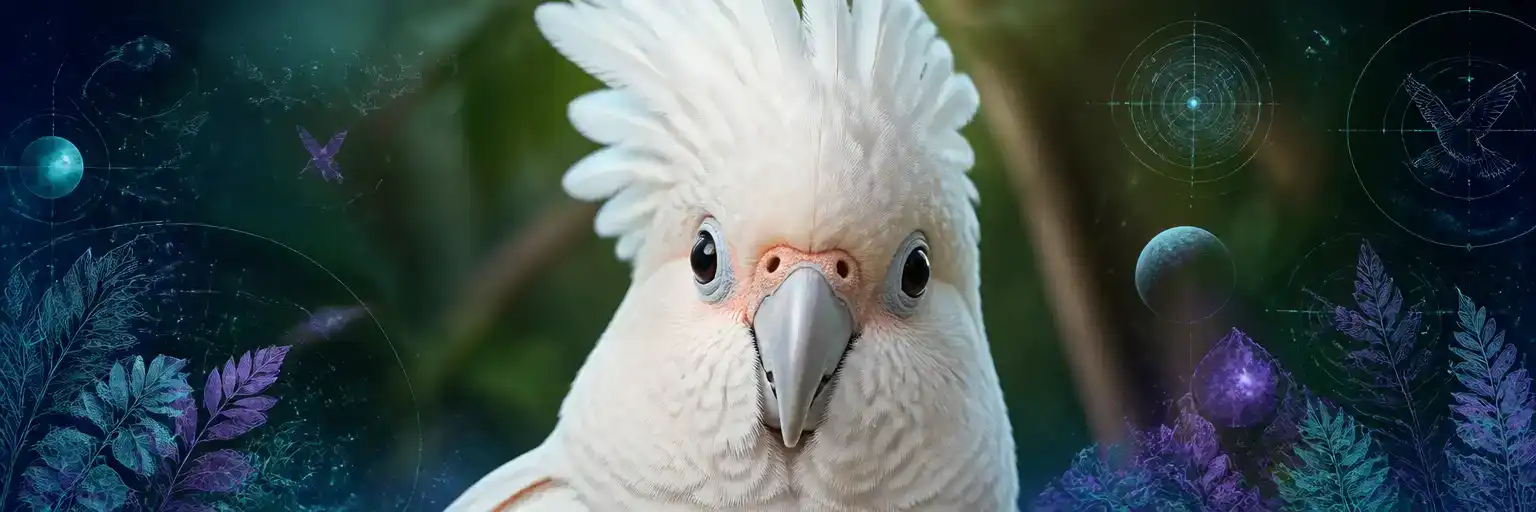
Recent research on Goffin's cockatoos demonstrating body awareness in obstacle tasks suggests a more complex form of self-perception in birds than previously assumed, reshaping our understanding of animal cognition.
The significant overlap in behavioral expressions across ADHD, autism, and complex trauma highlights an urgent need for precise diagnostic methods to ensure individuals receive appropriate and effective support.