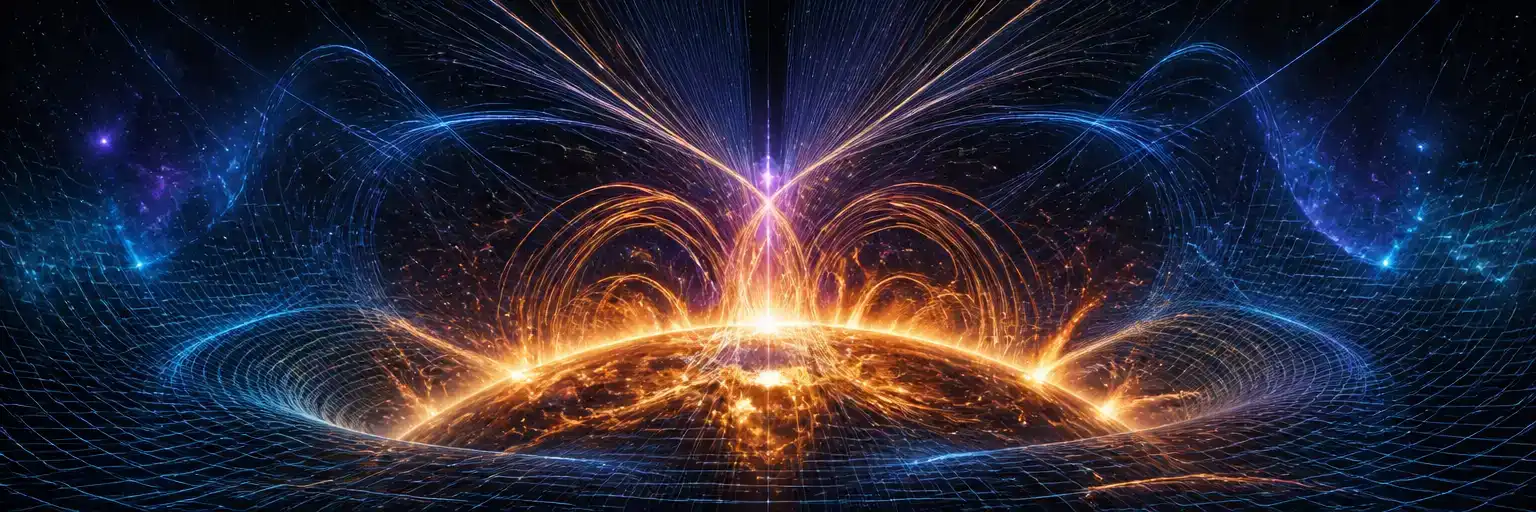
Gravity "reconnecting" is a new lens on Einstein, not a broken universe
A mathematical analogy between Einstein's equations and solar-flare physics is a clever theoretical result. It's a new way to read gravity, not proof that gravity breaks.
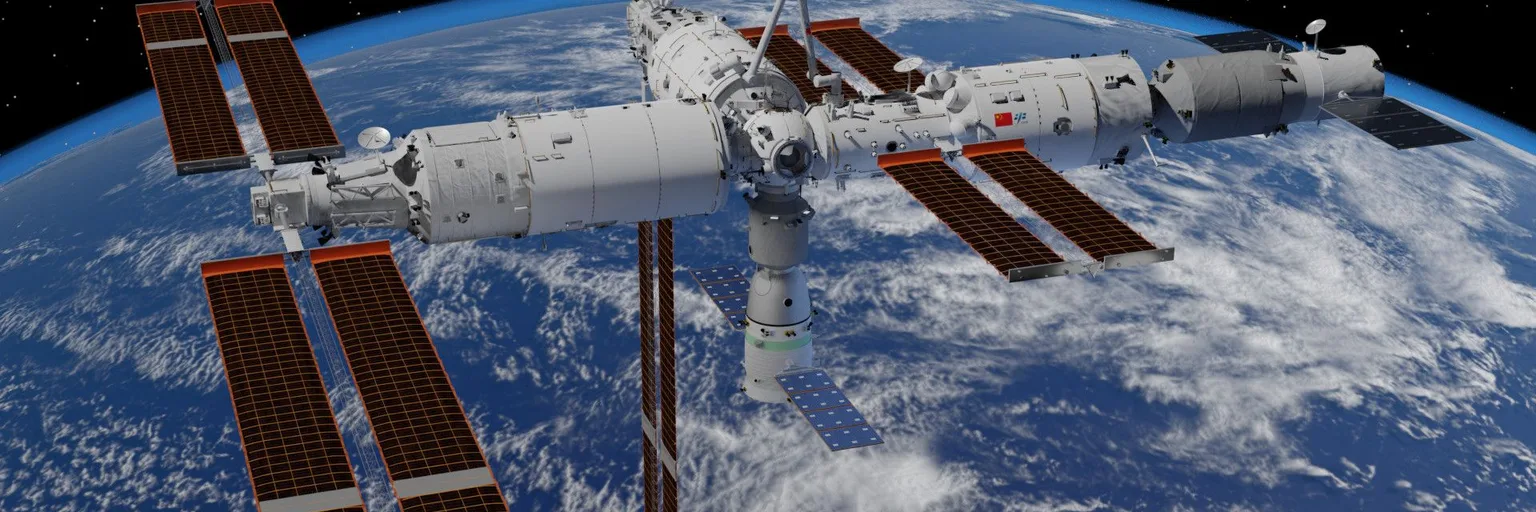
A cloud of atoms at 9.7 picokelvin is a great headline, but the real story is that microgravity has become a lab for measurements Earth cannot easily make.
Gabrielse's lone positron may well show nothing odd, and that would still be a triumph: patient, precise tests are how physics hunts for cracks in its best theory.
Official time will stop waiting for the Earth from May 2027, eight years ahead of schedule. The engineering case is strong, but we should be honest about what is being given up.
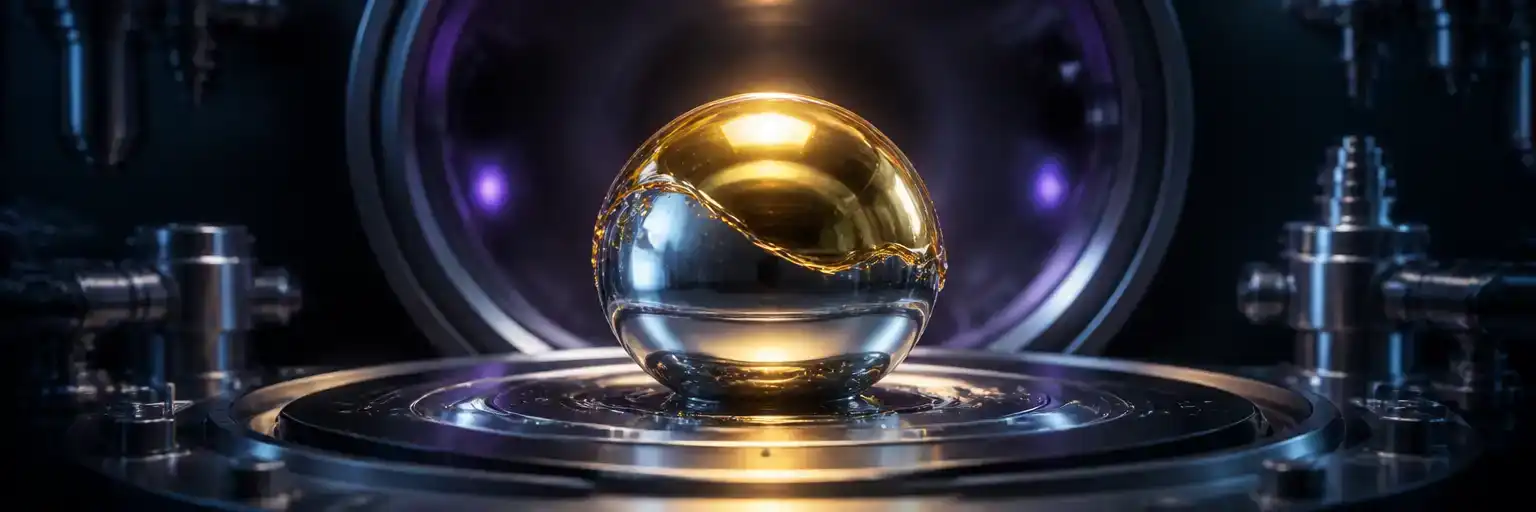
A golden, conductive film of water that vanishes in seconds is no technology, but it shows how matter behaves at extremes without needing a planet's core.
The death of Claude Cohen-Tannoudji is a reminder that cooling atoms with light began as basic research, and that no one can plan that kind of payoff in advance.
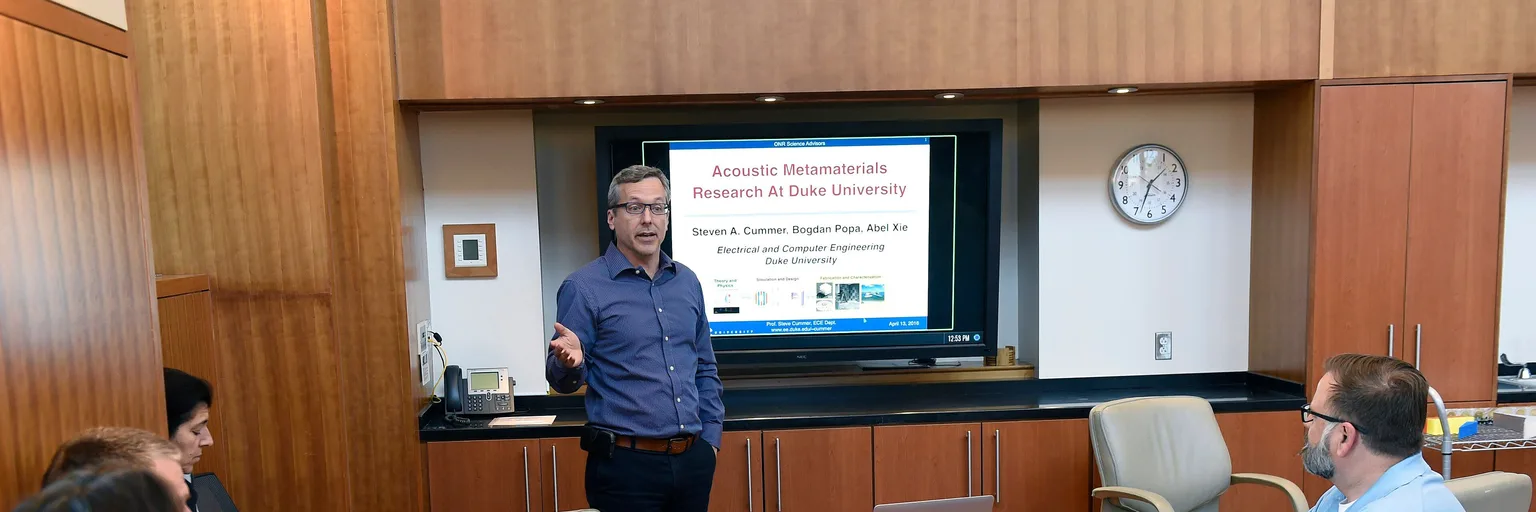
A pair of Nature studies may connect critical phenomena with topology, but the real test is whether this bridge survives replication beyond carefully engineered acoustic systems.
New experiments do not solve superconductivity, but they expose hidden competition that could make the search for its microscopic mechanism far more precise.
A new helium measurement narrows the margin of error to 0.5%, turning the Universe’s first five minutes into a demanding test of cosmology and particle physics.
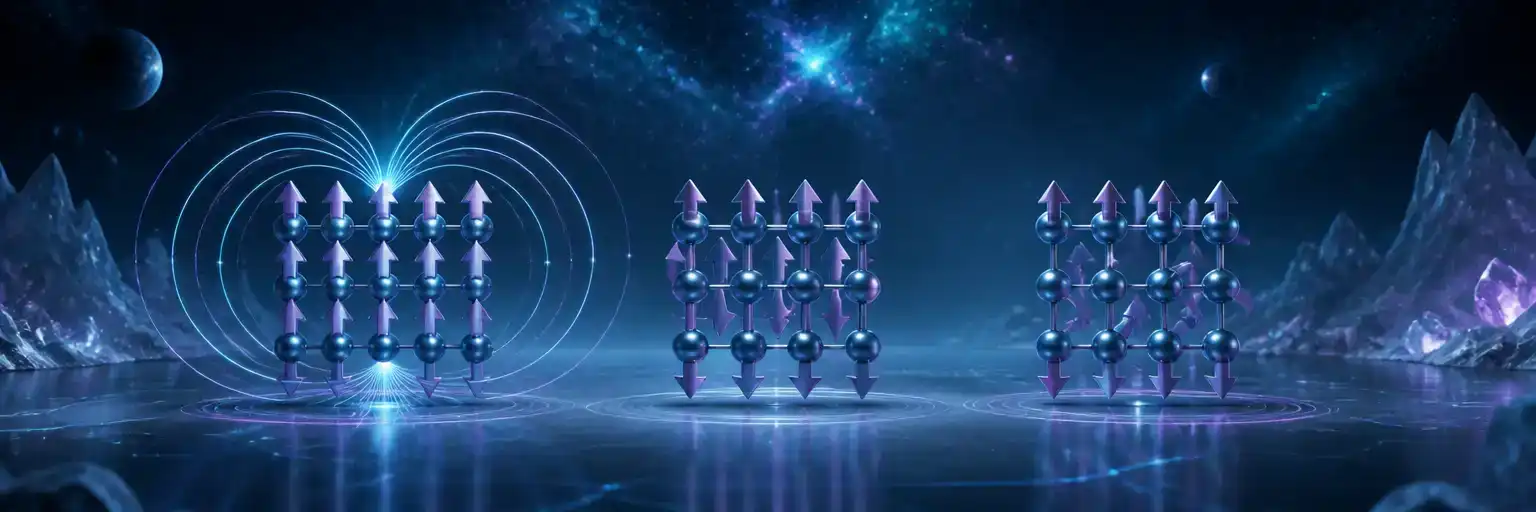
The discovery of altermagnetism, recognized with the 2026 Europhysics Prize, unveils a third fundamental form of magnetism that promises to redefine our understanding of quantum materials and revolutionize future information technologies.
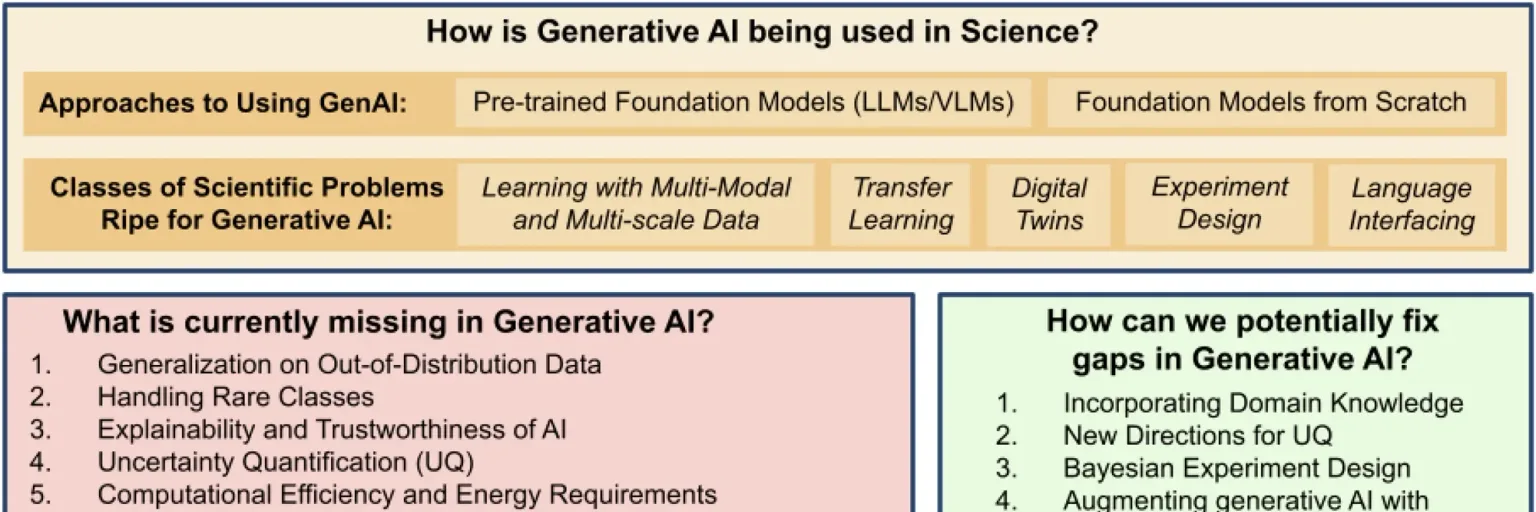
A landmark collaboration between CERN and Mistral AI signals a future where advanced foundation models are indispensable allies in unraveling the universe's most profound mysteries, not mere tools.
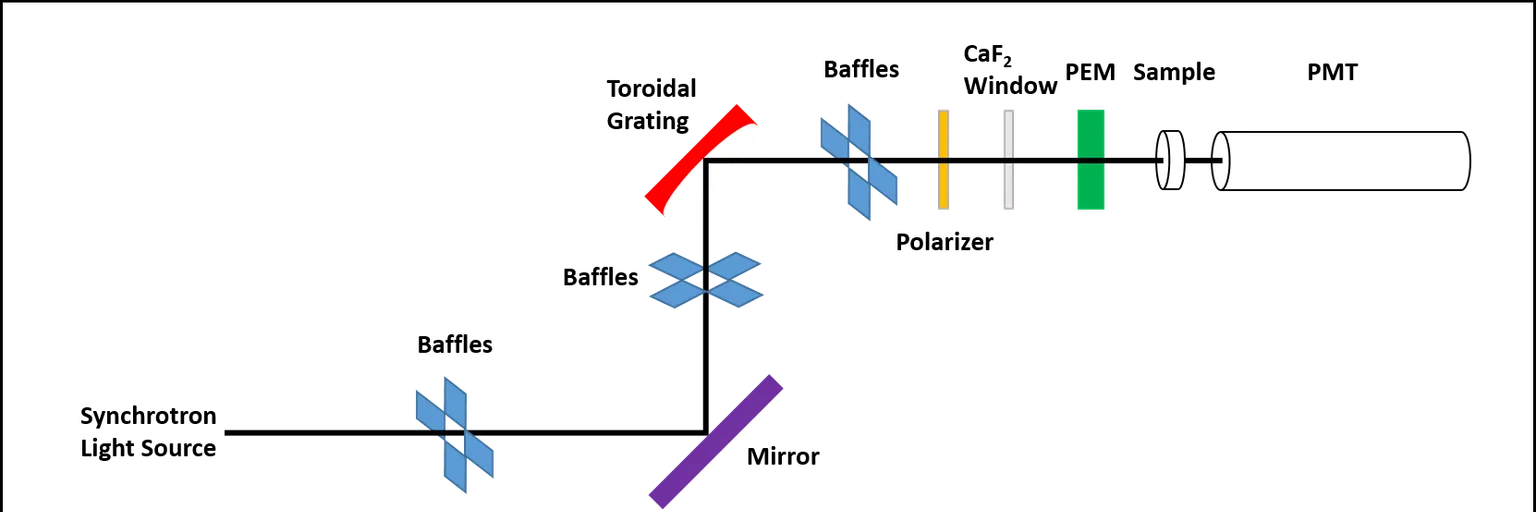
A groundbreaking discovery reveals that light can intrinsically develop a twisting, spinning 'handedness' in empty space, offering unprecedented control and challenging our fundamental understanding of its nature.
The exceptionally clear GW250114 signal has unequivocally verified Stephen Hawking's black hole area theorem and Roy Kerr's description of spinning black holes, deepening our understanding of the universe's fundamental laws.
The AI-assisted discovery of a unique 3D Einstein tile, capable of filling space without repeating patterns, marks a profound shift in our understanding of mathematical symmetry and the physical structures that can exist in the universe.
Recent findings by physicists at Queen Mary University of London reveal that the universe's fundamental constants are not just tuned for matter, but precisely for the liquid flow essential to all known life.
Shou Zi Chew's optimistic forecast of AI-driven scientific breakthroughs within three years highlights AI's transformative potential, but also underscores urgent questions about human oversight and ethical boundaries in this accelerated future.
OpenAI's recent mathematical achievements signal a profound shift, demonstrating how artificial intelligence is not just a tool, but a catalyst for fundamental scientific progress.
A recent claim of an AI-driven enzyme discovery by Anthropic has been met with skepticism, underscoring that true scientific breakthrough demands more than just pattern identification.
The current administration proclaims a new era of scientific discovery, but a closer look reveals a worrying shift from public, merit-based funding to politically aligned private interests.
Seventeen nations have embraced a vision for science powered by 'super intelligence,' promising accelerated discovery but raising critical questions about trust, control, and the very nature of human ingenuity.