Perseverance's record: Mars rover autonomy is a blueprint for deep space
The Perseverance rover's record-breaking journey on Mars, driven by advanced autonomous navigation, reshapes our approach to extraterrestrial exploration and future human missions.
Photo: NASA Jet Propulsion Laboratory / NASA/JPL-Caltech / Wikimedia Commons (Public domain)
Is 28 miles on Mars a long drive? For a human, it might be a brisk hike. For a robotic explorer, however, it represents an extraordinary feat, a testament to ingenuity, and a profound leap forward in our understanding of deep space operations. The recent milestone achieved by NASA's Perseverance rover is not merely about accumulating mileage; it’s a strategic triumph that redefines the capabilities of extraterrestrial vehicles and charts a new course for what we can expect from future missions.
On October 11, 2026, Perseverance officially broke the record for the farthest distance driven on a world beyond Earth. The rover completed 28.10 miles (45.22 kilometers) on the Martian surface, surpassing the previous record of 28.06 miles (45.16 km) held by its predecessor, Opportunity. This achievement, reached on the 2,006th Martian day of its mission, occurred as the rover traveled through a region called Lac de Charmes, on its way to Idubi, an ancient area on the western rim of the Jezero Crater, as reported by The New York Times.
What makes this accomplishment even more remarkable is the speed at which it was achieved: Perseverance reached this distance in just five and a half years, a stark contrast to the nearly 15 years it took Opportunity to set its record. This accelerated progress is not by chance, but a direct result of decades of technological evolution and a smarter approach to exploring the Red Planet.
AutoNav: The true engine of exploration
The most significant factor behind Perseverance’s impressive mileage is its advanced autonomous navigation system, AutoNav. This technology allows the rover to image the terrain while rolling, build a three-dimensional map of obstacles, and define a trajectory between points set by the team on Earth. It’s a capability the team calls "thinking while driving," enabling the rover to assess terrain almost continuously and cover up to 412 meters in a single Martian day or "sol." As EarthSky explains, this capability is a game-changer.
While earlier Mars rovers like Opportunity and Spirit utilized a version of this technology for only about 5% of their drives, Perseverance has completed over 90% of its total distance using AutoNav. This isn't just a minor improvement; it's a paradigm shift in operational efficiency. To illustrate the leap, NASA's first Mars rover, Sojourner, assessed its path using 20 measurement points; Perseverance analyzes around 600,000 points with every observation to recognize dangers and plan its route. As Mark Maimone, deputy team chief for robotic operations on Perseverance, observed, "Given the autonomy to just go, Perseverance is a better driver than the one that landed, and we’re not done."
Unlocking Mars' ancient secrets faster
The ability to cover ground quickly and autonomously translates directly into a more robust scientific mission. Perseverance's impressive stamina means it can reach and explore diverse geological targets faster, allowing scientists to examine more outcrops and read more of the Red Planet's history from its rocks. This extended reach has guided the rover from an ancient lakebed up a fossilized river system, where it identified a potential biosignature at a rock called Cheyava Falls, and now onto the crater rim.
The current drive towards Idubi in the Lac de Charmes region is particularly significant. Here, Perseverance is investigating what may be some of the oldest terrain ever explored in the solar system. The team hopes to find traces of ancient hydrothermal systems – environments shaped by heated water – which are crucial for understanding whether Mars could have harbored microbial life billions of years ago. The mission has already gathered 29 samples of rock and regolith from various locations, including the crater rim, where the rover is analyzing impact-generated rocks approximately 4 billion years old, a period of Earth's planetary history that has largely been erased, according to Infobae. The rover's next target, Rainbow Falls, is expected to contain kaolinite, a clay mineral that further indicates ancient water activity.
A blueprint for future deep space resilience
Perseverance’s journey is far from over. Originally designed to travel approximately 20 kilometers, it has already more than doubled that distance. NASA recently approved the mission’s first extension, which began in October 2026 and will keep the rover active through roughly the end of 2028. Steven Lee, project manager for the Curiosity and Perseverance rovers, indicated that the current state of its mobility systems suggests many more years of operation, with the mission team expecting it could eventually travel up to 100 kilometers total, as reported by Space.
This longevity and operational capability have profound implications. It demonstrates that advanced robotic explorers can not only endure the harsh conditions of other worlds for extended periods but can also actively contribute to scientific discovery at an unprecedented pace. Such resilience, coupled with sophisticated autonomous systems, is a critical blueprint for future deep space endeavors, including potential human missions where robotic precursors will play an even more vital role in exploration, site preparation, and resource assessment. Perseverance isn't just setting records; it's setting the stage for humanity's deeper reach into the cosmos.
No topics yet: start the first one.
More stories
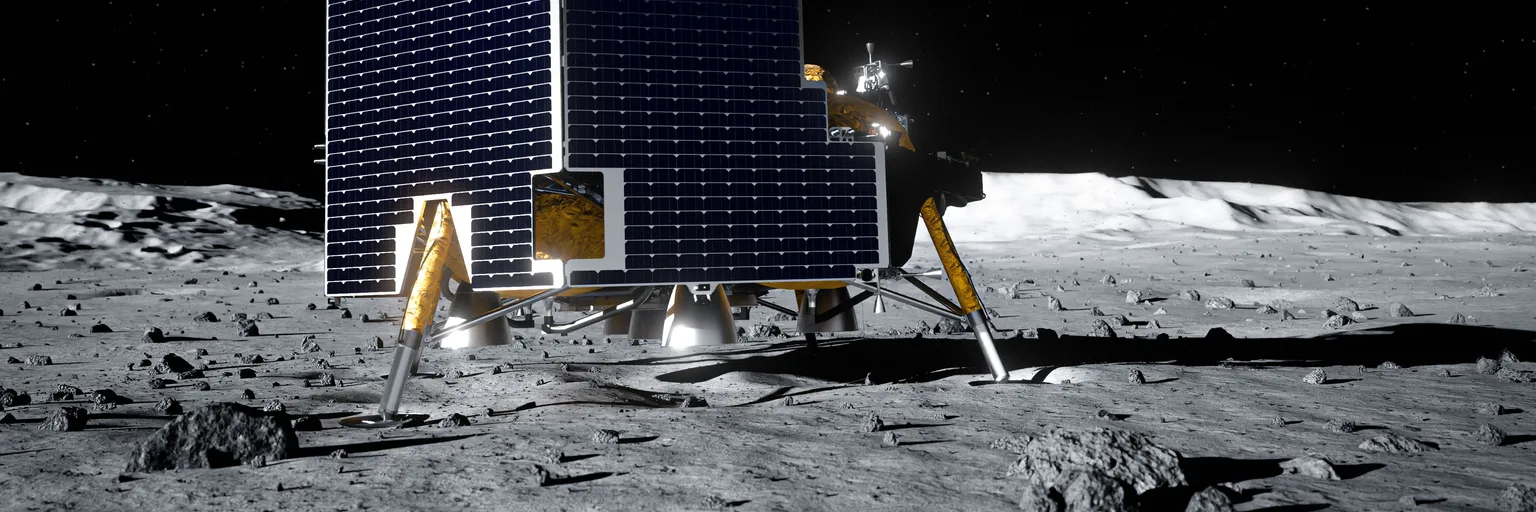
Griffin-1: A Bold Gamble for Humanity's Lunar Future
The Griffin-1 lander's successful tests mark a critical step towards a Moon Base, but its commercial nature and the history of CLPS missions suggest a high-stakes, yet necessary, gamble for lunar permanence.
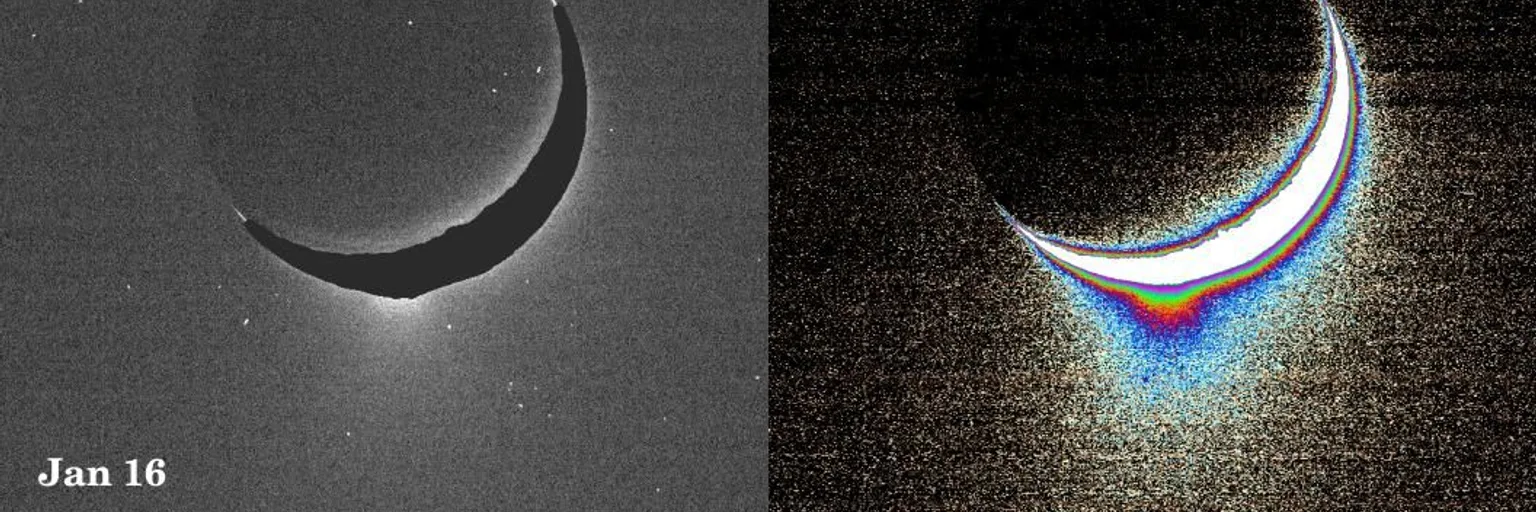
Enceladus' geysers: A cosmic shortcut for finding alien life
New research shows Saturn’s moon Enceladus is not just habitable, but actively aids in the search for life by 'preparing' samples for us.
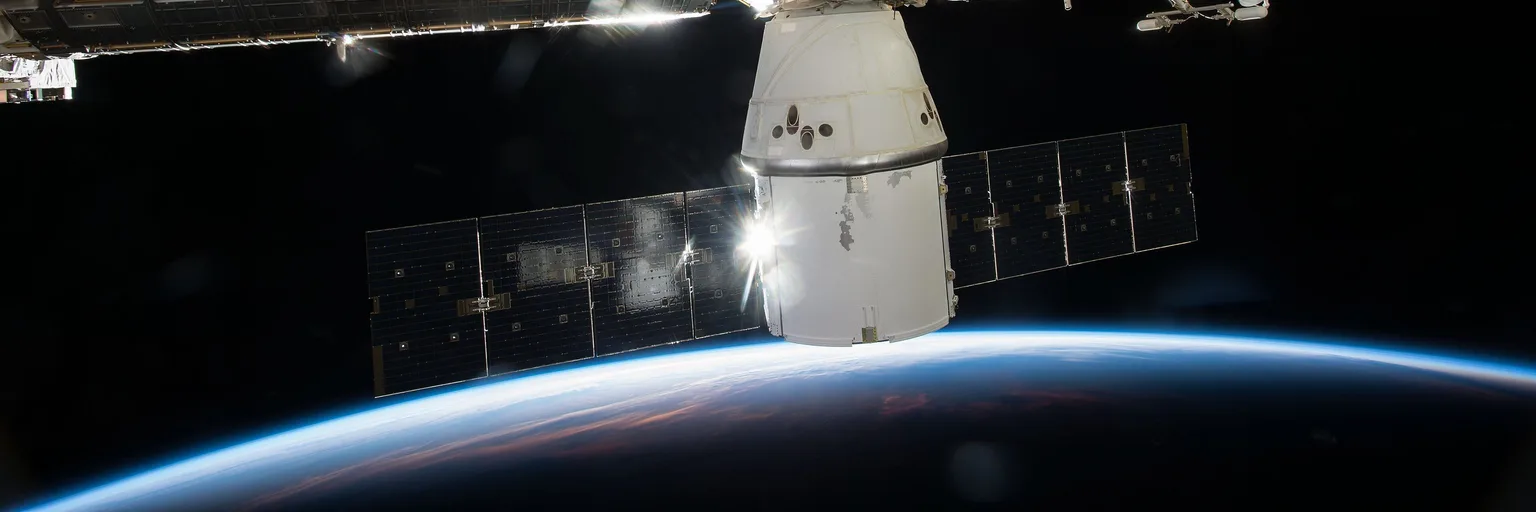
SpaceX's CRS-35: More Than Just Cargo, It's the Future of Space Science
The latest Dragon resupply mission, delivering critical research on human health and plant growth, underscores how private enterprise is reshaping the landscape of orbital scientific discovery.
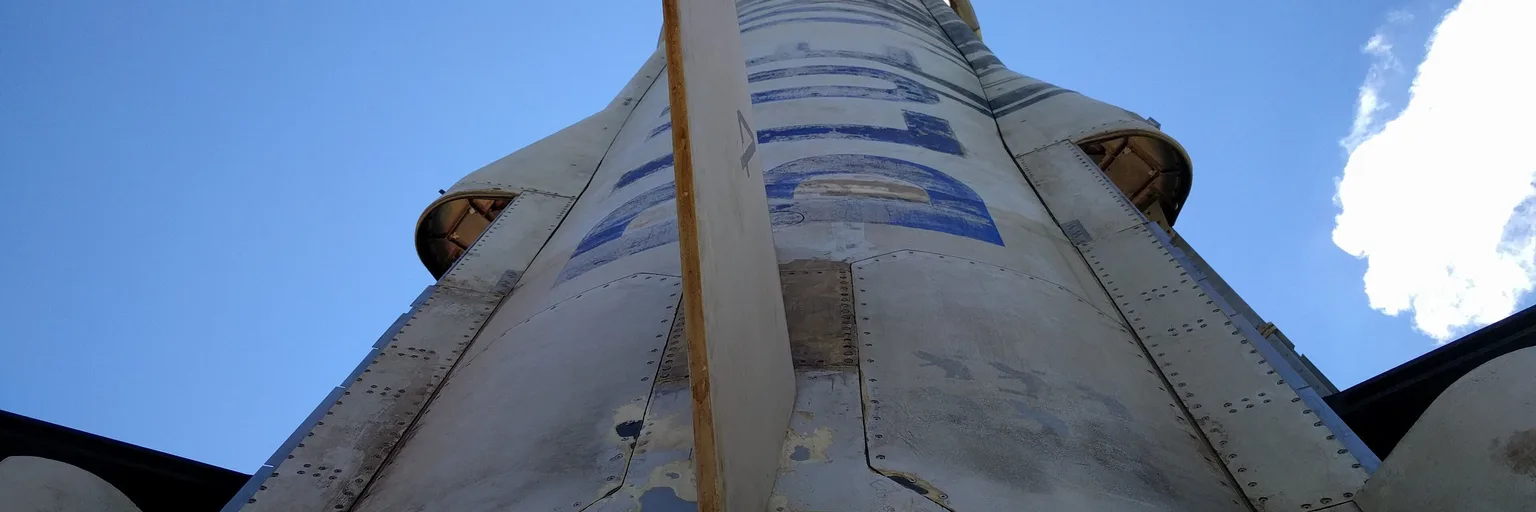
Blue Origin's repeated New Shepard launches prove reusability isn't a fluke
The consistent success of Blue Origin's New Shepard in launching and landing its rockets marks a pivotal moment, affirming reusable space technology as a cornerstone for future missions beyond suborbital tourism.