Bikar and Bokak show why a pristine reef is a yardstick, not a postcard
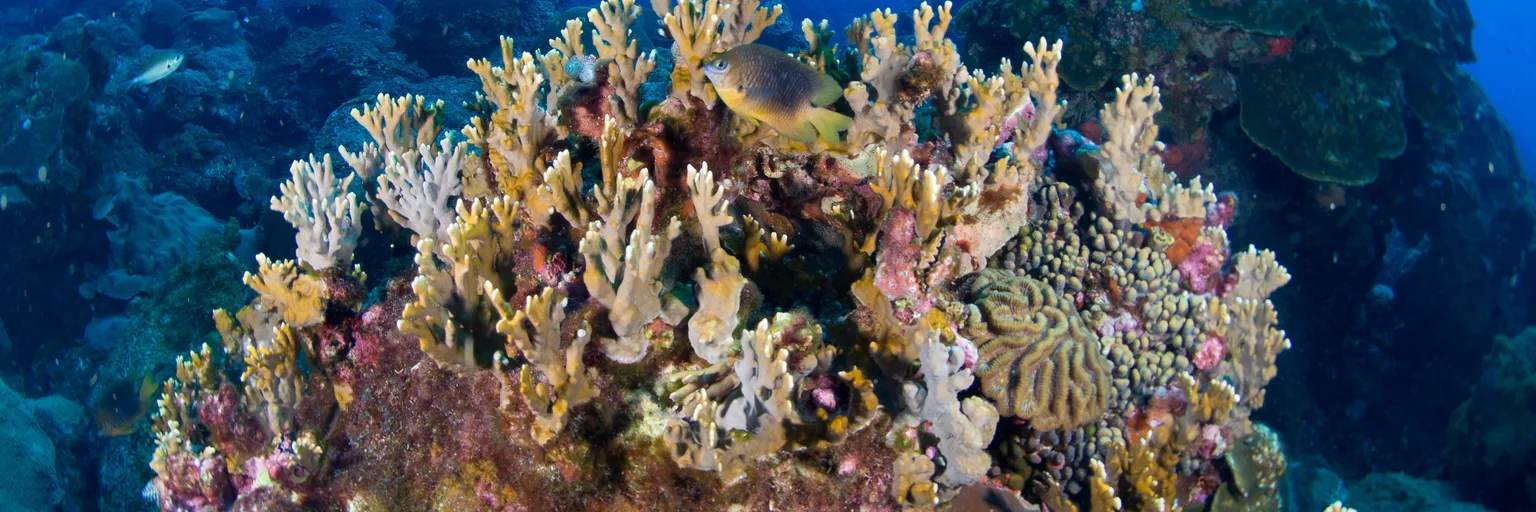
Two remote Marshall Islands atolls give scientists a rare picture of an intact reef, and that makes protecting reference sites as urgent as restoring damaged ones.


Two new howler monkey species in the Amazon, found through genetic analysis, show how much life we undercount, and why naming a species is a duty rather than a trophy.
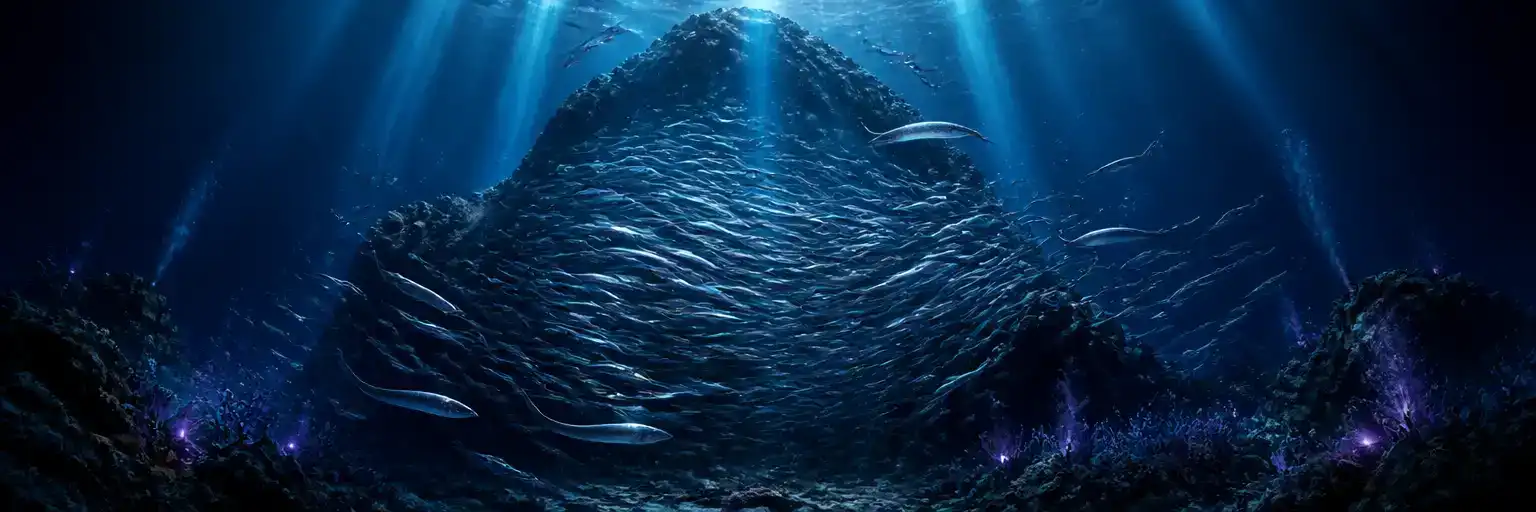
A single undersea peak off Tasmania hosts a swarm of millions of deep-sea eels nobody had counted. It's a warning to map the deep before anyone thinks about exploiting it.
Headlines on solar parks and birds point in opposite directions. Rather than pick a slogan, we should demand that habitat be part of how solar farms are planned.
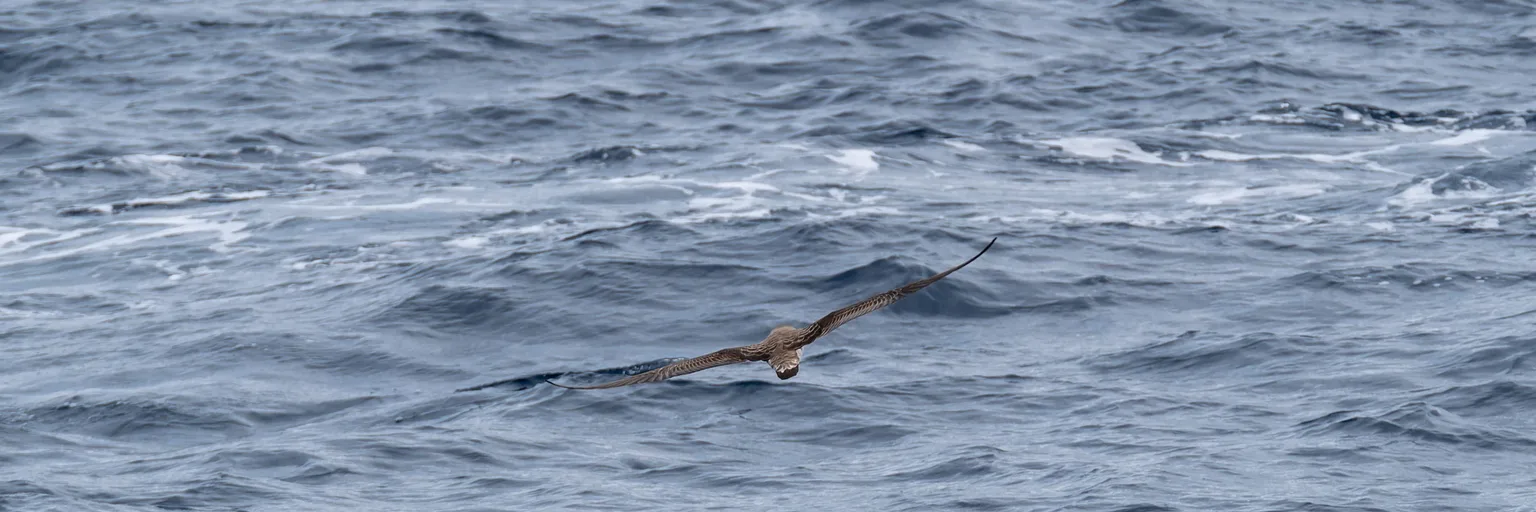
A new finding suggests migrating seabirds can lose their way when their sense of time slips, which shows how much navigation we still don't understand and why long-term tracking beats assumptions.
A new Science Advances study suggests seabird guano feeds reefs that keep atolls growing. Protecting the birds looks like smart coastal defense, but it can't stop the sea by itself.
A study doubles the count of species in the wildlife trade to 107,356, and the global target covers only 2–3% of them. Rules written for famous animals miss the real market.
With a dog confirmed in Arizona and a cat in New Mexico, the New World screwworm is no longer just a cattle story. Beating it takes surveillance and sterile flies, not slogans.
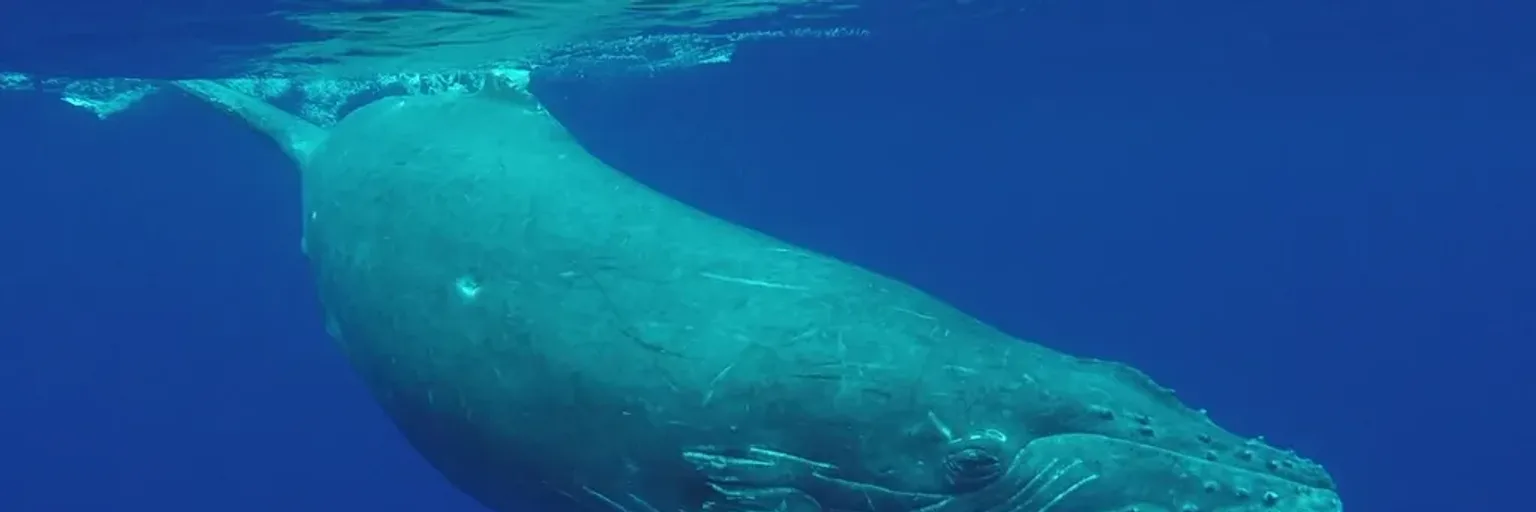
A humpback recorded near Bermuda on a dictation disc could be a baseline for ocean noise that no one can recreate. Sound archives deserve the protection we give fossils.
A rockfall froze a Magdalenian dwelling with 4,614 objects in place. The real prize is the undisturbed context, and it should change how we dig and protect caves.
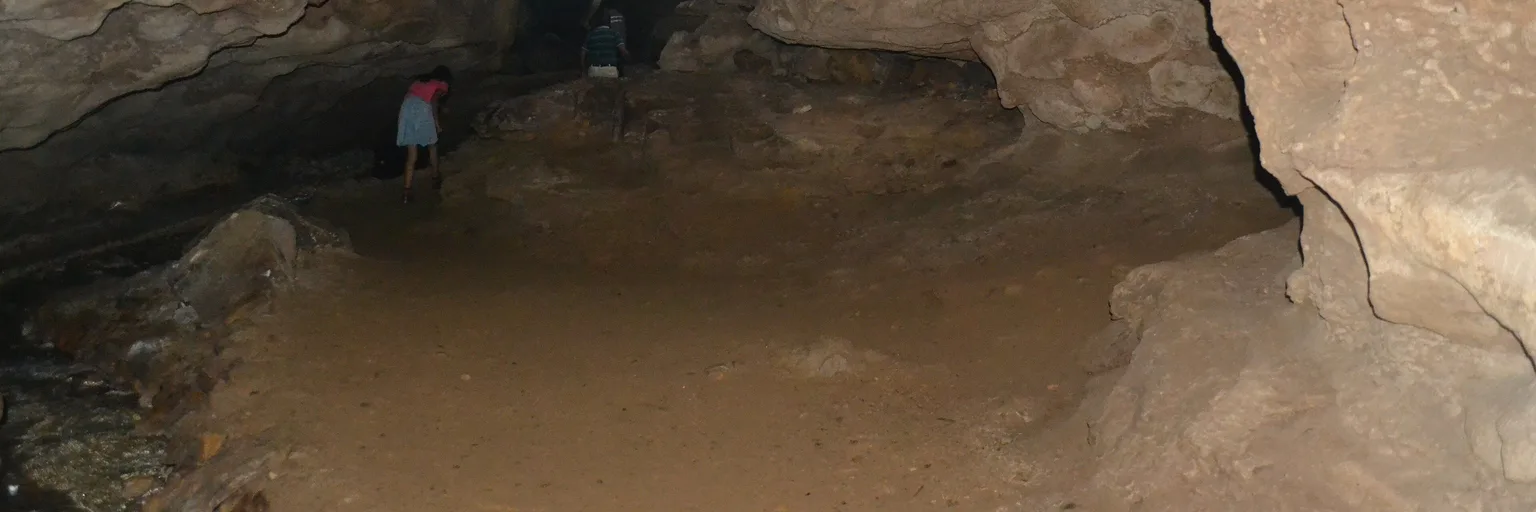
Erhaia dijiang did not become strange for its own sake: in darkness, isolation and scarcity, sight became expendable—and its tiny habitat became precious.
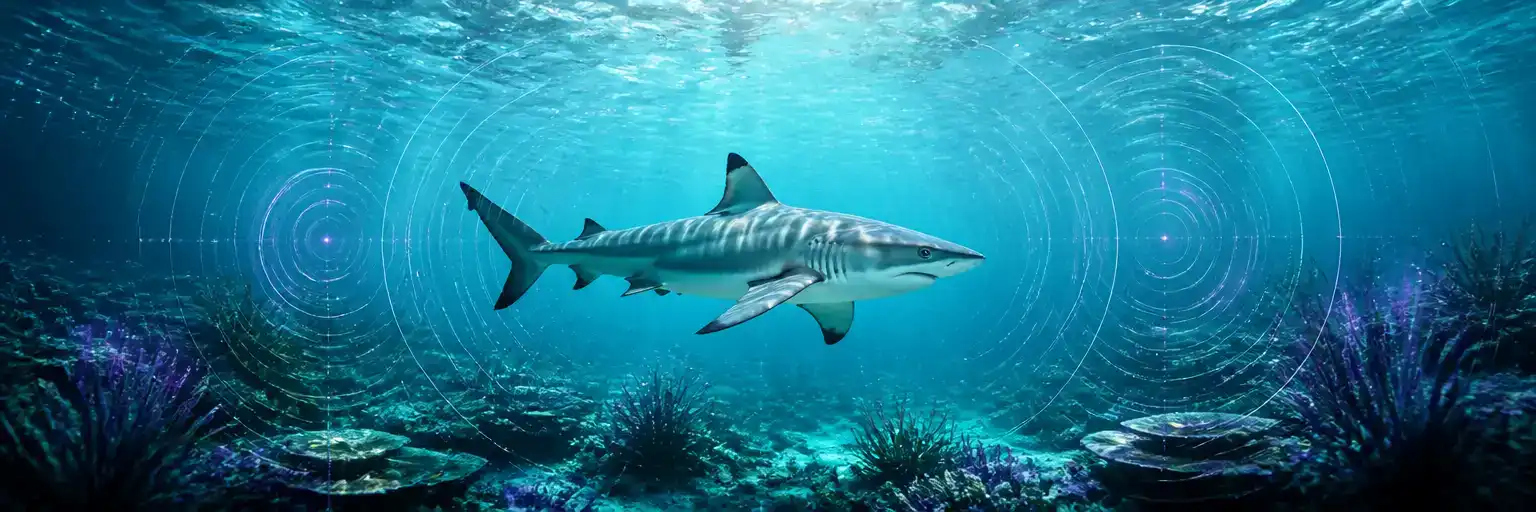
Blacktip sharks detected low-frequency sounds from up to 74 meters away in the wild, exposing both a hidden sense and a neglected risk of ocean noise.
Engineered bacteria can turn PET-derived chemicals into L-DOPA, but the breakthrough still has to prove its cost, safety and scale before it becomes circular manufacturing.
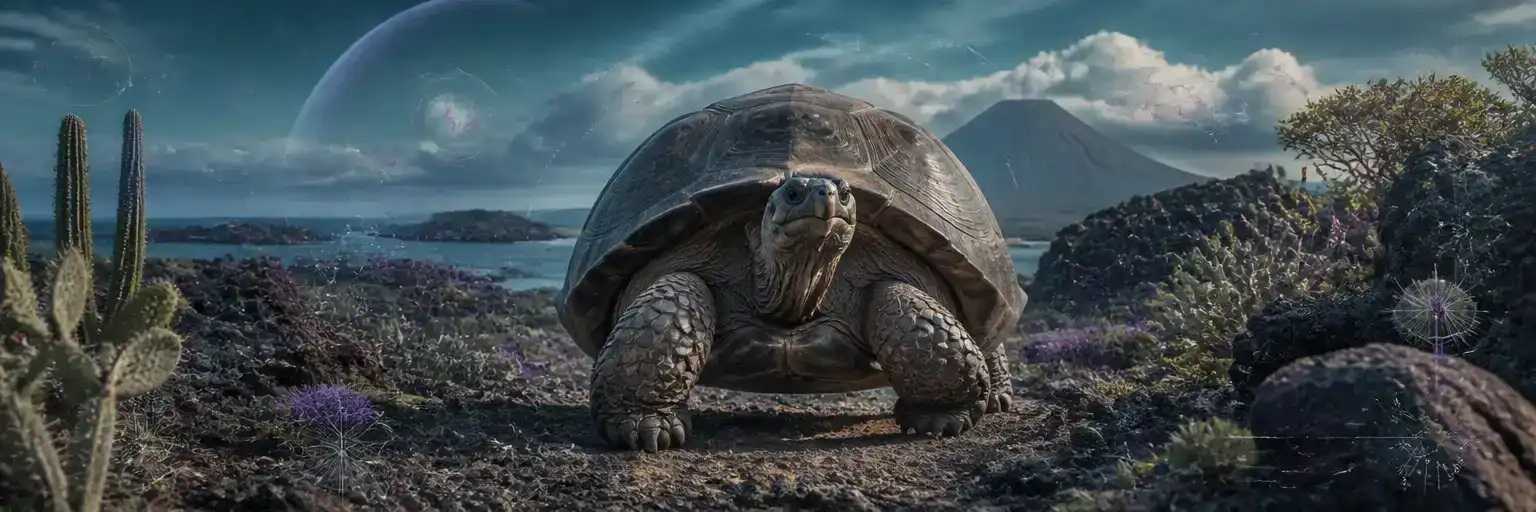
The rediscovery of the Fernandina giant tortoise, long thought extinct, is a powerful reminder of nature's resilience and the critical importance of persistent conservation efforts in unexpected places.
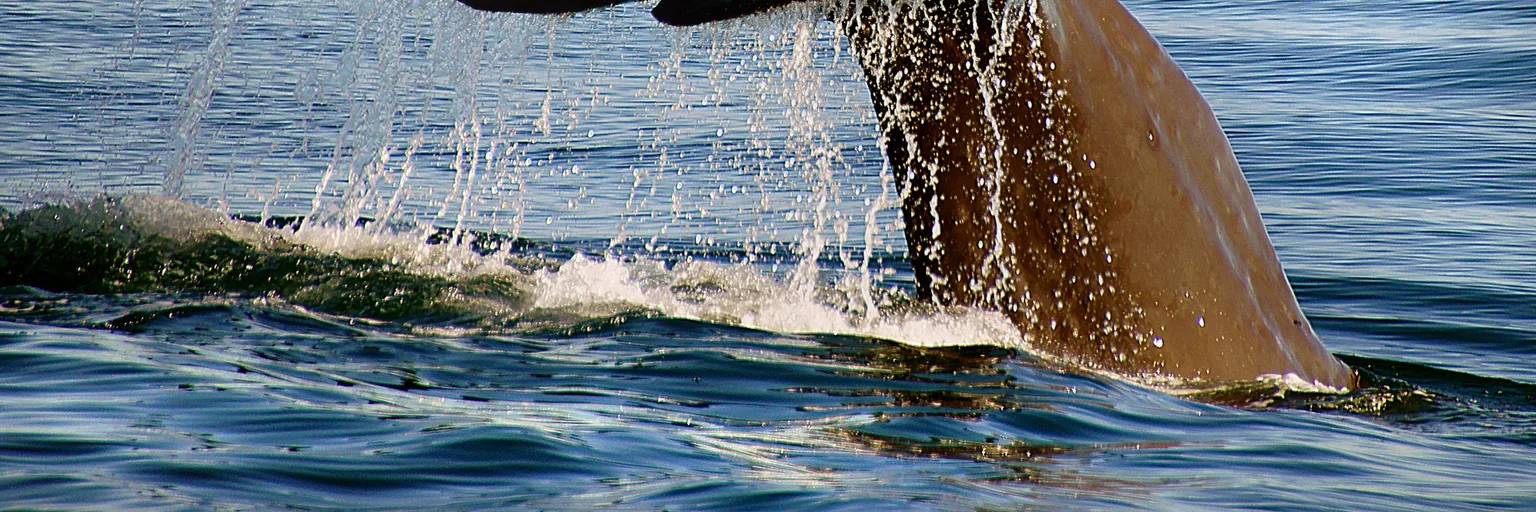
The latest breakthroughs in deciphering sperm whale communication are not merely a scientific curiosity but a profound re-evaluation of animal cognition and our place in the natural world.
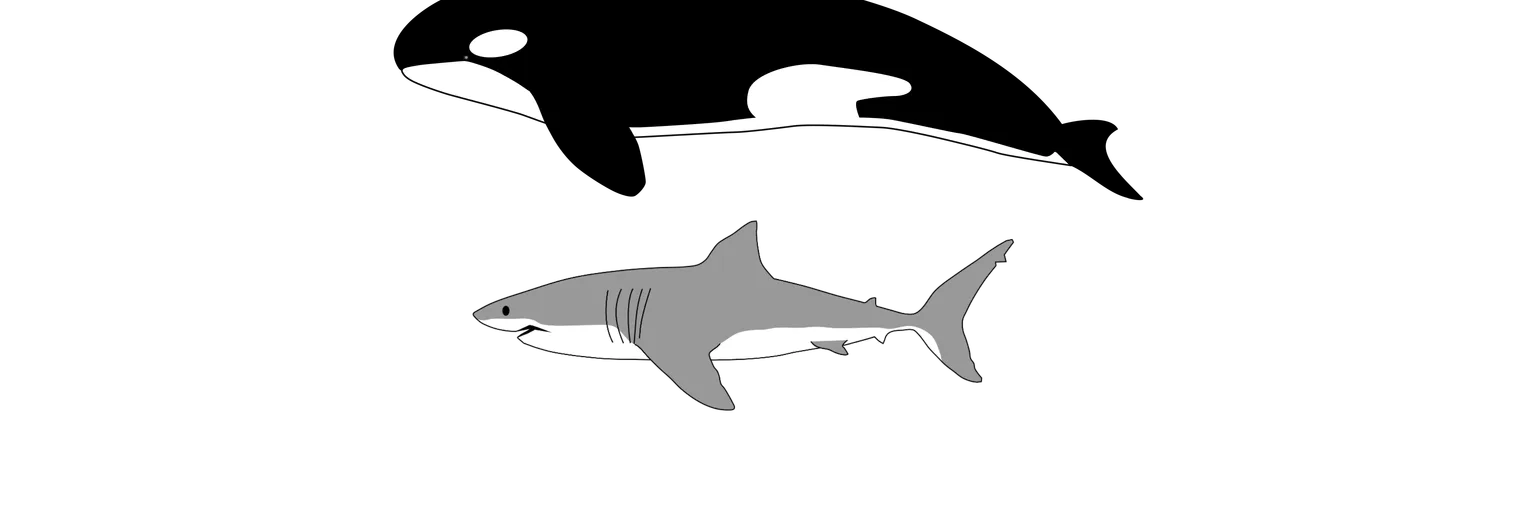
The dramatic escalation of orcas hunting great white sharks, once a rare sight, is now a documented pattern, reflecting how climate change is subtly yet profoundly reshaping marine ecosystems.
Recent discoveries of fish and a glass frog in Brazil's less-explored biomes highlight the nation's profound, often overlooked, biodiversity and the critical need for expanded protective measures.
The surprising repurposing of an offshore oil vessel into a state-of-the-art research ship is not just about discovering new species; it signals a profound shift in how we might approach industrial decommissioning and unlock the ocean's remaining mysteries.
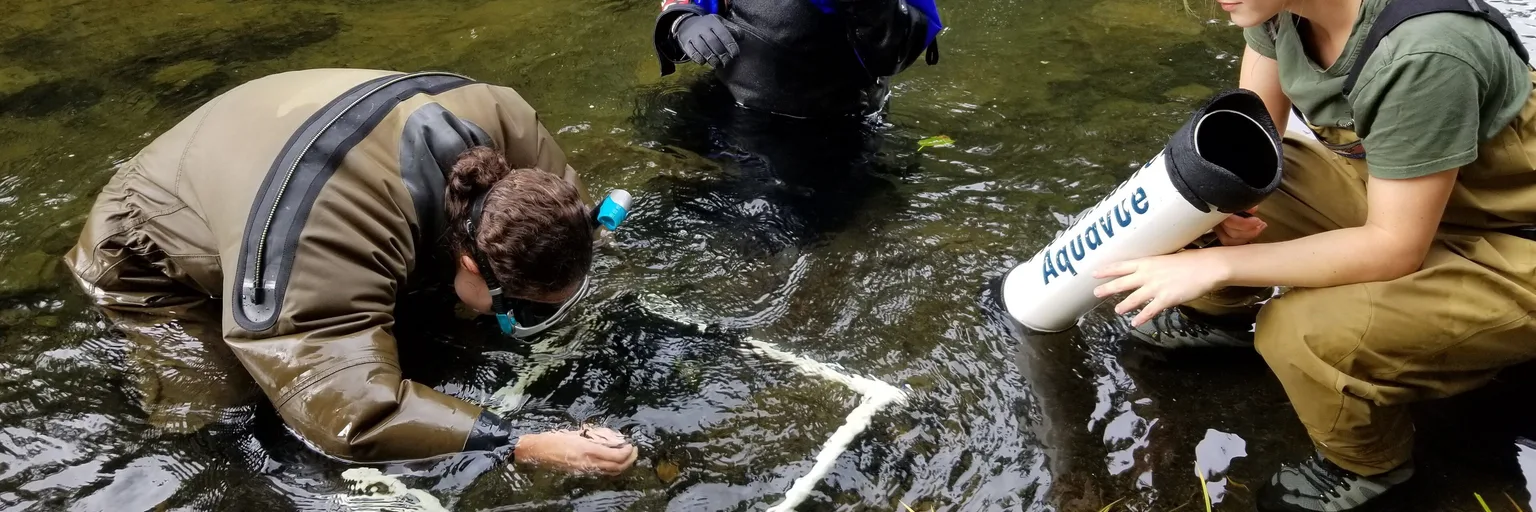
Recent discoveries of freshwater mussels and new fish species in the Americas highlight how much biodiversity remains unknown, underscoring the critical urgency of conservation efforts before these species vanish.
Discussions are emerging around the possibility that robust coral reefs might actively assist struggling counterparts in resisting ocean warming, suggesting a shift in conservation thinking.
A groundbreaking discovery reveals that rising temperatures intensify resource competition, causing species populations to collapse far below their thermal tolerance limits, demanding a radical shift in conservation.
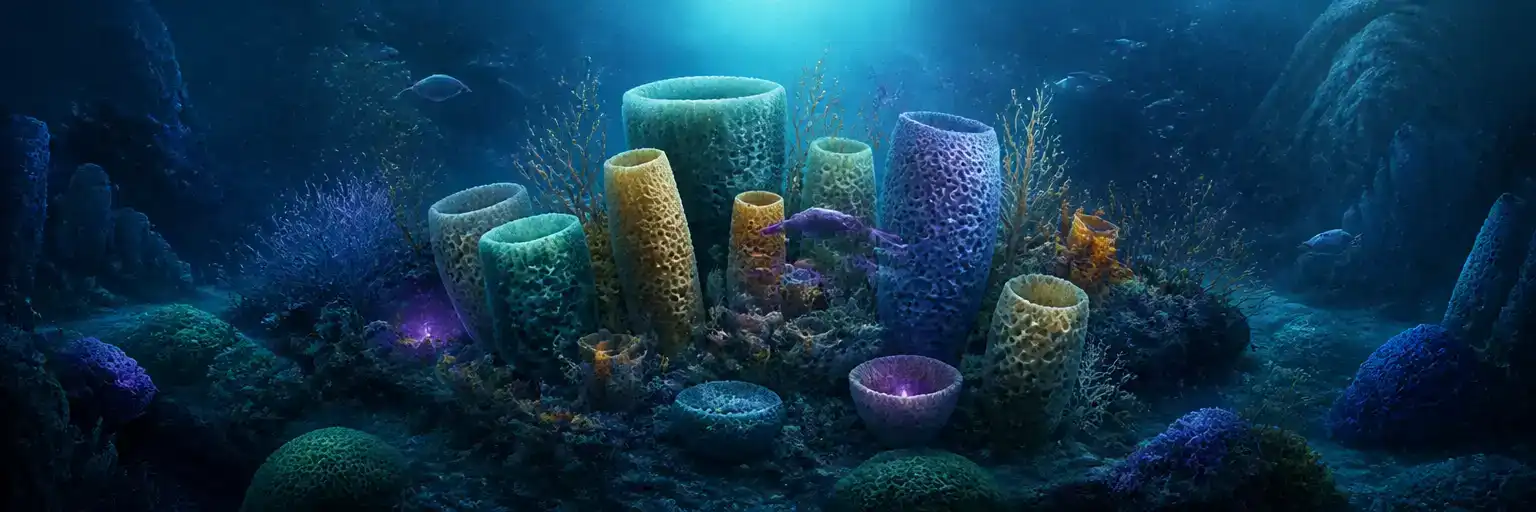
The recent discovery of nine new sea sponge species in Alaska not only reveals vast hidden biodiversity but also intensifies the critical debate over destructive bottom-trawling practices.
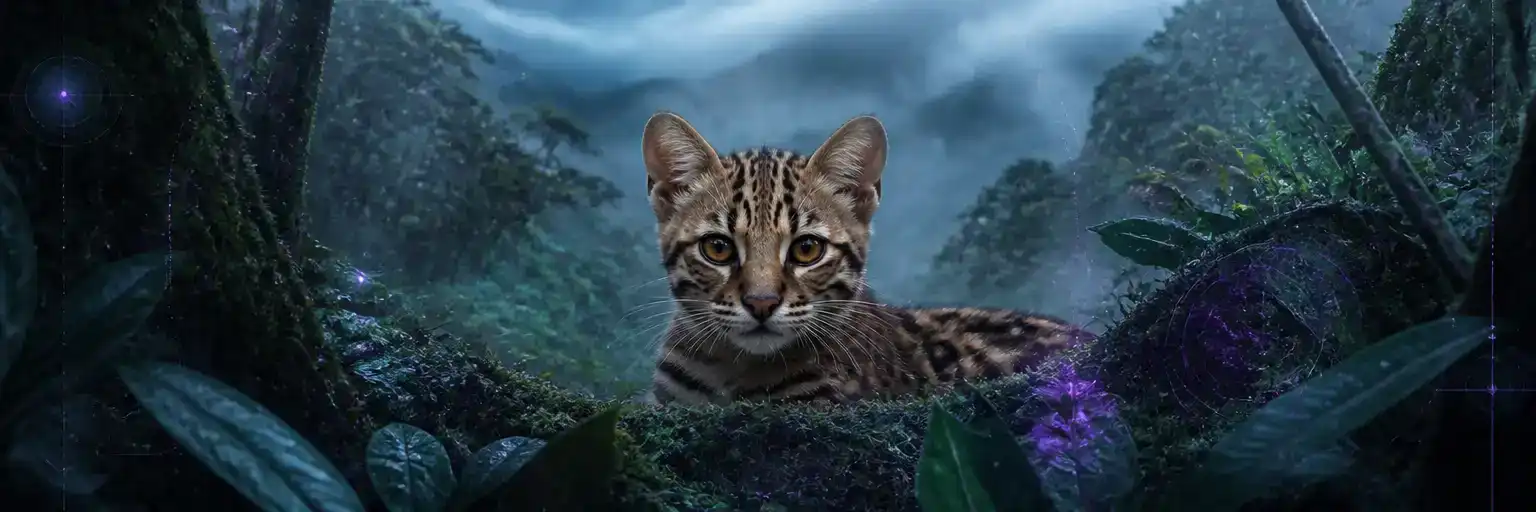
The identification of *Leopardus tilcayo* in Bolivia, the first new wild cat in over a century, underscores the vibrant hidden biodiversity in remote ecosystems and the indispensable role of local communities in safeguarding these natural treasures.
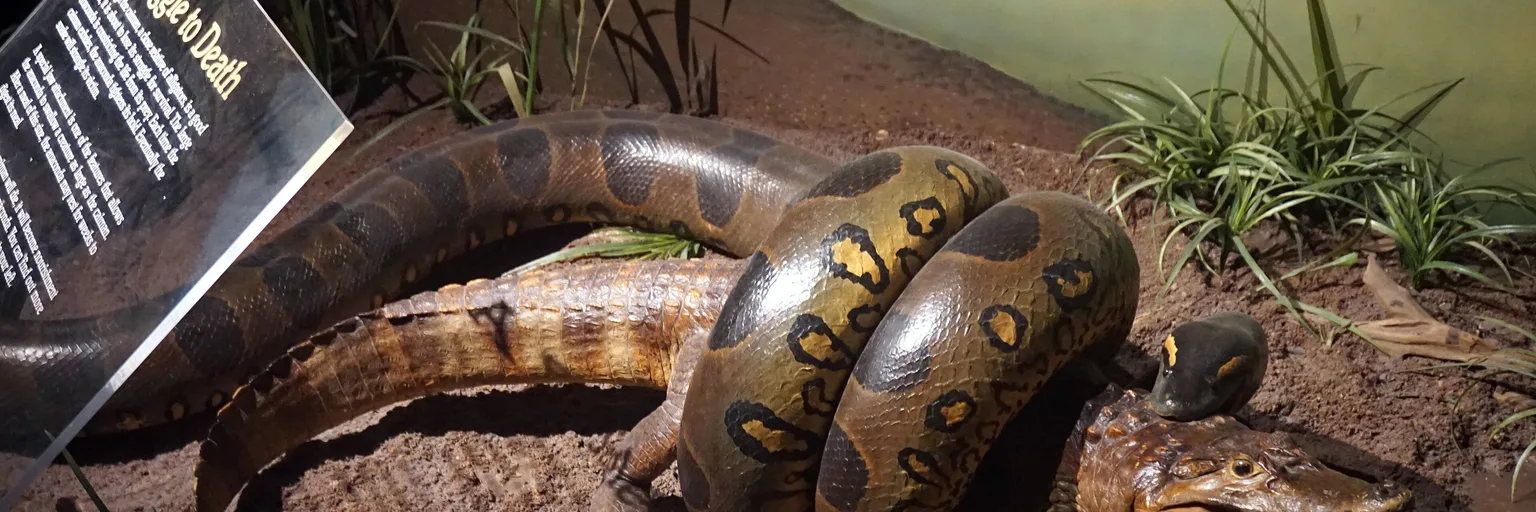
The discovery of a new giant anaconda species during a Will Smith documentary underscores how unexpected collaborations can elevate scientific findings, prompting reflection on research visibility.
The discovery of microplastics on Deception Island's pristine shores confirms that no corner of our planet remains untouched by human pollution, demanding urgent global accountability.
The scientific recognition of Siphonops maria not only celebrates a hidden amphibian but also shines a crucial light on the enslaved individuals who pioneered one of the world's greatest rewilding efforts.
The discovery of 57 new deep-sea species in Argentina's Mar del Plata canyon dramatically underscores the urgent need for continued marine exploration and robust conservation efforts.