The Moon Is Shrinking. Artemis Must Stop Treating It as Static
The Moon’s cooling interior is still reshaping its crust, turning faults, moonquakes and landslides into an operational risk Artemis should design around—not discover too late.
The Moon looks like the ultimate fixed point: a bright, silent disk that has watched human civilization come and go. That image is scientifically convenient—and operationally dangerous. The lunar surface is not a frozen landing stage. Its interior is cooling, its crust is contracting, and parts of the terrain can still move beneath a future astronaut’s boots.
A NASA-funded study published in the peer-reviewed Planetary Science Journal found that young thrust faults and the shallow moonquakes associated with them occur near and within areas considered for Artemis III, NASA’s first planned crewed lunar landing. The research also modeled slopes near the south pole that could be vulnerable to landslides after even light seismic shaking, as NASA explains.
That is not a prediction that Artemis astronauts will be swallowed by a lunar landslide. It is something more useful: a warning that exploration plans need to treat geology as an active system, not merely as a map of obstacles.
A shrinking Moon is not a collapsing mission
The headline fact is easy to distort. The Moon is not visibly shrinking from week to week, and its contraction does not threaten Earth. Over hundreds of millions of years, however, the cooling of its still-hot interior has reduced its circumference by about 150 feet, according to the University of Maryland’s account of the research. As the crust loses volume, it buckles and breaks, producing cliff-like scarps known as thrust faults.
The important distinction is between a slow cause and a sudden consequence. Global contraction happens gradually; a fault can slip abruptly. The result is a shallow moonquake, potentially strong enough to shake equipment, damage structures, or destabilize loose surface material. Unlike the familiar image of a tidy earthquake lasting seconds, one Apollo-recorded magnitude 5 shallow moonquake lasted for hours, according to the University of Maryland.
In our view, the risk is being framed incorrectly when the question becomes whether the Moon is “safe” or “unsafe.” No serious exploration program operates with that binary. The real question is whether mission designers know which terrain is more exposed, how uncertain those assessments are, and what a crew can do when the ground begins behaving badly.
The south pole concentrates both opportunity and exposure
The lunar south pole is attractive precisely because it is complicated. Permanently shadowed regions may contain water ice, making the area scientifically valuable and potentially important for future operations. But the same region includes steep terrain, loose regolith and faults identified in data from NASA’s Lunar Reconnaissance Orbiter.
One young thrust-fault scarp lies within the de Gerlache Rim 2, an Artemis III candidate landing region. The study modeled its formation as potentially associated with a moonquake comparable to the strongest shallow event recorded by the Apollo Passive Seismic Network. Other modeled areas, including permanently shadowed terrain, could be susceptible to regolith landslides from relatively light shaking.
This is where idealized planning becomes a liability. A landing ellipse that looks acceptable in a static image may contain slopes whose stability depends on an event that has not happened yet. A route that is clear under ordinary conditions may become hazardous if loose debris shifts. A future habitat placed for sunlight, communications or access to ice could also be placed too close to an active fault system.
The answer is not to abandon the south pole. That would confuse the existence of risk with the existence of a veto. The answer is to make geological uncertainty part of the mission architecture from the beginning.
Artemis needs more measurements, not more confidence
The current evidence has real limits. Researchers can map young fault scarps, connect some structures to Apollo seismic observations and model slope stability. They cannot yet say precisely how often a particular site will experience a damaging quake. As EarthSky reports, the researchers themselves argue that new seismic data are needed not only at the south pole but globally.
That uncertainty should change priorities. Seismometers should not be treated as optional scientific accessories delivered after the landing problem has been solved. They are part of the landing problem. The planned Farside Seismic Suite is intended to extend the measurements made by Apollo and improve knowledge of lunar seismicity. More observations could help distinguish a visually young fault that is merely old-looking from one that remains a meaningful operational threat.
Mission planners should also favor flexibility over theatrical precision. Multiple landing options, escape routes, movable equipment and structures designed for shaking are more valuable than a single “perfect” site selected from incomplete data. A first crewed landing can be brief and cautious while still producing the measurements required for a longer presence. Permanent outposts, by contrast, should face a much higher geological threshold than a short visit.
That difference matters because the strongest argument in the study is not about Artemis III alone. It is about the habit of speaking about a permanent lunar presence before establishing how dynamic the ground really is. A base on a fault is not ambitious engineering; it is poor site selection dressed up as optimism.
The Moon is still shrinking, but that is not the crisis. The crisis would be pretending that slow planetary change cannot create fast operational consequences. Artemis should continue—but with seismic monitoring, slope stability and fault mapping treated as core infrastructure. The Moon has already supplied the warning. The next mistake would be making astronauts discover its active terrain in person.
No topics yet: start the first one.
More stories
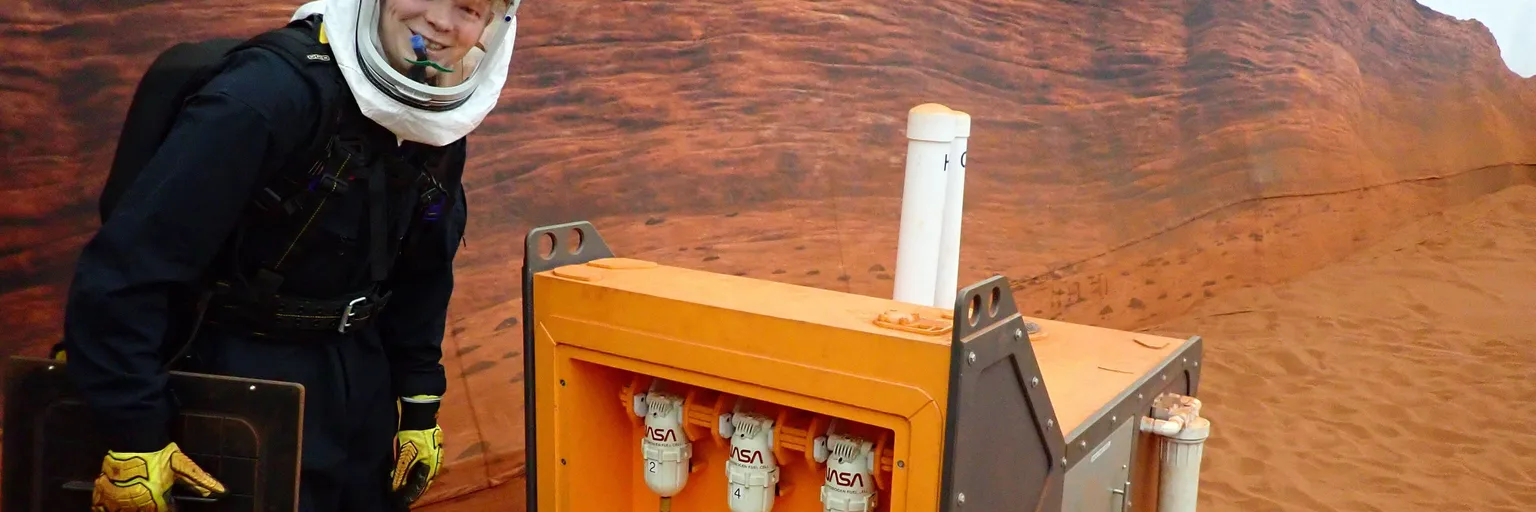
CHAPEA proves Mars will test our routines before our rockets
NASA’s year-long Mars simulation shows that survival will depend not only on hardware, but on food, communication, autonomy and the psychology of isolation.
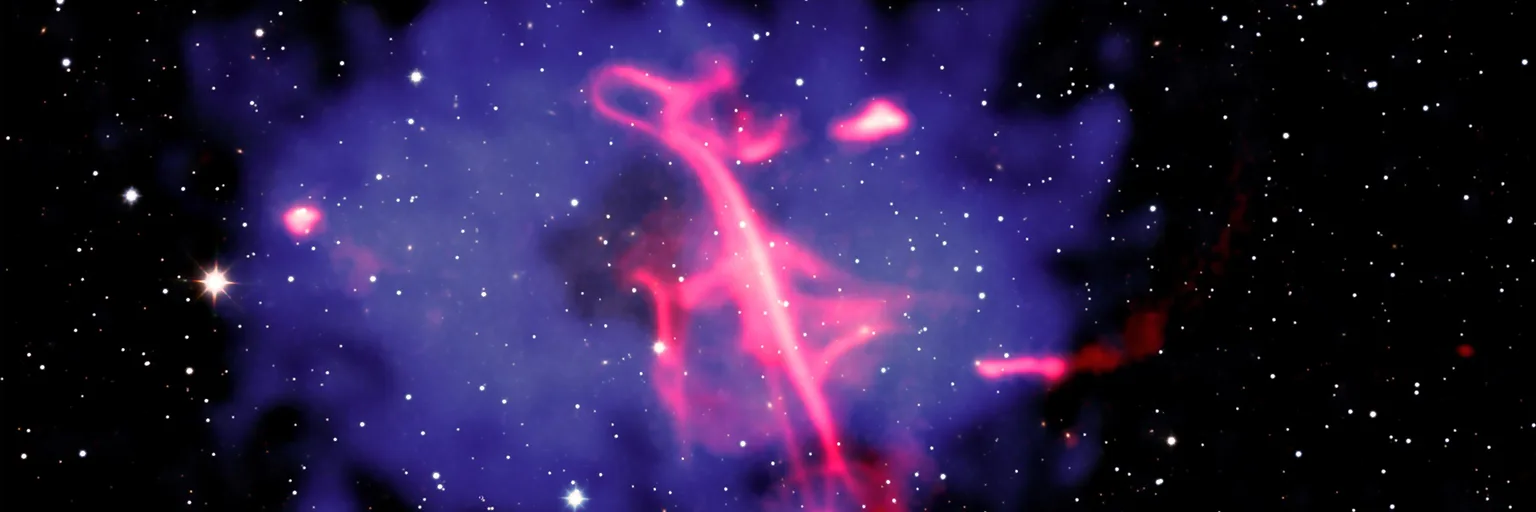
NASA’s cosmic treble clef is a triumph of pareidolia, not music
A vast radio structure resembles a musical symbol, but its real value is showing how familiar patterns can open a door to violent, complex astrophysics.
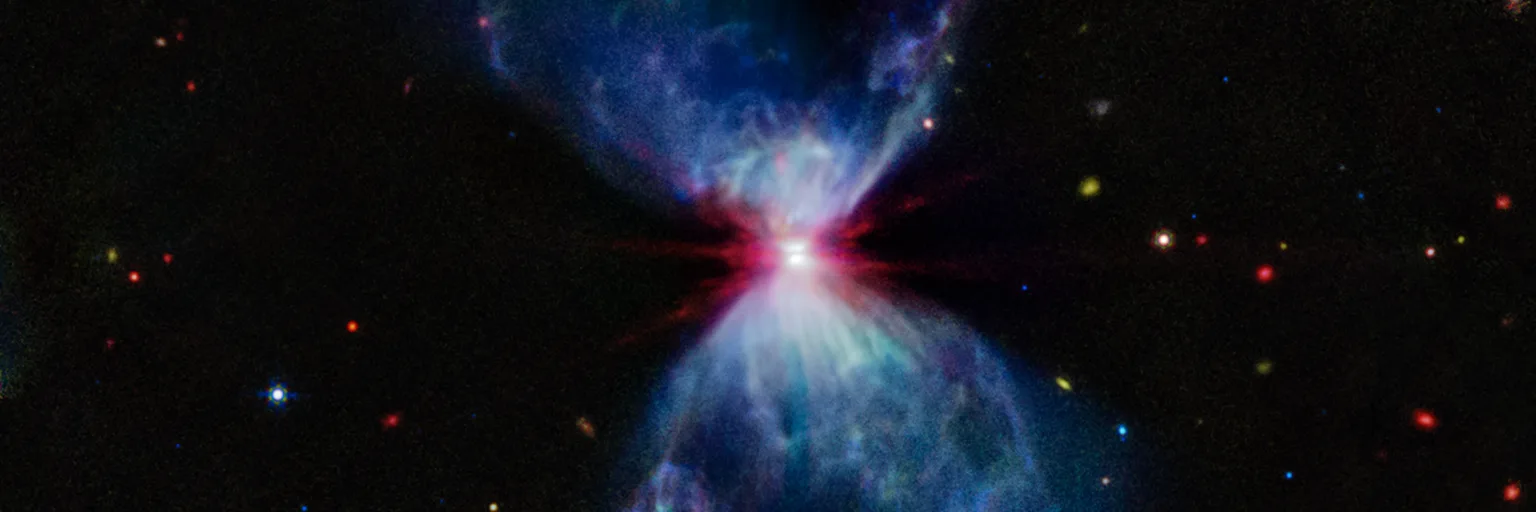
Heavy Methanol's Cosmic Riddle: Why Star Chemistry Needs a Rethink
A research team has detected fully deuterated methanol in space, an 'alcohol' whose surprising abundance around a protostar defies current chemical models and offers new clues to stellar evolution.
Life Without a Sun? Rogue Moons Rewrite the Rules of Habitability
A groundbreaking study suggests that moons orbiting starless rogue planets could harbor liquid water for billions of years, radically expanding our search for extraterrestrial life.