CHAPEA's 378 days show Mars is a people problem, but Houston can't prove it
NASA's second year-long Mars simulation tests endurance, isolation and rationing well. It cannot test radiation, real danger or the impossibility of coming home.
AI-generated image
What do you actually learn about Mars by spending a year in a building in Houston? Quite a lot, as it turns out, but not the part that keeps mission planners awake at night.
On October 31, 2026, the second crew of NASA's CHAPEA program exited its habitat after 378 days, as Engadget reported. The four volunteers (Ross Elder, commander; Ellen Ellis, medical officer; Matthew Montgomery, science officer; James Spicer, flight engineer) entered on October 19, 2025, inside a 3D-printed habitat of 1,700 square feet at Johnson Space Center.
NASA describes the program as a series of year-long surface stays in which crews do simulated spacewalks and provide data on physical and behavioral health and performance. Other coverage adds resource limits, equipment failures, communication delays and crop growing. The documentation we have does not include results yet, so everything below about what it "proved" is interpretation.
The hard part of Mars may be the calendar, not the rocket
Space coverage loves hardware. Engines, landers, heat shields. But a Mars surface stay is mostly a very long period in which four people must keep working, eating, repairing things and tolerating one another. CHAPEA is built around exactly that, and in our view that is the right target.
Consider what the habitat is designed to stress: scarcity, isolation and delay. None of these is glamorous, and all of them are plausible mission-enders. A crew that mismanages food or wears down socially does not need a dramatic accident to fail. That this crew completed the full 378 days is, in our reading, a modest but real sign that the human side of the problem is tractable.
It also matters that the analog runs long. A two-week exercise tells you about enthusiasm. A year tells you about routine, boredom and friction, which is where real crews live. The 200-day milestone, which NASA's science site flagged in May, is precisely the stretch where novelty is gone and the end is not yet in sight.
What a Houston habitat cannot fake
Now the caveat, and it is a big one. Houston is not Mars. The crew was never exposed to the space radiation that a real trip involves. Nobody was months of travel from rescue. An equipment failure in a simulation is a drill; on Mars it is a threat to survival. In our view, the most important psychological variable, the knowledge that you cannot go back, is exactly the one that cannot be volunteered into existence.
That is not a criticism of NASA. It is the nature of an analog. But it should shape how loudly we declare that "humans can handle Mars." What CHAPEA can show is that a selected, motivated, well-supported crew can handle simulated constraints. It cannot show how people behave when the stakes are real.
There is also a statistical humility problem. Four people is a tiny sample, and they are volunteers. Behavioral science has a recent warning here: a large study in Nature, as summarized by Shafaqna, found that about half of tested social-science findings replicated, and effects shrank on retesting. That study concerned other disciplines, not spaceflight, so it is no verdict on CHAPEA. But it is a good reason to treat any neat conclusion about crew psychology from one four-person group as a hypothesis, not a law.
Read it as engineering feedback, not a green light
So where is the real value? We think it is in the unglamorous operational findings: how long food systems and workloads really take, where communication delays create friction, which routines hold up. Coverage of the exit notes that the findings could help evaluate food systems, crew workloads and resources for future exploration. That is the kind of result that can change a design or a schedule.
Our recommendation to readers is simple. Be impressed by the endurance, and be skeptical of any headline that turns it into "Mars is within reach." Wait for NASA's analyzed data, ideally in peer-reviewed form, and for later crews to show what repeats. A year in Houston narrows the questions about people. It leaves the deadliest ones about radiation, distance and no return exactly where they were.
No topics yet: start the first one.
More stories
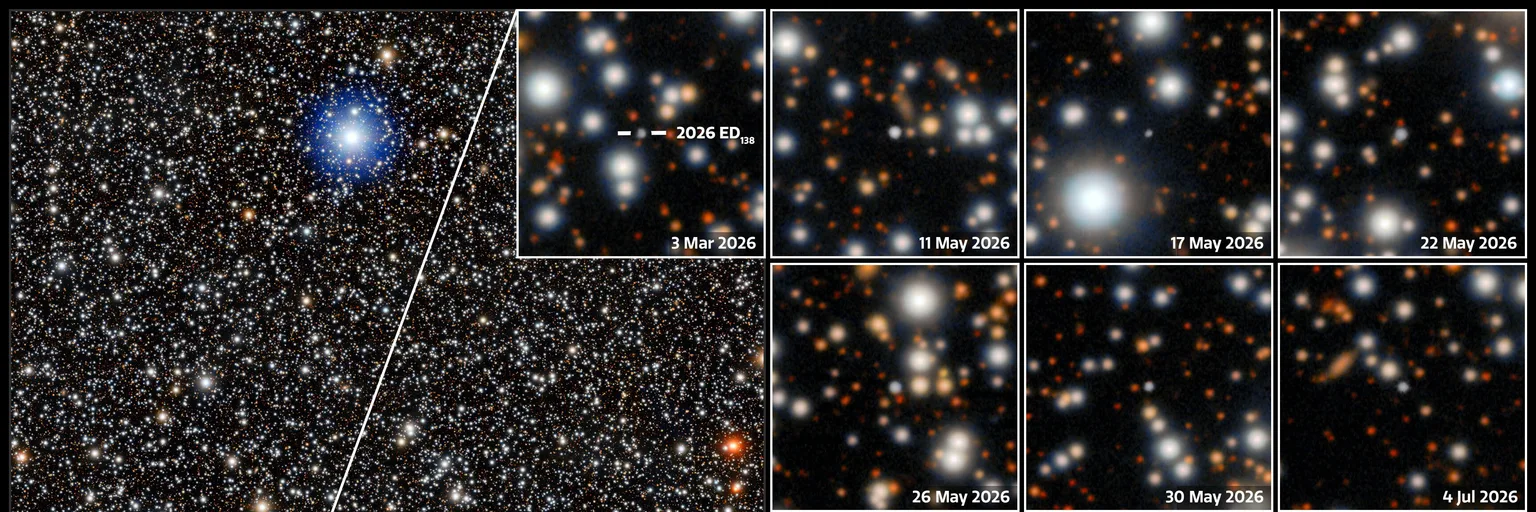
2026 ED138 isn't a new dwarf planet yet, and that's the point
A giant icy object found in Rubin data is being sold as a sixth dwarf planet. The better story is how provisional the label is and how much of the sky we've skipped.
When SpaceX retires Falcon 9, the real risk is dependence
A private company changing its product line should not be able to scramble the Space Force, and the Falcon 9 retirement shows why governments need leverage and real alternatives.

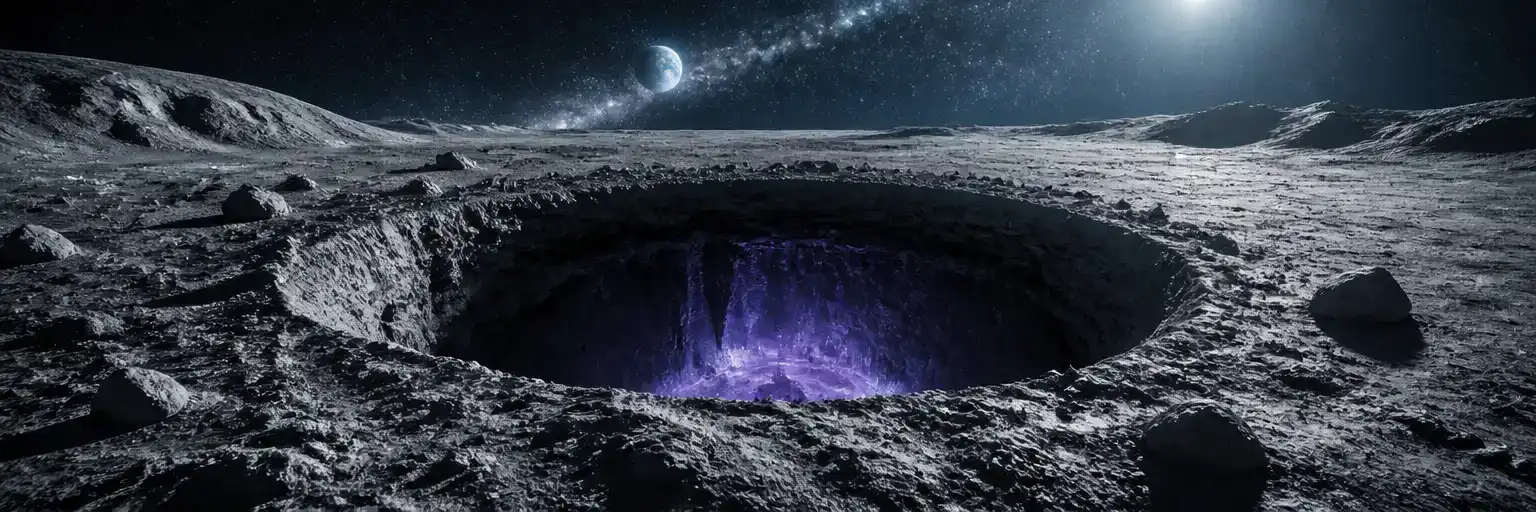
Lunar caves are a smarter bet for a Moon base than another flag
NASA wants to probe the Moon's caves before building its first outpost. It's the right order of operations, but one detail in the plan worries us.
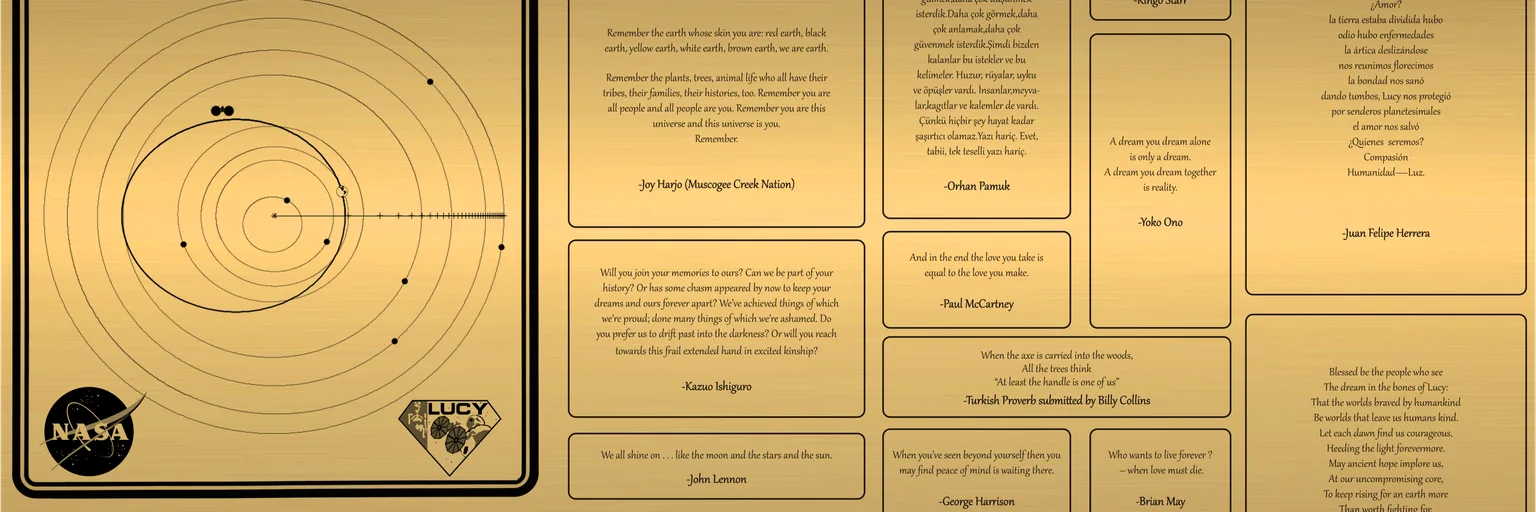
Lucy shows why slow, flyby-driven science is worth the wait
Five years and 2.2 billion miles to reach Jupiter's Trojans: Lucy's patient, flyby-only approach is a smart way to study primitive bodies that may explain how the planets formed.