The Brutal Truth: Why We're Still Not Ready for Mars
A leading French astronaut’s frank assessment of humanity's physiological and technological readiness for Mars reveals a sobering gap between our grand ambitions and current capabilities.
Photo: NASA / Wikimedia Commons (Public domain)
The dream of humanity establishing a foothold on Mars burns bright, fueled by ambitious missions and captivating visions of a multi-planetary future. But what if the greatest impediment isn't the rocket, or the funding, but us? That’s the sobering reality presented by French astronaut Sophie Adenot, who, fresh from an eight-month mission aboard the International Space Station (ISS), has declared unequivocally that humanity is not ready for Mars with current technology.
Aboard the ISS, Adenot, an astronaut with the European Space Agency (ESA), spent a record-setting 237 days, 5 hours, and 18 minutes in space as part of her εpsilon mission, returning to Earth on October 8, 2026. During her mission, launched on February 13, 2026, aboard a Falcon 9 rocket and the Crew Dragon Freedom, she conducted some 200 scientific experiments across fields like health, biology, and physics, and notably became the first Frenchwoman to perform an extravehicular activity (EVA), completing three spacewalks totaling over 19 hours. Just five days after her return, on October 13, 2026, during a press conference in Cologne, Germany, she offered a stark assessment of humanity’s readiness for a journey to the Red Planet.
Her own physically challenging return vividly underscored these hurdles: she recounted feeling sick and disoriented upon the Crew Dragon capsule's splashdown in the Pacific, initially wishing to be sent back to space because she found the situation "better up there." The second thing she said, as reported by SpaceX France, was that humanity isn’t ready for Mars. This experience aligns with the fact that more than half of astronauts suffer significant symptoms upon return, such as severe weakness and vomiting, though the intensity varies by individual and mission.
The Human Body: An Unresolved Challenge
A typical journey to Mars is estimated to take between six and nine months, a duration comparable to Adenot's time on the ISS. However, as she pointed out, her mission on the ISS allowed for daily physical training and provided significantly more space than a transport vessel would. Despite these favorable conditions, her return was physically demanding. Her grave warning, echoed by CNews, was clear: "With the technology we currently have, a very long-duration mission, a journey of several months to Mars, imagine the carnage." She explained that astronauts would arrive with "physiological incapacities and difficulties managing the basics."
Indeed, the physiological toll of long-duration spaceflight is well-documented. Astronauts commonly experience muscle atrophy, bone density loss, and cardiovascular deconditioning. Studies even suggest that Mars's partial gravity, roughly one-third of Earth’s, might not be sufficient to prevent these adverse health effects, as highlighted in a review published in Contemporary Issues in Air & Space Power. Beyond the physical, the isolation and confinement inherent in extended missions can lead to psychosocial stress, cognitive decline, and interpersonal conflicts, requiring robust countermeasures like AI-driven mental health monitoring and virtual reality training.
The Path Forward: Disruptive Technologies Are Essential
For Sophie Adenot, the conquest of Mars hinges on "revolutionary technological advances." She specifically mentioned innovations that could "accelerate the journey" or provide "artificial gravity with a spacecraft that rotates" so that astronauts would constantly be exposed to some form of gravity. "In that case, it could work. But today, indeed, we still need a few key steps," she stressed, according to Libération.
While organizations like NASA have a phased strategy for human Mars missions and research is ongoing into solutions like closed-loop life support systems and in-situ resource utilization, Adenot's perspective underscores a critical gap. Current efforts focus on mitigating risks within existing technological paradigms. What is truly needed are breakthroughs that fundamentally alter the conditions of deep space travel, making it not just survivable, but sustainable for human performance. Until then, Mars remains a distant, aspirational goal for human explorers.
Despite her challenging return, Adenot has assured that her recovery is progressing "very well" and she is undergoing examinations to measure the effects of her prolonged stay in microgravity, contributing vital data to future long-duration missions.
No topics yet: start the first one.
More stories
A Cosmic Phoenix: Rethinking Planetary Rebirth Around Dead Stars
A newly discovered exoplanet, formed from the ashes of its host star, challenges our most fundamental assumptions about how and where planets can emerge, opening new chapters in stellar archaeology.
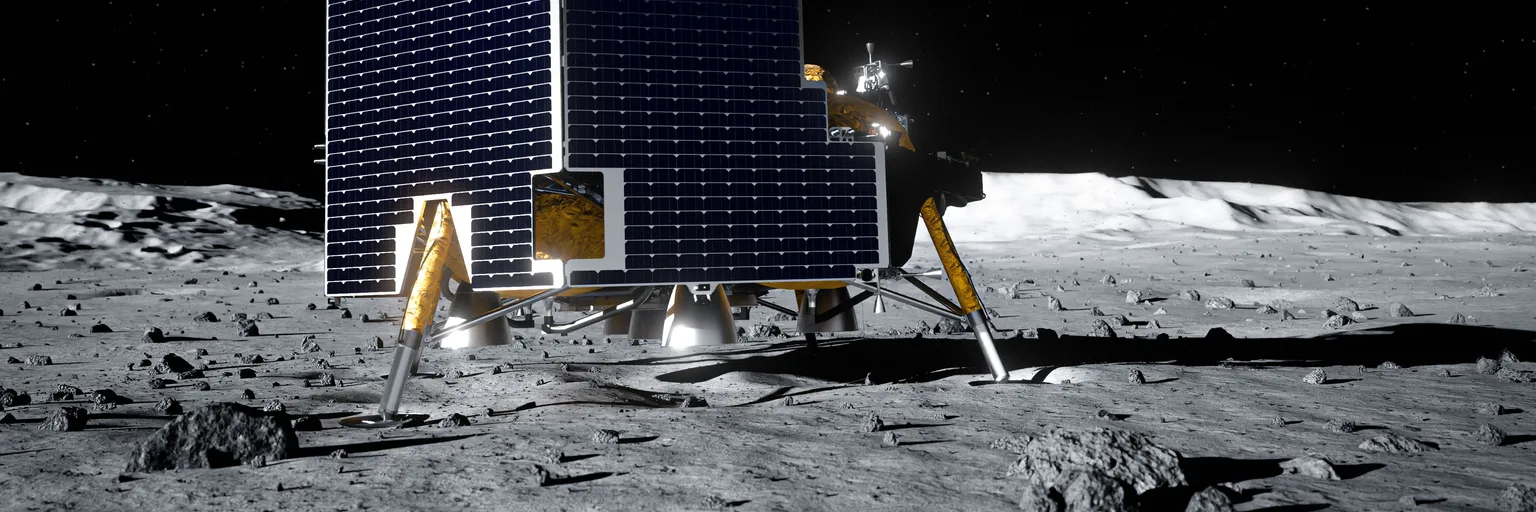
Griffin-1: A Bold Gamble for Humanity's Lunar Future
The Griffin-1 lander's successful tests mark a critical step towards a Moon Base, but its commercial nature and the history of CLPS missions suggest a high-stakes, yet necessary, gamble for lunar permanence.
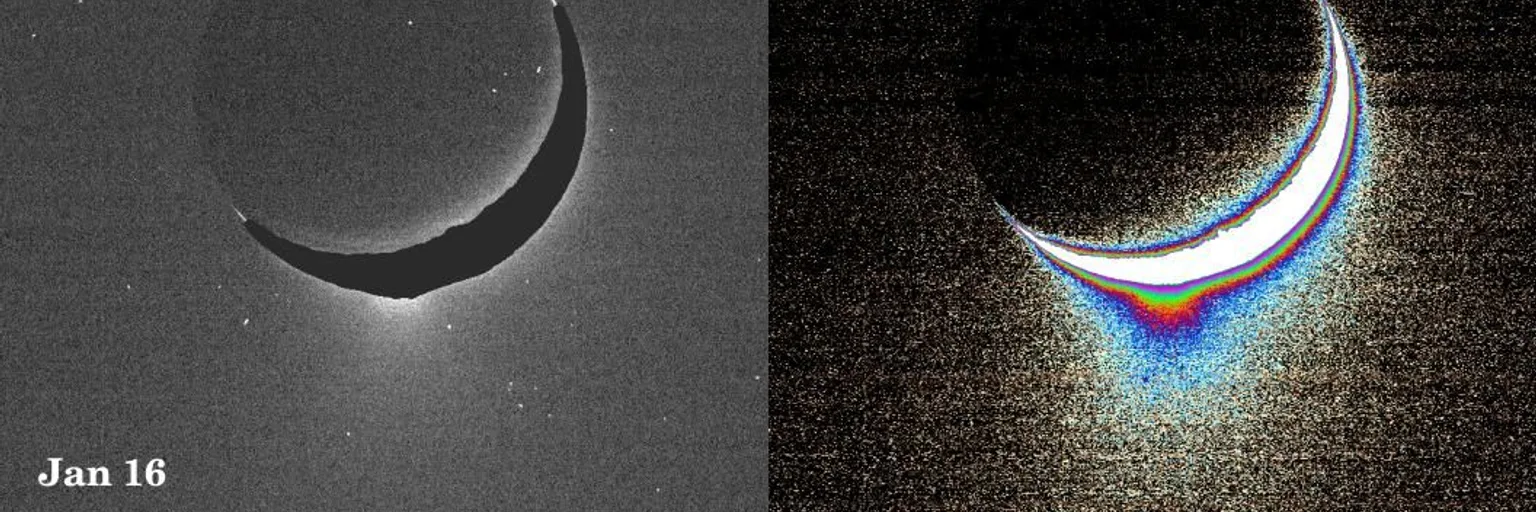
Enceladus' geysers: A cosmic shortcut for finding alien life
New research shows Saturn’s moon Enceladus is not just habitable, but actively aids in the search for life by 'preparing' samples for us.
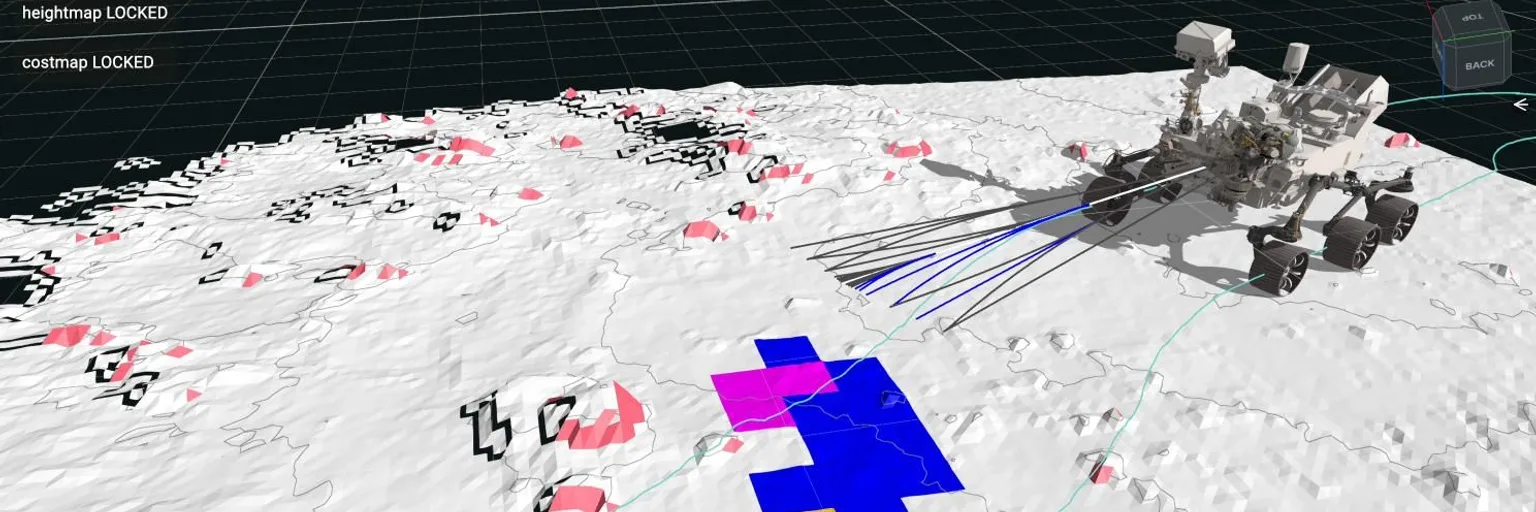
Perseverance's record: Mars rover autonomy is a blueprint for deep space
The Perseverance rover's record-breaking journey on Mars, driven by advanced autonomous navigation, reshapes our approach to extraterrestrial exploration and future human missions.