The "monster" El Niño headline is the least useful part of this story
Comparing 2026 to 1997 helps governments prepare, but it is a poor forecast, and the real value lies in the monitoring that tells us months ahead what is coming.
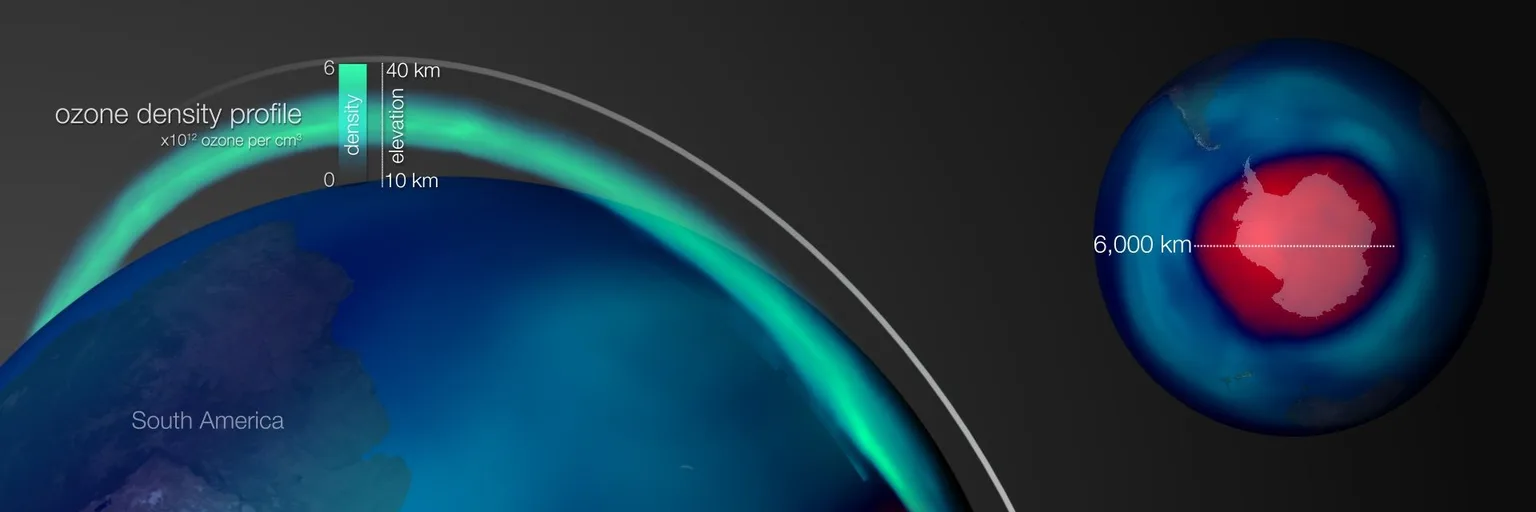
The Antarctic hole is the largest in a decade, but a strong polar vortex, not policy failure, explains it. Recovery is slow and noisy, and one season is not a trend.
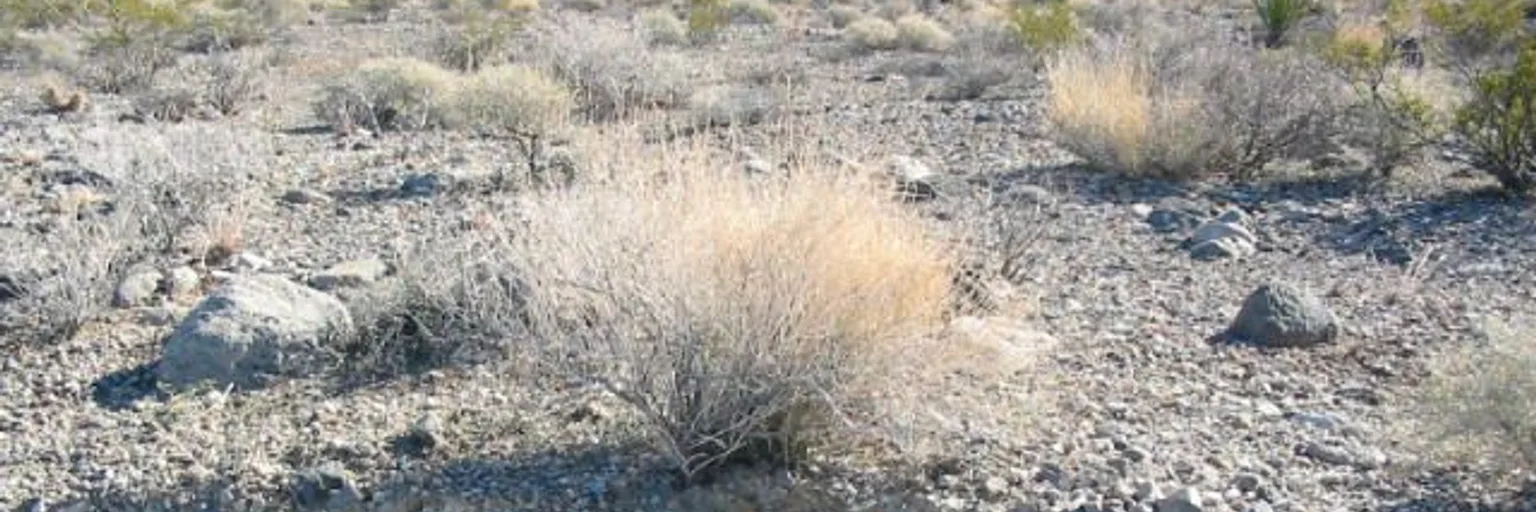
A mineral carbon cycle in the Mojave suggests our carbon books may be missing parts of the arid world, a reason to measure drylands properly, not to hope they bail us out.
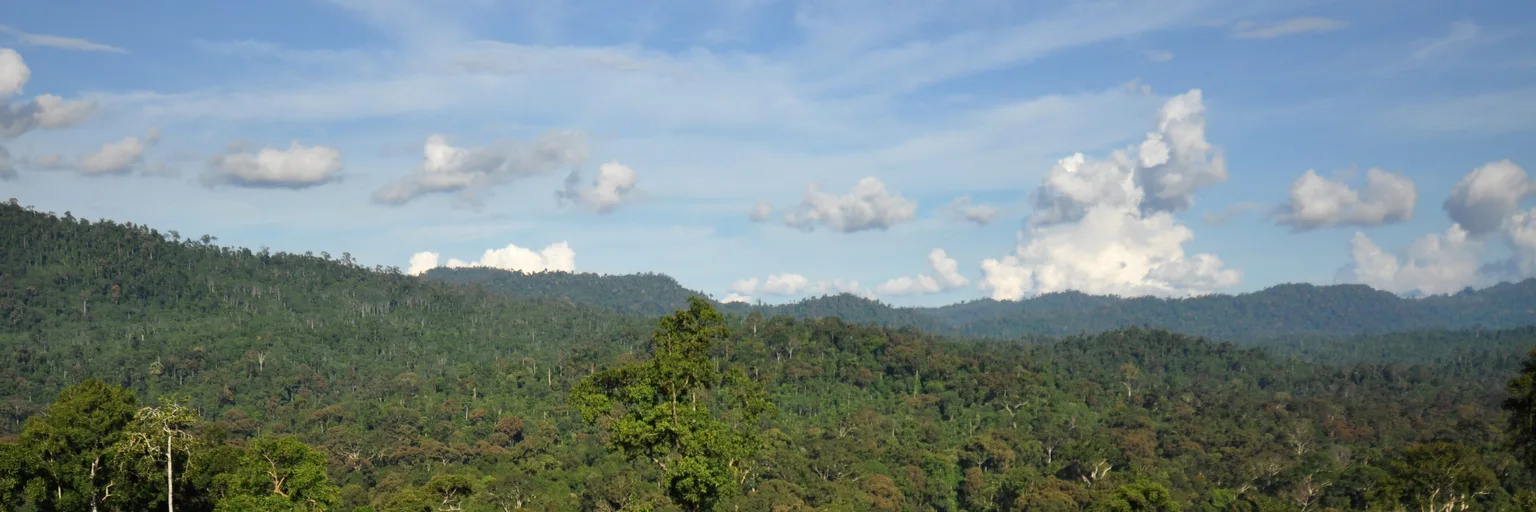
Australia's slow crash into Asia helped fill Southeast Asia's forests with species, but new amber fossils suggest the story starts much earlier and is messier than a collision.
A new Science Advances study suggests seabird guano feeds reefs that keep atolls growing. Protecting the birds looks like smart coastal defense, but it can't stop the sea by itself.
A Science study suggests warming halted a glacier's growth around 1960. It's remarkable paleoclimate, but a stalled ice age is a poor consolation prize for rapid warming.
A flood that sent about 7.4 million cubic meters toward India has so far been reported without casualties, thanks to alarms, but the Himalaya has far more lakes than alarms.
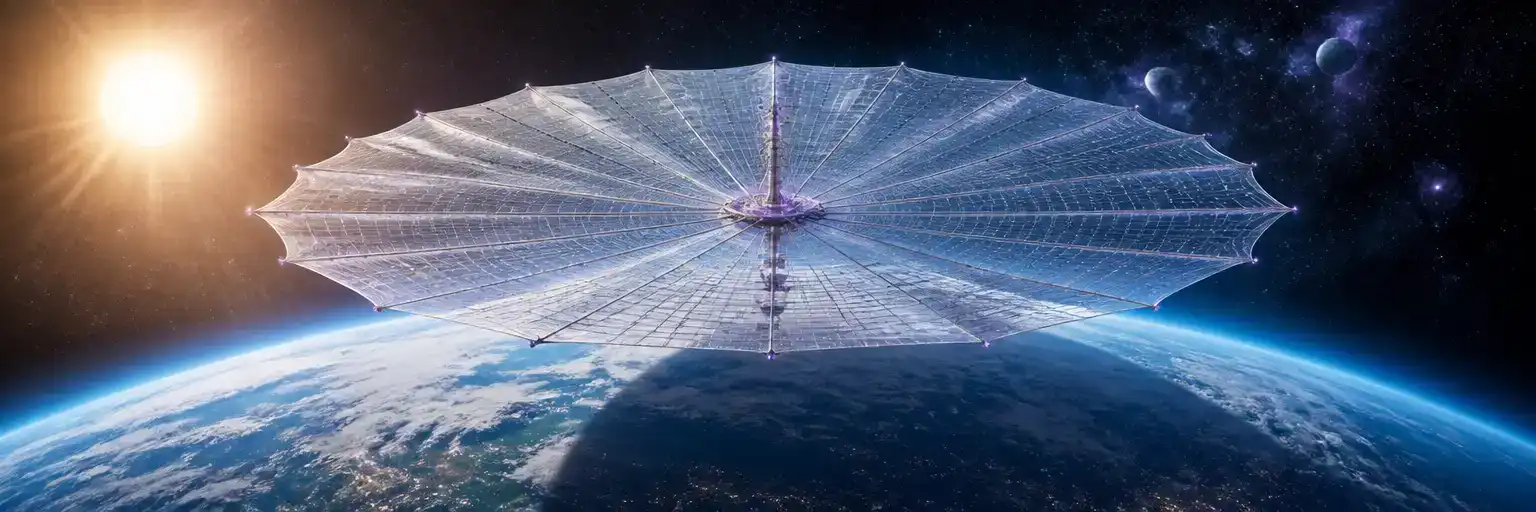
A giant parasol in orbit may be physically possible. But it takes decades and millions of tons of cargo, and it can't replace cutting emissions.
A possible new subduction zone off Portugal is real science. The "end of the Atlantic" is a geological metaphor, and the tsunami risk is the part that deserves your attention.
A century of cosmic-origin lore around black, porous diamonds is being challenged by carbon that looks like it came from ancient living things. The lesson is about scrutiny.
A few millimeters of drift in Earth's center of mass sounds trivial, but it shows the water cycle is planetary in scale and that precise measurement is a climate tool.
Nearly 3 million heat deaths since 2016 show why climate policy should be scored in lives and hours of dangerous heat, not only in fractions of a degree.
A new study finds 3.2% of glaciers account for over half of ice loss. The lesson is to monitor the hotspots harder, not to relax about the rest.
A Japanese supervolcano is recharging, but coverage of the study stresses that this does not mean an eruption is imminent. The real value is learning what to watch.
A 185 mph super typhoon was tracked for days, and Taiwan had time to cancel flights and evacuate. Forecasting is science's quiet success, and we undervalue it.
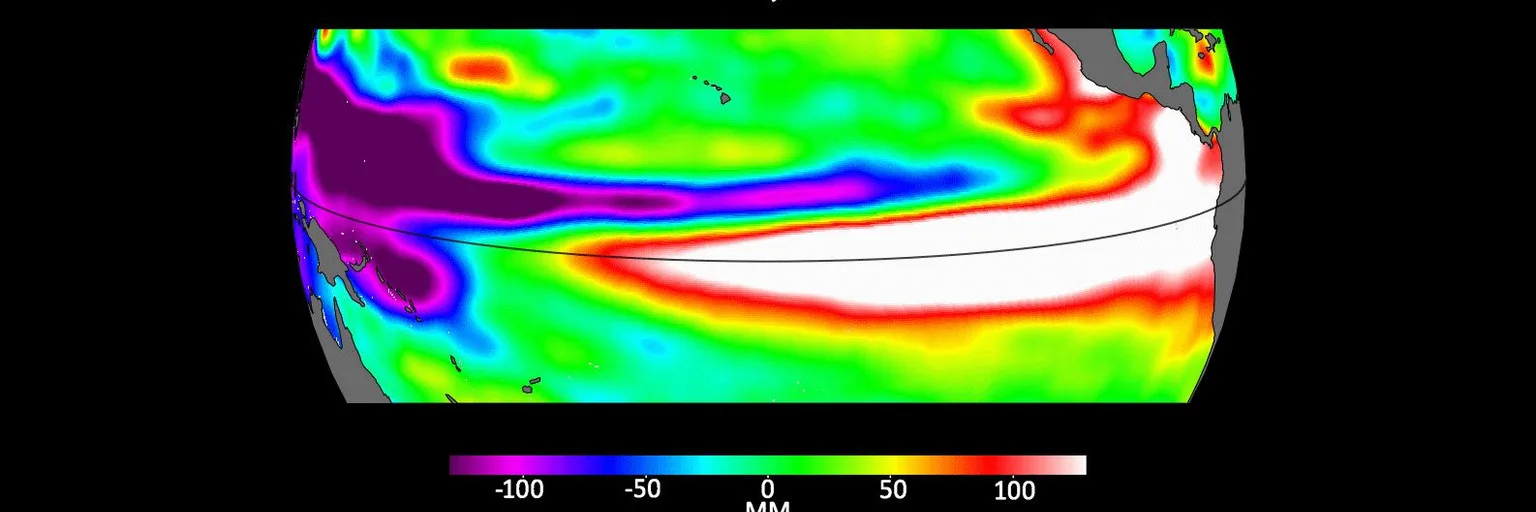
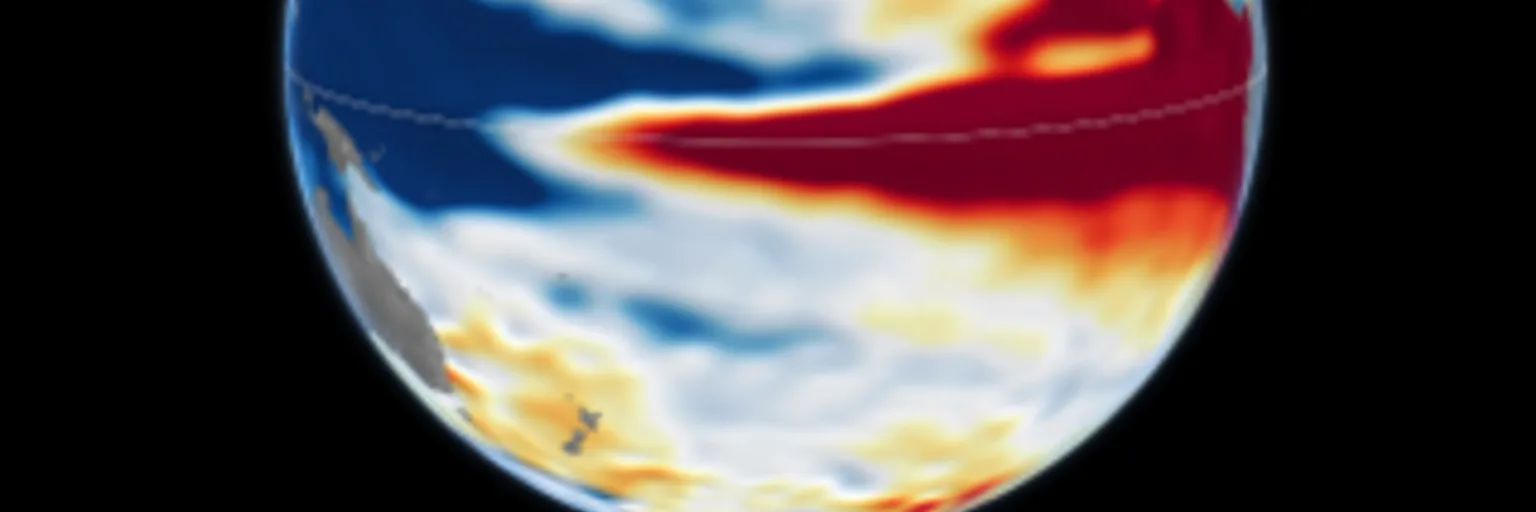
A 35-year altimetry record shows this El Niño rivals 1997, but NASA's own scientist warns that "looks like 1997" is a best guess, not a forecast of what happens to your town.
A summit splitting at up to five millimeters a week shows how water and warming loosen the Alps, and why the mountain's best sensors may matter more than its collapse.
Finland's regulator says Onkalo meets safety requirements, showing deep disposal can be engineered and regulated. The hard part is decades of patience, not rock.
A rock carried more than 90 kilometers underground preserves a rare thermal history—but one anomalous sample is evidence to investigate, not permission to discard every model.
NASA’s satellite maps show El Niño draining green from the equatorial Pacific, revealing how a shift in deep-water nutrients can ripple through marine life.