Moon-soil potatoes are a good start, but they're not a Moon farm
Oregon State's spuds matched Earth growth in simulated regolith. That's real progress, but simulant, yield and food security are three different things.
Can you call it a lunar potato if no lunar soil was involved? The headlines say potatoes grown in Moon dirt match Earth yields. The honest version is narrower, and in our view more interesting: potatoes grown in a mock of Moon dirt, mixed with a good dose of earthworm compost, did very well.
What the study actually showed
According to Mirage News, researchers at Oregon State University tested potatoes in lunar regolith simulants amended with different levels of vermicompost. The work was published in npj Microgravity and supported by NASA funding. Plants grown with 30% vermicompost matched the growth and development of those in Earth soil. Plants with no amendment were stunted with underdeveloped roots, and those with 5% to 15% only partly recovered. The team used five simulants covering lunar mare and highland types, and found no statistically significant rise in glycoalkaloids, the potato toxins.
That is solid, useful work, and it fits NASA's Artemis goal of a sustained human presence on the Moon, which would need food grown on site rather than endless resupply. It tells us the compost fraction matters a lot, and that the leading explanation, organic matter binding heavy metals, is plausible. The researchers say they "believe" this, which is the right level of confidence. A follow-up with 10 potato varieties is coming.
Simulant is a stand-in, and the gaps are the hard part
Here is where we'd pump the brakes. As Popular Science explains, the simulants were made to resemble samples collected during the Apollo missions. A simulant is a copy, and in our view any copy reproduces some properties of the real thing and leaves others out. The same article lists constant cosmic and solar radiation and large temperature swings among the hazards of the lunar surface. Nothing in the coverage suggests the experiment reproduced those conditions, so we would not read the result as a verdict on farming on the Moon itself.
We'd also resist the word "yield" doing too much work. Matching Earth plants in a controlled experiment is a biological result. Food security is a systems result. It asks whether a crop can survive power cuts, whether the water loop closes, and whether anyone has time to tend it.
The 30% is the real story
The most revealing number is also the least glamorous. The mix that matched Earth soil needed 30% vermicompost, and the plants without any amendment were visibly impaired. In other words, the simulant on its own is not a growing medium. Nearly a third of what made the potatoes thrive is Earth-made organic matter. The researchers' answer is that astronauts could bring a small amount of organic matter and then make more from food scraps and plant waste. Plausible, but for now it is a closed-loop system on paper. In our view it would have to work for months without a supply ship, with worms, waste streams and crops all staying healthy.
That is why we think the framing "Moon potatoes" oversells and "a promising start" is right. Nothing here says the approach fails. It says the question has moved from "can anything grow?" to "can a whole loop run?"
What to watch next
Three tests would change our mind. First, real samples: plants in actual lunar regolith, even a small amount. Second, exposure to radiation and partial gravity. Third, a closed system that recycles its own organic matter over multiple harvests. NASA's plans for a lunar base are also still staged. As Muy Interesante reports, infrastructure deployment is planned for 2029 to 2032, and those are planning targets, not achieved milestones. Farming will have to fit around power, dust and maintenance, which we expect to be harder problems than the potato itself.
Our verdict: applaud the paper, ignore the "Moon farm" headlines. It is a good answer to a narrow question. The potato's real test starts when the dirt is real and the loop has to close by itself.
No topics yet: start the first one.
More stories
Strapping SkyFall to a nuclear spacecraft doubles the ways to fail
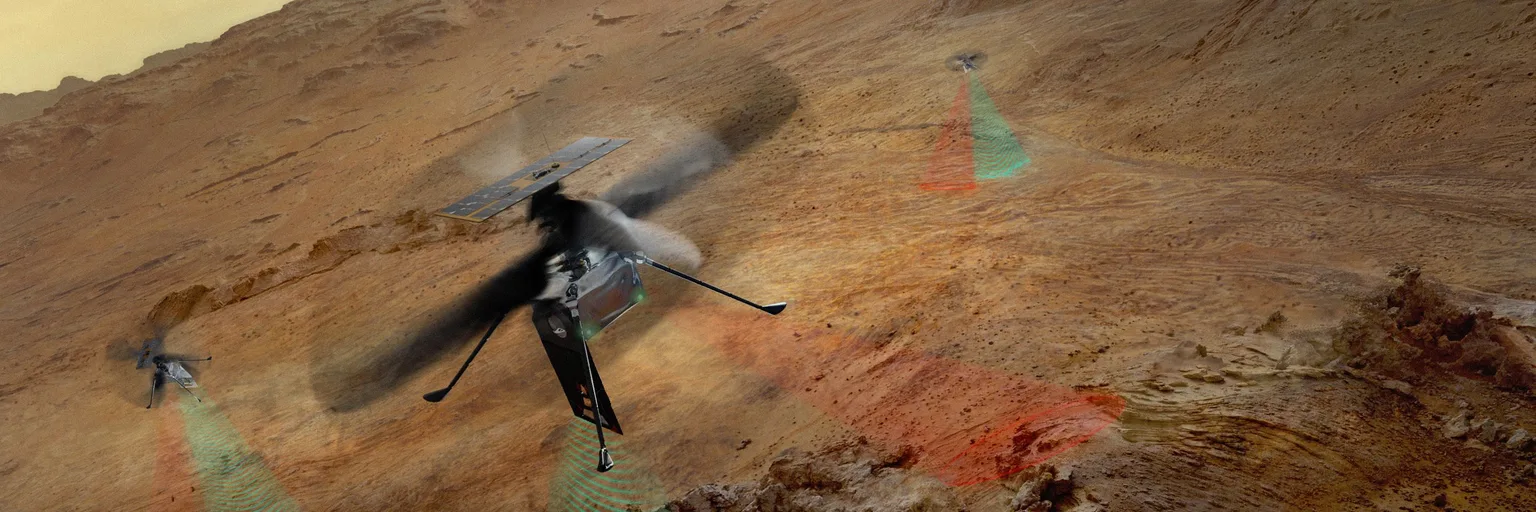
NASA wants its first nuclear-powered interplanetary craft to also deliver three Mars helicopters. In our view, that bundles two risky bets into one launch window.
Hera's real test for planetary defense isn't the crater. It's the why
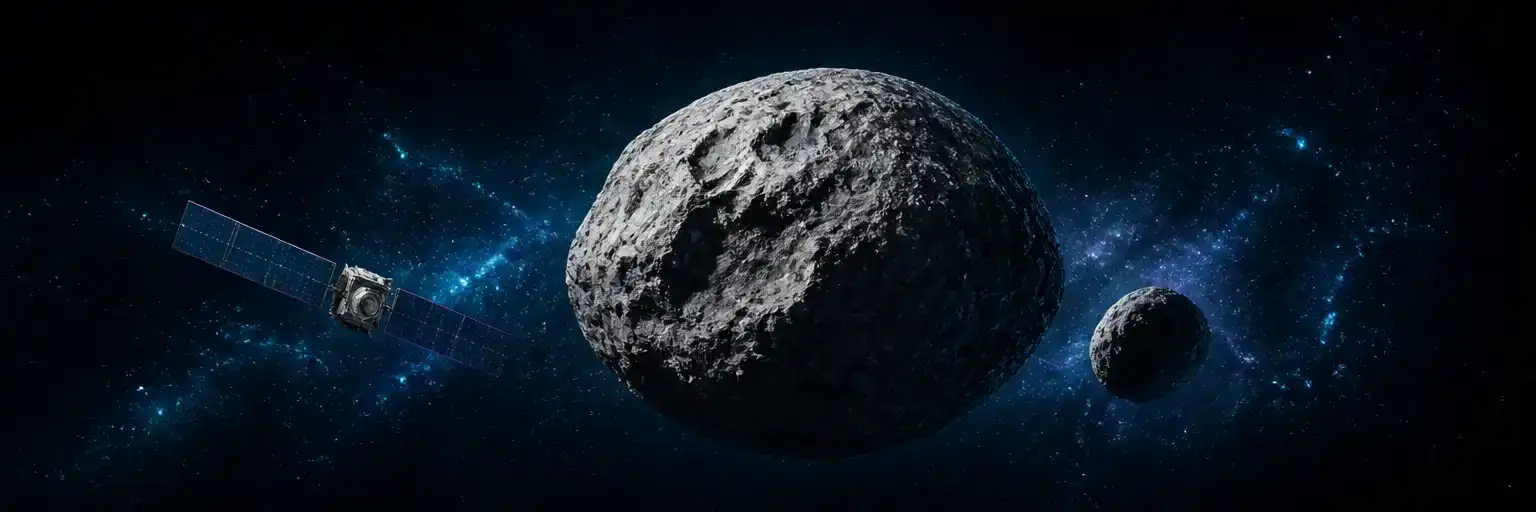
DART moved an asteroid more than scientists expected. Hera's close-up of Dimorphos will show whether that was a repeatable physical rule or a lucky shot.
Forty lost satellites show why launch diversity is a safety net
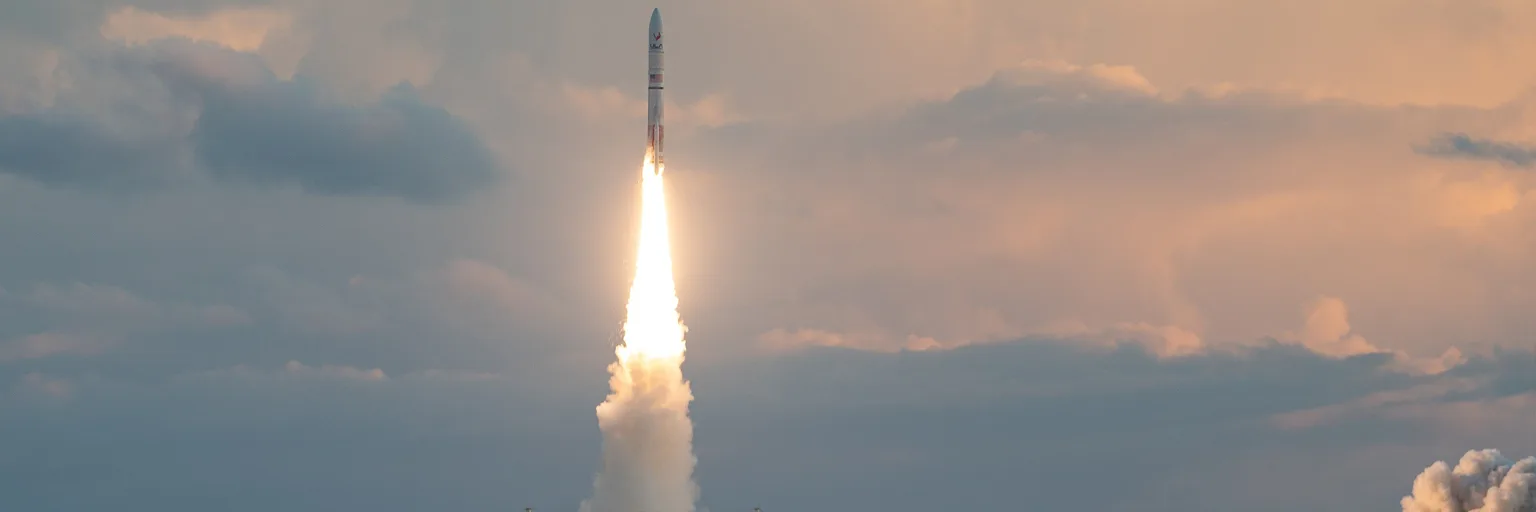
Vulcan's failure cost Amazon 40 Leo satellites. The bigger loss is the spare capacity that a thin market of rockets can no longer provide.
Starship's ship catch is the real reuse milestone, but only reliability will make it count
Catching the upper stage after 14 orbits is the hardest reuse step yet. The lost booster is a reminder that a repeatable routine matters more than a one-off spectacle.