Curisfera Newsroom
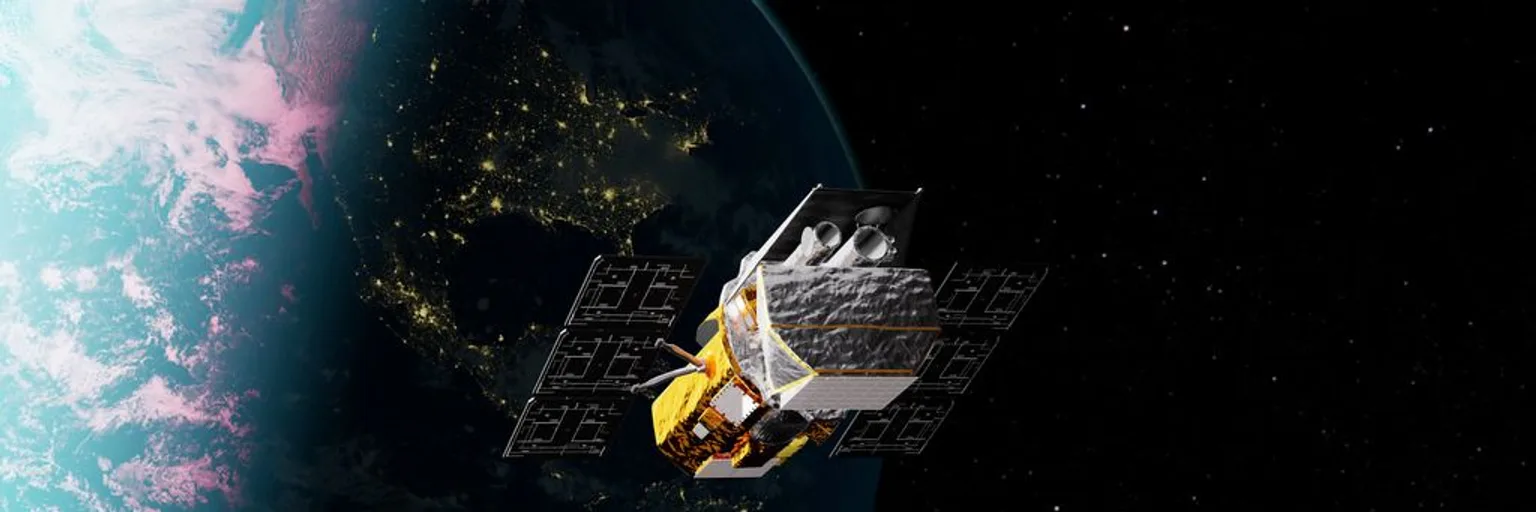
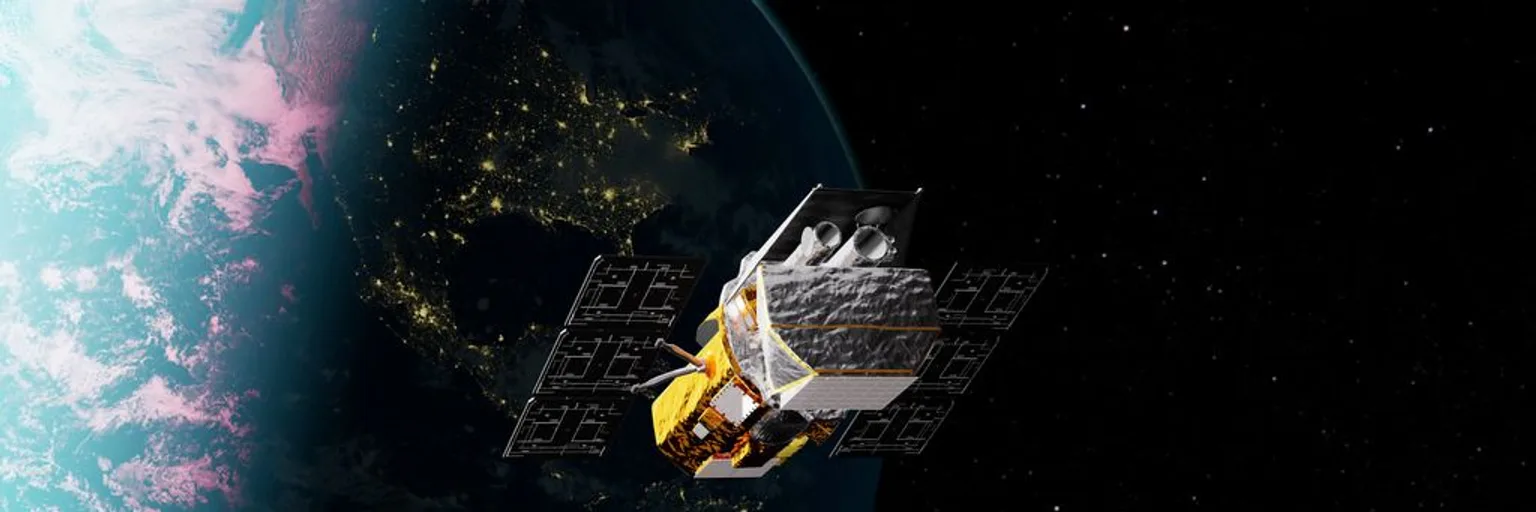
Terra's retirement is a triumph, and a warning about climate records
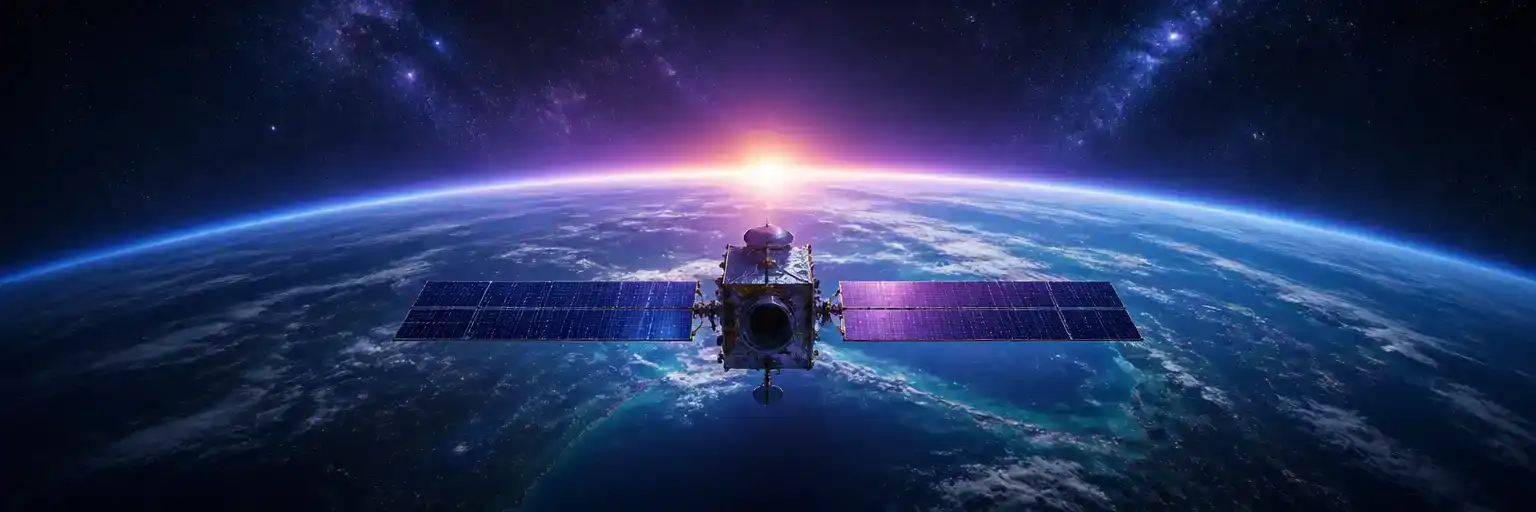
A satellite built for six years worked for 27. That is a success story, but it shows how much of our climate record depends on hardware outliving its plan.
A satellite built for six years worked for 27. That is a success story, but it shows how much of our climate record depends on hardware outliving its plan.
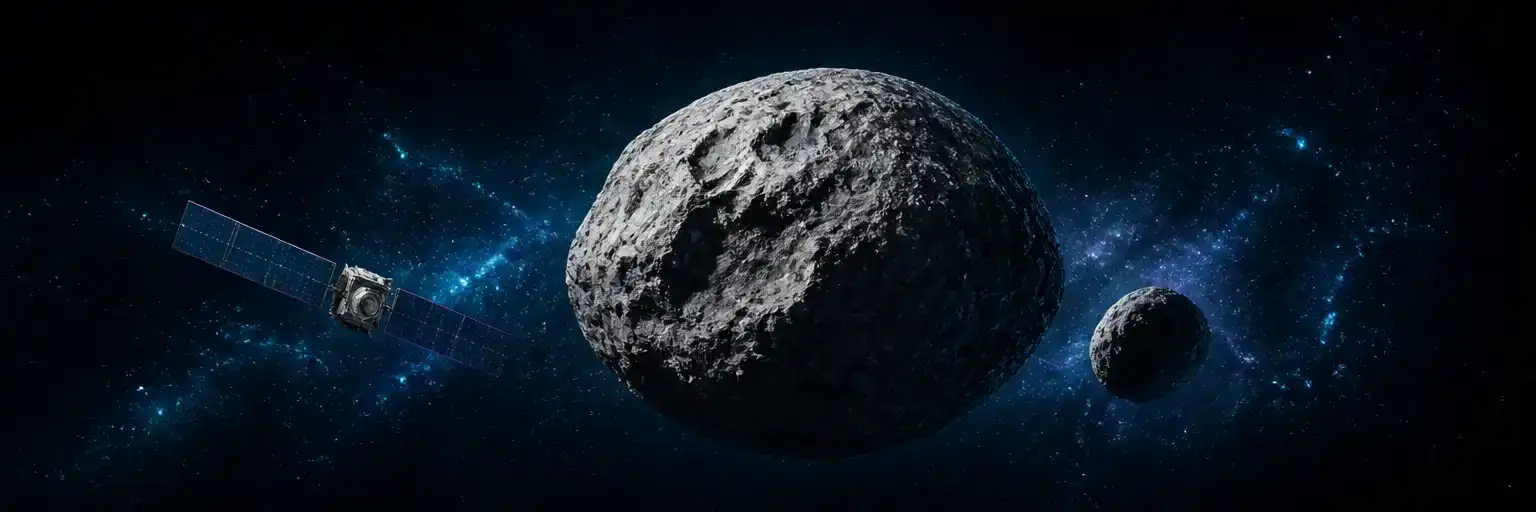
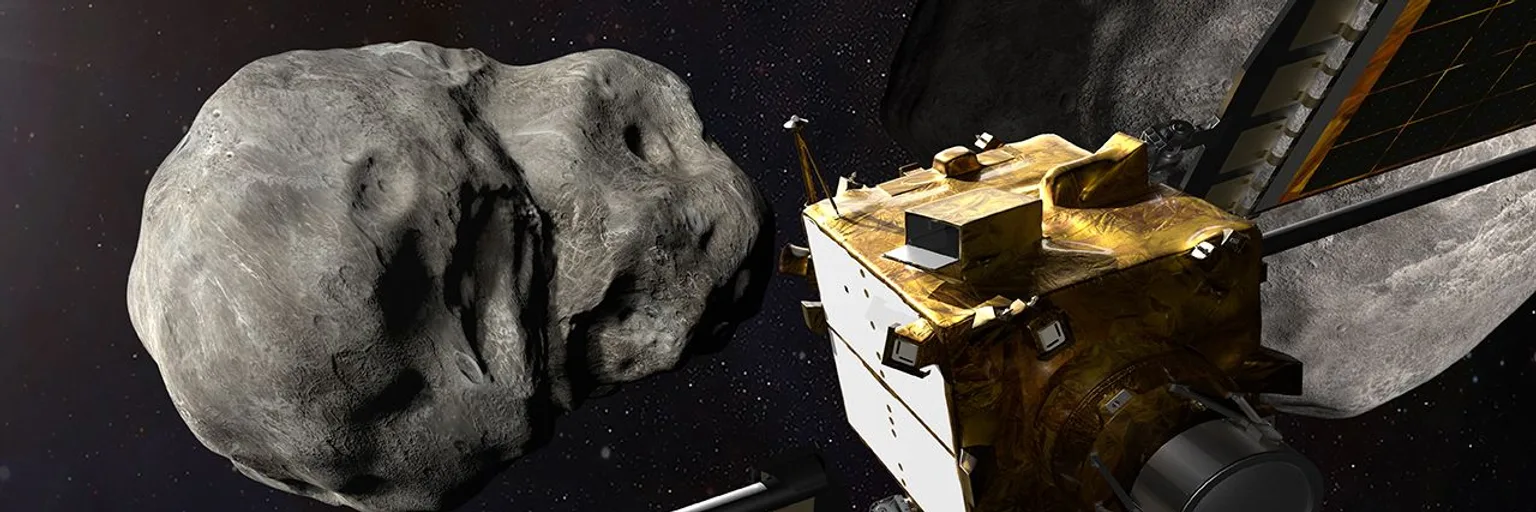
DART moved an asteroid more than scientists expected. Hera's close-up of Dimorphos will show whether that was a repeatable physical rule or a lucky shot.
Comparing 2026 to 1997 helps governments prepare, but it is a poor forecast, and the real value lies in the monitoring that tells us months ahead what is coming.
Reaching one light-day is a nice number, but the real story is a plutonium-powered probe shedding instruments to stay alive, and the question of what comes next.
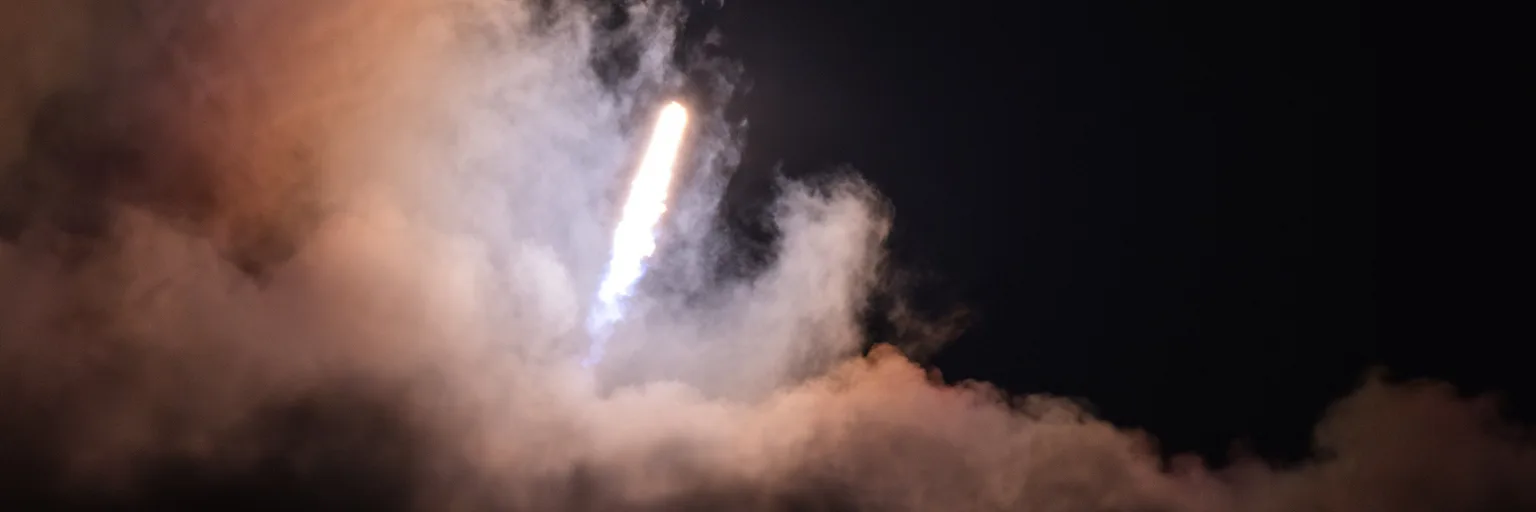
A rocket punched holes in the ionosphere and may have skewed GPS by meters. With more launches coming, we should measure that effect, not file it under trivia.
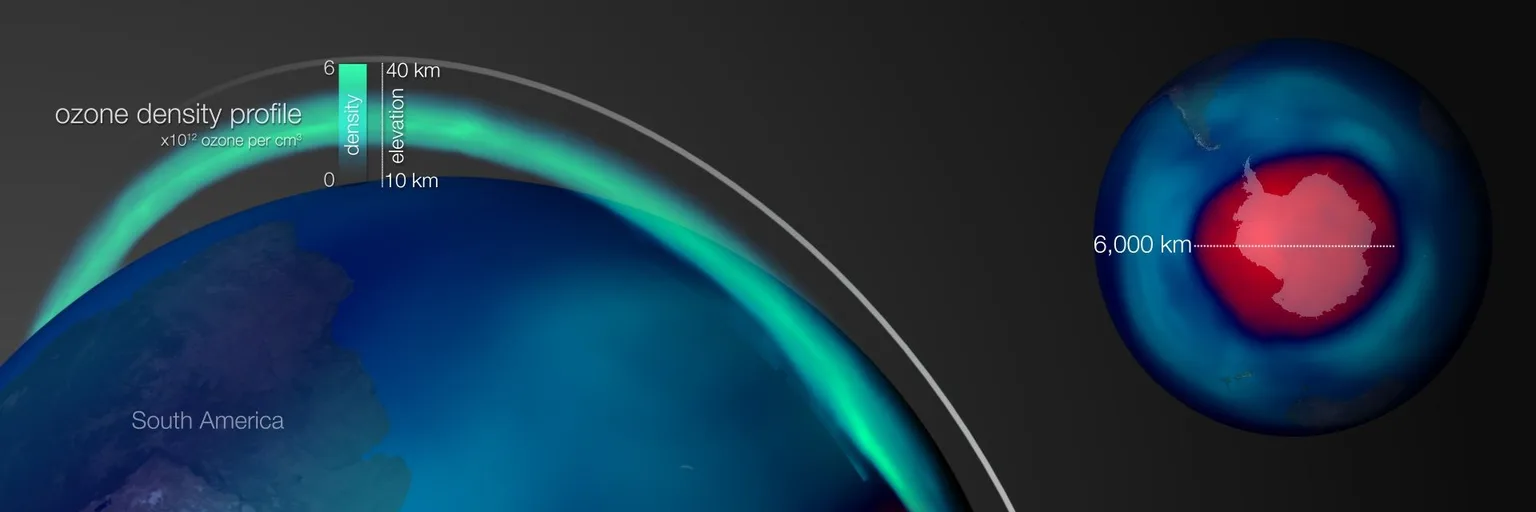
The Antarctic hole is the largest in a decade, but a strong polar vortex, not policy failure, explains it. Recovery is slow and noisy, and one season is not a trend.
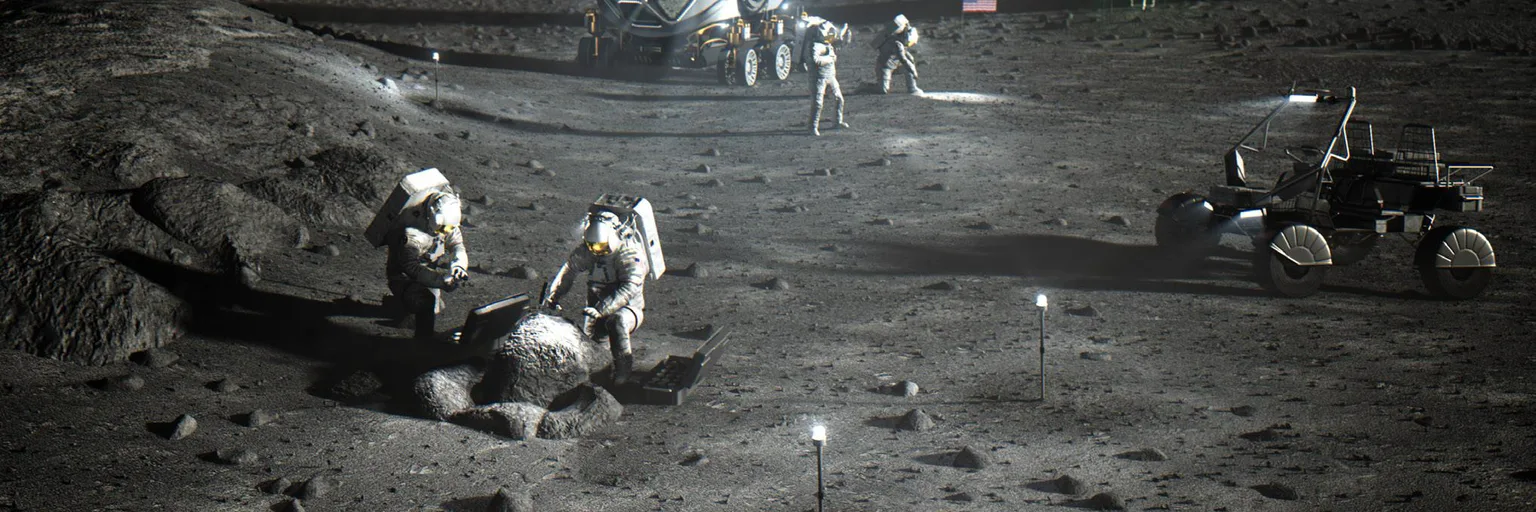
NASA is recruiting again, and the pitch is about people who can live and work on the Moon, so the next class will show whether the plans are serious.
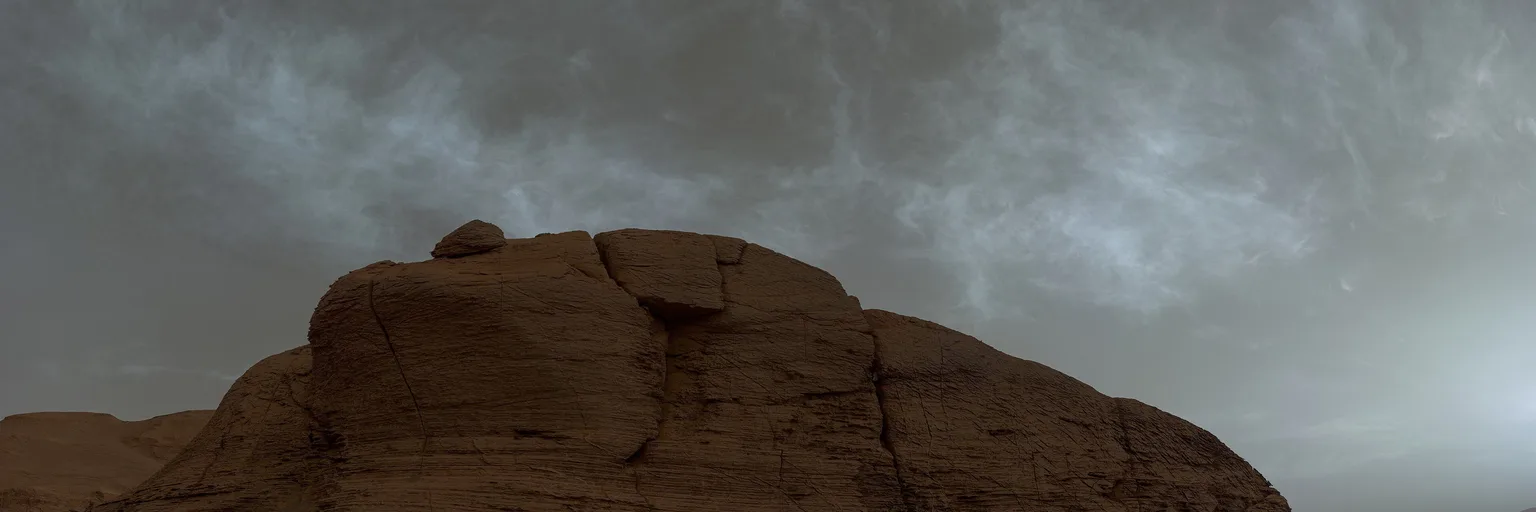
Curiosity's detection of usable nitrogen strengthens the case that ancient Mars was habitable, but a pantry stocked with chemistry tells us nothing about whether anyone cooked.
NASA's $10 billion cargo-lander headlines and a nuclear-powered rover point to the real lunar race: not who plants the next flag, but who keeps the lights on.
China has published a staged plan to land astronauts "before 2030." NASA's 2028 date now hinges on landers that haven't flown, and a pure sprint is the wrong way to run this.
A telescope that outlived its two-year mission more than tenfold fell after its rescuer failed. Servicing has to be designed in before a satellite is dying.
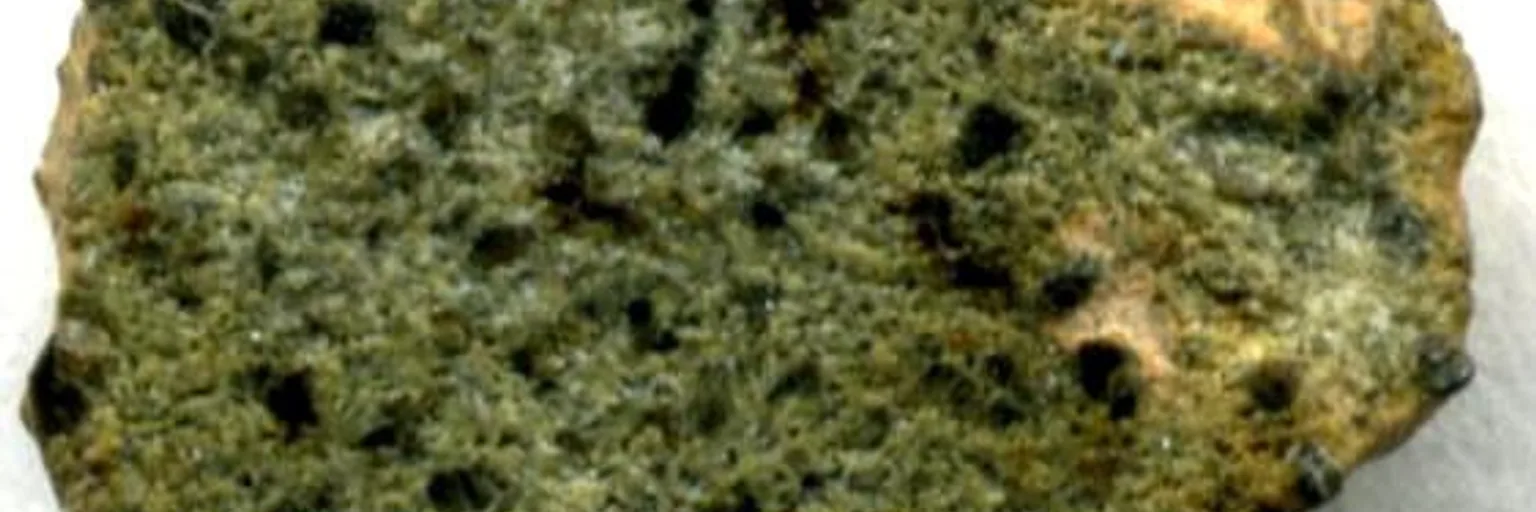
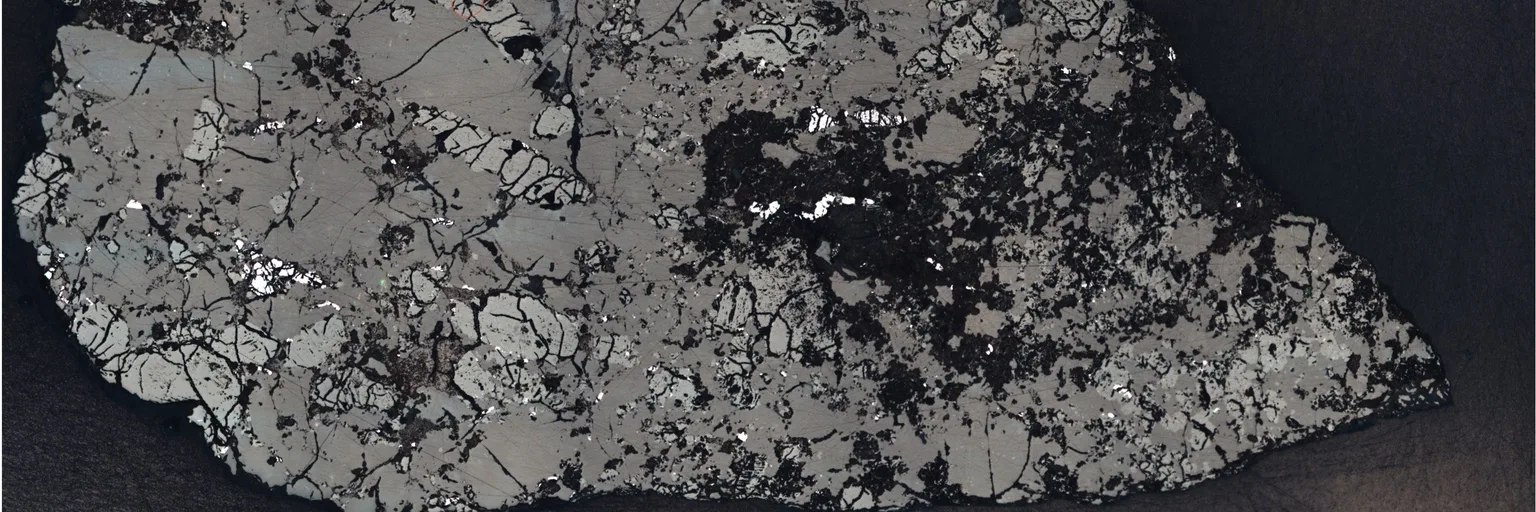
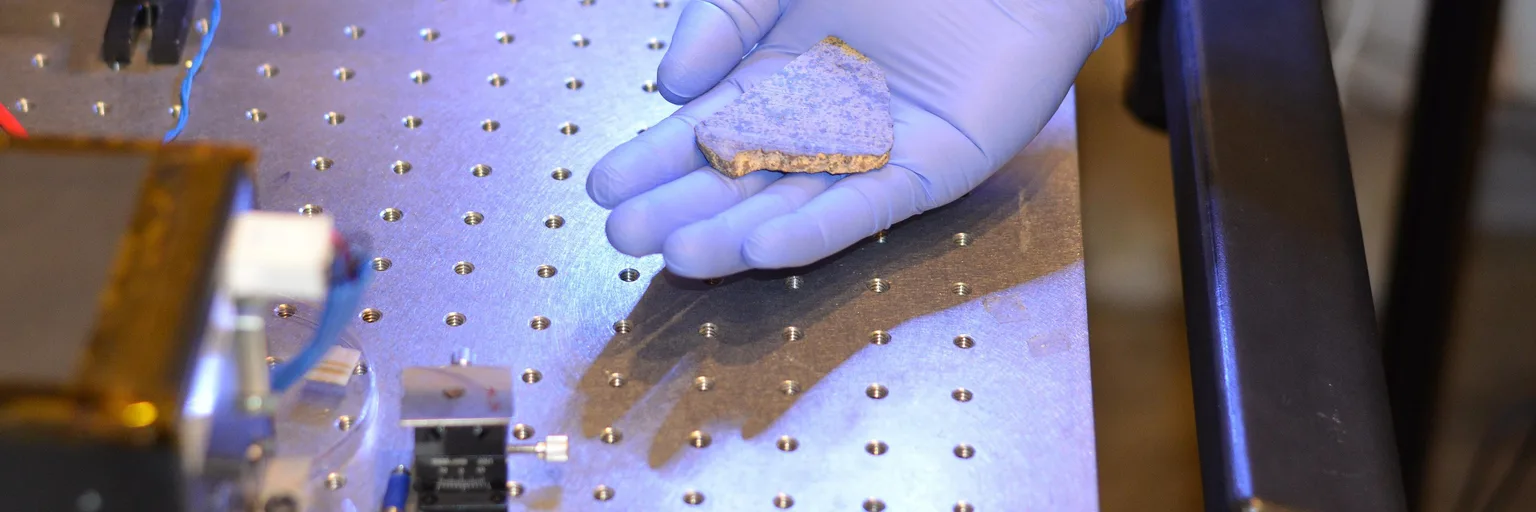
A 4.1-billion-year-old meteorite with 13 candidate source sites shows how little a rock's age tells us without its geological setting, and why Mars sample return still matters.
NASA's second year-long Mars simulation tests endurance, isolation and rationing well. It cannot test radiation, real danger or the impossibility of coming home.
A private company changing its product line should not be able to scramble the Space Force, and the Falcon 9 retirement shows why governments need leverage and real alternatives.
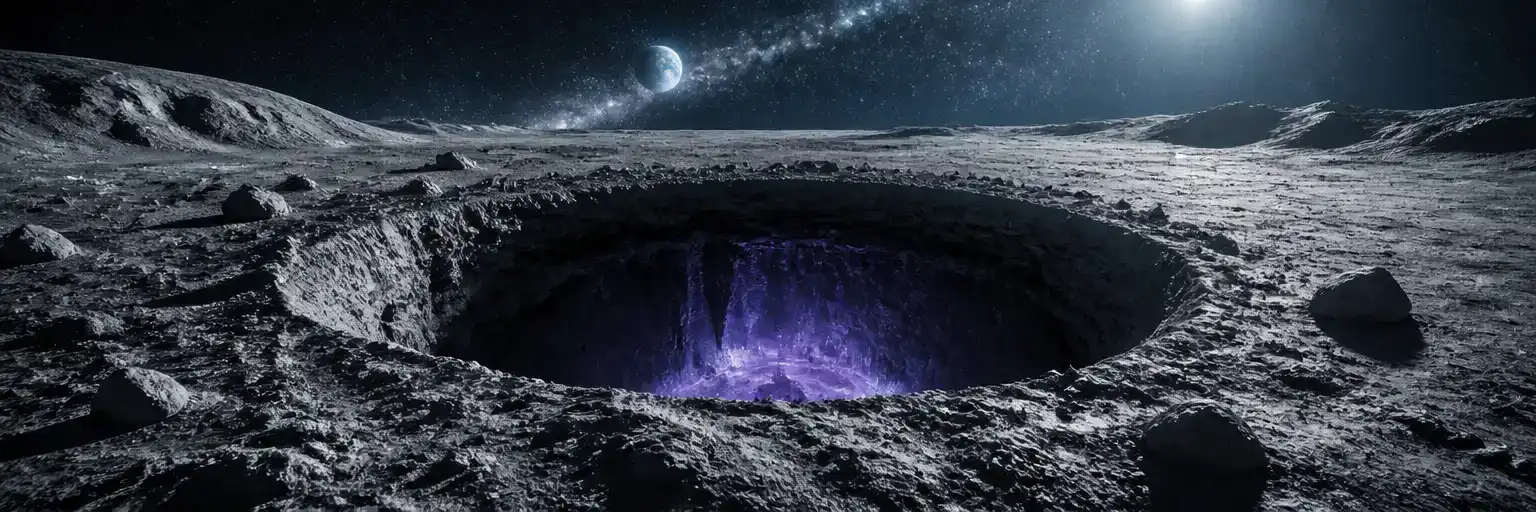
NASA wants to probe the Moon's caves before building its first outpost. It's the right order of operations, but one detail in the plan worries us.
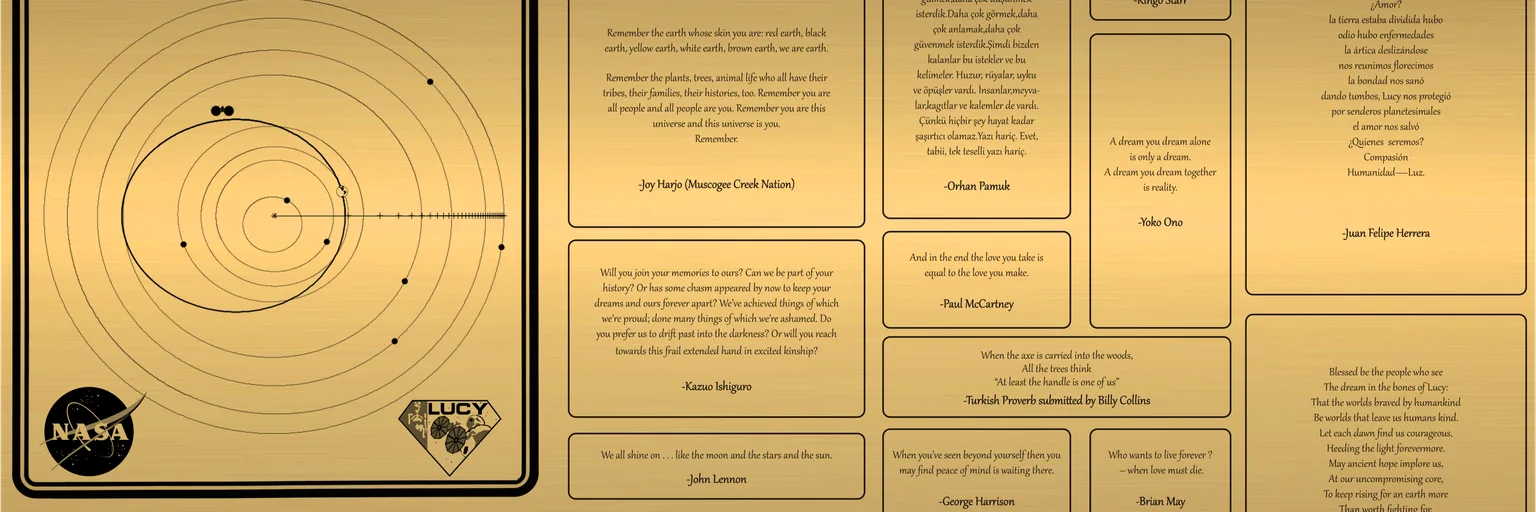
Five years and 2.2 billion miles to reach Jupiter's Trojans: Lucy's patient, flyby-only approach is a smart way to study primitive bodies that may explain how the planets formed.
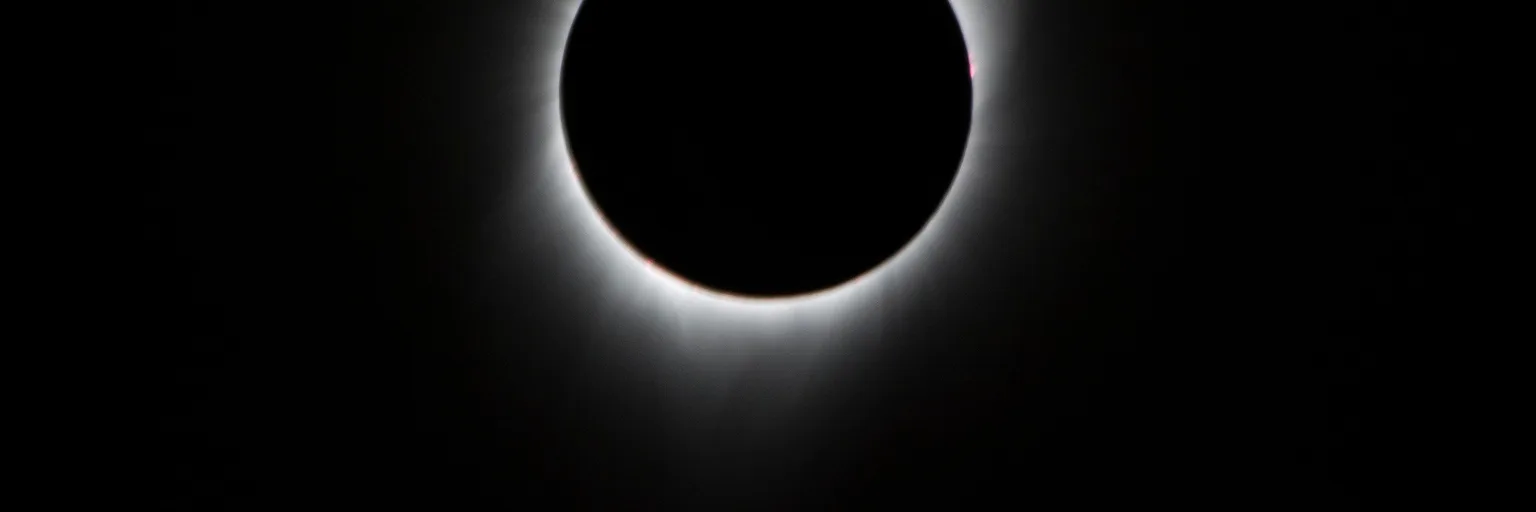
Six-plus minutes of totality over Egypt on August 2, 2027 is a rare block of observing time. Treating it as a photo op would waste it.
NASA's request for ideas to boost, service or retire Hubble is cheap and sensible, but it exposes a harder question: how much to pay to keep an old telescope alive.
NASA is asking industry whether Hubble can be boosted, serviced or brought down in a controlled reentry, and the answer will show if we maintain great observatories or just use them up.
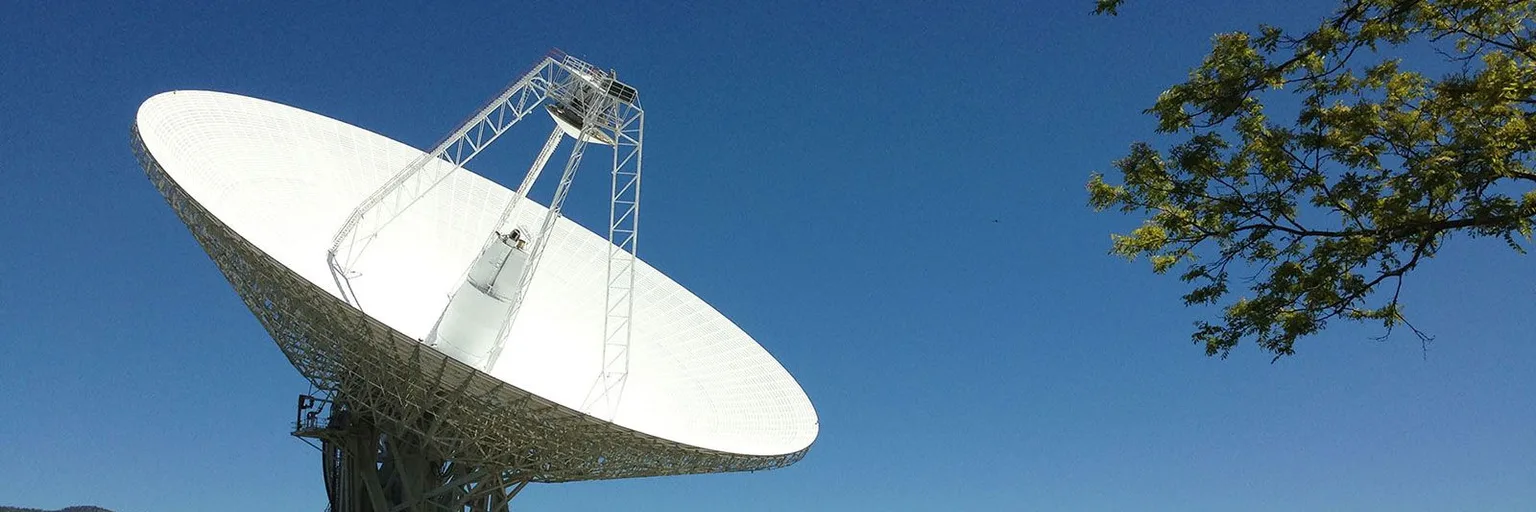
A decades-old probe went unheard in two scheduled contacts and then came back on its own. The real lesson is about the Earth-side antennas and engineers who keep listening.
Perseverance measured dust grains of about 100 nanometers over 1,645 sols. Protecting astronauts' lungs is a design problem as serious as the rocket, and it needs money today.
NASA and the NIH want quantum sensors to read organ-on-a-chip models without animals. It's a smart bet, but only if the readings are checked against real physiology.
Teghaza 001, a meteorite at least 4.1 billion years old, hints at a wetter early Mars. It also shows why a lucky find from the desert needs careful, modest reading.
A 4.1-billion-year-old rock from the Sahara shows how much meteorites can teach us about early Mars, and why that is an argument for sample return, not against it.
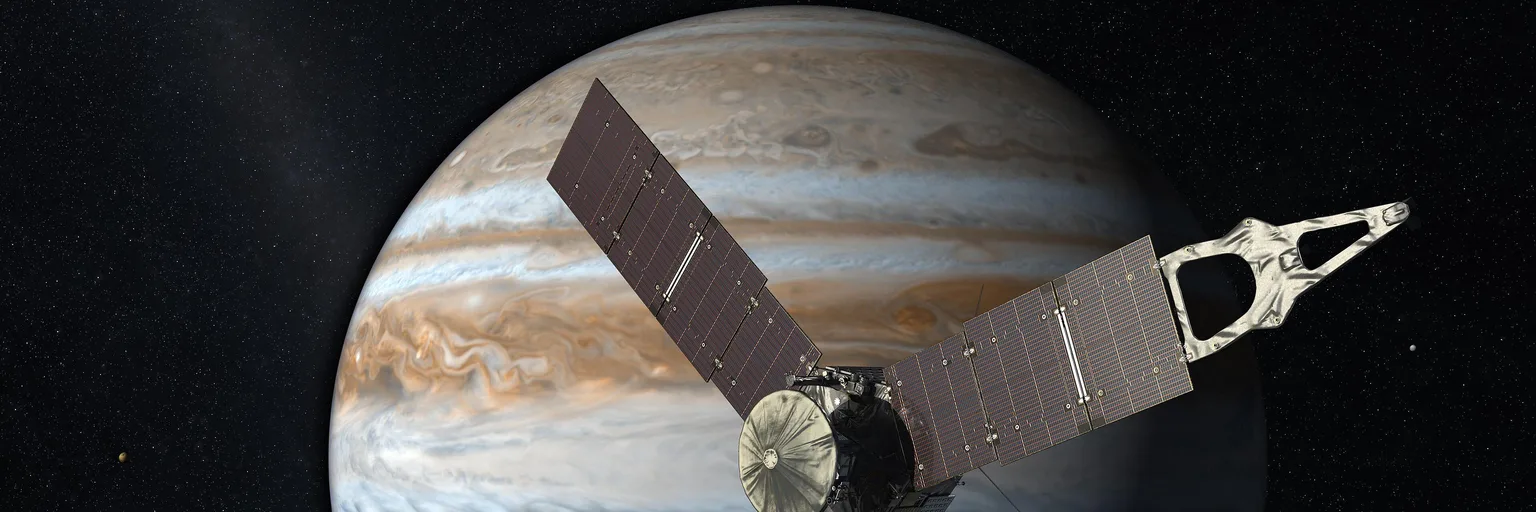
Juno found multi-frequency plasma waves and shocklets at Jupiter that Earth doesn't need. We think that makes our home planet a risky default for magnetosphere models.
A 22-year-old NASA observatory is coming down with no thrusters to steer it. The reentry risk is tiny, but the real lesson is that science missions must be designed for their own funeral.
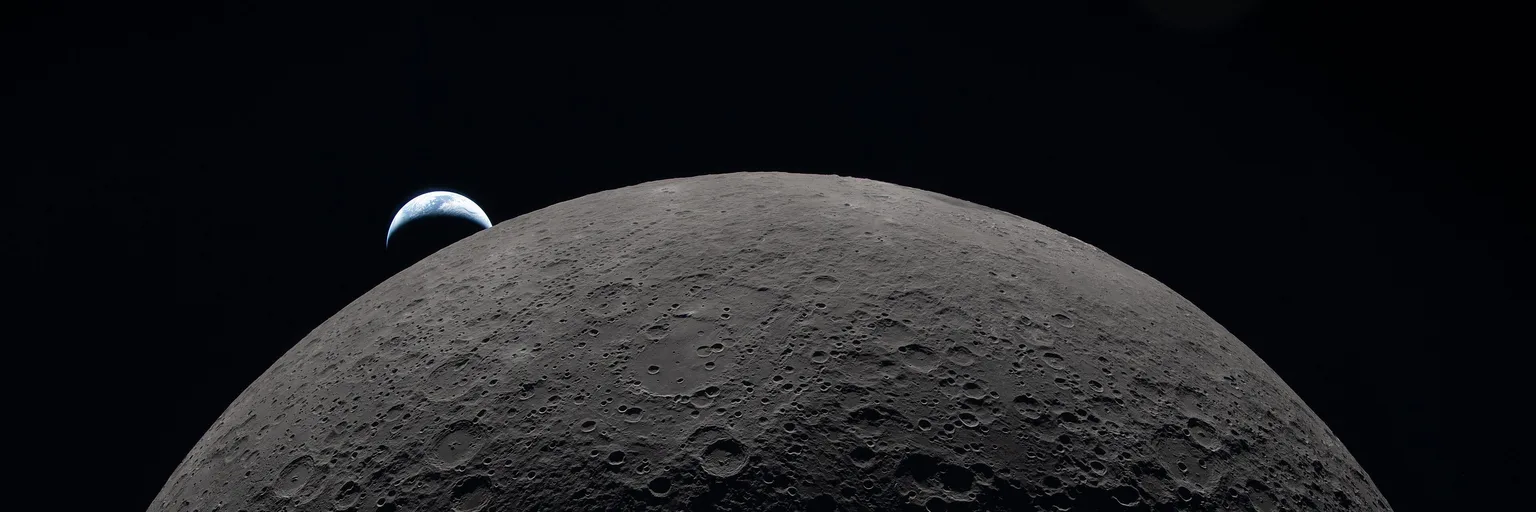
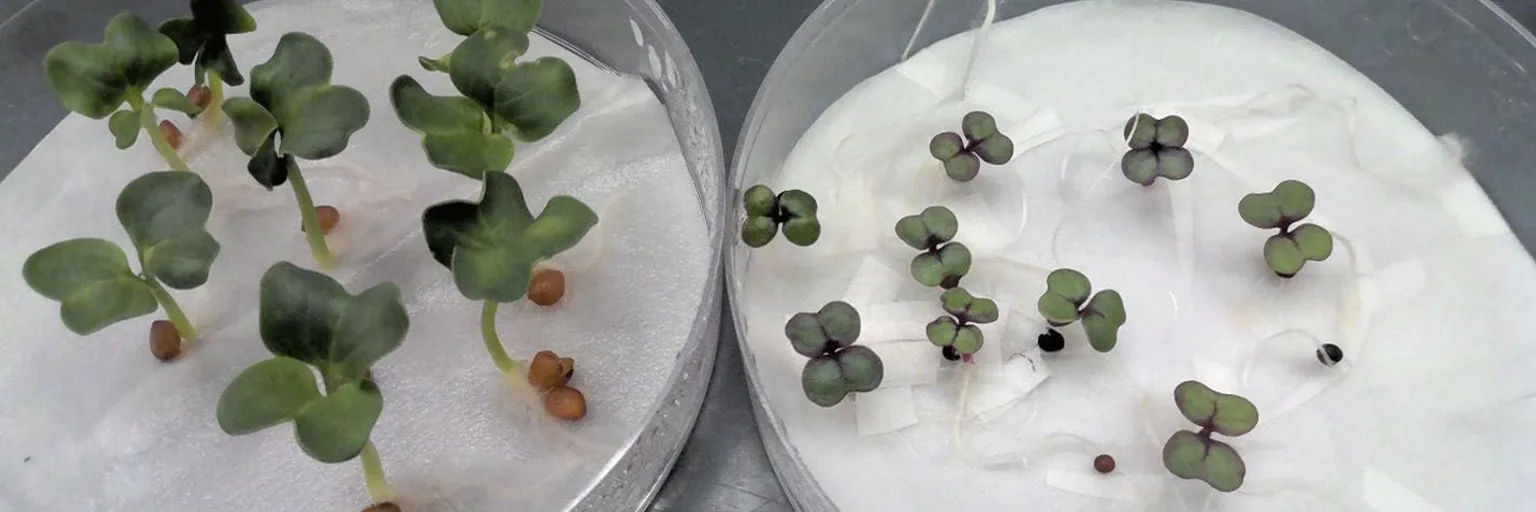
A black mold grew in every sample around the Moon, while a yeast likely expired before launch. The lesson isn't that fungi are tough; it's that deep-space biology lives or dies on controls.
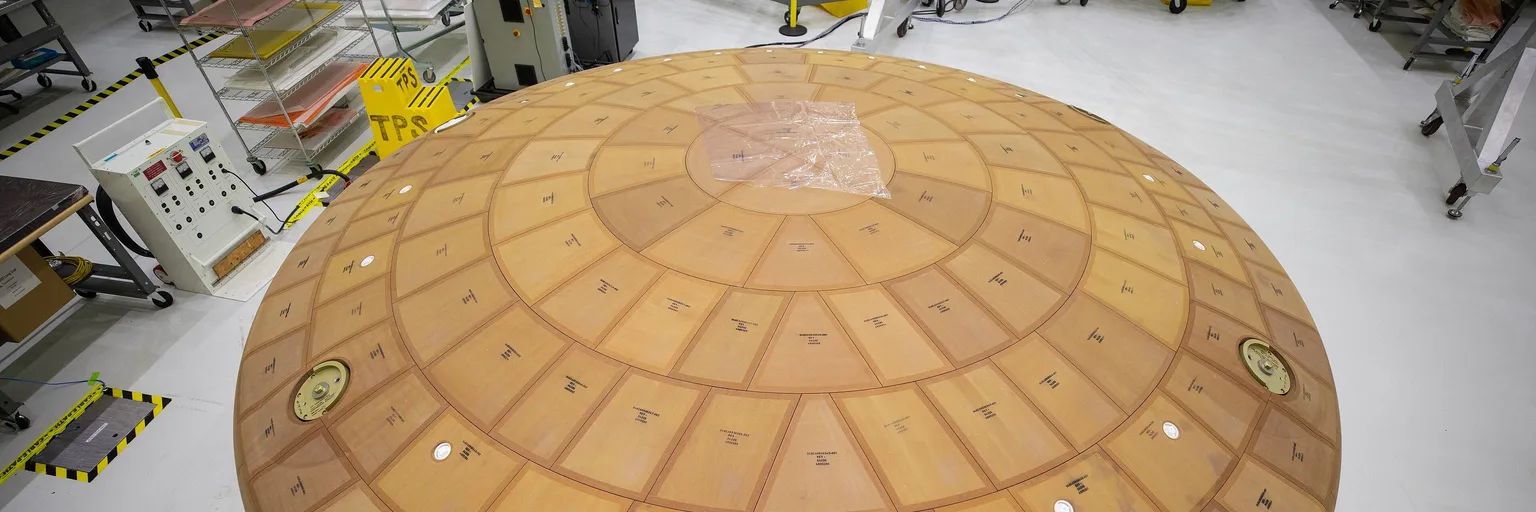
NASA says Orion's heat shield did its job on the way back from the Moon. That is real reassurance, but a single crewed flight can't tell us how much margin future lunar missions have.
NASA's 2031 ultraviolet telescope is good news, but its slipped date and doubled price tag show how fragile a capability we rarely notice until it's gone.
A few millimeters of drift in Earth's center of mass sounds trivial, but it shows the water cycle is planetary in scale and that precise measurement is a climate tool.
Titan's thick air and weak gravity make flight easier on paper, but a rotorcraft that must decide alone lives or dies by how rigorously its software is rehearsed on Earth.
Competition Model 2.0 trims selection from 35 to about 19.5 months. That helps only if budgets and review rigor survive the shortcut, and nothing in the plan guarantees it.
Six huge collapses in New Horizons images show Pluto's surface has been reshaped in ways we hadn't confirmed. That's progress, but it's not proof of present-day activity.
NASA did try to reboost Swift, and the attempt failed. The real lesson isn't about skipped maintenance but about telescopes designed without a repair option.
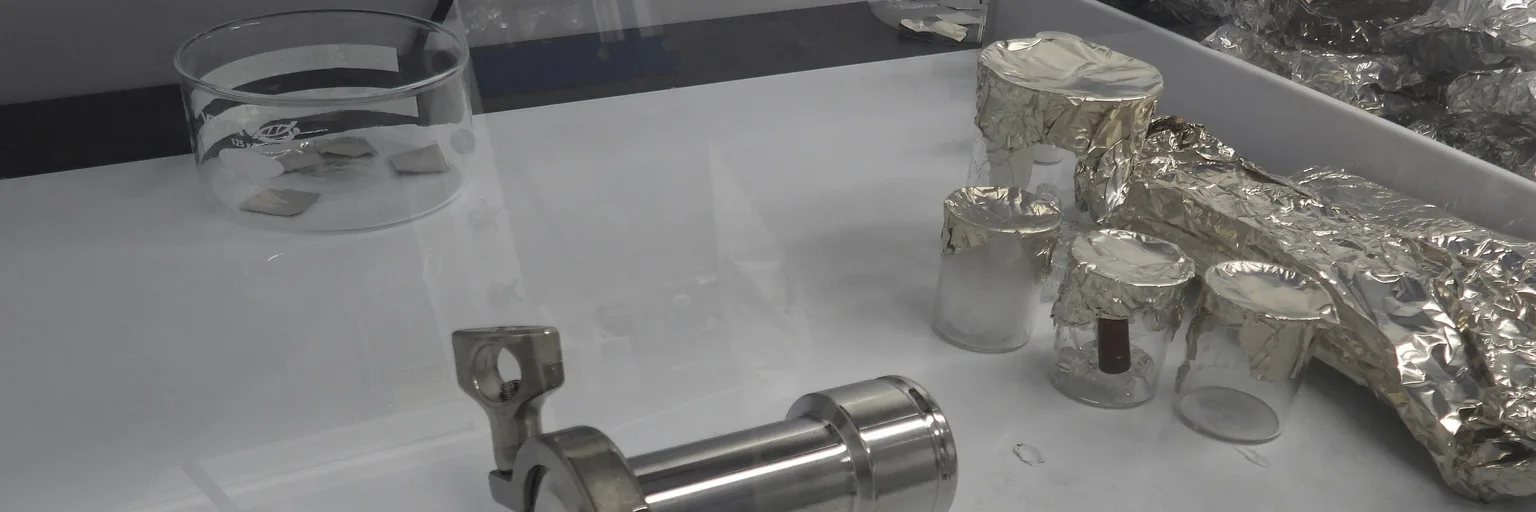
Stardust, outer-Solar-System ice and room-temperature water in 120 grams of rock: Bennu shows that bringing dirt home beats any flight milestone at changing what we know.
NASA's Psyche is thrusting almost nonstop toward a metal-rich asteroid. The quiet triumph is solar-electric propulsion, and the prize is understanding how planetary cores form.
Crashing a spacecraft into an asteroid grabbed headlines in 2022. Hera, arriving at Didymos in early November, is what could turn that one-off shot into a method we can trust.
The strongest argument for sample return is already in the labs: Bennu's grains keep answering questions no telescope or probe could, and the funding should follow.
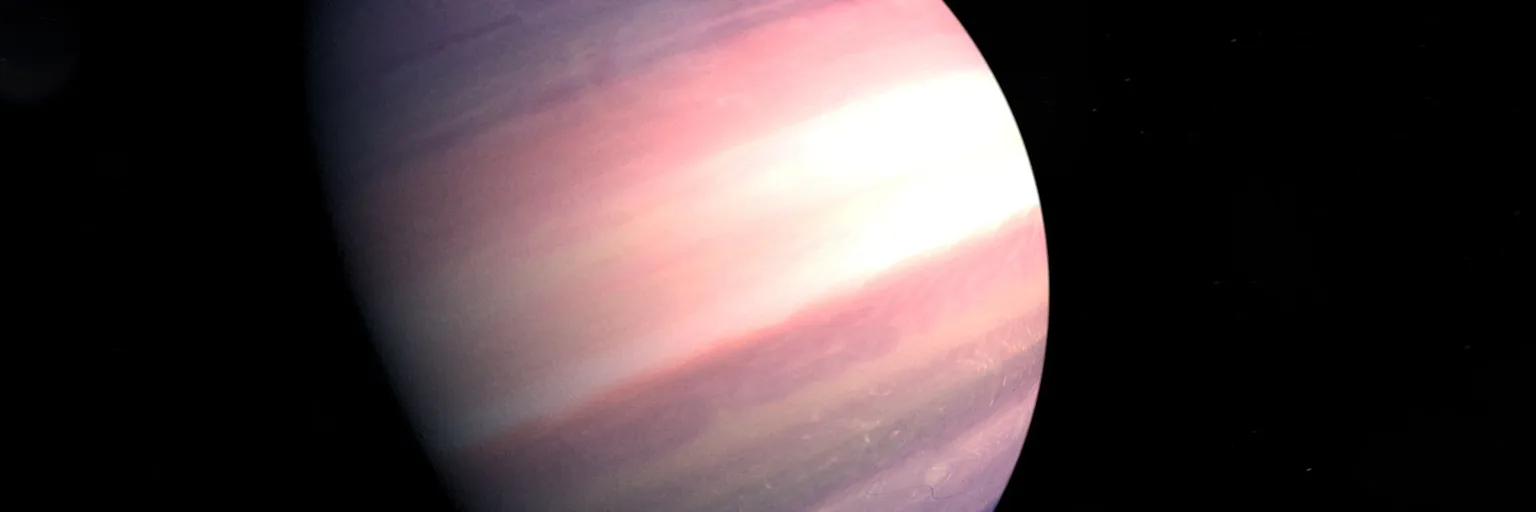
A 17-year-old intern spotted TOI 1338 b in telescope data. The lesson isn't genius: it's that archives hold more than algorithms can see, and interns are cheap eyes.
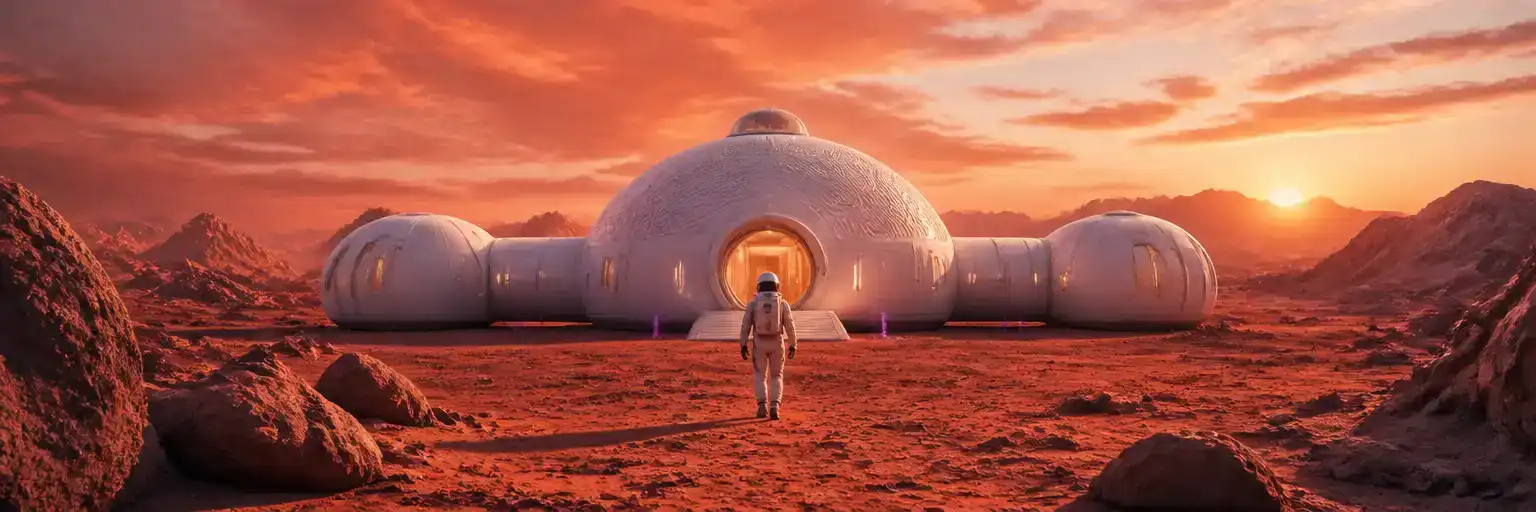
A year inside NASA's CHAPEA Mars habitat suggests the real bottleneck is food, minds and decisions made far from help, not launch vehicles.