Curisfera Newsroom
Hera's real test for planetary defense isn't the crater. It's the why
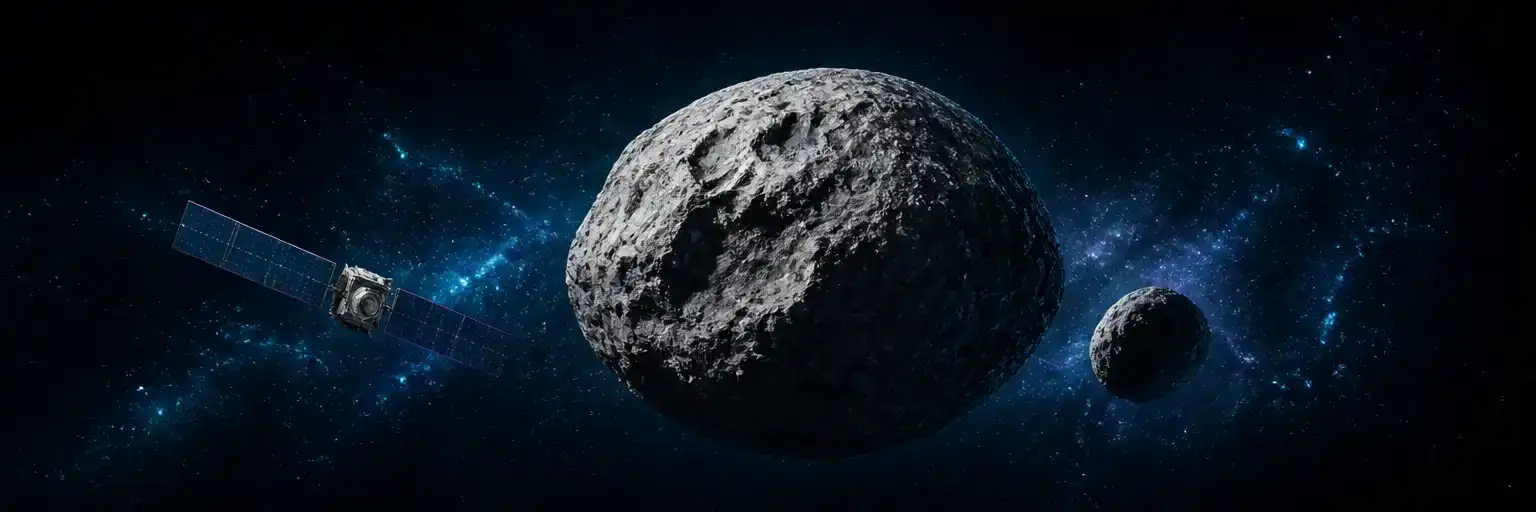
DART moved an asteroid more than scientists expected. Hera's close-up of Dimorphos will show whether that was a repeatable physical rule or a lucky shot.
DART moved an asteroid more than scientists expected. Hera's close-up of Dimorphos will show whether that was a repeatable physical rule or a lucky shot.
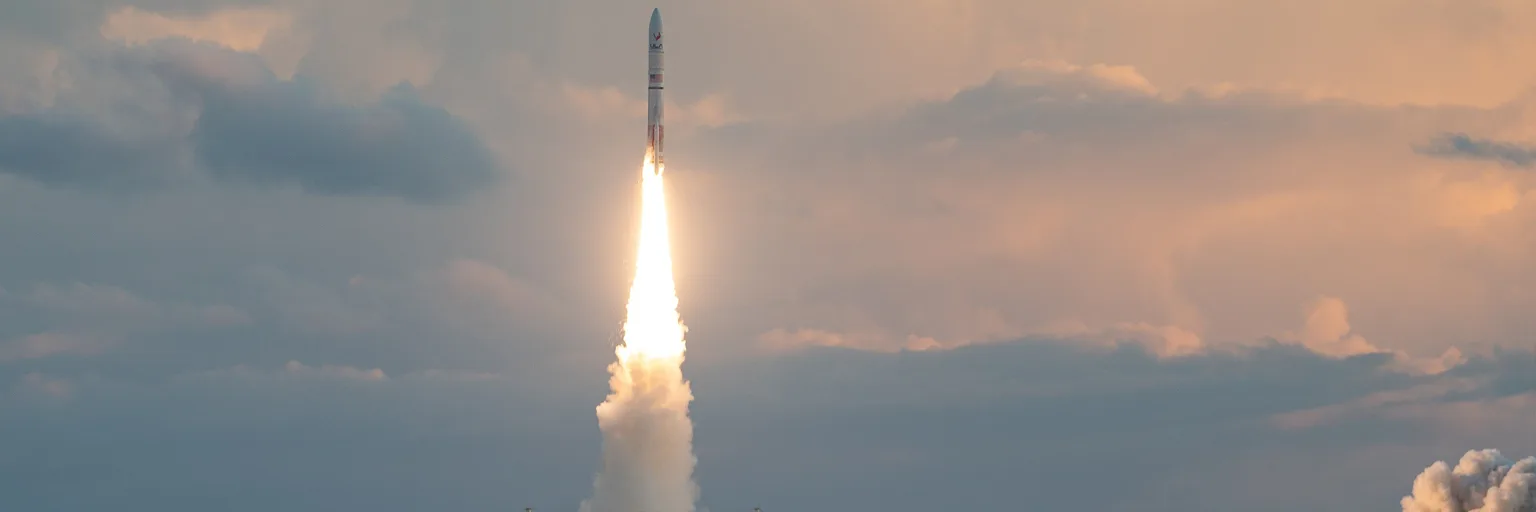
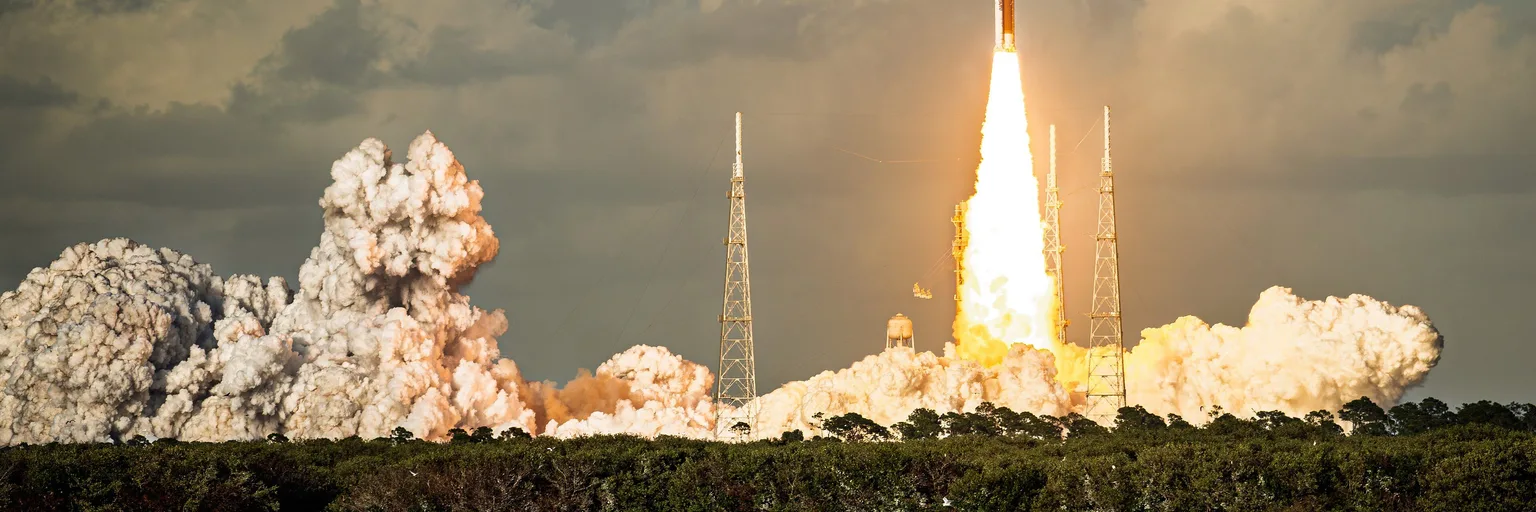
Vulcan's failure cost Amazon 40 Leo satellites. The bigger loss is the spare capacity that a thin market of rockets can no longer provide.
Catching the upper stage after 14 orbits is the hardest reuse step yet. The lost booster is a reminder that a repeatable routine matters more than a one-off spectacle.
Comparing 2026 to 1997 helps governments prepare, but it is a poor forecast, and the real value lies in the monitoring that tells us months ahead what is coming.
The US reportedly lost its measles-free status after 26 years. The label matters less than what it reveals: herd immunity is upkeep, and it decays faster than we like to admit.
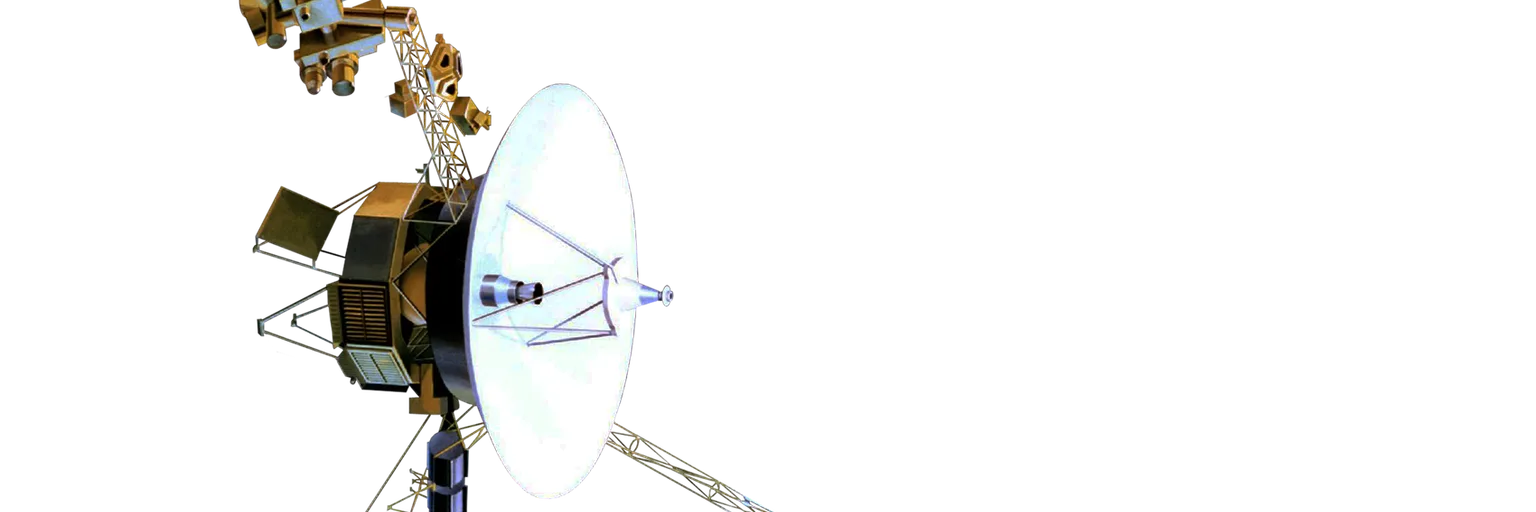
Reaching one light-day is a nice number, but the real story is a plutonium-powered probe shedding instruments to stay alive, and the question of what comes next.
A mathematical analogy between Einstein's equations and solar-flare physics is a clever theoretical result. It's a new way to read gravity, not proof that gravity breaks.
A rocket punched holes in the ionosphere and may have skewed GPS by meters. With more launches coming, we should measure that effect, not file it under trivia.
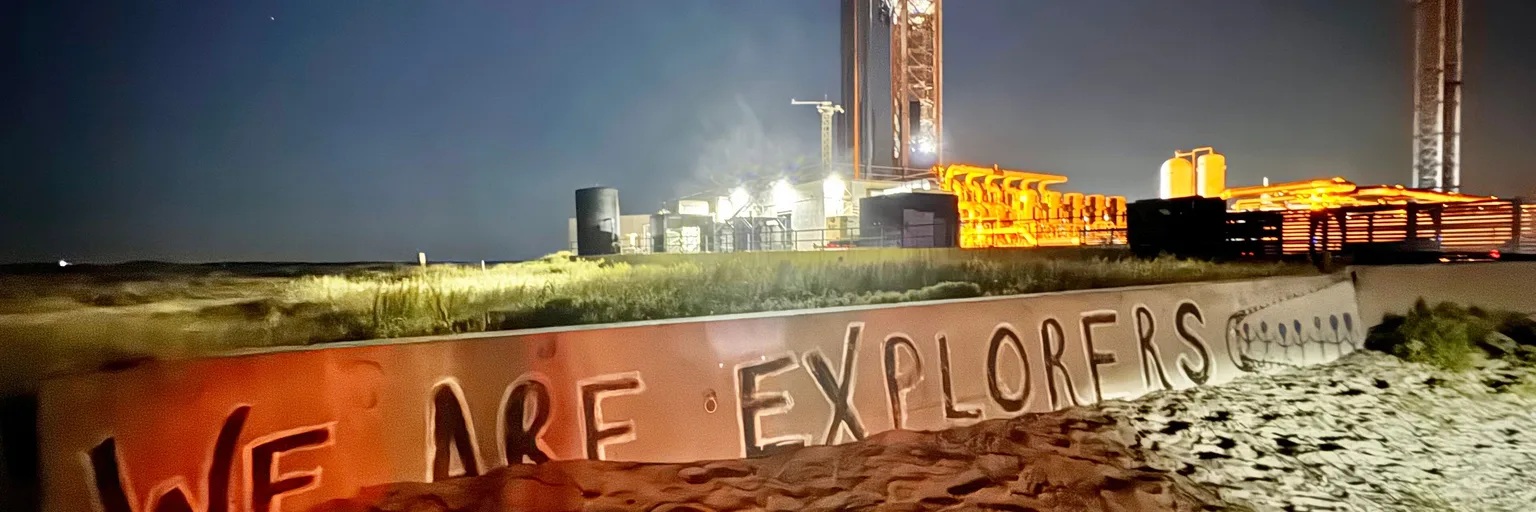
Snagging both Starship stages with tower arms would be thrilling to watch, but the real prize is shorter turnaround and lower cost per flight, and that is slower to prove.
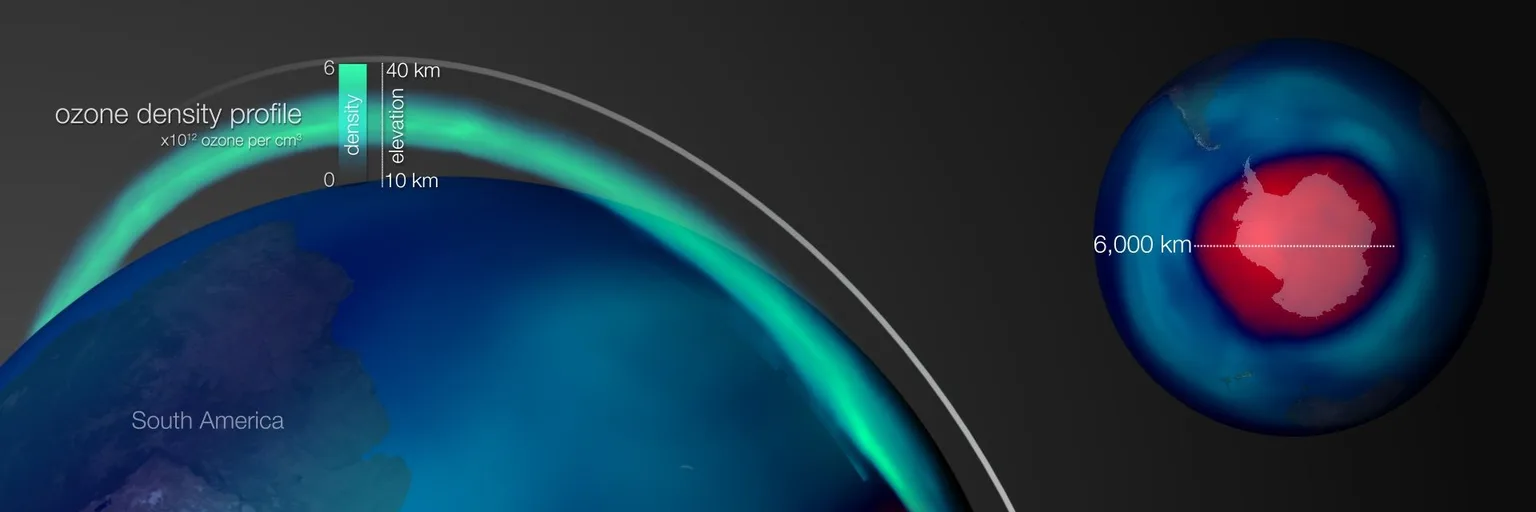
The Antarctic hole is the largest in a decade, but a strong polar vortex, not policy failure, explains it. Recovery is slow and noisy, and one season is not a trend.
Two remote Marshall Islands atolls give scientists a rare picture of an intact reef, and that makes protecting reference sites as urgent as restoring damaged ones.
A cloud of atoms at 9.7 picokelvin is a great headline, but the real story is that microgravity has become a lab for measurements Earth cannot easily make.
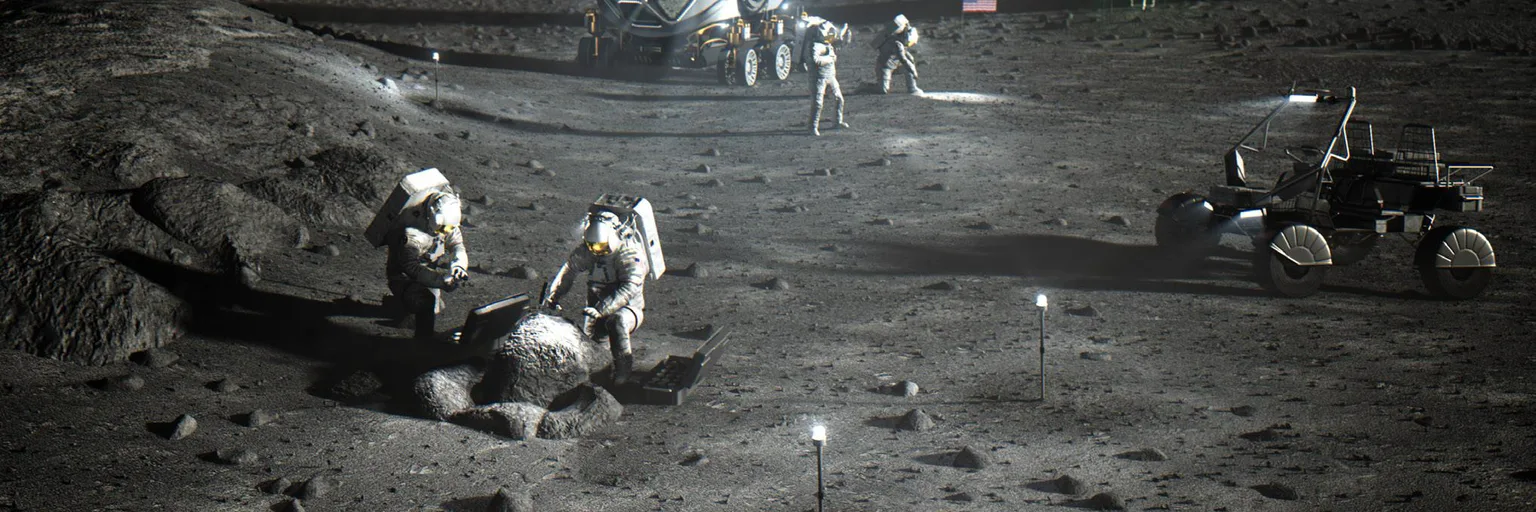
NASA is recruiting again, and the pitch is about people who can live and work on the Moon, so the next class will show whether the plans are serious.
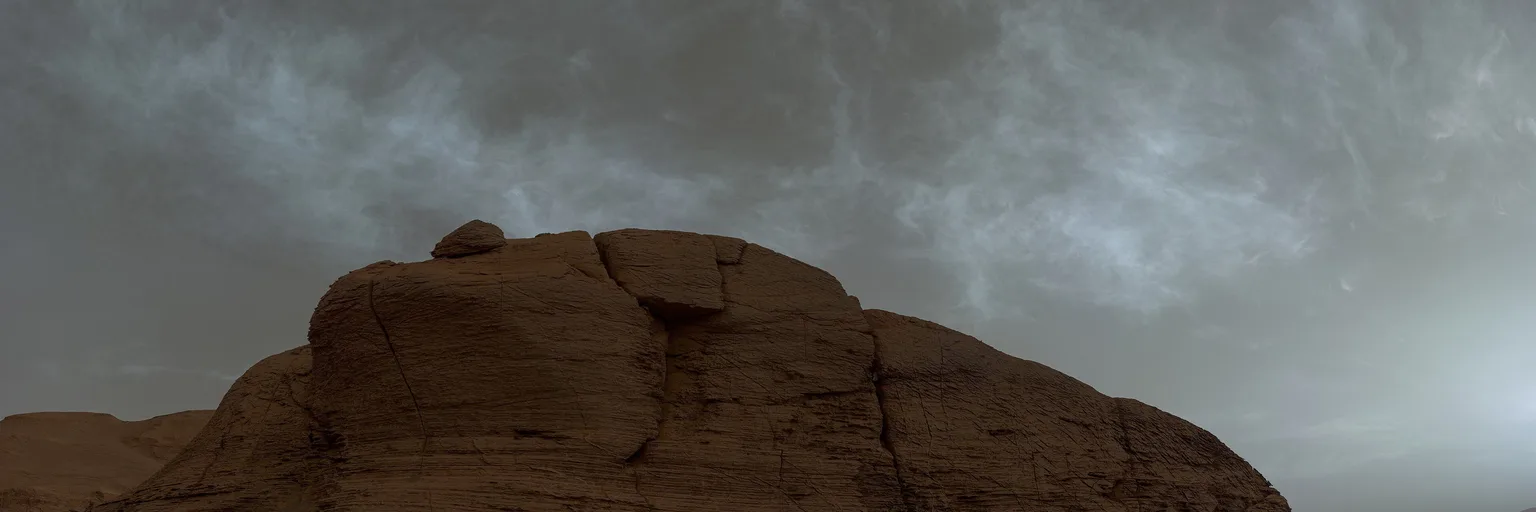
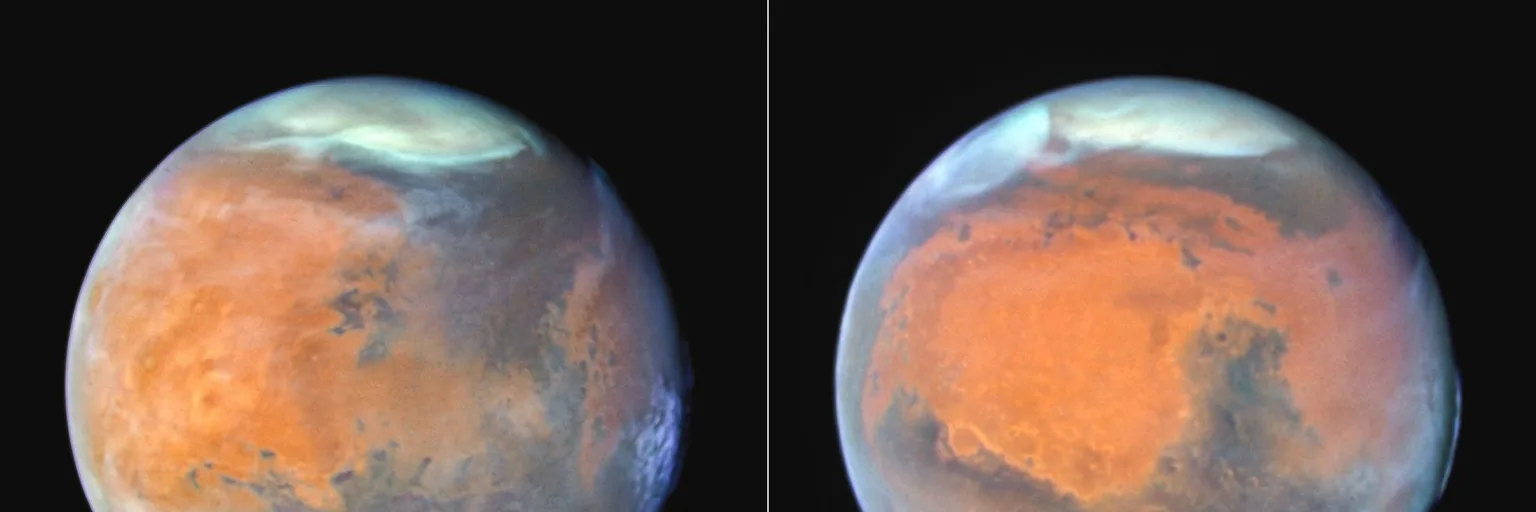
Curiosity's detection of usable nitrogen strengthens the case that ancient Mars was habitable, but a pantry stocked with chemistry tells us nothing about whether anyone cooked.
A tiny rock that speeds up and an object circling the Sun the wrong way make irresistible headlines, but dull explanations usually win. Name the evidence first.
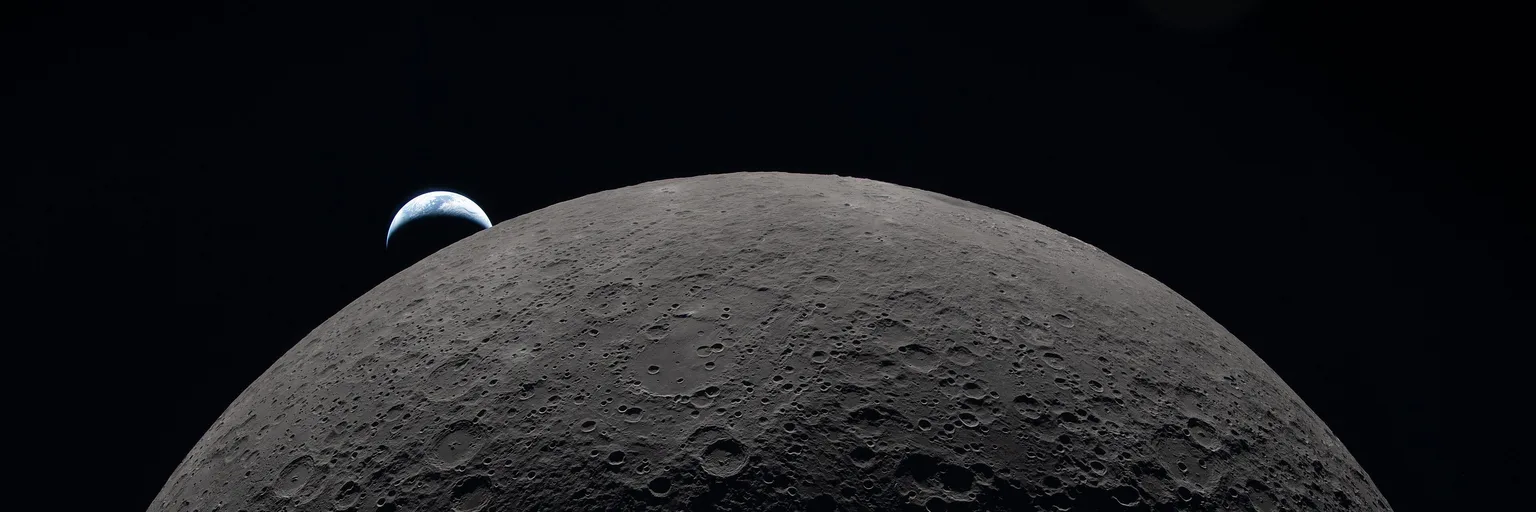
NASA's $10 billion cargo-lander headlines and a nuclear-powered rover point to the real lunar race: not who plants the next flag, but who keeps the lights on.
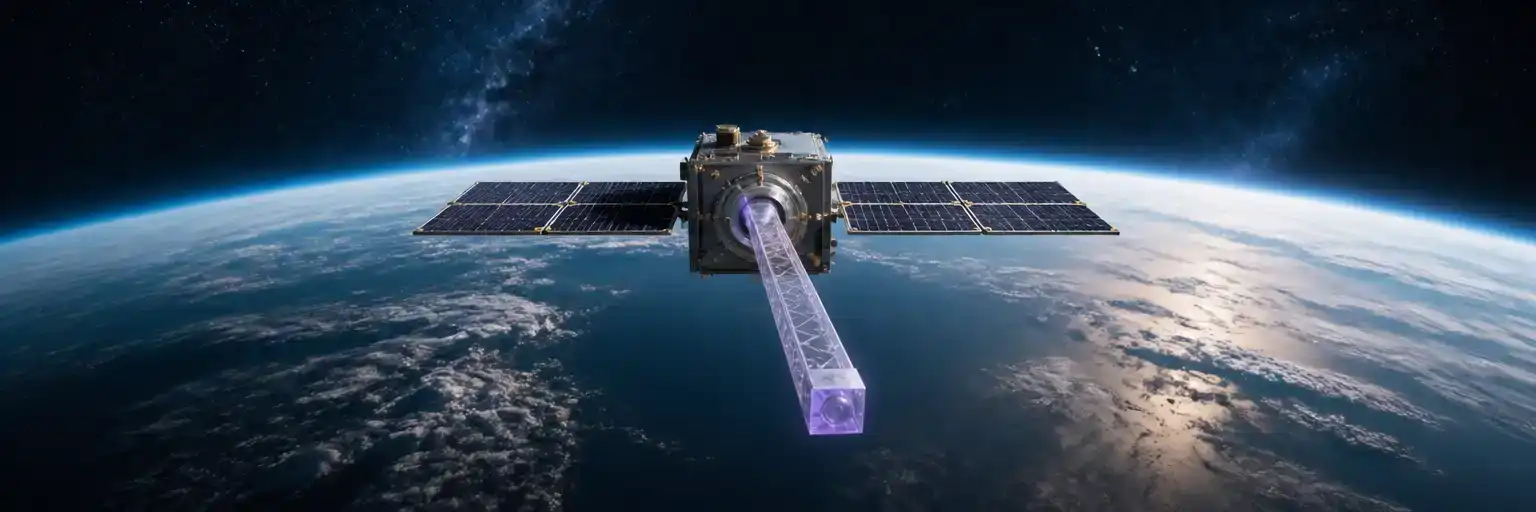
Orbital Matter's printed beam is small, plastic and unglamorous. But if in-orbit manufacturing survives its next demos, it could matter more than any single rocket.
Two new howler monkey species in the Amazon, found through genetic analysis, show how much life we undercount, and why naming a species is a duty rather than a trophy.
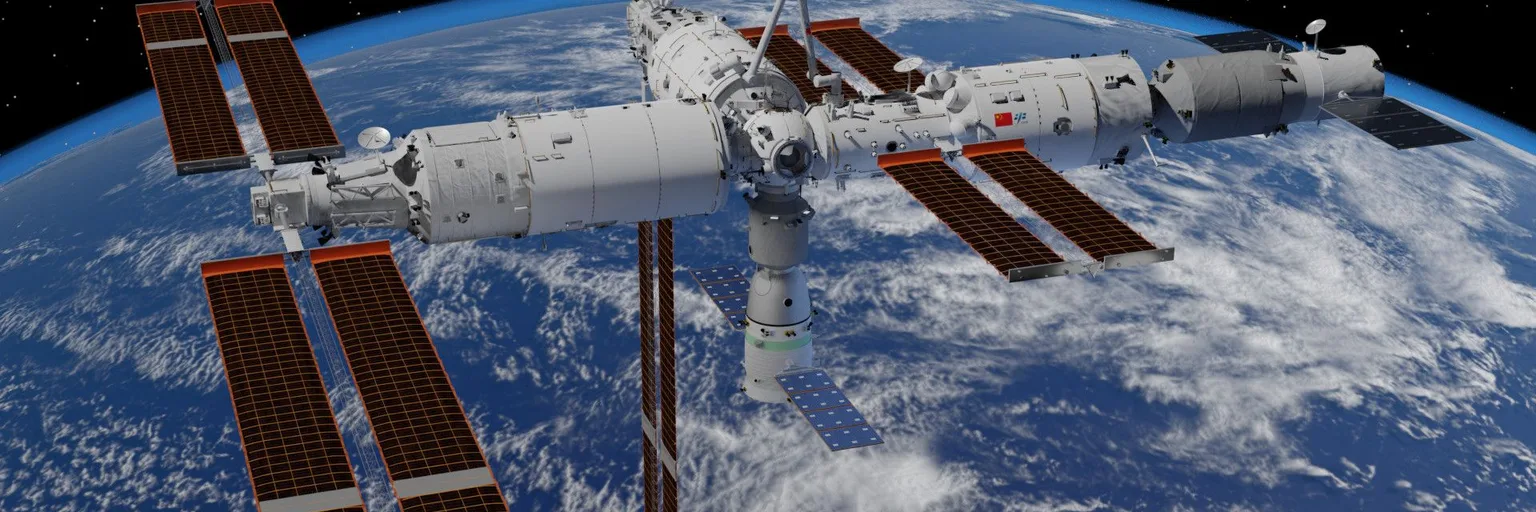
China has published a staged plan to land astronauts "before 2030." NASA's 2028 date now hinges on landers that haven't flown, and a pure sprint is the wrong way to run this.
Hydrogen chloride over Alba Mons suggests Mars still has a working interior. That is a reason to rethink where we look for life, not to announce it.