Curisfera Newsroom
Terra's retirement is a triumph, and a warning about climate records
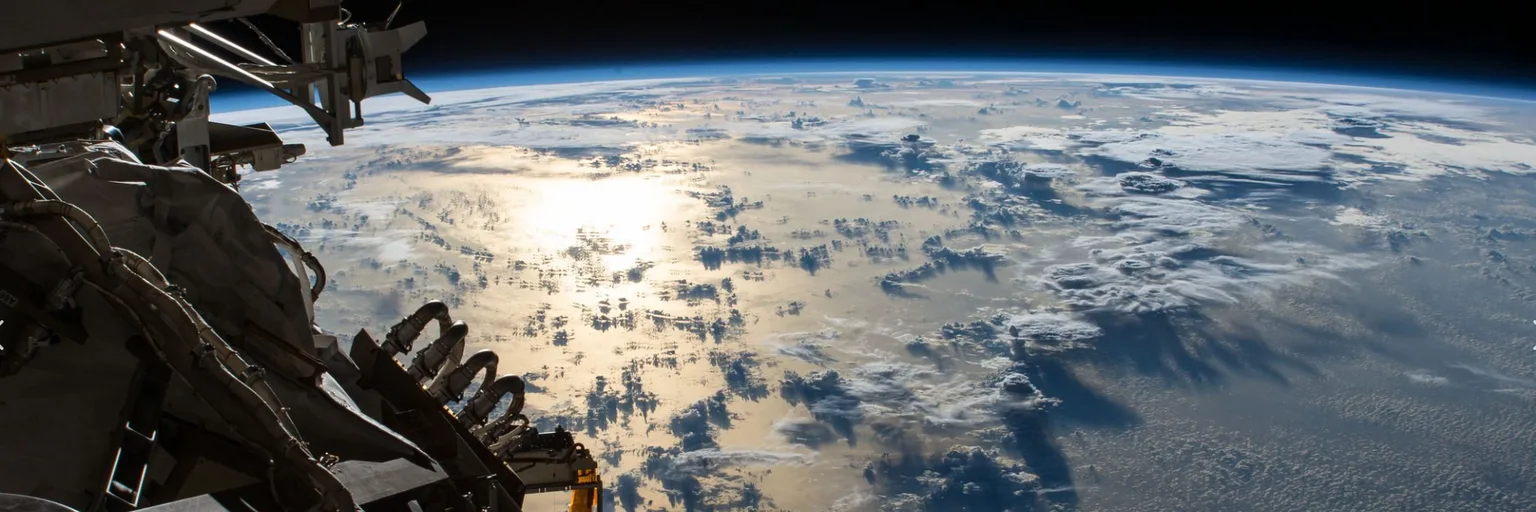
A satellite built for six years worked for 27. That is a success story, but it shows how much of our climate record depends on hardware outliving its plan.
A satellite built for six years worked for 27. That is a success story, but it shows how much of our climate record depends on hardware outliving its plan.
Comparing 2026 to 1997 helps governments prepare, but it is a poor forecast, and the real value lies in the monitoring that tells us months ahead what is coming.
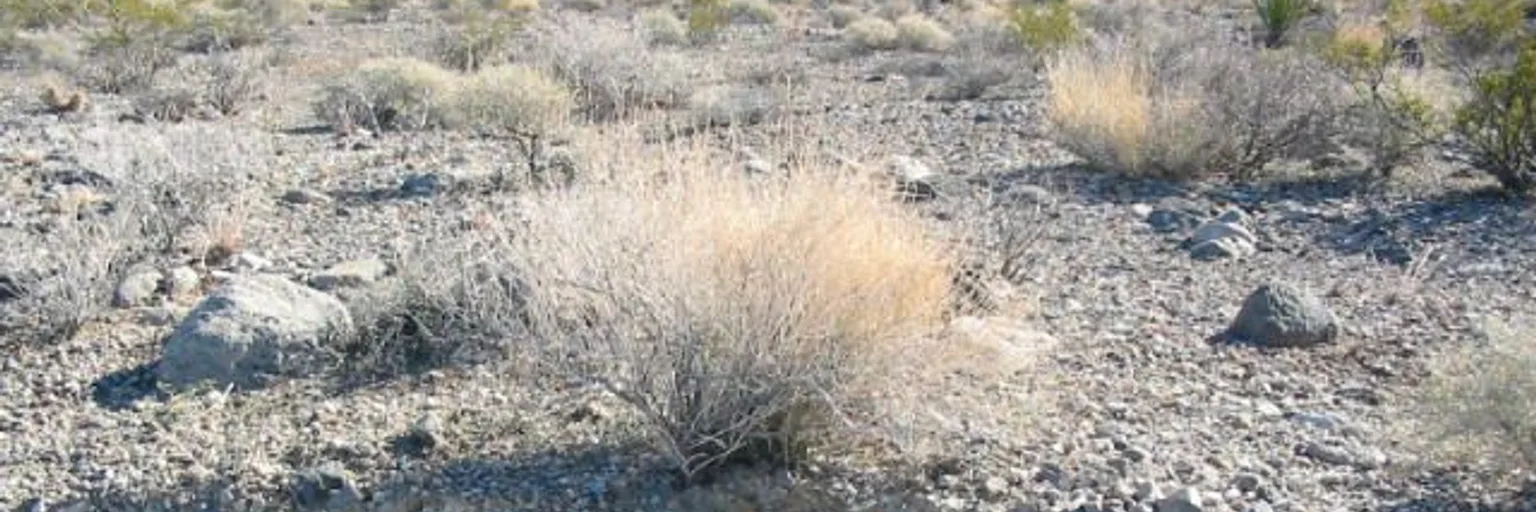
A mineral carbon cycle in the Mojave suggests our carbon books may be missing parts of the arid world, a reason to measure drylands properly, not to hope they bail us out.
A new Science Advances study suggests seabird guano feeds reefs that keep atolls growing. Protecting the birds looks like smart coastal defense, but it can't stop the sea by itself.
A Science study suggests warming halted a glacier's growth around 1960. It's remarkable paleoclimate, but a stalled ice age is a poor consolation prize for rapid warming.
A flood that sent about 7.4 million cubic meters toward India has so far been reported without casualties, thanks to alarms, but the Himalaya has far more lakes than alarms.
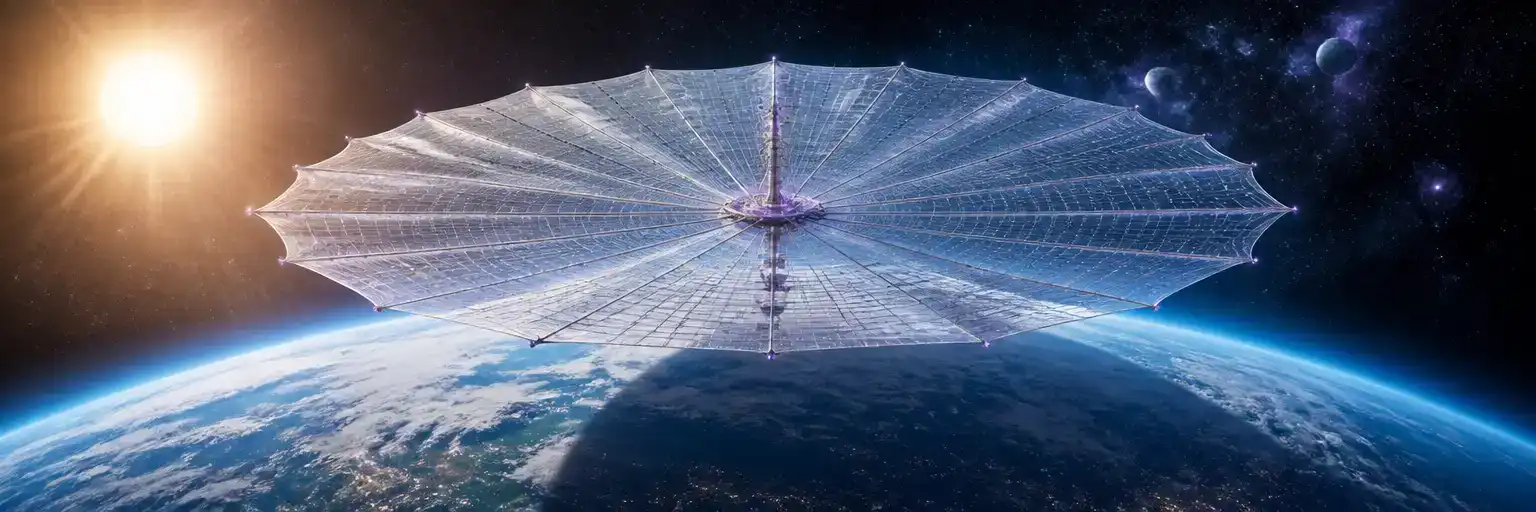
A giant parasol in orbit may be physically possible. But it takes decades and millions of tons of cargo, and it can't replace cutting emissions.
A few millimeters of drift in Earth's center of mass sounds trivial, but it shows the water cycle is planetary in scale and that precise measurement is a climate tool.
Nearly 3 million heat deaths since 2016 show why climate policy should be scored in lives and hours of dangerous heat, not only in fractions of a degree.
A new study finds 3.2% of glaciers account for over half of ice loss. The lesson is to monitor the hotspots harder, not to relax about the rest.
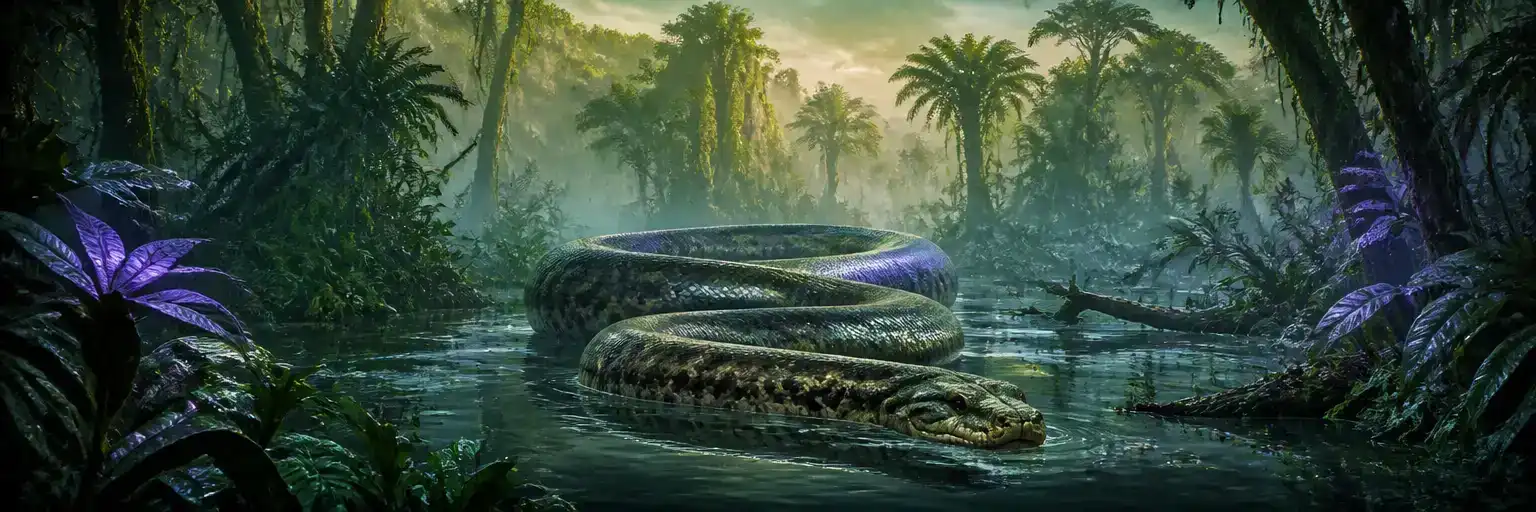
A snake from a Colombian coal mine, around 13 meters long and over a ton, matters less as a creature feature than as a measurement of how hot the ancient tropics were.
Paraburkholderia aromaticivorans FR-4 fixes CO2 and grows on a pollutant, which says more about our ignorance of ocean microbes than about any near-term cleanup tool.
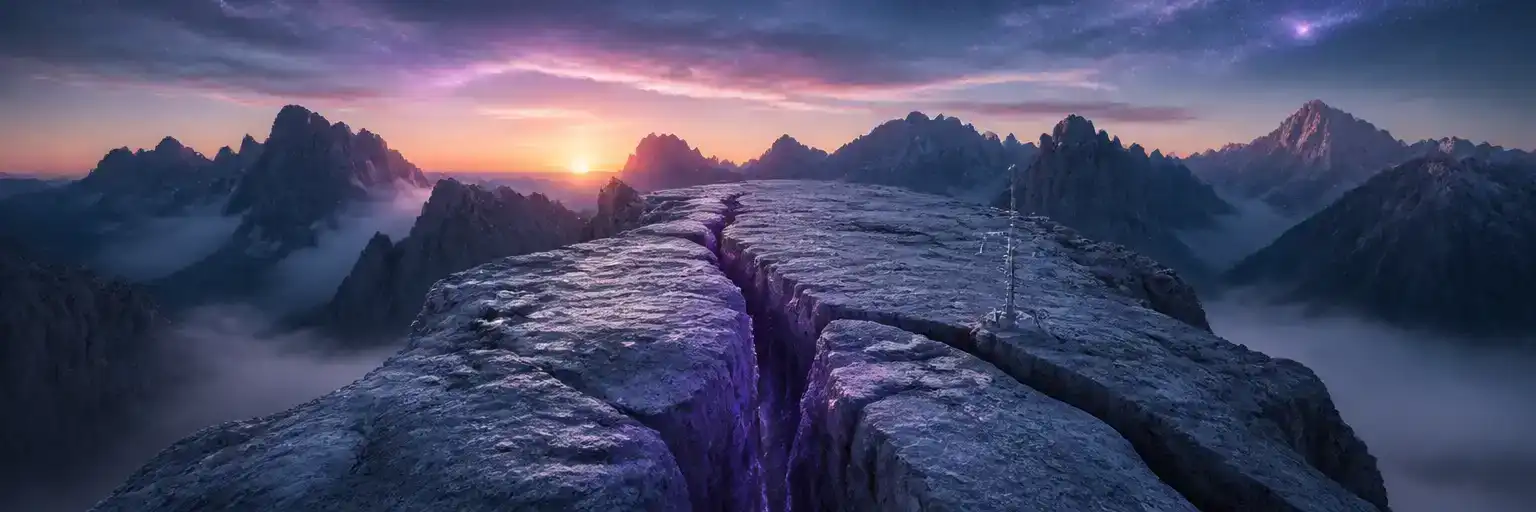
A summit splitting at up to five millimeters a week shows how water and warming loosen the Alps, and why the mountain's best sensors may matter more than its collapse.
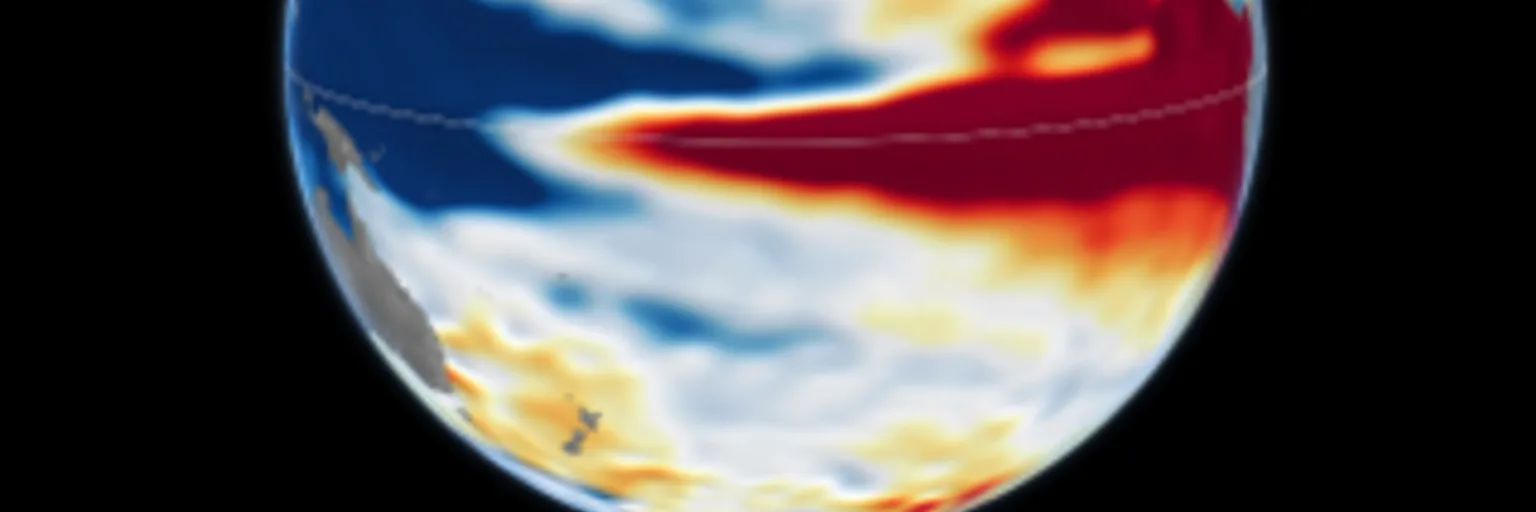
NASA’s satellite maps show El Niño draining green from the equatorial Pacific, revealing how a shift in deep-water nutrients can ripple through marine life.
The discovery of leaking radioactive barrels in the Atlantic is a stark reminder of past environmental complacency, demanding urgent international action beyond mere monitoring.
The recent measurement of Mont Blanc's altitude to 4,807.47 meters is far more than a numerical update; it's a testament to advanced geodetic science revealing critical environmental dynamics through unprecedented precision.
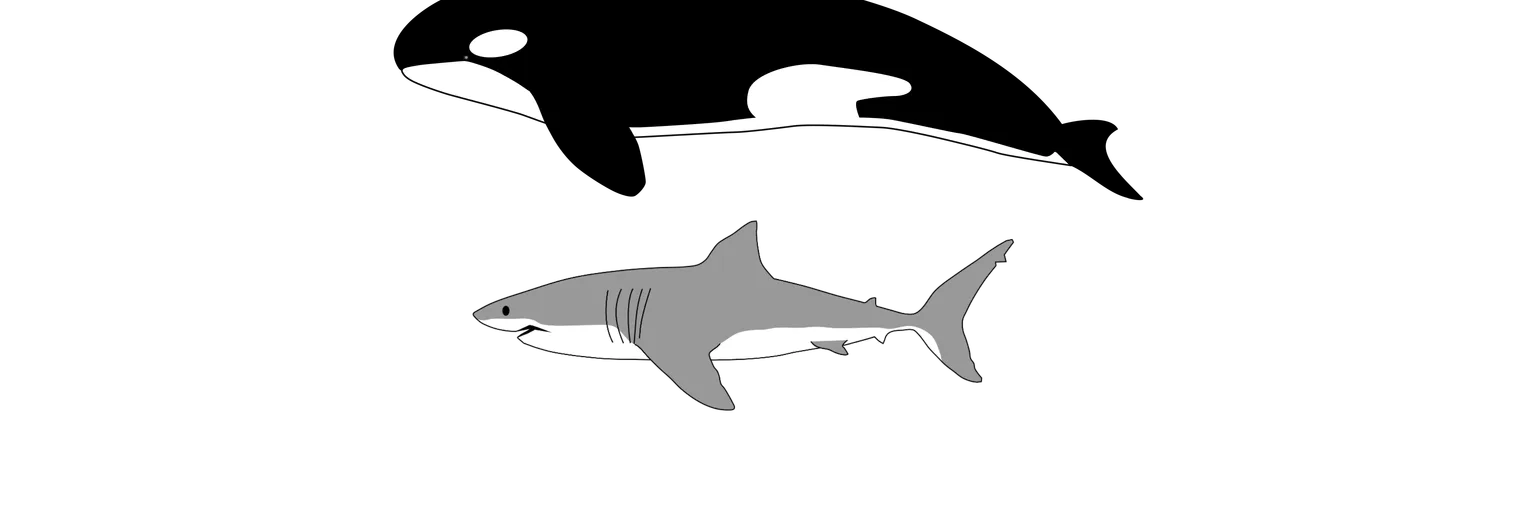
The dramatic escalation of orcas hunting great white sharks, once a rare sight, is now a documented pattern, reflecting how climate change is subtly yet profoundly reshaping marine ecosystems.
A recent discovery of fungal communities thriving deep beneath Michigan's surface, extracting energy from ancient rocks, forces us to rethink the very boundaries of life on Earth and its impact on global carbon cycles.
The current fascination in France with a 1987 'hurricane' storm, alongside 2026's tardy but intense Hurricane Isaias, underscores a troubling pattern of extreme weather fueled by warming oceans and climate change.
While *Naegleria fowleri* infections are exceptionally rare, recent lake closures in Mexico highlight the critical need for proactive public health strategies amidst evolving environmental conditions.
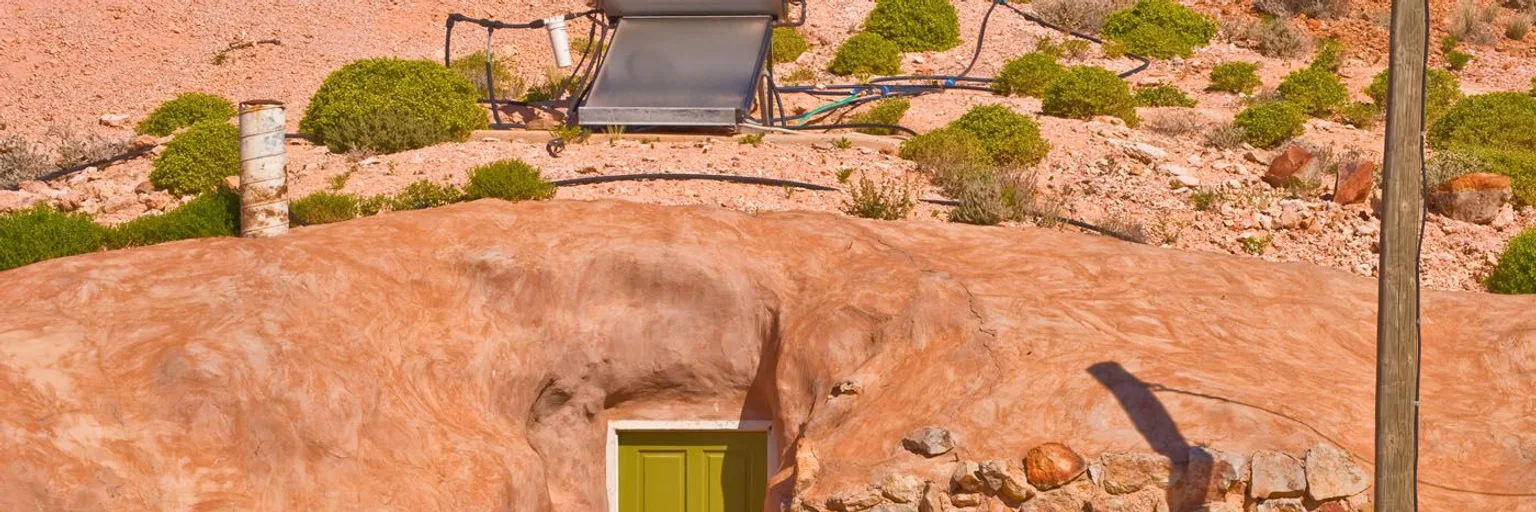
The remote Australian town of Coober Pedy, where residents live in subterranean homes to escape extreme heat, offers profound lessons in human resilience and sustainable adaptation in an era of escalating climate challenges.
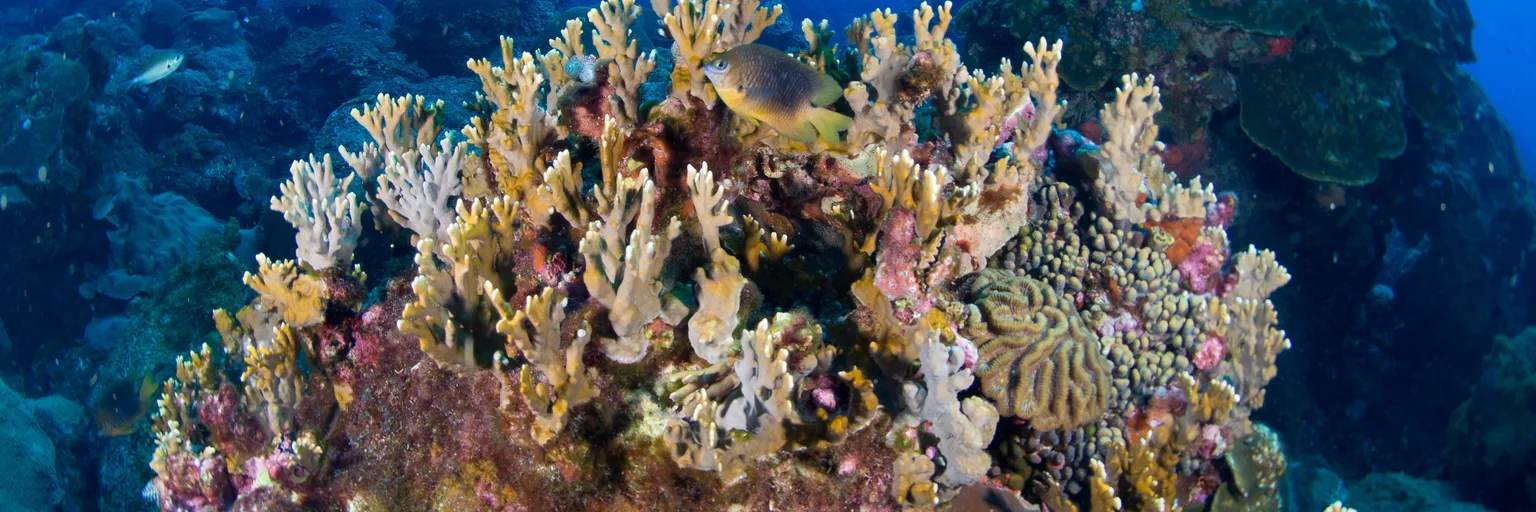
Discussions are emerging around the possibility that robust coral reefs might actively assist struggling counterparts in resisting ocean warming, suggesting a shift in conservation thinking.
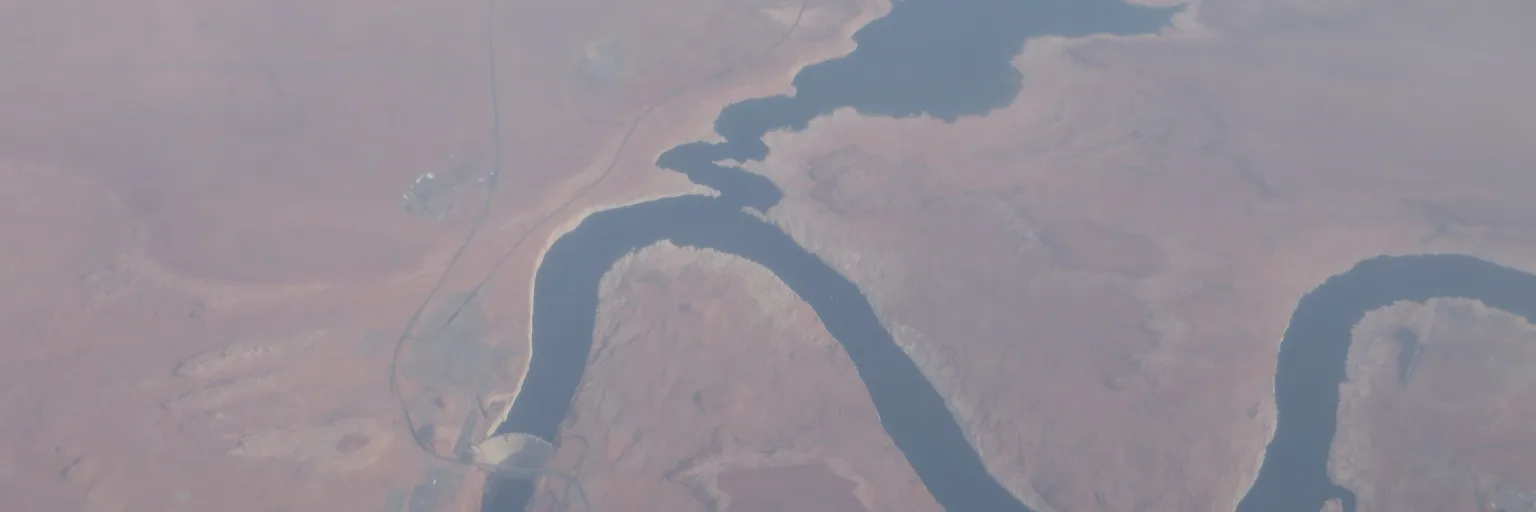
New satellite observations from NASA reveal critical deficiencies in how global river models account for human-controlled infrastructure like dams, demanding a sophisticated shift in water resource planning.
A groundbreaking discovery reveals that rising temperatures intensify resource competition, causing species populations to collapse far below their thermal tolerance limits, demanding a radical shift in conservation.
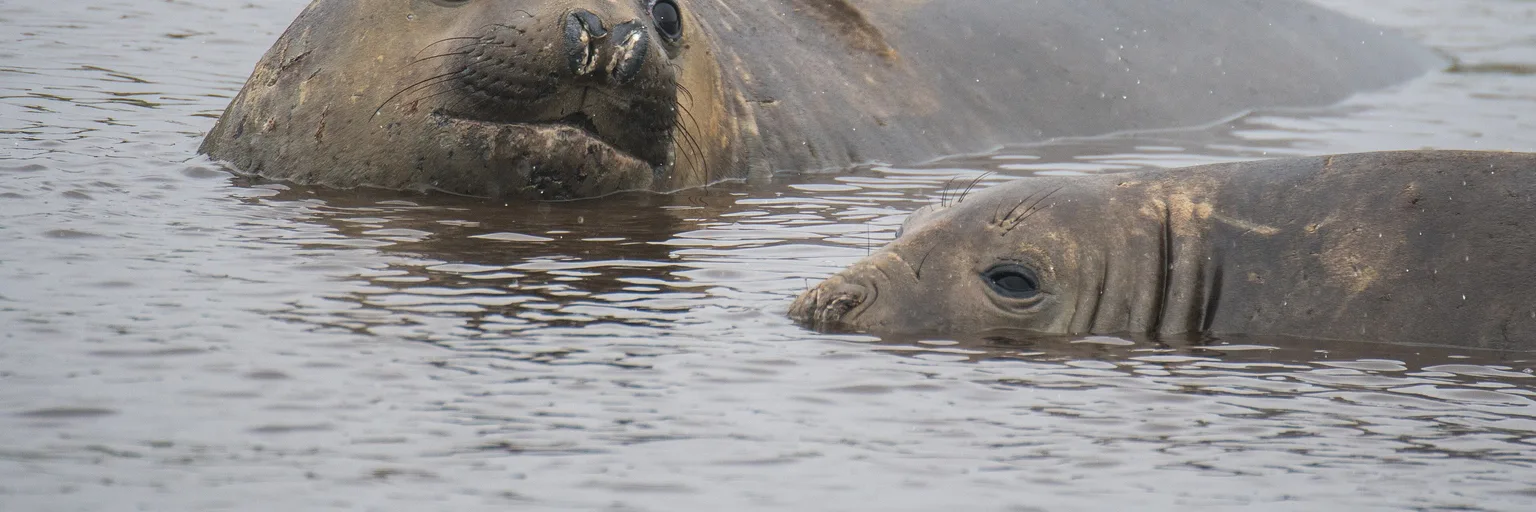
A remarkable discovery of new deep ocean currents in the Kerguelen Islands, facilitated by an unlikely team of elephant seals, is revolutionizing our understanding of marine ecosystems and climate dynamics.
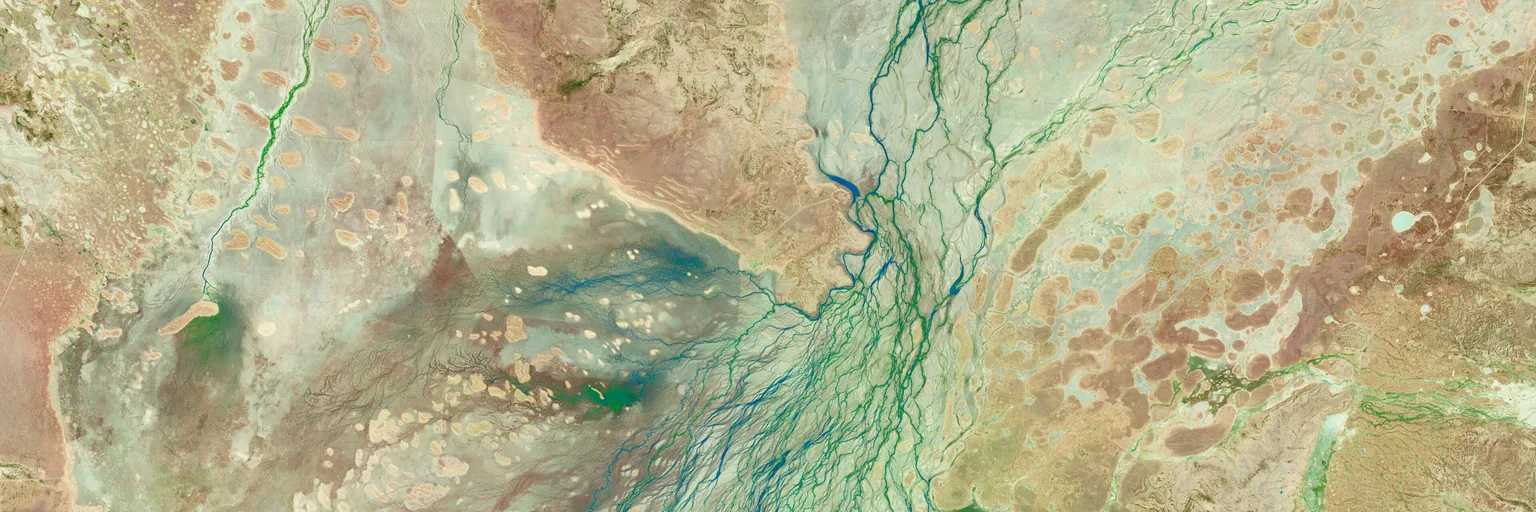
NASA's breathtaking images of a verdant Australian outback offer a visually stunning, yet deeply concerning, indicator of accelerating climate shifts and their extreme unpredictability, challenging notions of environmental recovery.
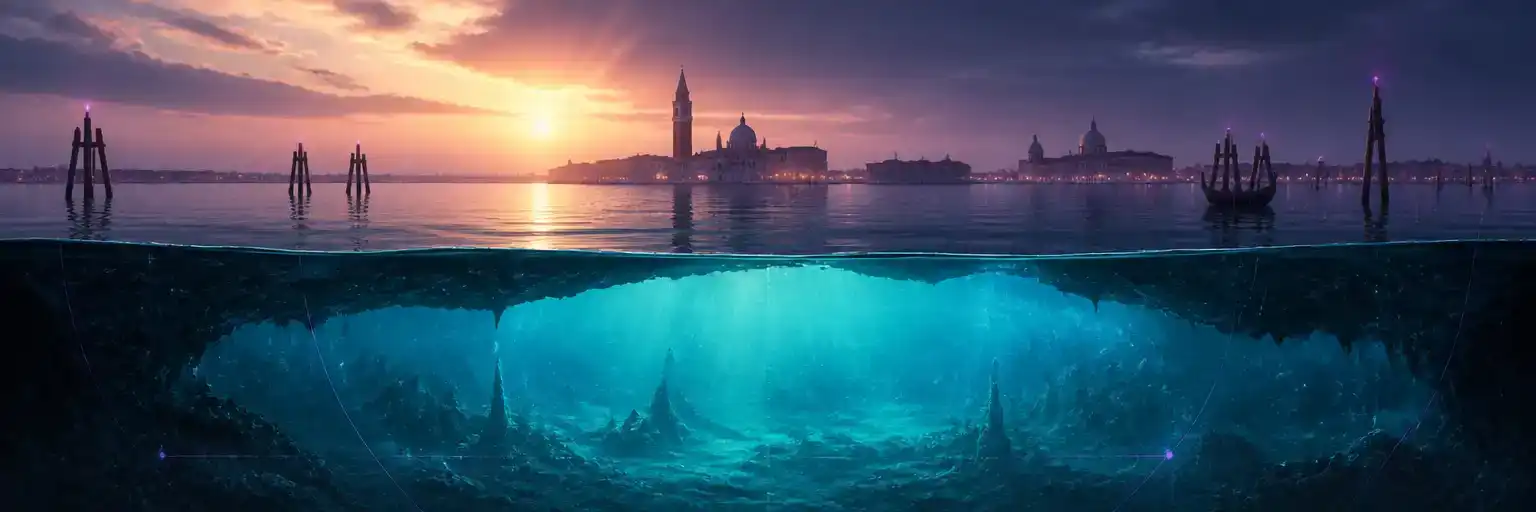
A vast subterranean freshwater reservoir near Venice holds immense potential for a drought-stricken region, but its strategic importance lies in protection and precise management, not exploitation.
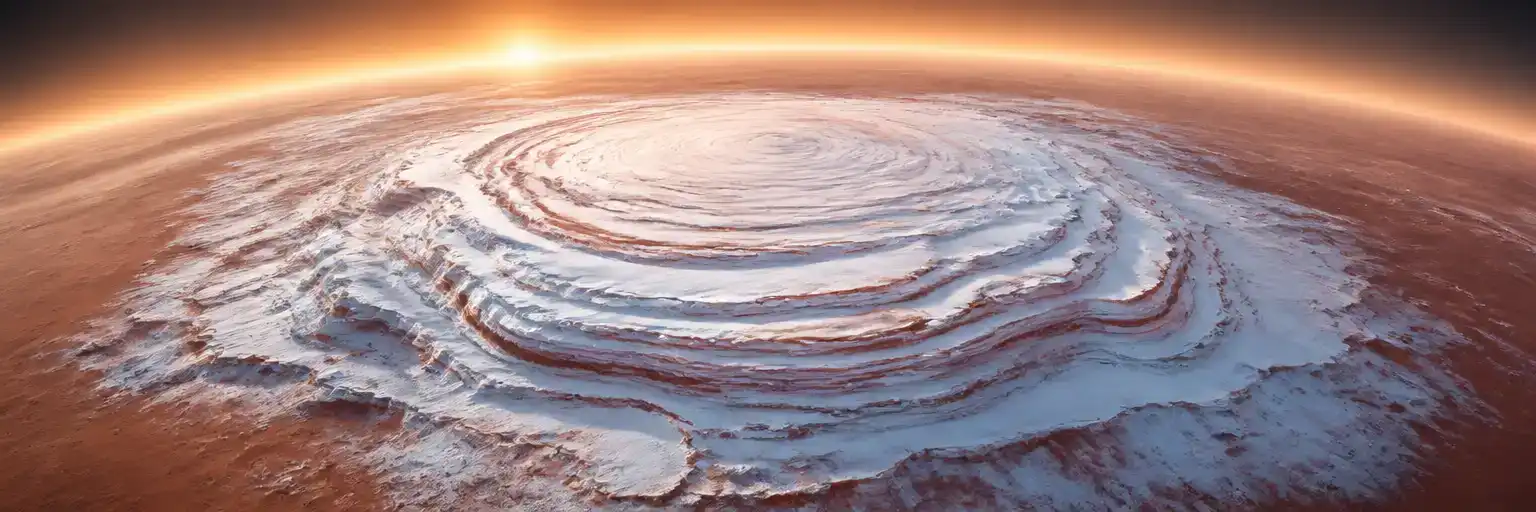
A re-evaluation by the University of Washington has drastically cut the estimated dust in Mars' northern polar ice cap to about 3%, fundamentally altering our view of the planet's past climate and water history.
The rapid melting of polar ice caps and glaciers is not just raising sea levels; it's unleashing a cascade of environmental feedback loops that accelerate global warming and reshape our planet's future.