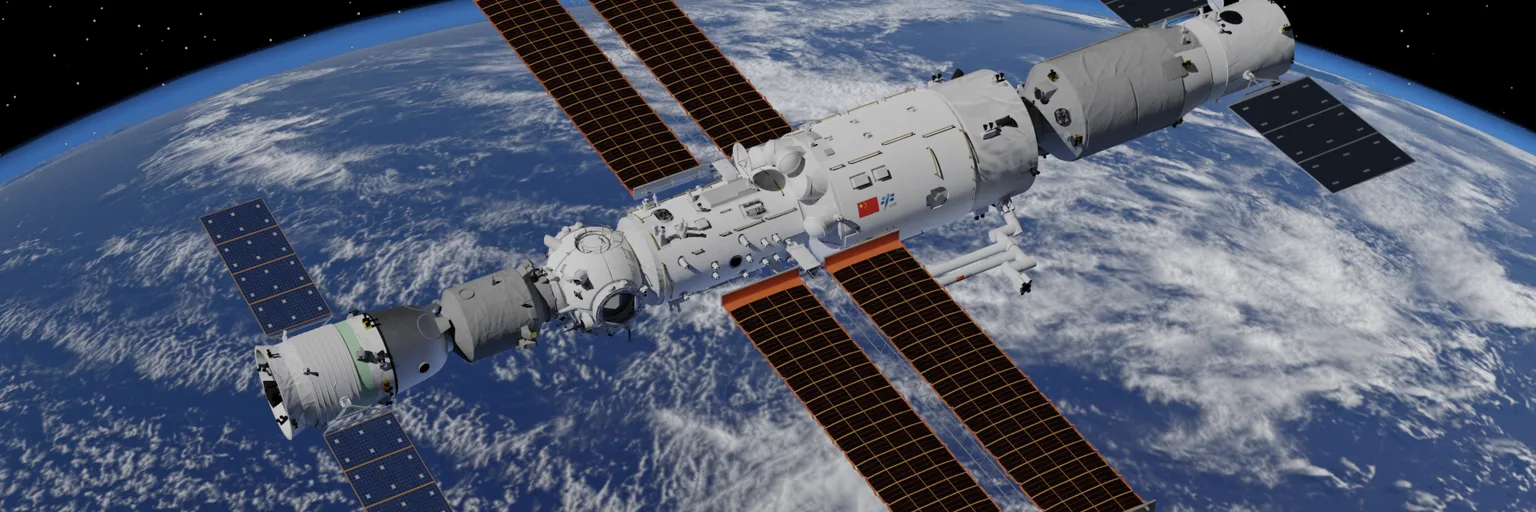
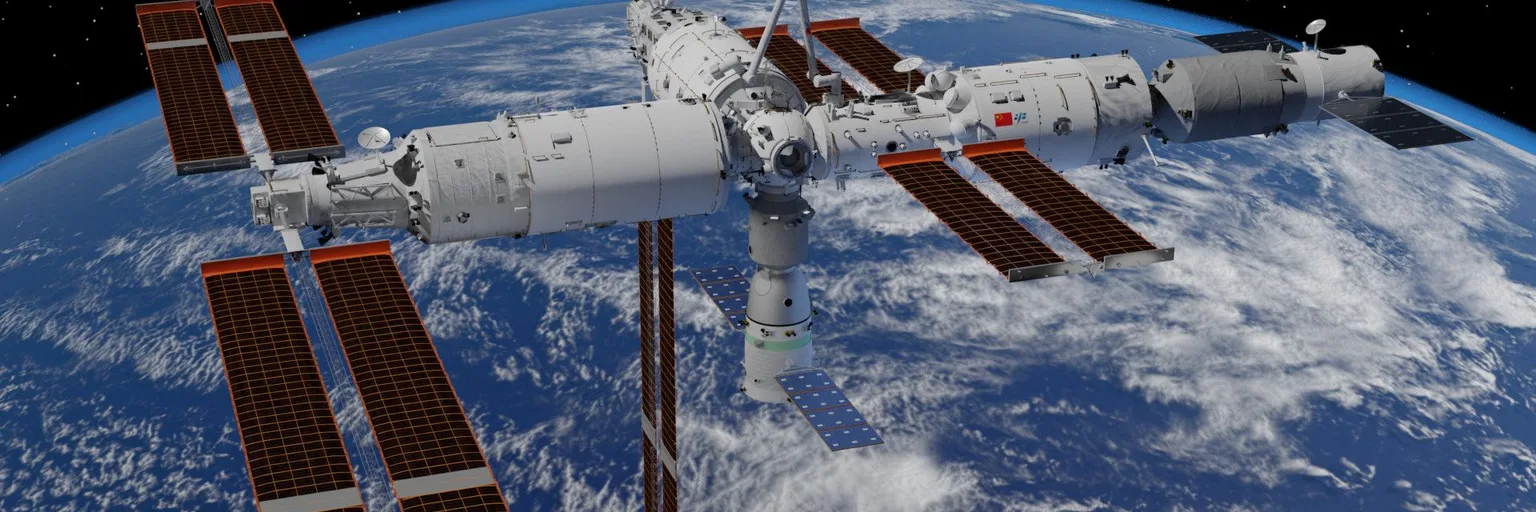
China's first foreign astronaut is diplomacy first, science second
A Pakistani payload specialist on Tiangong shows China courting partners as the ISS ages, and whether it becomes a platform or a photo op depends on what happens in orbit.
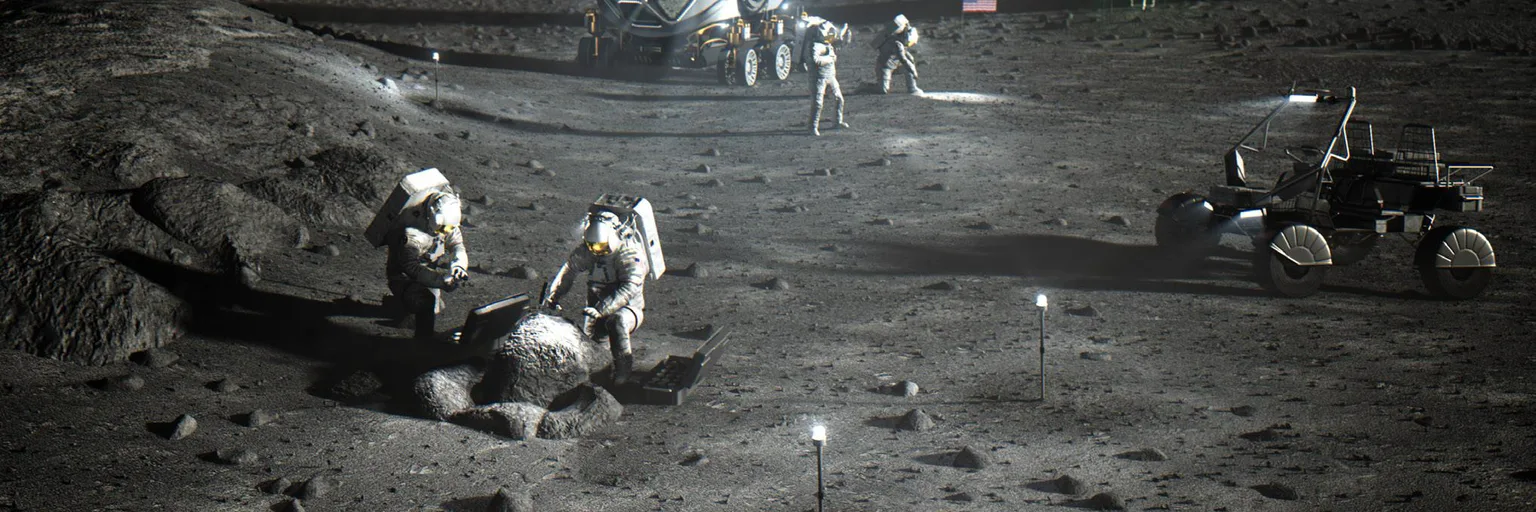
NASA is recruiting again, and the pitch is about people who can live and work on the Moon, so the next class will show whether the plans are serious.
Saying a long mission ages astronauts by a decade is a catchy line, but it blurs reversible adaptation with true aging. The real stakes are Mars planning, not fear.
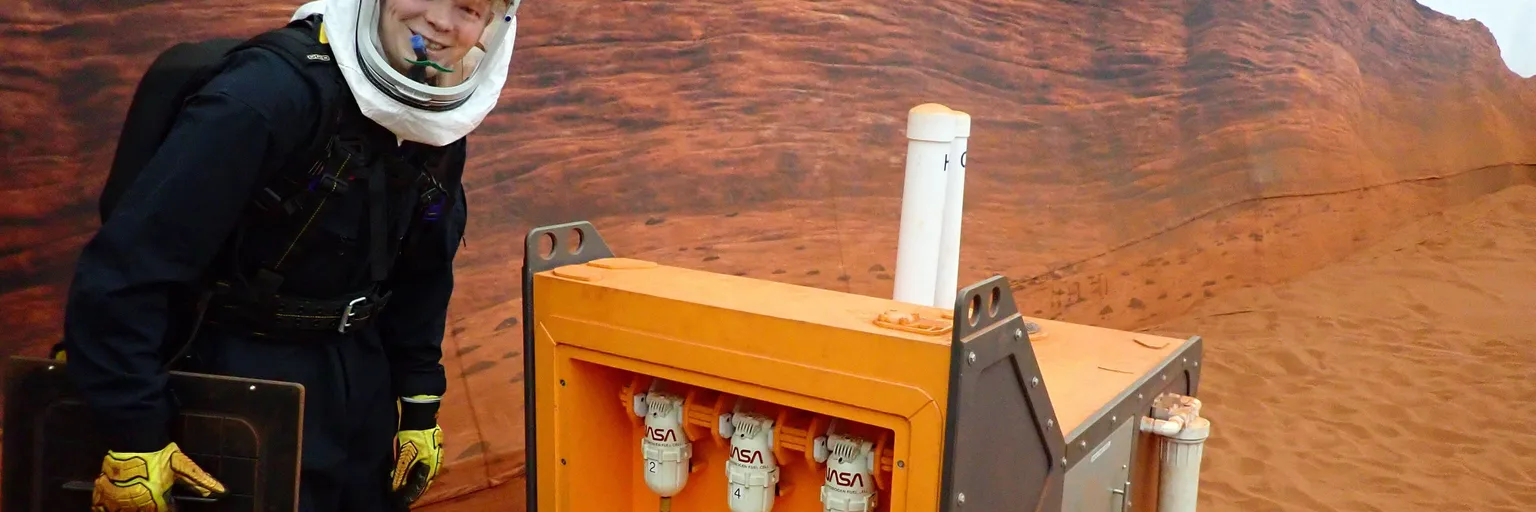
NASA's second year-long Mars simulation tests endurance, isolation and rationing well. It cannot test radiation, real danger or the impossibility of coming home.
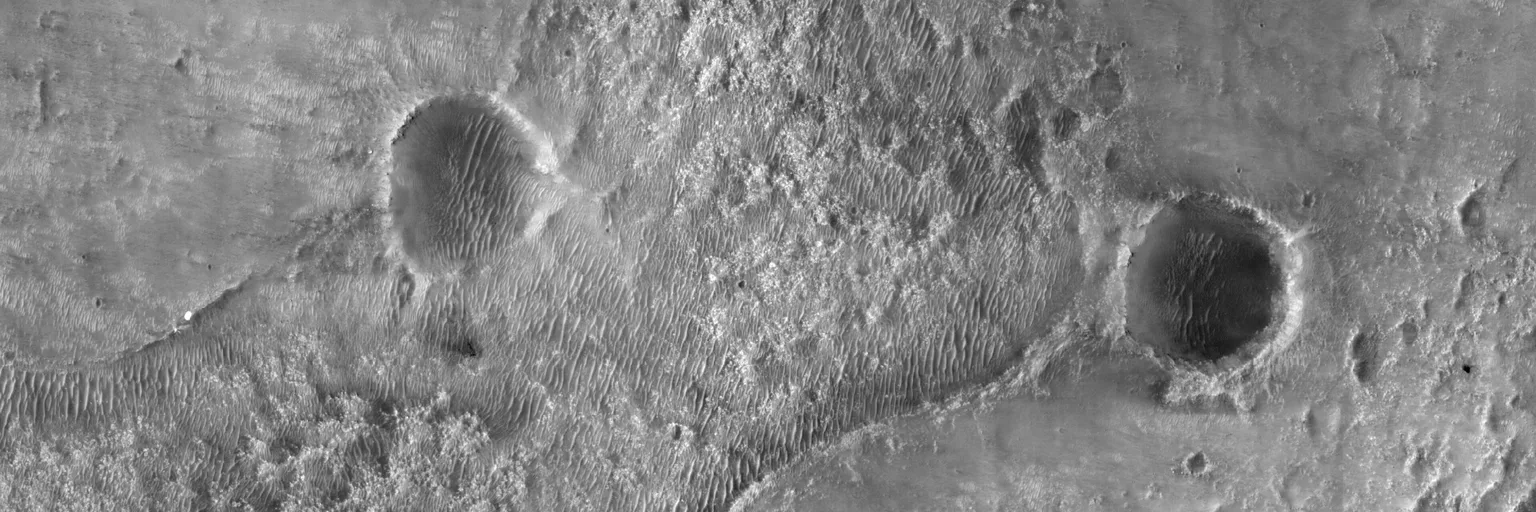
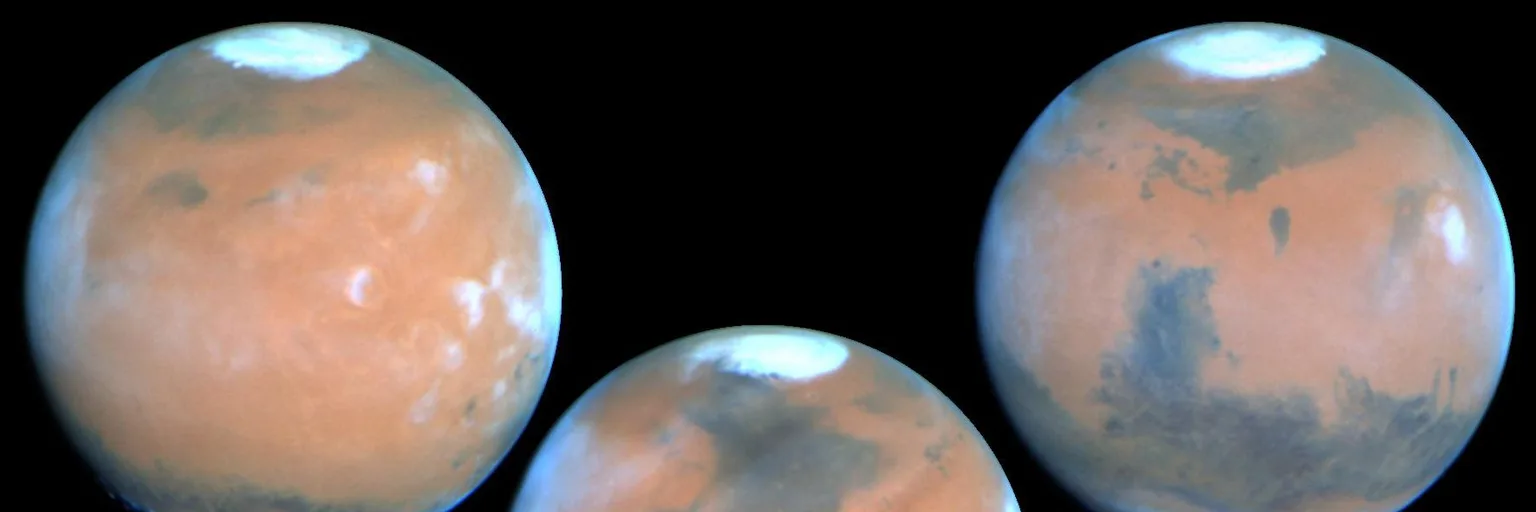
Perseverance measured dust grains of about 100 nanometers over 1,645 sols. Protecting astronauts' lungs is a design problem as serious as the rocket, and it needs money today.
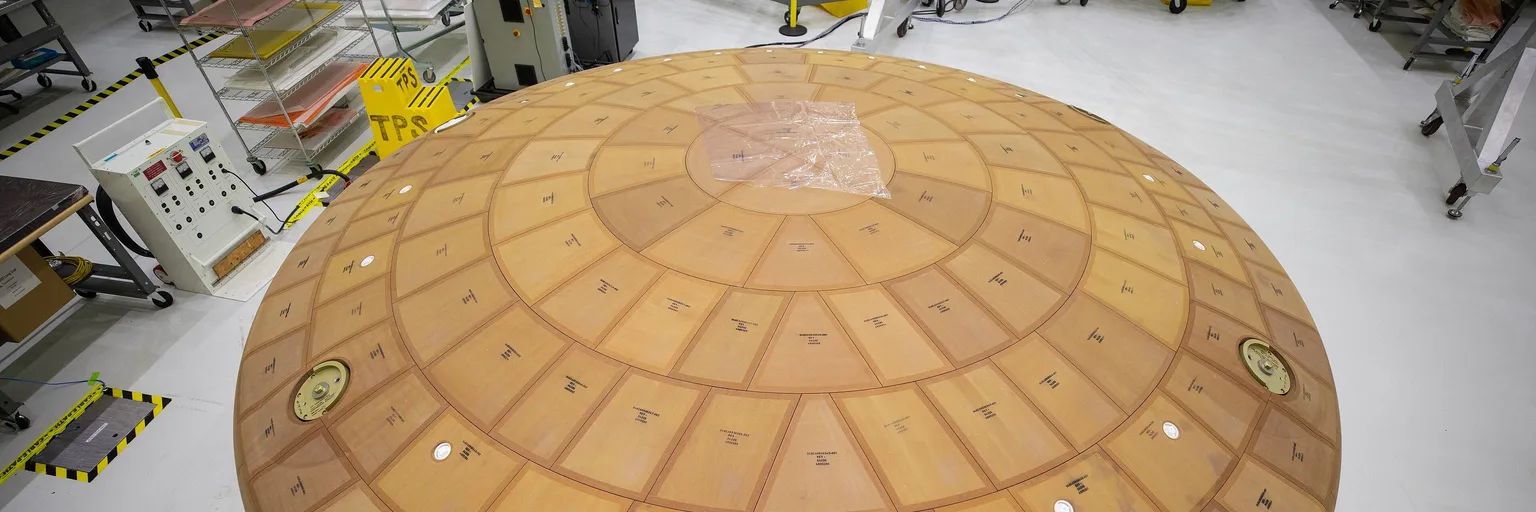
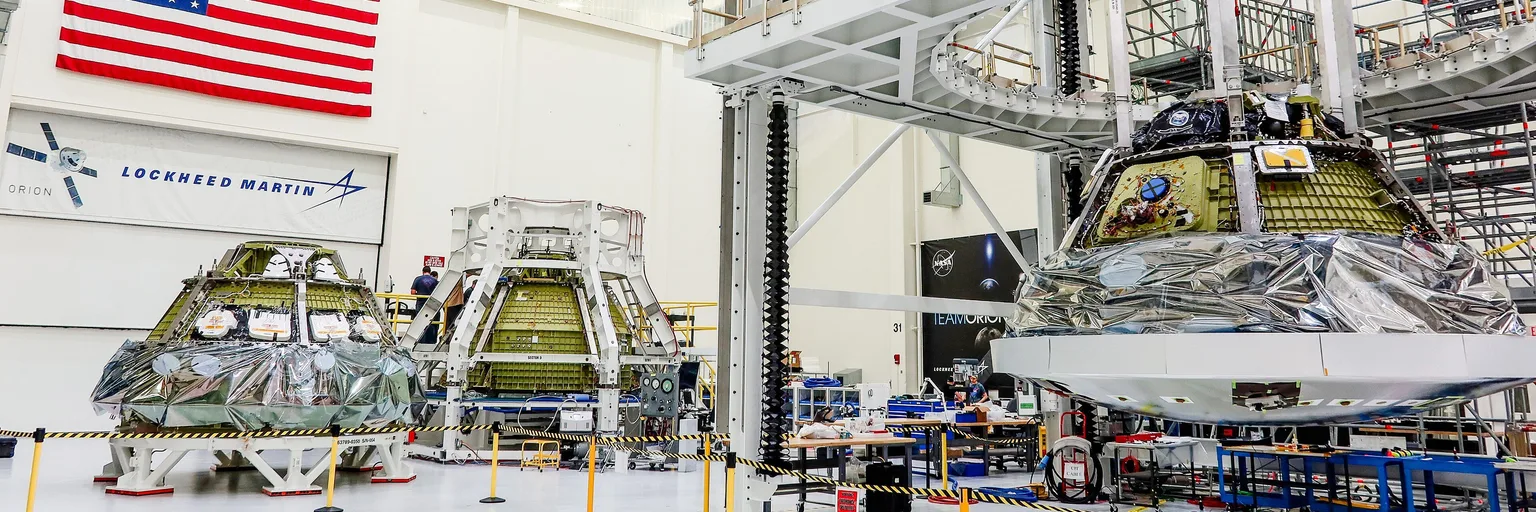
NASA says Orion's heat shield did its job on the way back from the Moon. That is real reassurance, but a single crewed flight can't tell us how much margin future lunar missions have.
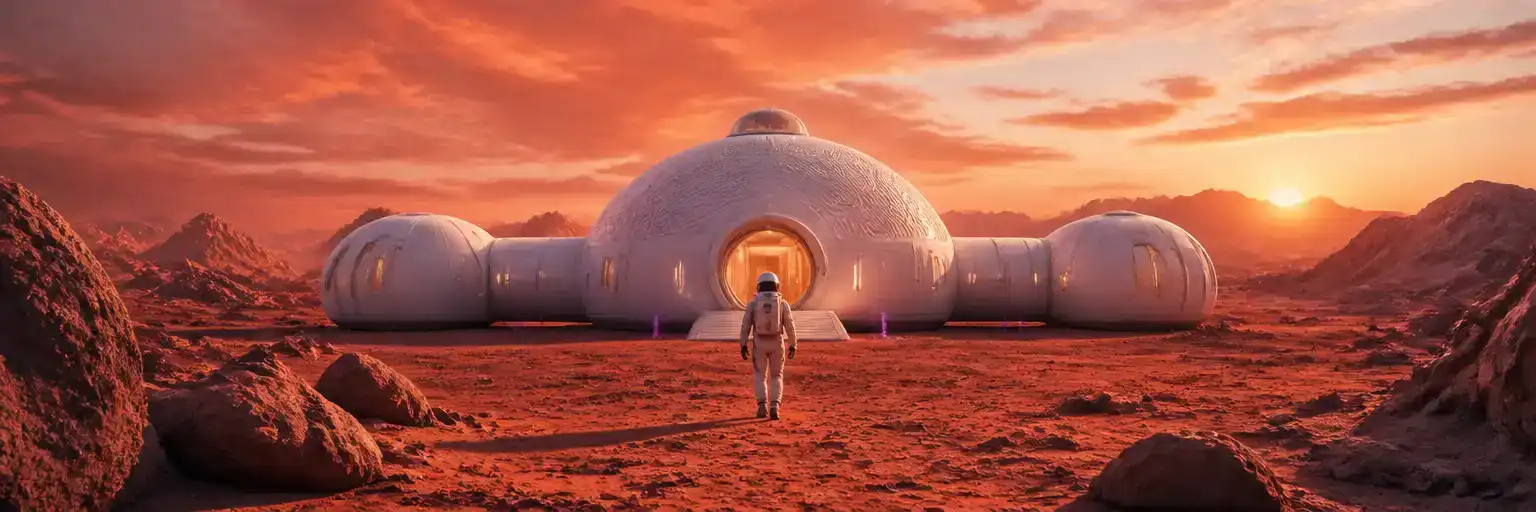
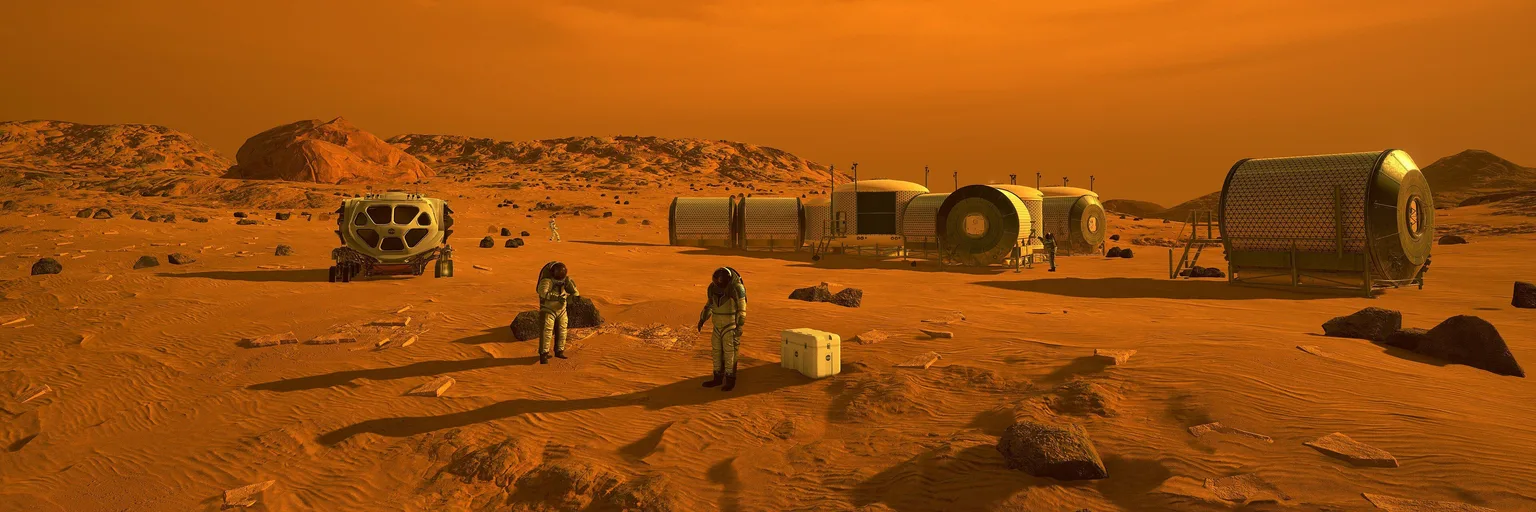
A year inside NASA's CHAPEA Mars habitat suggests the real bottleneck is food, minds and decisions made far from help, not launch vehicles.
The 2027 target for Artemis III matters less than what the mission now tests: whether two commercial landers and their rockets are ready, and whether NASA will tolerate a realistic schedule.
The agency keeps saying 2028. The date will mean something only when a lander docks with Orion, a suit gets tested and Blue Origin's damaged launch pad is flying again.
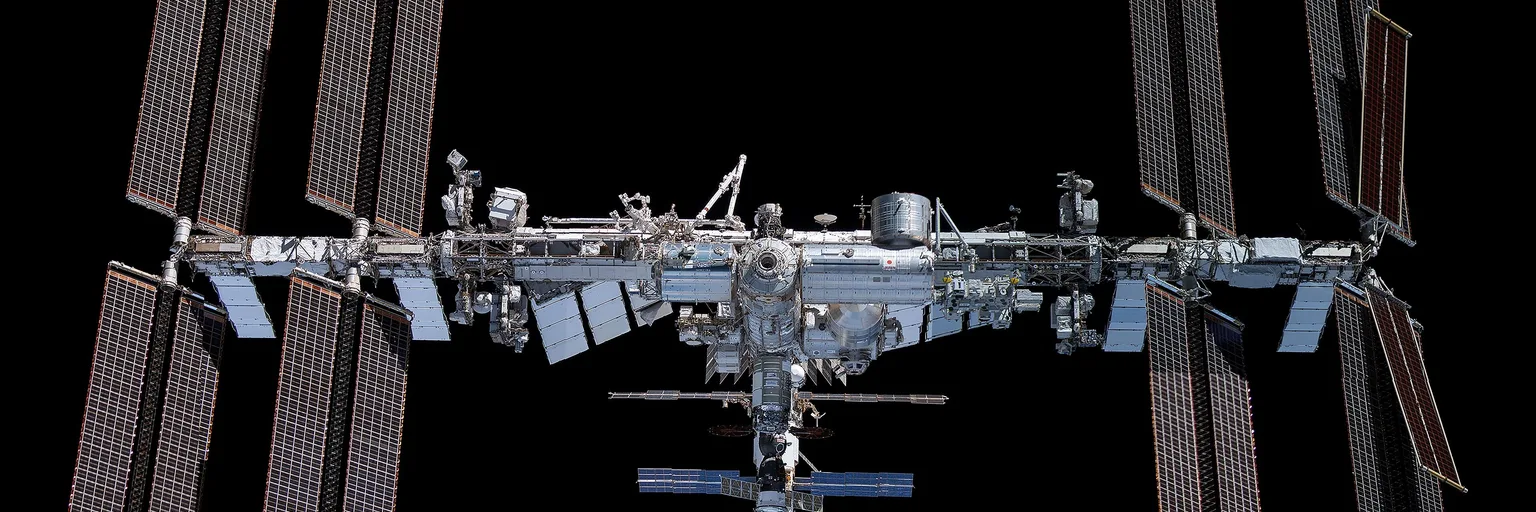
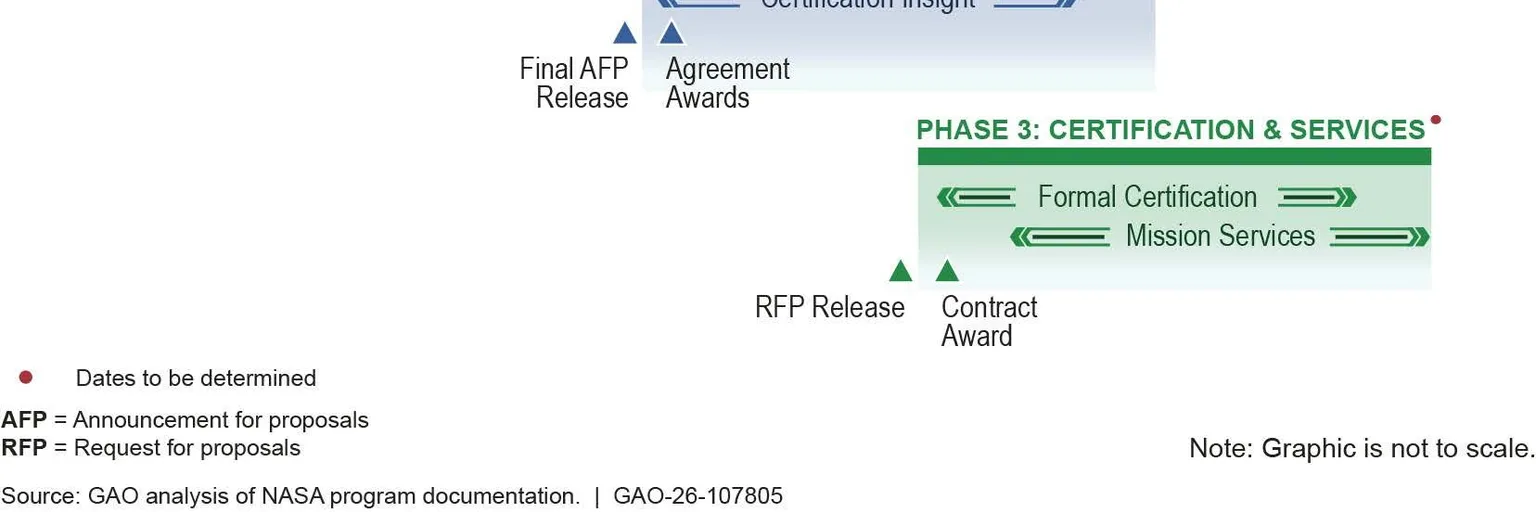
NASA's stated goal is to avoid a gap in crew-capable platforms in orbit. But the plan to replace the ISS has changed course too often to be the only plan.
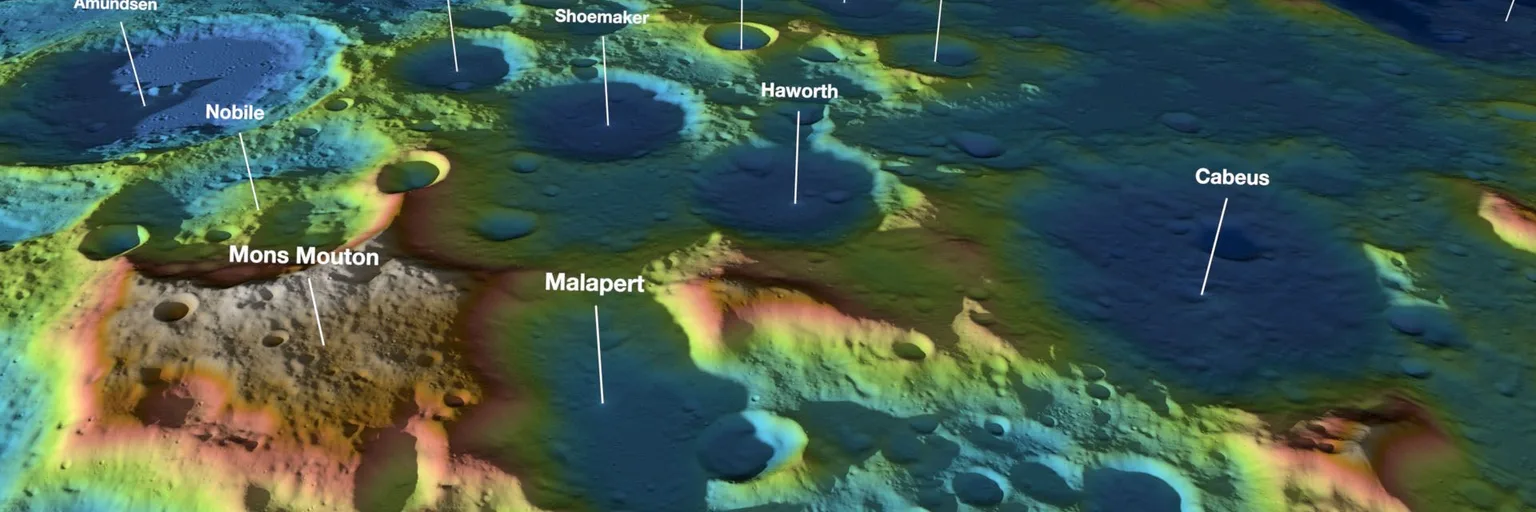
The Moon’s cooling interior is still reshaping its crust, turning faults, moonquakes and landslides into an operational risk Artemis should design around—not discover too late.
NASA’s year-long Mars simulation shows that survival will depend not only on hardware, but on food, communication, autonomy and the psychology of isolation.
A two-week Mars simulation on a city square in Germany, blending art and science, offers a uniquely accessible and thought-provoking approach to future space exploration.
The successful cultivation and harvest of a first generation of rice, and the sowing of seeds for a second generation in orbit, is more than a botanical achievement; it's a blueprint for humanity's sustained presence beyond Earth.
The persistent debate over whether space begins at 80 or 100 kilometers above Earth underscores that this 'scientific' boundary is deeply entangled with legal, commercial, and geopolitical interests.
Mysterious geometric patterns on the Martian surface are far more than aesthetic oddities; they are critical indicators of subsurface ice, offering a roadmap for human exploration and a deeper understanding of Mars' climatic evolution.
After the Artemis II mission confirmed the Orion heat shield's robust performance and astronaut training intensified, NASA's deliberate, iterative strategy is clearly building a solid foundation for sustained lunar presence and deep-space exploration.
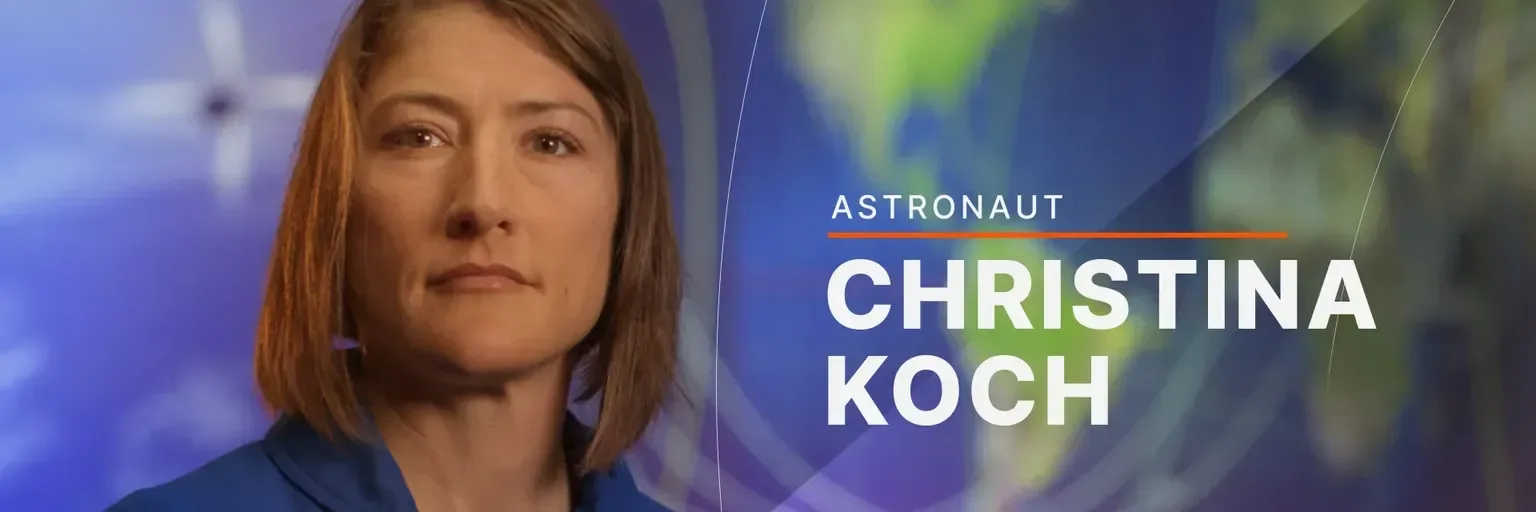
NASA's decision to move Artemis II astronaut Christina Koch into a key engineering leadership position signals a deliberate pivot towards foundational technical oversight and long-term mission architecture over an accelerated lunar landing timeline.
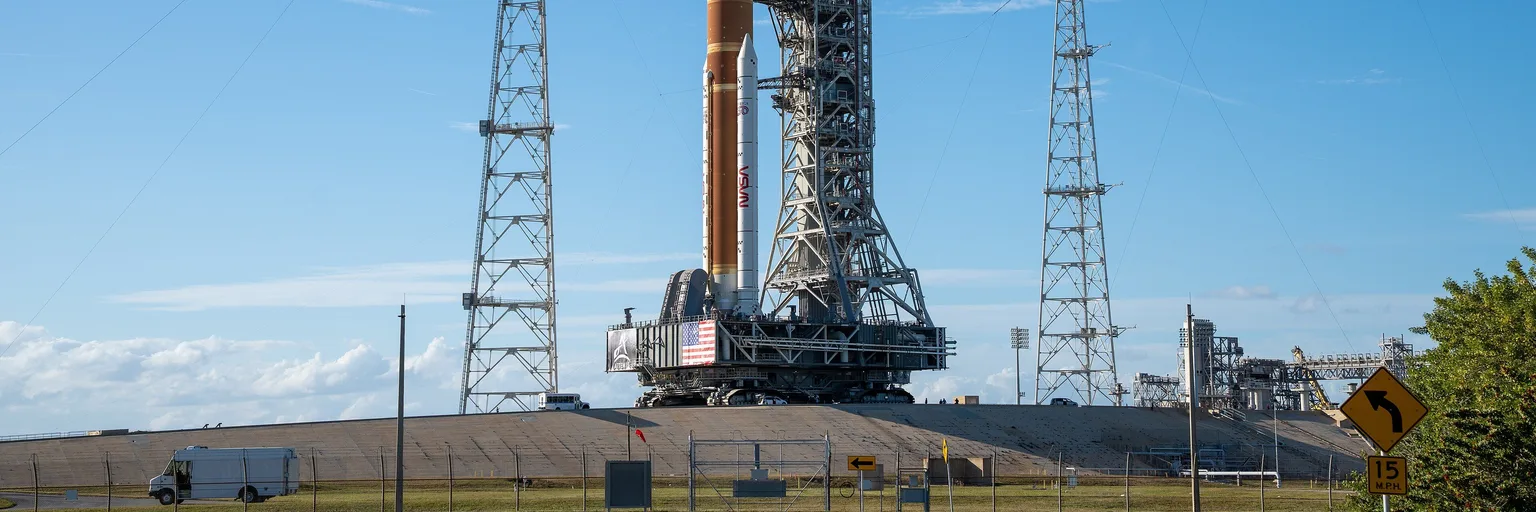
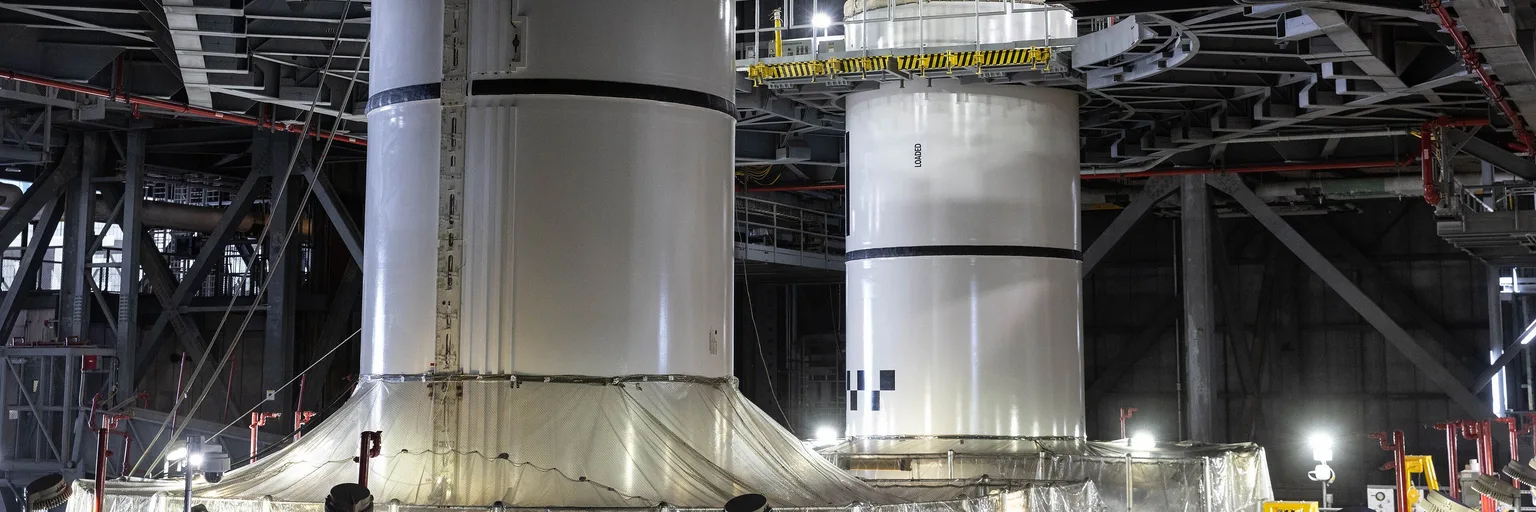
NASA's completion of Artemis III booster stacking marks a significant engineering milestone, signaling steady progress in the complex preparatory missions essential for future human lunar landings.
A leading French astronaut’s frank assessment of humanity's physiological and technological readiness for Mars reveals a sobering gap between our grand ambitions and current capabilities.
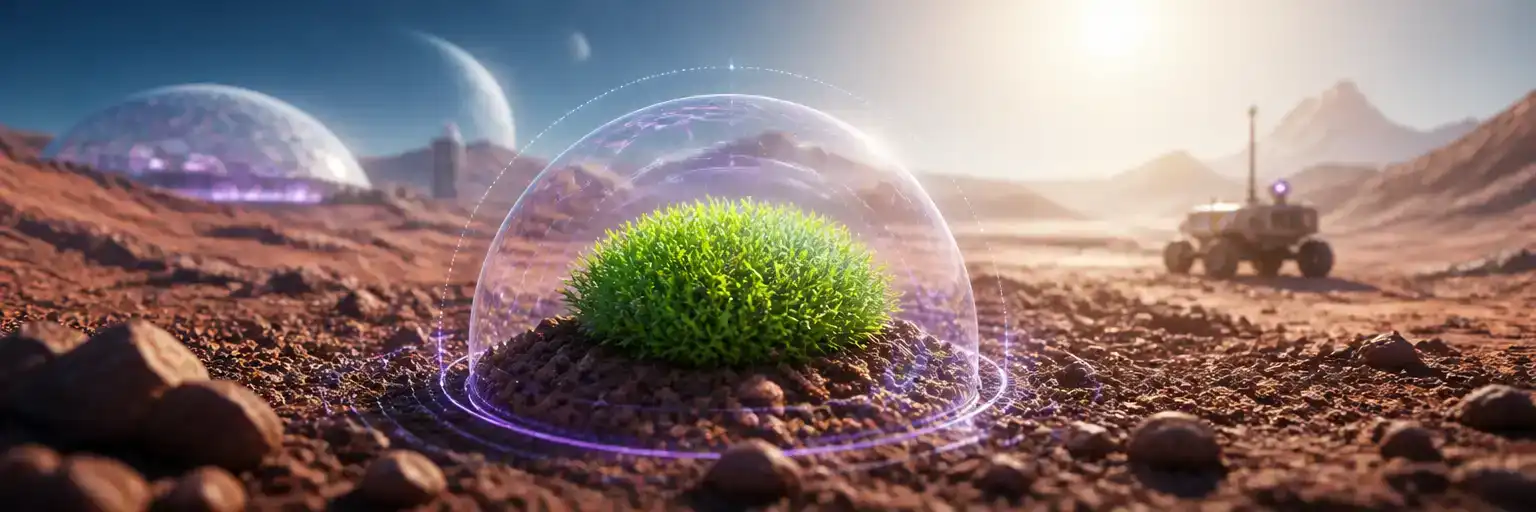
A newly identified desert moss from China's Xinjiang region, demonstrating unprecedented resilience, offers a groundbreaking pathway for sustainable space agriculture and crucial solutions for terrestrial food security in extreme environments.
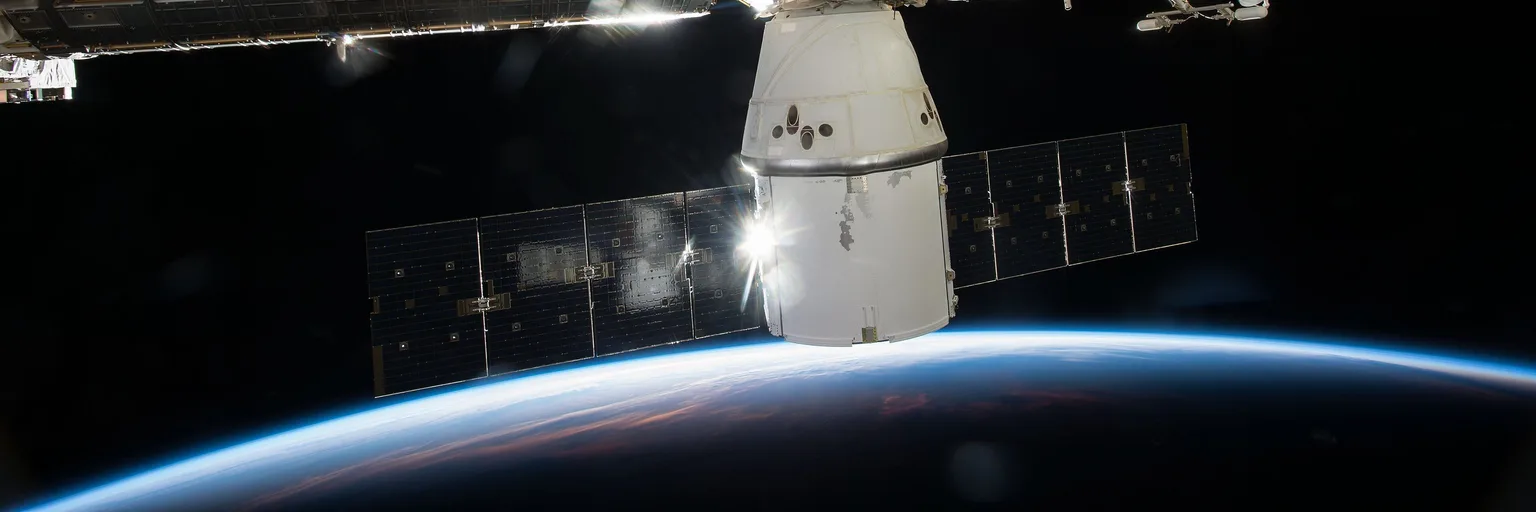
The latest Dragon resupply mission, delivering critical research on human health and plant growth, underscores how private enterprise is reshaping the landscape of orbital scientific discovery.
NASA's latest Request for Proposals for commercial space stations signals a pivotal shift toward private-sector leadership, offering both immense innovation and critical questions about the government's evolving role in orbit.
The Crew-13 mission’s lightning-fast journey to the ISS isn't just a speed record; it heralds a new, more efficient era of space travel, challenging the legacy of the costly Space Shuttle.
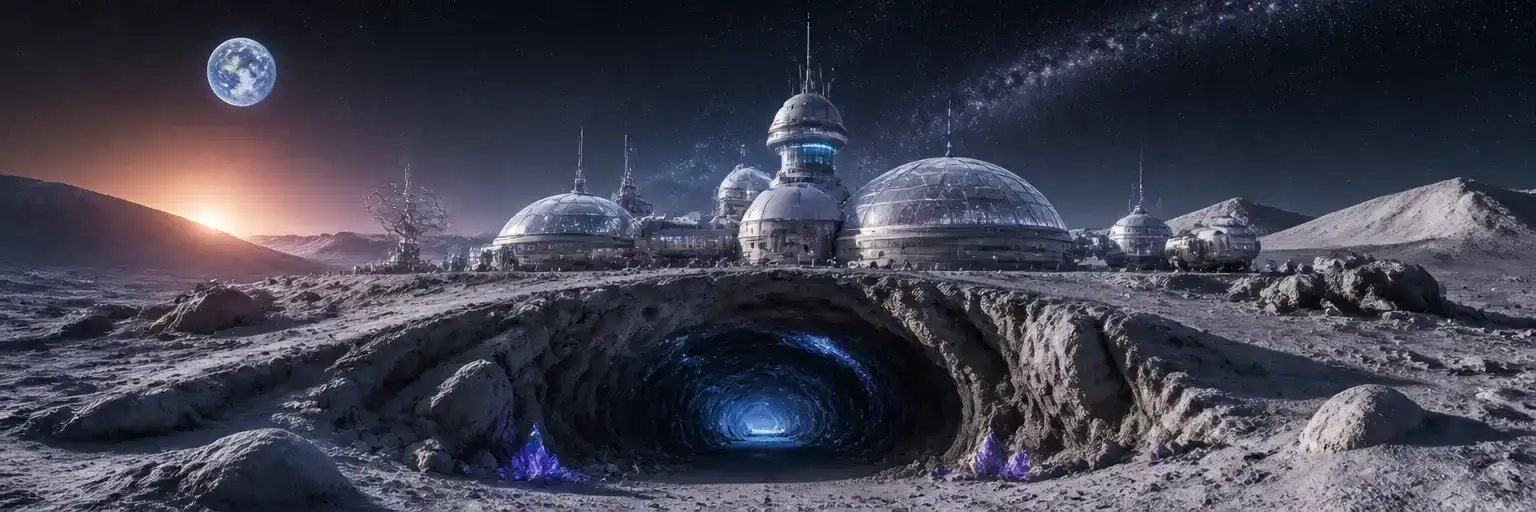
NASA's dual push for advanced nuclear propulsion and the discovery of lunar lava tubes signals a profound strategic pivot towards enabling long-term, self-sustaining human outposts on the Moon and Mars.
NASA's Artemis II mission delivered a treasure trove of data, but it's the astronauts' unique observations of lunar impacts and strange colors that underscore humanity's indispensable role in space science.
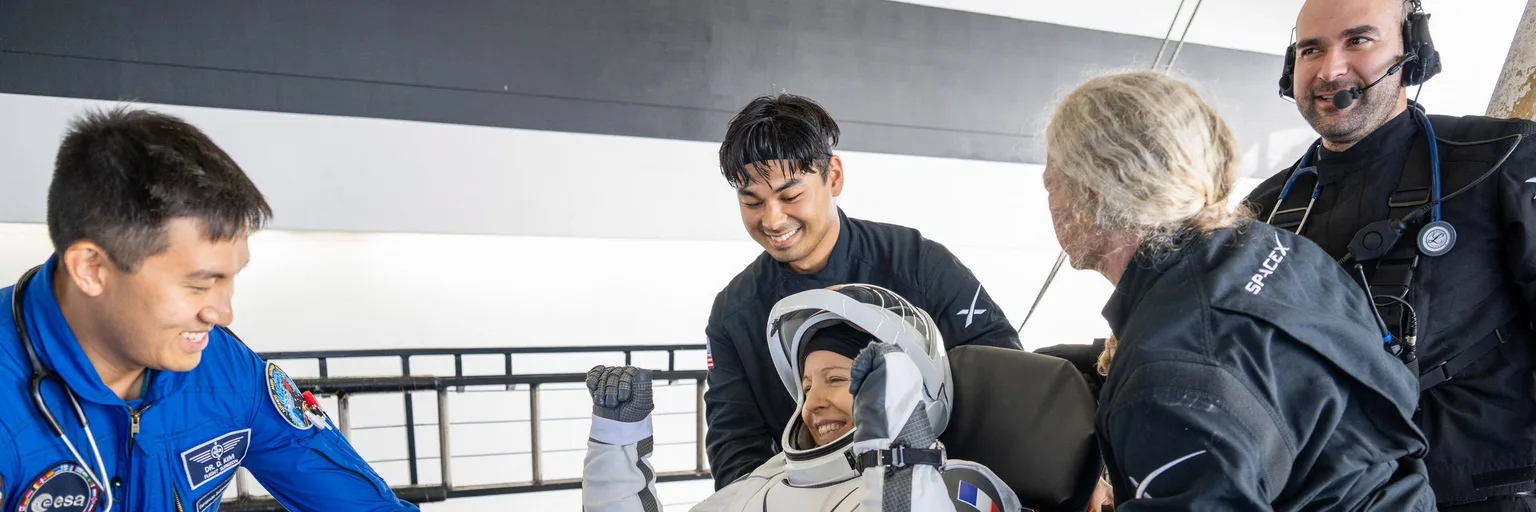
The successful 237-day mission of NASA's Crew-12 underscores that true space exploration is less about the spectacle and more about the quiet, sustained dedication to scientific advancement in orbit.
NASA's latest achievements, spanning Curiosity's Martian vistas, successful ISS crew returns, and significant Artemis III progress, reveal its unparalleled ability to drive scientific discovery and human deep-space exploration.