Curisfera Newsroom
Hera's real test for planetary defense isn't the crater. It's the why
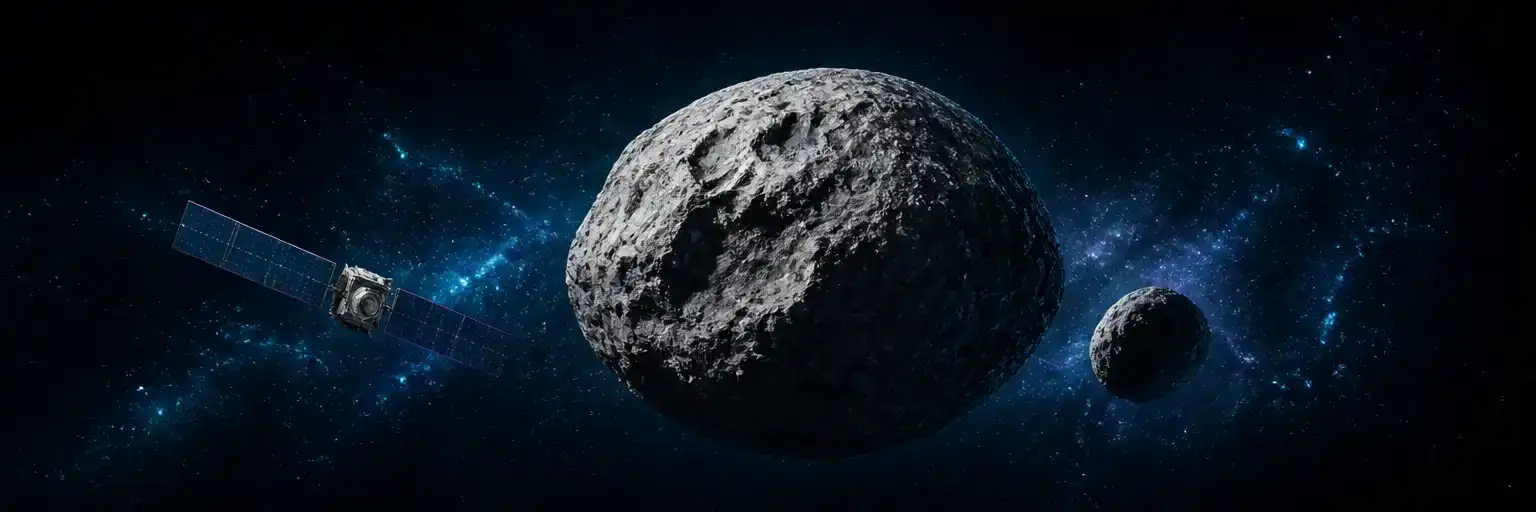
DART moved an asteroid more than scientists expected. Hera's close-up of Dimorphos will show whether that was a repeatable physical rule or a lucky shot.
DART moved an asteroid more than scientists expected. Hera's close-up of Dimorphos will show whether that was a repeatable physical rule or a lucky shot.
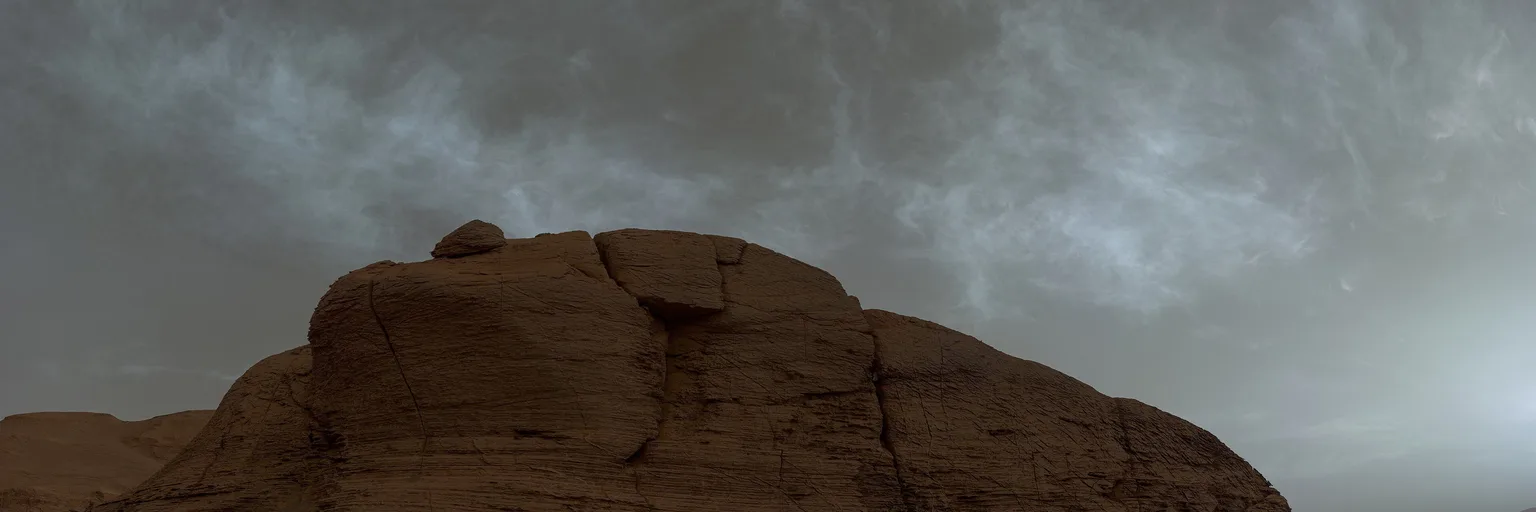
Curiosity's detection of usable nitrogen strengthens the case that ancient Mars was habitable, but a pantry stocked with chemistry tells us nothing about whether anyone cooked.
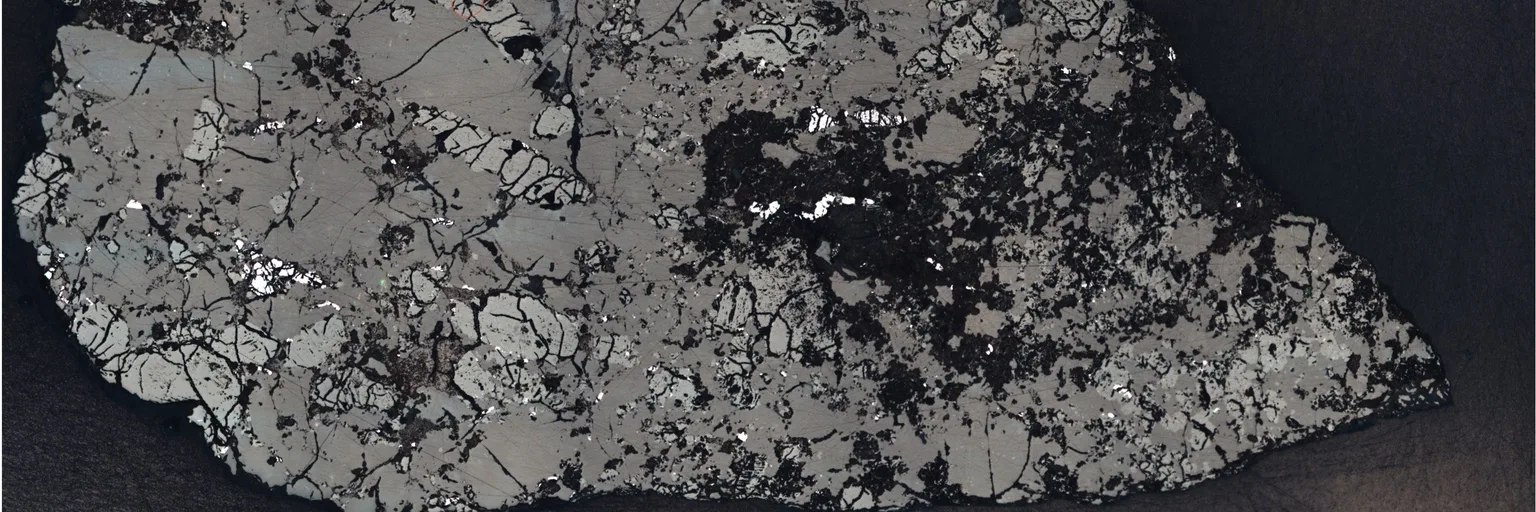
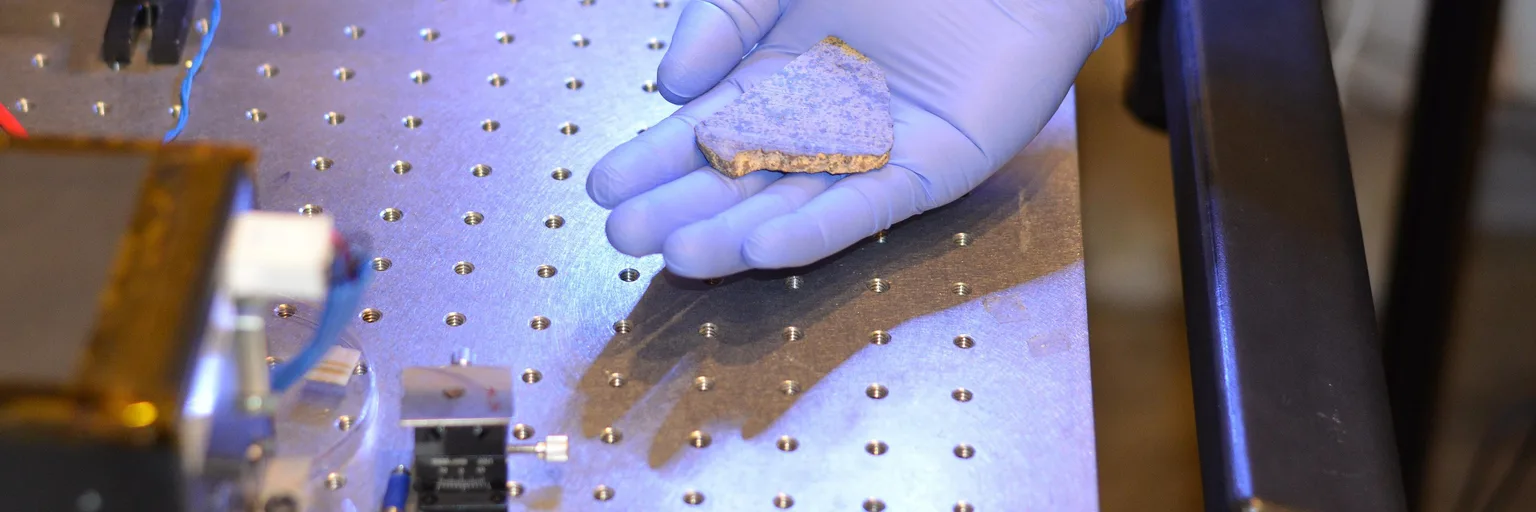
A 4.1-billion-year-old meteorite with 13 candidate source sites shows how little a rock's age tells us without its geological setting, and why Mars sample return still matters.
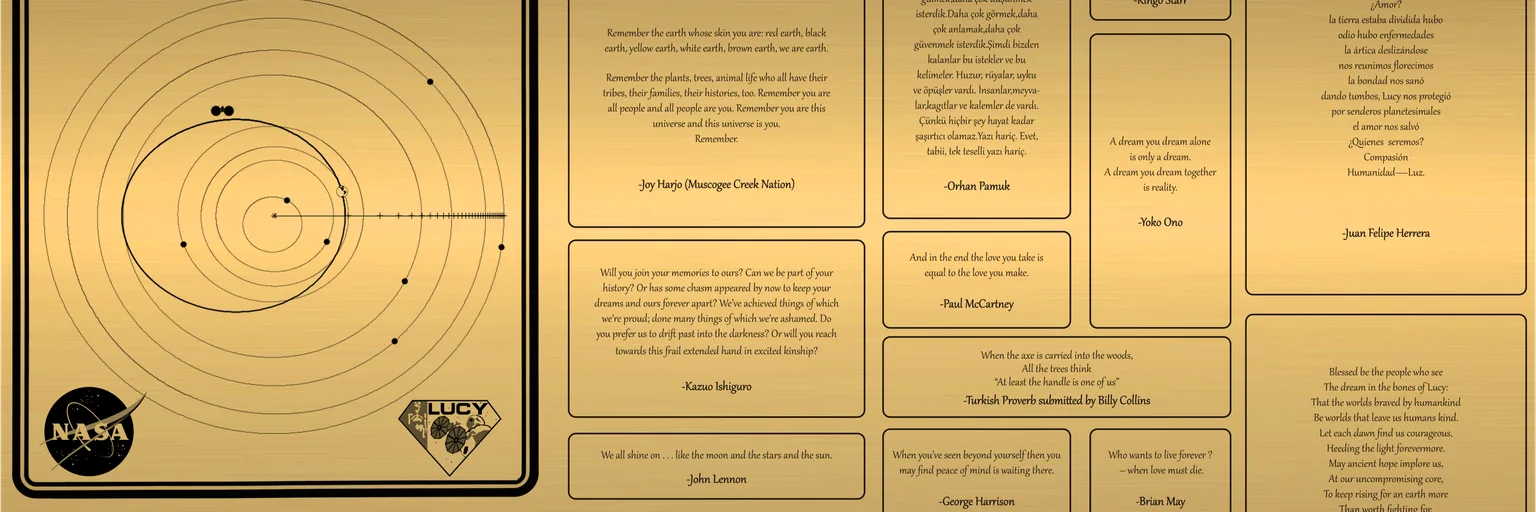
Five years and 2.2 billion miles to reach Jupiter's Trojans: Lucy's patient, flyby-only approach is a smart way to study primitive bodies that may explain how the planets formed.
Teghaza 001, a meteorite at least 4.1 billion years old, hints at a wetter early Mars. It also shows why a lucky find from the desert needs careful, modest reading.
A 4.1-billion-year-old rock from the Sahara shows how much meteorites can teach us about early Mars, and why that is an argument for sample return, not against it.
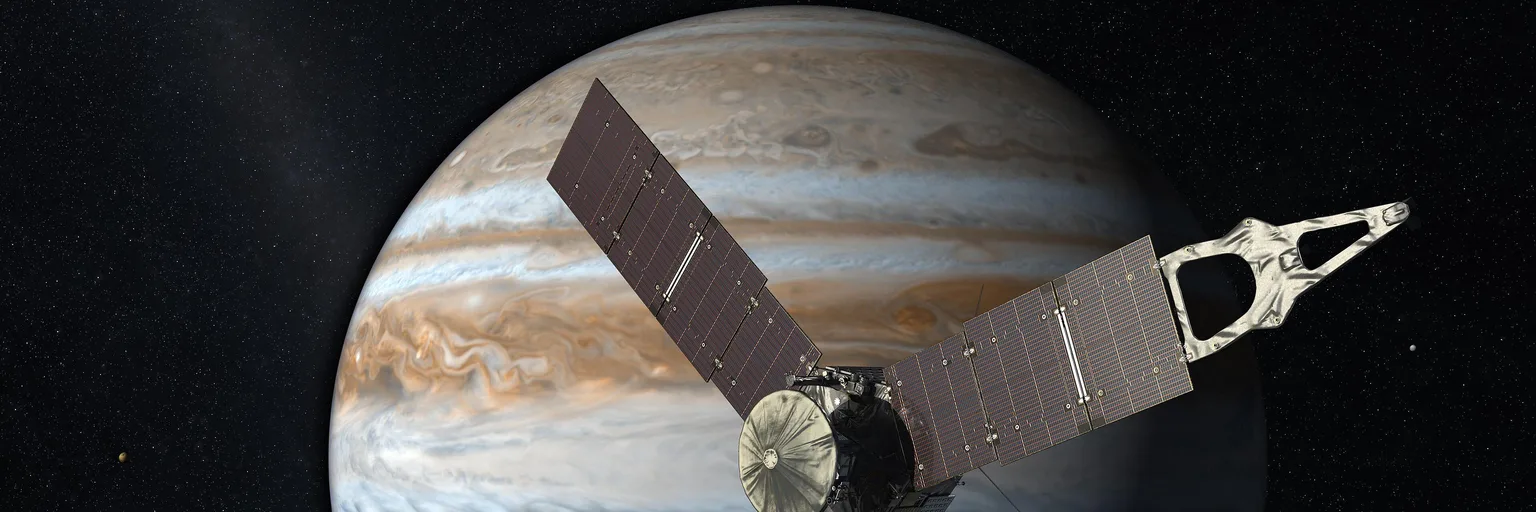
Juno found multi-frequency plasma waves and shocklets at Jupiter that Earth doesn't need. We think that makes our home planet a risky default for magnetosphere models.
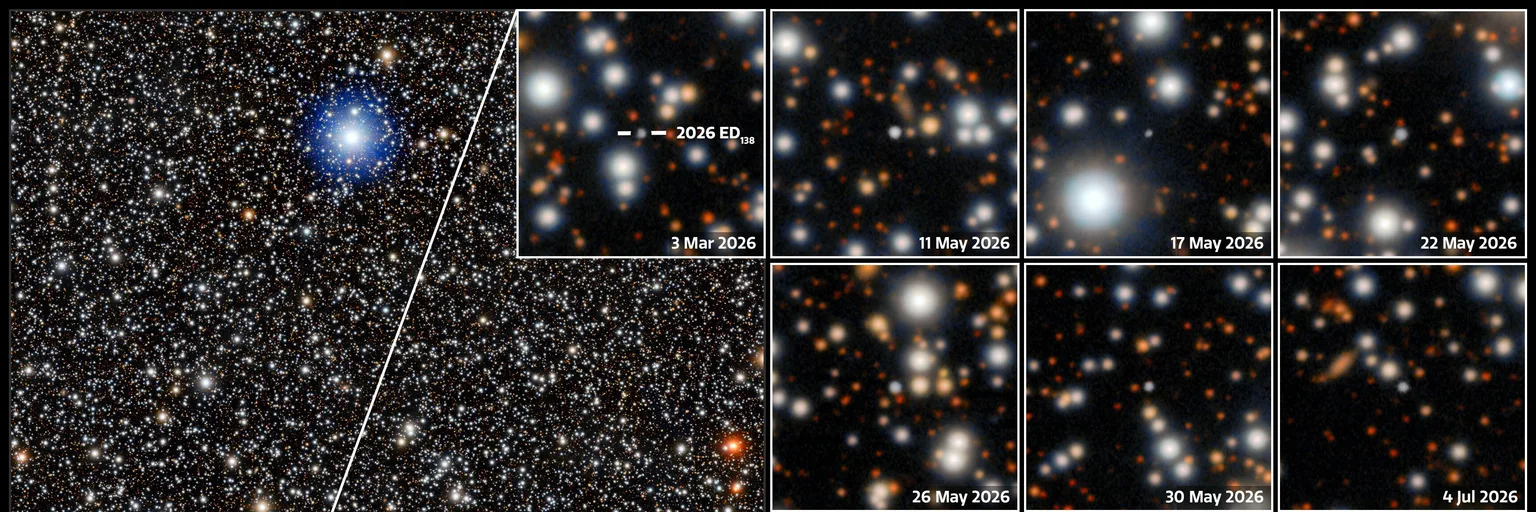
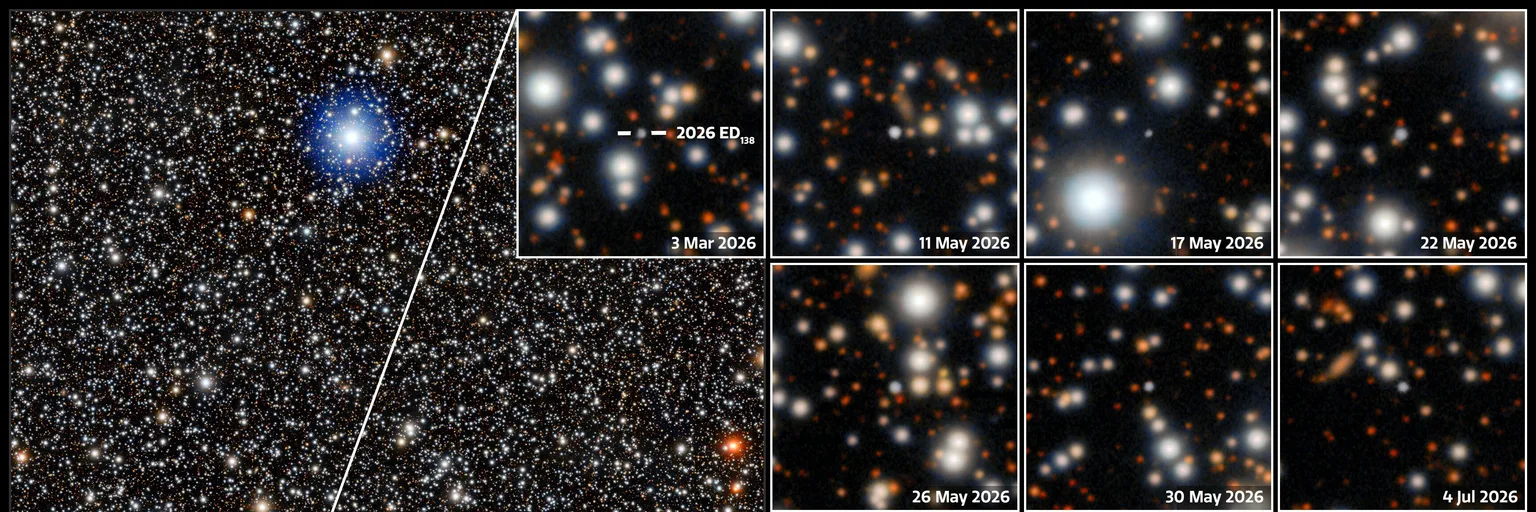
2026 ED138 stays a candidate until its size and shape are measured, and the bigger story is how many more worlds like it Rubin will turn up.
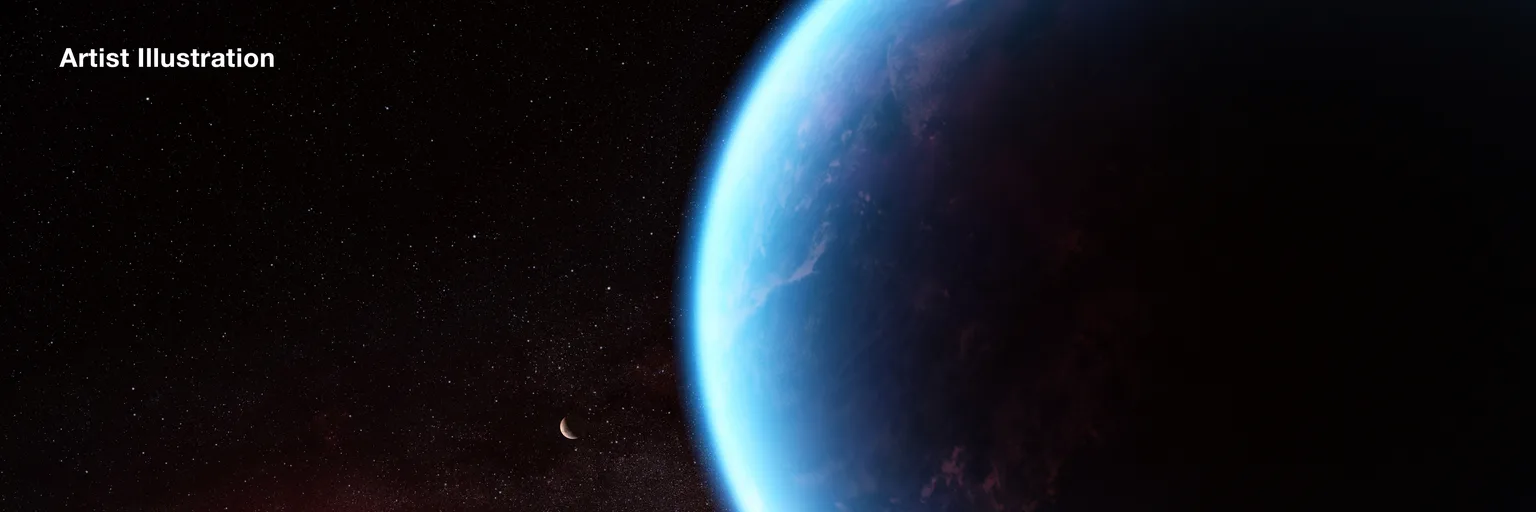
TOI-561 b, a scorched rocky world, seems to wear a reflective atmosphere it shouldn't have. We should loosen our habitability filters, not throw them out.
Rubin's dwarf planet candidate is thrilling, but the real story is the slow, unglamorous work of confirming orbits and size, not the "planet" label.
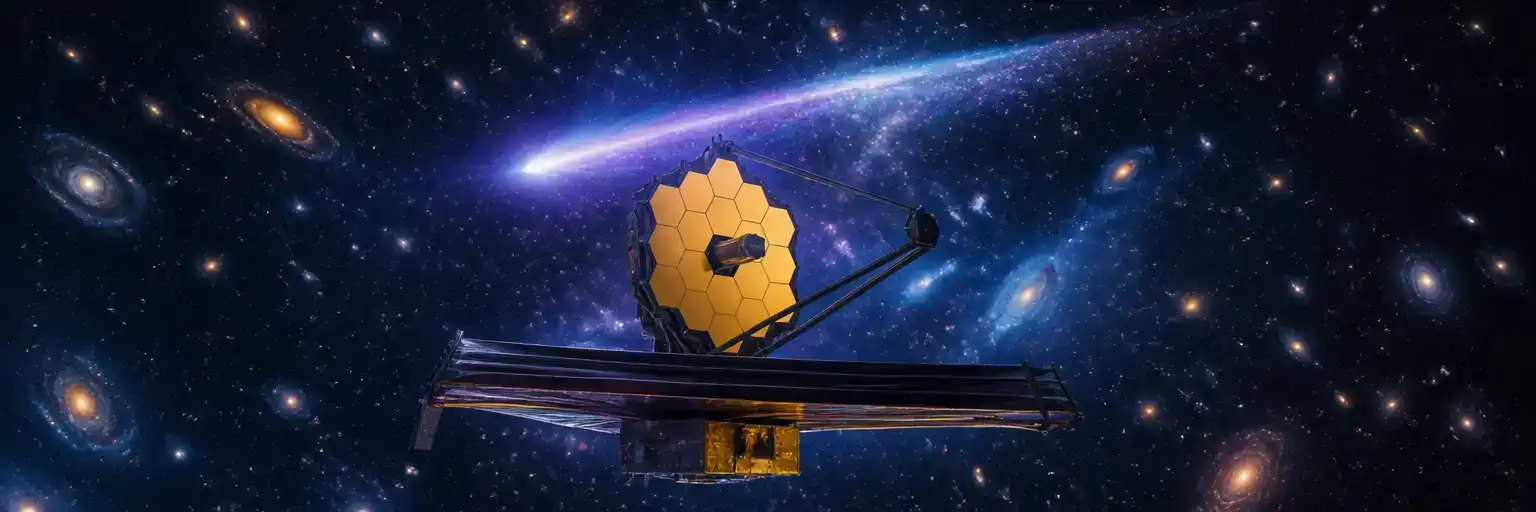
A dark-energy telescope flagged a comet nobody had cataloged. The real lesson is that survey data should be mined for surprises on purpose, not by accident.
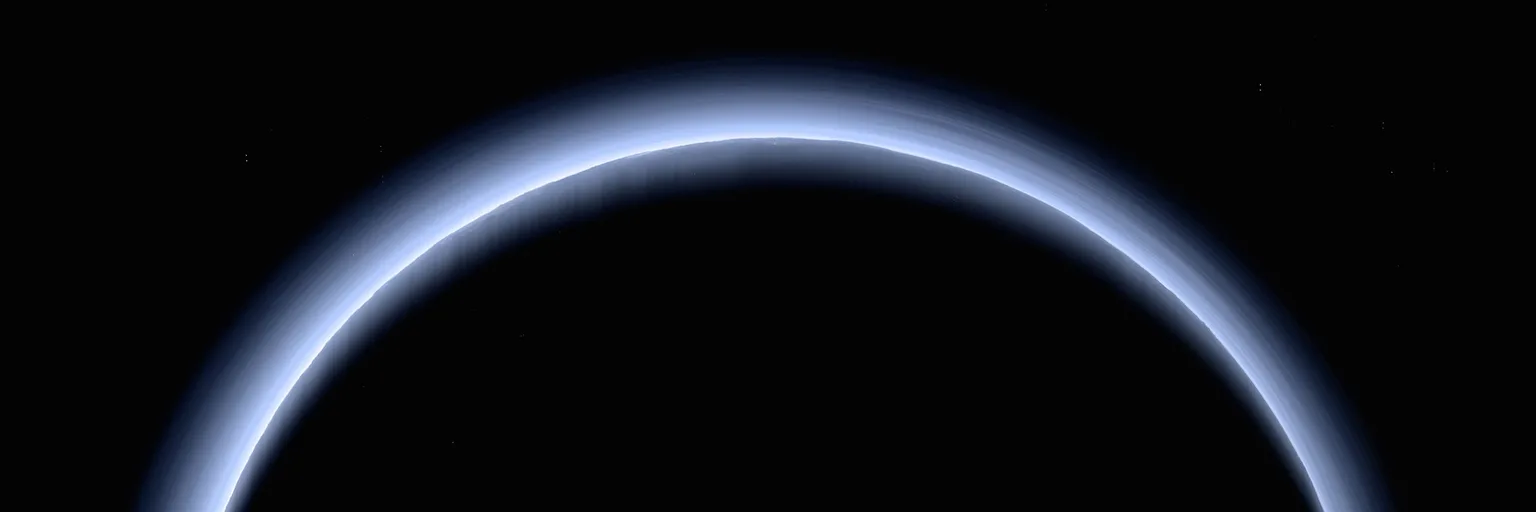
Six huge collapses in New Horizons images show Pluto's surface has been reshaped in ways we hadn't confirmed. That's progress, but it's not proof of present-day activity.
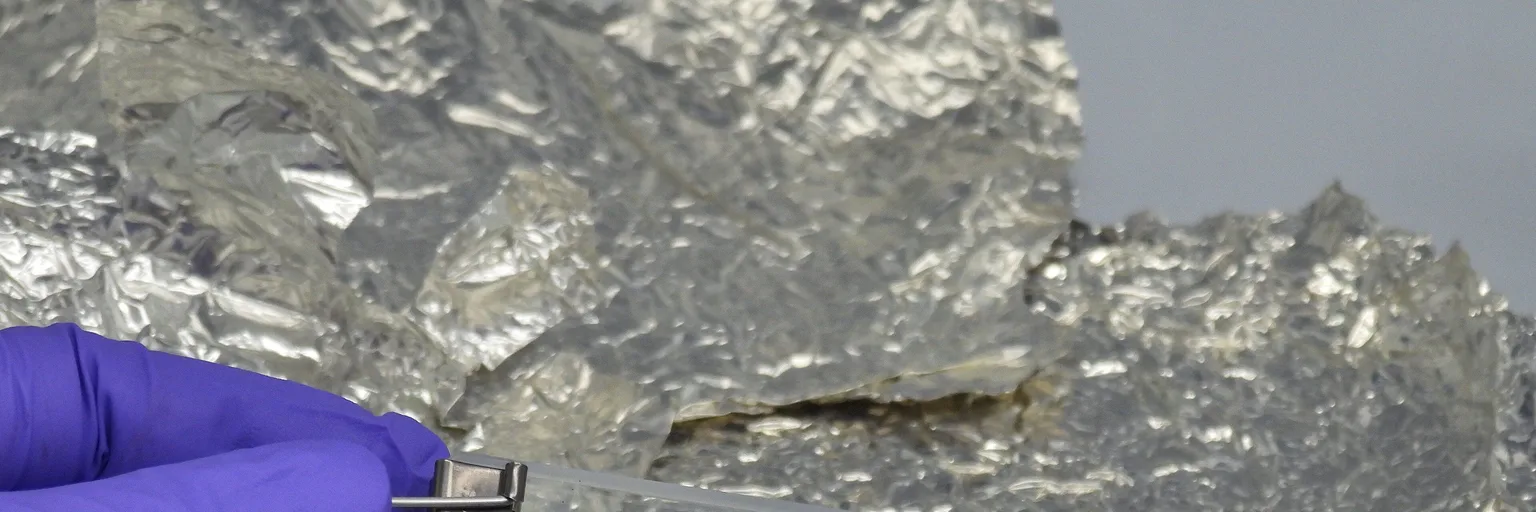
Stardust, outer-Solar-System ice and room-temperature water in 120 grams of rock: Bennu shows that bringing dirt home beats any flight milestone at changing what we know.
NASA's Psyche is thrusting almost nonstop toward a metal-rich asteroid. The quiet triumph is solar-electric propulsion, and the prize is understanding how planetary cores form.
The strongest argument for sample return is already in the labs: Bennu's grains keep answering questions no telescope or probe could, and the funding should follow.
The asteroid 2025 SC79 is not an imminent threat. Its real lesson is more useful: planetary defense still has a blind spot where the Sun makes dangerous objects hardest to find.
Its changing activity and alien isotope ratios matter because they let scientists test which comet behaviors are universal—and which belong only to our Solar System.
A groundbreaking study suggests that moons orbiting starless rogue planets could harbor liquid water for billions of years, radically expanding our search for extraterrestrial life.
The high-stakes competition between NASA and China to bring Martian samples to Earth is reshaping space exploration, accelerating our quest to understand the Red Planet's secrets.
Mysterious geometric patterns on the Martian surface are far more than aesthetic oddities; they are critical indicators of subsurface ice, offering a roadmap for human exploration and a deeper understanding of Mars' climatic evolution.
The discovery of a vast subsurface ice deposit near Mars' equator fundamentally reshapes our understanding of the planet's water distribution and unlocks new possibilities for its past climate and future human missions.
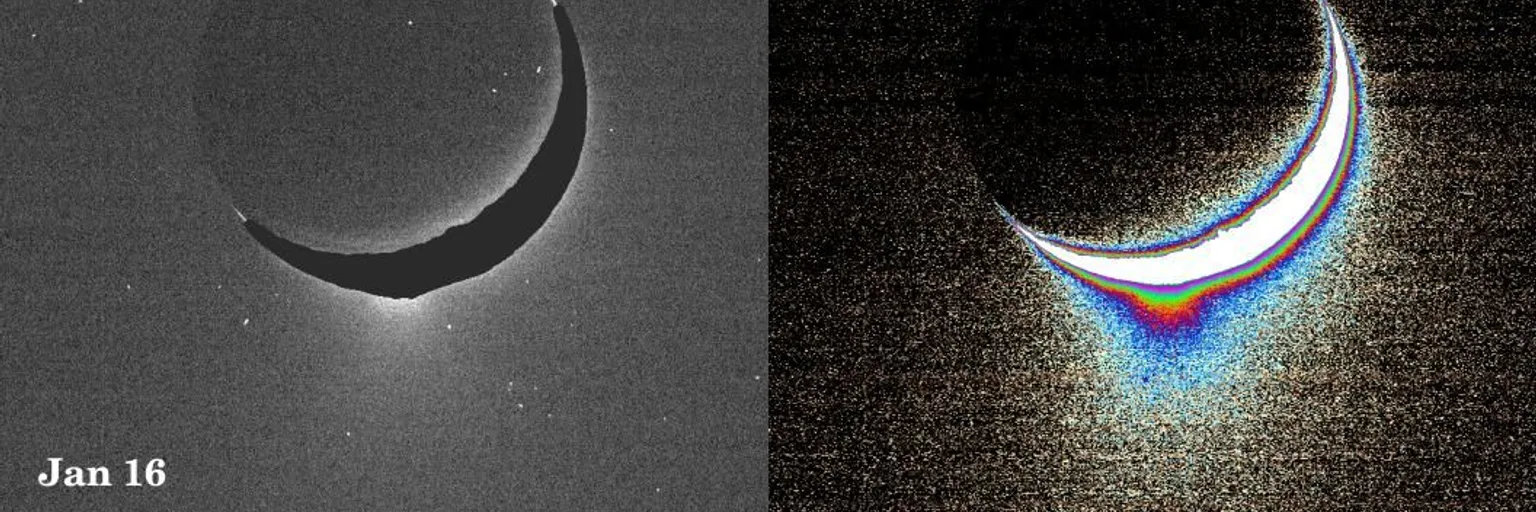
New research shows Saturn’s moon Enceladus is not just habitable, but actively aids in the search for life by 'preparing' samples for us.
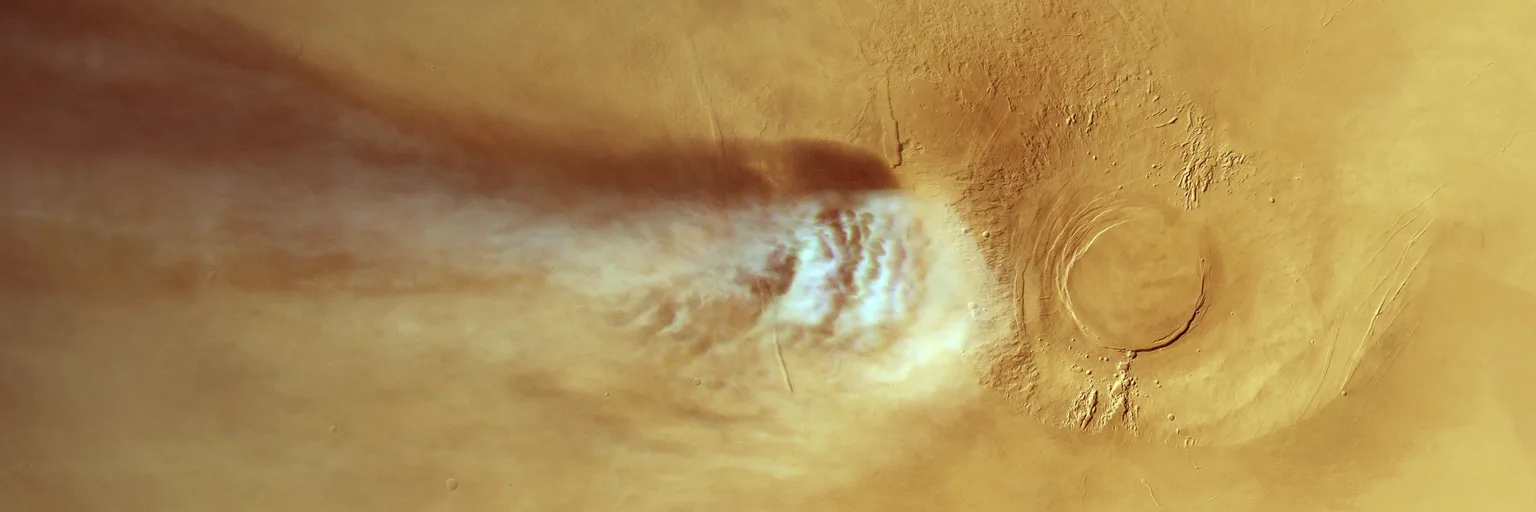
A Spanish-led team has deciphered the mystery of Mars' 1,800-kilometer cloud, revealing a never-before-seen atmospheric process that challenges our understanding of other worlds.
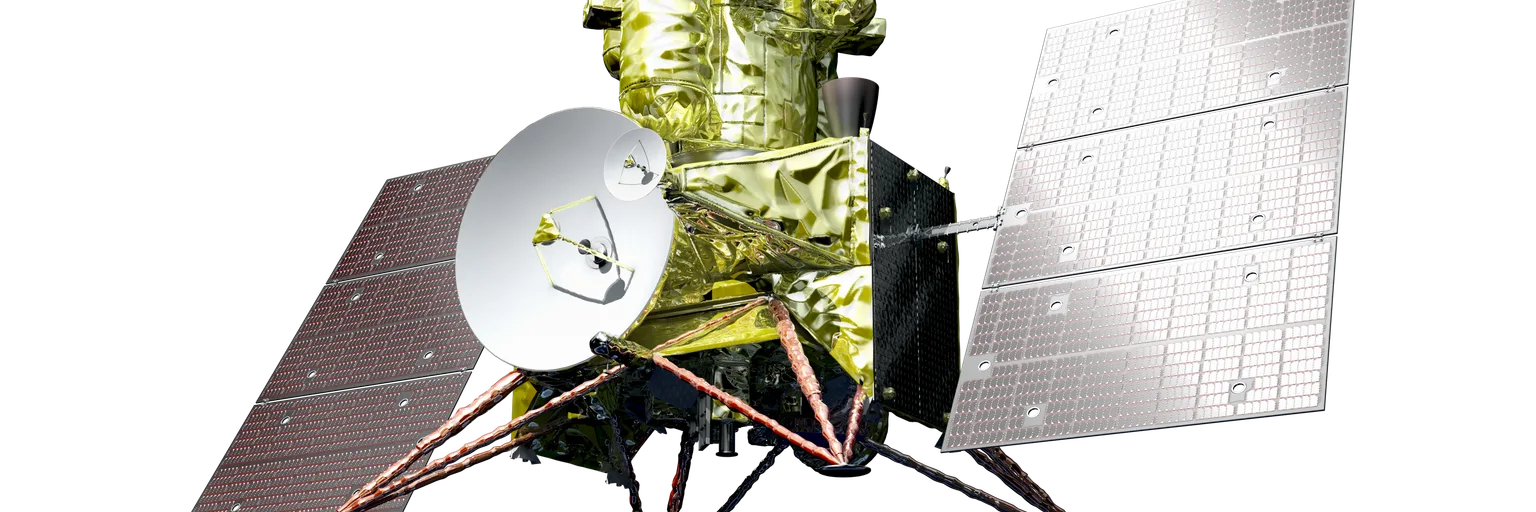
The upcoming MMX mission, a collaboration between Japan, France, and other nations, is poised to solve the enduring mystery of Mars' moons and offer unprecedented insights into our solar system's tumultuous early days.
A recent discovery in Quebec by an amateur astronomer using readily available mapping technology underscores the profound and often overlooked potential of citizen science in planetary geology.
The first definitive radio detection from an exoplanet, Beta Pictoris b, marks a monumental shift, offering an unprecedented view into distant planetary magnetic fields and their role in habitability.
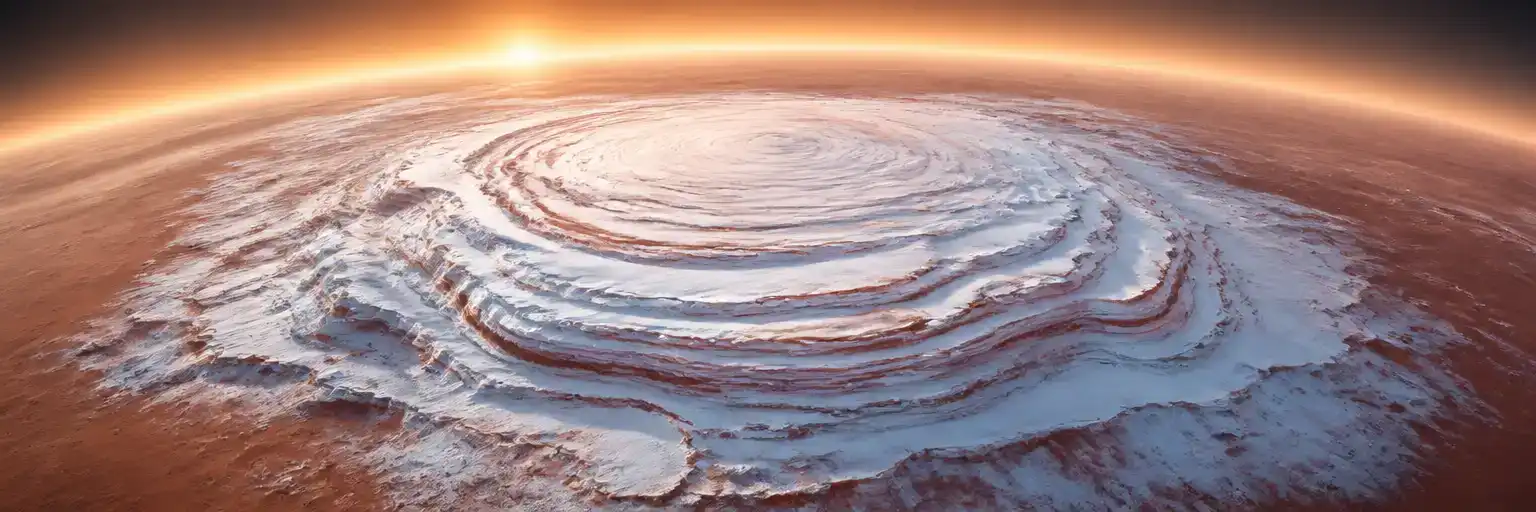
A re-evaluation by the University of Washington has drastically cut the estimated dust in Mars' northern polar ice cap to about 3%, fundamentally altering our view of the planet's past climate and water history.
The latest science investigations for NASA's lunar South Pole base are more than academic pursuits; they are critical blueprints for a safe, sustained human presence and a launchpad for deep-space exploration under the Artemis program.
The open-source Lunar Foundation Model from NASA and IBM is poised to revolutionize lunar research, making decades of complex data available for unprecedented discoveries.
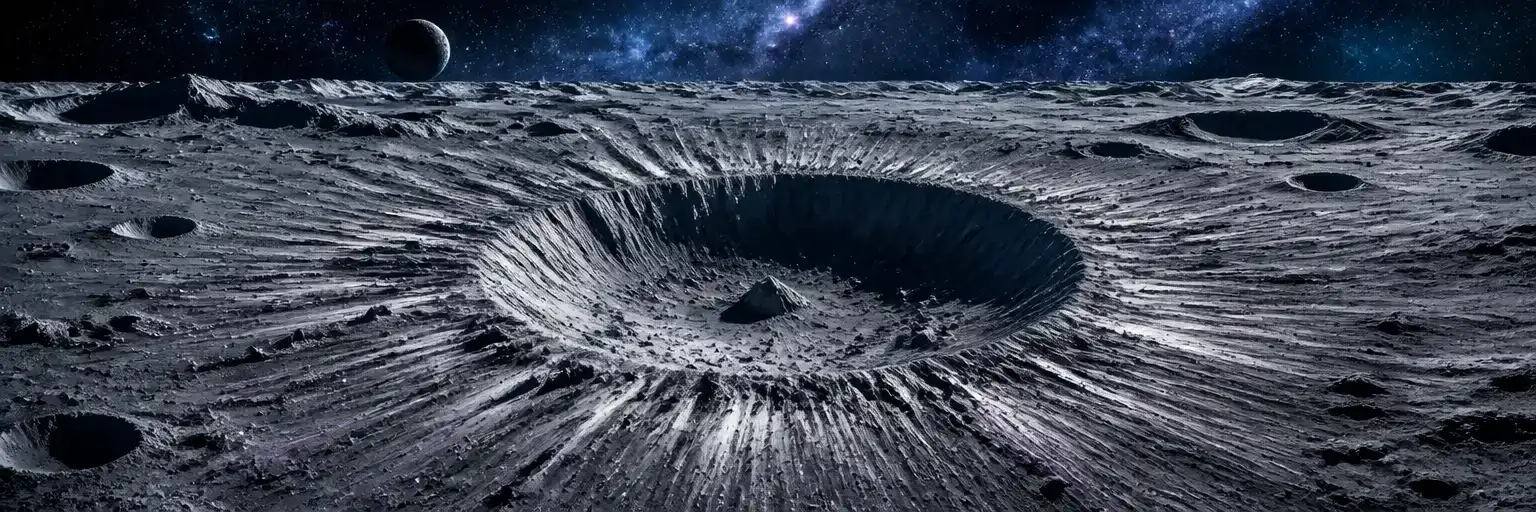
NASA's Lunar Reconnaissance Orbiter has unveiled McGetchin Crater, a colossal 222-meter impact formed in 2024, challenging perceptions of a static Moon and offering unprecedented insights into cosmic collisions.