Curisfera Newsroom
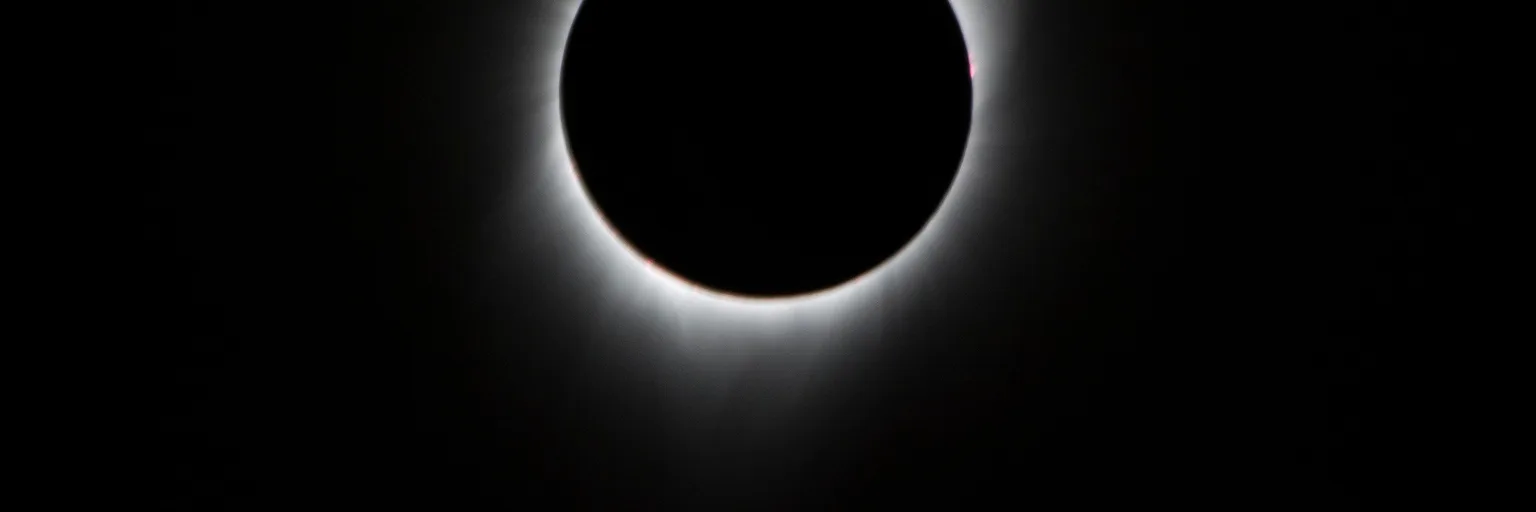
The 2027 eclipse deserves a lab plan, not a selfie stick
Six-plus minutes of totality over Egypt on August 2, 2027 is a rare block of observing time. Treating it as a photo op would waste it.
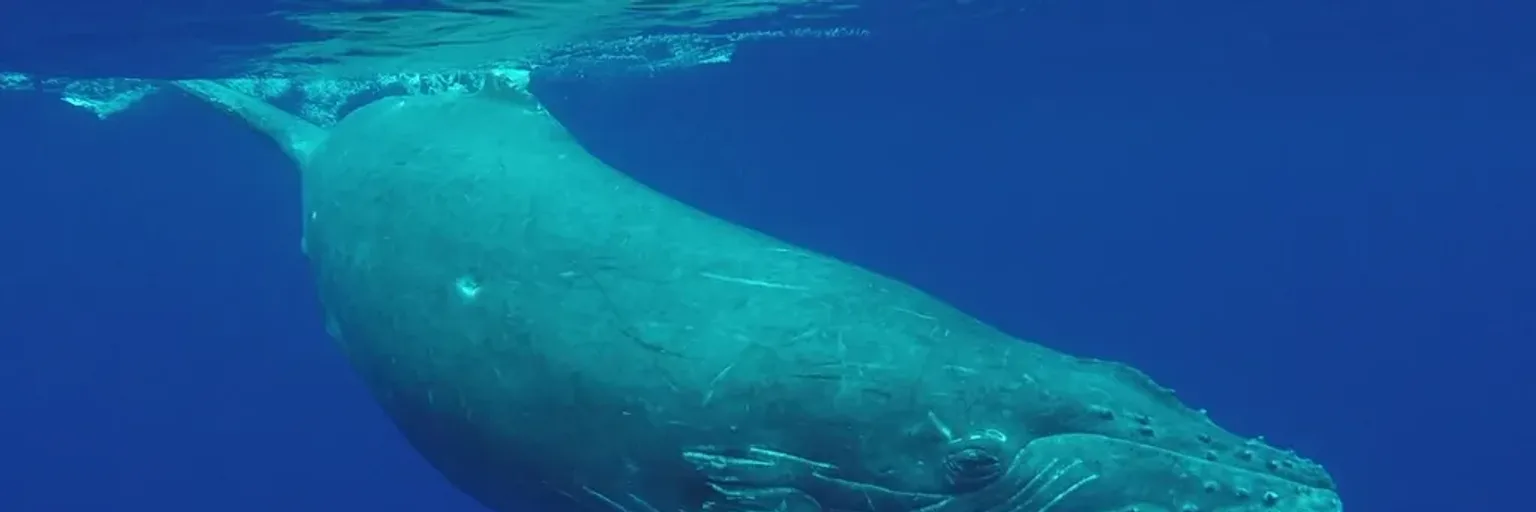
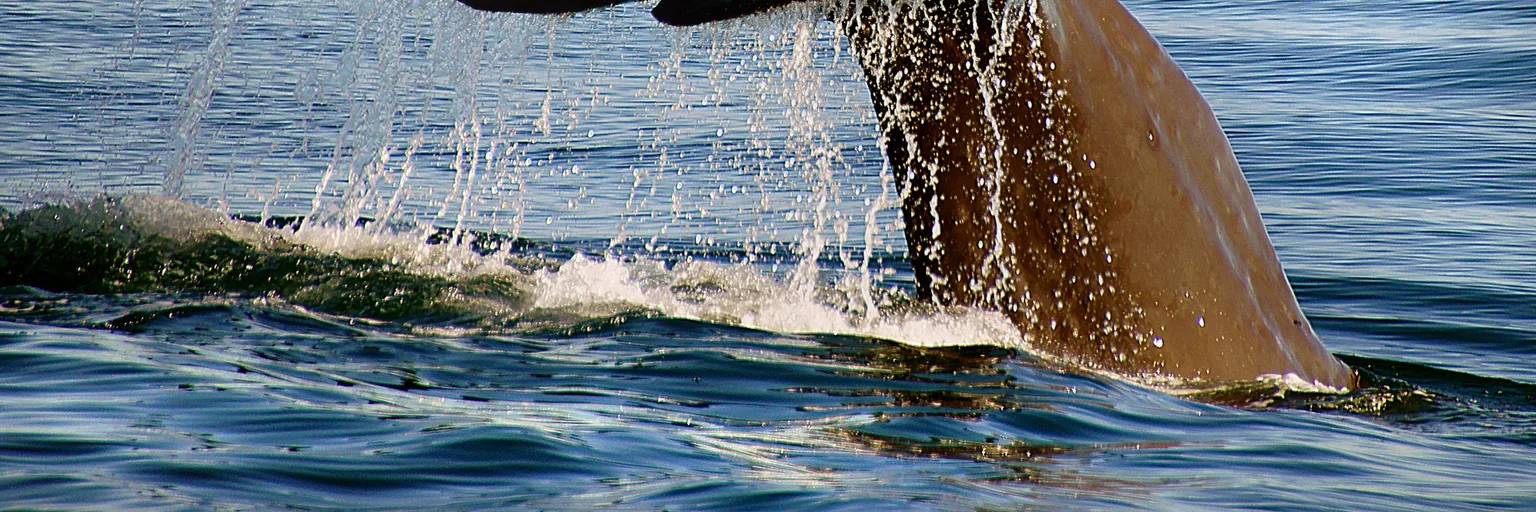
A humpback recorded near Bermuda on a dictation disc could be a baseline for ocean noise that no one can recreate. Sound archives deserve the protection we give fossils.
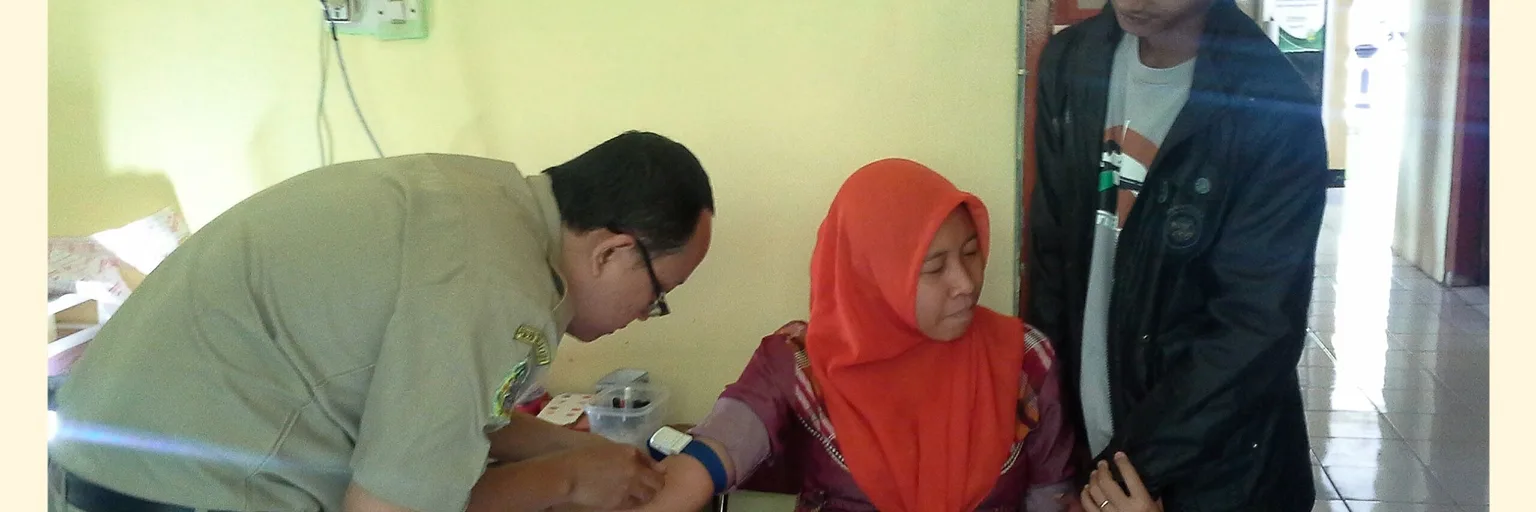
A new antibody signal could make preterm birth more measurable, but turning an association into a safe prenatal test or treatment will take far more evidence.
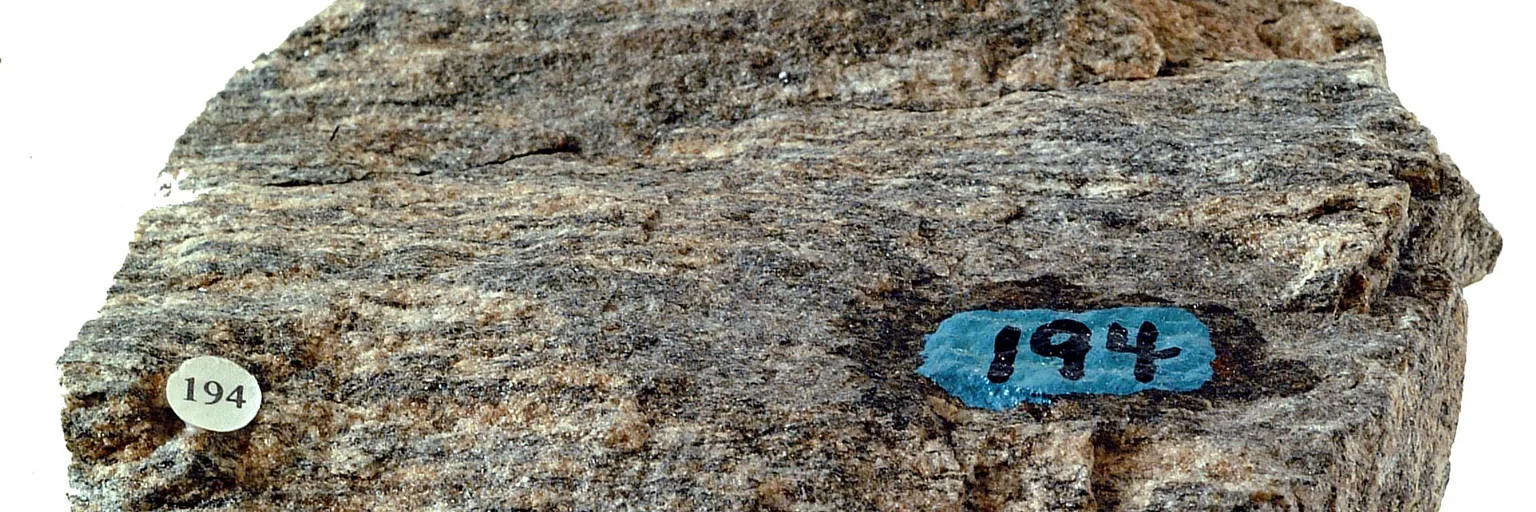
A rock carried more than 90 kilometers underground preserves a rare thermal history—but one anomalous sample is evidence to investigate, not permission to discard every model.
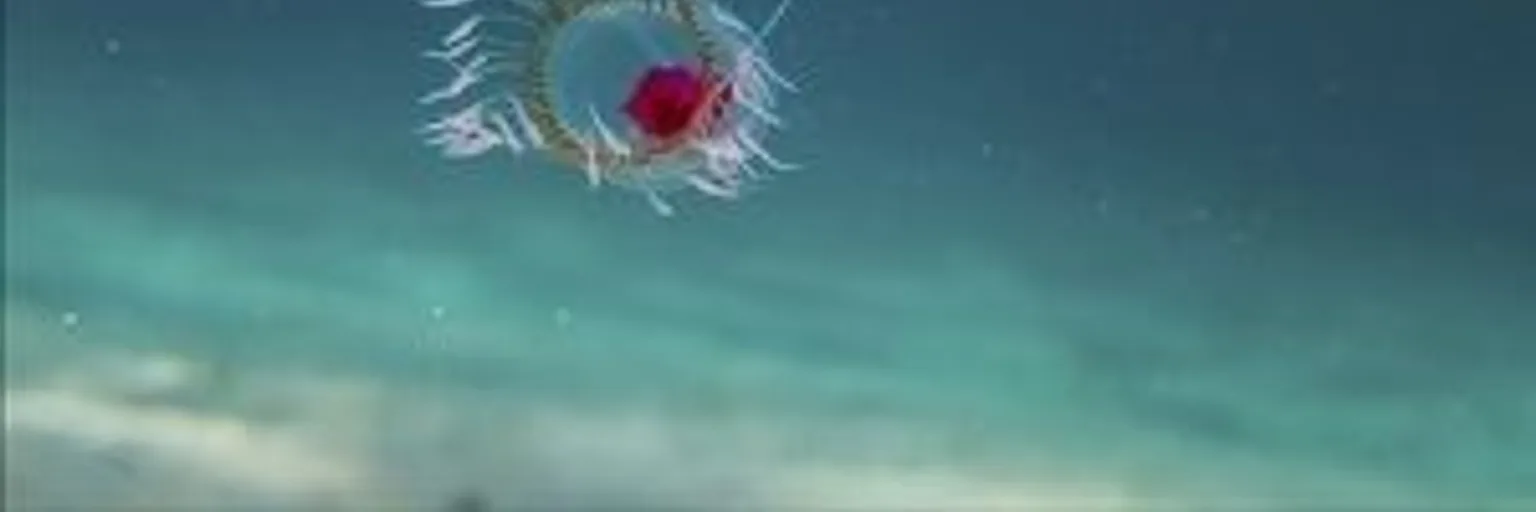
Turritopsis dohrnii does not offer a fountain of youth. Its real value is showing how an adult body can reorganize itself under stress.
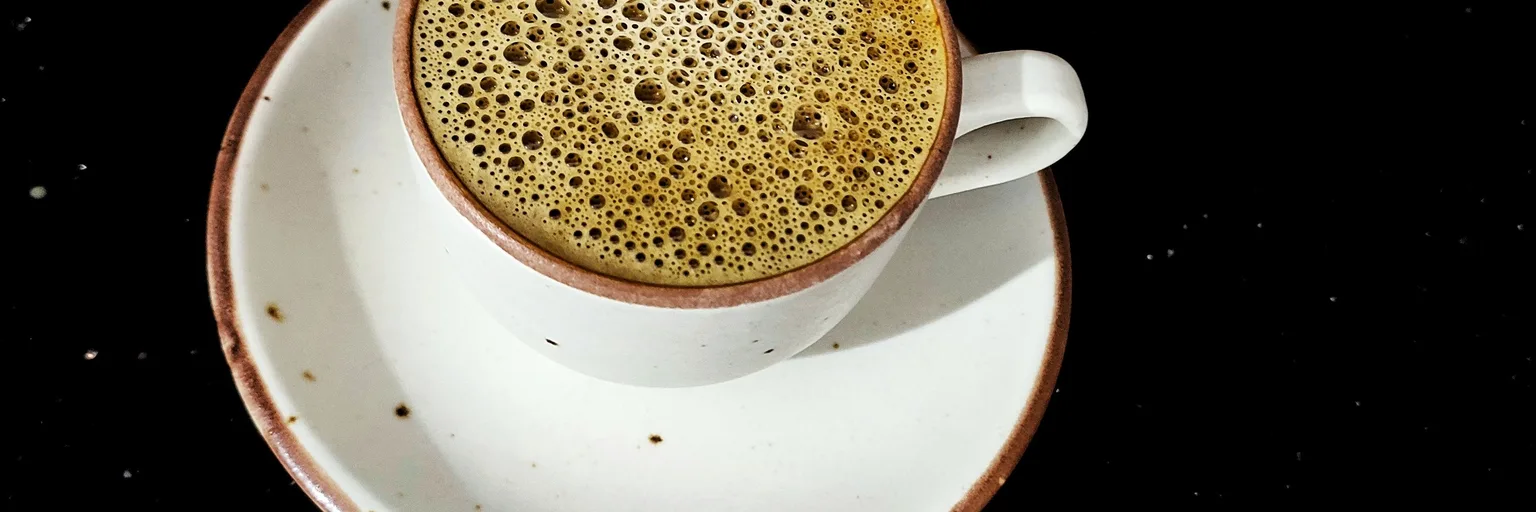
New research links coffee, including decaf, with distinctive gut microbes, but association is not proof that everyone should drink more for better health.
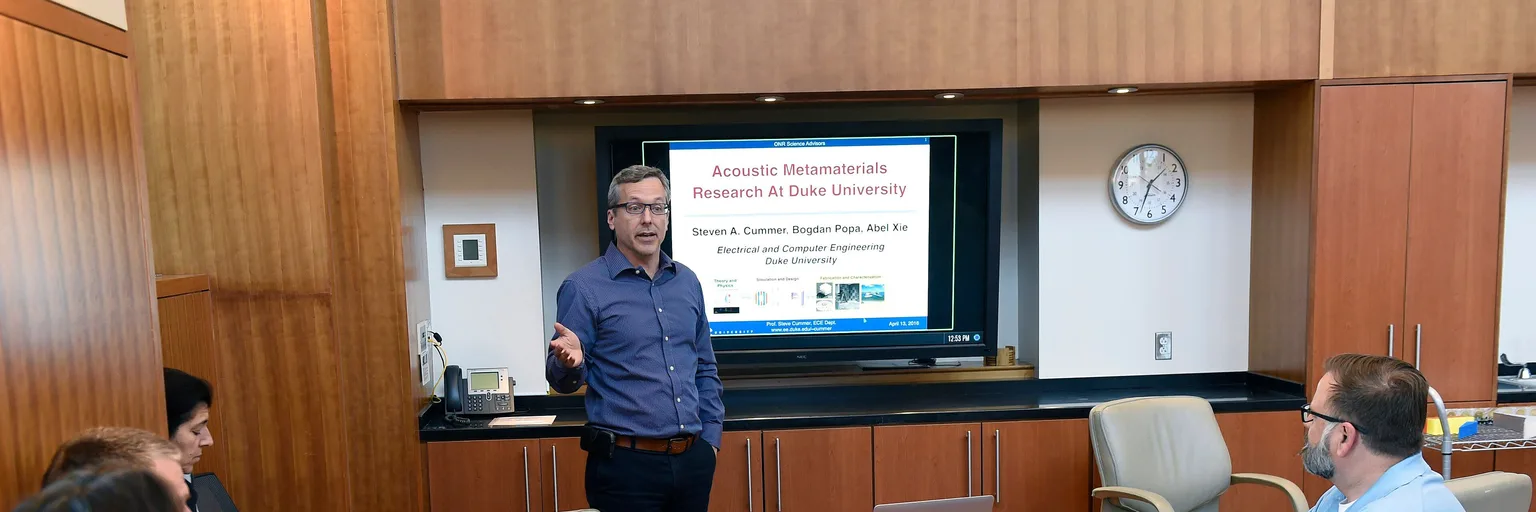
A pair of Nature studies may connect critical phenomena with topology, but the real test is whether this bridge survives replication beyond carefully engineered acoustic systems.
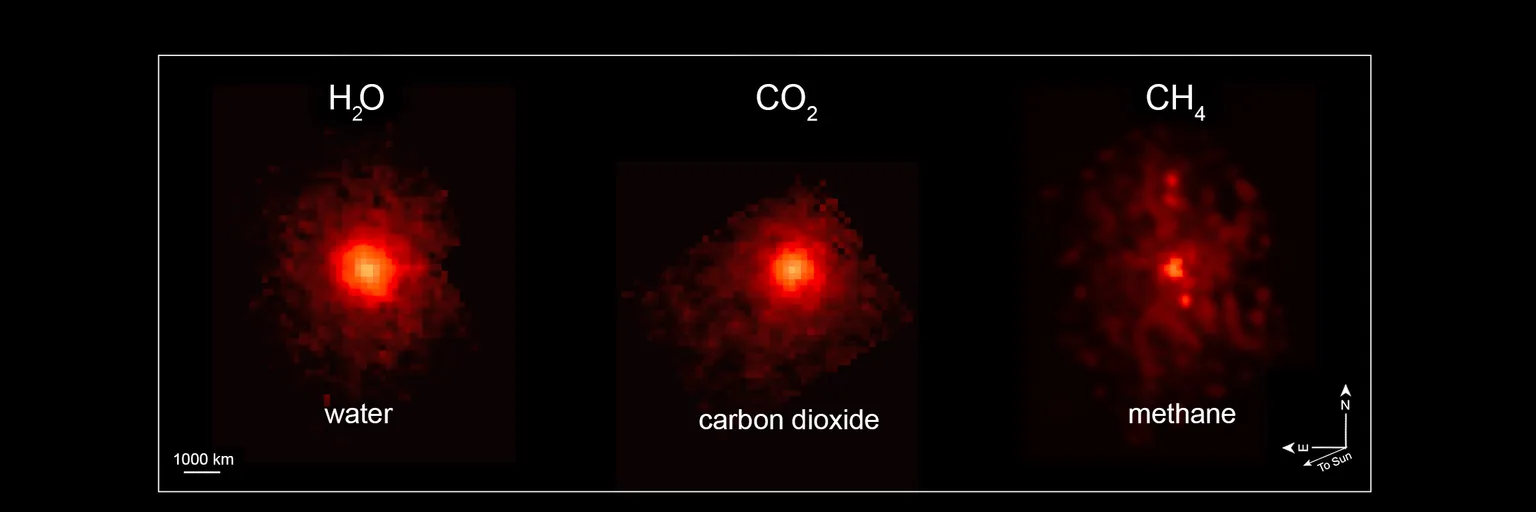
Its changing activity and alien isotope ratios matter because they let scientists test which comet behaviors are universal—and which belong only to our Solar System.
New experiments do not solve superconductivity, but they expose hidden competition that could make the search for its microscopic mechanism far more precise.
A New England Journal of Medicine trial strengthens immune-targeted treatment, but the hard part is turning fewer toxic drugs into an accessible standard of care.
A new helium measurement narrows the margin of error to 0.5%, turning the Universe’s first five minutes into a demanding test of cosmology and particle physics.
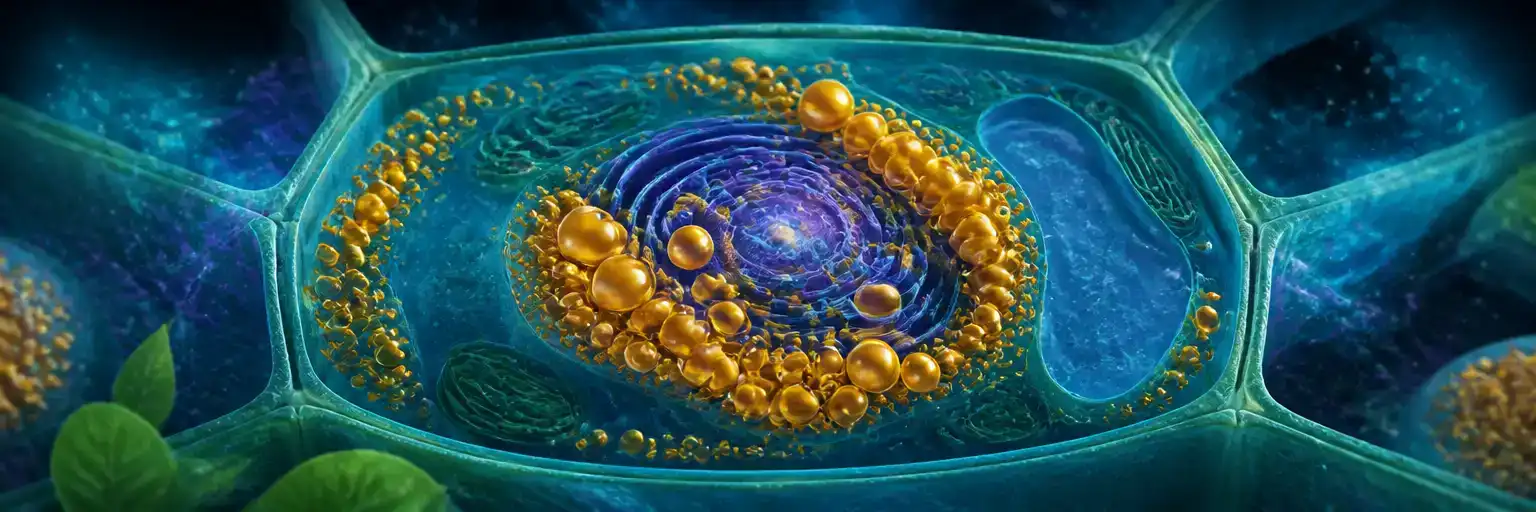
A study of Turnip mosaic virus shows how it hijacks plant lipid droplets, revealing a vulnerable part of infection without promising an instant agricultural cure.
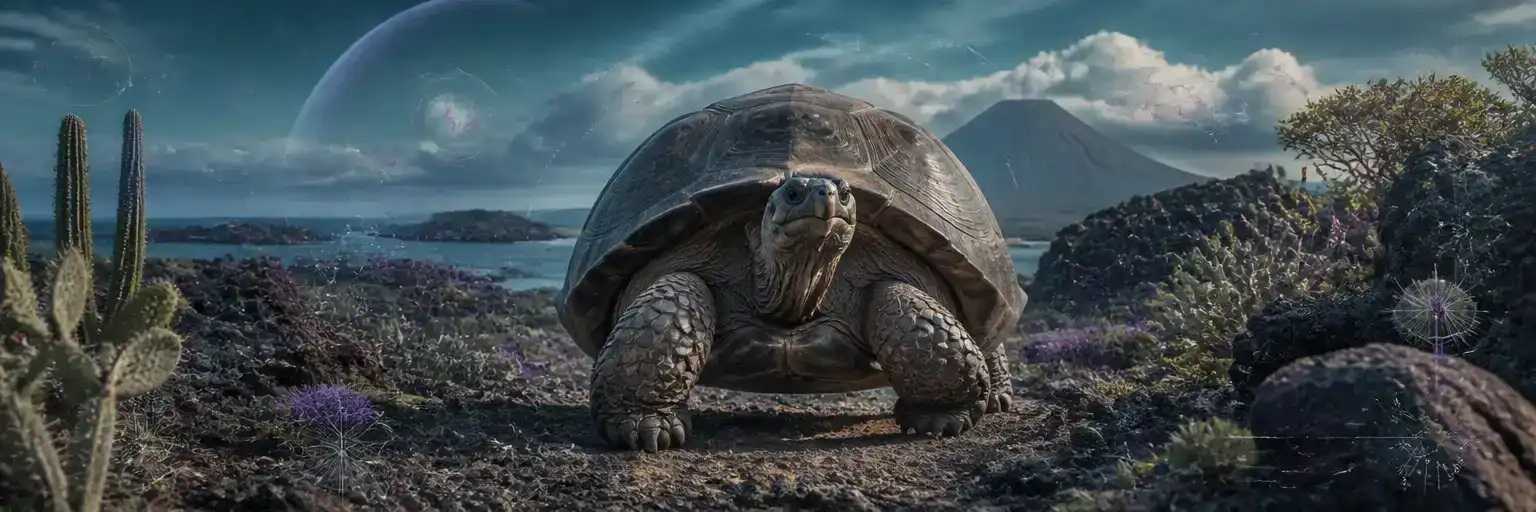
The rediscovery of the Fernandina giant tortoise, long thought extinct, is a powerful reminder of nature's resilience and the critical importance of persistent conservation efforts in unexpected places.
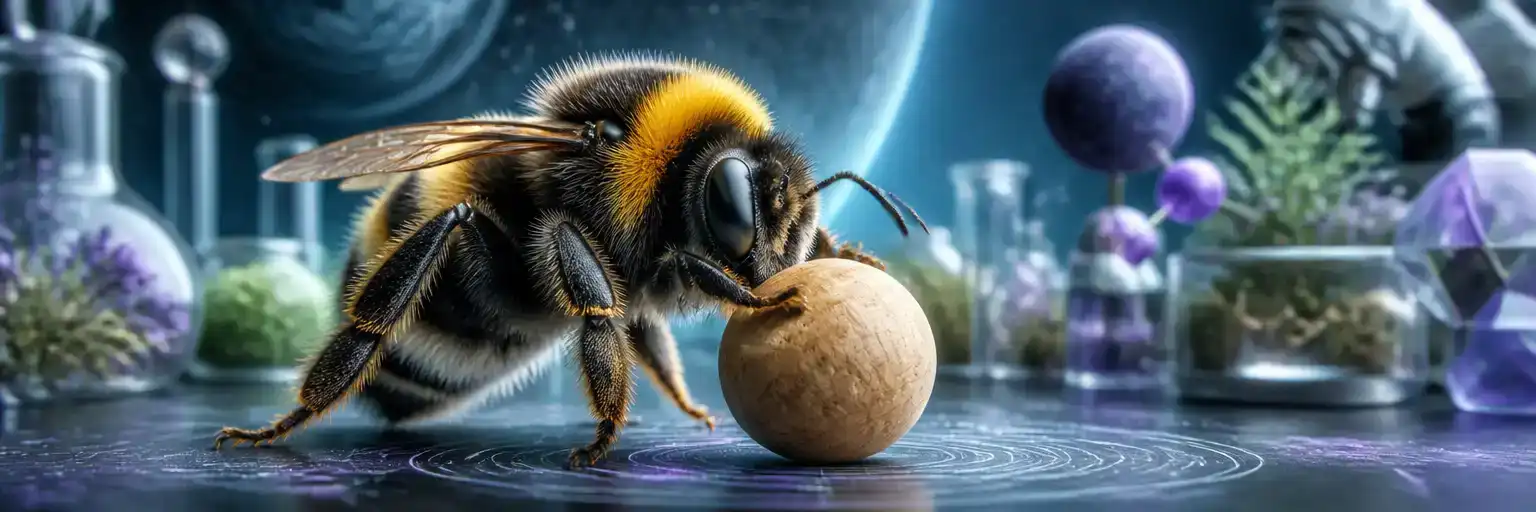
A new study demonstrating that bumblebees voluntarily roll wooden balls without reward challenges traditional views of play, pushing us to rethink insect intelligence and sentience.
A two-week Mars simulation on a city square in Germany, blending art and science, offers a uniquely accessible and thought-provoking approach to future space exploration.
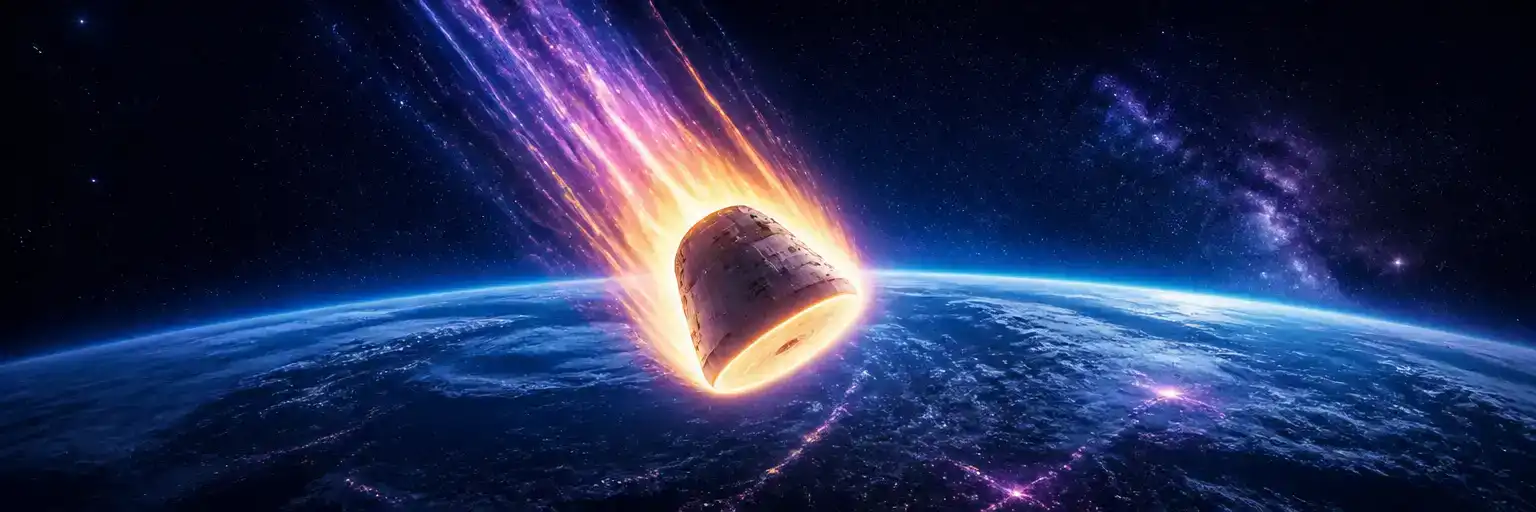
The latest SpaceX rideshare mission, featuring the Starfall reentry capsule, exemplifies the expanding sophistication and practical applications of commercial space programs and reusable technology for a diverse array of scientific and commercial payloads.
Dr. Barkha Yakub Bale's journey from Mumbai to Vilnius, culminating in a pivotal discovery about magnetically active stars, showcases the indispensable international collaboration driving astrophysics forward.
The successful cultivation and harvest of a first generation of rice, and the sowing of seeds for a second generation in orbit, is more than a botanical achievement; it's a blueprint for humanity's sustained presence beyond Earth.
Myalgic Encephalomyelitis/Chronic Fatigue Syndrome is a severe, multi-systemic illness that profoundly limits daily life, yet it remains critically underdiagnosed and in need of scientific breakthroughs.
The recent measurement of Mont Blanc's altitude to 4,807.47 meters is far more than a numerical update; it's a testament to advanced geodetic science revealing critical environmental dynamics through unprecedented precision.
The latest breakthroughs in deciphering sperm whale communication are not merely a scientific curiosity but a profound re-evaluation of animal cognition and our place in the natural world.
The high-stakes competition between NASA and China to bring Martian samples to Earth is reshaping space exploration, accelerating our quest to understand the Red Planet's secrets.
New research from the Université libre de Bruxelles and University of Cambridge reveals fundamental sex-specific differences in how skin renews, challenging traditional dermatological approaches and promising tailored treatments.
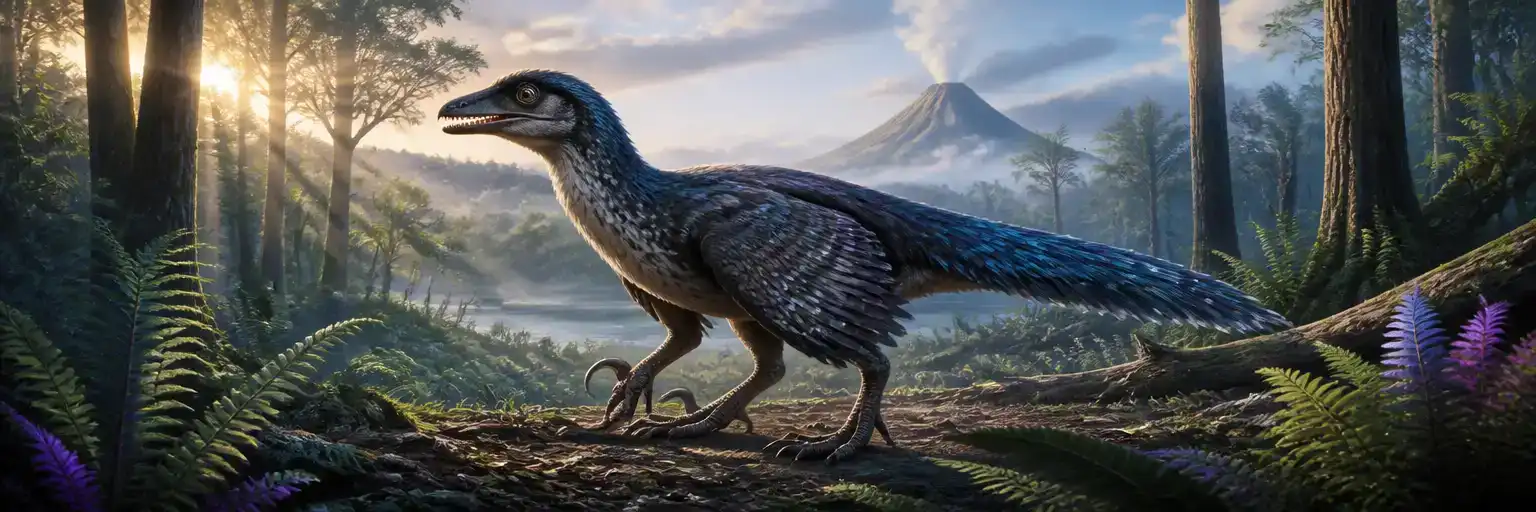
The discovery of a 150-million-year-old flightless bird fossil in China is compelling scientists to rethink the foundational drivers of avian evolution.
A groundbreaking discovery from Stanford offers a new perspective on treating osteoarthritis, moving beyond merely repairing damage to unlocking the body's inherent regenerative power.
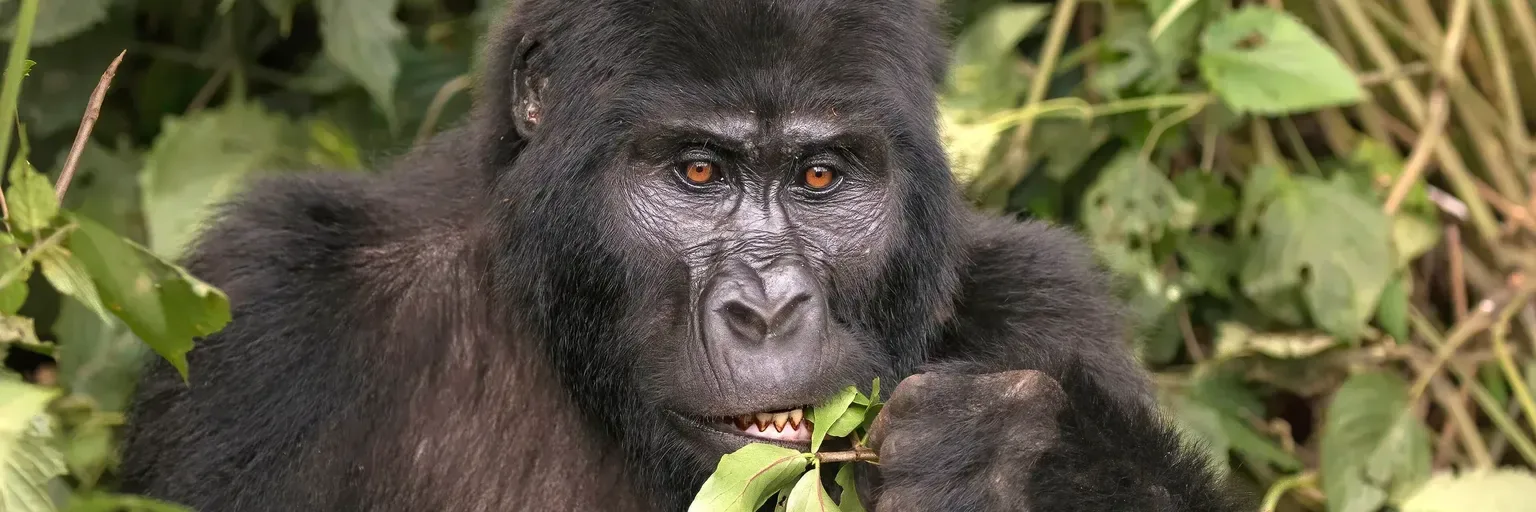
A new study revealing post-reproductive longevity in mountain gorillas upends assumptions about aging in the animal kingdom, offering critical insights into the evolutionary roots of human menopause.
The discovery of a colossal 65-million-year-old fungus in China, named Dianjunus rex, not only redefines our understanding of fungal scale but also offers a profound glimpse into Earth's post-dinosaur ecosystems.
The surprising repurposing of an offshore oil vessel into a state-of-the-art research ship is not just about discovering new species; it signals a profound shift in how we might approach industrial decommissioning and unlock the ocean's remaining mysteries.
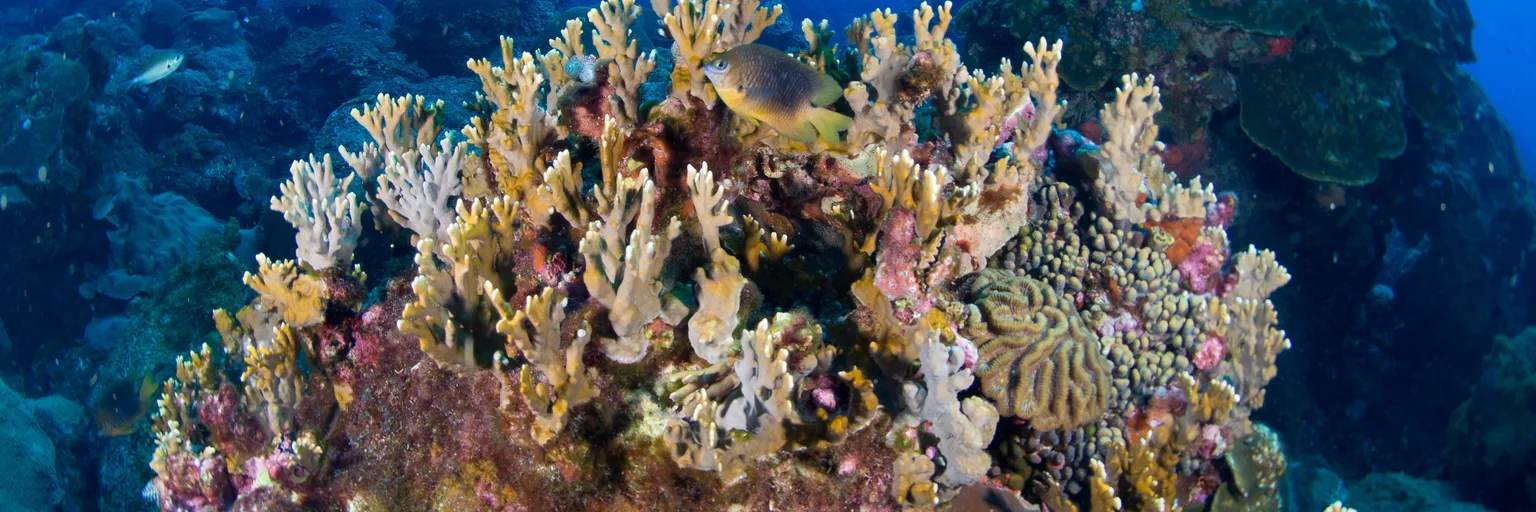
Discussions are emerging around the possibility that robust coral reefs might actively assist struggling counterparts in resisting ocean warming, suggesting a shift in conservation thinking.
New satellite observations from NASA reveal critical deficiencies in how global river models account for human-controlled infrastructure like dams, demanding a sophisticated shift in water resource planning.
The Italian Medicines Agency's significant investment in the CARtoALL project isn't just funding research; it's solidifying Italy's position as a leader in advanced, life-saving CAR T-cell therapies for aggressive blood cancers.
New research from Mongolia challenges a long-held assumption, suggesting animal life may have emerged 200 million years earlier, demanding a fundamental rethink of evolutionary timelines.
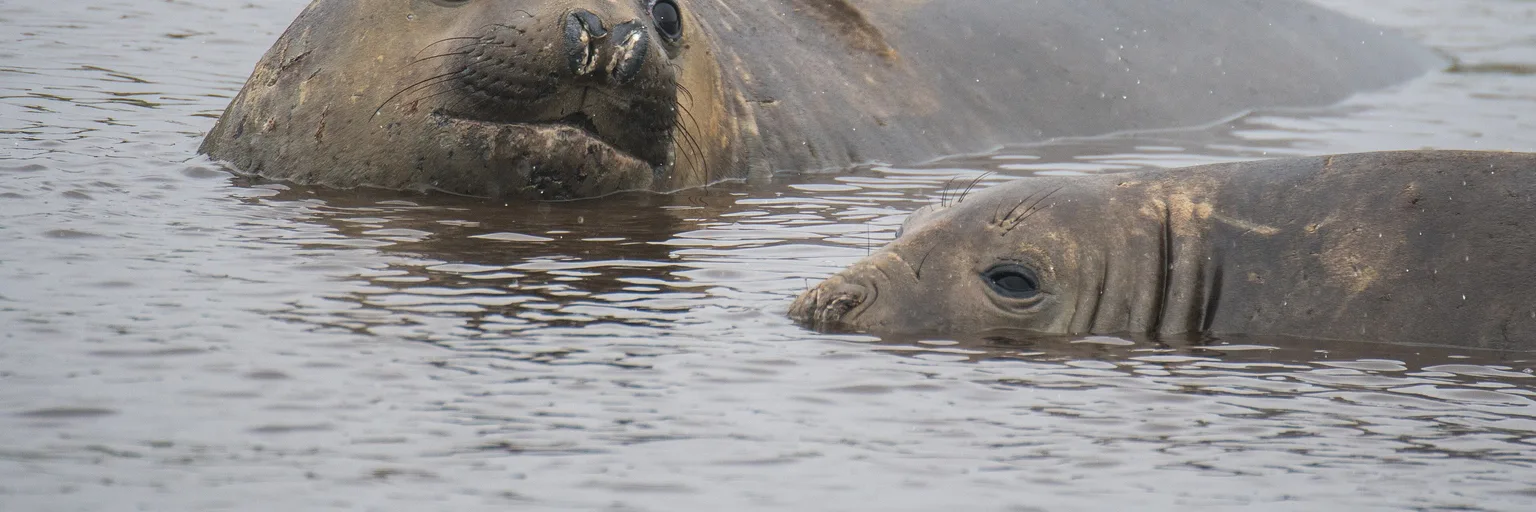
A remarkable discovery of new deep ocean currents in the Kerguelen Islands, facilitated by an unlikely team of elephant seals, is revolutionizing our understanding of marine ecosystems and climate dynamics.
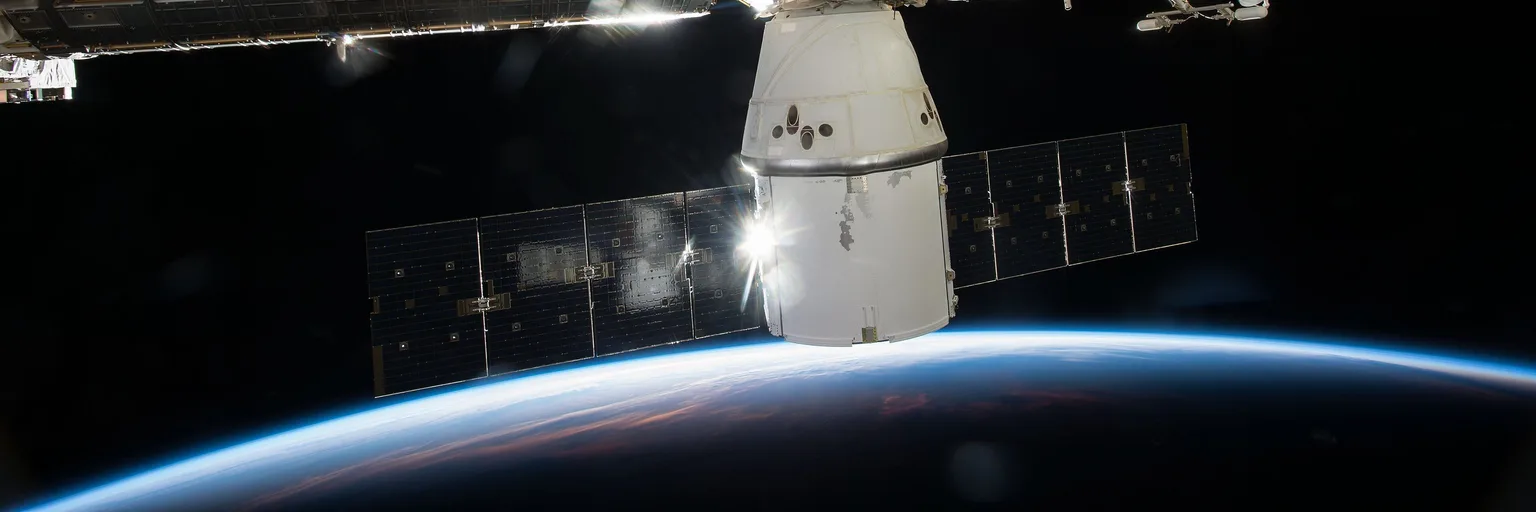
The latest Dragon resupply mission, delivering critical research on human health and plant growth, underscores how private enterprise is reshaping the landscape of orbital scientific discovery.
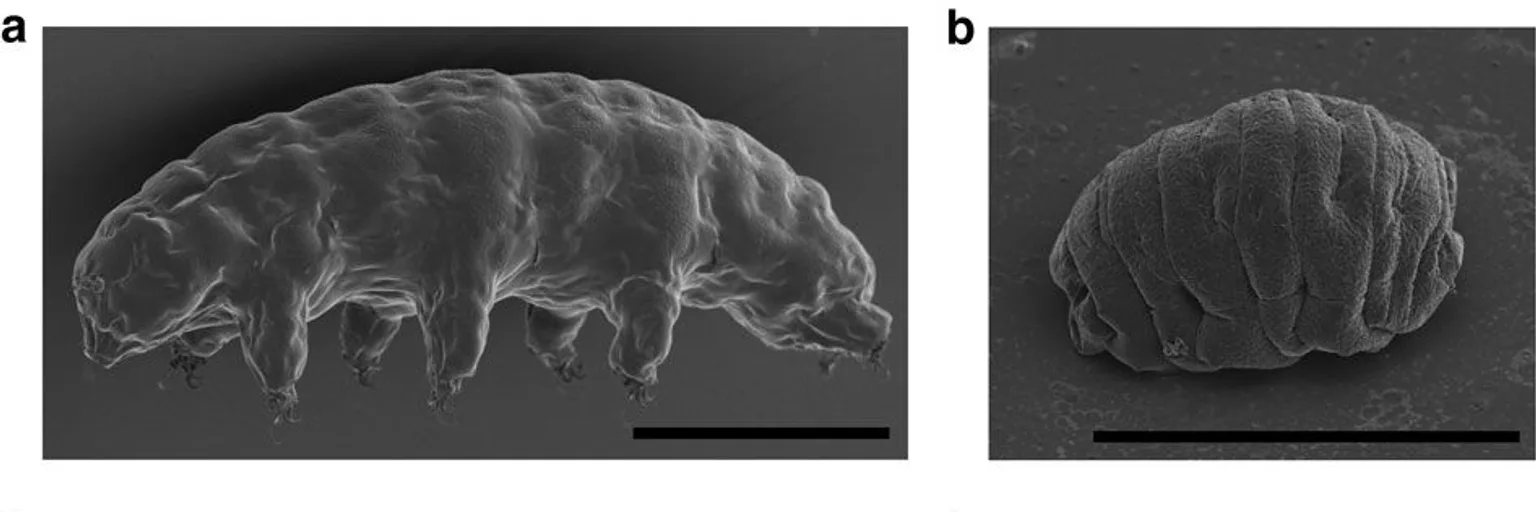
The remarkable resilience of tardigrades is no longer just a biological curiosity; its proteins could soon protect human cells, signaling a revolutionary shift in medicine.
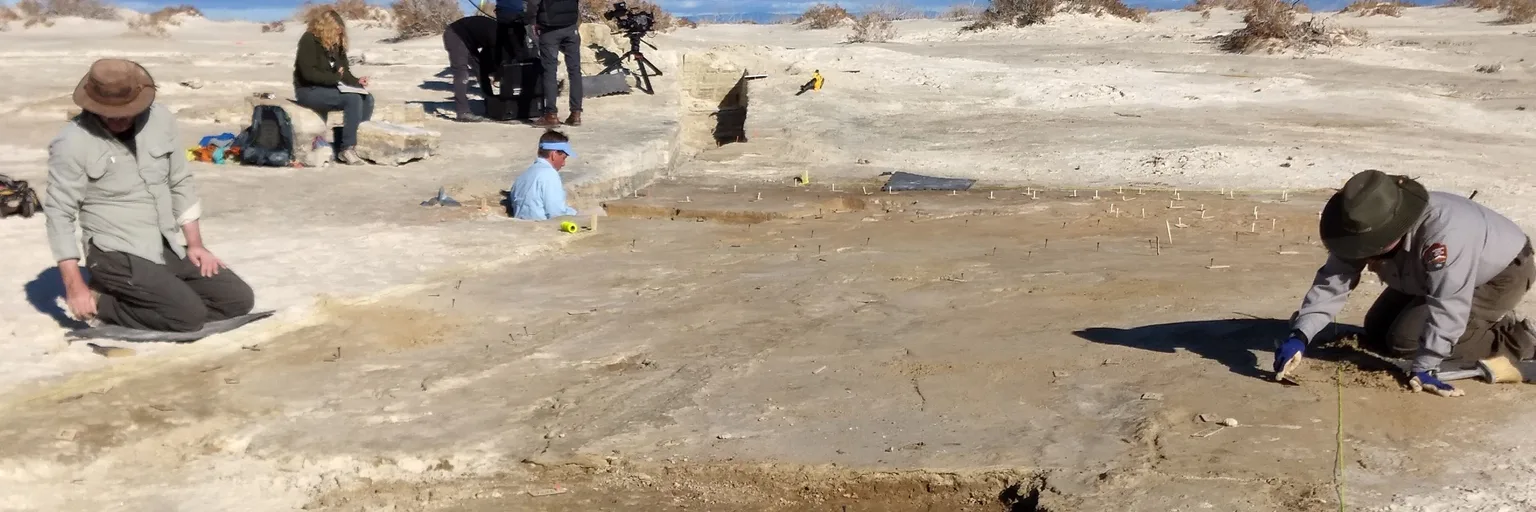
The recent discovery of an adult Tyrannosaurus rex trackway in North Dakota provides an unprecedented and rare window into the locomotion and sheer scale of this iconic dinosaur.
Recent findings by physicists at Queen Mary University of London reveal that the universe's fundamental constants are not just tuned for matter, but precisely for the liquid flow essential to all known life.
New research challenges our assumptions about cardiovascular care, suggesting that a simple hot bath might offer a significant, immediate blood pressure reduction, comparable to moderate exercise, for those who struggle with physical activity.
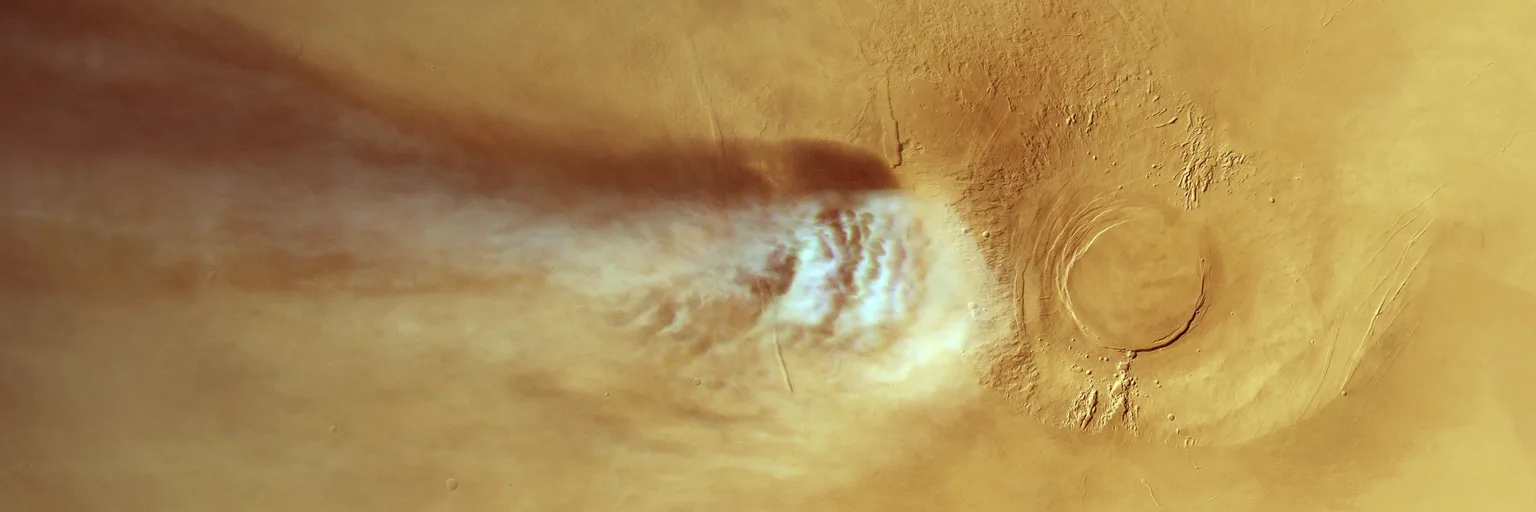
A Spanish-led team has deciphered the mystery of Mars' 1,800-kilometer cloud, revealing a never-before-seen atmospheric process that challenges our understanding of other worlds.
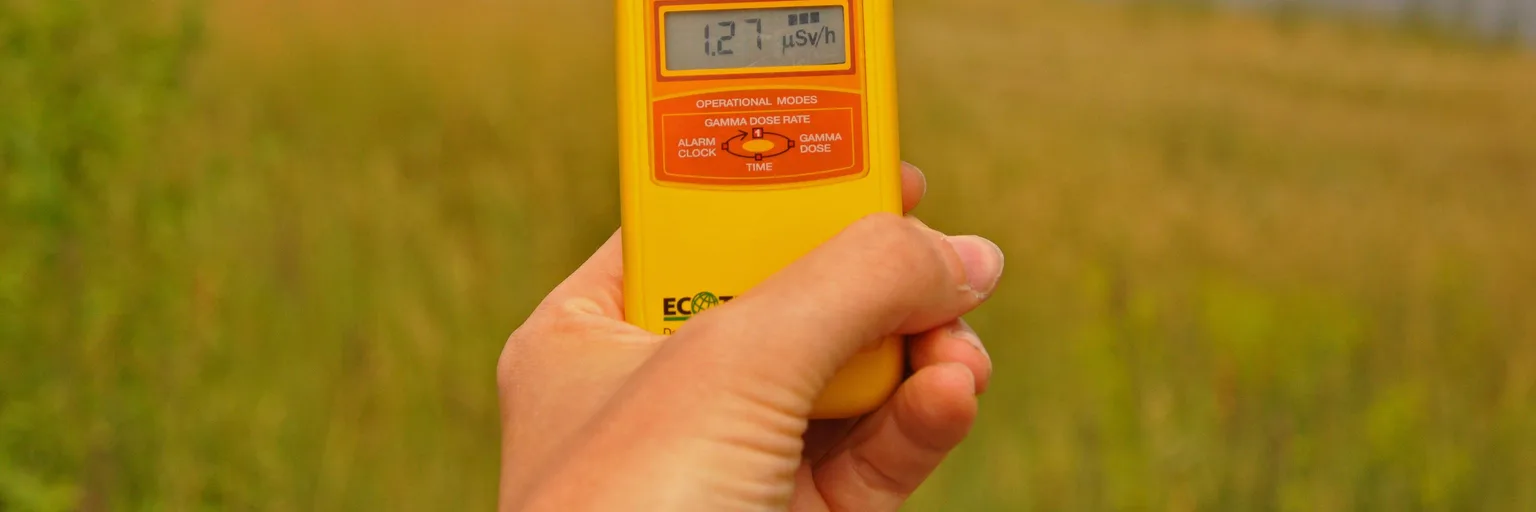
Unexpectedly stable nuclear fuel particles found in Chernobyl decades after the accident challenge our understanding of radioactive decay and unveil a complex, lingering environmental hazard.