Bikar and Bokak show why a pristine reef is a yardstick, not a postcard
Two remote Marshall Islands atolls give scientists a rare picture of an intact reef, and that makes protecting reference sites as urgent as restoring damaged ones.

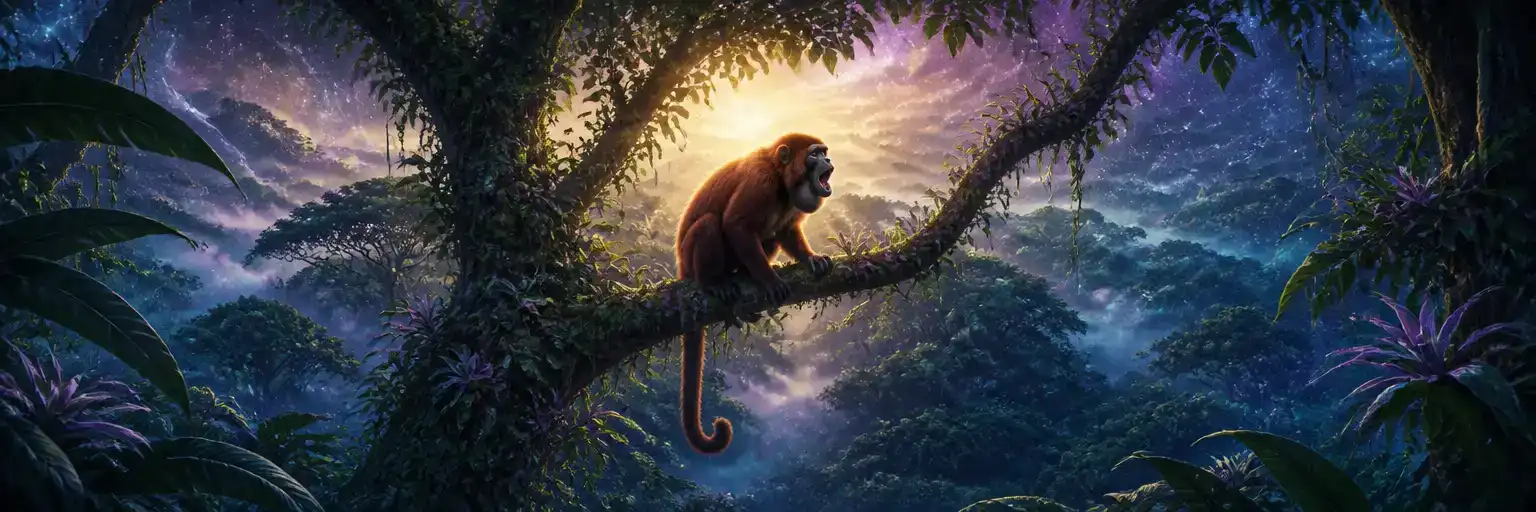
Two new howler monkey species in the Amazon, found through genetic analysis, show how much life we undercount, and why naming a species is a duty rather than a trophy.
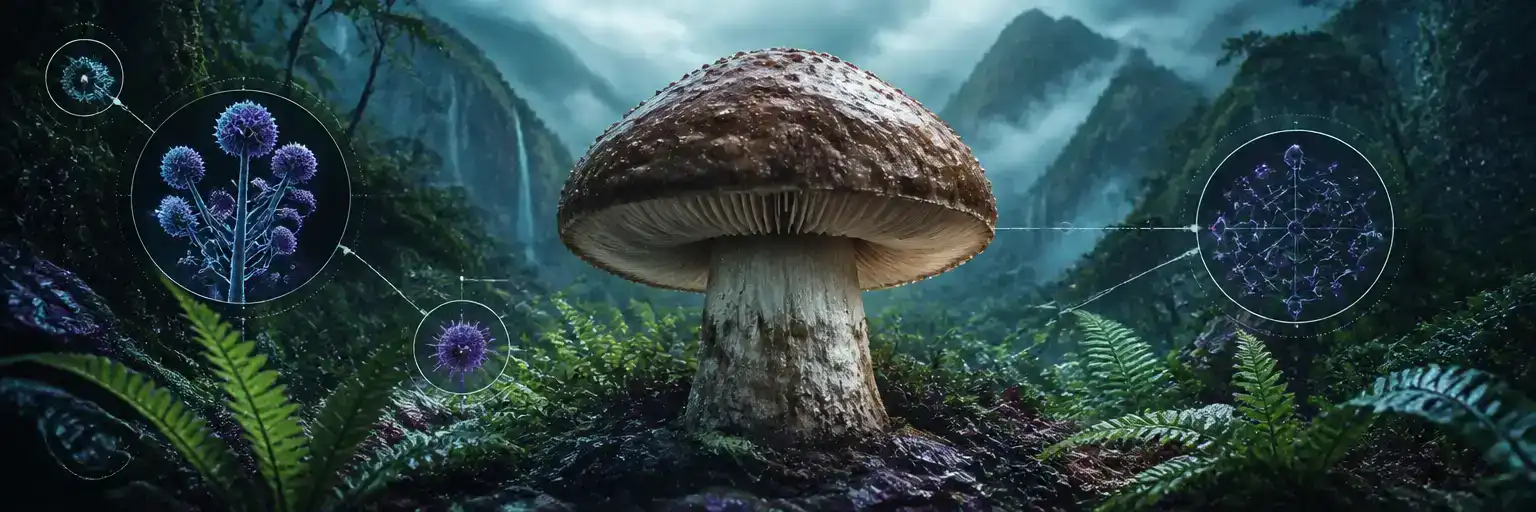
A 2.2-kilo fungus from Yunnan is being sold as a relic of the dinosaur age. The coverage says something different, and the gap is the real story.
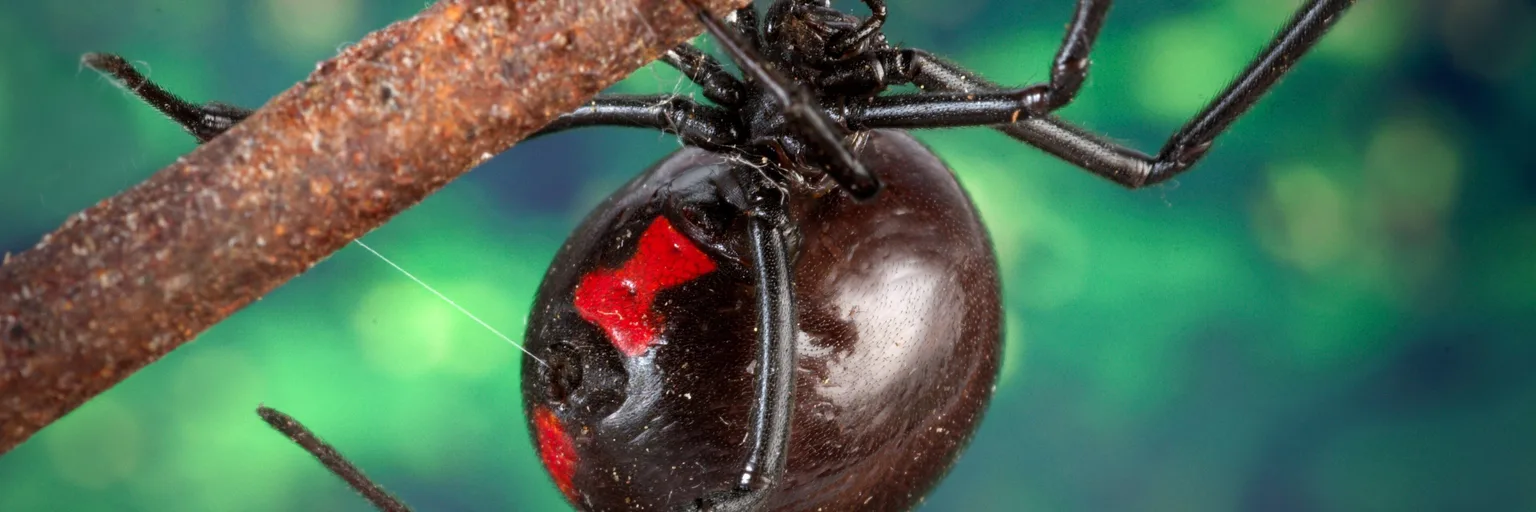
Researchers say they've seen how black widows turn liquid into a fiber stronger than Kevlar. It's promising science, but scale-up evidence, not headlines, will decide whether it matters.
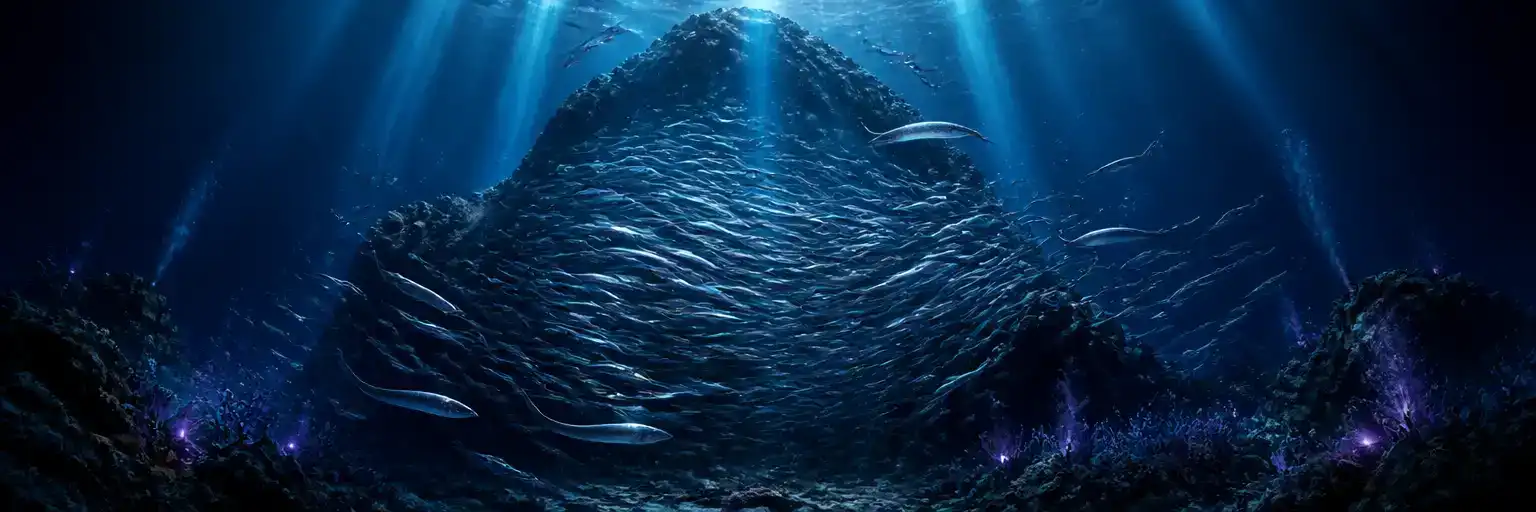
A single undersea peak off Tasmania hosts a swarm of millions of deep-sea eels nobody had counted. It's a warning to map the deep before anyone thinks about exploiting it.
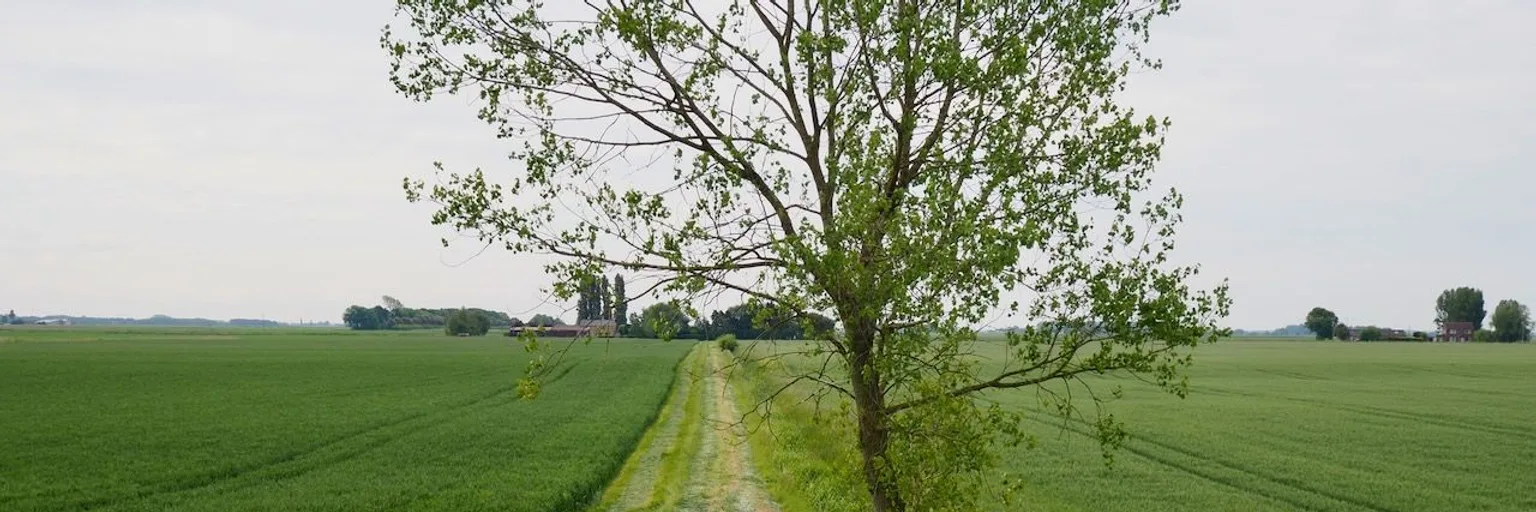
A French study of young poplars suggests trees sense their own shape and correct it with opposing wood, a reminder that plants are far more active than we assume.
Headlines on solar parks and birds point in opposite directions. Rather than pick a slogan, we should demand that habitat be part of how solar farms are planned.
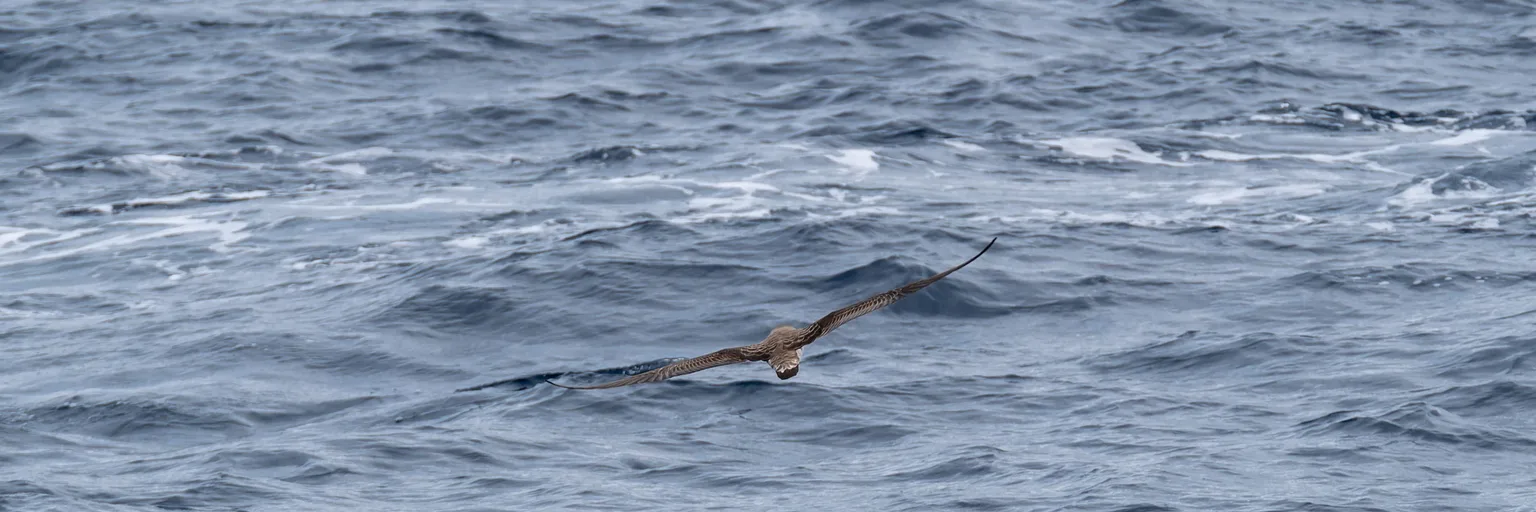
A new finding suggests migrating seabirds can lose their way when their sense of time slips, which shows how much navigation we still don't understand and why long-term tracking beats assumptions.
A study doubles the count of species in the wildlife trade to 107,356, and the global target covers only 2–3% of them. Rules written for famous animals miss the real market.
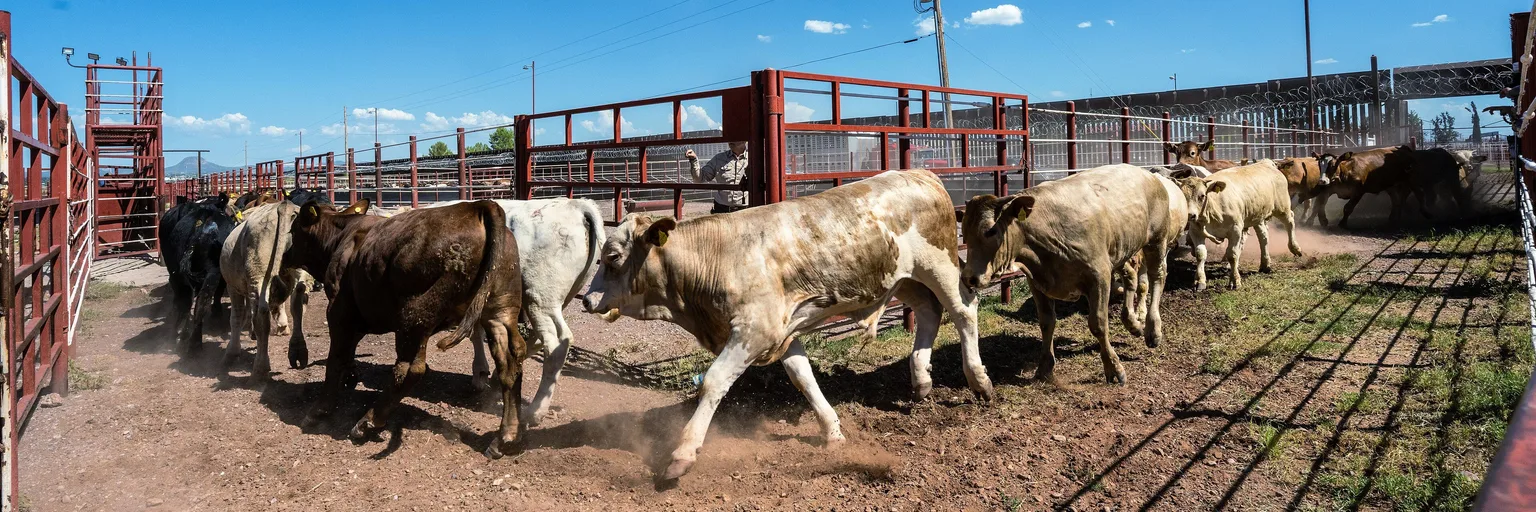
With a dog confirmed in Arizona and a cat in New Mexico, the New World screwworm is no longer just a cattle story. Beating it takes surveillance and sterile flies, not slogans.
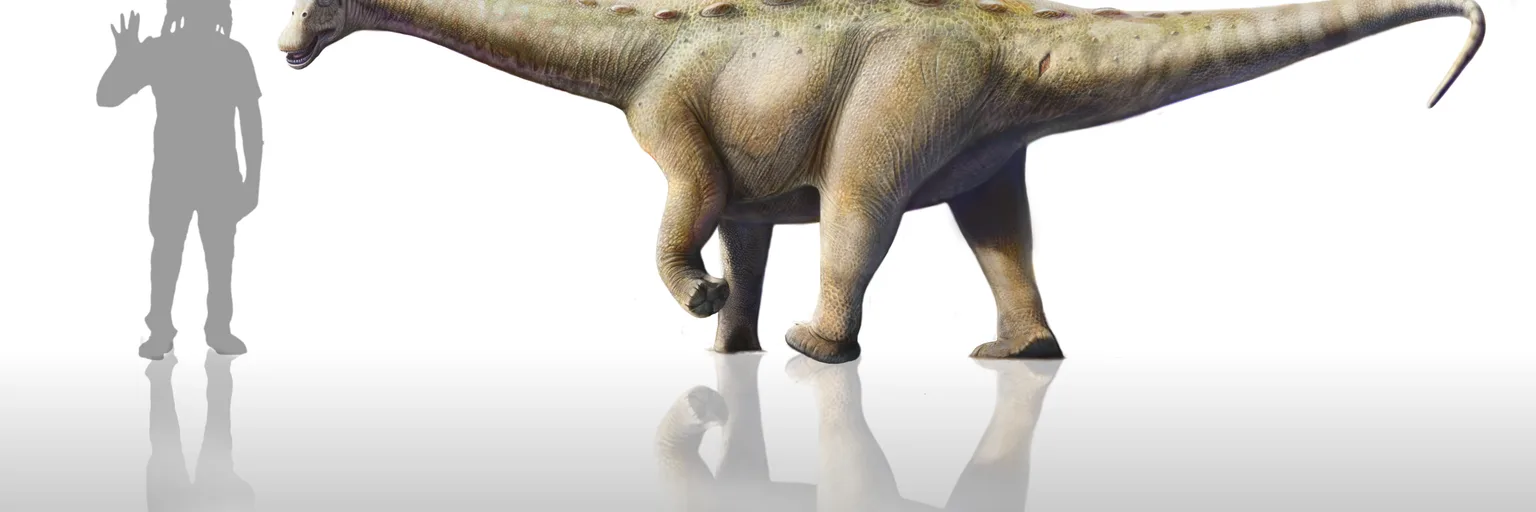
A five-to-six-meter titanosaur from São Paulo shows that even the lineage famous for giants could shrink when the environment demanded it. Size is a response, not a goal.
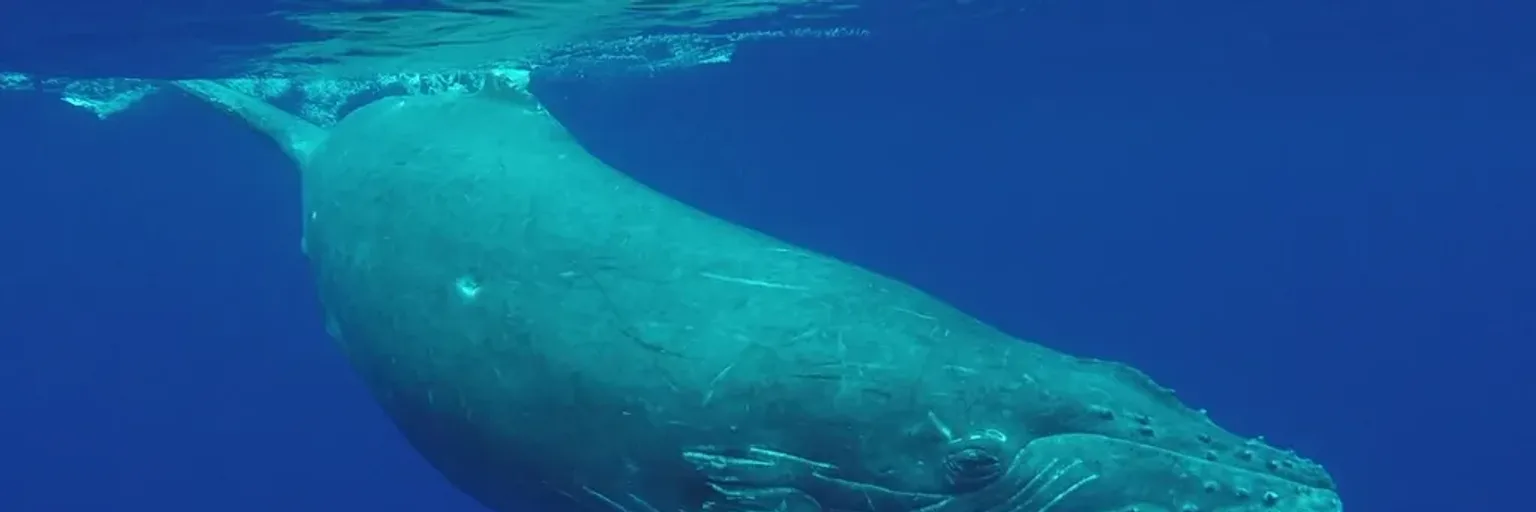
A humpback recorded near Bermuda on a dictation disc could be a baseline for ocean noise that no one can recreate. Sound archives deserve the protection we give fossils.
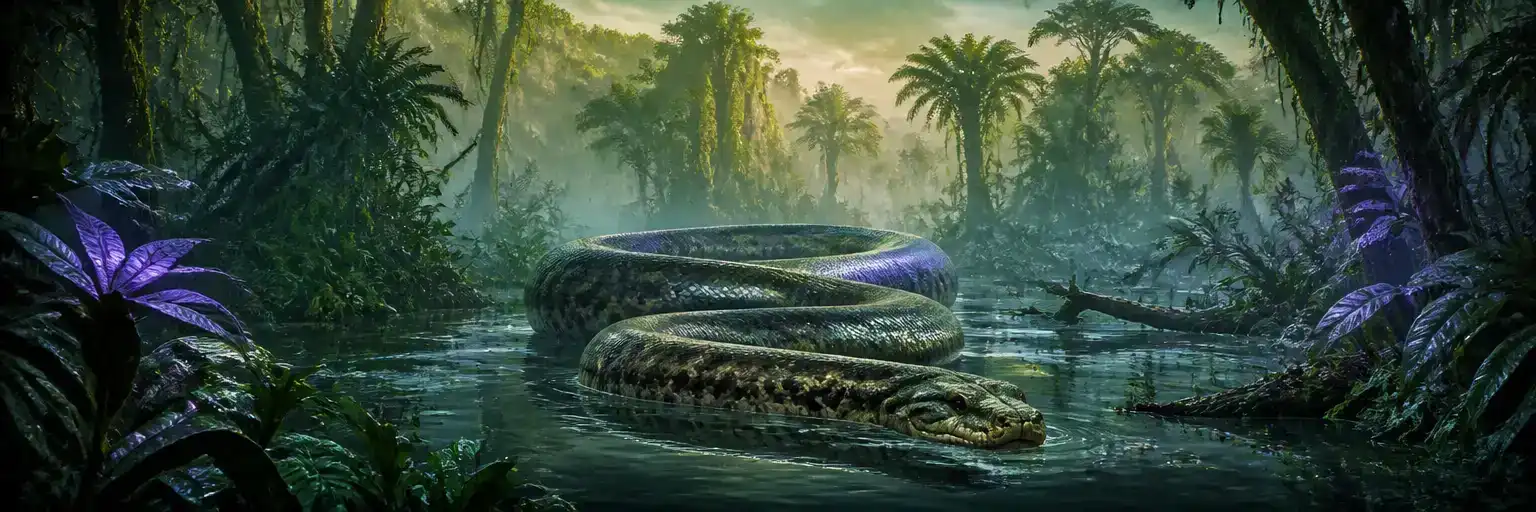
A snake from a Colombian coal mine, around 13 meters long and over a ton, matters less as a creature feature than as a measurement of how hot the ancient tropics were.
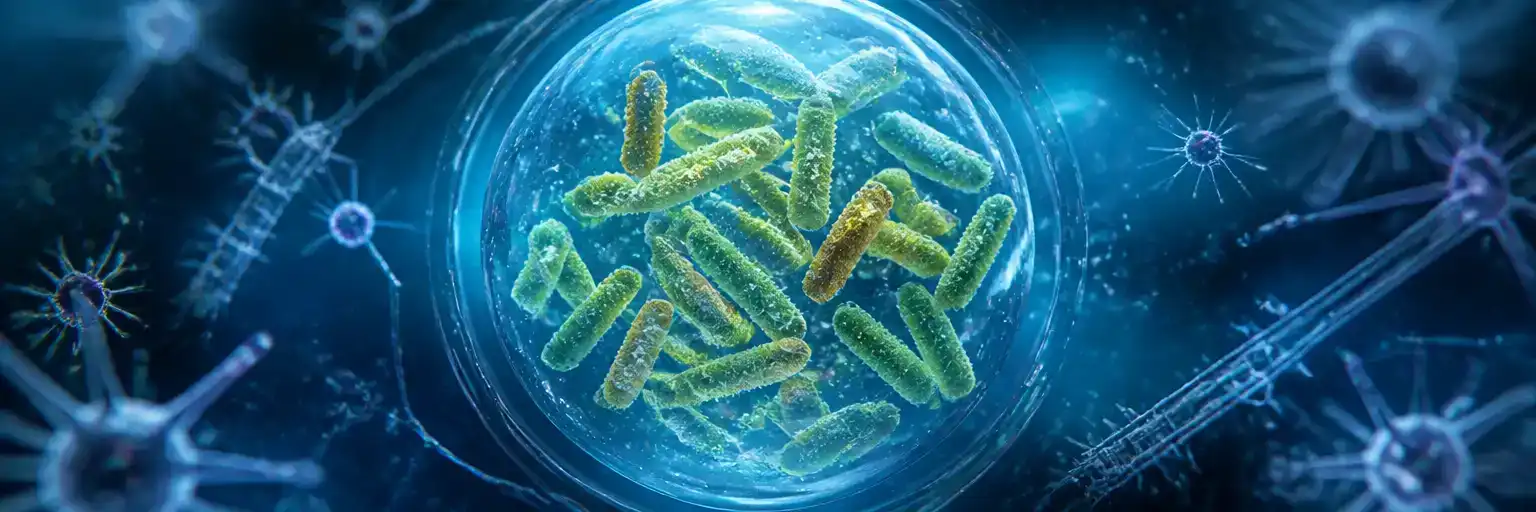
Paraburkholderia aromaticivorans FR-4 fixes CO2 and grows on a pollutant, which says more about our ignorance of ocean microbes than about any near-term cleanup tool.
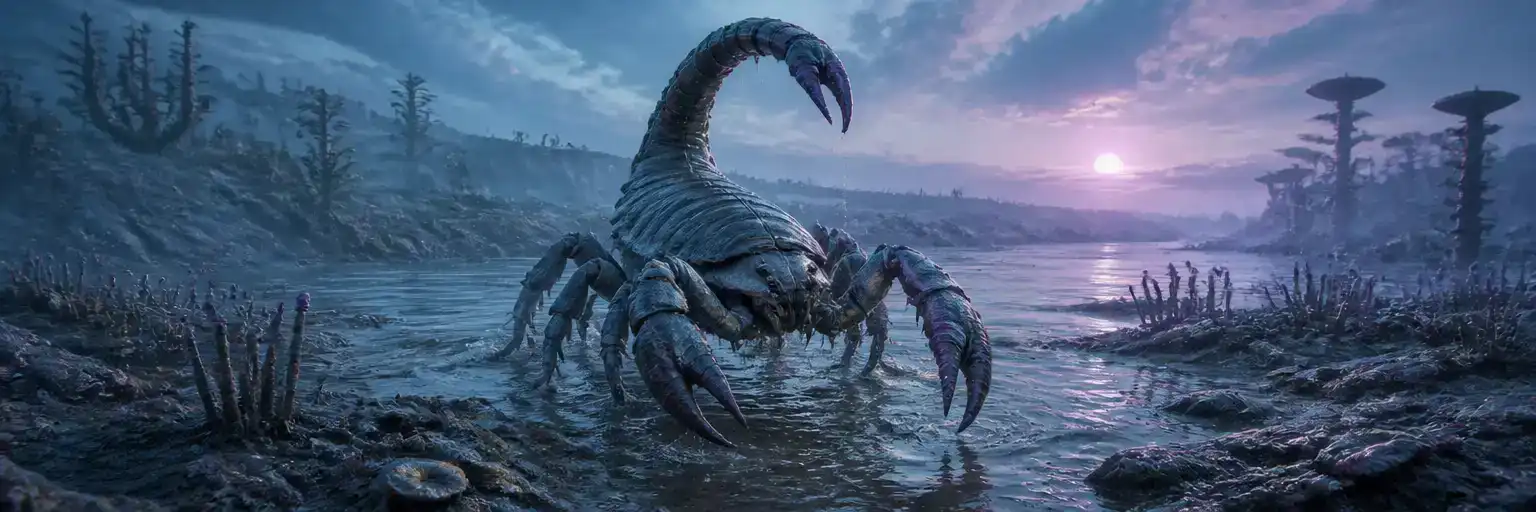
A 415-million-year-old scorpion the size of a dog says less about monsters than about empty ecosystems, and about how little we know of life's first steps onto land.
Turritopsis dohrnii does not offer a fountain of youth. Its real value is showing how an adult body can reorganize itself under stress.
Erhaia dijiang did not become strange for its own sake: in darkness, isolation and scarcity, sight became expendable—and its tiny habitat became precious.
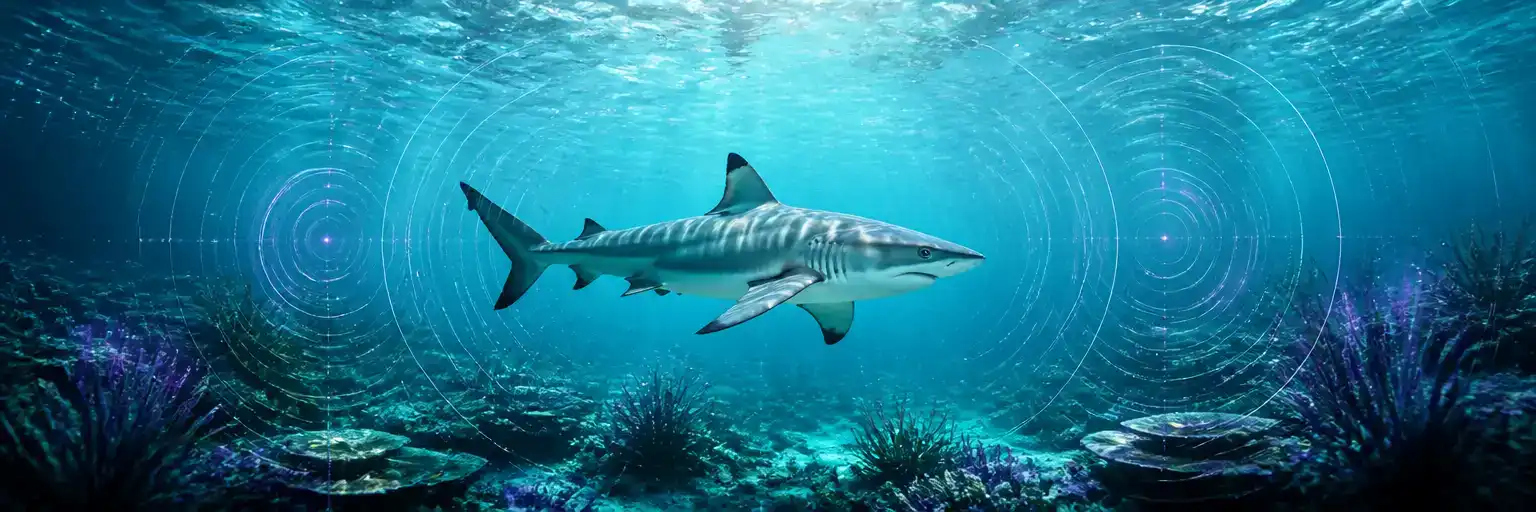
Blacktip sharks detected low-frequency sounds from up to 74 meters away in the wild, exposing both a hidden sense and a neglected risk of ocean noise.
Engineered bacteria can turn PET-derived chemicals into L-DOPA, but the breakthrough still has to prove its cost, safety and scale before it becomes circular manufacturing.
A study of Turnip mosaic virus shows how it hijacks plant lipid droplets, revealing a vulnerable part of infection without promising an instant agricultural cure.