Curisfera Newsroom
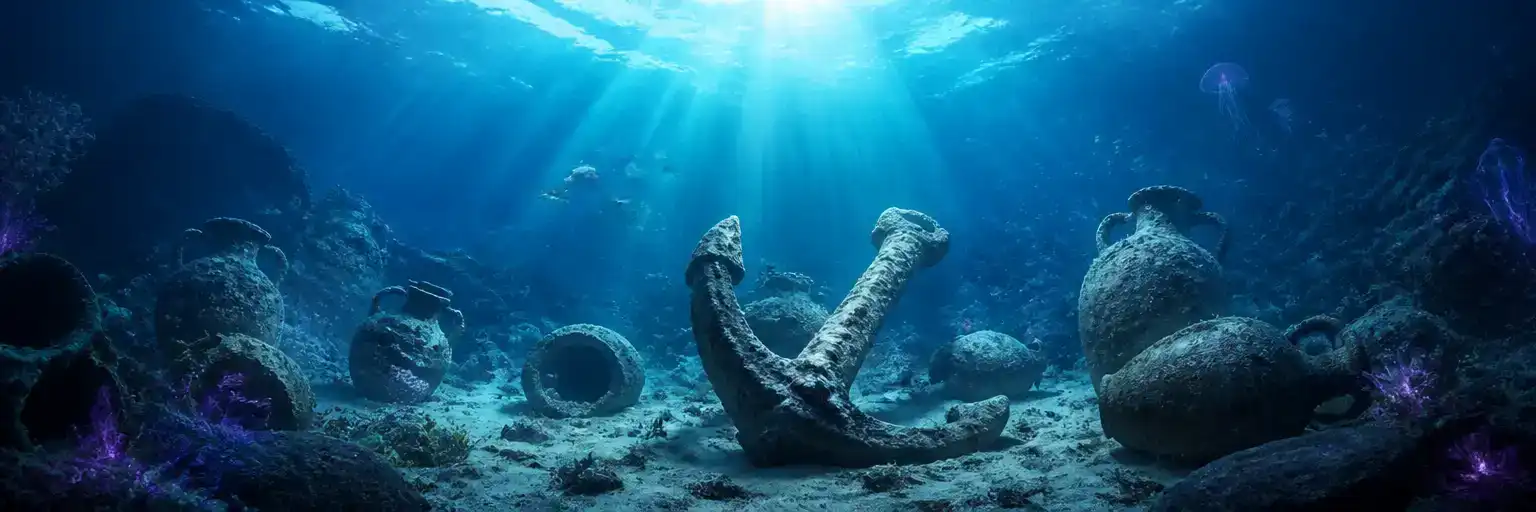
The "world's oldest shipwreck" is a headline; the amphorae are the story
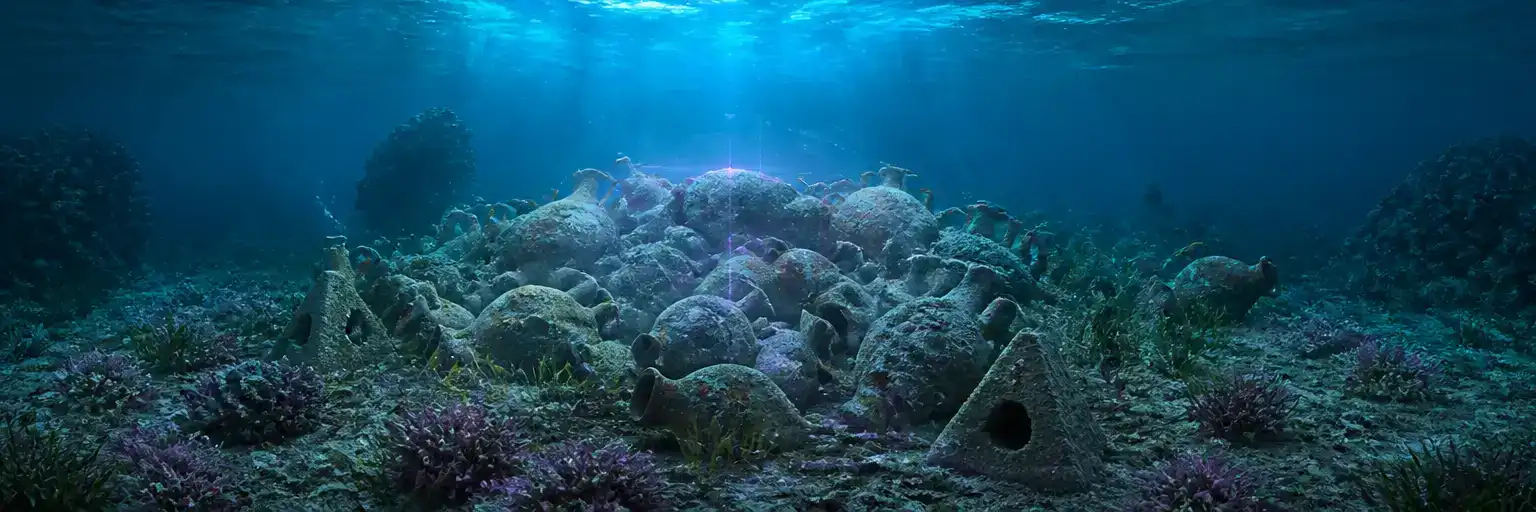
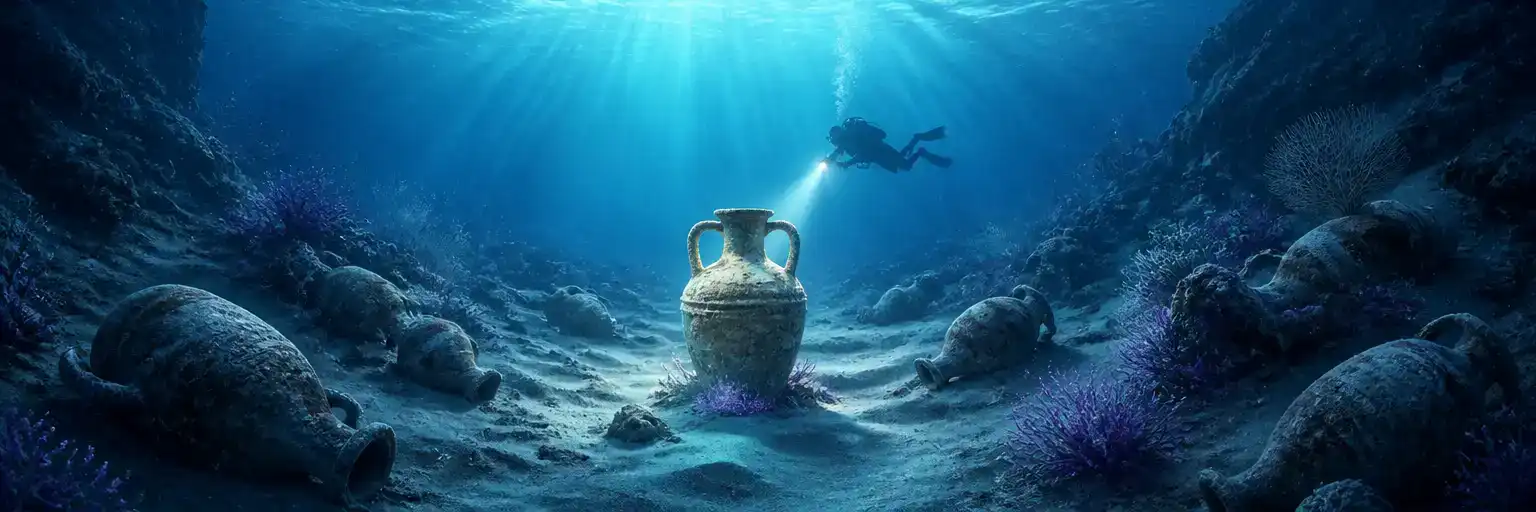
A wreck off Kekova, Turkey, is billed as the oldest ever found. The superlative is fragile, but its cargo says far more about early Bronze Age trade.
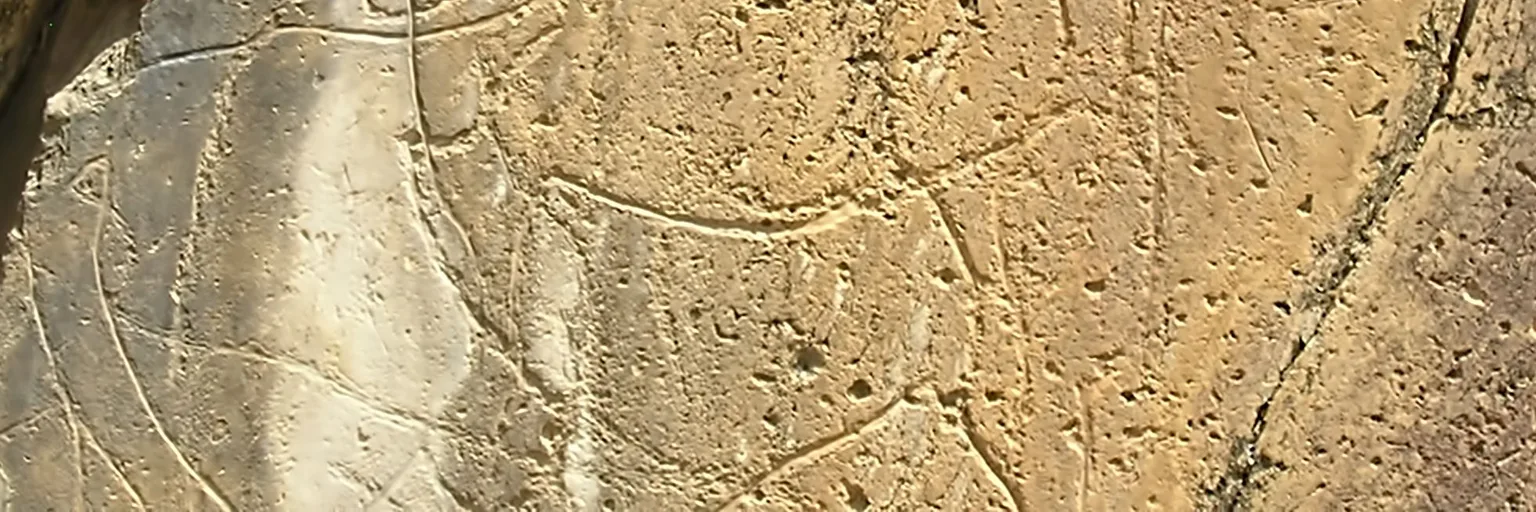
New pigment fragments at Penascosa push human presence past 27,000 years and hint that the engraved rocks were once painted. Open-air art demands humility.
The Kekova wreck off Turkey may take the "world's oldest" crown, but the residue left in its amphorae could tell us far more about Bronze Age trade than any record.
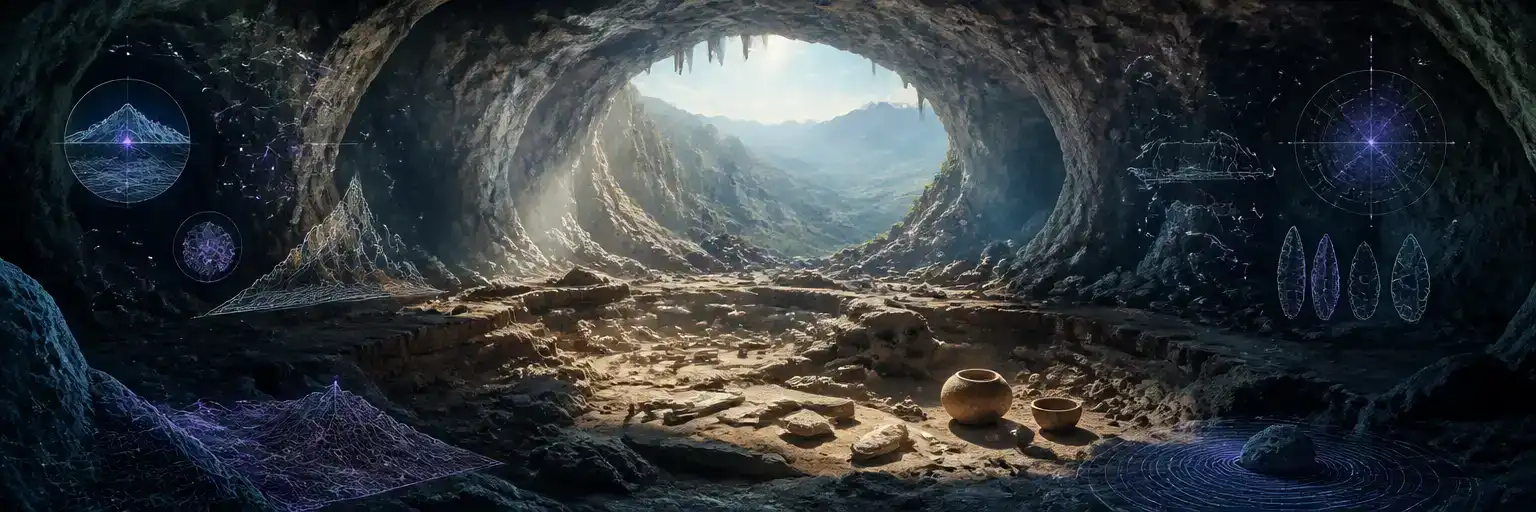
A rockfall froze a Magdalenian dwelling with 4,614 objects in place. The real prize is the undisturbed context, and it should change how we dig and protect caves.
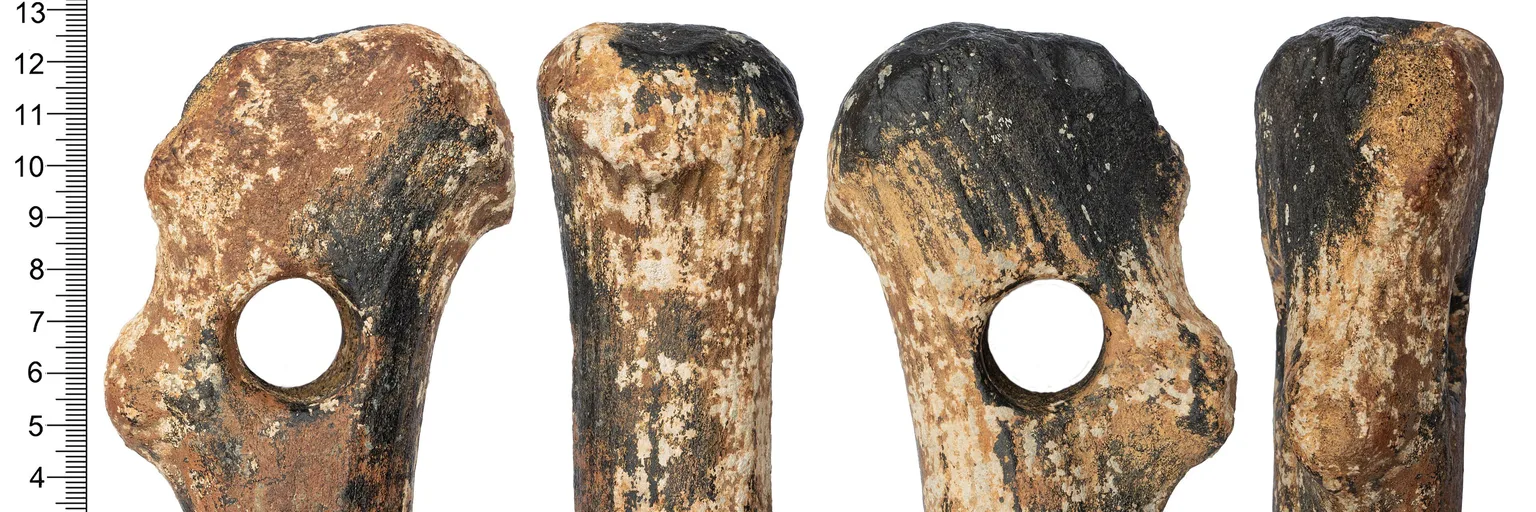
An antler tool preserved with its history of reuse shows why stone-heavy archaeology may reflect survival conditions more than the full range of prehistoric innovation.
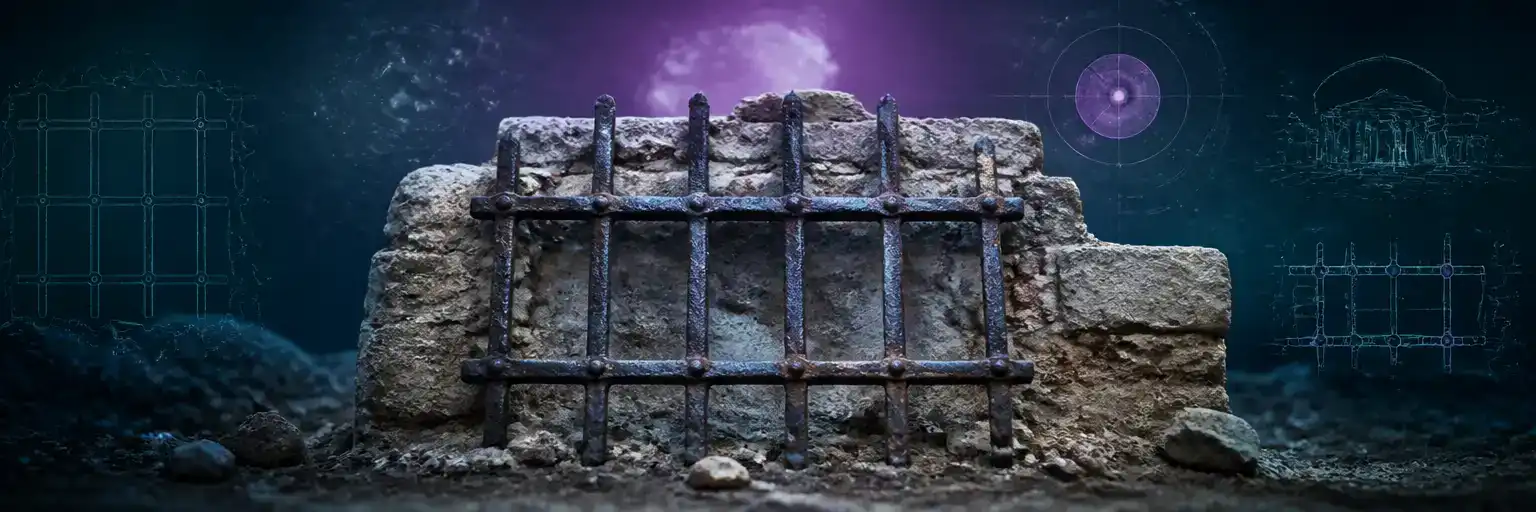
A battered iron grille from Augusta Raurica offers something monuments rarely can: a close look at security, construction and the routines of everyday Roman life.
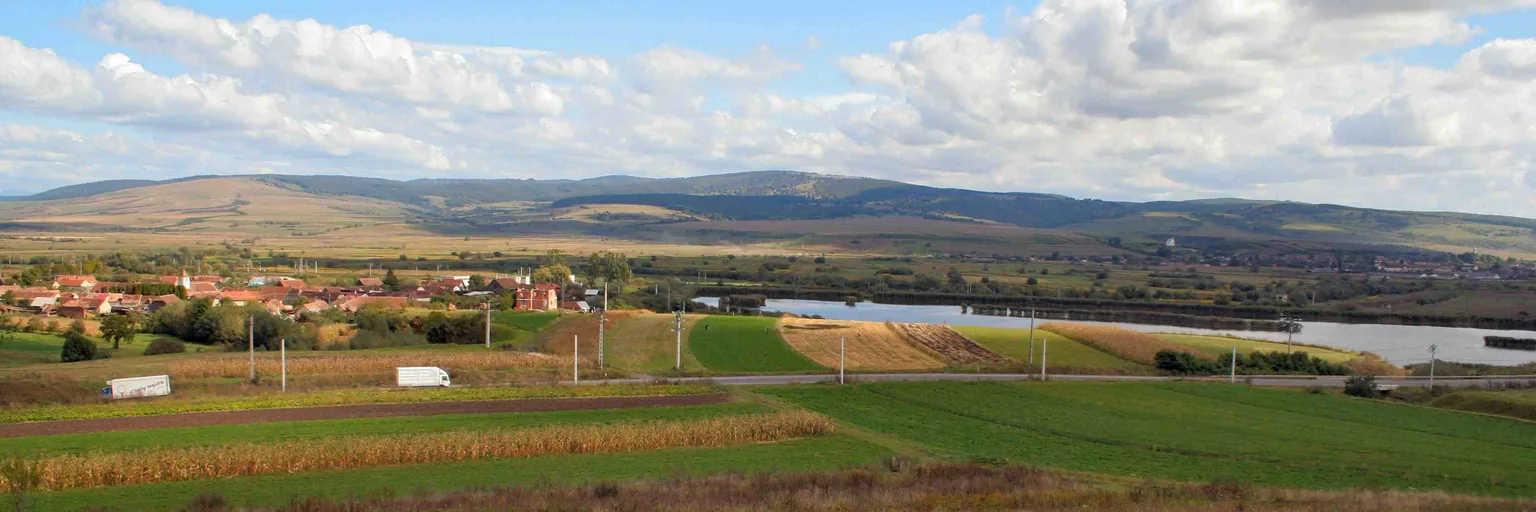
A 6,500-year-old female clay figurine from Transylvania is a valuable discovery, but its meaning remains open until archaeologists document more of its context.
A recently unearthed toolkit from a Stone Age hunter-gatherer in the Czech Republic offers an unprecedented, intimate window into the sophisticated planning and resourcefulness of our ancient ancestors.
Analyzing a 75,000-year-old Neanderthal scapula from Shanidar Cave, pierced by a spear, suggests a deliberate, lethal attack, challenging our understanding of prehistoric societies' complex balance of violence and compassion.
The rare Greek Kore from Etruscan Vulci, a finalist for the International Archaeological Discovery Award Palmyra, challenges established notions of ancient art by revealing profound cultural exchange and artistic ties between Greece and pre-Roman Italy.
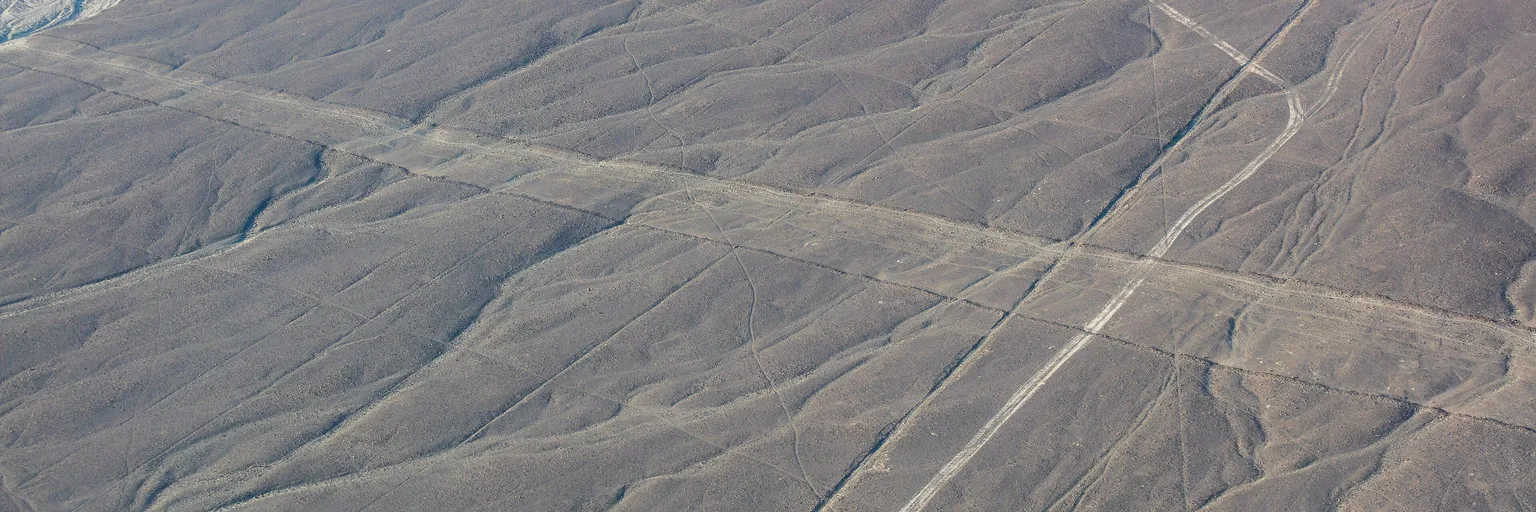
The dramatic expansion of the Nazca Lines catalog, driven by artificial intelligence, reveals not only more ancient geoglyphs but also a profound shift in how we discover and interpret the past.
The remarkable preservation of glass vessels in newly discovered Roman tombs near Troyes offers a rare window into the intimate and economic lives of ancient Gauls, challenging our assumptions about their social hierarchies.
The discovery of the world's oldest shipwreck off Turkey's coast is a monumental find, offering an unprecedented, if incomplete, window into early Bronze Age trade and interconnectedness.
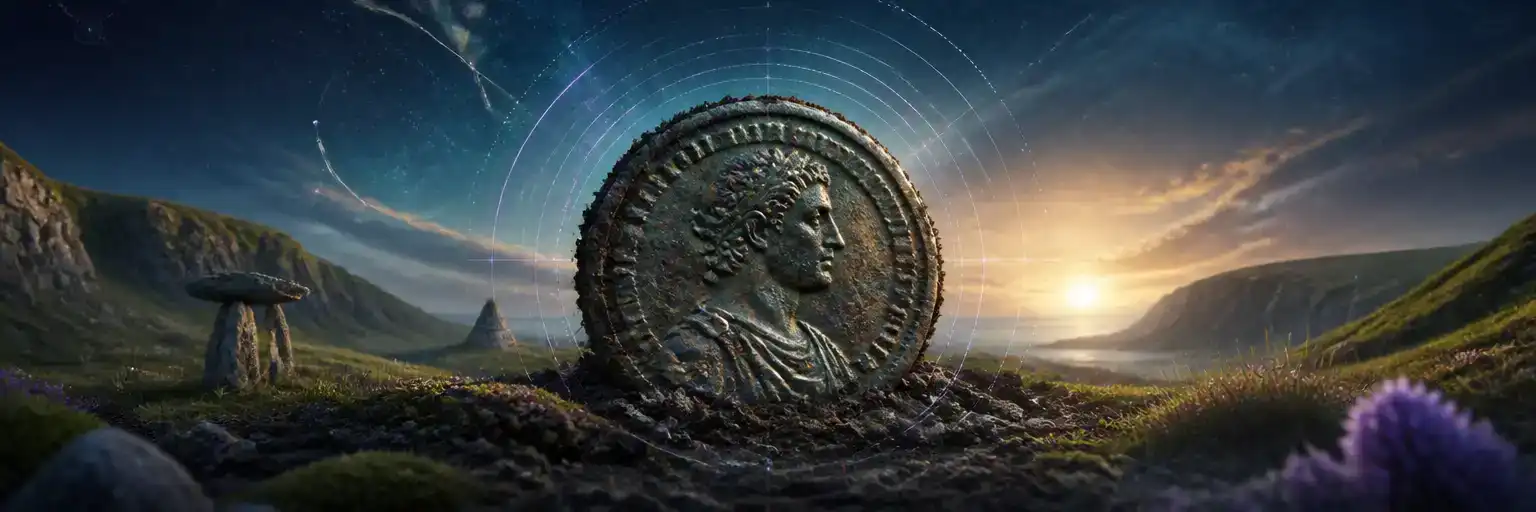
A recent archaeological discovery of 4th-century Roman coins in Wales lends credence to local folklore about Emperor Magnus Maximus, suggesting historical roots for the ancient tales.
A 2,300-year-old pre-Roman aqueduct carved into solid rock challenges the long-held belief that hydraulic mastery began with Rome, pushing the timeline of sophisticated water management much further back.
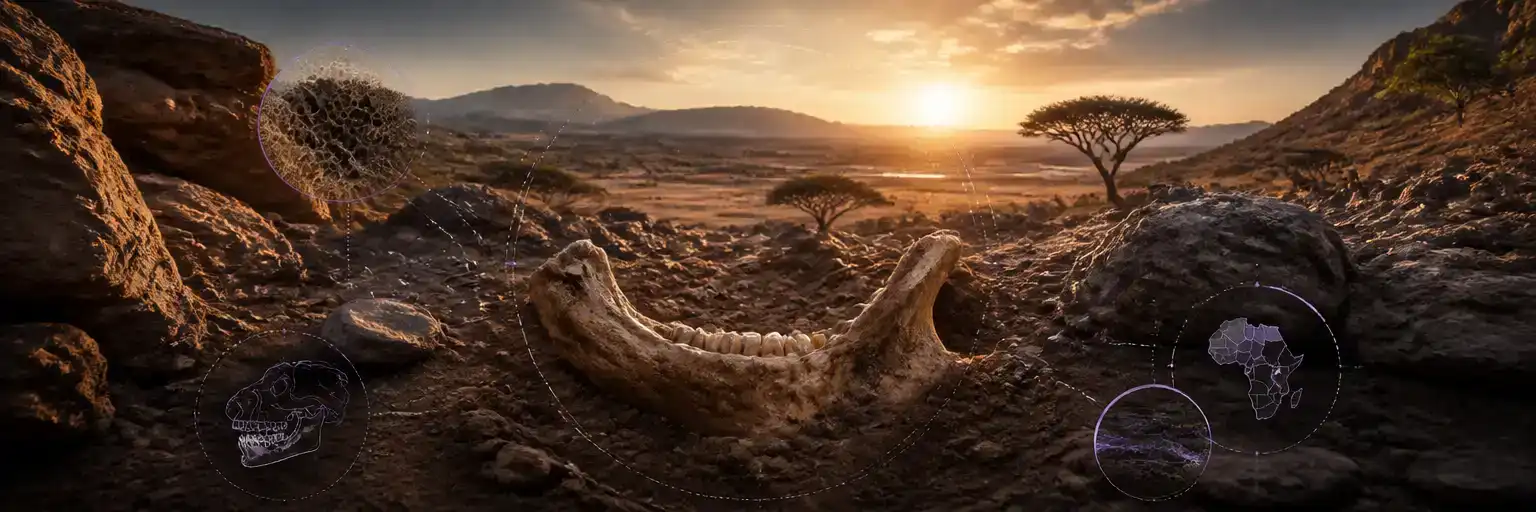
A newly described 2-million-year-old adult Homo erectus fossil from South Africa challenges existing theories on our ancestors' timeline and geographical origins.
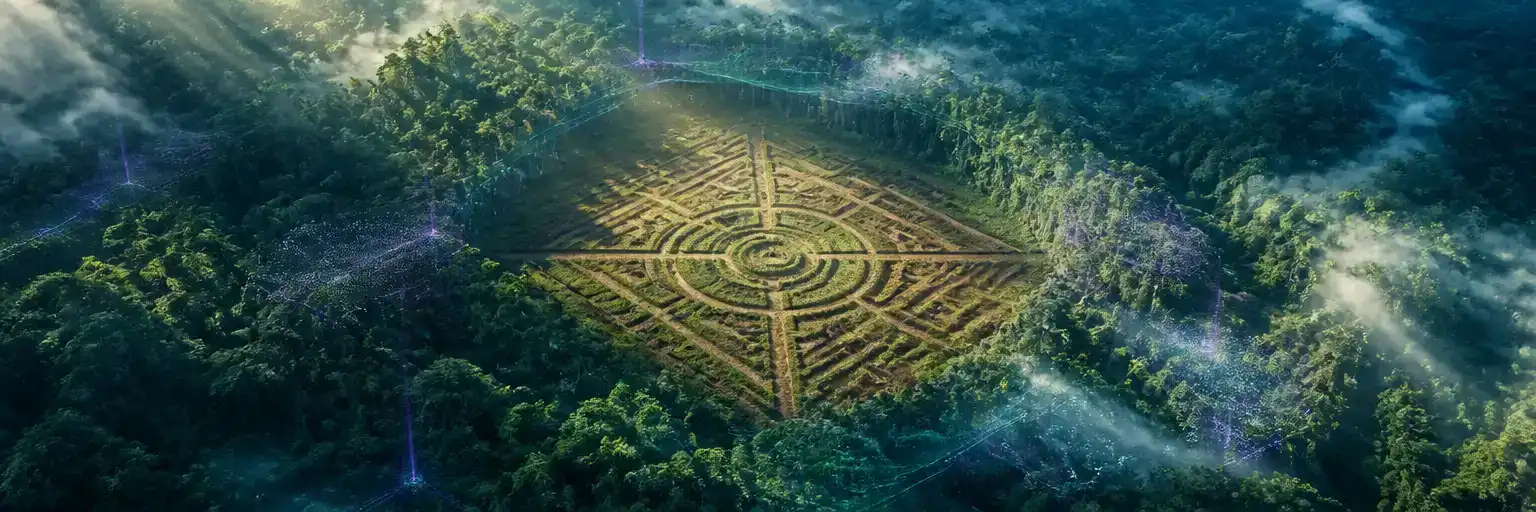
New lidar technology is not just uncovering structures, but dramatically rewriting the narrative of sophisticated pre-Columbian civilizations and their profound, geometric impact on the Amazonian landscape.
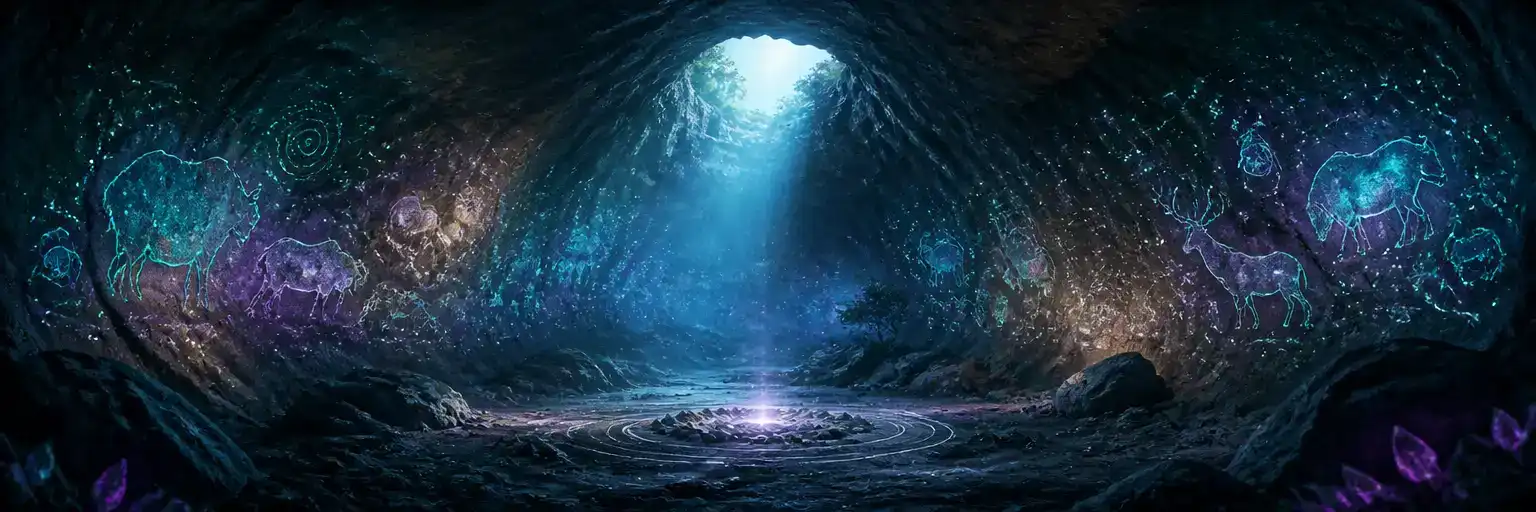
The serendipitous discovery of the 17,000-year-old Lascaux cave paintings, sparked by a curious dog, offers profound insights into ancient human creativity and the delicate balance of archaeological preservation.
Modern physics, through techniques like muography and ground-penetrating radar, has transformed our understanding of the Great Pyramid and the Giza plateau, revealing secrets untouched for millennia.