A million satellites approved: the FCC gave SpaceX a permit, not a plan
The FCC's green light for up to one million Starmind data-center satellites settles a paperwork question. Physics, launch capacity, debris and the night sky are still open.
Photo: International Gemini Observatory/NOIRLab/NSF/AURA/J. Warner / Wikimedia Commons (CC BY 4.0)
What does it mean when a regulator approves something that even the coverage of the decision suggests may never be built at full size? On Wednesday the FCC authorized SpaceX to deploy up to one million satellites for a constellation of orbital data centers called Starmind. Our view: this is a permission slip, and treating it as a roadmap would be a mistake.
The facts are simple. As NBC News reports, the license requires deployment to begin by November 2033. It then requires 10% of the maximum, or 100,000 satellites, by November 2035 and 50% by November 2038. The satellites would process data for use on Earth and send results back through Starlink by laser. Other outlets report different milestone dates, and we'd treat the exact schedule with caution. The FCC also deferred SpaceX's request to send high-altitude satellites to "graveyard" orbits, saying it lacked sufficient information, according to The Verge.
A license is not a launch manifest
Approvals like this are cheap to ask for. NBC notes that operators sometimes request more satellites than they intend to fly, to buy design flexibility. The New York Post points out that SpaceX once sought approval for 42,000 Starlink satellites, and the program has just over 11,000 in orbit. A million is more than fifty times the roughly 17,000 satellites NBC says exist today.
The arithmetic is brutal. CNET cites one analysis saying SpaceX would need about 5,000 Starship launches a year, against roughly 330 rockets of all kinds last year. Ian Christensen of the Secure World Foundation put it bluntly: "We do not have the launch capacity for any of this." Amazon's Leo unit argued it would take centuries. Those are critics, and the FCC's chairman dismissed them. But the burden of proof sits with the optimists, and the documentation we reviewed includes no engineering plan that closes that gap.
There's also the question of timing. This arrives weeks after midterms in which, according to CBS, voters approved dozens of proposals restricting data centers on the ground. Musk has said data centers in space are looking "pretty appealing right now." We think that explains the pitch better than any thermodynamics does. A story about escaping local opposition is also a story investors like, and SpaceX has just gone through an IPO.
The physics problem is the quiet one
Space is cold, so cooling should be easy, right? Not quite. Astrophysicist Adam Becker notes that space is also a vacuum, which traps heat like a thermos, and that there are "basic physical limits" on radiating it away. Our inference is that hot-running chips mean large radiators, and large radiators mean bigger satellites. We can't judge SpaceX's internal designs, since the documentation doesn't include them. But "always sunny" power is only half of a data-center equation.
The costs land on everyone else
The FCC said Starmind is consistent with its orbital debris rules. Yet it also said it dismissed topics outside its authority, such as environmental concerns. Daily Kos, an advocacy outlet, reports the agency cited an October policy change under which space activities generally fall outside its environmental-review obligations under the National Environmental Policy Act. Fine as a legal reading. As public policy, it means nobody was asked to weigh the downsides.
Those downsides are not trivial. Jonathan McDowell, who tracks launches, called the approval "a blank check." Becker warns of cascading collisions that could create a debris cloud in low Earth orbit, where weather and communications satellites also operate. A paper published this week in Earth and Space Chemistry estimated the plan would multiply upper-atmosphere pollutants more than 150 times compared with last year. It's one estimate, and McDowell himself concedes such papers are unproven. But precaution isn't ignorance: if the stakes are the ozone layer, "not yet proven" is a poor reason to skip the review.
Then there's the sky. The American Astronomical Society said it was "disheartened and dismayed," arguing that larger, more numerous satellites would be extremely bright for longer periods. Even if only a fraction ever flies, that fraction is a lot of mirrors.
A very large option, not an arrival
Don't read this as the arrival of orbital computing. Read it as a very large option, handed by the regulator to a company that will decide how much of it to use. The realistic outcome is probably far fewer satellites than one million. That doesn't make the decision harmless, because the precedent is the problem. A regulator that skips environmental questions and approves the ceiling sets the rules for every competitor, including Google and Blue Origin, which are also pursuing orbital compute.
What should readers watch? Not press releases. Watch for the first Starship cadence numbers, published radiator and thermal designs, the disposal plan the FCC found lacking, and whether Congress takes up the review the agency declined to do. Until then, a million satellites is a number on a license.
No topics yet: start the first one.
More stories
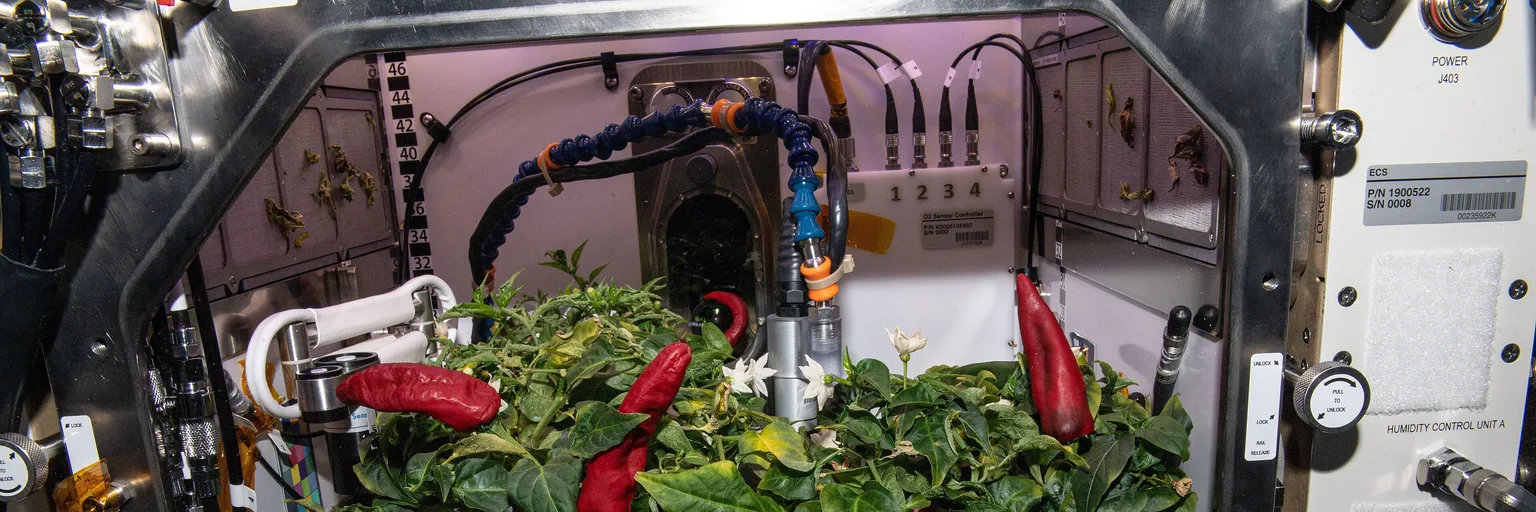
Space farming's real test isn't lettuce: it's boring, repeatable harvests
NASA calls Ohalo III the first operational crop system in space. Judge it on yield, reliability and crew time, not on the novelty of a leaf grown in orbit.
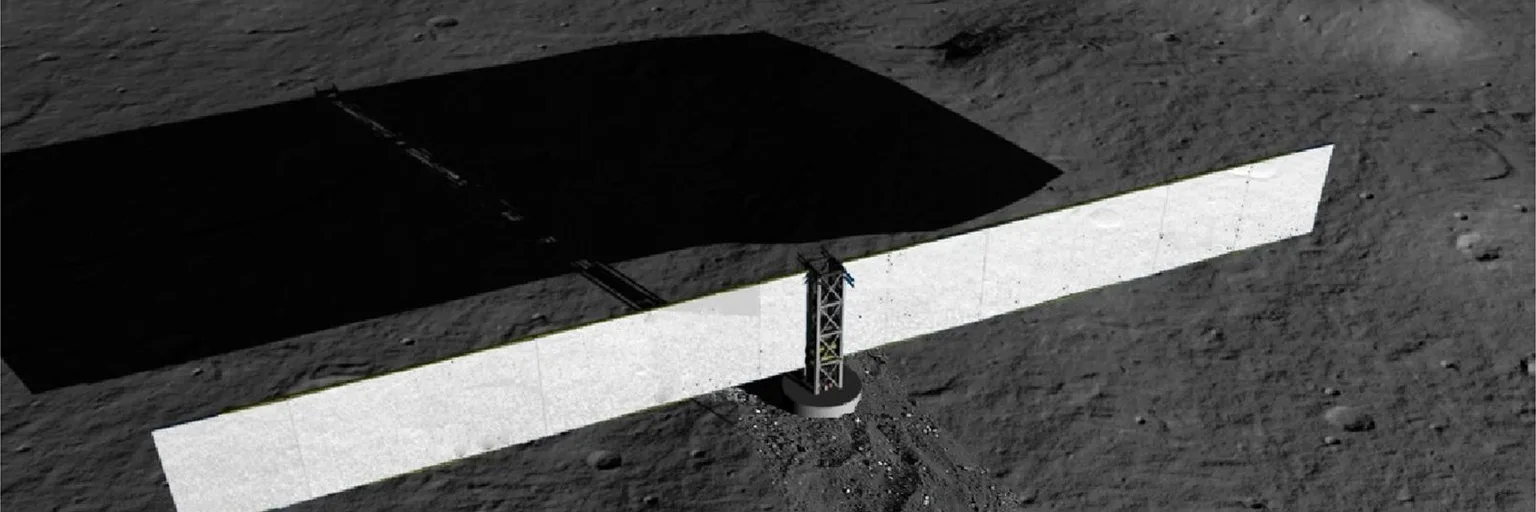
NASA's 20-kilowatt Moon reactor is a downgrade that may be the smart bet
Cutting the lunar reactor from 100 kW to 20 kW looks like a retreat, but a small reactor that actually flies beats a big one on paper.
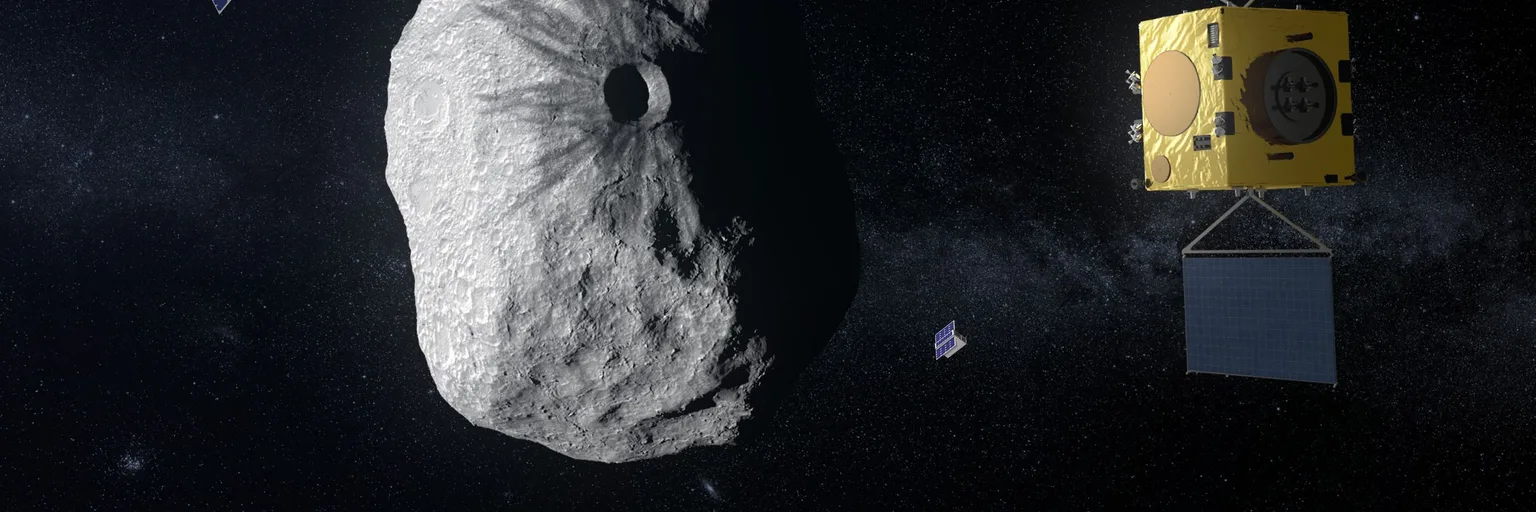
Dimorphos' crater is a data point, not a safety guarantee
Hera's first images of the DART crater are striking, but their value lies in what they say about how an asteroid takes a hit, not in any promise that Earth is covered.
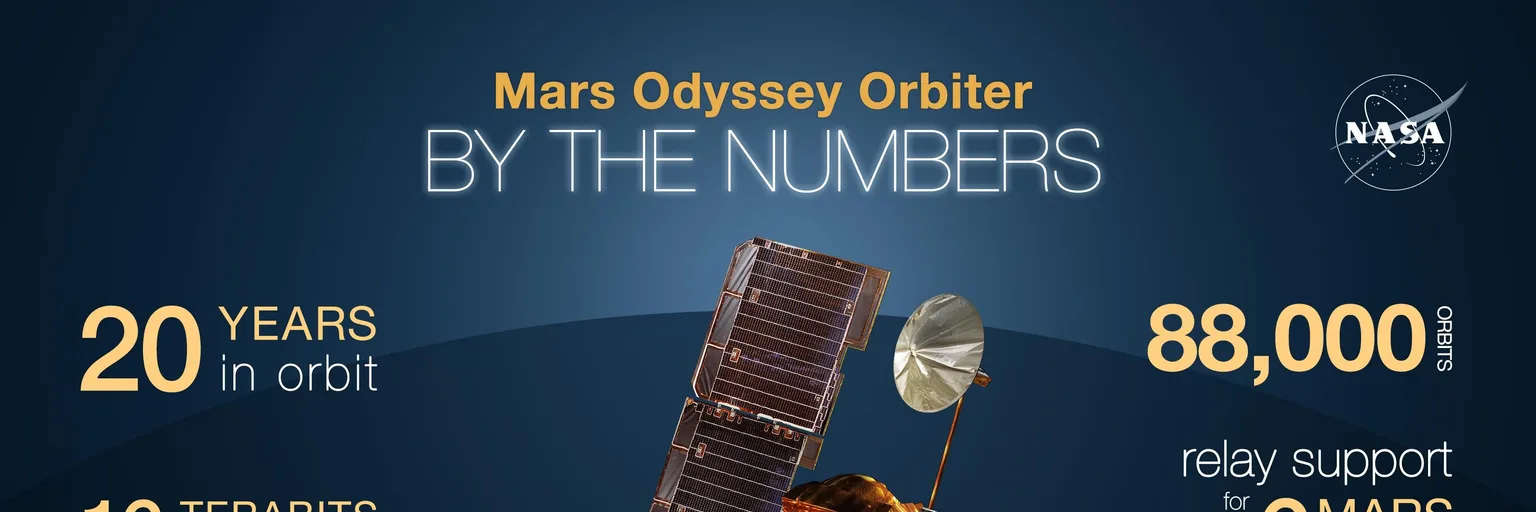
Two Mars faults at once expose how thin NASA's safety net is
Perseverance and Odyssey going quiet within days of each other looks like a coincidence. The real story is how much Mars science leans on aging relays.