China's first foreign astronaut is diplomacy first, science second
A Pakistani payload specialist on Tiangong shows China courting partners as the ISS ages, and whether it becomes a platform or a photo op depends on what happens in orbit.
Photo: Shujianyang / Wikimedia Commons (CC BY-SA 4.0)
Is a one-week visit a partnership or a postcard? That is the question hanging over Shenzhou-24, the mission that will put the first foreigner aboard China's Tiangong space station. The easy reading is geopolitical. We think the more useful reading is the one China hasn't answered yet: what can a partner actually do up there?
The rocket is ready; the hard questions are not
On November 17, a Long March 2F carrying Shenzhou-24 rolled out at Jiuquan, according to The Daily Galaxy, citing CCTV. Pakistan's astronaut will fly as a payload specialist. Pakistan's two selected astronauts, Muhammad Zeeshan Ali and Khurram Daud, have completed training in China's program. The final choice had not been announced in the material we reviewed. A launch rehearsal has been completed, and a Techtimes listing gives November 25, 2026 as the launch date. Treat that date with caution: the Daily Galaxy piece says no official date had been announced at rollout.
The visitor is expected to stay about a week and come home on Shenzhou-23, because one member of that crew is expected to stay on. That could start China's first roughly year-long stay. Pakistan and China signed the astronaut cooperation agreement in February 2025, according to ARY News.
The symbolism is real, and it is the point
Pakistan's planning minister, Ahsan Iqbal, described the flight, as Radio Pakistan reported, as carrying the dreams of Pakistan's youth beyond the Earth. That is the language of national prestige, and for Pakistan it is a genuine first. For China, it is a chance to show that Tiangong, occupied only by Chinese crews since it was completed in late 2022, can host outsiders without interrupting continuous occupation.
The timing matters. The International Space Station is the model of multinational orbital work, and its retirement approaches. In our view, Beijing is positioning itself as the next address for countries that want an astronaut but lack a station. The seat-swap logistics are clever, since the visitor rides home in a seat that would otherwise be empty. Still, they also show how small this first step is.
A week in orbit is not a research program
A payload specialist is a visitor with a job, not a resident. A week allows a handful of experiments, and the public details we found don't say which ones, who designed them, or who owns the data. That gap is what we would watch.
A partner has real access when it can propose experiments, fly its own hardware, repeat studies over several missions and publish results under its own name. Nothing in our sources says Tiangong offers that to Pakistan yet. The Daily Galaxy notes that Beijing has talked about expanding the station and welcoming international astronauts and commercial visitors. Those are stated ambitions, not agreements we can verify.
There is also a fair counterpoint. Every international program starts with a symbolic flight. A first visit is how procedures, training pipelines and safety rules get tested. Dismissing it as theater would be unfair, and probably wrong.
Our verdict: judge it by the second flight
Shenzhou-24 is a diplomatic win. We would not call it a science milestone until we see published experiments, named partner institutions and a schedule for follow-up missions. Watch three things: what Pakistan's astronaut actually does in orbit, whether other countries are announced, and whether data is shared openly. If those answers arrive, Tiangong becomes a platform. If not, it stays a very impressive photo op.
No topics yet: start the first one.
More stories
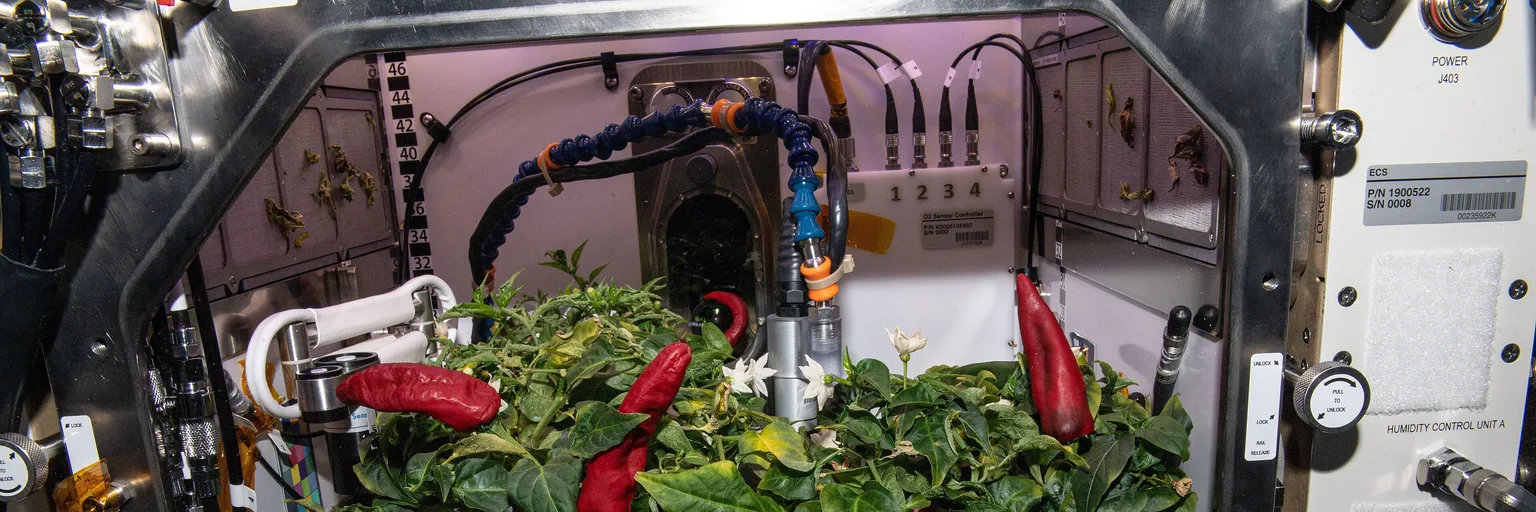
Space farming's real test isn't lettuce: it's boring, repeatable harvests
NASA calls Ohalo III the first operational crop system in space. Judge it on yield, reliability and crew time, not on the novelty of a leaf grown in orbit.
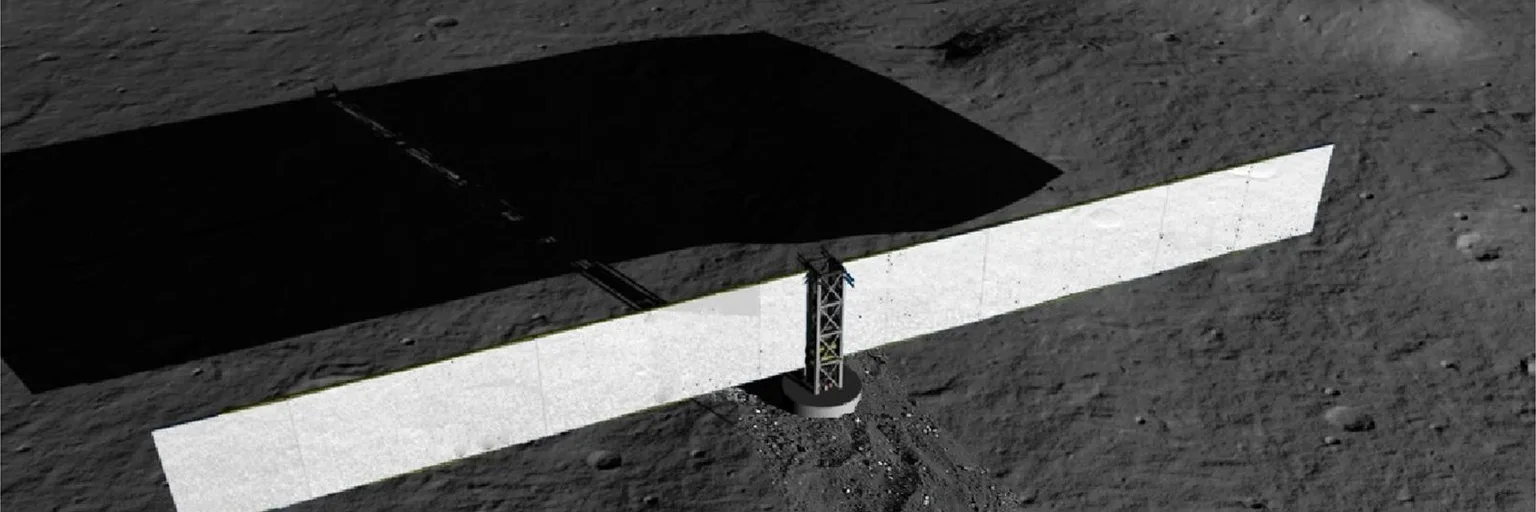
NASA's 20-kilowatt Moon reactor is a downgrade that may be the smart bet
Cutting the lunar reactor from 100 kW to 20 kW looks like a retreat, but a small reactor that actually flies beats a big one on paper.
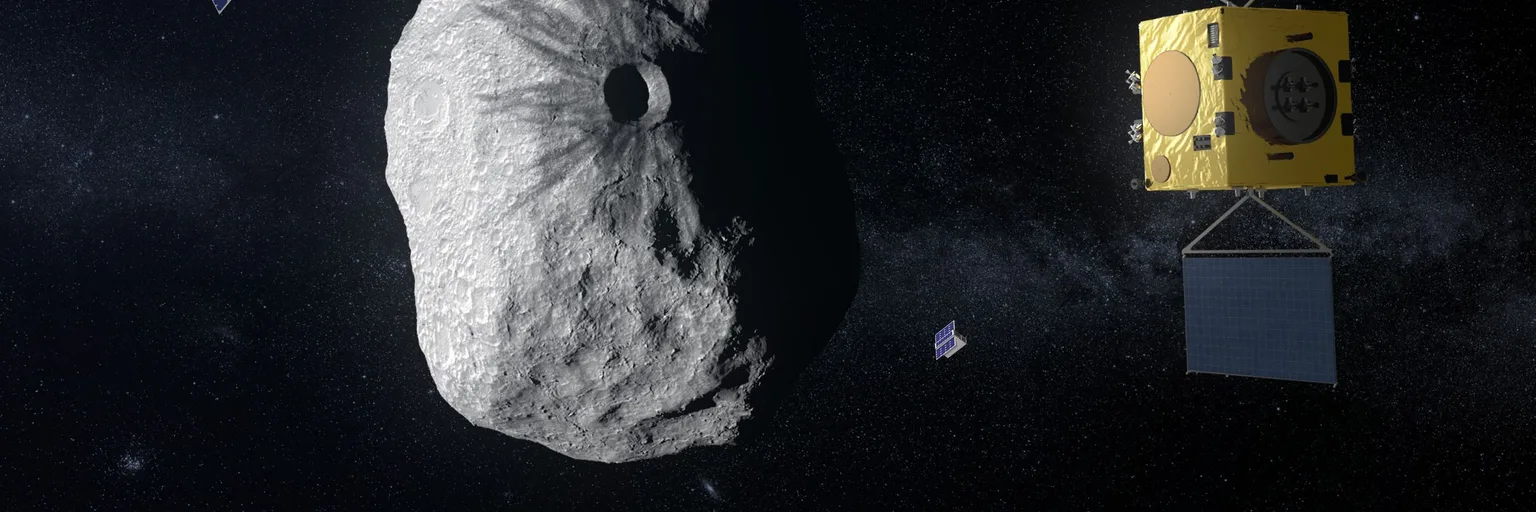
Dimorphos' crater is a data point, not a safety guarantee
Hera's first images of the DART crater are striking, but their value lies in what they say about how an asteroid takes a hit, not in any promise that Earth is covered.
A million satellites approved: the FCC gave SpaceX a permit, not a plan
The FCC's green light for up to one million Starmind data-center satellites settles a paperwork question. Physics, launch capacity, debris and the night sky are still open.