Orion's heat shield passed, but one flight is not a verdict
NASA says Orion's heat shield did its job on the way back from the Moon. That is real reassurance, but a single crewed flight can't tell us how much margin future lunar missions have.
Photo: Isaac Watson / Wikimedia Commons (Public domain)
Is a heat shield that worked once a heat shield you can trust? In spaceflight, the honest answer is "it depends on how much you had left over." NASA's post-flight verdict on Orion after Artemis II is good news. It is not yet an answer to that question.
What NASA actually reported
The crew of Artemis II, which flew around the Moon in April, came home safely. Months later, as 20minutos reports, NASA's additional analysis says the heat shield performed as expected. Orion hit a peak of 39 times the speed of sound, and its external temperatures exceeded 2,204 degrees Celsius. Aerothermal performance matched engineering predictions built on pre-flight analysis and ground tests.
The most striking number comes from secondary coverage of the same analysis. Leo.space reports nine spots of char loss on Artemis II, against 103 on Artemis I. That is a tenfold reduction, credited to a modified trajectory.
The good news is real, and it's specific
We think this deserves more credit than the usual "it worked" headline. Artemis I's shield had problems that NASA investigated, and for Artemis II the reentry path was modified. A tenfold drop in char loss after that change is, in our reading, what a sound diagnosis looks like: a sign the engineers understood the problem well enough to fly around it, not just that they got lucky.
It is worth being precise about what changed, though. NASA's analysis says the shield design was consistent from Artemis I to Artemis II, so the improvement belongs to the trajectory. The changes to the Avcoat blocks, aimed at more uniform material and consistent permeability, are the separate fix being carried into Artemis III's shield. That second fix has not flown yet.
It also matters that this was a crewed flight. Orion's shield has now been through a return from lunar distance twice, once empty and once with people aboard.
But "as expected" is not the same as "with margin"
Here is where we'd slow down. The key unknown is how much material actually wore away. NASA is still comparing laser scans of the shield's surface against pre-flight measurements to determine erosion. One of the secondary outlets, Eastern Herald, notes the amount of material lost remains unpublished. Until that figure is out, "performed as expected" is a qualitative statement about a quantitative question.
There is also a statistical point. One flight shows the design can work. It doesn't show how much run-to-run variation manufacturing introduces. The Avcoat changes target exactly that: consistency from block to block. That makes the Artemis III shield, a new unit that technicians installed at Kennedy in early July, the real test of whether the fix is repeatable rather than a good copy of one good part.
A caveat on sourcing: much of the detail above comes from undated web pages and aggregators relaying NASA's analysis. The agency's own page is the primary reference, and we'd read the final erosion data there before drawing firm conclusions.
Artemis III will be the quieter, harder check
Artemis III is now planned for low Earth orbit, according to the reporting, with Orion docking to commercial lunar landers. That mission will probably not stress the shield the way a return from the Moon does, since it comes back from far nearer to home. So it won't extend the heat shield's track record at lunar-return conditions. The next lunar-speed test would come with Artemis IV, which is planned to land astronauts in 2028.
That is our real concern. The shield that carries people home from the surface will have one lunar-return crewed flight behind it, plus whatever the erosion data and the manufacturing record can tell us in the meantime. That can be enough, but only if NASA publishes the numbers and treats the inspection of the Artemis III shield as seriously as a flight.
Our verdict
Celebrate, with the right adjective. Artemis II shows a corrected approach behaving the way its engineers predicted, which is the best kind of validation available after a single flight. Don't treat it as a certification. The questions that matter are how much margin remains, whether the next shield matches this one, and whether NASA will show its work. Watch for the erosion measurements. They will tell us far more than "2,204 degrees" ever could.
No topics yet: start the first one.
More stories
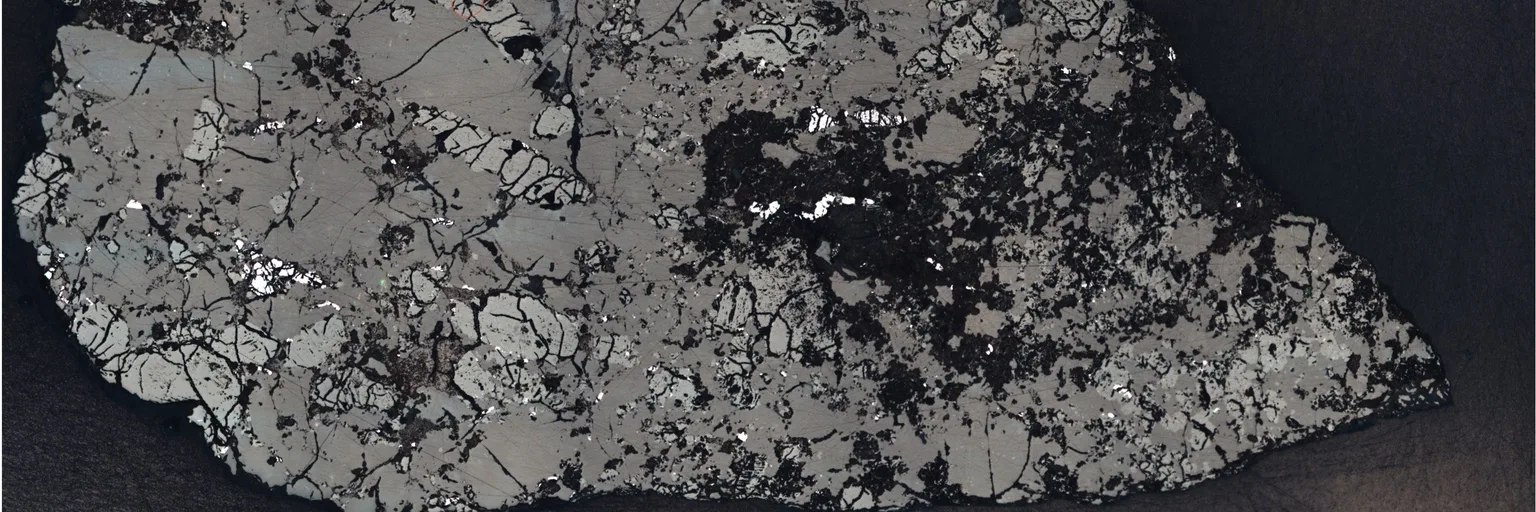
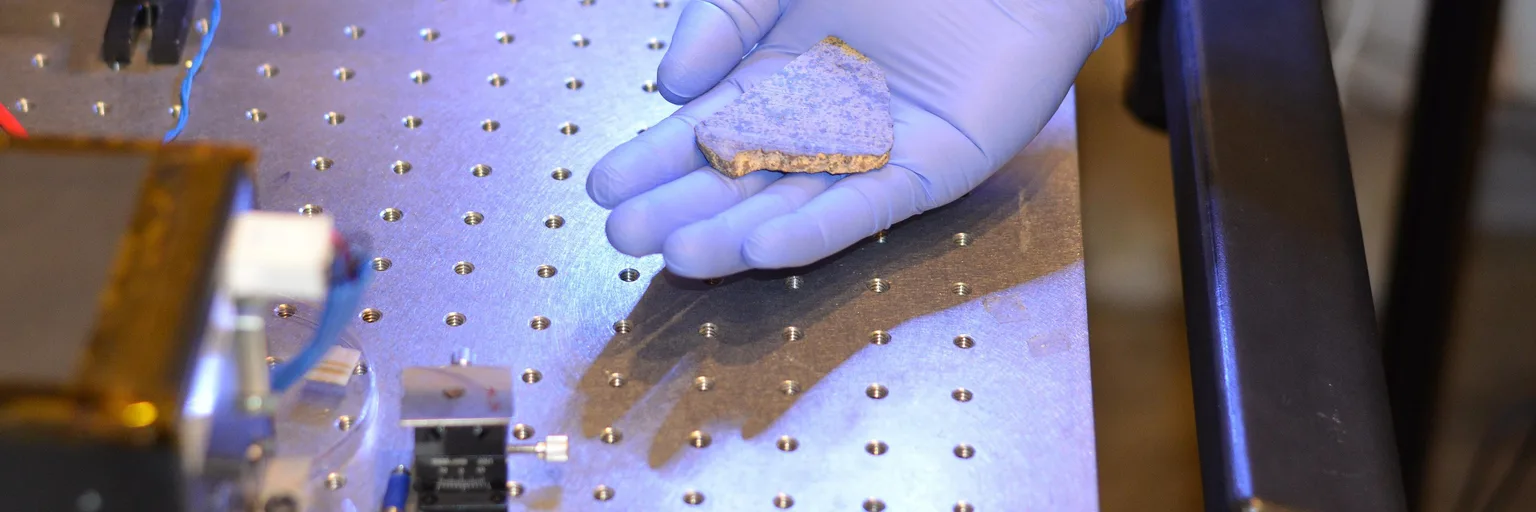
A Saharan rock from Mars shows what free samples can tell us
Teghaza 001, a meteorite at least 4.1 billion years old, hints at a wetter early Mars. It also shows why a lucky find from the desert needs careful, modest reading.
Betelgeuse calming down isn't an anticlimax: quiet is data too
After months of fading, the red supergiant has stopped sinking, for now. That's no letdown: each wobble of Betelgeuse is teaching us how little we knew about stars near the end of their lives.

Teghaza 001 is a free Mars sample, and a reason to want more
A 4.1-billion-year-old rock from the Sahara shows how much meteorites can teach us about early Mars, and why that is an argument for sample return, not against it.
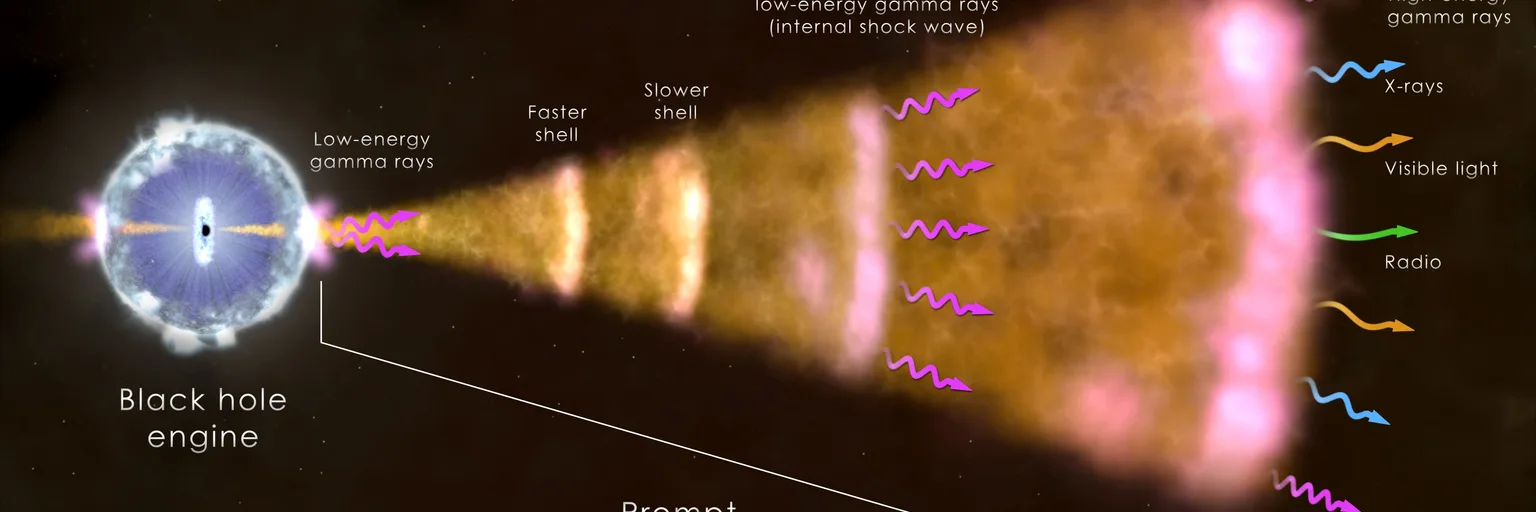
GRB 260310A shows why "modest" is a risky label for a cosmic blast
A gamma-ray burst that looked modest hid a far more energetic story in its afterglow. Brightness is a view from one angle, not a verdict on power.