Dimorphos' crater is a data point, not a safety guarantee
Hera's first images of the DART crater are striking, but their value lies in what they say about how an asteroid takes a hit, not in any promise that Earth is covered.
Photo: ESA – Science Office / Wikimedia Commons (CC BY-SA 3.0 igo)
Is a crater the size of a stadium good news or bad news for planetary defense? The honest answer is that it's neither yet. It's a surprise, and surprises are exactly what a test is supposed to produce.
On November 25, ESA unveiled the first close-ups from its Hera spacecraft, shown in the dinosaur hall of Berlin's Museum für Naturkunde. As Reuters reports, Dimorphos, about 151 meters wide, was left with a flattened face and a crater covering nearly the whole front side, and it is now tumbling. Hundreds of boulders drift around the pair.
Plenty of coverage leads with the spectacle. We'd rather ask what the images tell us about the physics.
The crater is the evidence that models were wrong in an interesting way
Before the arrival, the question was whether Dimorphos would end up with a relatively small crater or be extensively reshaped. Hera principal investigator Patrick Michel says the answer is all three at once: a crater, a changed shape and, elsewhere, little change. Michel also told Newsweek it's "too early to say" how localized the effects were.
That caution matters. A crater roughly as wide as the body, next to boulder fields that look as they did in 2022, is a strange combination. ESA scientist Michael Kueppers called it surprising. In our view, that's the most useful sentence in the whole briefing, because it suggests the simulations used to predict how an asteroid responds to a kinetic impactor are missing something. Better to find that out on a harmless moonlet than during a real emergency.
The orbit change was the headline; the mass is the missing number
We already knew the push worked. DART shortened Dimorphos' orbit by about 33 minutes, from 11 hours 55 minutes. What nobody can yet do is turn that into a clean, repeatable recipe. ESA says determining Dimorphos' mass is of particular importance, because combined with the orbital change it lets scientists quantify the efficiency of the impact. TechTimes notes that a 2024 dynamics study called that mass the largest uncertainty in the momentum boost.
Why does it matter so much? The ejected rock and dust gave the asteroid an extra push on top of the spacecraft's own momentum. How much extra depends on what the body is made of and how it breaks. A bigger crater plausibly means more ejecta, but we shouldn't read that as a result. The coverage we've seen gives no such figure from these images, and we won't pretend otherwise.
"We're safe" is the wrong takeaway
The Daily Mail reported that NASA could not currently deflect an asteroid heading for Earth, only mitigate the impact. We'd treat that as a reminder of the real gap. One successful test on one 151-meter moonlet, in a system that threatens nobody, doesn't make a defense system. Asteroids differ in strength, structure and spin. The next target could behave differently, and the tumbling Dimorphos is a neat demonstration of how messy the aftermath can be.
The practical complications are already visible. According to the same report, the boulder swarm means Hera will approach only to about 13 km rather than the 8 km originally intended. In January it will release two CubeSats, Juventas and Milani. Juventas carries a radar meant to show whether Dimorphos is a loose pile of rubble or a solid rock, a question that is still open. Milani's manager, Margherita Cardi, called the boulder field a "nightmare" challenge for her team.
There's also a limit on today's pictures. At roughly 2.7 meters per pixel, Dimorphos is only about 56 pixels across, by TechTimes' own arithmetic. The cigar-shaped structure inside the crater is unexplained, and Michel says the team doesn't yet understand features in its middle. Expect revisions.
Our verdict
Treat these images as the start of the real analysis. DART proved the idea works, and Hera is checking whether we understand why. If the mass measurement and the interior radar come back clean, deflection planning gets a calibrated tool. If they don't, we'll have learned that cheaply. Either way, the sensible response isn't relief or alarm. It's to keep funding the unglamorous follow-up, including ESA's planned Ramses mission to Apophis, and to keep searching for asteroids early. Warning time is what makes any of this usable.
No topics yet: start the first one.
More stories
Space farming's real test isn't lettuce: it's boring, repeatable harvests
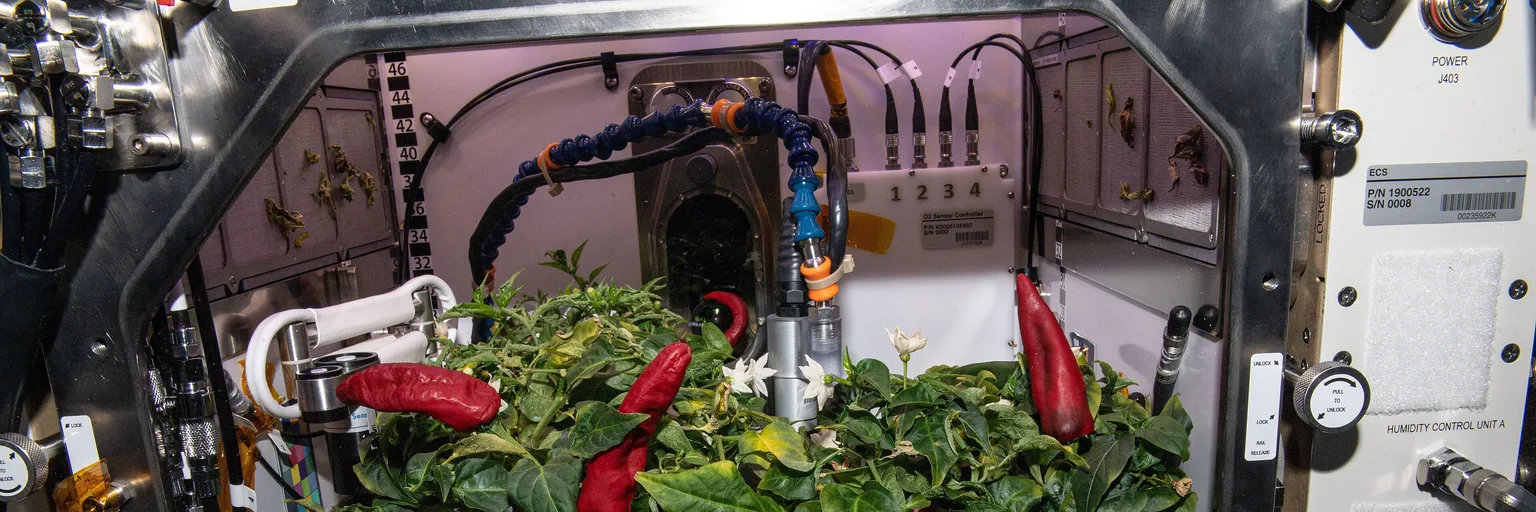
NASA calls Ohalo III the first operational crop system in space. Judge it on yield, reliability and crew time, not on the novelty of a leaf grown in orbit.
NASA's 20-kilowatt Moon reactor is a downgrade that may be the smart bet
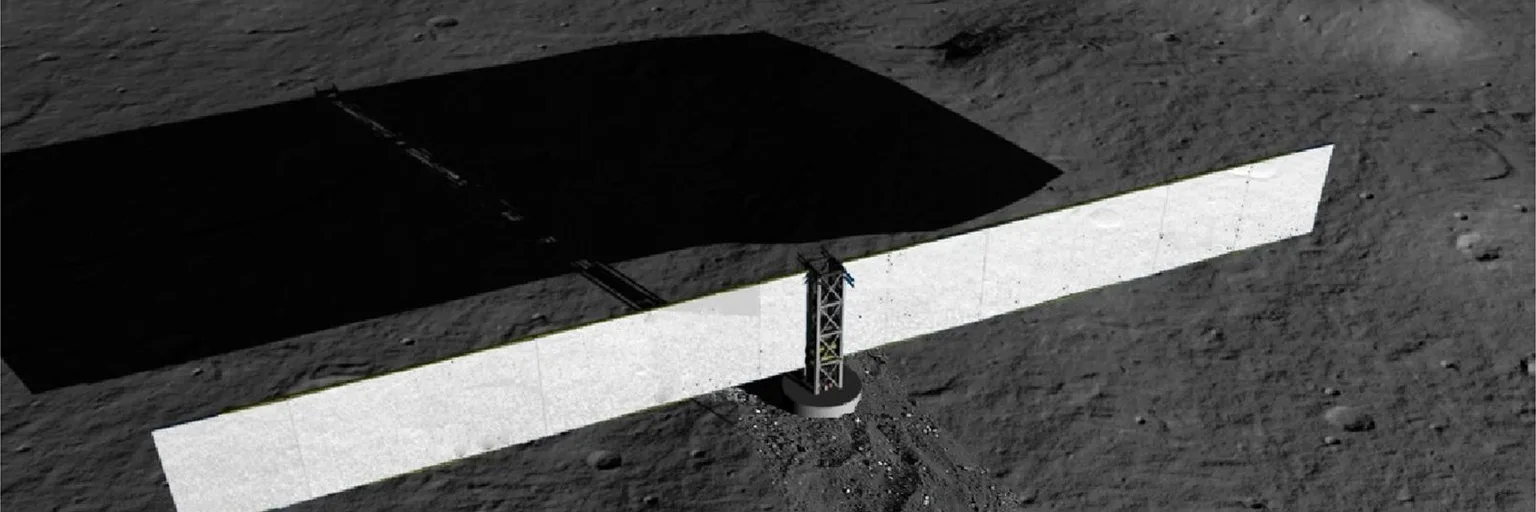
Cutting the lunar reactor from 100 kW to 20 kW looks like a retreat, but a small reactor that actually flies beats a big one on paper.
A million satellites approved: the FCC gave SpaceX a permit, not a plan
The FCC's green light for up to one million Starmind data-center satellites settles a paperwork question. Physics, launch capacity, debris and the night sky are still open.
Two Mars faults at once expose how thin NASA's safety net is
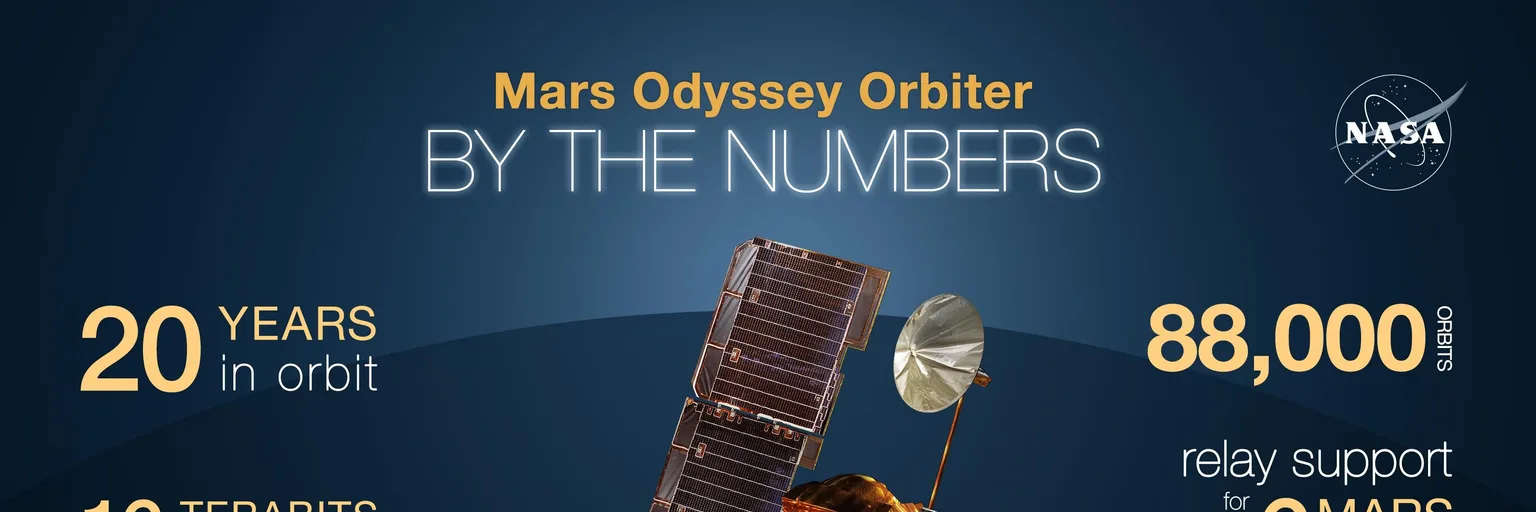
Perseverance and Odyssey going quiet within days of each other looks like a coincidence. The real story is how much Mars science leans on aging relays.