NASA's 2028 Moon landing is plausible, but only if hardware starts talking
The agency keeps saying 2028. The date will mean something only when a lander docks with Orion, a suit gets tested and Blue Origin's damaged launch pad is flying again.
Photo: NASA Marshall Space Flight Center / NASA/Brandon Hancock / Wikimedia Commons (Public domain)
Is a date a plan? NASA is holding another update today at Kennedy Space Center on returning American astronauts to the Moon by 2028. According to NASA, the briefing will cover Artemis III and how the 2028 effort is progressing. Our view is simple: a year on a slide is not a milestone. Hardware is.
The date survived by changing the road to it
Here is the short version. In February, NASA Administrator Jared Isaacman announced an overhaul. Artemis III stopped being the landing mission. It became a low Earth orbit test flight in 2027 with one or both commercial landers, and Artemis IV now carries the 2028 landing. NASA also wants to fly the SLS roughly every 10 months instead of every three years.
Notice what happened. The landing date stayed put while the mission that was supposed to hit it got demoted. That can be good engineering. Isaacman's argument is that you'd rather find problems in Earth orbit than on the Moon, and we find that persuasive. It also means 2028 probably has less slack than it had before the overhaul. One test flight stands between today and a landing attempt. CBS News reports that, as things stand, Artemis III is the only such flight planned.
The lander is the weak link
The cleanest test of the date is the lander. In February, the BBC noted that the lander for the surface had not yet been selected. SpaceX has a contract, but Starship delays led NASA to ask for a streamlined plan, and NASA also asked Blue Origin for an accelerated one. A competition is healthy. It is also an odd place to be with a landing targeted for 2028.
Then there is the pad. CBS reports that a May 28 explosion destroyed a New Glenn rocket like the one needed to carry Blue Moon Mark II, and that Blue Origin's only launch pad suffered major damage. The company says it expects to return to flight before year's end. CBS also says one or both companies would need to complete a successful uncrewed Moon landing before 2028. We haven't seen reporting that either has done so. Until that happens, we'd treat 2028 as an aspiration with a plausible path, not a forecast.
The crew test is demanding in its own right. Artemis III has to launch multiple heavy-lift rockets within days and coordinate them. Jeremy Parsons of NASA's Moon to Mars program office said the flight is meant to prove NASA can carry out "highly choreographed operations" with its partners. Crew member Bresnik said the timing and the loiter capability if a launch slips are things "we need to figure out." Those are honest admissions. We'd rather hear them than a confident date.
What would make the date credible
There is real progress to credit. CBS reports that the Artemis II flight around the Moon was successfully completed in April, and NASA's Artemis blog reports that teams have finished stacking boosters for an Artemis III tanking test. NASA's Artemis IV page names Axiom Space's suit for the surface walks. Those are concrete steps.
Still, what we haven't seen is a funding path or a delivery schedule for the suits and landers. NASA's February release says the workforce directive is a key factor in enabling the acceleration, and Isaacman said Congress stakeholders are "fully behind" the approach. That is a statement, not a budget line, and we have no figures to judge it by.
So what should you watch for after today? Three things. First, a firm Artemis III date, with a confirmed lander partner. Second, a lander flying uncrewed and reaching the lunar surface. Third, the suit appearing in a test, not just in a mission description. If today's briefing offers those, 2028 is a plan. If it offers only the year again, it's theater with good production values.
Our verdict: don't dismiss 2028, and don't bank it. The restructured Artemis sequence is smarter than the old one, and the pressure from China, which the BBC says is aiming for a landing by 2030, is real. But a deadline earns trust through hardware, and so far the hardware still has to show up.
No topics yet: start the first one.
More stories
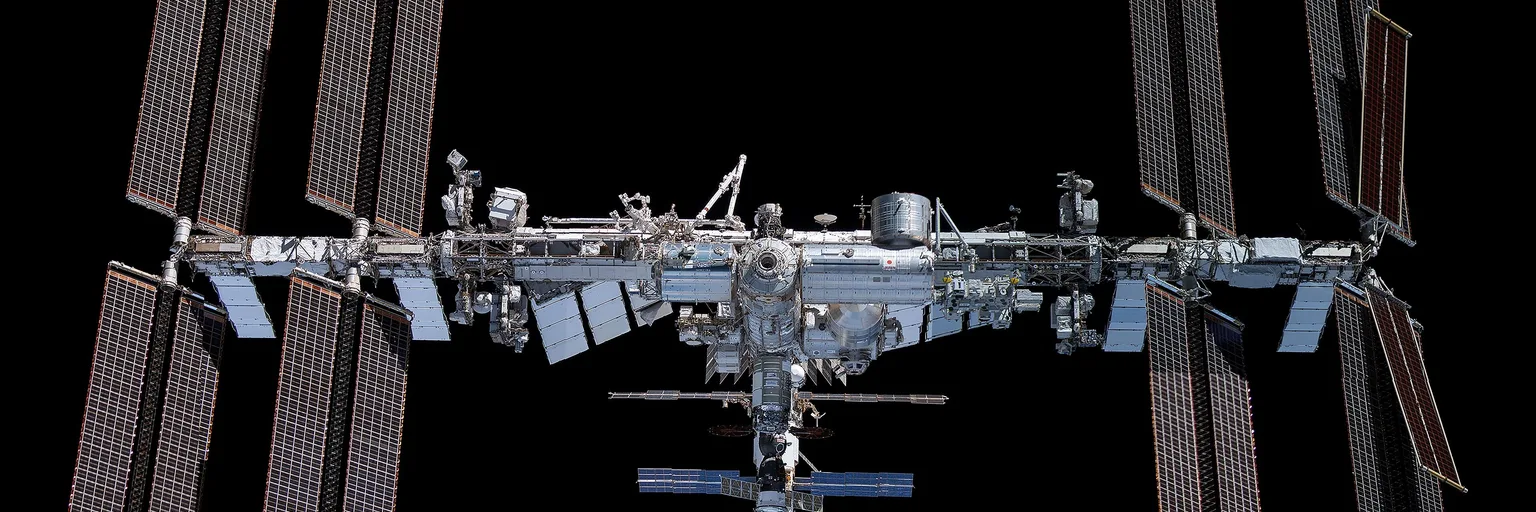
NASA needs a fallback for low Earth orbit, not a bet on private schedules
NASA's stated goal is to avoid a gap in crew-capable platforms in orbit. But the plan to replace the ISS has changed course too often to be the only plan.
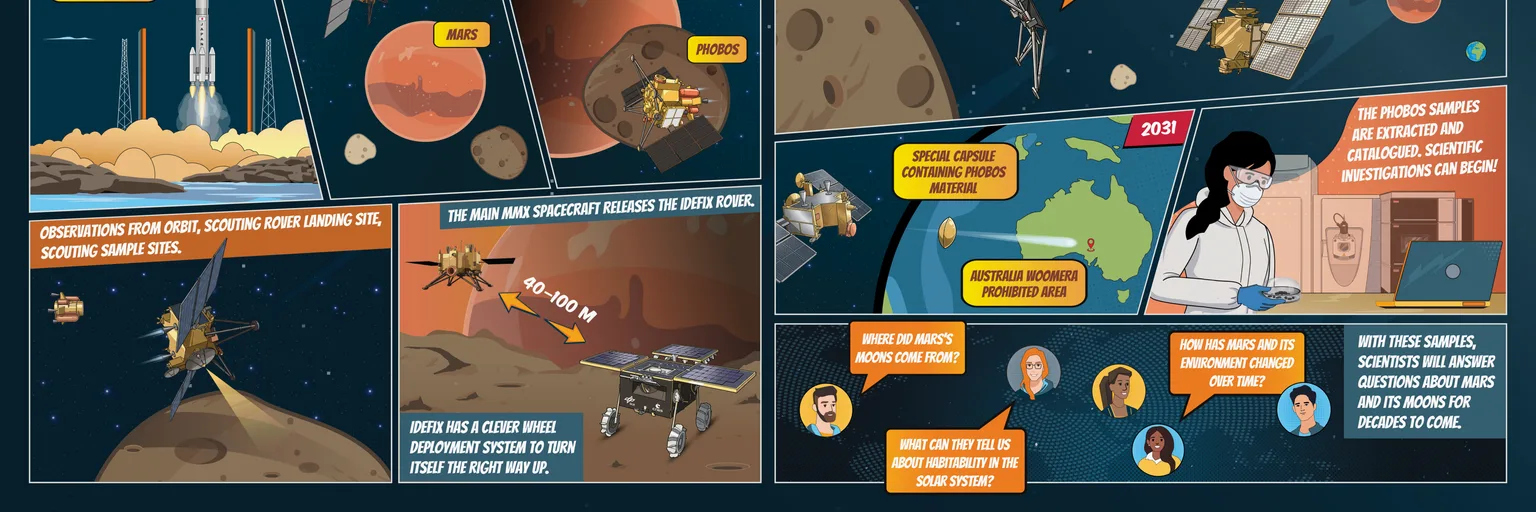
MMX is the smarter Mars sample bet, and gravity explains why
Japan chose Phobos because Mars itself is hard to land on and leave. That makes MMX a pragmatic bet, though it answers a different question from bringing home Mars rock.
2025 SC79 Is a Warning About What We Cannot See
The asteroid 2025 SC79 is not an imminent threat. Its real lesson is more useful: planetary defense still has a blind spot where the Sun makes dangerous objects hardest to find.

3I/ATLAS Is More Than a Spectacle: It Is a Stress Test for Comets
Its changing activity and alien isotope ratios matter because they let scientists test which comet behaviors are universal—and which belong only to our Solar System.