SpaceX's New Record Shows Spaceflight Finally Escaped Its Shuttle Past
The Crew-13 mission’s lightning-fast journey to the ISS isn't just a speed record; it heralds a new, more efficient era of space travel, challenging the legacy of the costly Space Shuttle.
Photo: NASA / Wikimedia Commons (Public domain)
When SpaceX's Crew-13 mission recently docked with the International Space Station (ISS) in record time, it wasn't just a testament to precise orbital mechanics; it was a potent symbol of how dramatically human spaceflight has evolved. For too long, the narrative of space travel was defined by colossal governmental endeavors, often burdened by immense complexity and cost. The new record set by SpaceX, however, forces us to acknowledge a burgeoning era where efficiency and commercial agility are redefining what's possible, marking a definitive departure from the legacy of previous generations of spacecraft.
On October 1, 2026, the SpaceX Crew-13 mission, carrying NASA astronauts Jessica Watkins, a geologist, and Luke Delaney, a former naval aviator, alongside CSA astronaut Joshua Kutryk, a fighter pilot, and Roscosmos cosmonaut Sergey Teteryatnikov, a submariner, launched aboard a Falcon 9 rocket from Florida's Space Coast. This was the 13th crew rotation mission and 14th flight with NASA astronauts under the Commercial Crew Program. Notably, the mission had faced a delay from its original September 12 schedule due to a leak in the Grace oxidizer tank, prompting Delaney to reference the heritage of Apollo 13, as Wikipedia details. Just 7 hours and 55 minutes later, their Dragon capsule arrived at the ISS, setting a new benchmark for the fastest crewed mission to the orbiting lab by a U.S. vehicle, as Space.com reported. This achievement eclipsed the previous American crewed record of 14 hours and 43 minutes, set by the Crew-11 mission in August 2025. While the overall record for speed to the ISS still belongs to a Russian Soyuz spacecraft, which made the journey in just over three hours in 2020, SpaceX's latest feat undeniably underscores the rapid progress within NASA’s Commercial Crew Program.
The Efficiency Imperative: Beyond Brute Force
What does a speed record like this truly signify? It’s not merely about going faster; it’s about a fundamentally different approach to space access. SpaceX's director of NASA science and Dragon programs, Julianna Scheiman, openly acknowledged that favorable orbital mechanics played a role in Crew-13’s swift transit, noting it was "close to the fastest it could be." This blend of precise engineering, optimized trajectories, and commercial flexibility reflects a paradigm shift. Unlike the Space Shuttle, an un-powered glider during re-entry that required complex hypersonic "S-turn" maneuvers to dissipate speed from its nearly 17,500 mph (Mach 25) re-entry velocities, modern capsules often follow more streamlined paths. The Shuttle's operational philosophy, while groundbreaking, involved immense logistical challenges for each flight, contrasting sharply with the increasingly agile and repeatable launches characteristic of the commercial space sector.
The Crew-13 mission, carrying its diverse international crew, will spend six months aboard the ISS conducting scientific research. Upon their arrival, they conducted a brief handover with the Crew-12 astronauts, who are expected to return to Earth as early as October 5. This rapid turnaround and efficient crew rotation system highlight a maturation of human spaceflight capabilities, moving away from the often lengthy and ponderous preparations that characterized earlier eras. It emphasizes a future where access to low Earth orbit is not just about raw power but about smart, commercially driven design and operational excellence, paving the way for more routine and affordable space exploration.
No topics yet: start the first one.
More stories
Sputnik's Beep: How a Simple Satellite Redefined Humanity's Cosmic Edge
More than just a technological marvel, Sputnik 1's iconic signal didn't merely open the Space Age; it made the boundary between Earth and space a tangible, contested frontier.

NASA's Private Station Leap: A Bold Bet on Commercial Space
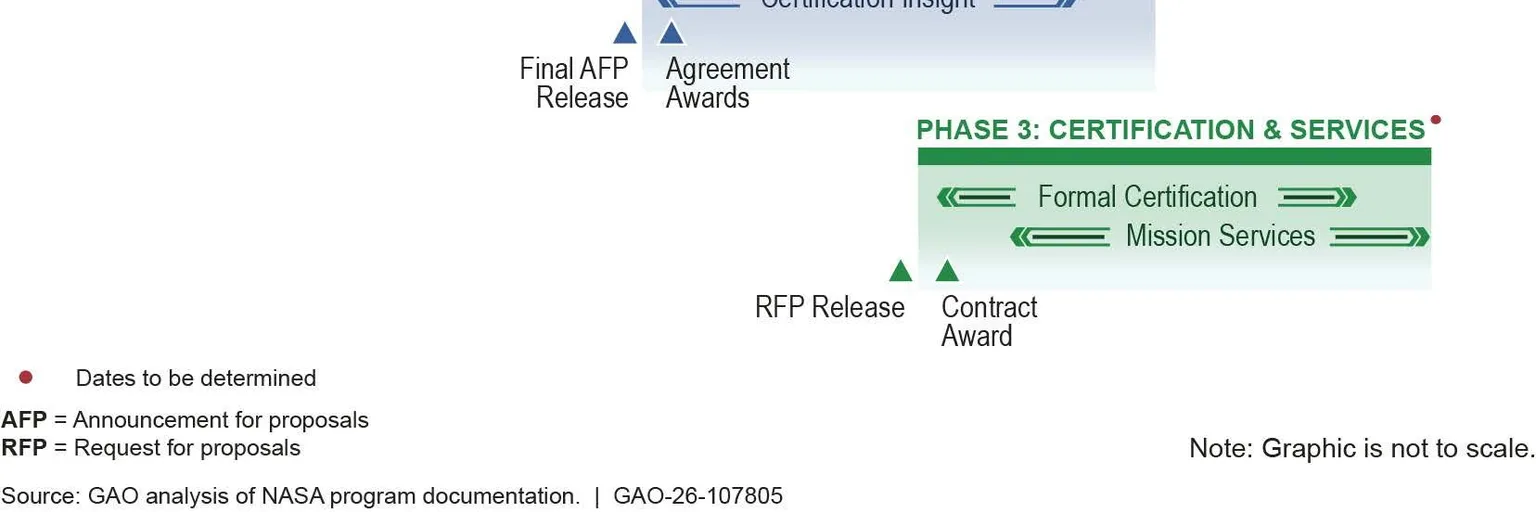
NASA's latest Request for Proposals for commercial space stations signals a pivotal shift toward private-sector leadership, offering both immense innovation and critical questions about the government's evolving role in orbit.
Mars' Moons Hold Solar System's Secrets: MMX Mission Ready to Deliver
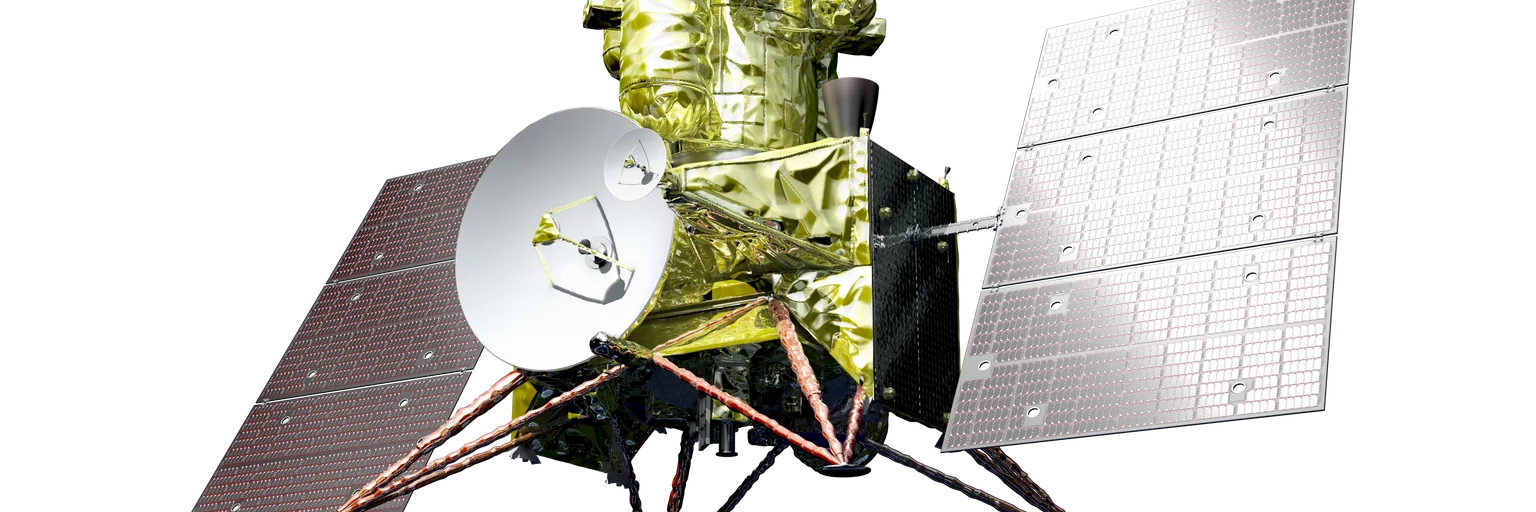
The upcoming MMX mission, a collaboration between Japan, France, and other nations, is poised to solve the enduring mystery of Mars' moons and offer unprecedented insights into our solar system's tumultuous early days.
The Universe’s Oldest Fast Radio Burst Challenges Its Origins
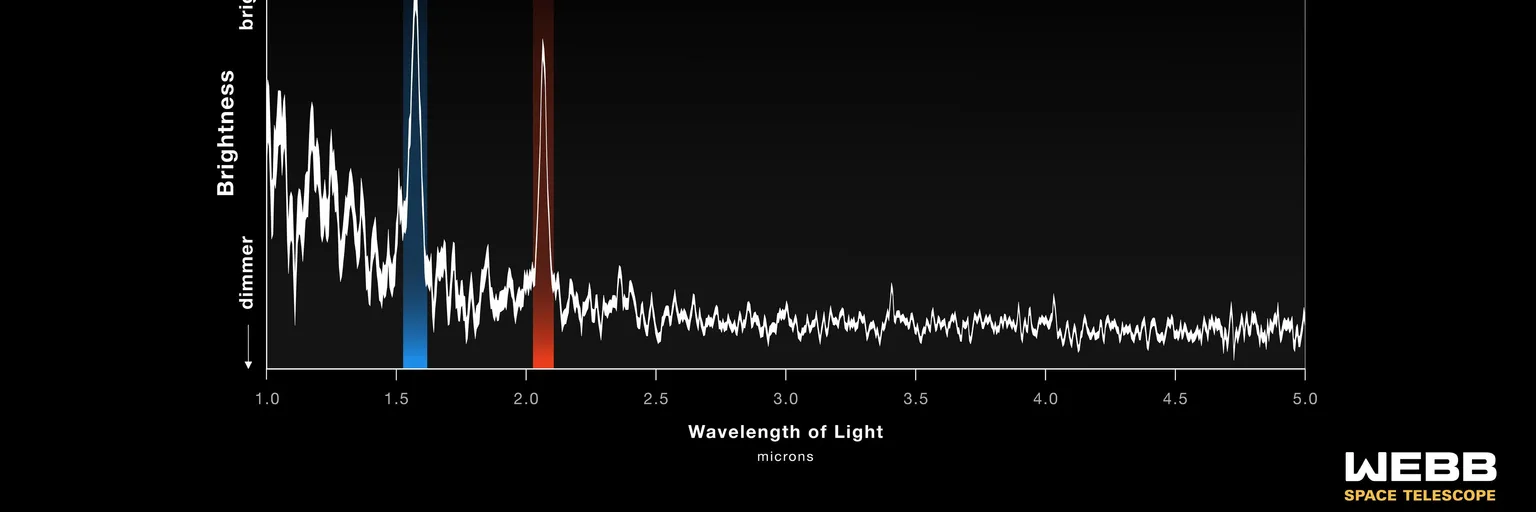
The discovery of the most distant Fast Radio Burst, detected by MeerKAT and pinpointed by the James Webb Space Telescope, provides unprecedented insights, forcing us to rethink how these enigmatic signals originate in the early universe.