Artemis III's date is the least interesting thing NASA said today
The 2027 target for Artemis III matters less than what the mission now tests: whether two commercial landers and their rockets are ready, and whether NASA will tolerate a realistic schedule.
Photo: NASA Marshall Space Flight Center / NASA/ Sam Lott / n/a / Wikimedia Commons (Public domain)
Is a launch date a plan, or a promise made to be broken? NASA's Artemis III update on October 23 will be covered as a date story. We think the more revealing story is what the mission has become, and how much of its schedule now depends on hardware NASA doesn't build.
Artemis III is no longer a landing, and that changes the story
As SpacePolicyOnline reports, NASA Administrator Jared Isaacman said he is "extremely confident" that Artemis III will launch next year. A wet dress rehearsal is planned for November. Artemis III is no longer the first landing: in February it was remade as an Earth-orbit test flight in which Orion rendezvouses and docks with test versions of Blue Origin's Blue Moon MK2 and SpaceX's Starship HLS. The landing now belongs to Artemis IV, which NASA is aiming at 2028.
Space.com detailed an Oct. 5 HLS program presentation that puts Artemis III in the third quarter of 2027, with the results helping NASA decide which lander flies Artemis IV.
The February rewrite was the real announcement
Renaming a mission is cheap. Changing what it is, is not. Instead of staking the first crewed landing on a long chain of untested steps, NASA turned Artemis III into a risk-reduction flight. In our view, that is the most sensible decision in the program in years. It swaps a symbolic goal, "boots on the Moon by date X," for a measurable one: can the capsule meet the vehicles that will land people?
It also exposes how much is still unproven. According to Space.com, both companies have more than a dozen demonstrations and milestones ahead, including orbital refueling and uncrewed landing tests. Starship's own checklist for this year includes the first catch of a Ship upper stage. That is not a criticism of SpaceX or Blue Origin. It is a reminder that the landing date depends on a long list of firsts.
Confidence is not a schedule
Isaacman says NASA manages "every single component" of the program "down to the day, down to the hour." Maybe so, but NASA doesn't control everything. SpacePolicyOnline notes that a New Glenn exploded during a pre-launch test in May. It did not directly affect Blue Moon MK2 development, and company officials express confidence they will return to launching New Glenn by the end of the year. We would treat that as a target, not a fact. Starship, for its part, has had two largely successful Version 3 flights this year, per the same report. The lander tests for Artemis III lean on both of those rocket families.
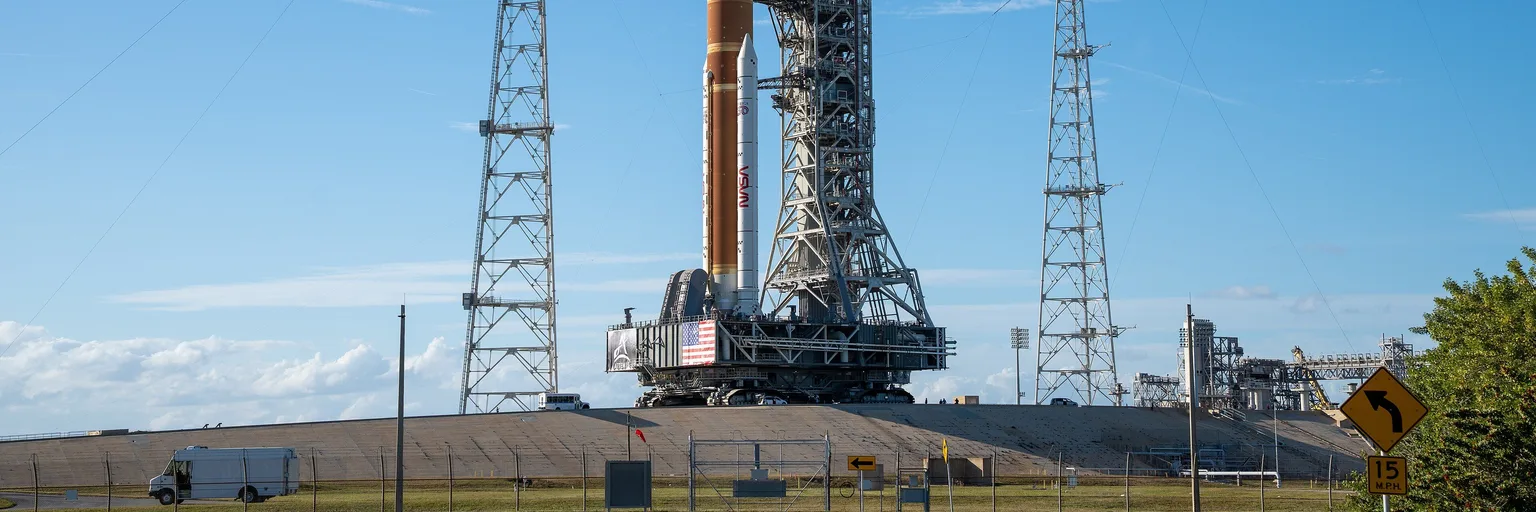
The NASA-controlled parts look healthier. The program's own blog describes booster stacking progress at Kennedy. That fits the broader picture: the government-built stack is moving, and the uncertainty sits mostly with the commercial vehicles. We'd call that the honest reading of "on track." Other outlets, such as Tech Times, note that the plan remains dependent on testing, which is the sober way to put it.
Why a realistic schedule is the better political product
The cheerleading around the announcement, including a planned Max Power event at Kennedy on November 7-8, makes sense for a program that wants public and congressional goodwill. But spectacle is a poor substitute for slack in the schedule. Artemis III now has a useful property: if a lander test slips, NASA learns something before putting a crew on a landing attempt. A slip becomes information instead of a failure.
Our recommendation to readers: treat the Q3 2027 target as a forecast, not a commitment, and watch three signals instead of the calendar: New Glenn's return to flight, Starship's progress on the booster and Ship catches NASA has listed for this year, and the completion of the docking hardware on the Artemis III test vehicles. If those land, 2027 is credible and 2028 becomes plausible. If not, the right move is to move the date, not the standards.
Verdict: the best thing about the new Artemis III is that it can fail cheaply. NASA should keep it that way.
No topics yet: start the first one.
More stories
Helmi's Kavli Prize shows the Milky Way is a fossil record
Reconstructing a collision from 10 billion years ago using stellar motions is one of astronomy's quiet triumphs, and the Kavli Prize for Amina Helmi deserves wider public credit.
NASA's 2028 Moon landing is plausible, but only if hardware starts talking
The agency keeps saying 2028. The date will mean something only when a lander docks with Orion, a suit gets tested and Blue Origin's damaged launch pad is flying again.
NASA needs a fallback for low Earth orbit, not a bet on private schedules
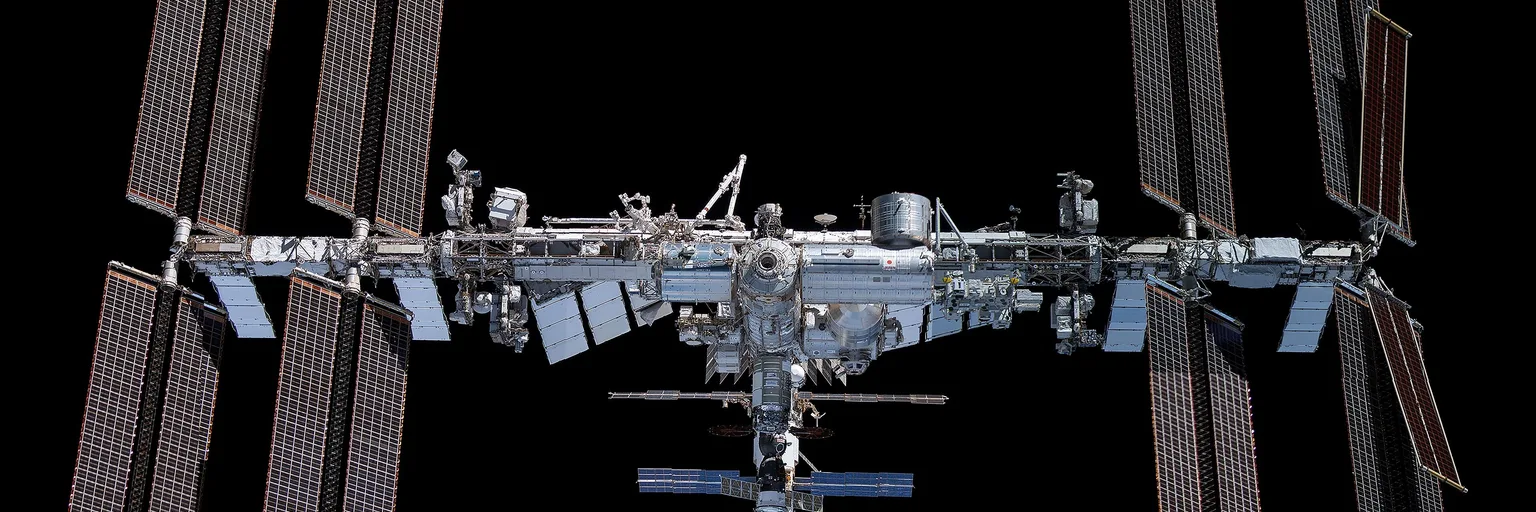
NASA's stated goal is to avoid a gap in crew-capable platforms in orbit. But the plan to replace the ISS has changed course too often to be the only plan.
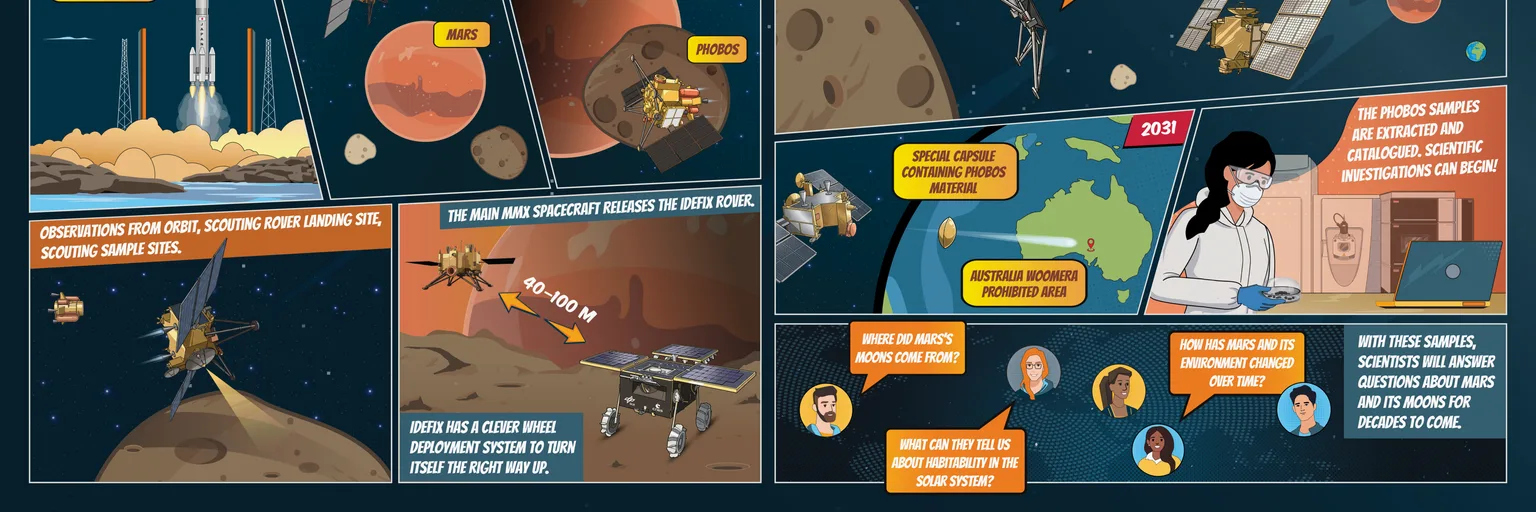
MMX is the smarter Mars sample bet, and gravity explains why
Japan chose Phobos because Mars itself is hard to land on and leave. That makes MMX a pragmatic bet, though it answers a different question from bringing home Mars rock.