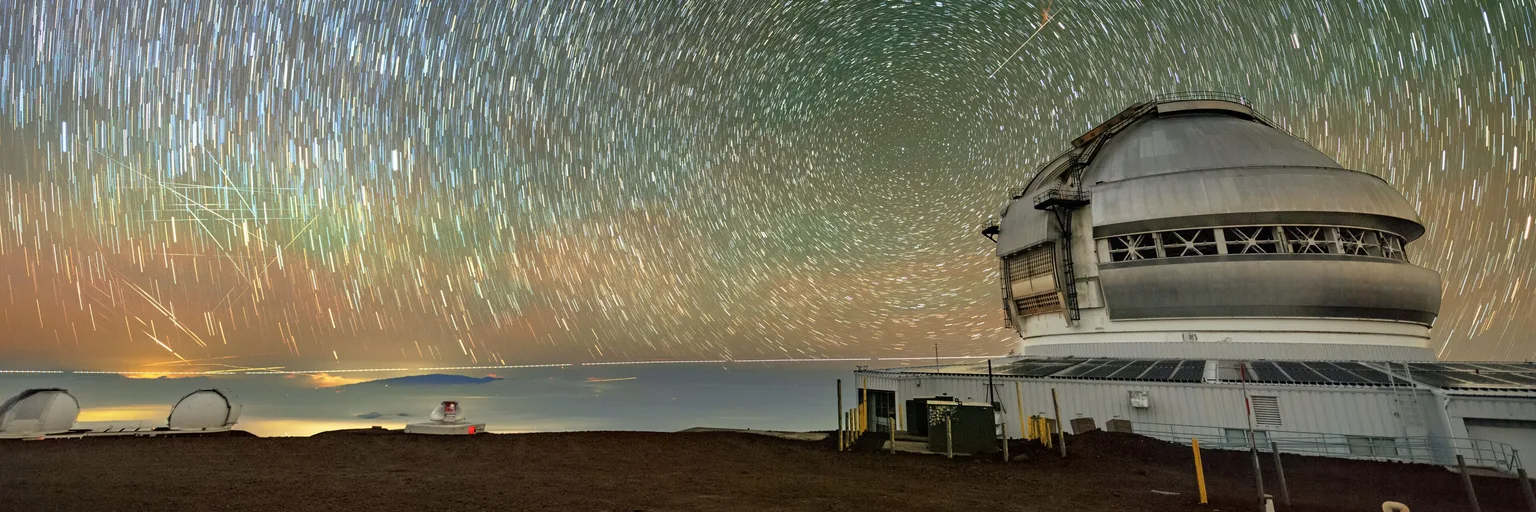
Space farming's real test isn't lettuce: it's boring, repeatable harvests
NASA calls Ohalo III the first operational crop system in space. Judge it on yield, reliability and crew time, not on the novelty of a leaf grown in orbit.
Photo: NASA/Mark Vande Hei / Wikimedia Commons (Public domain)
Can a space garden be impressive and still tell us almost nothing? That is the risk with the headline attached to NASA's next resupply flight. Growing a plant in orbit stopped being news a while ago. Growing food on a schedule, with little human effort, is a different and much harder problem.
Here is what we know. As EconoTimes reports, NASA's Northrop Grumman mission, which NASA calls CRS-25 and the company calls NG-25, is scheduled to launch no earlier than Sunday, Nov. 29, 2026, on a Falcon 9 from Cape Canaveral. The Cygnus XL spacecraft carries about 11,000 pounds of cargo. Among it is Ohalo III, which NASA describes as the first operational crop-production system in space. It is mostly automated, built to recycle water and regulate air exchange, and it will test how crops receive water and how limited growing volume can be used in microgravity.
"Operational" is a promise, not a result
The word doing the heavy lifting is "operational." In NASA's own announcement, though, the hardware is a "prototype growth chamber," and the stated goal is to validate its water delivery and volume optimization technology. That is a test of plumbing and packaging, not yet a proof of a food supply. NASA has reported no launch result, yield or in-orbit performance data, and the cargo hasn't even left the ground.
We think that gap matters. "Operational" suggests a system you can rely on. A prototype being validated is something you learn from. Both are legitimate, but only one feeds a crew.
The metrics that will decide whether this matters
Ohalo III reportedly builds on lessons from the Veggie and Advanced Plant Habitat systems, according to a NASA Technical Reports Server document cited by EconoTimes. That lineage is the right frame. The question isn't whether another plant survives microgravity. It's whether this design improves on its predecessors in three dull but decisive ways.
First, yield per unit of volume. Volume is the scarcest thing on a spacecraft, and NASA itself names volume optimization as a target. A chamber that grows lovely plants but eats a locker's worth of space for a salad garnish fails the math.
Second, reliability. Water delivery is where small failures snowball. If the system needs rescuing every few weeks, it isn't operational in any useful sense. We would want to see repeat harvests, not one good run.
Third, crew time. Automation is the selling point, and astronauts' hours are expensive. If tending the crops costs more labor than the food is worth, the calories lose to shelf-stable packages. NASA's own case is that those packages get harder to manage as missions go farther, with storage and resupply limited. Fresh crops could add nutrition and variety. "Could" is the operative word, and only data will upgrade it.
Don't oversell the Earth spin-off
NASA also says the research could inform vertical farming, indoor growing and precision agriculture on Earth. Maybe, but we would treat that as a courtesy line. Commercial indoor farms don't have to cope with microgravity, and we suspect a spacecraft's closed-loop constraints are ones Earth growers rarely face. The more credible payoff is for Moon and Mars habitats, and even that is years from being proven.
Our verdict
Ignore the first photo of green leaves in the chamber. It will be charming and nearly meaningless. Watch instead for what NASA publishes after the Dec. 1 capture and the first growth cycles: how many harvests, how consistent they are, how much water and air the system manages unaided, and how many crew hours it takes. If those numbers come back steady and modest, that would be the real milestone, and it would look wonderfully boring. If NASA reports only that plants grew, that is a demonstration, and the word "operational" will have been ahead of the evidence.
No topics yet: start the first one.
More stories
Planet Nine's shrinking search area is progress, not a discovery
A new simulation study narrows the hunt for a hidden world beyond Neptune. We should applaud the method, but nobody has seen the planet yet.
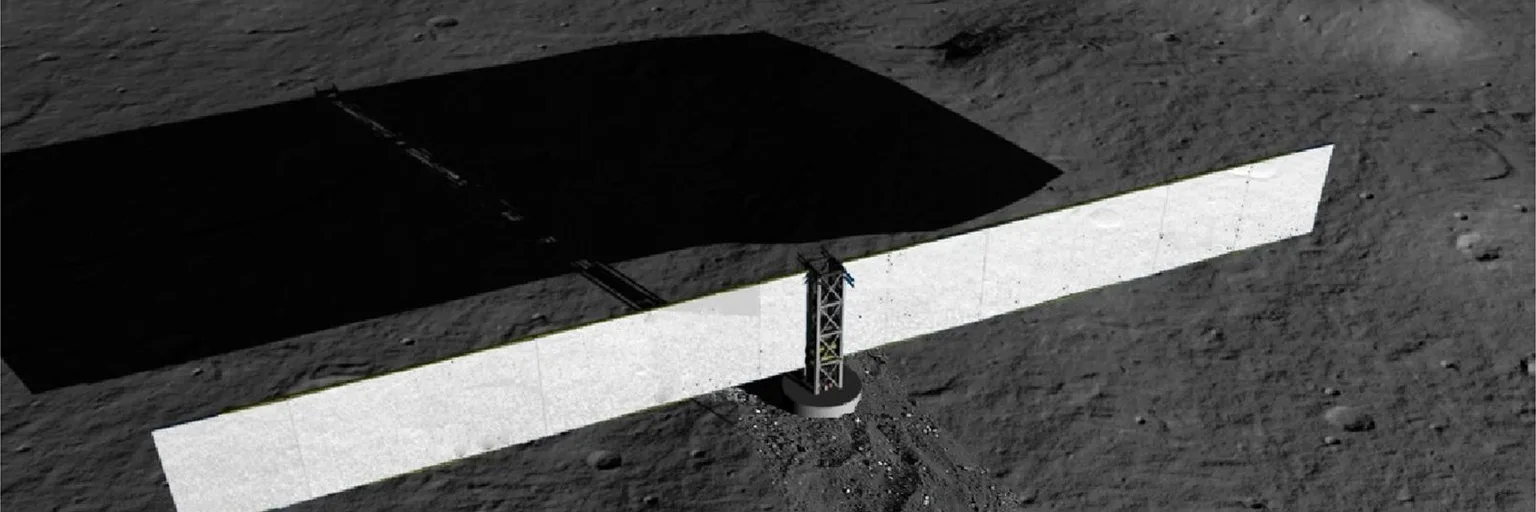
NASA's 20-kilowatt Moon reactor is a downgrade that may be the smart bet
Cutting the lunar reactor from 100 kW to 20 kW looks like a retreat, but a small reactor that actually flies beats a big one on paper.
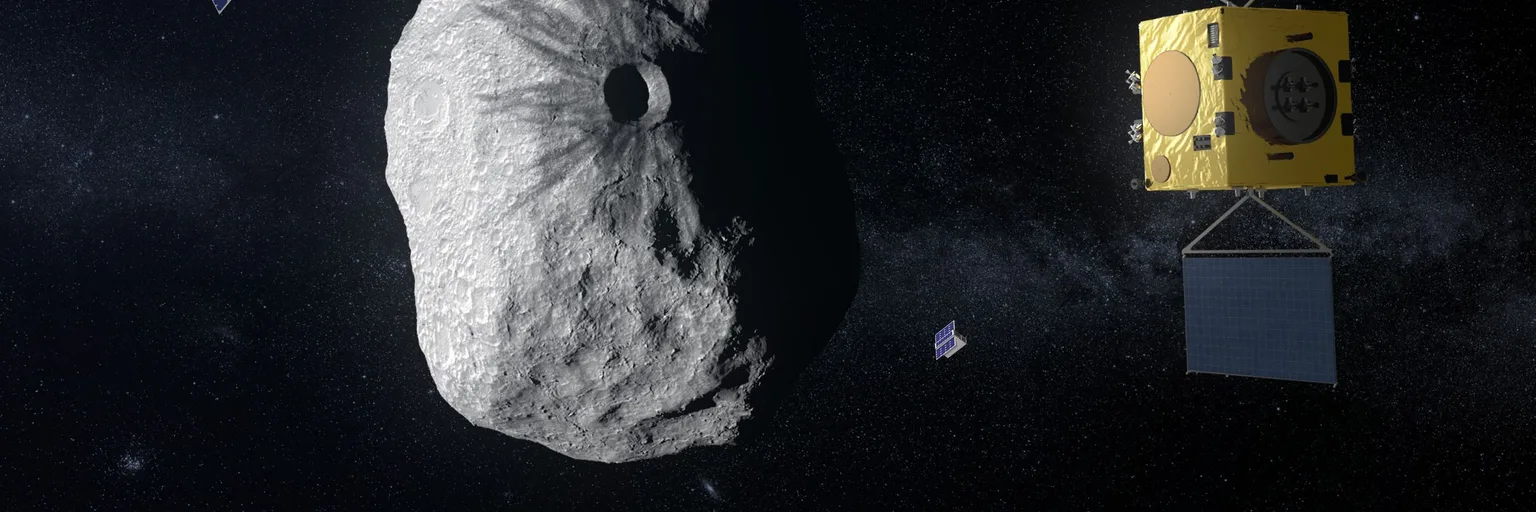
Dimorphos' crater is a data point, not a safety guarantee
Hera's first images of the DART crater are striking, but their value lies in what they say about how an asteroid takes a hit, not in any promise that Earth is covered.
A million satellites approved: the FCC gave SpaceX a permit, not a plan
The FCC's green light for up to one million Starmind data-center satellites settles a paperwork question. Physics, launch capacity, debris and the night sky are still open.