The deepest explosive volcanism ever found should humble ocean science
Pyroclastic rocks at over 6,000 meters in the Mariana Trench break a textbook rule about deep-sea eruptions, and they show why ocean exploration deserves steadier funding.
AI-generated image
How much of a rule is a rule if the first robot to look in the right place breaks it? Textbooks say that at the bottom of the ocean, water pressure smothers explosive eruptions. A team that went to look at the Mariana Trench has just found rocks suggesting that the rule needs an asterisk.
The team was led by geologist Robert J. Stern of the University of Texas at Dallas. As El Confidencial reports, the remotely operated vehicle Jason/Medea made seven dives near Challenger Deep in late 2024. It found pyroclastic deposits at 6,148 and 6,334 meters. These are the deepest known, made of volcanic fragments that were still hot enough to weld together when they settled. The results appear in Frontiers in Earth Science.
The surprise is in the physics, not the depth record
A record is a headline. What matters is why this should not have happened. On land, dissolved gases expand as pressure drops and shatter the magma. At about 600 bars, that expansion is heavily suppressed. The authors' working idea, as Muy Interesante summarizes, is that water in the magma reached a supercritical state, where the line between liquid and gas disappears. That could fragment magma without a violent blast.
We should be careful here. This is a hypothesis, and the coverage says the exact mechanism is unconfirmed. The team has not found the volcano responsible or dated the eruptions, though they suspect they are geologically recent. The press coverage also contains the usual mix-ups: one outlet's write-up credits a different institution and a different journal, which is a reminder to go back to the paper itself.
Even so, the direction is clear. We suspect our models of submarine volcanism leaned heavily on places we could reach, with the deep trench left to extrapolation. When extrapolation meets a robot, it is not surprising that the robot sometimes wins.
The location is a second puzzle
Volcanoes above subduction zones usually sit well back from the trench. Here, volcanic material turns up surprisingly close to it. The suggested explanations include the steep bend of the Pacific plate and crust stretching at about 45 millimeters per year, which might let hot material rise. In our view, this is the most interesting part of the story. If the same geometry that makes the trench so deep also feeds volcanism, then the trench's depth and its eruptions are linked, and that is a lesson about the whole system, not just a curiosity.
What this says about funding
Here is the uncomfortable detail. Jason/Medea can reach 6,500 meters, while Challenger Deep lies around 10,935 meters. By El Confidencial's account, several kilometers of the trench stayed out of reach for this expedition. We found a record at the edge of what our tools can see, which is a polite way of saying we probably have not found the real limit.
That is why we think steady money for deep-ocean vehicles and ship time is not a luxury. These cruises are slow and expensive, and the payoff is hard to forecast. But the payoff is exactly this: a basic assumption about how Earth works turns out to be incomplete, and we learn it from a few rock samples.
Our verdict: treat the supercritical-water explanation as a promising lead, not a result. Expect follow-up dives, dating and a hunt for the source vent. And when the next budget debate treats the seafloor as a place we have mostly figured out, remember that a robot just got there first and the textbook lost.
No topics yet: start the first one.
More stories
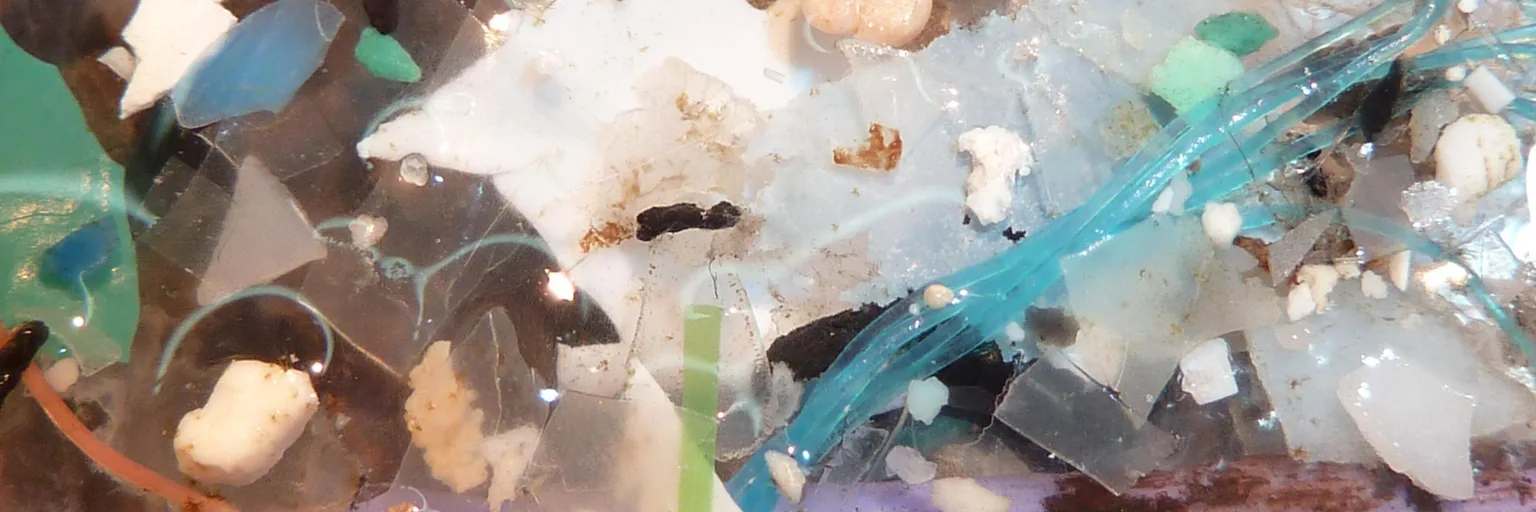
Plastic that mimics plankton's color signal is a clever clue, not a satellite map
A 674 nm absorption band in biofilm-coated plastic is a real finding, but it looks too much like chlorophyll to trust from orbit without hard validation.
Terra's retirement is a triumph, and a warning about climate records
A satellite built for six years worked for 27. That is a success story, but it shows how much of our climate record depends on hardware outliving its plan.
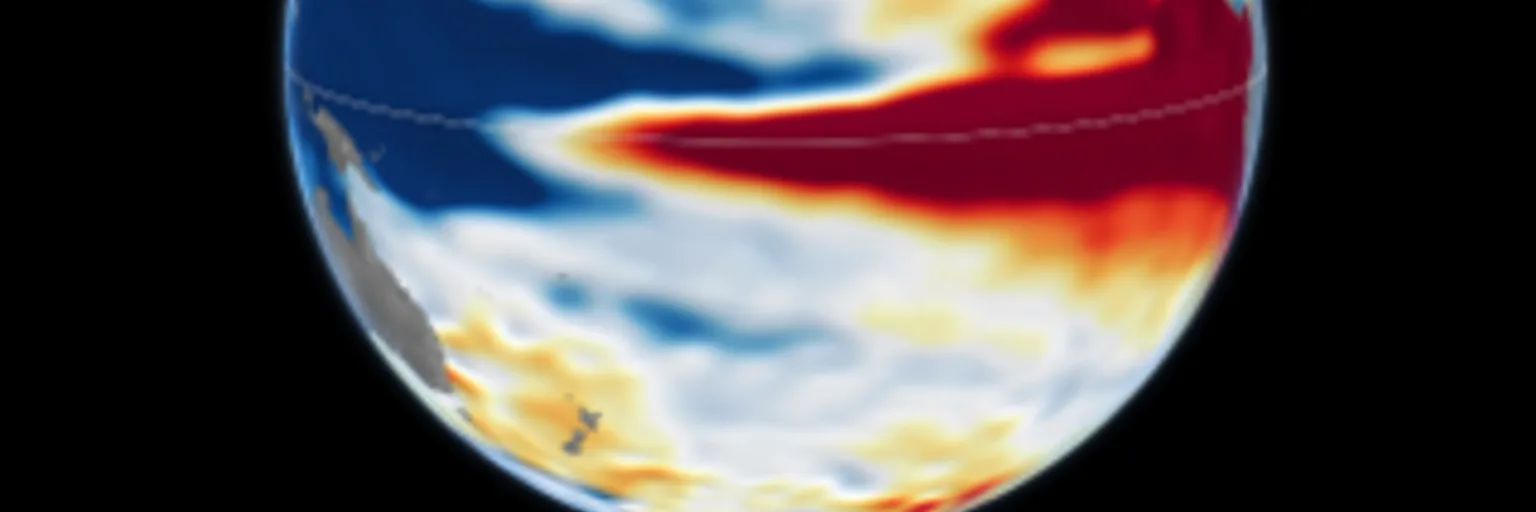
The "monster" El Niño headline is the least useful part of this story
Comparing 2026 to 1997 helps governments prepare, but it is a poor forecast, and the real value lies in the monitoring that tells us months ahead what is coming.
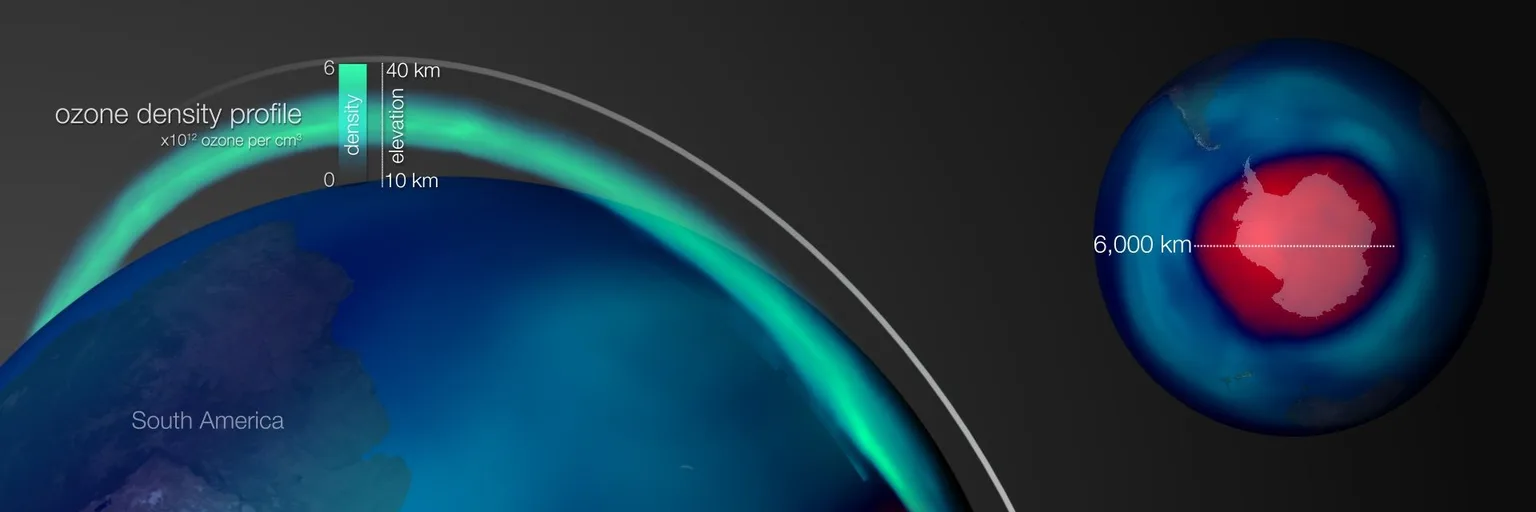
A bigger ozone hole isn't a verdict on the Montreal Protocol
The Antarctic hole is the largest in a decade, but a strong polar vortex, not policy failure, explains it. Recovery is slow and noisy, and one season is not a trend.