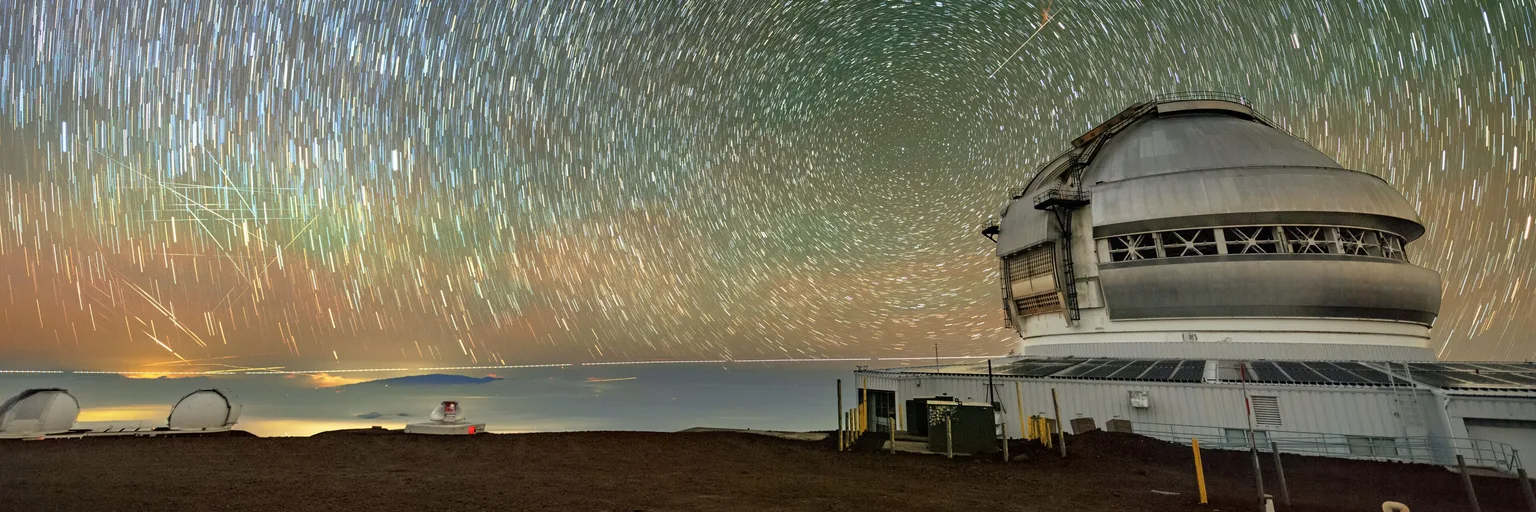
Planet Nine's shrinking search area is progress, not a discovery
A new simulation study narrows the hunt for a hidden world beyond Neptune. We should applaud the method, but nobody has seen the planet yet.
AI-generated image
When does "closing in" on a planet count as finding it? Not until someone actually sees it. That is worth remembering this week, as headlines say the circle is tightening around Planet Nine, the hypothetical world that has been chased for decades at the edge of the Solar System.
Here is what happened. According to ANSA, a team led by Kindai University in Japan, with Patryk Sofia Lykawka as lead author, published computer simulations in Monthly Notices of the Royal Astronomical Society. The simulations cover 4.5 billion years of Solar System evolution. They point to a candidate the authors call Planet X2 (PX2). It would be 1.5 to 2 times Earth's mass, on a very elongated orbit that never brings it closer than 200 AU. That is much lighter than the classic Planet Nine proposal.
A smaller planet is a sign of a healthy hypothesis
Notice what the study does. It doesn't announce a body. It says that if something is out there, it may look different from what we assumed. We think that is the best news in the story. A hypothesis that gets revised, with its mass cut and its orbit reshaped, is behaving like science. One that never changes tends to be a belief.
It also fits a pattern. The odd orbits of some icy bodies beyond Neptune, unusually tilted or stretched, are the real evidence here. They have been found over the past two decades and are hard to explain with the data we have. A distant planet is one candidate explanation. This study tests whether a particular version of it can reproduce them. That is useful, but it is a model reproducing observations, not an observation of the planet.
"Narrowing" is not "finding"
Italian outlets' headlines on this are enthusiastic: a "new candidate", a planet "as rocky as Earth". Careful with that last one. The study proposes a mass range, and rocky composition is a suggestion from simulations. Nobody has measured anything about a planet that has never been imaged. This is our reading, but a candidate that exists only in code should be treated as an idea, however well argued.
There is also an honest limit. Simulations can show that a planet could explain the orbits. They cannot show that no other explanation works. The existing coverage of the topic includes a Focus piece asking whether the giant is real or an illusion. We can't vouch for its details, but the question is the right one.
The Vera Rubin telescope is where this gets decided
What makes the work valuable is that it can be tested. ANSA notes the hypothesis can now be checked with the Vera Rubin telescope, operating since 2025. A lighter planet on such a stretched orbit is probably harder to spot, in our view, so a null result would not kill the idea. It would rule out some versions of it. That is still progress, and it is the kind that deserves applause.
Our verdict: celebrate the method, not the planet. Treat PX2 as a sharper question for the observatories, not as a ninth planet. If a survey eventually images something that moves the right way, we will be glad to change the textbooks. Until then, "narrowing the search" is the right headline and "discovery" is the wrong one.
No topics yet: start the first one.
More stories
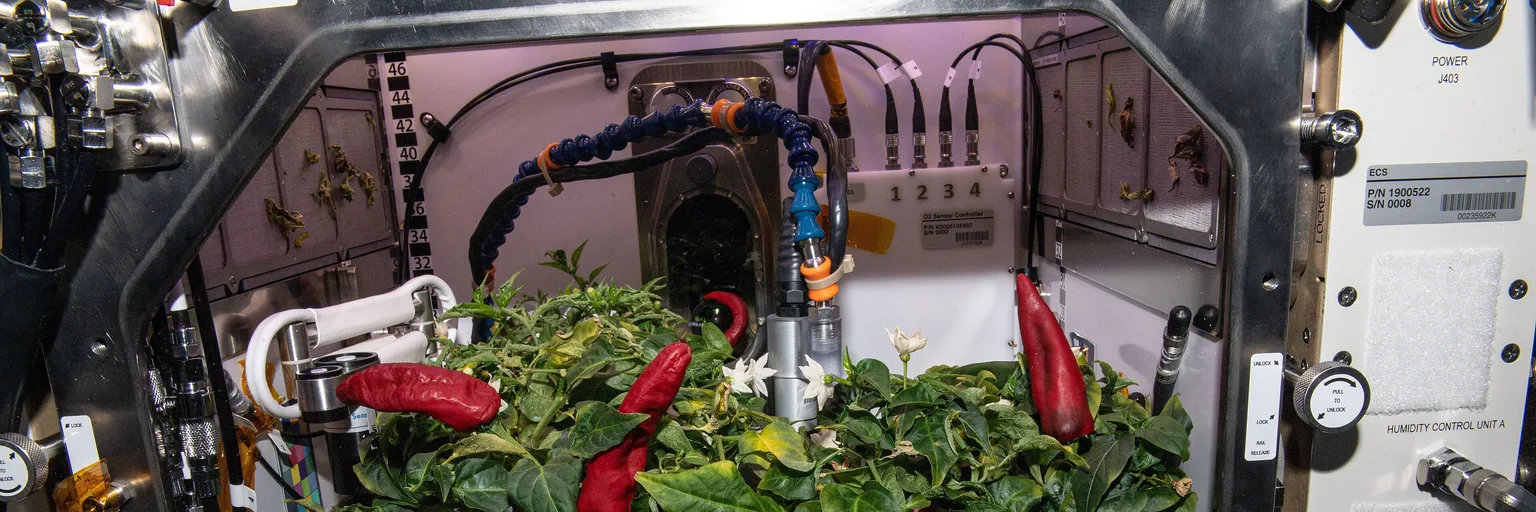
Space farming's real test isn't lettuce: it's boring, repeatable harvests
NASA calls Ohalo III the first operational crop system in space. Judge it on yield, reliability and crew time, not on the novelty of a leaf grown in orbit.
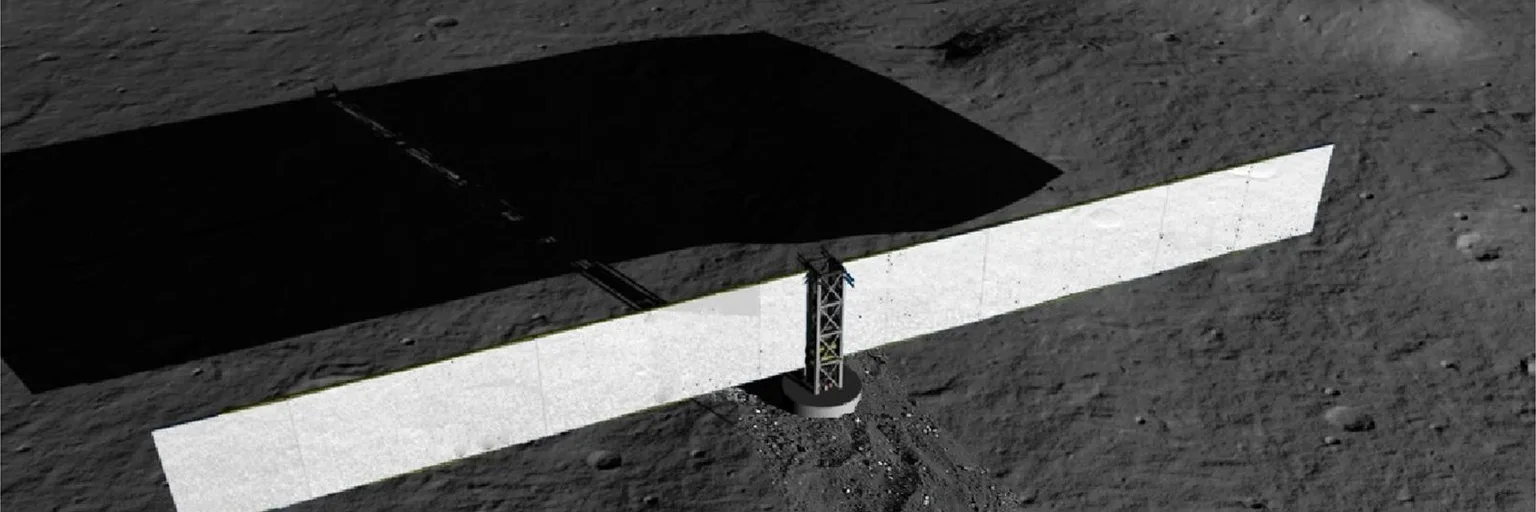
NASA's 20-kilowatt Moon reactor is a downgrade that may be the smart bet
Cutting the lunar reactor from 100 kW to 20 kW looks like a retreat, but a small reactor that actually flies beats a big one on paper.
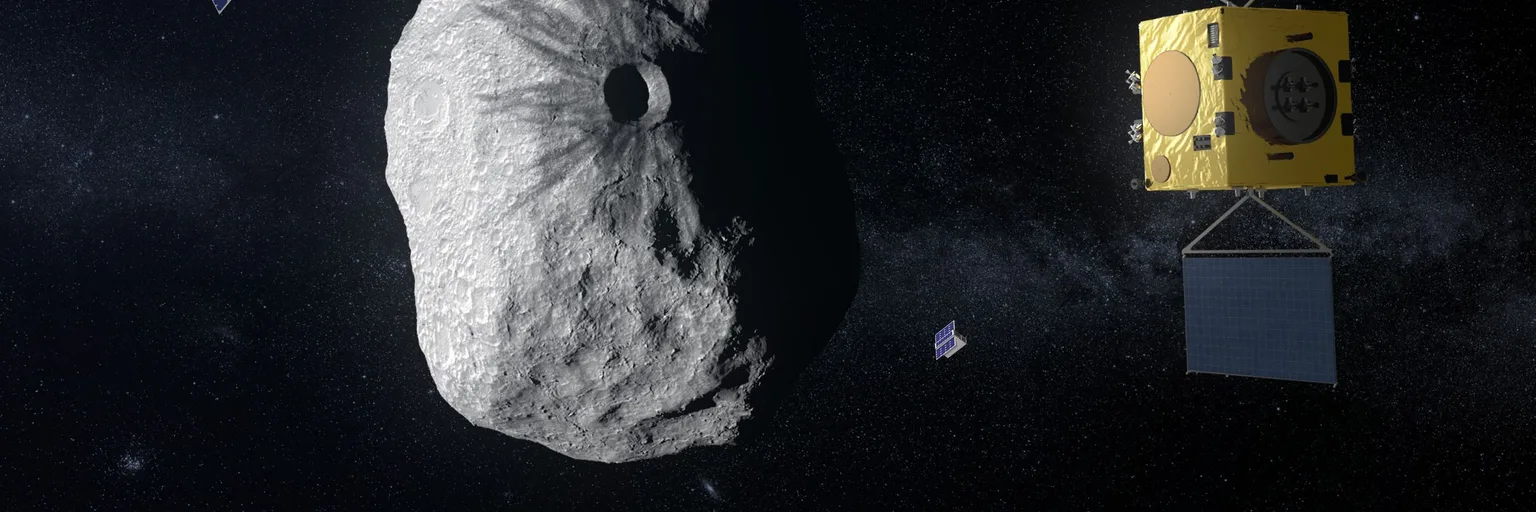
Dimorphos' crater is a data point, not a safety guarantee
Hera's first images of the DART crater are striking, but their value lies in what they say about how an asteroid takes a hit, not in any promise that Earth is covered.
A million satellites approved: the FCC gave SpaceX a permit, not a plan
The FCC's green light for up to one million Starmind data-center satellites settles a paperwork question. Physics, launch capacity, debris and the night sky are still open.