Teghaza 001 is a free Mars sample, and a reason to want more
A 4.1-billion-year-old rock from the Sahara shows how much meteorites can teach us about early Mars, and why that is an argument for sample return, not against it.
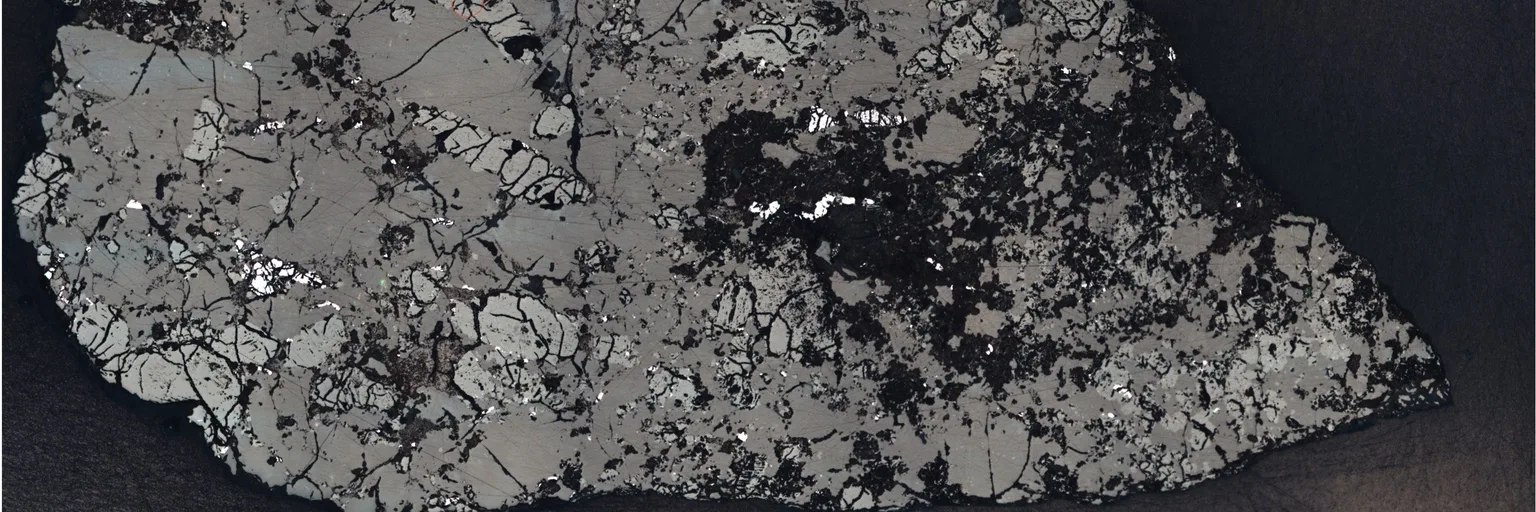
Photo: NASA/JPL-Caltech / Wikimedia Commons (Public domain)
Why spend billions bringing rocks back from Mars when Mars keeps mailing them to us for free? Teghaza 001 is the best argument yet for the second half of that question. It also happens to be the best argument for the first.
Here is what happened. A rose-colored, nearly 2-pound (800-gram) rock was found in the Sahara in 2022, in a salt plain in Mali. NASA reports that NASA-funded scientists dated its minerals and found it formed more than 4.1 billion years ago. That makes it one of the oldest of roughly 435 known Martian meteorites. A paper in Science gives its initial characterization, and a separate Science Advances paper in June covered its water content.
The value is in what it is not
Most Martian meteorites are young volcanic rocks, and Mars was already a dry desert when they erupted. According to the University of New Mexico's Carl Agee, they formed a few hundred million years ago. The other very old specimens are awkward. NASA notes that ALH84001 is almost entirely one mineral, and that "Black Beauty" is made of small rock fragments.
Teghaza 001 is a single, coherent rock with a mix of igneous minerals. Its mineralogy matches what NASA's Mars Reconnaissance Orbiter has seen in the southern highlands. It also shows signs of alteration by water around 4.1 billion years ago. Lee Saper called it "our first piece of Martian crust from a part of Mars we've never had a sample of before."
That is a genuine gain. We think the "Rosetta Stone" label, which Yang Liu says came from one of the paper's reviewers, is a bit of marketing. But it is a fair one for a rock that links orbital data to actual chemistry.
Read it carefully, because it has no address
Here is the catch. Nobody will ever know exactly where on Mars it came from. The paper identifies several candidate regions, and a NASA image caption says scientists identified 13 locations that match. That is useful, but it is not geological context. A field geologist wants to know what lay above the rock, what lay beside it and what came after. A meteorite arrives stripped of all that, along with whatever it picked up on its way to us.
Excitement should also be kept in check. The UNM account suggests a more "Earth-like" early environment and the possibility of life. That is Agee's interpretation, and it is probably the most speculative layer of the story. The rock shows water and rock interacting. It does not show habitability, let alone biology. Agee points to manganese oxide in some domains as something rovers look for as an indicator of environments conducive to life. We would treat that as a pointer for follow-up, not a finding.
A free rock makes the case for the paid ones
The tempting conclusion is that meteorites make sample return redundant. We read it the other way. A random rock from an unknown spot, delivered by an impact that happened to launch it, is a lottery ticket. Teghaza 001 won, but nobody can plan a lottery. Returned samples come with a location, a context and a clean handling history, and they can be chosen to answer a specific question.
The meteorite also shows what to do with such samples. Francois Tissot's Caltech team used a technique that dated single mineral grains on a piece smaller than a fingernail, preserving the rest. He says he hopes it can pave the way for dating more Martian meteorites or "samples returned from other planets, their moons, and asteroids." Precious material can be stretched further than we once thought. In our view, that lowers the cost of science per gram, which is a quiet argument for bringing back even modest quantities.
Our verdict: celebrate Teghaza 001, and read it as a calibration point, not a conclusion. It tells scientists what ancient crust looks like, so they can recognize it in situ and pick better targets. The wise policy is to keep funding meteorite labs, which are comparatively cheap, and to keep sample return alive, which is expensive. Each makes the other worth more.
No topics yet: start the first one.
More stories
A Saharan rock from Mars shows what free samples can tell us
Teghaza 001, a meteorite at least 4.1 billion years old, hints at a wetter early Mars. It also shows why a lucky find from the desert needs careful, modest reading.
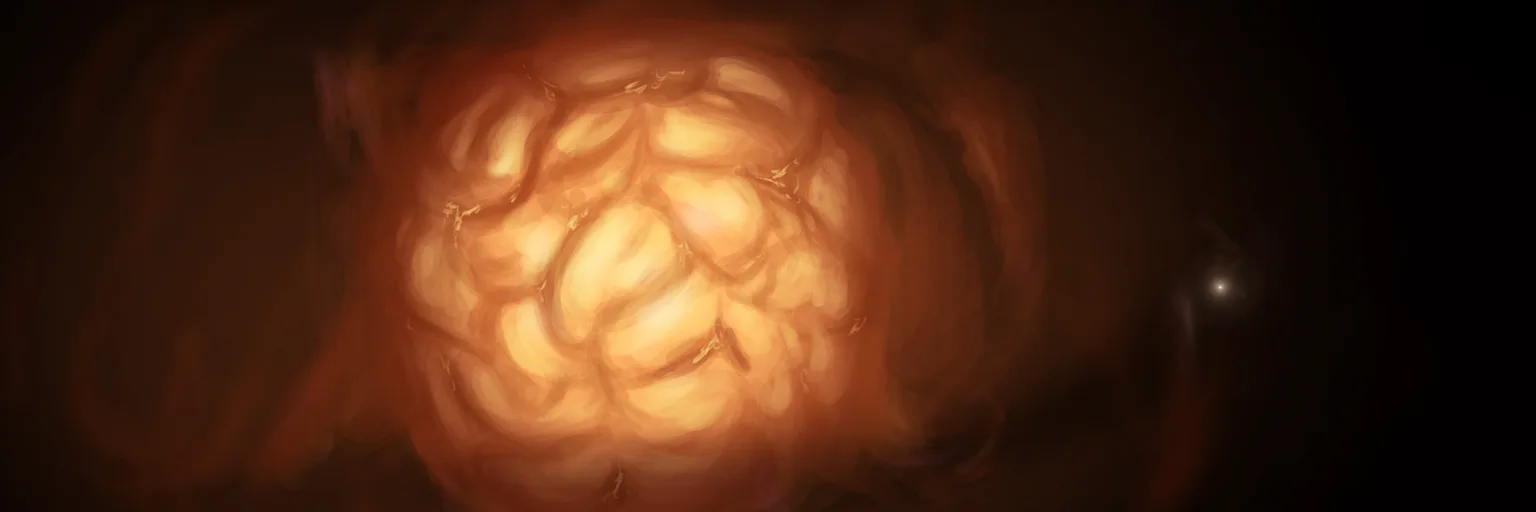
Betelgeuse calming down isn't an anticlimax: quiet is data too
After months of fading, the red supergiant has stopped sinking, for now. That's no letdown: each wobble of Betelgeuse is teaching us how little we knew about stars near the end of their lives.
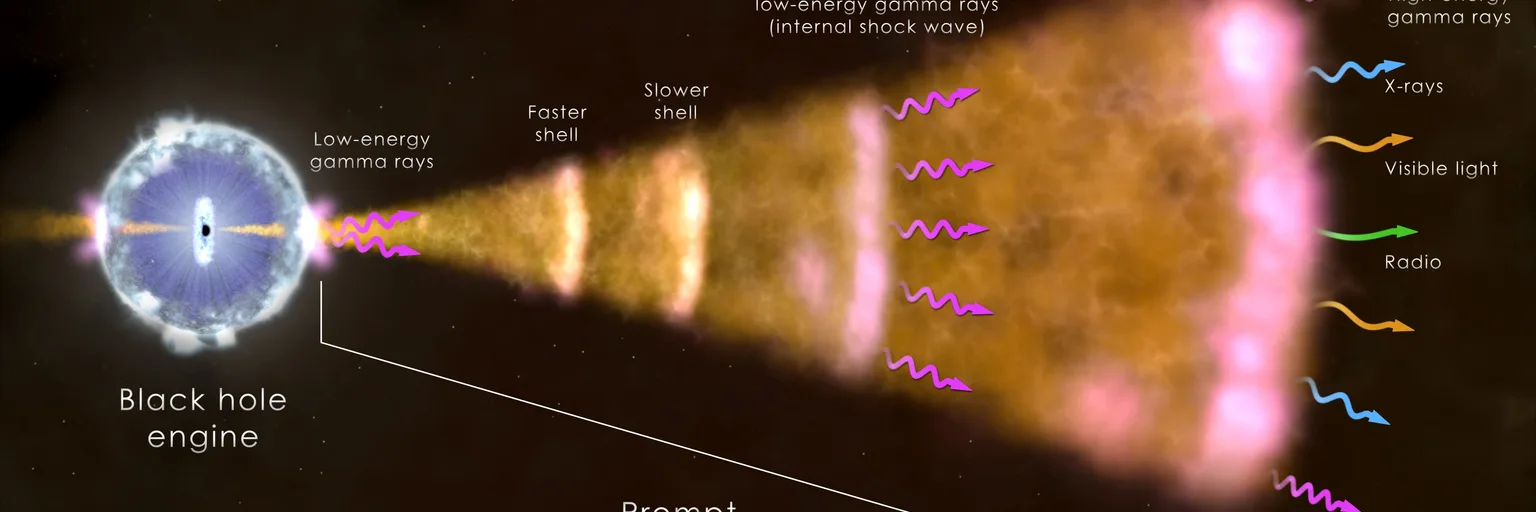
GRB 260310A shows why "modest" is a risky label for a cosmic blast
A gamma-ray burst that looked modest hid a far more energetic story in its afterglow. Brightness is a view from one angle, not a verdict on power.
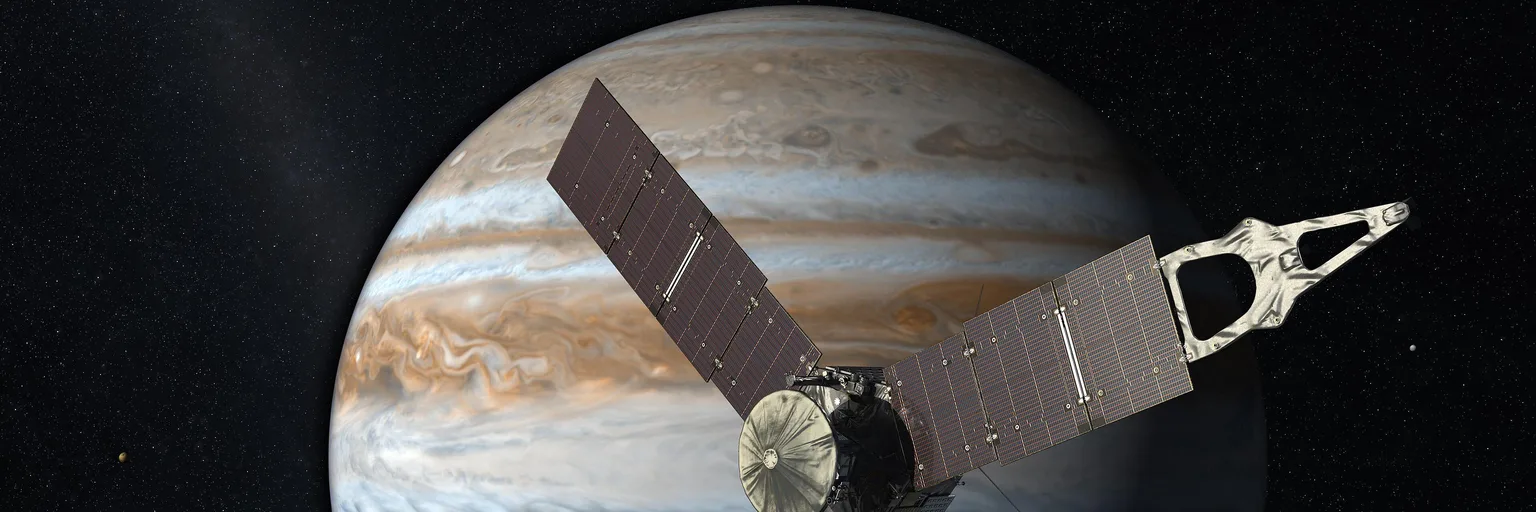
Jupiter's bow shock shows Earth is a poor template for planets
Juno found multi-frequency plasma waves and shocklets at Jupiter that Earth doesn't need. We think that makes our home planet a risky default for magnetosphere models.