NASA and IBM's Lunar AI: A Leap for Accessible Space Science
The open-source Lunar Foundation Model from NASA and IBM is poised to revolutionize lunar research, making decades of complex data available for unprecedented discoveries.
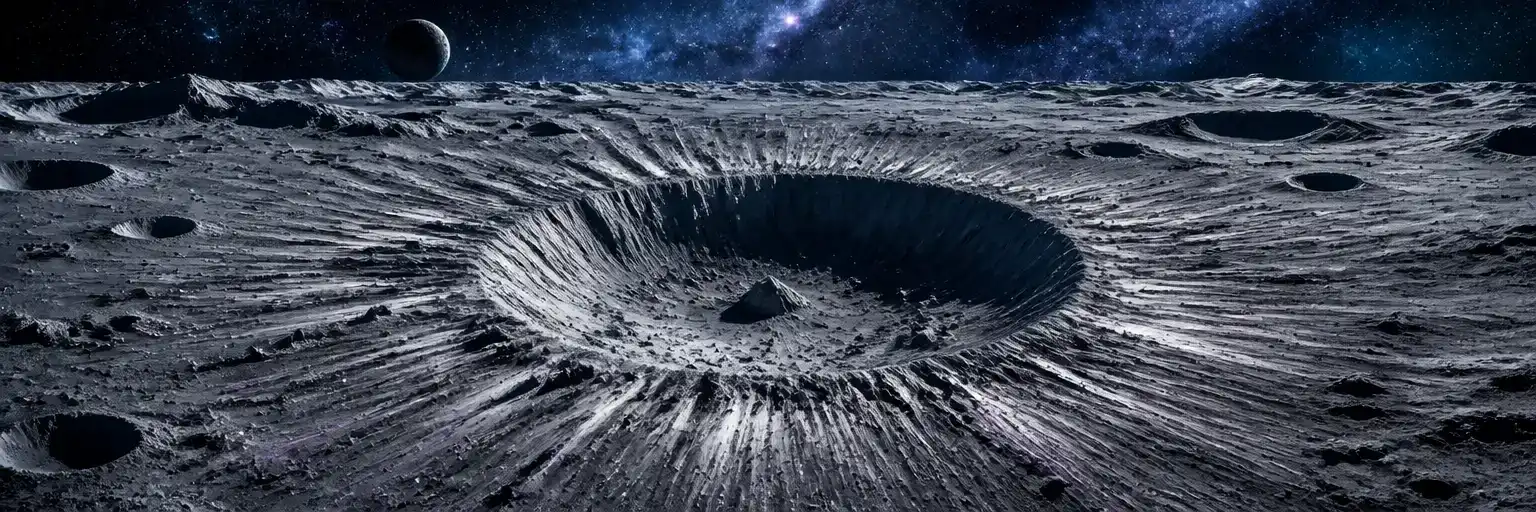
AI-generated image
Could artificial intelligence be the key to unlocking the Moon's deepest secrets, even before humanity establishes a permanent presence there? For years, the sheer volume of data collected by lunar orbiters has presented a formidable challenge, requiring specialized expertise and significant resources to analyze. But the recent unveiling of the Lunar Foundation Model by NASA and IBM suggests a profound shift, democratizing access to this data and potentially accelerating scientific discovery in ways we've only begun to imagine.
In early September, NASA and IBM Research announced the release of their open-source artificial intelligence model, one of the first specifically designed for lunar science. This isn't just another AI tool; it represents a monumental effort, having been trained on nearly two decades of lunar observation data, including some two million tile bundles and over 30 layers of diverse data. The model’s core purpose is to extract new insights from this vast trove, helping scientists to "read the Moon" more effectively before humans return to its surface with missions like Artemis.
Democratizing Lunar Data Analysis
One of the most significant aspects of the Lunar Foundation Model is its open-source nature. By making this powerful AI publicly available on platforms like Hugging Face and GitHub, NASA and IBM are effectively lowering the barrier to entry for advanced lunar research. Historically, analyzing multi-modal and multi-resolution observations of the Moon required access to highly specialized datasets and computational infrastructure, often limiting such work to well-funded institutions or specific research teams. Now, theoretically, any researcher with the necessary skills can leverage this model to identify hidden relationships within the data, explore ancient lava flows, or even prospect for ice in shadowed craters, as IBM Research notes.
This shift towards open science is, in our view, a game-changer. It fosters a more collaborative environment, encouraging a broader community of scientists to contribute to lunar exploration. When more minds can access and interpret the data, the potential for novel hypotheses and unexpected breakthroughs multiplies. It means that brilliant insights may emerge not just from the traditional powerhouses, but from anywhere with an internet connection and a curious mind.
Accelerating the Pace of Discovery for Future Missions
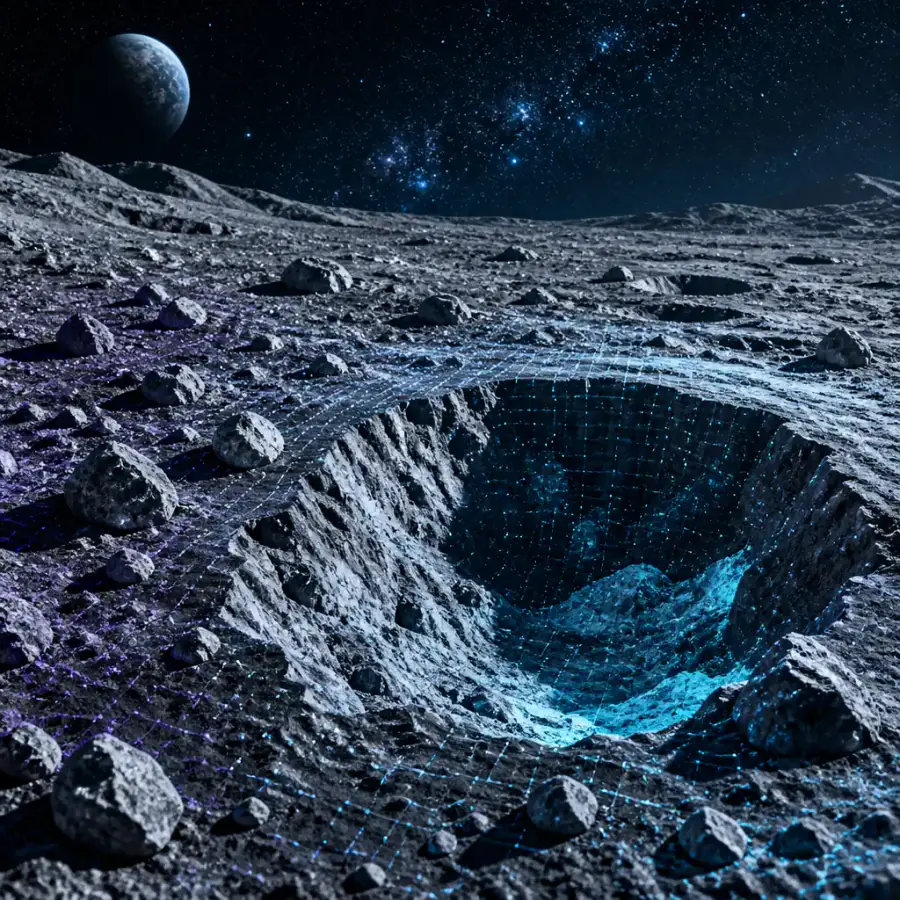
The ability of this AI model to process vast quantities of data quickly and efficiently is another crucial advantage. Traditional methods of analyzing topographical and spectral data from missions like the Lunar Reconnaissance Orbiter (LRO) can be time-consuming and prone to human error. The Lunar Foundation Model aims to integrate these diverse data types, reducing uncertainties and more accurately predicting areas where resources like ice might be present, as The Register explains.
This accelerated data analysis has direct implications for future human missions. As Reuters reports, the model is designed to help map ice and craters, which are critical for selecting landing sites and establishing long-term habitats. Identifying water ice, for instance, is paramount for sustainable lunar presence, as it can be converted into drinking water and rocket fuel. The AI's capacity to quickly pinpoint these vital locations could shave years off research cycles, directly supporting the ambitious timelines of lunar colonization plans, as Silicon Republic highlights.
A Blueprint for Planetary Science Beyond the Moon
The implications of the Lunar Foundation Model extend beyond our nearest celestial neighbor. We believe this initiative sets a powerful precedent for how AI can be integrated into planetary science across the solar system. The approach of training a multi-modal AI on decades of observational data could easily be adapted for Mars, asteroids, or even exoplanets, where data sets are similarly vast and complex.
Such foundation models could become indispensable tools for initial reconnaissance, helping scientists prioritize targets for future probes and human missions. By revealing subtle patterns or anomalies that human eyes might miss, AI can guide our exploration efforts more effectively, maximizing the scientific return from every mission. It is a testament to the evolving partnership between cutting-edge technology and space exploration, paving the way for a new era of AI-driven scientific inquiry.
In our view, the NASA-IBM Lunar Foundation Model is more than just an impressive piece of technology; it is a strategic investment in the future of space exploration. By democratizing access to critical lunar data and supercharging its analysis, this open-source AI ensures that the journey back to the Moon, and perhaps beyond, will be informed by the sharpest insights available, ultimately accelerating humanity’s quest for cosmic understanding.
No topics yet: start the first one.
More stories
Why NASA's Moon Base Science isn't Just Research, It's Survival
The latest science investigations for NASA's lunar South Pole base are more than academic pursuits; they are critical blueprints for a safe, sustained human presence and a launchpad for deep-space exploration under the Artemis program.

Beyond Webb: Why NASA's Prima telescope promises unseen cosmic revelations
NASA's new far-infrared space telescope, Prima, is a critical leap in astrophysics, set to unlock mysteries about planetary water acquisition and black hole growth beyond even the James Webb's perception.

NASA's Pandora will sharpen the exoplanet hunt with a crucial focus
NASA's Pandora mission is preparing to delve into the atmospheric makeup of known exoplanets and their host stars, a nuanced approach that could fundamentally redefine our search for habitable worlds.

McGetchin Crater: The Moon's Dynamic Face Revealed Anew
NASA's Lunar Reconnaissance Orbiter has unveiled McGetchin Crater, a colossal 222-meter impact formed in 2024, challenging perceptions of a static Moon and offering unprecedented insights into cosmic collisions.