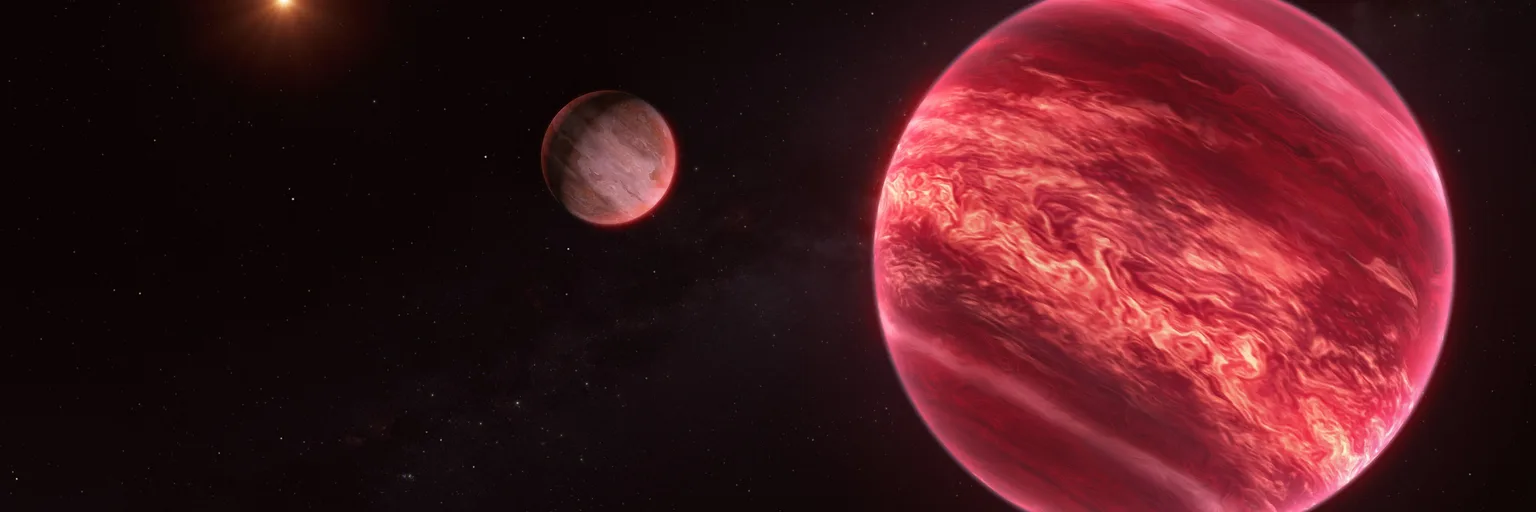
2026 ED138 reminds us the map is unfinished, not that Pluto has a new friend
Rubin's dwarf planet candidate is thrilling, but the real story is the slow, unglamorous work of confirming orbits and size, not the "planet" label.
Is it a new dwarf planet, or just a very good dot? That's the question to ask whenever a headline announces that the Solar System has gained a member. The honest answer for 2026 ED138 is: not yet, and that "not yet" is the most interesting part.
Here is what we know. As the Rubin Observatory announcement describes it, the object is a large, bright trans-Neptunian object beyond Pluto's orbit. It was found in data spanning March 4 to July 11, 2026, by Matthew Holman, who works on Rubin's algorithms for spotting distant moving objects. The International Astronomical Union's Minor Planet Center announced it, and the observatory says that, if confirmed, it would be among the largest dwarf planets found in that region. Olhar Digital puts its distance at about 6.9 billion kilometers from the Sun.
"Candidate" is the operative word
Notice the hedging in the announcement: "may be among the largest," "if confirmed," a provisional designation. This isn't false modesty. In general, a few months of observations pin down an orbit only roughly, and size is usually inferred from brightness, which depends on how reflective the surface is. A big dark object and a small shiny one can look alike. WGBH reports that, even with caveats, the scientists still place it among the seven largest objects identified in the outer Solar System so far. That's a careful claim, and we think it's the right one.
Rubin's own orbit diagram plots the five dwarf planets the IAU recognizes: Pluto, Ceres, Eris, Haumea and Makemake. Scientific American's headline frames ED138 as a possible sixth. We'd treat that as a convenient hook rather than a forecast. Nothing in the announcements we've seen says when, or whether, the IAU would formally accept it.
The label is the least important thing about it
"Dwarf planet" is a definition, and in our view arguing over the word is a debate about taxonomy, not about nature. What actually advances knowledge is the boring part: more observations, a refined orbit, a measured size and, eventually, a clearer picture of what else lives out there.
That is why this discovery is more useful as evidence about the map than as a trophy. A large, bright body beyond Pluto went unnoticed until a new survey instrument started watching for movement. Edward Ajhar of the NSF said Rubin's "super power" is clearly capturing movement and change among a vast number of objects. If a candidate this conspicuous was hiding, the sensible inference (ours, not a documented finding) is that the outer Solar System holds more surprises, and that many will be less showy than this one.
What readers should do with this news
Enjoy it, but hold the champagne. This is an announcement and early analysis, not a settled classification, and the announcements we've seen don't point to a peer-reviewed paper establishing its size. Watch for follow-up orbital data and size estimates rather than for the word "planet." If those hold up, ED138 becomes a solid entry in the catalog. If they shrink it, it's still a remarkable catch, made in data gathered in the run-up to the observatory's main survey, the Legacy Survey of Space and Time.
Our verdict: the real prize here is not a sixth name on a short list. It's a demonstration that careful, patient confirmation, done in the open, is how an unfinished map gets finished.
No topics yet: start the first one.
More stories
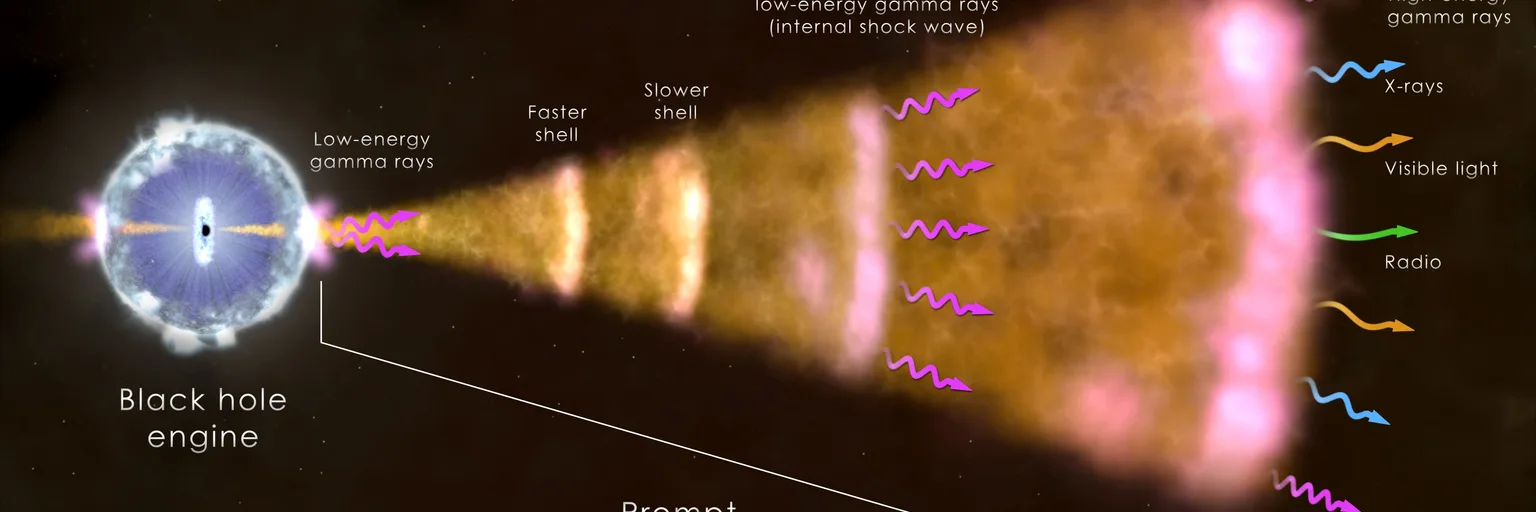
GRB 260310A shows why "modest" is a risky label for a cosmic blast
A gamma-ray burst that looked modest hid a far more energetic story in its afterglow. Brightness is a view from one angle, not a verdict on power.
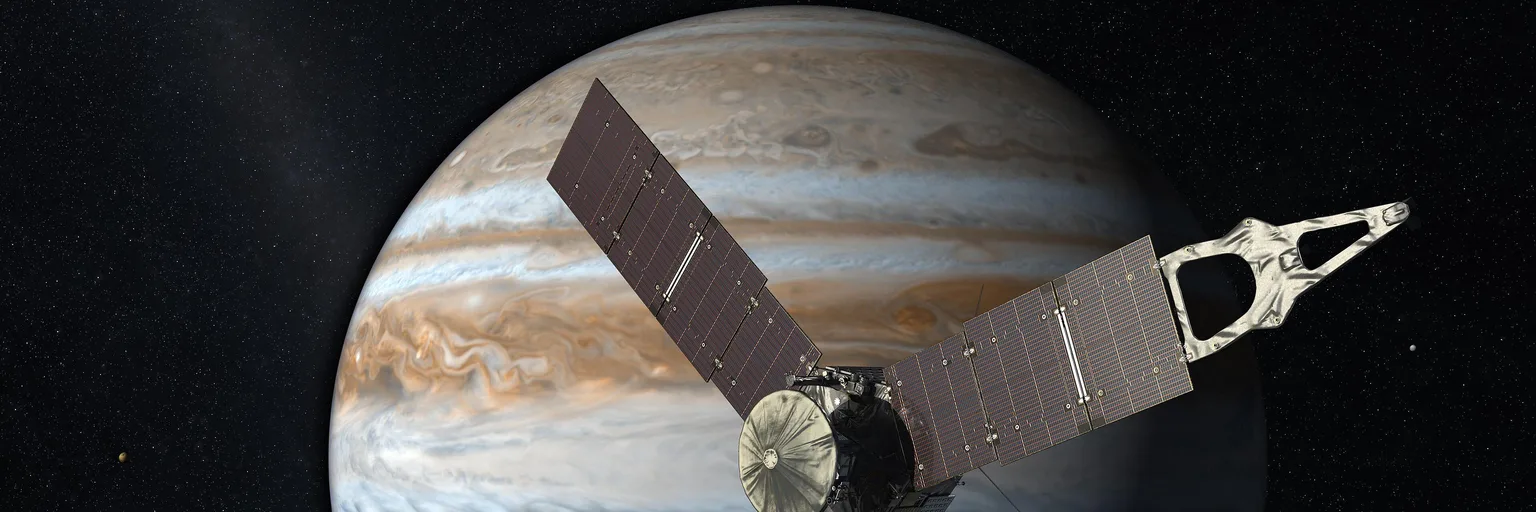
Jupiter's bow shock shows Earth is a poor template for planets
Juno found multi-frequency plasma waves and shocklets at Jupiter that Earth doesn't need. We think that makes our home planet a risky default for magnetosphere models.
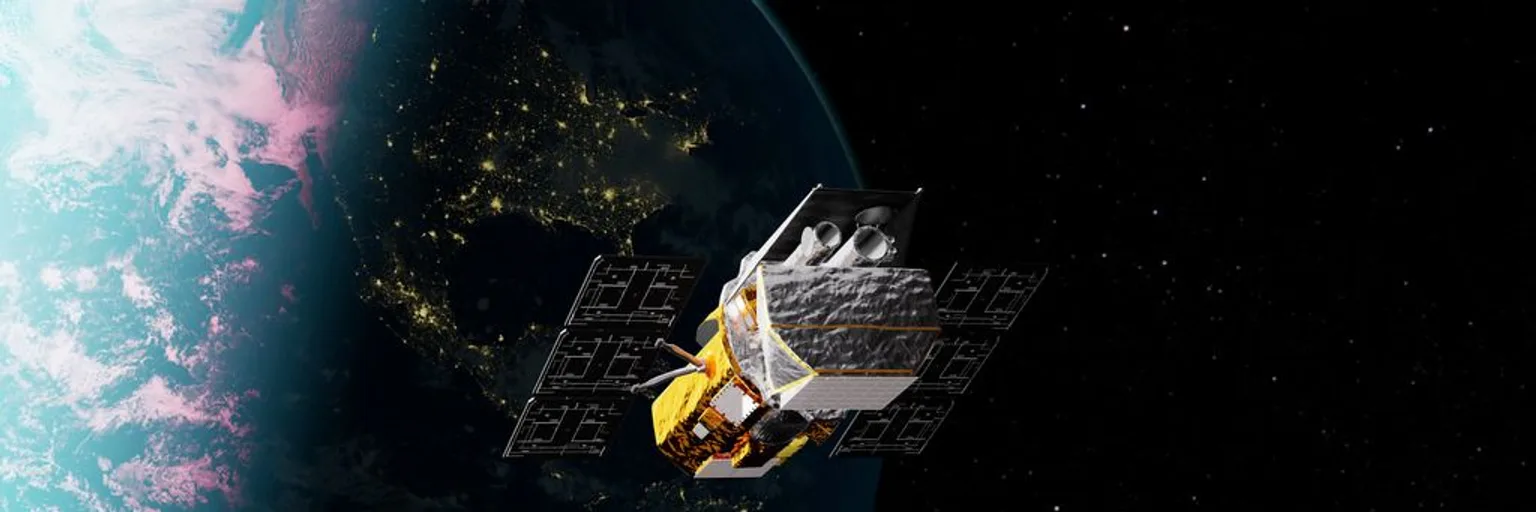
Swift's fall shows we still treat satellite disposal as an afterthought
A 22-year-old NASA observatory is coming down with no thrusters to steer it. The reentry risk is tiny, but the real lesson is that science missions must be designed for their own funeral.
Moon or planet? The CD-35 2722 object shows names matter less than origins
A Jupiter-mass body circling a brown dwarf strains our vocabulary. The useful question isn't what to call it, but how it formed, and that is still open.