Rubin's "dwarf planet" is a candidate, and the real news is the count
2026 ED138 stays a candidate until its size and shape are measured, and the bigger story is how many more worlds like it Rubin will turn up.
Is a world a dwarf planet because a press release says so? No. And that is the most useful thing to remember about 2026 ED138, the icy object the Vera C. Rubin Observatory has just put on the map beyond Neptune.
Here is what we know. As CBC reports, the object orbits about 46 times farther from the sun than Earth does, and its estimated diameter is between roughly 600 and 1,500 kilometers. Astrophysicist Matt Holman found it by running software he co-developed over Rubin data. His first reaction, he said, was "excited disbelief." Archival images then pushed its record back to 2016, and the discovery was announced at a scientific meeting in Spokane.
The label is earned with a ruler, not a headline
That size range is the whole problem. A factor of 2.5 between the low and high estimates is not a measurement. It is a shrug with error bars. As Holman explained, Rubin sees reflected sunlight, and a small shiny object looks like a big dark one. Only emitted light at longer wavelengths, from an observatory such as ALMA, can break that ambiguity.
Then there is shape. The International Astronomical Union's definition, as IBTimes summarizes it, requires an object to be nearly round under its own gravity. Astronomers have not established that yet. Holman himself told CNN that it's still a candidate and that pinning down its physical size will probably take a few months.
So "possible dwarf planet" is honest. "Giant new dwarf planet discovered" is not. We would rather see the word "candidate" survive the news cycle, because the difference between the two is exactly the work that science still has to do.
This is what a survey telescope is for
None of that makes the find less interesting. It makes it more instructive. ED138 sat in plain sight: it appeared in images from 2016, but it is in the southern sky and has been looping across the Milky Way's dense star fields, where few people hunt for faint moving things. Rubin's combination of wide sky coverage, depth and software that links detections across nights is the kind of tool that digs out exactly that sort of object.
Megan Schwamb, quoted by CNN, put it well: Rubin is "just doing its job really well." We agree, and we'd add a note of caution about the awe. Mario Jurić's "once in a generation" remark about a roughly 1,000-kilometer object is a fair description of the past. It may be a poor description of the future.
The number to watch is the count
Holman told CNN there might be "a handful" more objects of this size, and that Rubin should eventually find them. The ten-year survey only began in June 2026, and in April the observatory had already reported about 380 newly discovered objects beyond Neptune. We think that is the real story. One candidate is an anecdote. A handful of them, with measured sizes and shapes, would be a population, and populations are what tell us how the outer solar system formed and how the giant planets moved.
There is a catch, and it is bureaucratic as much as scientific. Confirmation needs follow-up time on other telescopes, and we suspect that, not discovery, will be the bottleneck. A survey that finds objects faster than anyone can measure them would produce a growing pile of "candidates." That may be a feature, not a bug, but only if we stay precise about what each word means.
Our verdict: enjoy ED138, but do not count it as the sixth dwarf planet yet. Wait for the ALMA-style size measurement, and watch for the second and third candidates. When Rubin's list of large trans-Neptunian objects has several well-measured entries, that is when the news will actually be big.
No topics yet: start the first one.
More stories
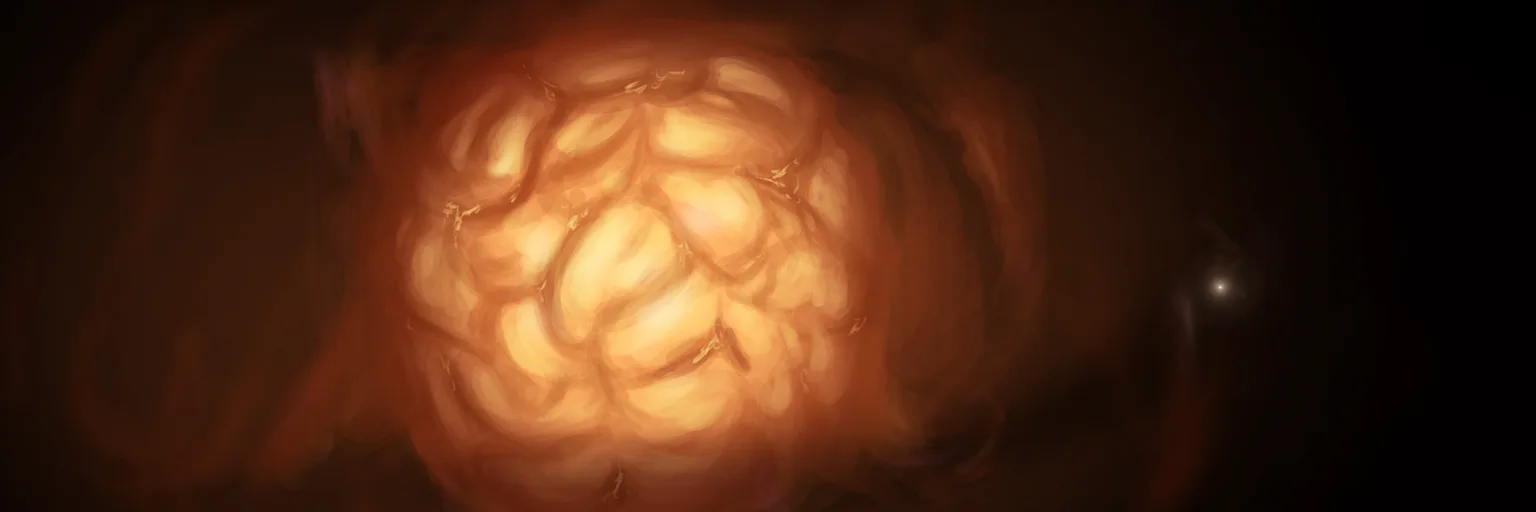
Betelgeuse calming down isn't an anticlimax: quiet is data too
After months of fading, the red supergiant has stopped sinking, for now. That's no letdown: each wobble of Betelgeuse is teaching us how little we knew about stars near the end of their lives.
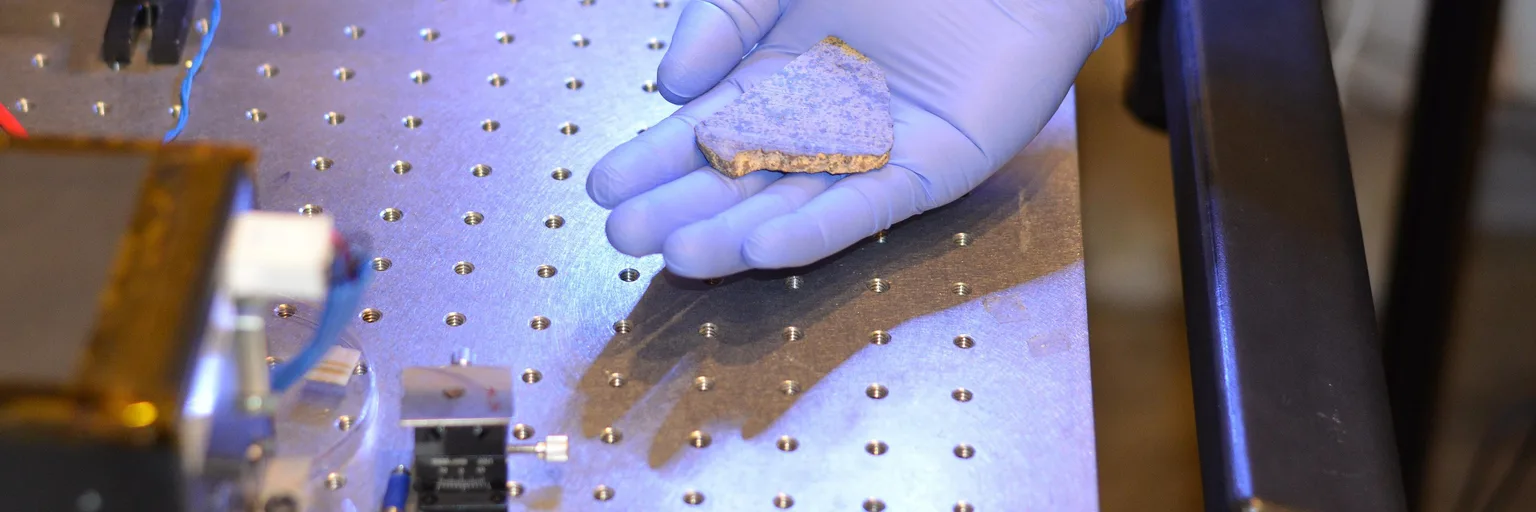
Teghaza 001 is a free Mars sample, and a reason to want more
A 4.1-billion-year-old rock from the Sahara shows how much meteorites can teach us about early Mars, and why that is an argument for sample return, not against it.
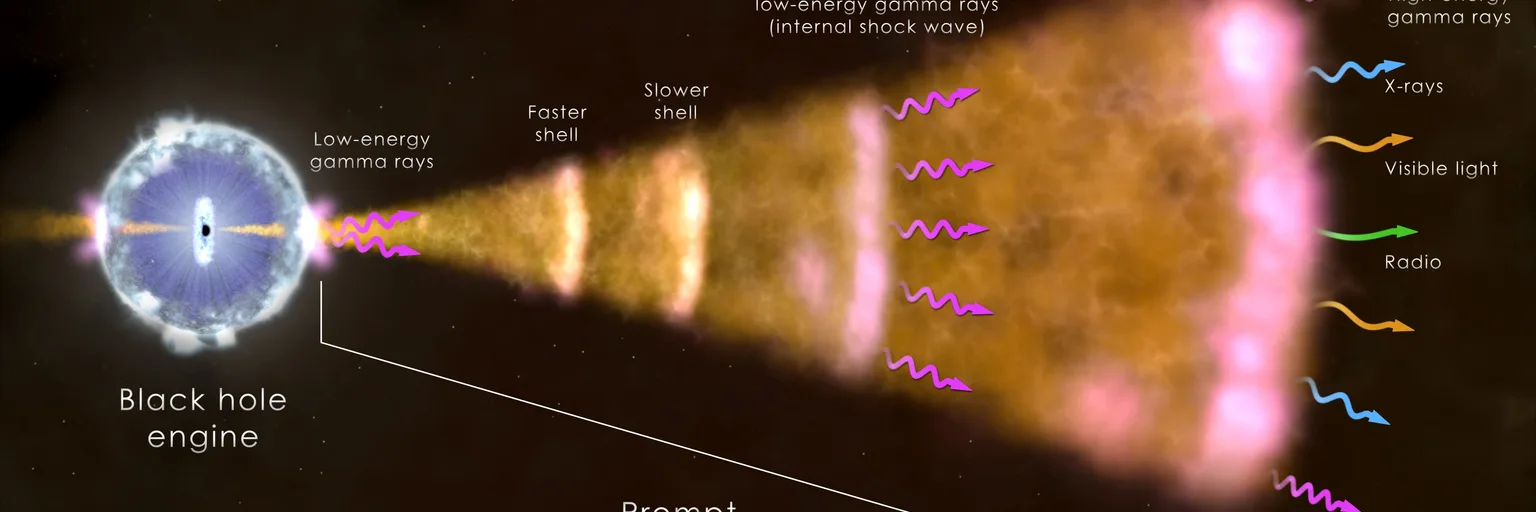
GRB 260310A shows why "modest" is a risky label for a cosmic blast
A gamma-ray burst that looked modest hid a far more energetic story in its afterglow. Brightness is a view from one angle, not a verdict on power.
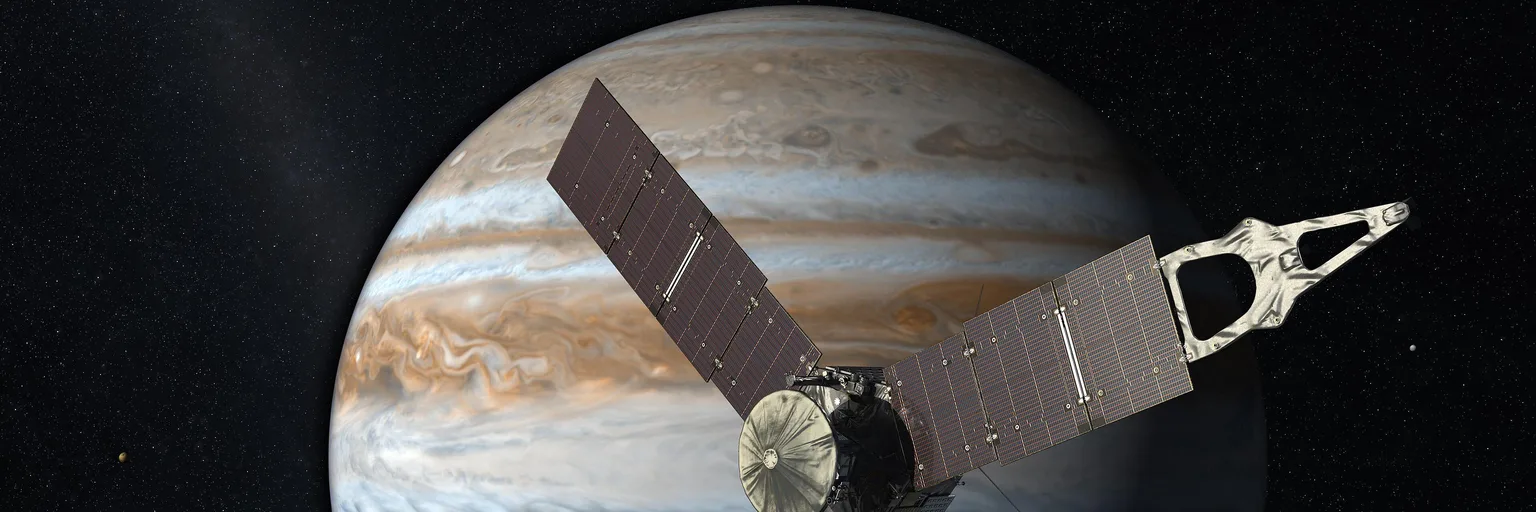
Jupiter's bow shock shows Earth is a poor template for planets
Juno found multi-frequency plasma waves and shocklets at Jupiter that Earth doesn't need. We think that makes our home planet a risky default for magnetosphere models.