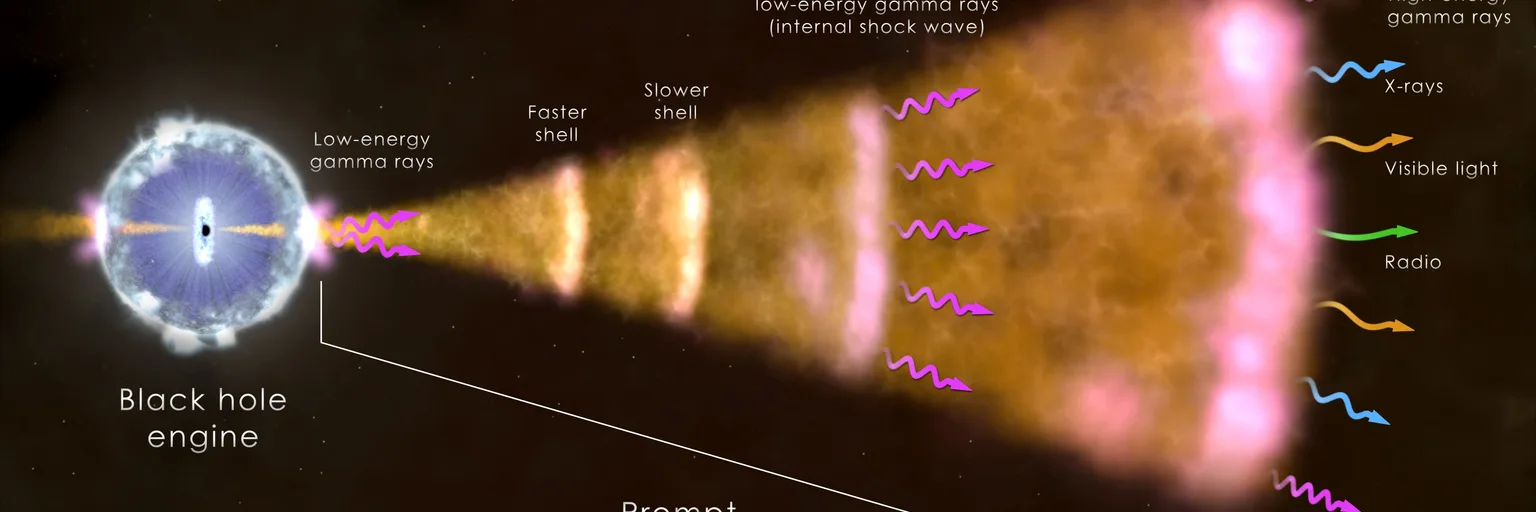
Swift's fall shows we still treat satellite disposal as an afterthought
A 22-year-old NASA observatory is coming down with no thrusters to steer it. The reentry risk is tiny, but the real lesson is that science missions must be designed for their own funeral.
Is it a scandal that a NASA telescope is falling out of the sky with nobody at the controls? No. Is it a symptom? Absolutely. And the symptom matters more than the headlines about debris possibly reaching Brazil.
Here is what happened. NASA announced on October 23, 2026 that it was ending the mission of the Neil Gehrels Swift Observatory, which collected its final science data on October 20. Swift launched in November 2004 for a two-year mission and ran for nearly 22 years, studying gamma-ray bursts. According to Tech Times, it observed more than 2,000 of them and contributed to roughly 7,000 papers, and atmospheric drag, aggravated by solar activity, kept pulling it down. NASA says reentry is expected in the coming weeks, and Brazilian outlets such as CNN Brasil report that fragments could fall there, with no date set.
The risk is small, and the panic is the wrong story
Spacecraft usually burn up in reentry, though the outcome depends on construction and trajectory. The Brazilian coverage says most of Swift should disintegrate, with some fragments possibly surviving. "Could reach Brazil" is a statement about the orbit's ground track, not a forecast of anything landing on a rooftop. We would not lose sleep over it, and we'd be wary of headlines that imply otherwise. The documentation gives no impact probability, so we won't invent one.
Swift was never built to be rescued, or to leave
The interesting detail is the design. Swift had no thrusters able to fight drag. So when its orbit decayed, NASA's only option was to improvise: pay Katalyst Space Technologies $30 million, as Tech Times reports, to build a small spacecraft, LINK, that would grab the telescope with three robotic arms and lift it. LINK launched on July 3, 2026, but attitude-control faults, including reaction wheel problems, left it spinning, and the attempt was abandoned in August.
Judge that effort kindly. Going from contract to launch in under a year is remarkable, and LINK got within roughly 12 to 15 kilometers of Swift and returned images. But rescuing a satellite that was never designed to be serviced is a heroic Plan B, and heroic Plan Bs fail. In our view, the failure says less about Katalyst than about a habit: we design science satellites to do science, and treat their ending as someone else's problem, at some later date.
Design for disposal, or accept that the sky is a dumping ground
Our recommendation is plain. Every science mission in low orbit should carry, from the first drawing, a funded and tested way to end its life: propulsion reserved for a controlled descent, a docking point, or an orbit chosen so decay is quick and predictable. That adds cost and mass, and scientists will complain, since every kilogram of disposal hardware is a kilogram of instrument not flown. We think that trade is worth making.
Swift is a mild case, because it is coming down on its own and mostly burning. The harder lesson is that its success hid the problem. It outlived its design life by two decades, so nobody had to face the end until the end arrived with a rising Sun and falling altitude. Longevity is wonderful, but it is not a disposal plan.
The verdict: celebrate Swift for what it did, ignore the doom-mongering about Brazil, and demand that the next generation of observatories be built knowing how they will die. Servicing missions like LINK may eventually become routine, and its engineering data could help. Until then, planning the funeral at launch is cheaper than a rescue.
No topics yet: start the first one.
More stories
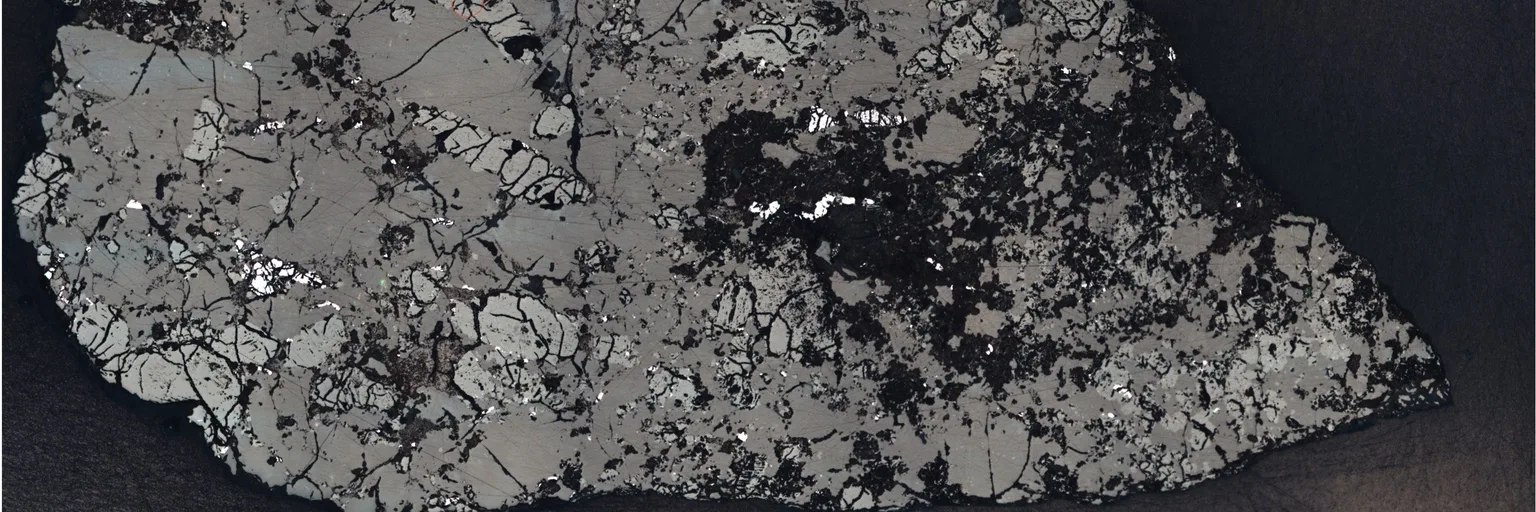
A Saharan rock from Mars shows what free samples can tell us
Teghaza 001, a meteorite at least 4.1 billion years old, hints at a wetter early Mars. It also shows why a lucky find from the desert needs careful, modest reading.
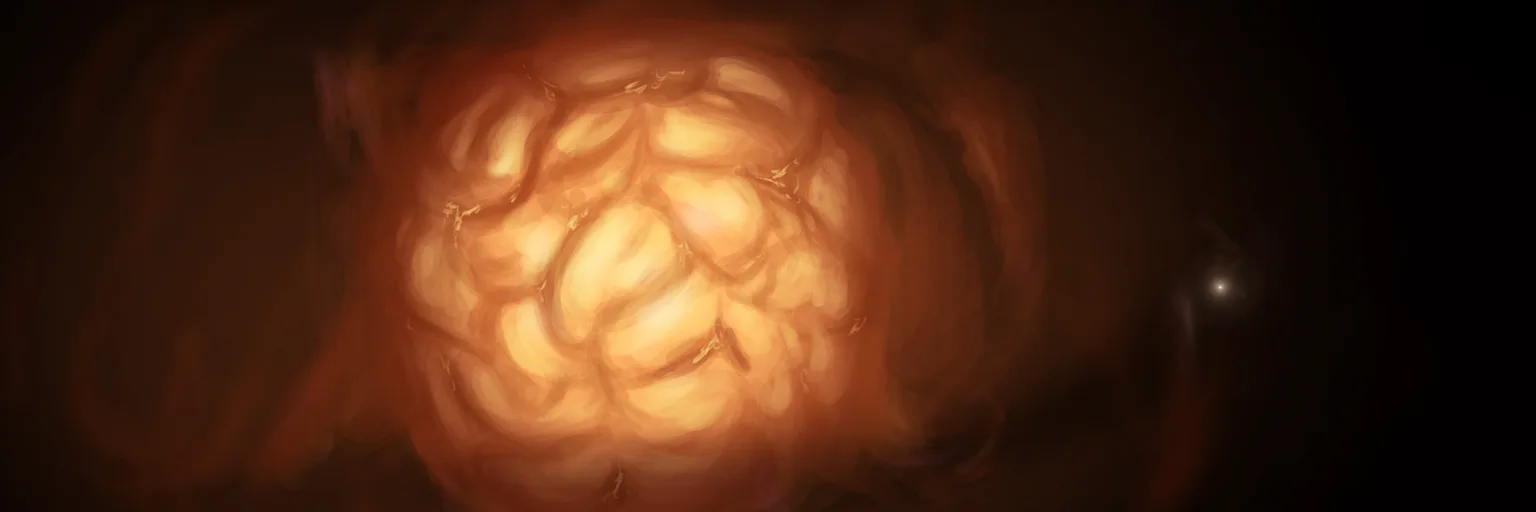
Betelgeuse calming down isn't an anticlimax: quiet is data too
After months of fading, the red supergiant has stopped sinking, for now. That's no letdown: each wobble of Betelgeuse is teaching us how little we knew about stars near the end of their lives.
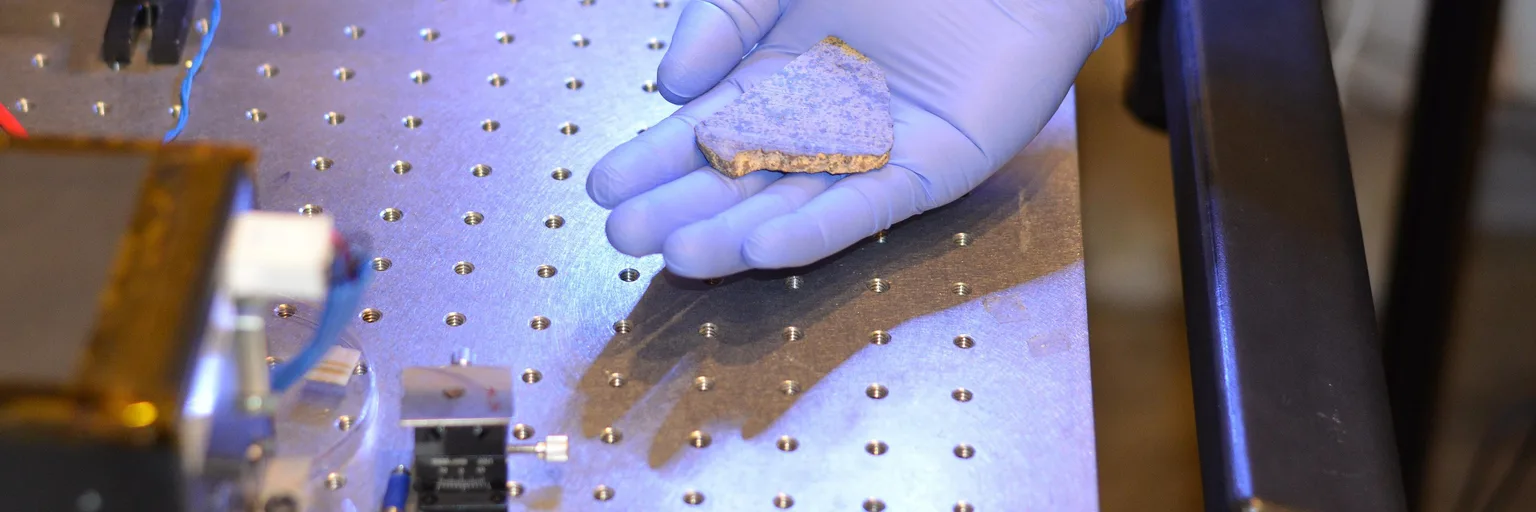
Teghaza 001 is a free Mars sample, and a reason to want more
A 4.1-billion-year-old rock from the Sahara shows how much meteorites can teach us about early Mars, and why that is an argument for sample return, not against it.
GRB 260310A shows why "modest" is a risky label for a cosmic blast
A gamma-ray burst that looked modest hid a far more energetic story in its afterglow. Brightness is a view from one angle, not a verdict on power.