Swift's fall shows satellite rescue can't be improvised
A telescope that outlived its two-year mission more than tenfold fell after its rescuer failed. Servicing has to be designed in before a satellite is dying.
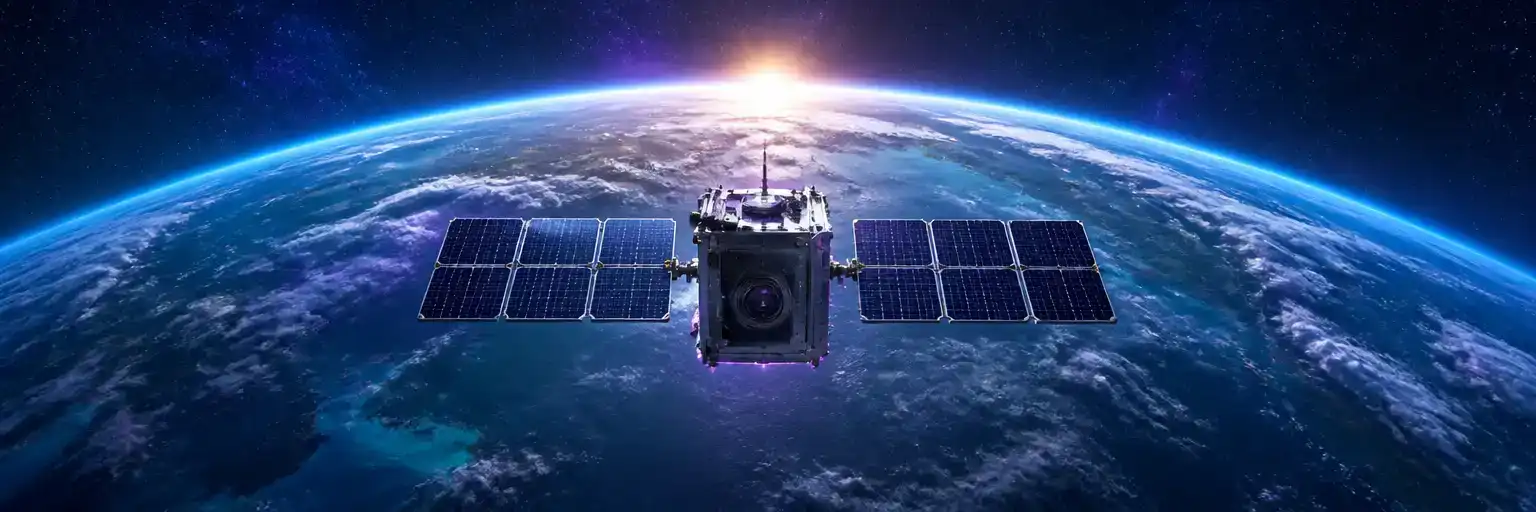
Photo: NASA/Sophia Roberts / Wikimedia Commons (Public domain)
Can you rescue a satellite that is already falling? Swift's final plunge is a fairly blunt answer: not if the rescue is invented on the fly.
The facts are short. As Space.com reports, the 3,200-pound observatory reentered over northern Sumatra on November 4, at 7:39 a.m. EST according to tracker Jonathan McDowell, citing U.S. Space Force data. NASA had put the odds of surviving debris hurting anyone at 1 in 2,100. Three months earlier, Katalyst's LINK spacecraft was supposed to grab Swift and lift it to a higher orbit. Instead LINK lost control, and it reentered itself in September.
The rescuer failed before the rescue began
It is tempting to read this as a story about a doomed telescope. We think that misses the point. Swift had no thrusters, and heavier solar activity since 2024 swelled the upper atmosphere and pulled it down faster than expected. That part was bad luck. The part that failed was the servicer.
According to The Conversation's account, LINK lost two of its three reaction wheels in late July and had propulsion problems. It went into an uncontrolled spin. Engineers did tame it, cutting the spin from about nine degrees per second to roughly one and a half. But even then, Katalyst said, the spacecraft no longer had enough propellant to capture Swift and raise its orbit safely.
That is the tow-truck problem, and it looks like a design problem, not a bad-day problem. A fuel budget that covers only the planned steps has no room for recovering from a fault. Every spare pound of propellant makes the spacecraft heavier and costlier to launch, so we suspect reserves are exactly what a rushed program is tempted to trim. That is speculation: public reports do not say whether the schedule played any part in LINK's faults.
Nine months is a heroic schedule, and also the warning
NASA awarded the $30 million contract in September 2025, and LINK launched July 3, 2026. The Hindu BusinessLine reports that Katalyst touted an unprecedented nine-month production schedule. Credit where it is due: building and flying a three-armed servicer that fast is remarkable, and NASA says the effort bought real experience. Engineers uploaded new control software to steady a damaged spacecraft, and LINK deployed its arms and tested its electric thrusters in orbit.
But in engineering, a compressed schedule can leave less time for repeated testing, spare hardware and recovery planning. A first-of-its-kind machine built from scratch, with one launch and one target, probably has little margin for the unknown. NASA's astrophysics director said that from the beginning this was a "high-risk, high-reward mission." We would add that the risk was likely baked in by the calendar, and the calendar was set by a dying orbit.
Design for rescue, or accept the losses
The better lesson is upstream. The Conversation describes two approaches in development: Astroscale's ELSA-M, built to capture satellites that carry a docking plate installed before launch, and ESA's ClearSpace-1, planned for 2029, which aims to capture Proba-1, a satellite with no such aid. In our view the first approach is the sane default. We would bet a docking fixture is cheap next to a $500 million observatory, and it turns a grab from a gamble into a procedure.
There is also a stake beyond Swift. News reports suggested Hubble could one day use a similar boost and would have been next in line had this one worked. The Hindu BusinessLine adds that the mission was watched as a trial of grappling technology with potential military uses. None of that is served by a pattern in which servicers are built only after the patient is in the emergency room.
Our verdict: orbital servicing is worth pursuing, and LINK was not wasted. But agencies should stop treating it as a last-ditch fix. Put grapple fixtures on future satellites. Test servicers in orbit on healthy targets, with generous propellant reserves, years before anyone needs them. Swift gave NASA twenty years of science from a two-year mission. The least we can do is stop asking its successors to depend on a miracle.
No topics yet: start the first one.
More stories
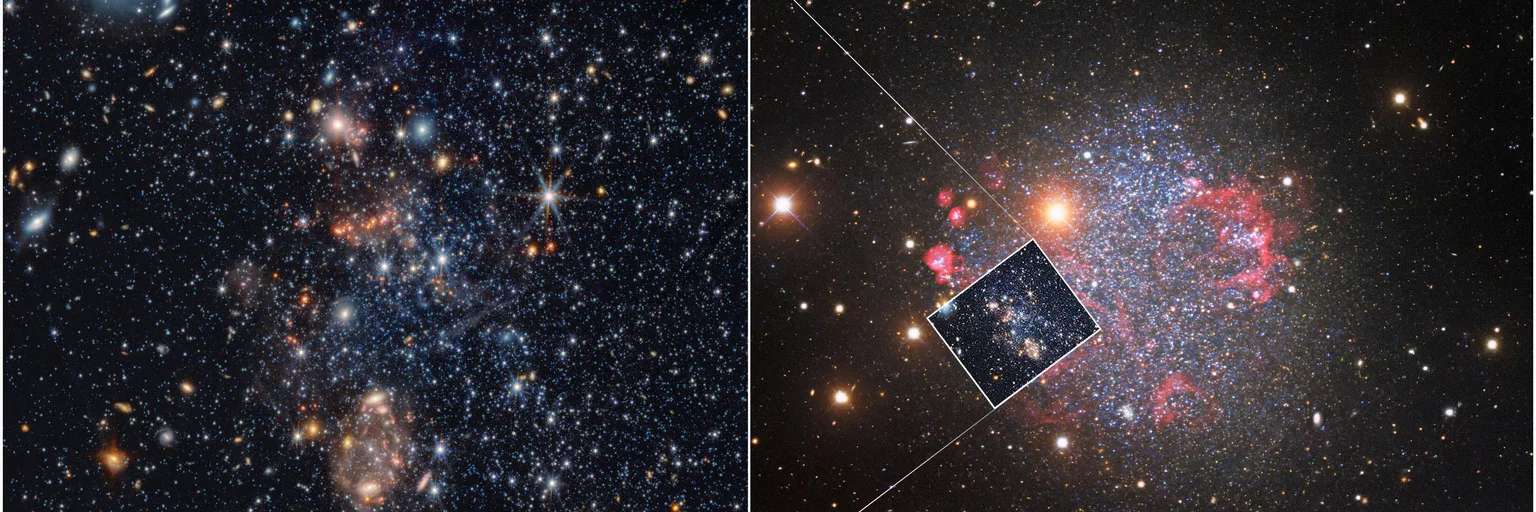
Webb's dust factories are a clue, not proof: the early universe is being read by proxy
Webb caught metal-poor stars making dust in a nearby dwarf galaxy. That's a real step for cosmic chemistry, but it stands in for the early universe rather than showing it.
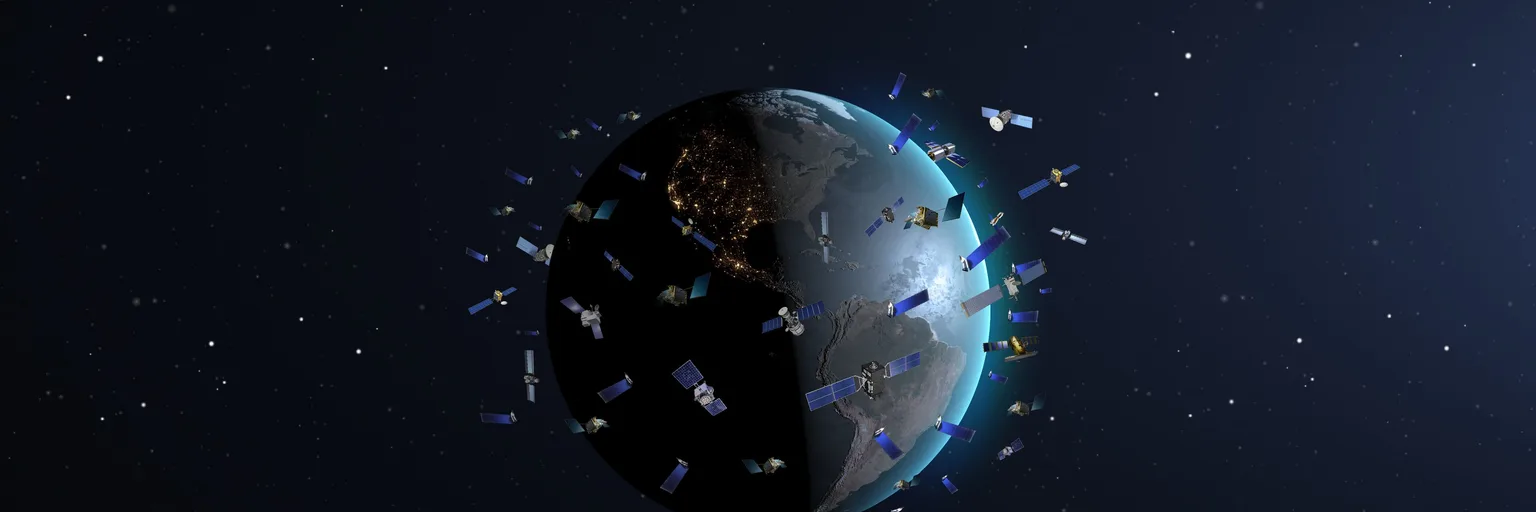
The orbital nuke warning is really about our satellite dependence
The Pentagon's report on a Russian nuclear satellite matters less as a treaty scandal than as a stress test of how much of daily life hangs on fragile orbital hardware.
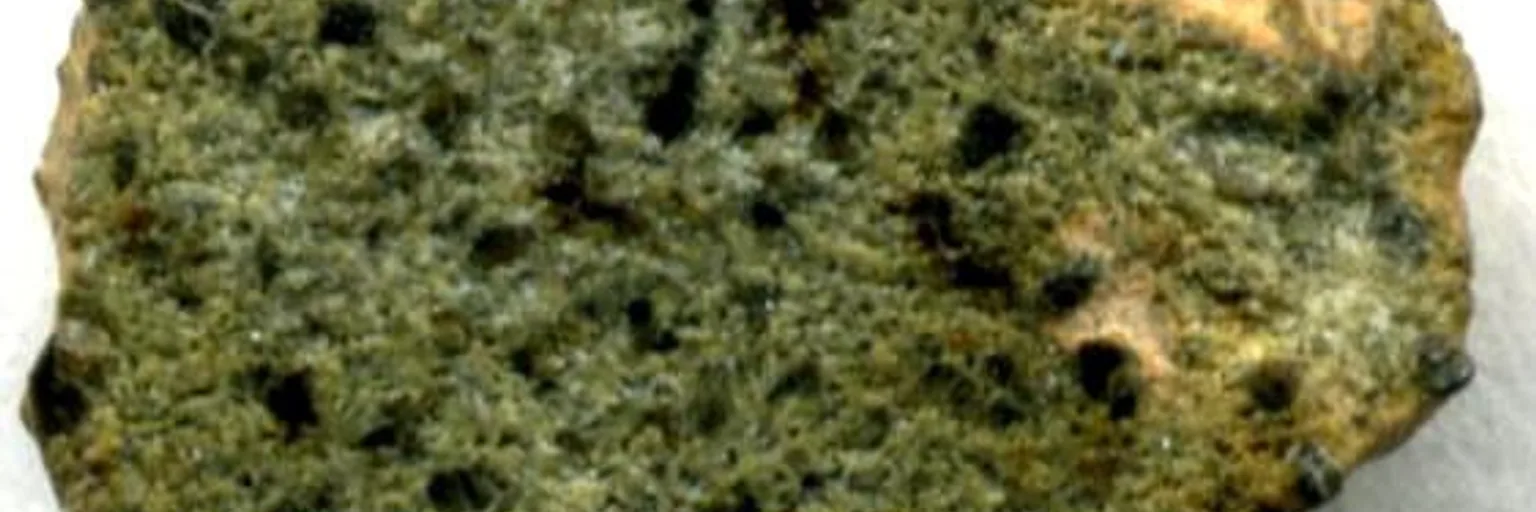
Thirteen possible homes for one Mars rock is a feature, not a flaw
A 4.1-billion-year-old meteorite with 13 candidate source sites shows how little a rock's age tells us without its geological setting, and why Mars sample return still matters.
Google's orbital haiku is a stunt; the data center is the question
A satellite wrote a haiku with a Google TPU. Charming, but the real test of orbital AI is radiation, heat and economics, and none of that has been proven yet.