Mars science runs on old relays, and NASA needs a plan B
Perseverance's radio trouble and Odyssey's balky reaction wheel are two small glitches. Together, they show how much Mars science depends on aging relay infrastructure.
Photo: NASA/JPL-Caltech/University of Arizona / Wikimedia Commons (Public domain)
What happens to a rover that can't phone home? Right now, we are getting a live demonstration. Two of NASA's Mars workhorses are sidelined at once, and we think the coincidence says more than either glitch does alone.
Two glitches, one shared weak point
As Space.com reports, NASA announced on November 19 that Perseverance and Mars Odyssey have stood down from science work. Perseverance's main UHF radio stopped sending its "heartbeat" pings to the main computer. The rover switched to its backup radio and entered safe mode. The backup was then found to be transmitting at about half its expected power. The team now talks to Earth directly through the high-gain antenna, a path with lower data rates, so science is paused while diagnostics get priority.
Odyssey, which arrived at Mars in October 2001, went into safe mode on November 4 over a reaction wheel. It has four wheels and needs three working. It already lost one in 2013. NASA hopes both spacecraft return by the end of November. If the wheel can't be recovered, Odyssey has hydrazine for only a month or two of thruster-only pointing.
The real story is the relay, not the rover
Taken separately, these are routine anomalies. Spacecraft glitch, and teams recover them. Perseverance detected its own fault and reacted as programmed. That is good engineering, and there is no reason to panic, as NASA itself says.
What we find more telling is the dependency. Perseverance normally sends its data through orbiters. When the UHF path failed, the fallback was a slower direct link, and the mission chose to pause science. Odyssey is also one of the orbiters that has long helped surface craft send data home, and it hasn't resumed relay work even though it left safe mode two weeks ago. The documentation doesn't say how many other relays are available, so we can't judge how thin the margin is. But the pattern is plain: a rover that has just set an off-Earth driving record can be slowed by one radio, and the relay chain has an orbiter launched in 2001 as one of its links.
It is an opinion, but we hold it firmly: a mission's science return is only as good as its worst link. Years of attention go to landing hardware, and far less to the unglamorous satellites that carry the data.
Odyssey deserves a retirement plan, not just praise
Odyssey has operated at Mars longer than any other spacecraft. NASA credits it with the first global maps of the surface's composition, with help in vetting landing sites, and with mapping water molecules in the top meter, including buried ice. That is a remarkable résumé, and it is exactly why its eventual loss shouldn't be a surprise.
Our view is that NASA should treat this moment as a prompt. It should be open about how much relay capacity it expects over the next several years, and about what the loss of Odyssey would cost surface missions. It should also say whether replacement relay capacity is funded. The documentation gives no sign either way, so we are not claiming that no plan exists. We are saying the public conversation should happen before an orbiter fails, not after.
There is also a sample-return angle. Scientists stress that fully assessing Perseverance's organic compounds will likely require bringing its samples to Earth. A program that wants to bring Mars rocks home shouldn't depend on a communications backbone that is old.
Verdict
Don't panic about the next two weeks. Both spacecraft will probably recover, and NASA says it expects to update us. But don't dismiss this as a bad month either. Two sidelined missions are a free stress test of Mars infrastructure, and it exposed a dependence on aging hardware. NASA should answer one question publicly: when Odyssey goes, who carries the mail?
No topics yet: start the first one.
More stories
Planet Nine's shrinking search area is progress, not a discovery
A new simulation study narrows the hunt for a hidden world beyond Neptune. We should applaud the method, but nobody has seen the planet yet.

Space farming's real test isn't lettuce: it's boring, repeatable harvests
NASA calls Ohalo III the first operational crop system in space. Judge it on yield, reliability and crew time, not on the novelty of a leaf grown in orbit.
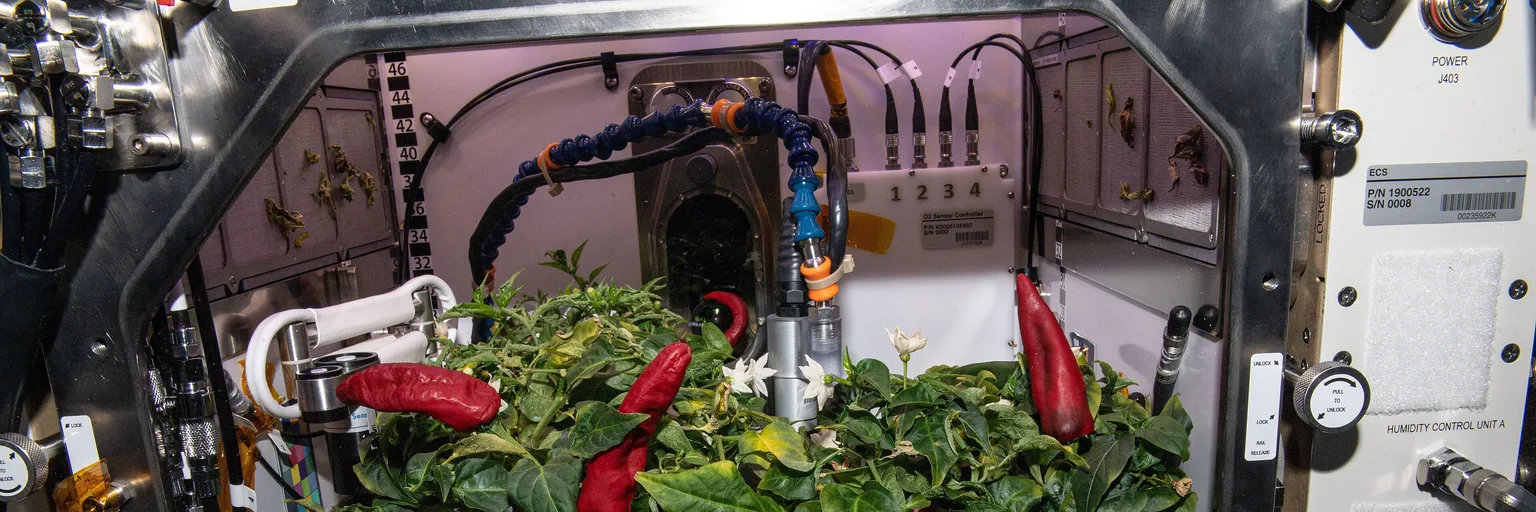
NASA's 20-kilowatt Moon reactor is a downgrade that may be the smart bet
Cutting the lunar reactor from 100 kW to 20 kW looks like a retreat, but a small reactor that actually flies beats a big one on paper.
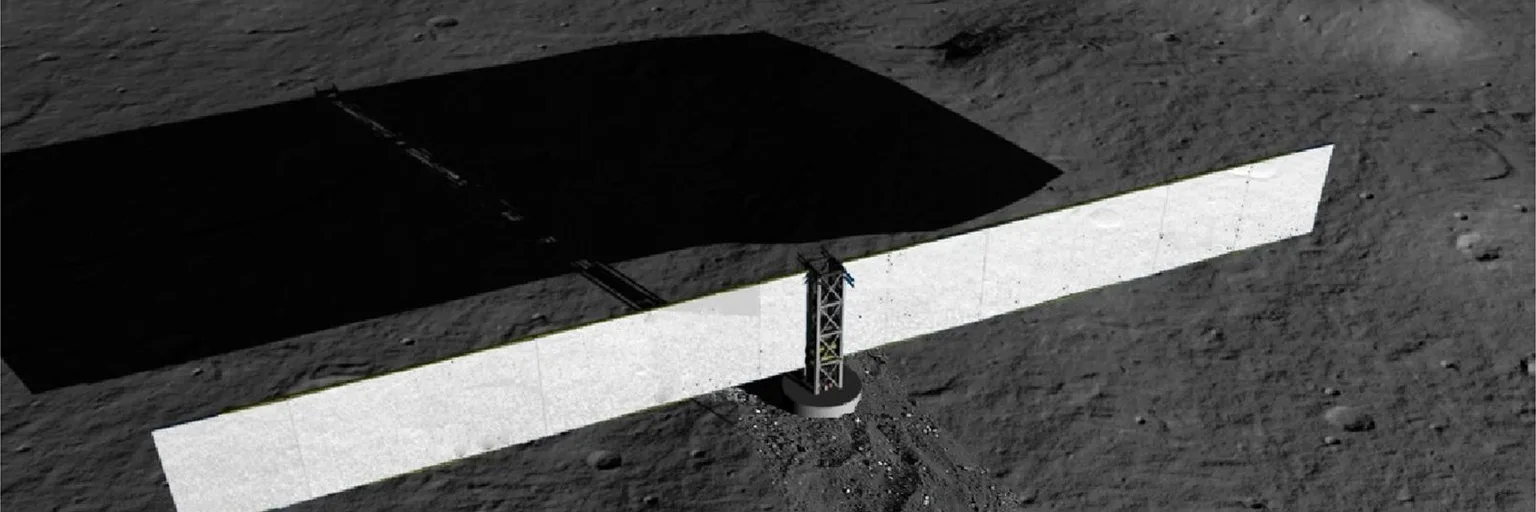
Dimorphos' crater is a data point, not a safety guarantee
Hera's first images of the DART crater are striking, but their value lies in what they say about how an asteroid takes a hit, not in any promise that Earth is covered.