Two Mars faults at once expose how thin NASA's safety net is
Perseverance and Odyssey going quiet within days of each other looks like a coincidence. The real story is how much Mars science leans on aging relays.
Photo: NASA/JPL-Caltech / Wikimedia Commons (Public domain)
Is it bad luck when two of NASA's workhorses on Mars go quiet within days of each other, or is it a warning? We lean toward the second reading. The faults themselves look unrelated. The fragility they expose is not.
Two unrelated faults, one uncomfortable pattern
On November 19, NASA announced that science activities on the Perseverance rover were temporarily paused "out of an abundance of caution". Ground teams are working on issues with its two UHF radios, which the rover uses to send large volumes of data to orbiters for relay to Earth. NASA says the rover is stable and communicating with the team.
The Mars Odyssey orbiter has also paused its science instruments. Secondary outlets describe a reaction wheel failure on the 25-year-old spacecraft, and Gizmodo describes the two problems as unrelated. We found no detail in the documentation on recovery timelines, so we won't guess at them.
The shared dependency is the real problem
The headline "Mars is impossible" is catchy, but it blurs the point. Nothing suggests one failure caused the other. The interesting part is how the two connect through function. Perseverance's UHF radios are its path to the orbiters, and the orbiters are the way home for its data. When the rover's radios are in doubt and a veteran orbiter is also in trouble, the system looks stretched at two points at once.
That is the architecture worry. In our view, surface missions lean heavily on orbiters to carry their data, and some of those orbiters are old. Nobody should be surprised that a 25-year-old spacecraft loses a reaction wheel. The surprise would be discovering how much we still count on machines of that age. Redundancy that exists on paper, like the two radios on the rover, matters little if both share the same trouble or if the receiving end is down.
Fix the relay, not just the rover
Our view is that the right response is not another rover. It is boring infrastructure. A dedicated, modern relay layer around Mars would make every surface mission less hostage to the health of veterans. It would also give engineers room to take a cautious pause without losing all their data. We can't say from the documentation what NASA has planned here, so this is our recommendation, not a report.
There is also a fault-tolerance argument. Pausing science "out of an abundance of caution" strikes us as the correct call. But a system where caution means the whole science program stops is a system with little slack. Designing missions so that one degraded radio or one worn wheel costs weeks of reduced operations, not a full halt, is probably cheaper than building new flagships.
Proportion matters, but so does the lesson
Let's keep perspective. Perseverance is stable and talking to its team, and a cautious pause is, in our view, a sensible response rather than a disaster. Orbital imagery also remains a rich source of discoveries, as the HiRISE view behind this week's Daily Mail report on strangely sorted boulders shows. Mars science isn't dead.
But the pattern is worth naming. Long-lived missions are a triumph, and we've built a program that quietly depends on them never wearing out. They will. If this episode resolves in a few weeks, the temptation will be to treat it as a scare and move on. We think that would waste it.
Verdict: the pause isn't the scandal. The scandal would be reaching the next one with the same thin relay network. Fund the communications backbone, and treat aging orbiters as the critical infrastructure they already are.
No topics yet: start the first one.
More stories
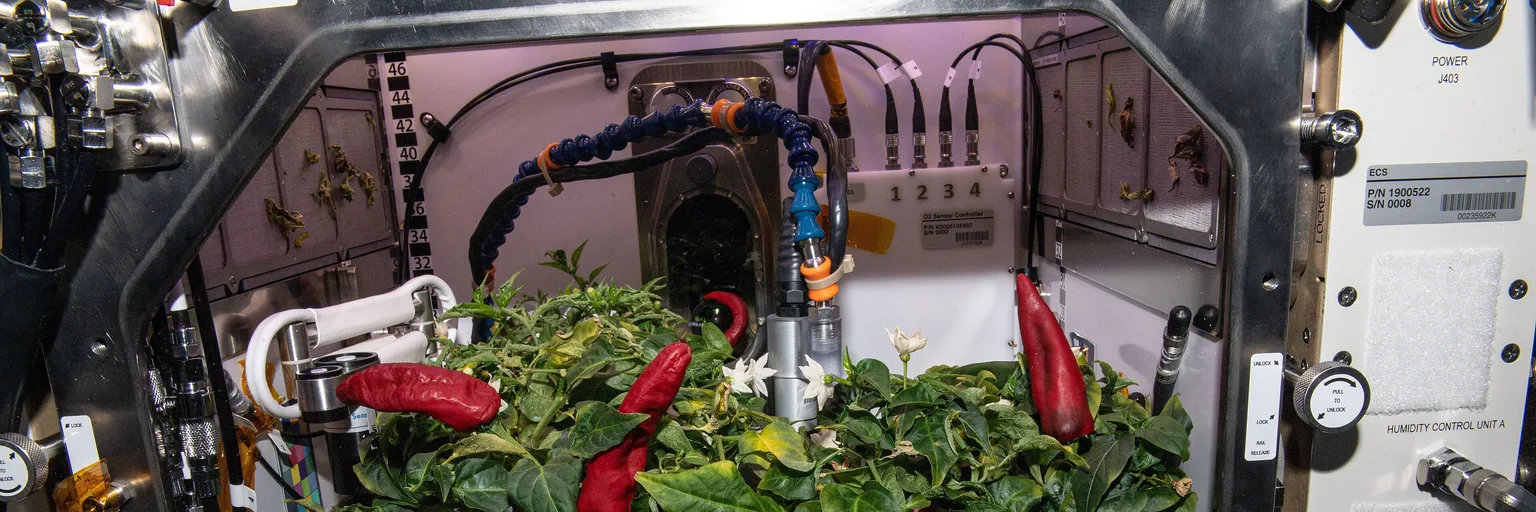
Space farming's real test isn't lettuce: it's boring, repeatable harvests
NASA calls Ohalo III the first operational crop system in space. Judge it on yield, reliability and crew time, not on the novelty of a leaf grown in orbit.
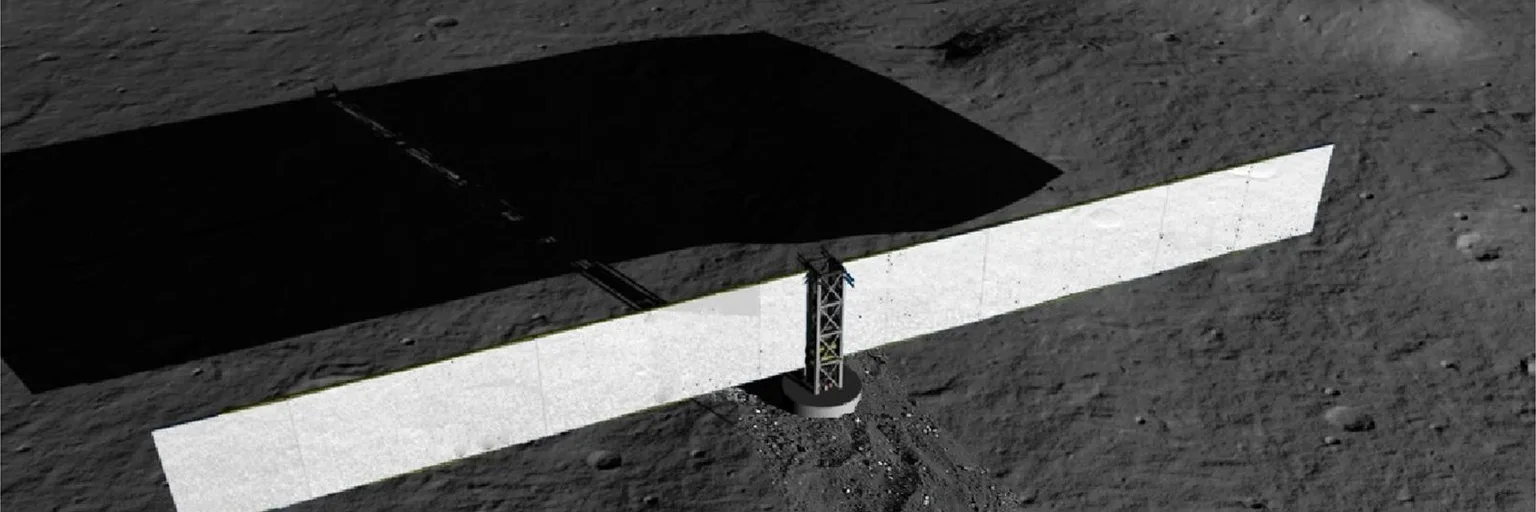
NASA's 20-kilowatt Moon reactor is a downgrade that may be the smart bet
Cutting the lunar reactor from 100 kW to 20 kW looks like a retreat, but a small reactor that actually flies beats a big one on paper.
Dimorphos' crater is a data point, not a safety guarantee
Hera's first images of the DART crater are striking, but their value lies in what they say about how an asteroid takes a hit, not in any promise that Earth is covered.

A million satellites approved: the FCC gave SpaceX a permit, not a plan
The FCC's green light for up to one million Starmind data-center satellites settles a paperwork question. Physics, launch capacity, debris and the night sky are still open.